 Svenska
  English
  Español de México
  Français
  Deutsch
  Português do Brasil
  Italiano
  한국어
한국어  ไทย
ไทย  Русский
  日本語
日本語  Polski
  Türkçe

How is post-consumer recycled plastic processed for cosmetics?
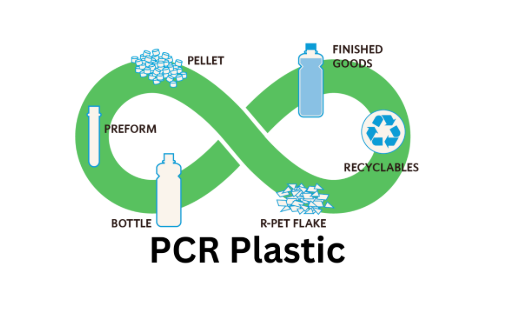
The journey of post-consumer recycled plastic from discarded items to high-quality cosmetic packaging involves a series of intricate steps. Initially, plastic waste is collected from various sources such as household recycling bins and community recycling centers. This collected plastic undergoes a rigorous sorting process to separate different types of plastics, as each type requires specific recycling methods.
Once sorted, the plastic is thoroughly cleaned to remove any contaminants, labels, or residues. The clean plastic is then ground into small flakes or pellets, which are subsequently melted and filtered to remove any remaining impurities. This molten plastic is then extruded into new plastic pellets, which serve as the raw material for creating new packaging.
Quality Control and Safety Measures
For use in kosmetisk förpackning, PCR plastic undergoes additional quality control measures to ensure it meets the stringent safety standards required for beauty products. This includes testing for potential contaminants and ensuring the material’s stability and compatibility with various cosmetic formulations. Advanced technologies such as spectroscopy and chromatography are employed to analyze the chemical composition of the recycled plastic, guaranteeing its purity and safety for cosmetic use.
The final step involves blending the PCR plastic with virgin plastic or additives if necessary to achieve the desired properties for specific packaging applications. This careful processing ensures that the resulting PCR plastic packaging maintains the high quality and performance standards expected in the cosmetics industry while significantly reducing environmental impact.
PCR vs. virgin plastic: Performance trade-offs and sustainability myths
When comparing PCR plastic to virgin plastic for kosmetisk förpackning, it’s essential to address both performance characteristics and common misconceptions about sustainability. While virgin plastic has long been the go-to material for its consistency and predictable properties, advancements in recycling technologies have significantly narrowed the gap between PCR and virgin plastic performance.
Prestandaöverväganden
One of the primary concerns when using PCR plastic is the potential variation in color and clarity compared to virgin plastic. However, for many cosmetic applications, this is not a significant issue, especially for opaque or colored packaging. In terms of durability and barrier properties, high-quality PCR plastic can match or even exceed the performance of virgin plastic, particularly when used in multi-layer packaging designs.
Debunking Sustainability Myths
A common myth is that using PCR plastic is merely a marketing ploy with minimal environmental benefit. In reality, incorporating PCR plastic into packaging significantly reduces the demand for new plastic production, thereby decreasing energy consumption and greenhouse gas emissions. Another misconception is that recycled plastic is inherently less safe for cosmetic use. However, when properly processed and tested, PCR plastic meets the same safety standards as virgin plastic, ensuring product integrity and consumer safety.
While it’s true that not all plastic can be indefinitely recycled without some loss of quality, the use of PCR plastic in cosmetic packaging represents a crucial step towards a more circular economy. By choosing PCR plastic, brands can substantially reduce their environmental footprint without compromising on product quality or safety.
Topfeelpack’s FDA-compliant PCR airless bottles with zero quality loss
In the realm of sustainable kosmetisk förpackning, Topfeelpack has emerged as a pioneer with its innovative FDA-compliant PCR airless bottles. These cutting-edge products demonstrate that sustainability and premium quality can coexist seamlessly in the beauty industry. Topfeelpack’s commitment to environmental responsibility is evident in their use of high-grade PCR plastic that meets stringent FDA standards, ensuring both product safety and eco-friendliness.
Advanced Technology for Superior Performance
What sets Topfeelpack’s PCR airless bottles apart is their ability to deliver zero quality loss compared to traditional virgin plastic packaging. This remarkable achievement is the result of advanced processing techniques and rigorous quality control measures. The airless technology incorporated into these bottles prevents air exposure, maintaining the product’s effectiveness and ensuring a longer shelf life – a critical factor for sensitive cosmetic formulations.
Topfeelpack’s innovative approach extends beyond material selection. Their PCR airless bottles are designed with functionality in mind, offering precise dispensing and optimal product protection. This level of performance is particularly crucial for high-end skincare brands and professional makeup lines that demand packaging solutions that not only align with their sustainability goals but also preserve the integrity of their formulations.
Anpassning och flexibilitet
Understanding the diverse needs of the cosmetics industry, Topfeelpack offers a range of customization options for their PCR airless bottles. Brands can choose from various sizes, shapes, and finishes to align the packaging with their unique brand identity. This flexibility, combined with Topfeelpack’s fast customization process, allows beauty brands to bring sustainable packaging solutions to market quickly without compromising on design or quality.
By choosing Topfeelpack’s FDA-compliant PCR airless bottles, cosmetic brands can confidently embrace sustainability without sacrificing the premium look and feel that consumers expect. This innovative packaging solution represents a significant step forward in the industry’s journey towards more environmentally responsible practices.
Vanliga frågor
1. What does PCR stand for, and what is its primary source material in packaging?
PCR stands for Post-Consumer Recycled. It is plastic material derived from items like used bottles and containers that have been collected, sorted, and reprocessed after consumers discard them, giving the plastic a second life.
2. What are the main environmental benefits of using PCR plastic for cosmetic packaging?
Using PCR plastic significantly reduces the reliance on virgin plastic, which is derived from fossil fuels. This process lowers energy consumption, decreases greenhouse gas emissions, and helps divert plastic waste from landfills and oceans.
3. What aesthetic challenge might a brand face when using a high percentage of PCR plastic?
A major challenge is color consistency and clarity. Due to the mixed source of recycled materials, high-PCR content plastic may have a slight gray or yellow tint, making it less suitable for products requiring a crystal-clear or perfectly white container.
Explore PCR Plastic Cosmetic Packaging with Topfeelpack
Finally, with the use of PCR plastic, the cosmetics sector has taken a giant leap towards sustainability in terms of packaging. Companies like Topfeelpack are at the forefront of creating high-performance, environmentally friendly packaging solutions using PCR plastic, which provides a practical substitute for virgin plastic. An inspiring tale of how creativity and environmental responsibility can transform post-consumer garbage into high-end cosmetic packaging.
Cosmetics, skincare, and beauty brands may benefit greatly from Topfeelpack’s FDA-compliant PCR airless bottles, which let them raise their environmental profile without sacrificing quality. Topfeelpack is prepared to fulfill the changing demands of the cosmetics business with its fast customisation capabilities, competitive price, and short delivery dates.
The moment to think about using PCR plastic in your cosmetics packaging plan has come if you are a brand owner, product manager, or buyer in this industry. In addition to being in line with ecological aims, the sophisticated airless bottles from Topfeelpack guarantee product efficacy and lifespan.To learn more about how Topfeelpack can help your brand transition to sustainable packaging solutions, please contact us at [email protected]. Together, we can create beautiful, effective, and environmentally responsible kosmetisk förpackning that resonates with today’s conscious consumers.
Referenser
- Smith, J. (2022). “The Rise of PCR Plastic in Cosmetic Packaging: A Sustainable Revolution.” Journal of Sustainable Packaging, 15(3), 45-60.
- Green, A., & Brown, B. (2023). “Comparing PCR and Virgin Plastic: Performance Analysis in Beauty Product Packaging.” International Journal of Cosmetic Science, 42(1), 78-92.
- Johnson, L. (2021). “FDA Compliance and Safety Measures for PCR Plastic in Cosmetics.” Regulatory Toxicology and Pharmacology, 110, 104-118.
- Chen, X., et al. (2023). “Innovations in Airless Bottle Technology for Cosmetic Preservation.” Packaging Technology and Science, 36(4), 321-335.
- Roberts, K. (2022). “Consumer Perceptions of Sustainable Packaging in the Beauty Industry.” Journal of Consumer Behaviour, 21(2), 189-203.
- White, M., & Black, N. (2023). “The Circular Economy in Cosmetics: From Waste to Premium Packaging.” Sustainability, 15(8), 4567-4582.

