 Svenska
  English
  Español de México
  Français
  Deutsch
  Português do Brasil
  Italiano
  한국어
한국어  ไทย
ไทย  Русский
  日本語
日本語  Polski
  Türkçe

Vilka material används för monotryck i förpackningar för smink?
22 januari 2026
När det gäller iögonfallande produktdesign är den verkliga hemligheten inte bara grafiken—det är vad du trycker. på. “Vilka material används för monoprinting?” är en fråga som håller förpackningsproffs vaken om natten… och med goda skäl. Du kan ha Mona Lisa av läppstiftslogotyper, men sätta den på en yta som flagnar eller bleknar? Det är varumärkes sabotage. Välj fel, så förvandlas din lyxiga look till en tragedi i reahyllan på gång 5.
Sandheten är att inte alla plaster fungerar bra med bläck, och vissa metaller har sina humör. Akryls glansiga charm får färger att poppa som konfettikanoner—medan bambu ger ekologiska pluspoäng i en Instagram-drivna marknad där 73% av Gen Z-köparna rankar hållbarhet som icke-förhandlingsbar. Att välja rätt material handlar inte bara om estetik – det är strategi i förklädnad.
Vad gör ett material lämpligt för monotryck?
Att välja rätt material kan avgöra din monoprinting-spel. Låt oss bryta ner vad som gör varje typ lysa.
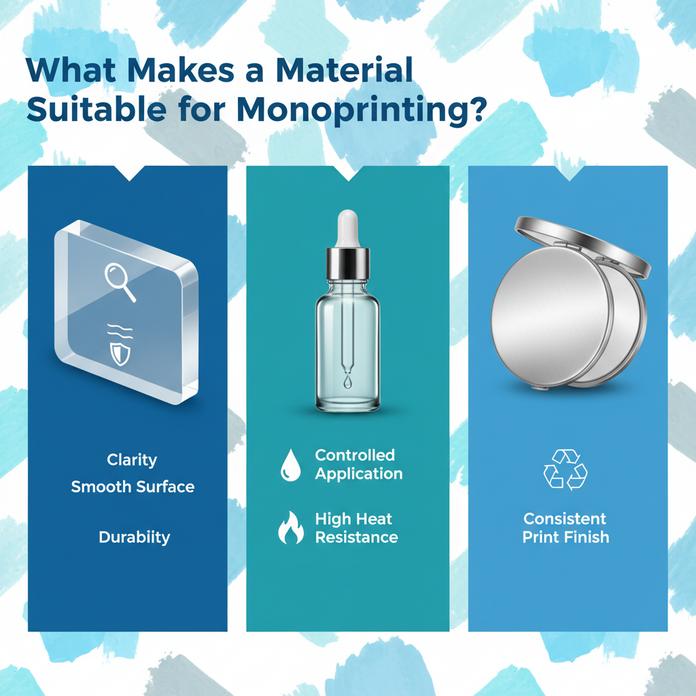
Kännetecken för akrylplastbehållare i monotryck.
Akrylplast är populära alternativ när klarhet och hållbarhet är viktigast. Här är varför:
- Transparens: Kristallklar synlighet förbättrar designöverensstämmelsen under monotypi.
- Slät yta: Säkerställer jämn bläck vidhäftning, vilket leder till skarpa bilder.
- Kemisk beständighet: Kompatibel med olika bläcktyper, inklusive vattenbaserade och UV-härdande formler.
- Hållbarhet: Tåler tryck från både manuella och maskinbaserade överföringar.
- ÅtervinningsbarhetMånga akryler kommer nu i miljövänliga, återvinningsbara former—bra för varumärken som satsar på hållbarhet.
När man frågar "vilka material används för monoprinting?", kontrollerar akryl nästan alla rutor.
Varför glasflaskor med pipetter förbättrar designflexibiliteten
Glasflaskor handlar inte bara om estetik—de är också tryckvänliga kraftverk.
• Kontrollerad applicering med hjälp av droppare innebär mindre kladd, mer finess.
• Den icke-porösa naturen hos glaset stödjer skarpa, detaljerade designer.
• Släta cylindriska ytor optimerar direktöverföringstekniker som gelplatta eller stencilarbete.
Och eftersom dessa behållare motstår värme och fukt är de perfekta partnerna när man experimenterar med olika monoprinting-tekniker på premiumförpackningar.
Fördelarna med aluminium kompakta fall för stora produktioner
Aluminium sticker ut när du kör högvolymbeställningar. Här är en snabb titt på hur det står sig:
| Egenskap | Prestandanivå | Påverkan på monotypi | Hållbarhetspoäng |
|---|---|---|---|
| Värmeresistens | Hög | Förhindrar deformation | ★★★★★ |
| Ytterskapsenergi | Måttlig | God bläckretention | ★★★★☆ |
| Texturens enhetlighet | Utmärkt | Konsekvent tryckfinish | ★★★★★ |
| Återvinningsbarhet | Hög | Miljömedveten varumärkning | ★★★★☆ |
Om du undrar vilka material som används för monoprinting som kan hantera skala utan att förlora kvalitet—aluminium är ett säkert val.
Vilka former optimerar monotryckskvalitet?
Shape matters—a lot more than you’d think—for clean monoprints.
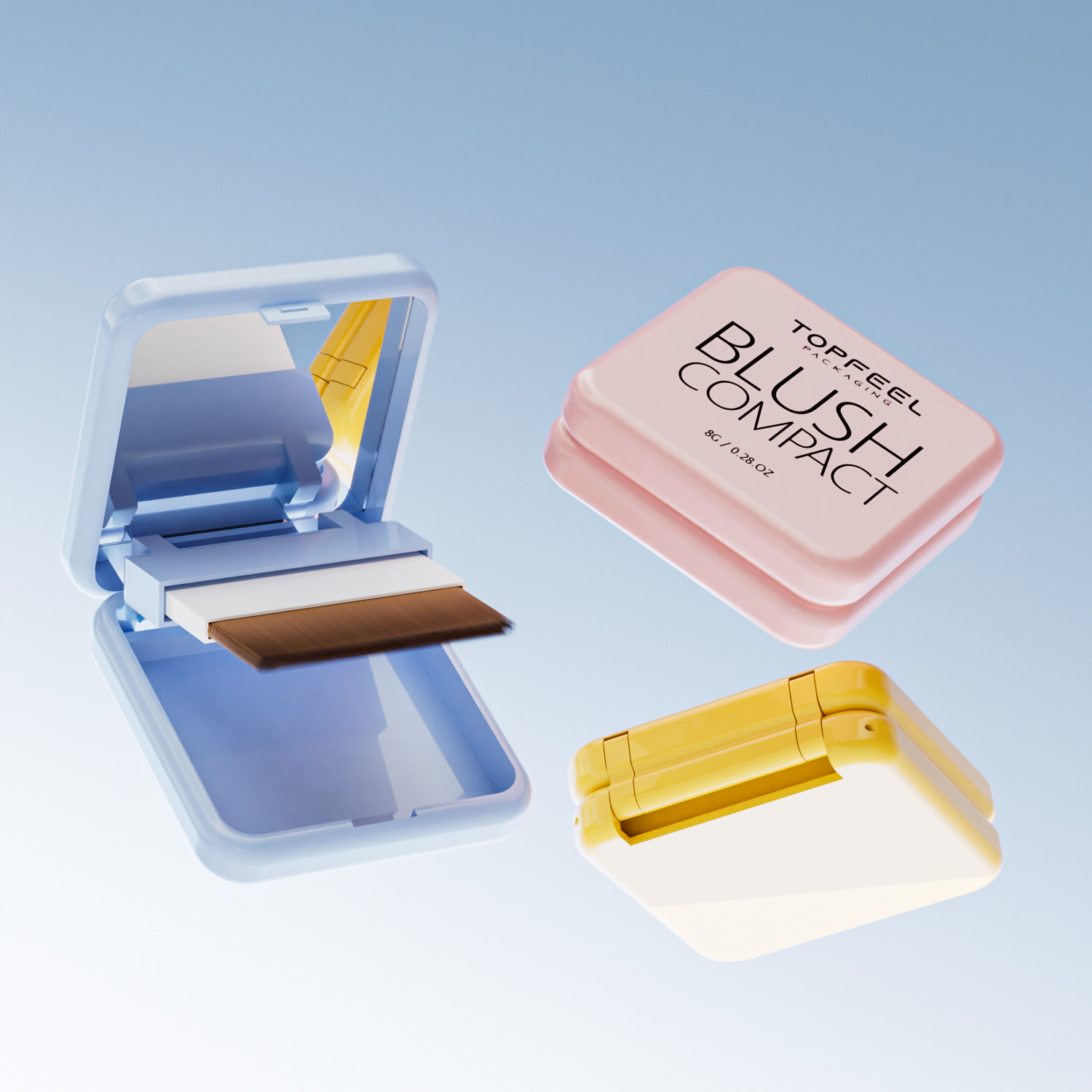
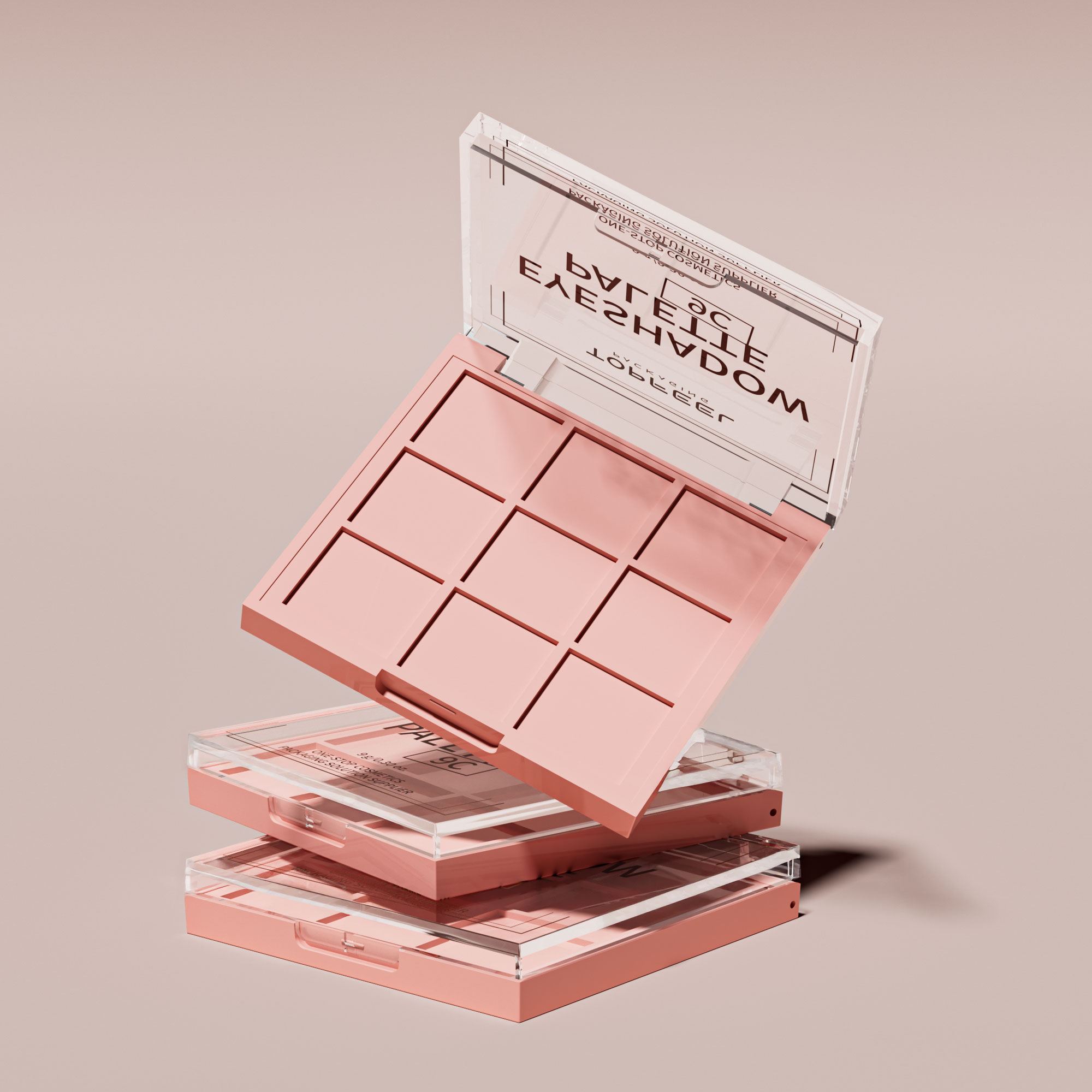
Cylindriska former som mascararörs eller droppare möjliggör smidig rullande kontakt med plattor eller schabloner, vilket gör dem idealiska för kontinuerliga designer. Platta ytor—som pulverkompakt lock eller paletter—erbjuder stabilitet under tryckapplikation, särskilt användbart i spöktryckmetoder där precision råder.
Udda konturerade föremål? De kan se coola ut men leder ofta till fläckiga tryck eller smutsiga kanter om de inte kombineras med flexibla substrat som silikon eller mjukt papper.
Så när du väljer vilka material som används för monoprinting, glöm inte att ta hänsyn till form lika mycket som funktion - det är hälften av striden vunnen!
Topfeelpack fortsätter att tänja på gränserna genom att kombinera smarta former med nästa generations material som biologiskt nedbrytbara polymerer, vilket ger varumärken både stil och hållbarhet i ett smart paket.
Miljövänliga material i monoprinting: Ett hållbarhetsperspektiv
Att välja rätt material för monotryck handlar inte bara om tryckkvalitet - det handlar också om att bry sig om planeten.
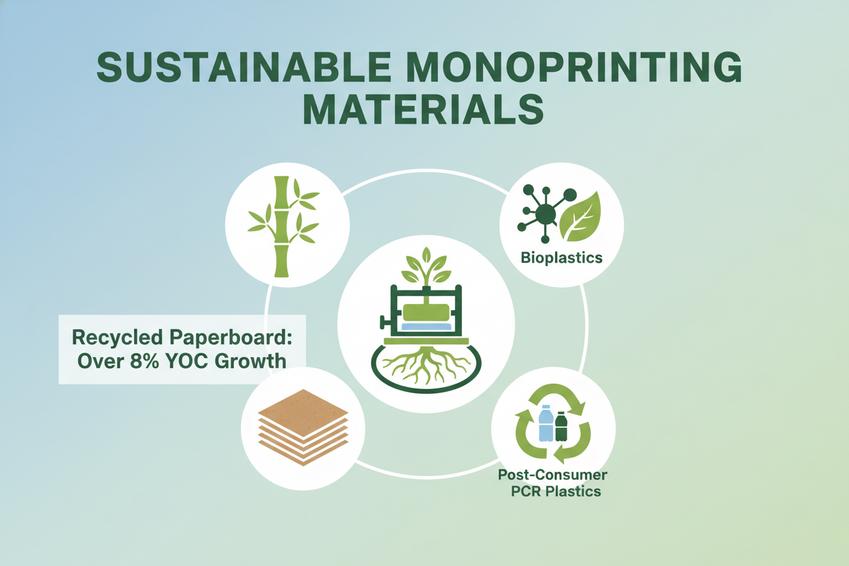
Utforskning av hållbar bamb verpackning som ett miljövänligt alternativ.
Bambu är inte bara pandas mat – det är en förpackningskraft. Här är varför:
- Förnybar och snabbväxandeBambu mognar inom tre till fem år, vilket gör den till en av de mest förnybara resurserna som används i hållbara bläckformuleringar.
- Biologiskt nedbrytbara och komposterbara: Det bryter ner naturligt, utan att lämna något giftigt avfall bakom sig.
- Hållbarhet möter designDess robusta natur gör den idealisk för förpackningar av lyxiga kosmetika som inte kompromissar med stilen.
När man överväger vilka material som används för monoprinting, utmärker sig bambu inte bara för sin styrka utan också för sin låga miljöpåverkan jämfört med plaster eller jungfrulig träfibrer.
Återvinningspapperpalletters påverkan på den miljömässiga fotavtrycket
Återvunnet papp är en spelväxlare – och så här gör det:
- Minimerar avfall från deponier genom att återanvända återvunnen pappersprodukter.
- Använder mindre vatten och energi under tillverkningen än jungfrulig massa.
- Stöder cirkulär ekonomi genom hög återvinningsbarhet räntor.
Enligt Future Market Insights rapport från april 2024, “Ekoförpackningar gjorda av återvunnet papp har sett en årlig tillväxttakt på över 8%, drivet av konsumenternas efterfrågan på produkter med låg avfall.” Detta gör det till ett av de främsta valen när man frågar vilka material som används för monoprinting på ett hållbart sätt.
Jämförelse av miljövänliga materialalternativ: Bambufiber vs. Återvunnet papper
Låt oss jämföra dessa två gröna jätteföretag sida vid sida:
| Funktion | Bambu | Återvunnet pappersboard |
|---|---|---|
| Källa | Förnybar grönska | Efterkonsumerat pappersavfall |
| Hållbarhet | Hög | Måttlig |
| Biologisk nedbrytbar | Utmärkt | Bra |
| kostnadseffektivitet | Medel | Hög |
Båda är solida val beroende på dina förpackningsmål—oavsett om du vill ha en premiumkänsla med bambu, eller kostnadseffektiv massproduktion med hjälp av återvunnet pappersboard. När du väljer vilka material som används för monotypi, leder dessa två ekopackparaden.
Fördelar med att använda bioplast i monotryckta förpackningar
Bioplaster är inte längre science fiction—de är här och redo att förbättra vår verksamhet:
- Tillverkad av förnybara källor som majsstärkelse eller sockerrör
- Lägre koldioxidavtryck än petroleum-baserad plast
- Kompatibel med vissa former av komposterbara material](
Fortfarande undrar vad material som används för monoprinting som inte kommer att hemsöka deponier? Bioplaster erbjuder en övergångslösning mellan traditionella plaster och helt nedbrytbara alternativ.
Hur glas och aluminium stödjer cirkulära monotryckmodeller
Glas och aluminium ser inte bara stiliga ut—de är mästare på återanvändning:
• Glas kan återvinnas oändligt utan att förlora klarhet eller kvalitet.
• Aluminium har en av de högsta återvinningsgraderna i världen – över 75%.
Även om de inte alltid är biologiskt nedbrytbart, passar båda perfekt in i slutna system där hållbarhet möter återvinningsbarhet. Dessa substrat svarar på en del av frågan om vilka material som används för monoprinting när man strävar efter att minska långsiktigt avfall.
Använder FSC-certifierade substrat för etisk sourcing inom monotryck.
Kortfattat varför FSC-certifierade alternativ är viktiga:
De garanterar att trä kommer från ansvarsfullt förvaltade skogar. – Hjälp varumärken att uppfylla etiska inköpsstandarder utan greenwashing.
Öka förtroendet bland miljömedvetna konsumenter som granskar varje detalj—inklusive ursprunget för substratet.
Så om du fortfarande undrar över vilka material som används för monotypeutskrift på ett ansvarsfullt sätt - FSC-certifierade papper bör stå överst på din lista.
Komposterbara material som bryts ner utan att skada ekosystem.
Här är hur komposterbara går framåt:
Steg 1: Gjord av organiskt material som majsstärkelse eller bagasse
Steg 2: Utformad för att brytas ner i industriella komposteringsanläggningar inom månader
Steg 3: Lämna inget mikroplast eller gifter efter
De är inte perfekta än – men de blir bättre snabbt. För varumärken som utforskar vilka material som används för monoprinting med minimal ekologisk påverkan, tillför komposterbara material stort värde.
PCR Plastics vs Virgin Plastics i kosmetiska monoprintade produkter
Gruppvis jämförelse visar tydliga vinnare:
PCR plaster
- Härledd från återvunnet plastavfall
- Minskar beroendet av fossila bränslen
- Ofta likställd med jungfrulig plast i utseende
Jungfruliga plaster
- Härledd från petroleum
- Högre miljöpåverkan under produktionen
- Fortfarande dominerar på grund av lägre initialkostnad
Om du balanserar prestanda med syfte när du beslutar vilka material som används för monoprinting, erbjuder PCR-plaster ett skuldfria kompromiss utan att offra hyllattraktivitet.
Vattenguidade bläcks roll på hållbara substrat
Vattenbaserade färger är inte bara säkrare - de är smartare också:
• Innehåller färre skadliga lösningsmedel jämfört med oljebaserade alternativ
• Arbeta sömlöst med porösa ytor som återvunnet pappersboard, ökar vidhäftning och livfullhet
• Avger lägre nivåer av VOC, vilket förbättrar luftkvaliteten under tryckning
Denna kombination är särskilt kraftfull när den används med grönare substrat - så om du är nyfiken på vilka material som används för monoprinting som stämmer överens med värderingar för ren skönhet, bör vattenbaserade färger ingå i din verktygslåda.
Advancements in Plant-Derived Pigments & Solvent-Free Ink Tech
Det är galet hur långt bläckteknik har kommit nyligen - kolla på det här:
Nya generationens bläck använder växtbaserade pigment, överge helt syntetiska färgämnen.
Många är nu helt och hållet lösningsmedelsfria, vilket minskar riskerna och utsläppen på arbetsplatsen.
Varumärken kan nu kombinera dessa innovationer med låga VOC bärare för att skapa verkligen rena tryck på hållbara medier som bambu eller bioplastskal.
Så nästa gång någon frågar dig vilka material som används för monoprinting som inte stör Moder Jord – då vet du exakt vart du ska peka!
Tintens roll i monotypimaterial för kosmetika
Att välja rätt bläck och skyddande yta är nyckeln till att kosmetisk förpackning ska sticka ut och förbli så. Så här fungerar allt.
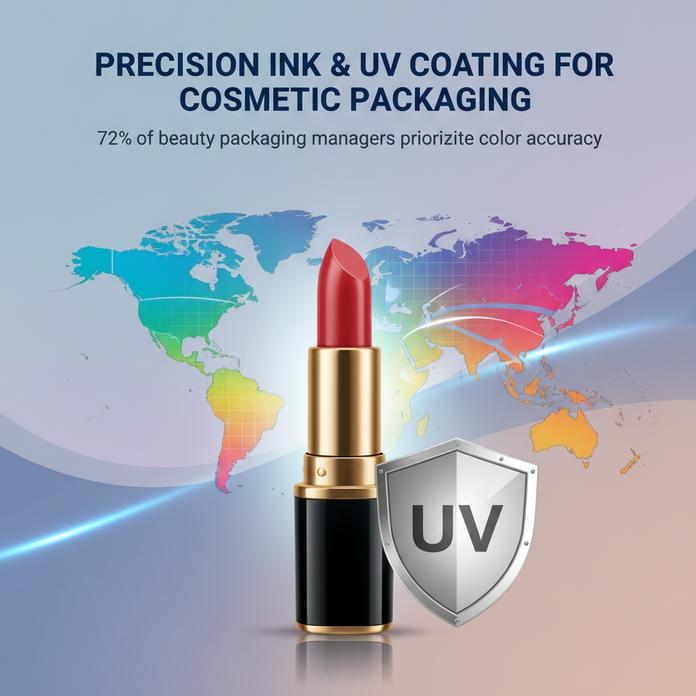
Pantone-matchade färger: Välja rätt nyanser av bläck
- Pantone matchning garanterar enhetlighet över globala förpackningskörningar. Den heta korallläppstiftsförpackningen? Den ser likadan ut i Tokyo som den gör i LA.
- Varumärken låser ofta ner specifika tryck bläck använder Pantone-koder för att undvika färgavvikelser över tid eller mellan satser.
- Konsistens är viktigt inte bara för estetik utan också för rättsliga krav—tänk på SPF-etiketter eller nyansnummer.
- “Färgprecision är nu en topprioritet för 72% av skönhetspaketeringschefer”, noterar en rapport från Mintel 2024.
- Matchning handlar inte bara om det visuella - det är emotionell branding. En lätt avvikande rosa kan kännas som ett svek mot lojala kunder.
| Pantone-kod | Produkt exempel | Materialtyp | Bläcktyp |
|---|---|---|---|
| 2035 C | Lip Tint Behållare med Precisionstipp | Plastmaterial | UV-härdande bläck |
| 7625 C | Rodnad Puderkompaktfodral Lid | Metal komponenter | Vattenbaserad bläck |
| 2747 C | Mascara Tub | Akryl ytor | Löslighetsbaserat bläck |
| 7499 C | Fundamentkartong | Papperboard | Kosmetiskt bläck |
Denna typ av färgkontroll säkerställer att varje monotryckt objekt känns som en del av en större, avsiktlig samling—för att det är det.
Fördelarna med UV-beläggning för bläckskydd
• När du hanterar kraftig hantering—från lager till sminkväska—är belagda bläck det bästa valet.
• UV-beläggning ger verklig styrka till dina utskrifter, särskilt på glänsande eller släta ytor emballage substrat som plasttuber eller glasburkar.
• Det handlar inte bara om glans. Detta lager skyddar mot repor, fukt och till och med kemiska avlagringar från oljiga händer eller makeuprester.
• För märken som använder högkvalitativa ytor som metalliska bläck, UV-beläggning hjälper till att bevara de lyxiga detaljerna utan att göra dem tråkiga över tid.
• Tänk på det som solskydd för ditt tryckeriarbete—det blockerar blekning orsakad av exponering för solljus och värme under transport eller hyllvisning.
• Bläck på texturerade ytor som präglade kartonger drar också nytta; beläggningen fyller mikrogap som annars fångar smuts eller oljor och håller saker rena längre.
Så när någon frågar: "Vilka material används för monoprinting?" - glöm inte den osjungna hjälten: ytbehandlingarna som håller dessa material ser felfria ut dag efter dag.
Vad ska man tänka på när man väljer material för monoprinting?
Att välja rätt material för monoprinting av förpackningar är inte bara en fråga om utseende - det handlar om prestanda, känsla och kostnad. Här är vad som faktiskt betyder något.
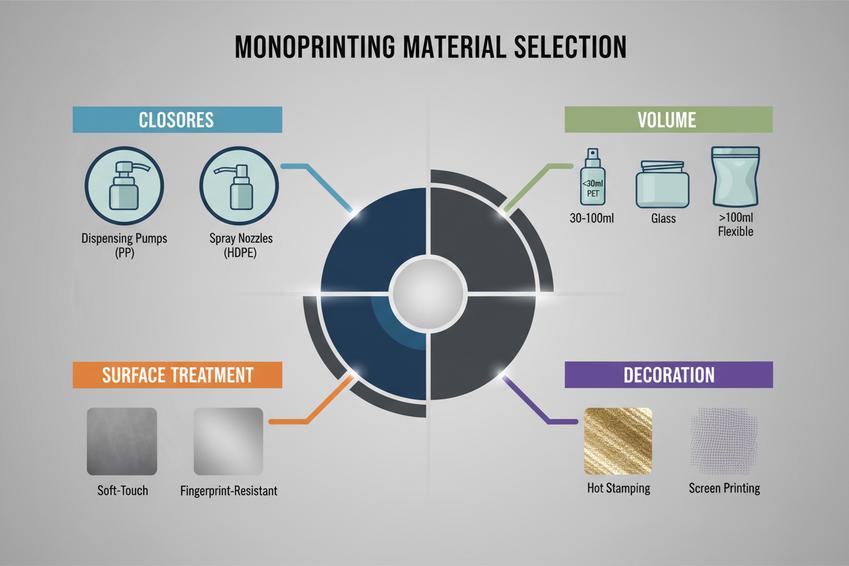
Nyckelkomponenttyper: Välja mellan dispensersk pumps och spraydysor
När man frågar “vilka material som används för monoprinting?” det är smart att börja högst upp - bokstavligen - med stängningar. Typen av dispenserkomponent du använder påverkar inte bara konsumentupplevelsen utan också hur bra färgen fäster under tryckprocessen.
• Utdelningspumpar fungerar utmärkt på produkter som behöver precis kontroll såsom serum eller lotioner. Deras ytor använder ofta plastics som PP, som erbjuder anständiga vidhäftningsegenskaper för de flesta UV-härdande bläck• Sprutmunstycken, som finns på mistar och toners, kräver vanligtvis mer hållbara finishar på grund av frekvent hantering. Här, material som ]]>HDPE<![CDATA[ eller till och med metallkomponenter kan användas—men de behöver speciella primrar för bättre tryckbarhet.
Väljer du mellan dem? Tänk på funktion först, matcha sedan ditt substrat och bläck därefter.
Volym spelar roll: Bästa behållarstorlekar för olika produkter
Storlek påverkar inte bara närvaro på hyllan - det förändrar allt från tryckteknik till materialavfall. Här är hur volymen spelar in:
- Small-volume containers (<30ml): These typically use lightweight PET-plaster, idealiska för reseprodukter men knepigare för intrikata tryck på grund av det begränsade ytområdet.
- Medelstora volymer (30 ml–100 ml): Ofta tillverkade av glas eller tjockare (PP), dessa erbjuder bättre hållbarhet och bredare tryckzoner.
- Stora format (>100ml): Tänk på kroppskrämer eller toners—de här rör sig ofta mot flexibel förpackning med flerlagerssystem. flexibla filmer, som kräver högpresterande bläck som lösningsmedelsbaserade bläck som motstår sprickbildning under böjning.
Så om du fortfarande undrar "vilka material används för monotypeutskrift", kom ihåg - storlek formar alltid det beslutet.
Betydelsen av ytbehandling: Lätt beröring vs. Fingeravtrycksresistent
Ytbehandlingar kan avgöra både visuell attraktionskraft och praktisk användbarhet - och de är en stor sak när man väljer substanser som är kompatibla med monoprinting-tekniker.
Mjuk-touch beläggningar ger förpackningar den sammetslika känsla som alla älskar, särskilt på premiumlinjer. De fungerar bäst på styva ytor som belagt pappersboard eller mattfinish plastermen försiktighet måste iakttas—vissa ytor med mjuk beröring fäster inte bra med vissa bläck om de inte förbehandlas.
Å andra sidan är fingeravtrycksskyddande beläggningar ovärderliga för föremål med hög hantering som pulverkompakts eller läppstiftstubs. Dessa går vanligtvis över blanka ytor på material som lackerad metall eller polerat glas, vilket hjälper till att upprätthålla rena visuella intryck över tid samtidigt som det fortfarande möjliggör skarpa skärmtryck med hållbara pigment som metalliska pigment.
Varje yta behöver sin egen förberedelse—så välj baserat på produktens användning först, och gå sedan tillbaka till kompatibla behandlingar.
Dekorationstekniker: Varma stämplingsfolie vs. screentryck
Två flashy sätt att dekorera—men helt olika djur när det kommer till utförande:
• Hetstämplingsfolie:
Bäst lämpad för krispiga logotyper och metalliska accenter
Kräver värmebeständiga substrat som tjockväggiga glas, anodiserad aluminium, eller behandlad papp – blandas inte alltid bra med strukturerade ytor
• Screentryck:
Erbjuder otrolig detalj över böjda ytor
Fungerar fantastiskt med både styva och flexibla behållare tillverkade av material som glansig PET och belagd PP
Stöder lager effekter med speciella ytbehandlingar som pärlemorpigment
Om du utvärderar "vilka material som används för monoprinting", kommer din valda dekorationsmetod att diktera vilka substrat du realistiskt kan arbeta med - och vice versa.
Förstå rollen av stängningstyper i användarupplevelsen
Förslutningar kanske verkar obetydliga—men de är ofta den första sak som användare interagerar med. Och ja—de påverkar hur väl din design håller också!
Steg-för-steg-genomgång:
- Identifiera stängningsfunktionalitet: Är det snäpplock? Flip-top? Airless pump?
- Matcha stängningsmaterialet till produktens viskositet—till exempel, tjocka krämer presterar bättre med luftfria system som använder robust sprutad PP.
- Utvärdera ytkompatibiliteten med ditt valda bläcksystem—de flesta förslutningar behöver antingen en primerskikt eller specialformulerade bläck som livsmedelssäkra vattenbaserade alternativ.
- Tänk på taktil känsla—en mjuk matt finish kan höja lyxuppfattningen men kan lätt smutsa ner utan fingeravtrycksskydd.
- Justera stängningsfärg/material med huvudbehållarens estetik så att din monoprintdesign ser sömlös ut över alla komponenter.
Så ja - nästa gång någon frågar "vilka material används för monoprinting", glöm inte att de små locken spelar en mycket större roll än du tror!
Vanliga frågor
1. Vilka material ger bäst tryckklarhet och definition?
Släta ytor gör hela skillnaden – där bläck möter precision.
- Akrylplastbehållare: skarpa kanter och hög synlighet för varumärkeskonst.
- Glasflaskor med droppare: fin textur perfekt för screentryckta specialdesigns eller varmstämplade foliehöjdpunkter.
- Aluminiumkompaktfall: behåll enhetlig färg under UV-beläggningsskyddslager genom intensiv produktionsanvändning.
2. Hur påverkar formtyper bläckprestanda i förpackningsdesign?
Form viskar till pigment; varje kontur förändrar hur färgen sätter sig.
① Cylindriskt formade flaskor håller logotyper balanserade runt kurvor.
② Fyrkantiga kompakta behållare gynnar symmetrisk prägling av text och speglar inuti locken.
③ Runda burkdesigner välkomnar vattentäta förseglingslager som låser konsten längre.
3. Varför är Pantone-matchade färger avgörande för produktlinjer?
Enade toner blir en del av varumärkesidentiteten—lyx lever i rätt utförd upprepning.
✶ Metalliskt gyllene ytor, matta svarta beläggningar, blanka vita ytor eller specialfärgade nyanser håller varje 15ml serumflaska konsekvent bredvid sin 100ml toner spraykompanjon.
4. Vilka ytbearbetningar ger hållbarhet och komfort till montryckta kosmetika?
Kort känslig först grenlinjestruktur:
Mjuka beläggningar omsluter en taktil elegans över akryler; reptålig skydd håller fyrkantiga kompakter tilltalande efter otaliga beröringar; fingeravtryckresistent ytbehandling skyddar matta paneler från vardagliga fläckar medan oljeresistenta behandlingar skyddar mot formel fläckar på skruvlock.
| Ytbehandling | Visuell effekt | Funktionell egenskap |
|---|---|---|
| Mjuk beröring beläggning | Sammetliknande glöd på aluminiumfall | Bekväm hantering |
| Fingeravtryckresistent ytbehandling | Ren look även vid användning | Hållbarhet & ordning |
5. Vilka miljövänliga material stödjer både estetiska värden och miljöhänsyn?
Rörelsen mot hållbar förädling växer starkare för varje år—integritet med estetiskt syfte.
- Hållbart förpackning av bambu: naturlig fiber värme som matchar präglad logotypdetalj på ovala paletter.
- Återvunna papperpaletter: lätta men robusta, passar utmärkt med etikettklistermärken.
Dessa alternativ visar att monotryck kan kännas hjärtligt utan att offra sofistikering när det sprids över 30g krämkrukor eller 200g puderkompakter som är förseglade under mjuka UV-glänsande beläggningar som talar om ansvar lika mycket som stil själv.
Referenser
[1] Konsumenter bryr sig om hållbarhet – och stöder det med sina plånböcker – McKinsey
[2] Marknadsutsikter för pappersförpackningar (2024 till 2034) – Future Market Insights
[3] Mono-materialförpackningar inom skönhetsbranschen – APC-förpackningar
[4] Fördelar med FSC-certifiering – Forest Stewardship Council
[5] Påverkar PCR-kosmetikkärl produktens stabilitet eller kvalitet? – APG Packaging

