 Русский
  English
  Español de México
  Français
  Deutsch
  Português do Brasil
  Italiano
  한국어
한국어  ไทย
ไทย  日本語
日本語  Polski
  Svenska
  Türkçe
![[微信图片_20250526161331]](https://www.topfeelmakeup.com/wp-content/uploads/2025/05/微信图片_20250526161331.jpg)
Что такое пластиковые отходы, направляющиеся в океан?
06 мая 2026
Когда переработанный гламур встречается с целью — узнайте, что такое океанский пластик и почему умные покупатели упаковки для макияжа не могут устоять перед его экологической роскошью.
Что такое пластик, ближе к океану, и почему бренды красоты должны заботиться? С помощью этих индустрия красоты производит более 120 миллиардов упаковочных единиц ежегодно, перехват Coastal waste до того, как он попадет в океан, и его преобразование в высококачественную упаковочную смолу являются критически важной экологической стратегией.
Покупатели требуют сертифицированного снабжения, последовательного качества и эстетики, готовой к размещению на полках. В 2025 году инженеры Topfeelpack подтвердили, что получение подлинного пластика, попадающего в океан (OBP), требует строго проверяемых партнеров по переработке и абсолютной прослеживаемости.
Быстрые сведения о том, что такое пластик, попадающий в океан
.” Определение: Пластиковые отходы после потребления, собранные в пределах 50 км от побережья, где формальное управление отходами недостаточно, перехватываются и перерабатываются в смолу.
.” Преимущества: Уменьшает морское загрязнение, сокращает углеродные следы до 79%, сохраняет нефтяные ресурсы и формализует местные экономики отходов.
.” Приложения: Обработано с помощью инъекционного, экструзионного и выдувного формования в премиум упаковка для косметики такие как крышки, тубы, банки и бутылки.
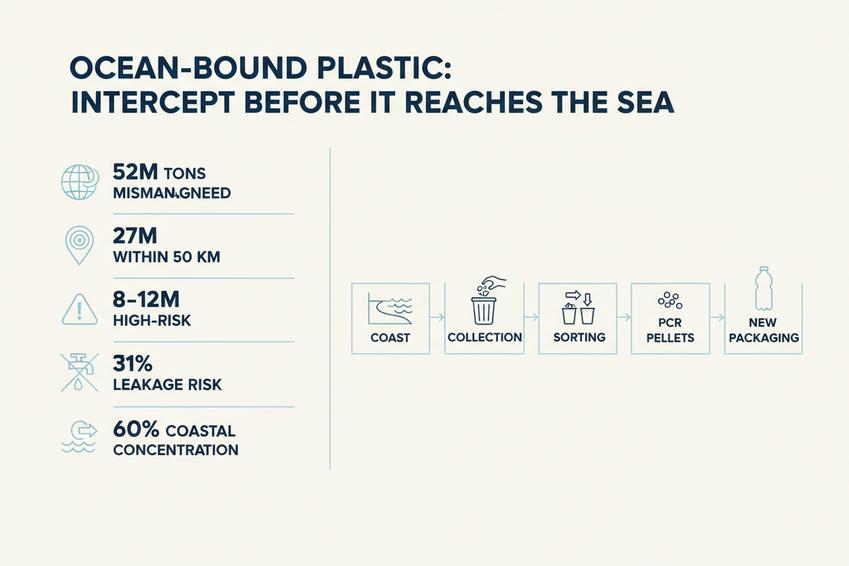
Что такое пластик, попадающий в океан: краткий обзор
Отходы в океане требуют вмешательства на начальной стадии. Вот технический анализ OBP, поддержанный данными и практическими аспектами цепочки поставок.
Определение пластика, попадающего в океан, и его масштаба
Стандарт Zero Plastic Oceans предоставляет окончательные критерии для OBP, сосредотачиваясь на неправильно управляемых отходах с высоким риском морских утечек.
-
Основное определение
-
Географический охват
- В пределах 50 км (30 миль) от береговых линий
- Возле рек, впадающих в моря
- Зоны высокой угрозы утечек, лишённые муниципальной инфраструктуры
-
Критерии отходов
- Пластик после потребления
- Неколлекционированный или неправильно обработанный
- На непосредственном риске вторжения в морские экосистемы
-
-
Экологические рамки
-
Предотвращение загрязнения
- Нацеливается на 80% морского пластика, происходящего с суши
- Защита прибрежного биоразнообразия
- Обеспечивает круговую переработку материалов
-
-
Измеримый вклад
| Индикатор | Прибрежные зоны (оценка 2024 года) | Риск утечки % |
|---|---|---|
| Неправильно управляемые пластиковые отходы (миллионов тонн/год) | 52 | 31% |
| Отходы на расстоянии до 50 км от побережья (миллионы тонн) | 27 | 60% |
| Потенциально морская фракция (миллионы тонн) | 8–12 | 100% высокий риск |
OBP является высокоопасными отходами, которые систематически перехватываются и коммерциализируются как устойчивый ресурс.
Источники и сети сбора, объясненные
Эффективное восстановление ОБП требует проверки источников отходов на верхнем уровне:
- Отходы упаковки домохозяйств
- Отброшенные бутылки и гибкие пленки
- Коммерческая упаковка от небольших ритейлеров
В развитии прибрежных зон неформальный сектор является основой восстановления. Формализация этих сетей может повысить местные доходы на 20-30%. Проверенный поток сбора следует этому пути:
- Сбор сообщества или неформальный сбор
- Агрегационные узлы
- Центры сортировки
- Упаковка и блокчейн/маркировка прослеживаемости
То Фонды Pew Charitable Trusts проекты, которые без улучшенных систем утилизации могут привести к утечке пластика в аквальные среды, что может утроиться до 29 миллионов метрических тонн к 2040 году, что делает модели перехвата жизненно важными.
Topfeelpack сотрудничает исключительно с проверенными цепочками поставок, чтобы гарантировать прослеживаемость от берега до гранул, что позволяет брендам избегать экологического обмана.
От восстановленного пластика до сырья PCR
Преобразование прибрежных отходов в материал косметического качества — это строгий промышленный процесс.
- Шаг 1: Сборка – Собранный вторичный пластик картографируется и транспортируется в сертифицированные учреждения.
- Шаг 2: Сортировка – Оптическая и ручная сортировка по типу смолы, цвету и плотности для максимизации качества входных материалов производства.
- Шаг 3: Мытье и резка – Мытье с трением удаляет загрязнения; пластик измельчается в однородные хлопья.
- Шаг 4: Переработка – Флэйки расплавляются, фильтруются и экструзируются в переработанное сырье после потребления (PCR).
- Шаг 5: Смешивание и контроль качества – Добавки вводятся для достижения показателей производительности первичного материала.
- Шаг 6: Преобразование сырья – Пеллеты возвращаются в цепочку поставок как циркулярные материалы для формовки.
В конечном итоге, Topfeelpack интегрирует эту проверенную PCR смолу в упаковку, соответствующую строгим глобальным стандартам соответствия.
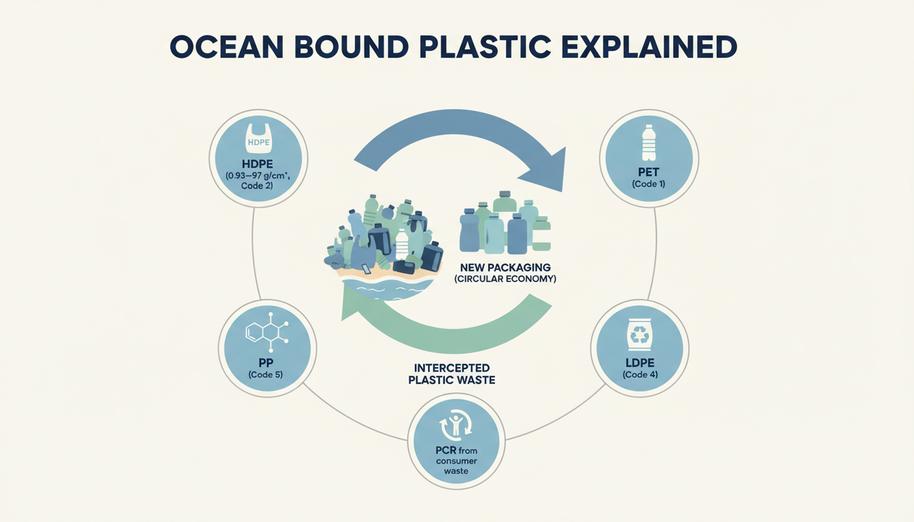
Типы пластика, относящегося к океану, объяснены
Понимание различных типов полимеров, получаемых с побережий, определяет их оптимальное использование в упаковке для красоты.
Пластик, переработанный после использования (ППП)
Переработанный материал, полученный непосредственно из потребительских отходов, формирует основу OBP.
-
Исходный поток
-
Пластиковые отходы домохозяйств
- Собрано из потока отходов
- Переработан в переработанный контент
-
- Сбор рядом с прибрежными зонами
- Сортировка и мытье
- Пеллетирование для новой упаковки
Topfeelpack использует PCR для поддержки круговой экономики и резкого сокращения зависимости от первичной смолы.
Высокоплотный полиэтилен (HDPE)
HDPE доминирует на рынке жесткой упаковки. Механическая переработка сохраняет до 90% ее исходной прочности на разрыв.
-
Материальные характеристики
- Рigid plastic structure
- Сильная химическая стойкость
- Код переработки на этикетке 2
| Недвижимость | Ценовой диапазон HDPE | Упаковка Использование |
|---|---|---|
| Плотность (г/см³) | 0,93–0,97 | Бутылки |
| Прочность на растяжение (МПа) | 20–31 | Кепки |
| Температура плавления (°C) | 120–180 | Контейнеры |
| Код для переработки | 2 | Упаковка для домашних нужд |
Полиэтилен терефталат (PET)
Широко используемый для прозрачной упаковки, PET высоко перерабатываем и энергоэффективен.
-
Ключевые особенности
- Прозрачность пластиковых материалов
- Легкость и прочность
- Код переработки 1
Полипропилен (ПП)
Идеально подходит для сложных функциональных деталей благодаря высокой стойкости к усталости.
-
Слой производительности
- Ядро: прочный корпус
- Поверхность: эстетическая отделка
- Рейтинг: код переработки 5
Низкоплотный полиэтилен (LDPE)
LDPE обеспечивает необходимую эластичность для упаковки, которую можно сжимать.
-
Структура
- Мягкий
- Группа гибкой упаковки
- Отметка кода переработки 4
Используя OBP LDPE, инженеры Topfeelpack разрабатывают функциональные сжимаемые тюбики, которые активно снижают загрязнение прибрежных территорий, предлагая идеальное экологически чистое решение для любого упаковка для макияжа губ линия.
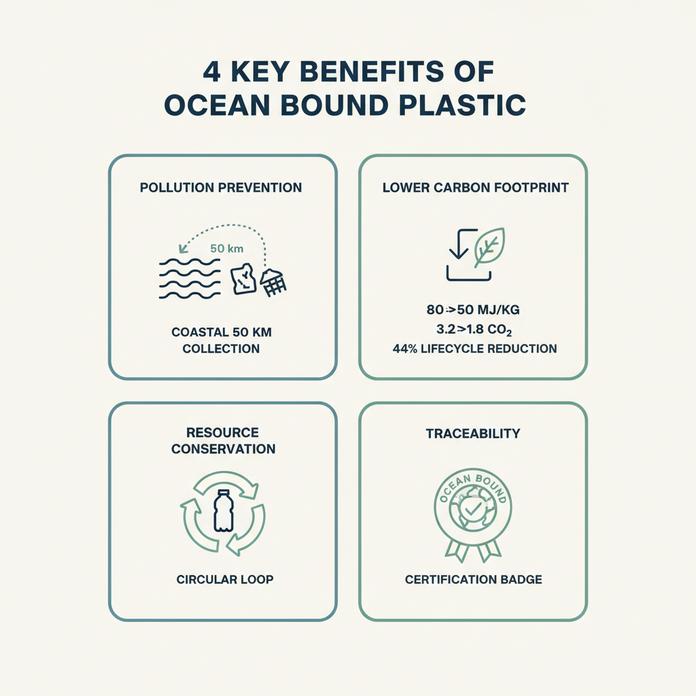
4 ключевых преимущества пластика, попадающего в океан
Переход на OBP предлагает многосторонние преимущества для прогрессивных брендов красоты.
Снижение пластикового загрязнения и защита морских экосистем
Перехват отходов на источнике является самой эффективной стратегией контроля загрязнения.
-
Контроль источника
-
Сбор на побережье в пределах 50 км от берегов
- Снижает утечку в водоемы
- Поддерживает местные системы сокращения отходов
-
Вовлечение сообщества
- Доход для прибрежных сообществ
- Лучшее осведомление о контроле за загрязнением
-
-
Охрана окружающей среды
- Защита здоровья океана
- Укрепляет защиту дикой природы
- Снижает долгосрочное воздействие на окружающую среду
Topfeelpack использует сертифицированный OBP для предоставления проверяемого решения проблемы морского загрязнения пластиком.
Снижение углеродного следа через круговую экономику
Производство с использованием OBP значительно снижает потребление энергии по сравнению с первичным нефтехимическим извлечением.
- Заменить первичную смолу
- Снижение потребления энергии в процессе обработки
- Снизить общий объем выбросов парниковых газов
| Тип материала | Энергопотребление (МДж/кг) | Выбросы CO₂ (кг/кг) | Переработанное содержание (%) | Сокращение жизненного цикла (%) |
|---|---|---|---|---|
| Первичный ПЭТ | 80 | 3.2 | 0 | 0 |
| OBP рPET | 50 | 1.8 | 95 | 44 |
| Девственное PP | 75 | 2.9 | 0 | 0 |
| OBP рPP | 48 | 1.6 | 90 | 45 |
| OBP смесь | 55 | 2.0 | 70 | 31 |
Сохранение ресурсов с помощью перенаправления отходов
OBP представляет собой современное управление ресурсами, рассматривая отходы как ценное сырьё.
-
Сбор отходов
- Перехватывает опасные потоки отходов
-
Сортировка и очистка
- Защищает ценность сырьевых материалов
-
Переработка
- Возвращает в производство
Стратегия избегания захоронения отходов сохраняет природные ресурсы. Topfeelpack проектирует линии, специально разработанные для приема этого переработанного сырья.
Улучшенная перерабатываемость и отслеживаемость материалов
Подтвержденный OBP обеспечивает прозрачность цепочки поставок.
-
Системы сертификации
- Проверка GRS
- ISCC PLUS цепочка custody
- Аудит SCS
-
Оперативные контрольные меры
- Передовая сортировочная технология
- Цифровой отслеживание данных
- Четкая идентификация материала
-
Целостность поставок
- Прозрачный поток материала
- Подтвержденное содержание переработанных материалов
- Прозрачность цепочки поставок от начала до конца
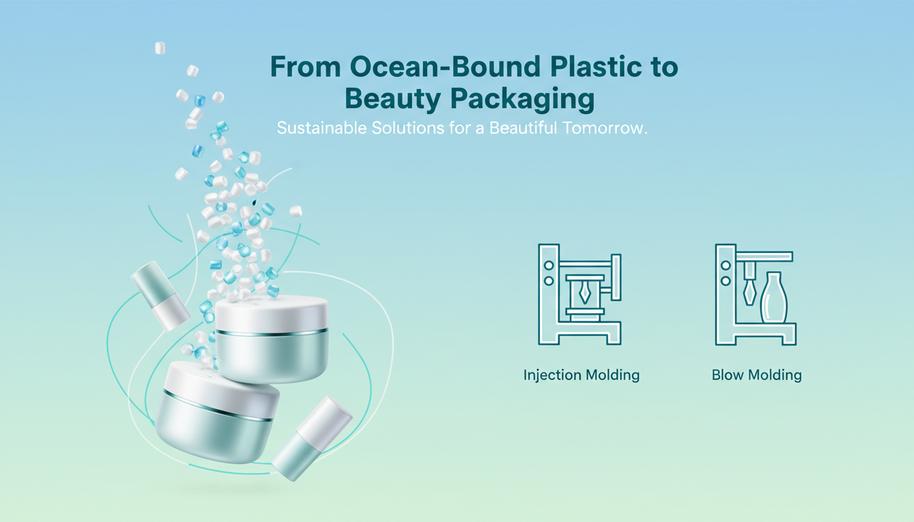
Как бренды упаковки для косметики используют переработанный океанский пластик.
Инженерное проектирование OBP в упаковку для предметов роскоши требует точного контроля производства.
Литье под давлением кепок и крышек, сертифицированных OBP
Производство сложных деталей требует стабильного потока полимера.
-
Подготовка материалов
- Пеллеты OBP, изготовленные из переработанного пластика, сертифицированы по стандарту OBP.
- Контроль влаги улучшает поток материалов и избегает структурных дефектов.
-
Этап формования
- Точная оснастка форм определяет точность резьбы.
- Время охлаждения балансирует прочность и эффективность производства.
-
Выходной контроль
- Испытания на кручение для крышек с откидными верхами.
- Тесты на падение для пудрового компактного кейса контейнеры.
Topfeelpack оптимизирует циклы, чтобы гарантировать, что эти крышки работают безупречно, не увеличивая затраты.
Экструзия и blow molding для баночек и тубусов для ухода за кожей
Процесс экструдирования требует точной калибровки индекса потока расплава (MFI) для предотвращения повреждений стенок.
- Плавление полимера в контролируемых единицах обработки полимера.
- Формирование паризона для бутылок.
- Расширение воздуха для формирования банок и тюбиков для ухода за кожей.
- Проверки толщины стенки для безопасной пластиковой упаковки с использованием переработанных материалов.
Достижение эстетической привлекательности и цветовой консистентности в упаковке косметики
Высококлассные бренды требуют безупречного исполнения, достигаемого с помощью передовой спектрофотометрии.
- Стабильный контроль пигментации
- Гладкая отделка поверхности
- Сильные элементы дизайна
- Мастербатчевое смешивание улучшает цветовую согласованность.
- Полировка поверхности улучшает визуальное качество.
- Изменения в дизайне защищают эстетическую привлекательность упаковки для косметики. С более чем 270 патентами и десятилетним опытом, Topfeelpack предлагает высококачественные индивидуальные формы и поверхностные украшения по всему нашему высококачественному упаковка для макияжа лица и упаковка для макияжа глаз линии.
Часто задаваемые вопросы о том, что такое пластик, направленный в океан
Что такое океански связывающий пластик и почему это важно? Пластик из океана (OBP) – это переработанный пластик, собранный в пределах 50 км от побережья. Это важно, потому что:
- Снижение загрязнения пластиком возле уязвимых берегов
- Защита морской экосистемы для прибрежных сообществ
- Отвод отходов в циркулярную экономику
Как океанская пластика превращается в упаковочные материалы?
-
Сети сбора восстанавливают смешанный пластик вблизи берегов.
-
Сортировочные установки разделяют HDPE, PET, PP и LDPE.
-
Переработчики занимаются переработкой, компounding и пеллетированием.
-
Сертифицированная PCR смола формуется в контейнеры с помощью:
- Литье под давлением → крышки, замковые устройства и пустой румяный стык компоненты
- Литье под давлением → бутылки для ухода за кожей
- Экструзия → сжатие трубочек
Какие виды пластика распространены в упаковке OBP?
| Материал | Ключевые свойства | Общее использование красоты |
|---|---|---|
| ПНД | Долговечность, устойчивость к химическим веществам | Бутылки, крышки |
| ПЭТ | Ясность, барьерные свойства | Банки, контейнеры |
| ПП | Тепловая стабильность, механическая прочность | Закрытия, компакты |
| ПНД | Гибкость | Трубки |
| Смешанные пластики | Переработанные смеси | Вторичные компоненты |
Как OBP поддерживает цели устойчивого развития для брендов косметики?
- Снижение углеродного следа за счет использования переработанного сырья (до 79% снижение)
- ♻ Сохранение ресурсов за счет замены первичной смолы
- ♻ Отвод отходов в сертифицированные потоки переработки
- ♻ Поддержка этичного источника сырья в прибрежных районах
На какие сертификаты покупатели должны обращать внимание в упаковке OBP?
- Сертификация пластика, связанного с океаном (OBP) — подтверждает предварительное восстановление из океана
- Глобальный стандарт переработанных материалов (GRS) — проверяет уровни переработанного сырья
- ИСCC PLUS — отслеживает устойчивый поток массового баланса материалов
- Службы SCS Global Services или Сертификат о переработанном содержимом — подтверждает заявления
- Качество круга — поддержка принципов кругового дизайна
🌱 Готовы создать свою устойчивую упаковочную линию?
Topfeel Makeup (Topfeelpack Co., Ltd) является вашим надежным партнером OEM/ODM для высококачественной, экологически чистой косметической упаковки. Обслуживая более 1000 мировых брендов, мы специализируемся на разработке индивидуальных форм, быстром 3D-прототипировании и устойчивых материалах, таких как PCR и OBP. Независимо от того, ищете ли вы устойчивые тюбик с блеском для губ дизайны, надежные тюбик для губной помады упаковка или защитная тюбик бальзама для губ решения, мы позаботимся о вас. Для продуктов для глаз мы поставляем индивидуальные туба для туши модели и универсальные пустая палитра варианты, чтобы поднять свой бренд. Свяжитесь с Topfeelpack сегодня, чтобы запросить образец или обсудить индивидуальные решения по упаковке для вашего следующего экологически чистого запуска!
Ссылки
- косметической индустрии, производящей более 120 миллиардов упаковок ежегодно – zerowasteweek.co.uk
- подлинный Ocean Bound Plastic (OBP) – oceanboundplastic.com
- углеродные следы вплоть до 79% – plasticsrecycling.org
- Нулевые пластиковые океаны – zeroplasticoceans.org
- 80% морской пластик, происходящий с суши – unep.org
- Неправильно управляемые пластиковые отходы – ourworldindata.org
- неформальный сектор – worldbank.org
- Фонд Pew Charitable Trusts – pewtrusts.org
- Глобальный стандарт вторичной переработки (GRS) – textileexchange.org
- ISCC PLUS – iscc-system.org
- SCS Global Services – scsglobalservices.com
- Cradle to Cradle – c2ccertified.org

