 English
  Español de México
  Français
  Deutsch
  Português do Brasil
  Italiano
  한국어
한국어  ไทย
ไทย  Русский
  日本語
日本語  Polski
  Svenska
  Türkçe
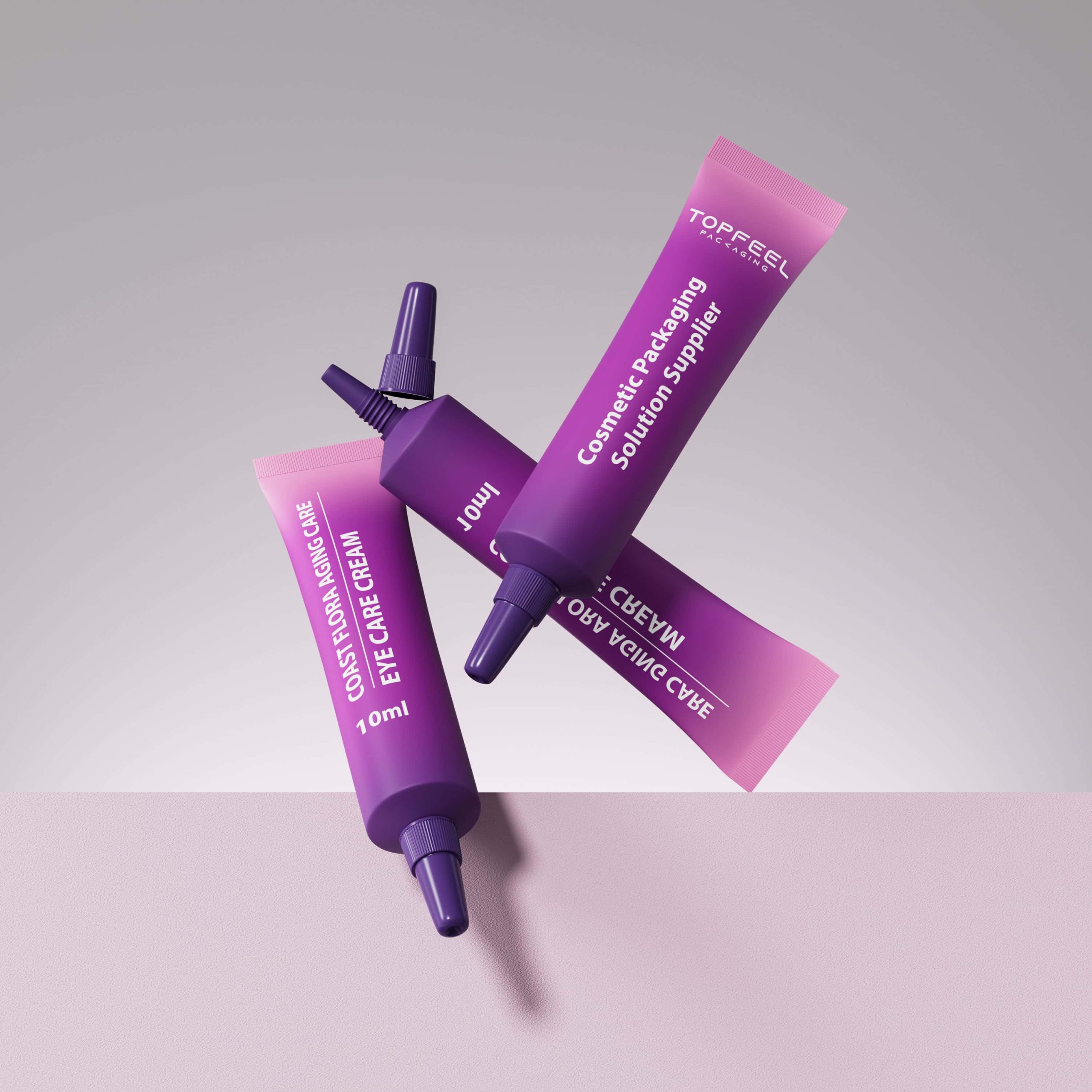

Aluminum Tubes for Cosmetics vs. Plastic: Which is Better for You?
April 29,2026
Aluminum tubes for cosmetics aren’t just packaging; they’re insurance for your formula and your brand when the heat is on at scale.
Plastic may save pennies upfront, but leaks, light exposure, and sustainability backlash can cost you customers fast down the line.
In Topfeel’s 2025 sustainability briefing, its engineering team emphasizes recyclability, barrier integrity, and controlled extrusion standards as non‑negotiables for premium cosmetic packaging decisions for term performance.
Lyrical Key Points on aluminum tubes for cosmetics
-> Barrier & Purity: Seamless extruded walls guard against oxygen, light, and moisture while food- and pharmaceutical-grade aluminum ensures non-reactivity.
-> Custom Fit: Wide diameter and length options plus closures (screw cap, flip-top, nozzle) and premium finishes (UV coat, hot stamp) enable branded differentiation.
-> Sustainable Performance: Lightweight alloy reduces carbon footprint, boasts high recyclability, and supports refillable designs for circular economy goals.
Why Choose Aluminum Tubes For Cosmetics?
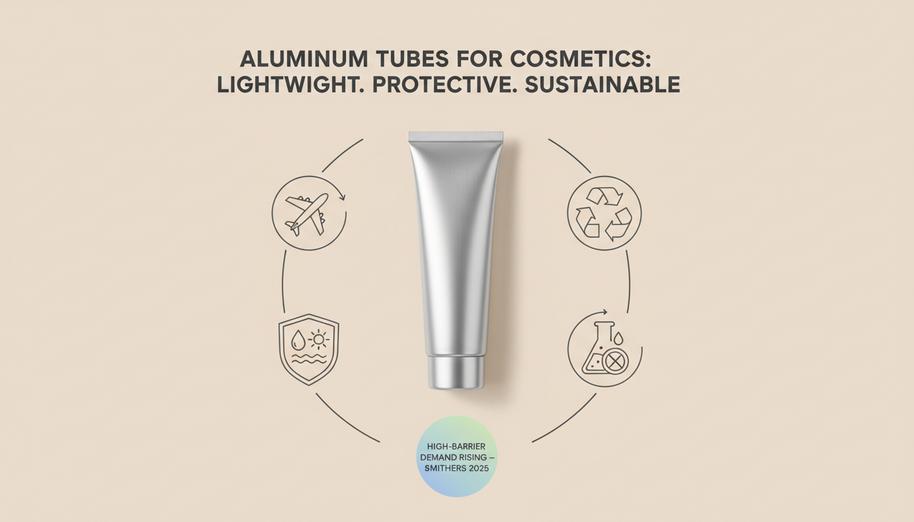
Choosing the right packaging can make or break a formula. Aluminum tubes for cosmetics stand out because they’re light, protective, and easy to recycle. From daily skincare to premium beauty lines, aluminum tubes for cosmetics quietly do the heavy lifting behind the scenes.
Lightweight & Recyclable: Aluminum Alloy Advantages
When brands compare aluminum tubes for cosmetics with plastic options, three core strengths of aluminum stand out:
-
Material foundation
-
Made from high-quality alloy
- Optimized material properties for strength and flexibility
- Excellent ductility for collapsible designs
-
-
Functional benefits
- Truly lightweight, cutting shipping weight
- Strong yet squeezable, keeping structure intact
- High recyclable value, supporting sustainability
-
Practical advantages
- Lower transport costs
- Reduced breakage risk
- Suitable for various diameters and lengths
In simple terms, cosmetic packaging brands get packaging that’s easy to ship and easy on the planet. That’s why many growing skincare labels switch to aluminum tubes for cosmetics when scaling up.
Seamless Construction for Superior Barrier Protection
Barrier performance is where aluminum tubes for cosmetics really shine.
-
Construction method
-
Impact extrusion creates a true seamless design
- No side joints
- Uniform material structure
-
-
Protection layers
-
Strong barrier protection against:
- Oxygen
- Light
- Moisture
-
-
Packaging outcome
- Improved packaging integrity
- Reliable hermetic seal at the crimp
- Extended product preservation
According to Smithers’ 2025 flexible packaging outlook, demand for high-barrier metal packaging continues to grow as beauty brands prioritize product stability and longer shelf life.
For foundations or active creams, aluminum tubes for cosmetics help lock formulas in and keep air out. Simple idea. Big impact.
Corrosion Resistance Meets Food- and Pharmaceutical-Grade Purity
Short and clear: safety matters.
Corrosion resistance keeps reactive ingredients stable.
High material purity supports food-grade and pharmaceutical-grade applications.
Strong chemical inertness protects delicate eye creams and lip balms.
Strict hygiene standards back overall product safety.
For sunscreen, medicated creams, or baby care, cosmetic aluminum packaging reduces contamination risk. Brands looking for dependable aluminum tubes for cosmetics often choose suppliers like Topfeel, known for controlled material sourcing and clean production environments.
Sustainable Temper Grade & Material Purity Benefits
Sustainability isn’t just a buzzword. It connects directly to temper and metal quality.
-
Temper control
-
Balanced temper grade
- Improves ductility
- Supports tight crimp sealing
-
-
Raw material quality
-
High material purity
- Better deformation without cracks
- Higher recycling efficiency
-
-
Environmental value
- Strong environmental benefits
- True eco-friendly packaging
- Better resource efficiency in the manufacturing process
With optimized material properties, aluminum tubes for cosmetics offer long-term stability while aligning with brand sustainability goals. That’s exactly where Topfeel positions its solutions—practical, responsible, and ready for modern beauty markets.
Aluminum Tubes For Cosmetics: Key Features
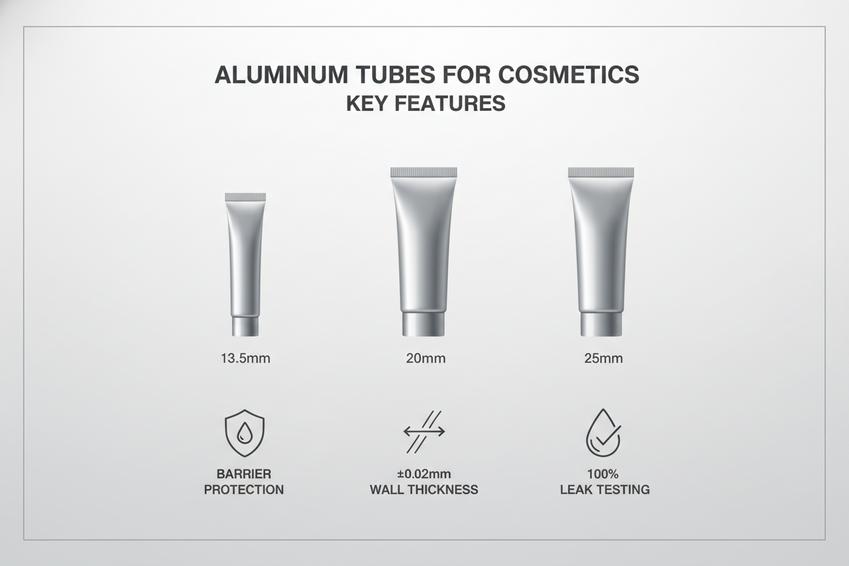
Aluminum tubes for cosmetics are more than simple containers. From diameter to decoration, every detail shapes product safety and shelf appeal. If you’re sourcing aluminum cosmetic tubes or upgrading your cosmetic packaging tubes, here’s what truly matters in modern aluminum tubes for cosmetics.
Diameter Range & Tube Length: Custom Sizing Solutions
When selecting aluminum tubes for cosmetics, size drives both user experience and formula compatibility. Diameter, tube length, and overall dimensions directly affect capacity, volume, and filling efficiency.
| Diameter (mm) | Tube Length (mm) | Capacity (ml) | Typical Use | Filling Spec (g) |
|---|---|---|---|---|
| 13.5 | 70–110 | 5–15 | Eye cream | 5–12g |
| 16 | 80–140 | 10–25 | Primer | 10–22g |
| 19 | 90–160 | 15–40 | BB cream | 15–35g |
| 22 | 100–180 | 25–60 | Lotion | 25–55g |
| 25 | 120–200 | 40–100 | Body care | 40–95g |
From mini travel sizes to jumbo family packs, custom sizing keeps your product practical.
In real production, sizing usually follows this flow:
- Confirm required volume and formula density.
- Match ideal diameter for squeezing comfort.
- Adjust tube length to meet branding space needs.
- Validate final specifications with filling tests.
For brands working with Topfeel, sizing is tailored so aluminum tubes for cosmetics align perfectly with both formula weight and shelf presence.
Barrier Layer & Wall Thickness for Long-Lasting Formulas
A tube is only as good as its barrier layer. For BB cream or body lotion, air and moisture are the enemy. Smart control of wall thickness and inner coating improves formula protection and overall product integrity.
Key technical factors include:
- Inner epoxy lining adhesion
- Uniform aluminum material properties
- Controlled wall thickness tolerance (±0.02mm typical)
- Oxygen transmission rate limits
These elements extend shelf life and support proper preservation. Cosmetic brands choosing aluminum tubes for cosmetics often do so because metal packaging naturally blocks light and oxygen better than many plastic options.
With aluminum cosmetic packaging, you’re not guessing about protection. You’re building it into the tube.
Closures Galore: Screw Cap, Flip-Top Cap, Nozzle Applicator
The right closures complete the experience. It’s not just about sealing; it’s about controlled dispensing and clean use.
Common cap types include:
- Screw cap for classic creams
- Flip-top cap for quick daily use
- Nozzle applicator for targeted gel products
- Child-safe options
- Tamper-proof seals
Selection often follows a practical sequence:
- Define product viscosity.
- Choose matching dispensing options.
- Adjust orifice size for flow control.
- Confirm sealing torque and leak resistance.
For aluminum tubes for cosmetics, tight sealing prevents drying or contamination. Topfeel works closely with brands to match closure style with formula behavior, not just aesthetics.
Decoration & Finishing: UV Coating, Hot Stamping, Custom Color Matching
Shelf impact sells. Smart decoration and finishing turn simple aluminum tubes for cosmetics into premium packaging.
Decoration choices often combine:
• Offset and screen printing
• Hot stamping for metallic accents
• Embossed logos
• Matte or gloss surface treatment
• Protective UV coating
Color precision matters. Custom color matching ensures brand consistency across product lines. In aluminum cosmetic tubes, clean printing and durable coatings resist scratches during shipping and retail handling.
Great packaging doesn’t shout. It looks sharp and feels right in hand.
Impact Extrusion Process with Rigorous Quality Control Checks
Behind every reliable aluminum tube for cosmetics sits a disciplined impact extrusion line and strict quality control.
Production typically follows layered inspection stages:
-
Raw Material Review
- Aluminum slug purity check
- Surface defect screening
-
Forming Stage
- Single-hit impact extrusion shaping
- Head forming and threading
-
Internal Treatment
- Base coating spray
- Curing temperature validation
-
Decoration & Assembly
- Printing alignment inspection
- Cap torque calibration
-
Final inspection
- 100% leak testing
- Random drop testing
- Batch traceability coding
This structured manufacturing process protects material integrity and meets strict production standards. Strong quality assurance means fewer complaints and steadier supply.
For brands serious about aluminum tubes for cosmetics, working with experienced manufacturers like Topfeel ensures that every cosmetic tube leaving the line meets real-world performance demands, not just visual checks.
4 Packaging Sustainability Metrics
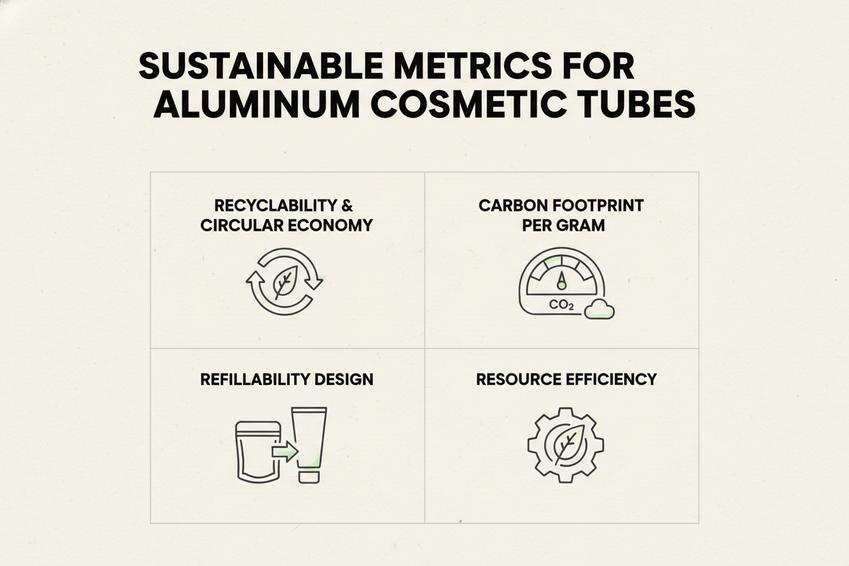
Sustainability in aluminum tubes for cosmetics is no longer a side topic; it drives purchasing decisions and brand loyalty. From collapsible tube formats to jumbo packs, smart material choices and cleaner production help cosmetic aluminum packaging stay practical, scalable, and planet-friendly.
Recyclability Rate: From Collapsible Tube to Jumbo Size
When evaluating recyclability, scale matters.
-
Material Selection
-
Primary structure
- High-purity aluminum body compatible with mainstream recycling stream
- Minimal mixed-material inserts
-
Post-use handling
- Clear labeling for post-consumer sorting
- Easy cap separation
-
-
Format Comparison
-
Travel collapsible tube
- Lower material mass
- Higher collection rate in urban systems
-
Standard cosmetic aluminum tube
- Balanced wall thickness
- Stable deformation resistance
-
Jumbo size
- Greater material efficiency per ml
- Reduced packaging-to-product ratio
-
-
Circular Economy Impact
- Closed-loop aluminum recovery
- Lower landfill contribution
- Support for a stronger circular economy
For brands using aluminum tubes for cosmetics, this means the same base alloy can perform well across sizes without breaking compatibility with global recycling channels.
Carbon Footprint per Gram Capacity in Extruded Tubes
In extruded tubes, the carbon footprint is often calculated per gram capacity, not per unit. That shift changes the story.
Key drivers include:
- Lightweight alloy selection
- Optimized wall thickness
- Energy mix in the manufacturing process
A simplified breakdown looks like this:
- Raw aluminum sourcing → impacts early life cycle assessment results.
- Impact extrusion → defines core energy consumption.
- Printing and curing → adds incremental environmental impact.
Short takeaway? Slimmer walls plus stable structure cut emissions per ml filled. For aluminum tubes for cosmetics, that efficiency stacks up fast in high-volume skincare lines.
Refillability Design: Standard Size vs. Travel Size Considerations
Smart refillability in cosmetic aluminum packaging depends on format logic.
-
Design Layer
-
Standard size
- Higher fill volume efficiency
- Better long-term reuse potential
-
Travel size
- Focus on consumer convenience
- Reduced overfill waste
-
-
Functional Components
-
Crimp end geometry
- Allows partial resealing
- Maintains hygiene
-
Cap threading
- Supports repeated opening cycles
-
-
Packaging Innovation Path
- Evaluate refill pouch compatibility.
- Adjust neck diameter for smooth transfer.
- Validate durability after multiple compressions.
For brands exploring aluminum tubes for cosmetics, refill-ready structures signal real packaging innovation, not just green talk. Topfeel supports these tailored size strategies with practical engineering tweaks that keep performance tight.
Resource Efficiency of Impact Extrusion & Automated Assembly
True resource efficiency begins at impact extrusion.
• Precise slug sizing reduces scrap.
• Controlled forming pressure improves material utilization.
• Inline inspection limits defect batches.
Then comes automated assembly:
- Servo-driven trimming → cleaner edges, less waste.
- Automated capping → stable torque, fewer rejects.
- Batch monitoring → measurable production optimization.
Add energy tracking systems and you get measurable energy efficiency gains plus real waste reduction. For cosmetic brands sourcing aluminum tubes for cosmetics, partnering with manufacturers like Topfeel means smoother output, tighter tolerances, and sustainability that actually shows up in the numbers.
Aluminum Vs. Plastic: Cost Comparison
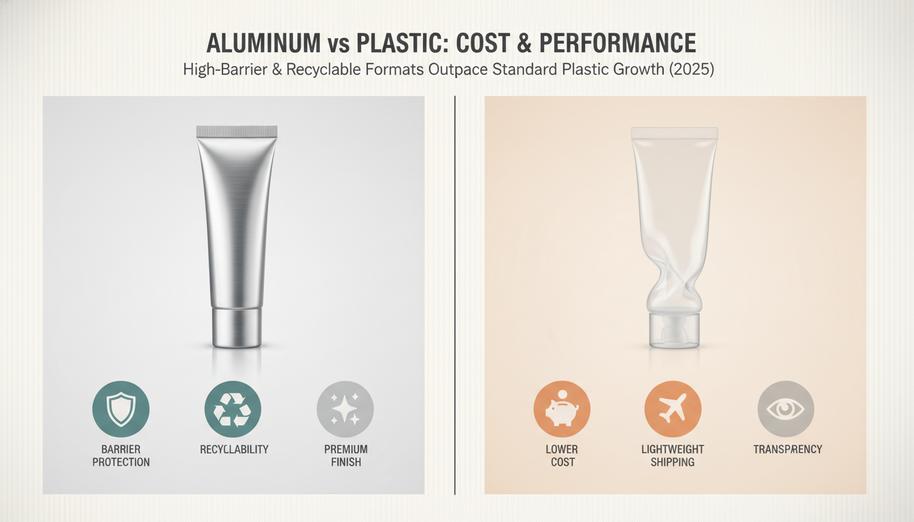
Choosing between aluminum tubes for cosmetics and plastic options is not just about price tags. It’s about performance, brand vibe, and how well your formula survives the ride from factory to vanity table.
Aluminum Tubes
When brands invest in aluminum tubes for cosmetics, the cost story unfolds in layers.
-
Material & Protection
1.1 Core Material
- Built from metal material, aluminum offers natural strength.
- Its rigidity protects creams from crushing during shipping.
1.2 Barrier Performance
- Strong barrier properties block light, oxygen, and moisture.
- This boosts product preservation and extends shelf stability, especially for active-rich eye creams.
-
Long-Term Value
2.1 Sustainability Edge
- High recyclability supports eco goals and lowers overall waste impact.
2.2 Formula Safety
- Better corrosion resistance means fewer compatibility worries with sensitive skincare.
-
User Experience
3.1 Dispensing Control
- Precise squeeze control helps with concealer sticks and spot treatments.
3.2 Premium Look
- Cosmetic aluminum tube packaging allows sharp printing and metallic finishes.
Although the upfront price of aluminum cosmetic tubes is higher, brands like Topfeel often recommend aluminum tubes for cosmetics when product stability and upscale positioning matter more than saving a few cents per unit.
Plastic Tubes
Plastic stays popular for a reason. The numbers are friendly, and the design freedom feels almost unlimited.
- Made from polymer material, plastic offers strong flexibility.
- High squeezability makes daily use easy.
- Clear walls give product visibility and even transparency for colorful gels.
-
Cost Angle
- Lower tooling and material costs improve cost-effectiveness.
- Lightweight structure reduces shipping expenses.
Still, barrier limits can affect product preservation for oxygen-sensitive formulas. That’s why many brands compare plastic with aluminum tubes for cosmetics before finalizing packaging.
Euromonitor International noted in its 2025 beauty packaging outlook that “demand for recyclable and high-barrier formats continues to outpace standard plastic growth in premium skincare.”
For emerging brands testing the waters, plastic works. For high-value serums or medicated creams, aluminum tube for cosmetics solutions often win. Topfeel helps clients weigh these trade-offs, balancing budget, sustainability, and long-term brand impact without overcomplicating the choice.
FAQs about Aluminum Tubes For Cosmetics
Why are aluminum tubes for cosmetics favored by premium beauty brands?
Aluminum tubes for cosmetics protect delicate formulas while elevating brand image.
- High material purity aluminum alloy forms a strong barrier layer against light, air, and moisture — vital for foundation cream, sunscreen lotion, and eye cream.
- Lightweight yet durable wall thickness reduces transport costs while resisting dents.
- Corrosion resistance and non-reactive, food-grade material keep lip balm and body lotion stable.
- Recyclability supports sustainability goals without sacrificing luxury appeal.
The result: longer shelf life, safer formulas, and a refined tactile feel consumers notice instantly.
How flexible are tube specifications and closure options?
Customization shapes both performance and shelf impact.
- Tube diameter range and tube length range adjust to required milliliter capacity or gram capacity.
- Wall thickness and temper grade influence ductility and squeeze control in collapsible tube designs.
- Shoulder type and orifice size define dispensing accuracy for primer gel or BB cream.
Closure choices complete the experience:
- Screw cap or flip-top cap for daily hand cream use
- Nozzle applicator or dispensing tip for precise concealer stick formats
- Tamper-evident seal or child-resistant closure for added safety
Each detail refines usability and brand personality.
What decoration and finishing techniques enhance shelf appeal?
Visual impact drives emotional purchase decisions.
A typical decoration system may include:
- Offset printing or silk screen printing for crisp logos
- Hot stamping for metallic highlights
- Matte finish, glossy finish, or UV coating for tactile contrast
- Embossing or debossing for subtle depth
Lacquering and custom color matching ensure consistency across batch production, turning an extruded tube into a signature design piece.
How does the impact extrusion process improve quality?
Quality begins at formation.
The impact extrusion process creates a seamless construction with no side seams, strengthening the barrier layer and preventing leakage at the crimp end. Automated assembly controls the threading process and shoulder type precision, while internal lining and base coating application protect sensitive formulas.
Cleanroom manufacturing, sterilization options, and strict leak testing ensure pharmaceutical grade reliability — essential for eye cream, CC cream, and medicated lip balm.
How do aluminum tubes compare with plastic in large-scale orders?
Cost decisions balance price with performance.
| Aspect | Aluminum Tubes | Plastic Tubes |
|---|---|---|
| Barrier protection | Excellent oxygen & light resistance | Moderate |
| Recyclability | High | Lower in many regions |
| Material feel | Premium, cool touch | Lightweight but less durable |
| Long-term stability | Strong corrosion resistance | May allow permeability |
While initial pricing may be higher, extended product stability, higher recyclability, and premium presentation often justify aluminum tubes for cosmetics in both travel size and jumbo size lines.
References
- Top Trends Shaping Global Beauty Packaging – Euromonitor International
- Aluminum Recycling – The Aluminum Association
- Impact Extrusion Process – PAC
- The Future of Metal Packaging and Coatings to 2027 – Smithers
- Cosmetics Packaging & Labeling – FDA
- Why Aluminum Might Be the Most Sustainable Metal – GreenBiz
- Sustainability in Packaging: Inside the Minds of US Consumers – McKinsey
- The Benefits of Aluminium Tubes – Cosmetics Business
- Tubes Offer Beauty Brands Sustainable Solutions – Beauty Packaging
- The Ultimate Guide to UV Coating – EPACK Printing
- Aluminum Packaging is Having a Moment – Packaging World
- Aluminum Recycling Rates Report – Recycling Today
- The Sustainable Rise of Aluminum Tubes – GCI Magazine
- Aluminum Industry Profile – Department of Energy
- The Aluminum Advantage – The Aluminum Association

