 English
  Español de México
  Français
  Deutsch
  Português do Brasil
  Italiano
  한국어
한국어  ไทย
ไทย  Русский
  日本語
日本語  Polski
  Svenska
  Türkçe

How to Design Custom Lipstick Tubes That Stand Out in a Crowded Market?
May 28,2026
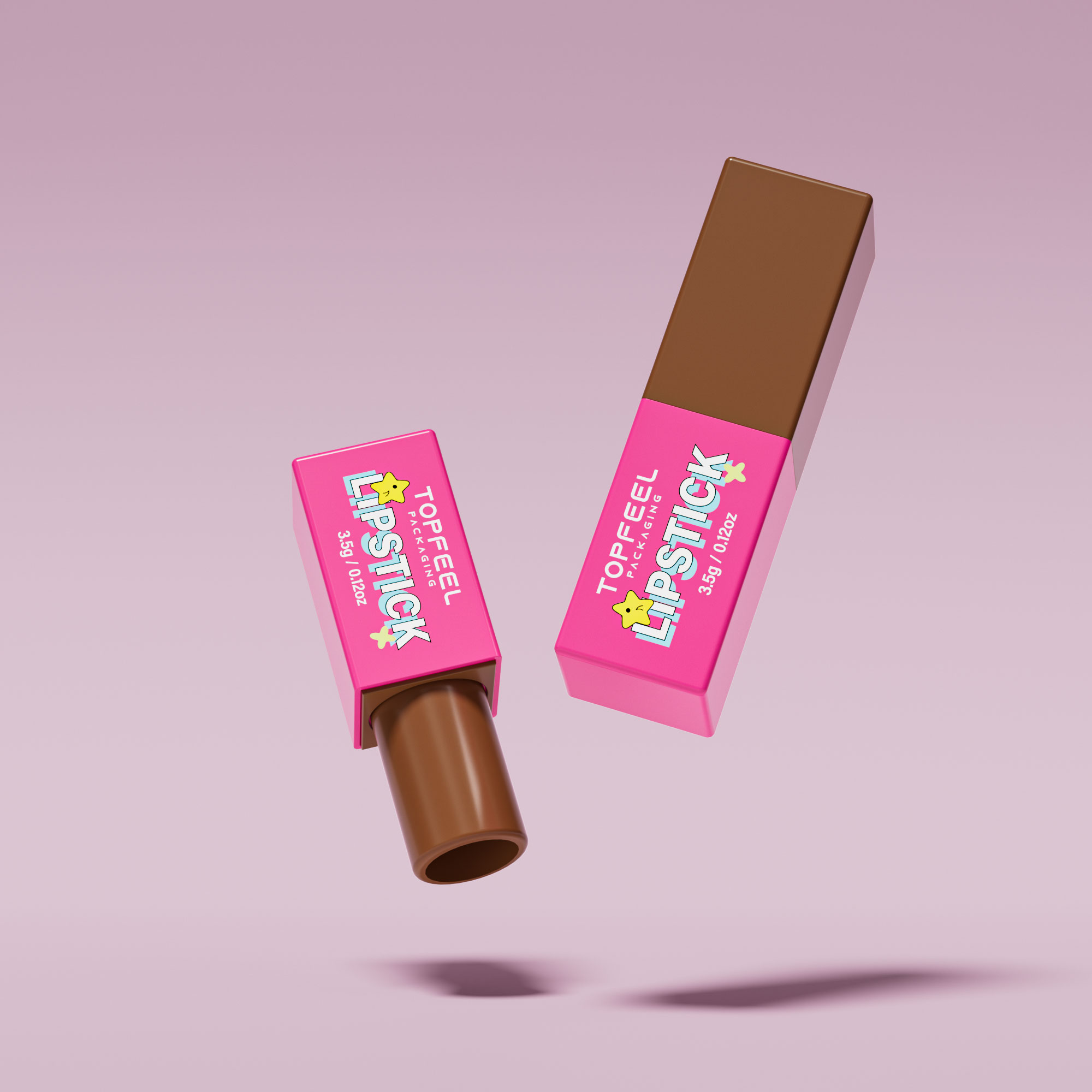
In a tough beauty market, cosmetic packaging serves as the first point of contact between a brand and a buyer. Custom lipstick tubes need a strong visual appeal on store shelves and online feeds. Real differences come from solid engineering, careful material choices, and smooth function.
Custom Lipstick Tubes: Understanding the Technical Anatomy and Mechanics
Core Structural Components of Modern Cosmetic Packaging
Good design starts with a close look at how the parts fit together inside the tube. A standard lipstick tube uses several pieces that work as one unit.
- The Outer Shell (Cap and Base):This part gives the main look for branding and shields the formula from air and light.
- The A-Shell and Spiral:These inner parts guide the stick up and down when the user twists the base.
- The Cup:This holds the molded lipstick paste in place.
Some formulas contain oils that can dry out or shrink. Adding tight sealing rings inside the base helps keep the paste stable and fresh for longer.
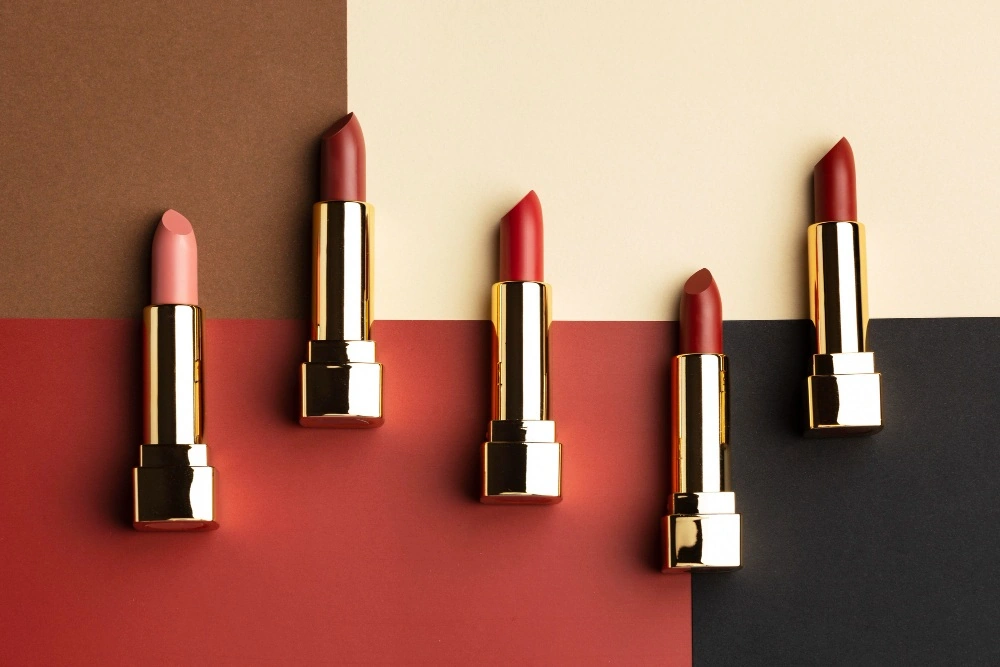
The Mechanics Behind Smooth Rotation and Cup Fitment
How the tube feels when twisted affects daily use. Engineers check the turning force needed to raise or lower the stick.
- Low Torque Performance:The mechanism may feel loose or allow the stick to slide out on its own.
- High Torque Performance:The base becomes hard to turn and may cause parts to break inside.
Precise mold work creates even movement, so the twist action stays smooth over many uses.
Material Selection for Luxury Lipstick Cases: Balancing Aesthetics and Functionality
Metal vs. Premium Plastics in High-End Cosmetic Design
The material choice shapes how the case feels in the hand and how heavy it seems. Brands pick options that match their price point and image.
- Aluminum and Zinc Alloys:These metals give a cool touch and solid weight that signals quality.
- Premium Resins (ABS, SAN, PMMA):These plastics are very rigid and maintain their shape well. They have good drop resistance and enable clear or complex designs.
Sustainable Alternatives: Exploring PCR and Refillable Configurations
Many brands follow rules from groups such as the Association of Plastic Recyclers. They want packaging that can be reused or recycled with ease.
- Post-Consumer Recycled (PCR) Plastics: Brands use this material to cut the amount of fresh plastic. It still holds up well for daily use.
- Products made from 100% Mono-PP go straight to recycling plants. No sorting step is required.
- Refillable Mechanisms: A strong outer case works with a replaceable inner piece. This step cuts plastic waste by up to 70%.
Bespoke Lipstick Packaging Design: Advanced Surface Finishing and Customization
Decorative Techniques from Hot Stamping to Custom Anodizing
Surface treatments turn plain parts into standout packaging. Common methods include the following.
- Electroplating and Metallization:A thin metal layer goes onto plastic for a bright, mirror finish.
- Anodizing:This adds lasting color to aluminum and makes the surface tougher against scratches.
- Matte UV Coating and Soft-Touch Spraying:These create a soft, non-shiny feel that improves the way the package feels when opened.
- Laser Etching:Lasers mark fine logos or security patterns right onto the surface.
Innovative Closures: The Engineering of Magnetic and Snap Systems
The sound and feel when the tube closes can become a brand signature. Magnetic systems line up small magnets to give a firm click. Snap closures use a simple bead and groove design in the molded cap to keep the lid secure and stop leaks during shipping.
How a Professional Lipstick Tube Manufacturer Drives Successful OEM/ODM Scale-Up
Streamlining the Prototyping and Custom Molding Workflow with Topfeelpack
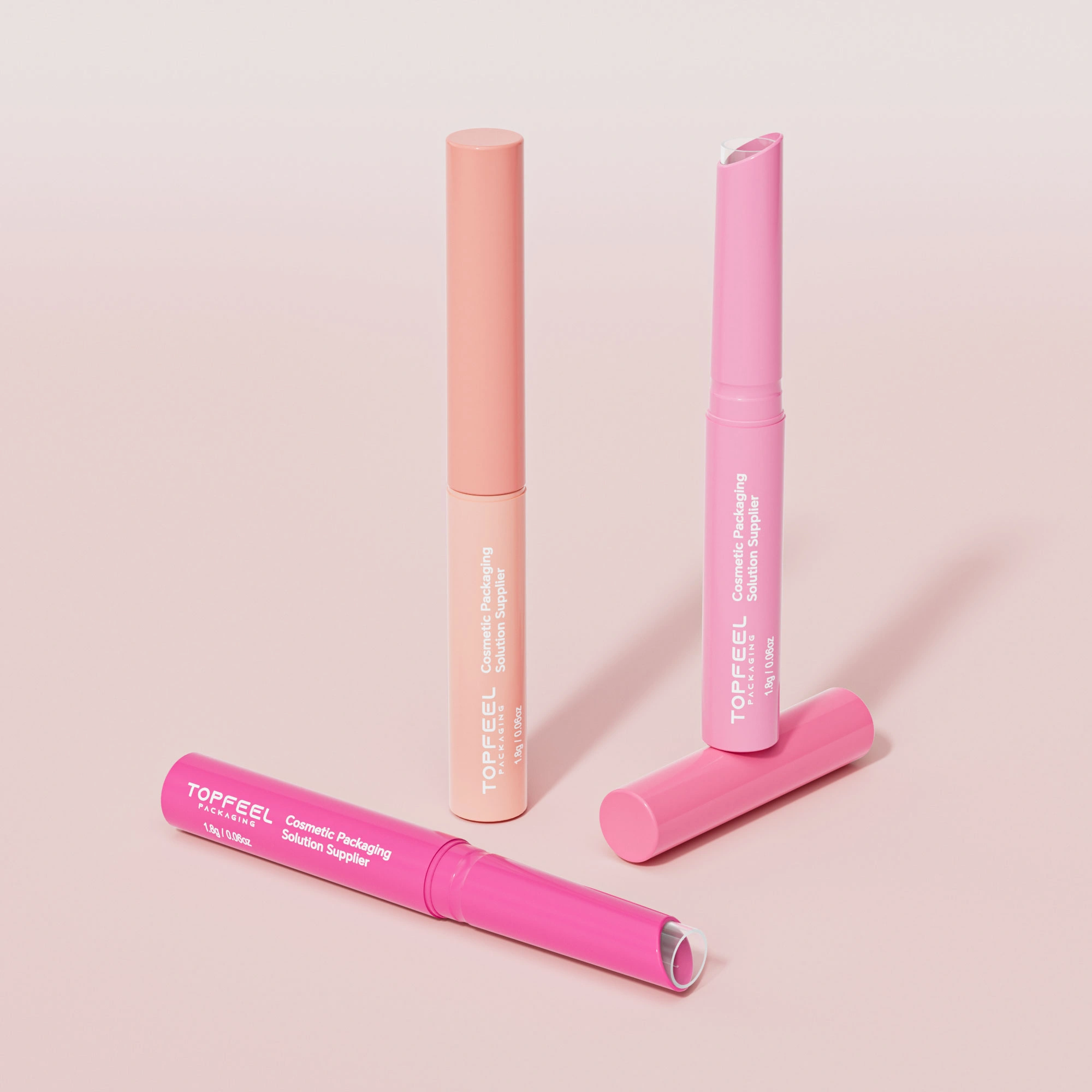
Turning an idea into a finished product needs a clear and fast process. At Topfeelpack, our team turns initial sketches into detailed drawings in one day and builds 3D test models in three days. For brands that want a slim, precise applicator, the MA-183 Wholesale Custom Slim Lipstick Tube Airtight Cosmetic Pen offers good protection for formulas that react to air.
Strict Quality Assurance and Defect Prevention in Component Molding
A reliable lipstick tube maker runs several checks to catch problems early. These tests include the following.
- High/Low-Temperature Stability Testing: Parts sit at temperatures from -15°C to 50°C for 48 hours to check for warping or weakness.
- Abrasion Resistance Testing. This test method simulates abrasive wear that occurs when packages are subject to rubbing and abrasion during shipment and handling.
- UV weather resistance testing: This test is conducted over a 24hr cycle to simulate rapid weathering. The test assesses color change and/or peeling.
FAQ
Q: What are the primary design factors to consider when developing custom lipstick tubes?
A: Custom lipstick tubes need both good looks and an exact mechanical fit. Brands check how the formula works with materials such as ABS or PP. They also pick a closure type and set the right turning resistance so the mechanism stays smooth after repeated use.
Q: How can a brand verify the sustainability of luxury lipstick cases?
A: Look for clear material records and recycling features. Real eco-friendly cases often use traceable PCR plastics or single-material builds like 100% Mono-PP. These meet ISO 14001 rules and fit into normal recycling streams.
Q: What is the typical lead time when working with a lipstick tube manufacturer for bespoke lipstick packaging?
A: With Topfeelpack, first drawings are ready in one day, and 3D models appear in three days. After samples are approved, full production usually takes 40 to 50 days. The exact time depends on mold details and chosen finishes.
Q: Why is airtight engineering necessary for modern custom lipstick tubes?
A: Many lip formulas contain oils and active ingredients that change when exposed to air. Without a tight seal, the paste can shrink, dry out, or harden. An airtight design keeps the product stable and fresh until it reaches the user.
Q: What quality control tests should luxury lipstick cases undergo before mass distribution?
A: Strong cases go through several stress checks. These cover temperature swings from -15°C to 50°C, torque tests for smooth turning, rub tests for coating strength, and UV exposure to confirm color holds up over time.

