 English
  Español de México
  Français
  Deutsch
  Português do Brasil
  Italiano
  한국어
한국어  ไทย
ไทย  Русский
  日本語
日本語  Polski
  Svenska
  Türkçe
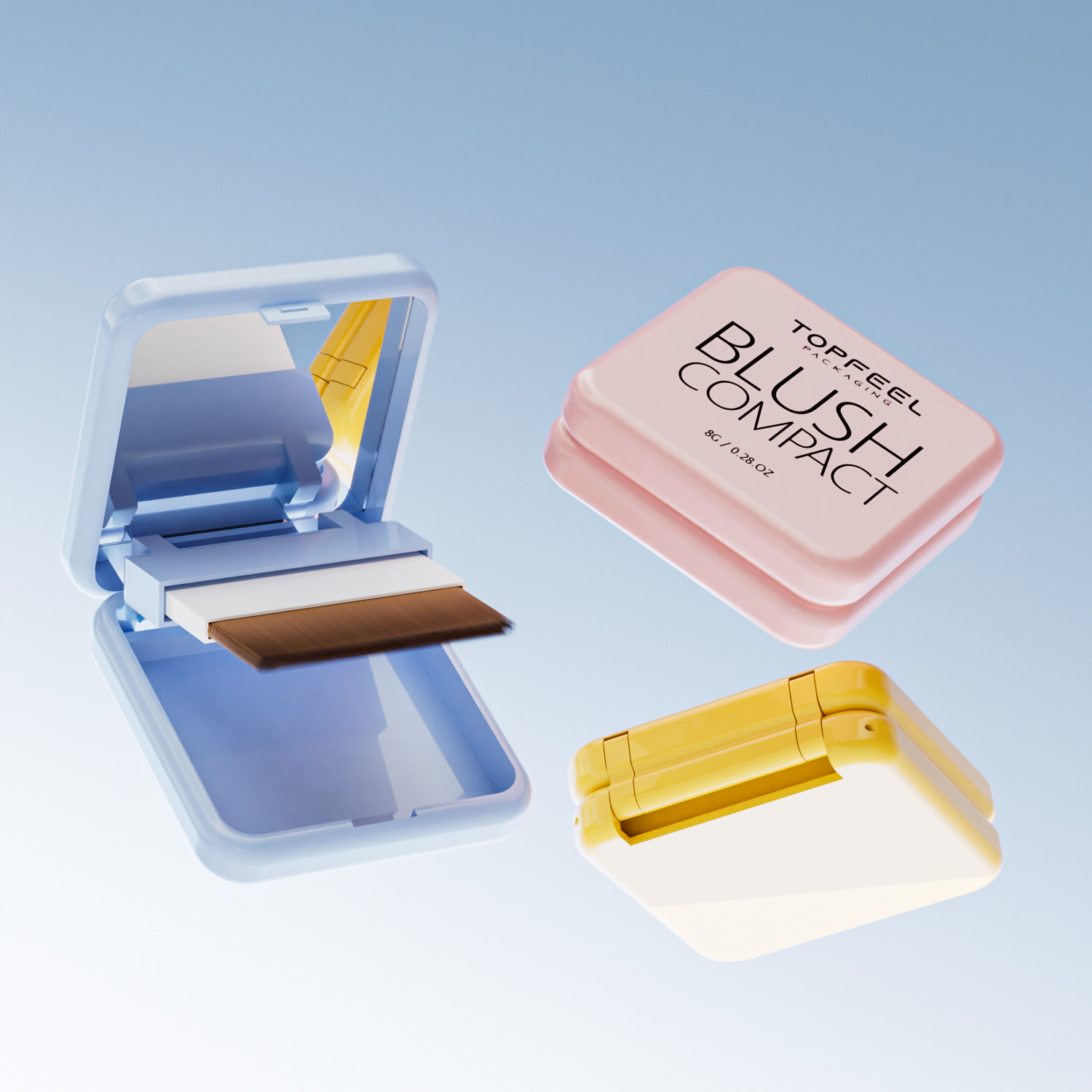
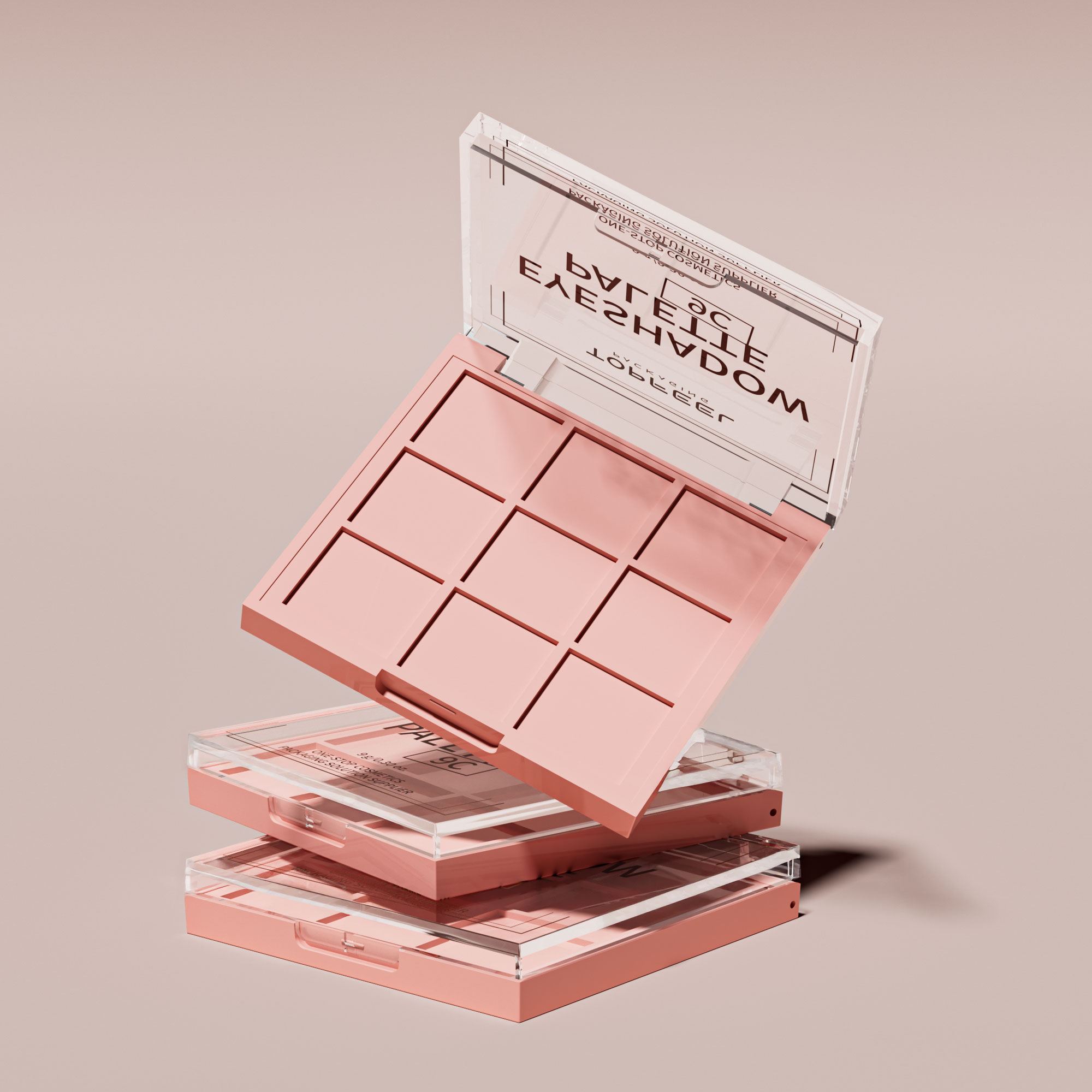
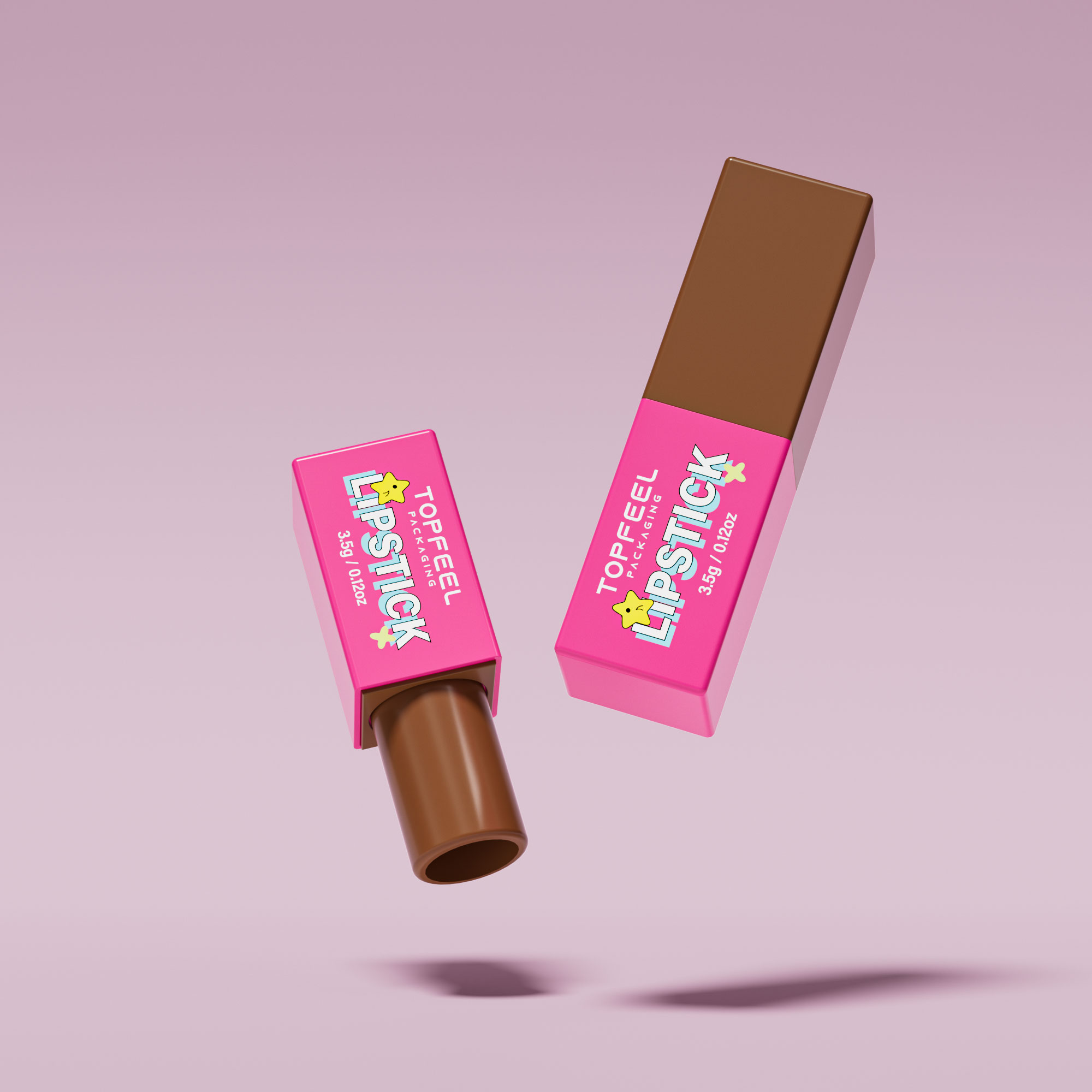
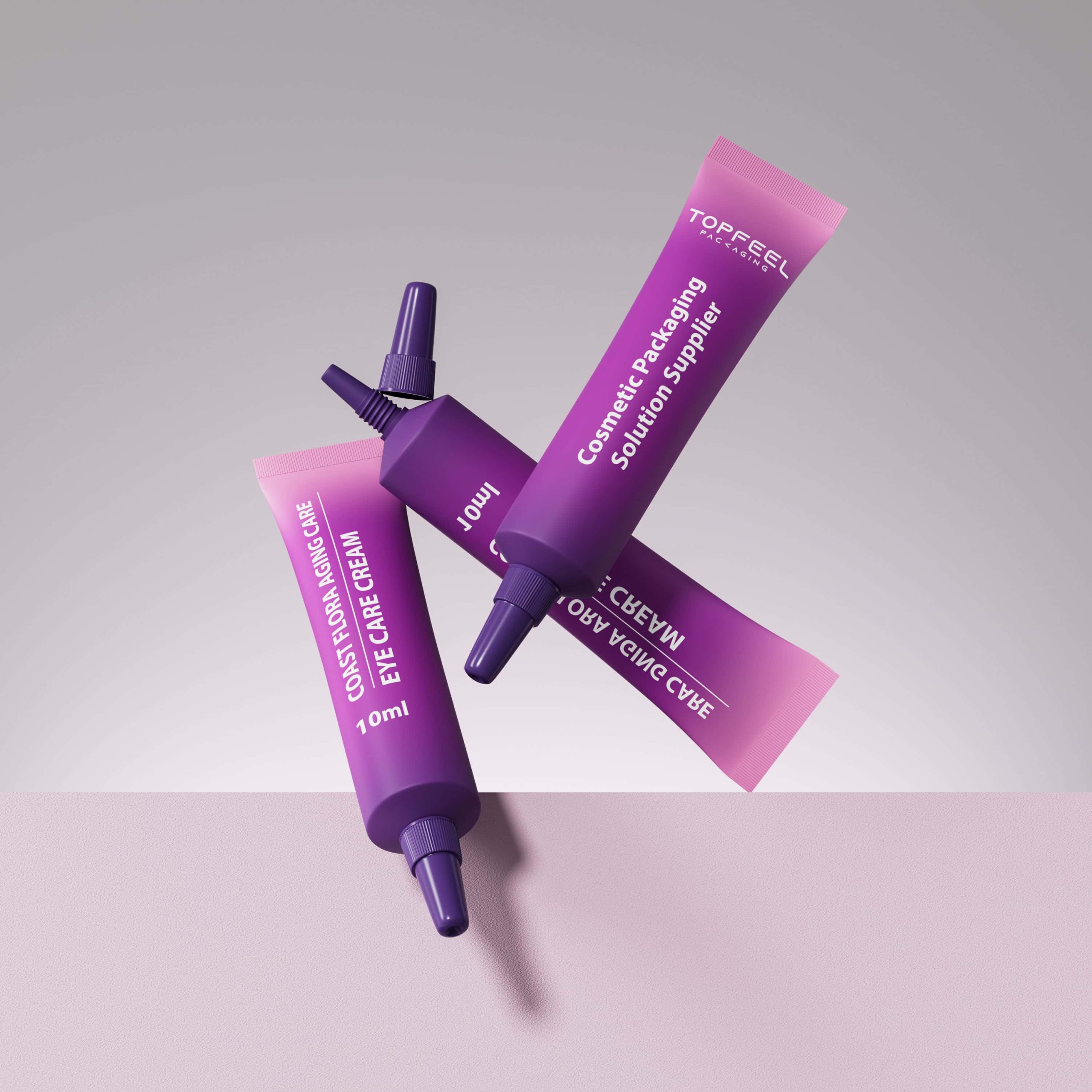

Key trends shaping the cosmetic packaging market in 2026
The cosmetic packaging sector is undergoing rapid evolution, driven by technological advancements, environmental concerns, and shifting consumer behaviors. In 2026, several key trends are emerging that will significantly impact the industry:
Sustainability at the forefront
Environmental sustainability is no longer optional but a necessity in the cosmetic packaging realm. Brands are increasingly adopting eco-friendly materials such as recycled plastics, biodegradable substances, and refillable containers. This shift is not only driven by consumer demand but also by stricter regulations on plastic usage and waste reduction. Companies like Topfeelpack are leading the charge with their commitment to sustainable materials and energy-efficient production processes.
Smart packaging solutions
The integration of technology into cosmetic packaging is set to revolutionize the user experience. Smart packaging with NFC tags or QR codes will provide consumers with product information, authenticity verification, and personalized content. Some innovative packages may even incorporate sensors to monitor product freshness or optimal usage conditions, enhancing both product efficacy and consumer trust.
Minimalist and multifunctional designs
As consumers gravitate towards simplified routines and decluttered spaces, cosmetic packaging is following suit. Minimalist designs that are aesthetically pleasing yet highly functional are gaining popularity. Multifunctional packaging that combines multiple products or serves additional purposes beyond containing the product is also on the rise, appealing to consumers seeking convenience and value.
Personalization and customization
The demand for personalized beauty products extends to their packaging. Brands are offering customizable packaging options, allowing consumers to choose colors, add names, or select specific features. This trend not only enhances the consumer’s emotional connection to the product but also provides a unique marketing advantage for brands.
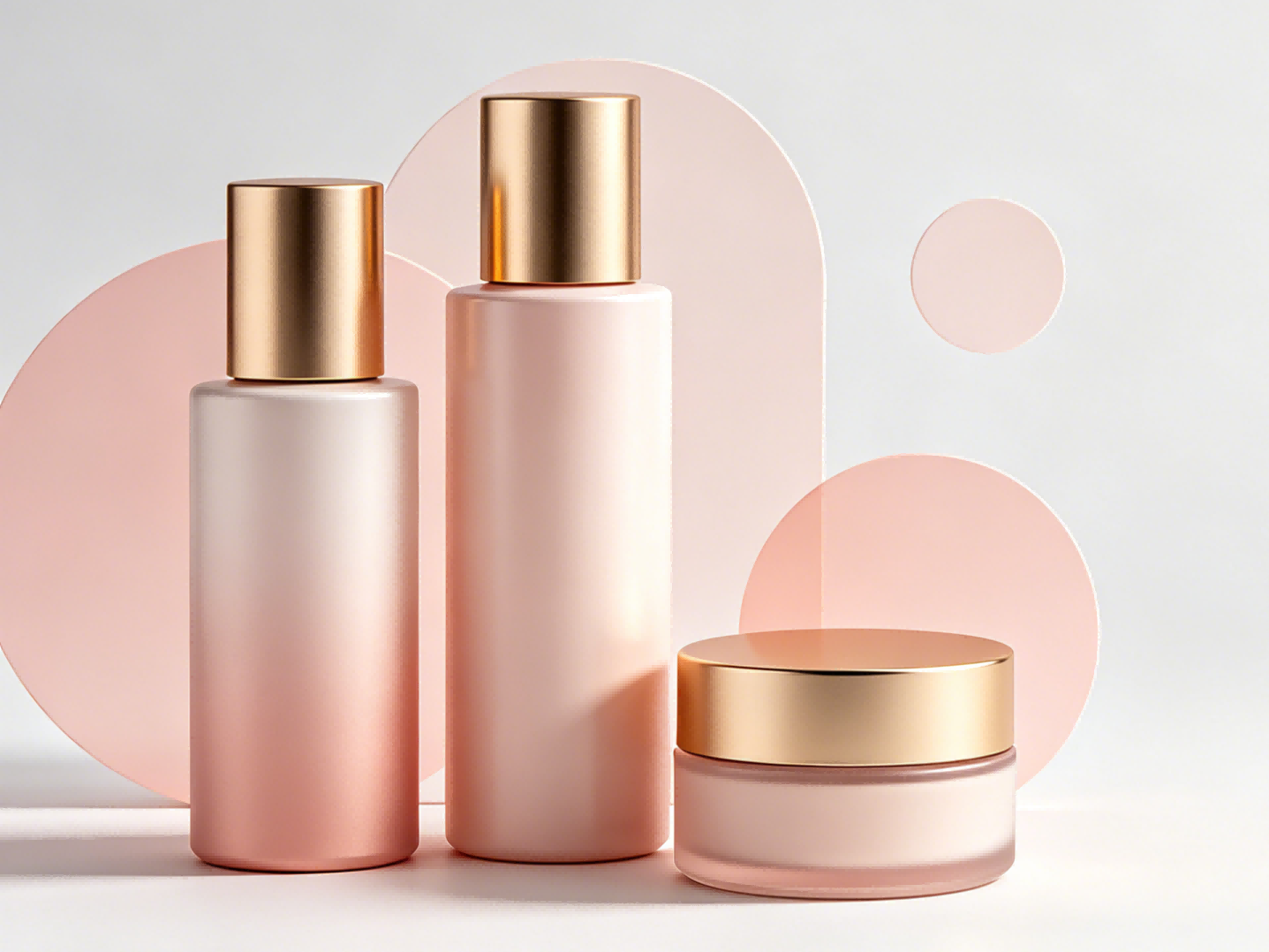
How inflation is impacting material choices for beauty brands
The global economic landscape, marked by inflationary pressures, is significantly influencing material choices in the cosmetic packaging industry. As production costs rise, beauty brands are reevaluating their packaging strategies to maintain profitability while meeting consumer expectations:
Shift towards cost-effective materials
With the increasing costs of raw materials, beauty brands are exploring alternatives that offer similar performance at lower prices. This has led to a rise in the use of hybrid materials that combine the benefits of different substrates while optimizing costs. For instance, some brands are opting for plastic-paper composites that provide the durability of plastic with the eco-friendly appeal of paper.
Investment in recycling technologies
To combat rising material costs, many companies are investing in advanced recycling technologies. This allows them to reuse materials from post-consumer waste, reducing dependency on virgin materials and potentially lowering long-term costs. Topfeelpack, for example, has been at the forefront of incorporating recycled materials into their packaging solutions, helping brands maintain quality while managing costs.
Focus on weight reduction
Lighter packaging not only reduces material costs but also lowers transportation expenses, which have been significantly impacted by inflation. Brands are working with packaging manufacturers to develop thinner yet sturdy containers, utilizing advanced molding techniques and innovative material formulations to maintain structural integrity while reducing weight.
Embrace of local sourcing
To mitigate the impact of global supply chain disruptions and rising transportation costs, many beauty brands are turning to local suppliers for their packaging needs. This shift not only helps in managing costs but also aligns with consumers’ growing preference for locally-sourced products and reduced carbon footprints.
Regional differences: Asia vs. Europe in packaging innovation
The cosmetic packaging landscape exhibits distinct regional characteristics, with Asia and Europe leading in different aspects of innovation:
Asia: Technological integration and fast-paced trends
Asian markets, particularly countries like South Korea and Japan, are at the forefront of integrating technology into cosmetic packaging. The region is known for its rapid adoption of trends and innovative packaging designs that often combine functionality with novelty. Some key features of Asian packaging innovation include:
- Advanced airless pump systems for preserving product integrity
- Incorporation of traditional materials like bamboo and rice paper in modern designs
- Quick turnaround in trend adoption, with seasonal and limited-edition packaging being common
Companies like Topfeelpack have recognized this trend, offering fast customization services that can deliver new products to customers in just 30-45 days, catering to the dynamic Asian market.
Europe: Sustainability focus and regulatory compliance
European cosmetic packaging innovation is largely driven by stringent environmental regulations and a strong consumer emphasis on sustainability. The region leads in:
- Development of bio-based and fully recyclable packaging materials
- Implementation of circular economy principles in packaging design
- Luxury packaging with a focus on sustainable premium materials
European brands often prioritize long-term sustainability goals over rapid trend changes, resulting in more enduring packaging solutions.
Bridging the gap
As global markets become increasingly interconnected, we’re seeing a convergence of these regional strengths. Asian markets are adopting more sustainable practices, while European brands are becoming more agile in their innovation cycles. This cross-pollination of ideas is leading to exciting new developments in cosmetic packaging worldwide.
FAQ
1. What is the most critical strategic trend impacting Cosmetic Packaging suppliers?
Sustainability remains the dominant strategic trend, shifting from being a niche option to a core consumer expectation. This drives a necessity for suppliers to prioritize Post-Consumer Recycled (PCR) content and mono-material, easily recyclable designs.
2. Besides sustainability, what key design philosophy is redefining premium Cosmetic Packaging?
The ‘Quiet Luxury’ trend has propelled minimalist and functional design. Packaging is increasingly defined by clean lines, neutral palettes, and refined tactile finishes like soft-touch textures, emphasizing product purity and quality over excessive graphics.
3. What packaging format innovation is central to boosting both consumer convenience and brand sustainability?
Refillable and reusable packaging systems are a key innovation. This format meets the consumer demand for waste reduction while enabling brands to build loyalty and offer a superior user experience with a permanent, premium outer container.
Innovate with Topfeelpack’s Sustainable Cosmetic Packaging Solutions
In conclusion, the cosmetic packaging industry is at a pivotal point, balancing innovation, sustainability, and economic pressures. In 2026, brands that can navigate these challenges while meeting consumer demands for both functionality and eco-friendliness will lead the market. For beauty brands, packaging suppliers, and industry professionals looking to stay ahead of these trends, partnering with forward-thinking companies is crucial.
Are you ready to elevate your brand’s packaging strategy? Topfeelpack offers cutting-edge solutions that address the evolving needs of the cosmetic industry. Our advanced airless bottles are designed to prevent air exposure, maintaining product effectiveness and ensuring longer shelf life. We pride ourselves on fast customization, competitive pricing, and quick delivery, ensuring we can meet the fast-paced demands of the beauty market.
Whether you’re a high-end skincare brand, a trendy makeup line, or a professional OEM/ODM factory, Topfeelpack has the expertise and flexibility to meet your specific needs. From sustainable materials to innovative designs, we’re committed to helping you create packaging that not only protects your product but also enhances your brand image.
Ready to transform your cosmetic packaging? Contact us at [email protected] to discuss how we can bring your packaging vision to life.
References
- Global Cosmetic Packaging Market Report 2025: Trends, Forecast, and Competitive Analysis (Research and Markets, 2023)
- Sustainability in Beauty Packaging: Consumer Trends and Industry Innovations (Euromonitor International, 2024)
- The Impact of Economic Factors on Cosmetic Packaging Choices (Journal of Packaging Technology and Research, Vol. 18, 2024)
- Smart Packaging in the Beauty Industry: Opportunities and Challenges (Cosmetics & Toiletries Magazine, September 2024)
- Regional Analysis of Cosmetic Packaging Innovation: Asia-Pacific vs. European Markets (Beauty Packaging Magazine, August 2024)
- The Future of Luxury Cosmetic Packaging: Balancing Prestige and Sustainability (Luxury Packaging Insight, December 2024)

