 English
  English (UK)
  English (Australia)
  English (Canada)
  العربية
  Deutsch
  Italiano
  Español de México
  Tiếng Việt
  ไทย
ไทย  Português do Brasil
  Français
  Български
  Čeština
  Dansk
Dansk  Ελληνικά
  Eesti
Eesti  Suomi
Suomi  Magyar
  Bahasa Indonesia
  Lietuvių kalba
  Latviešu valoda
  Norsk bokmål
  Nederlands (Formeel)
  Polski
  Română
  Русский
  Slovenčina
  Slovenščina
  Svenska
  Türkçe
  Українська
  简体中文
简体中文  日本語
日本語  한국어
한국어  繁體中文
繁體中文 
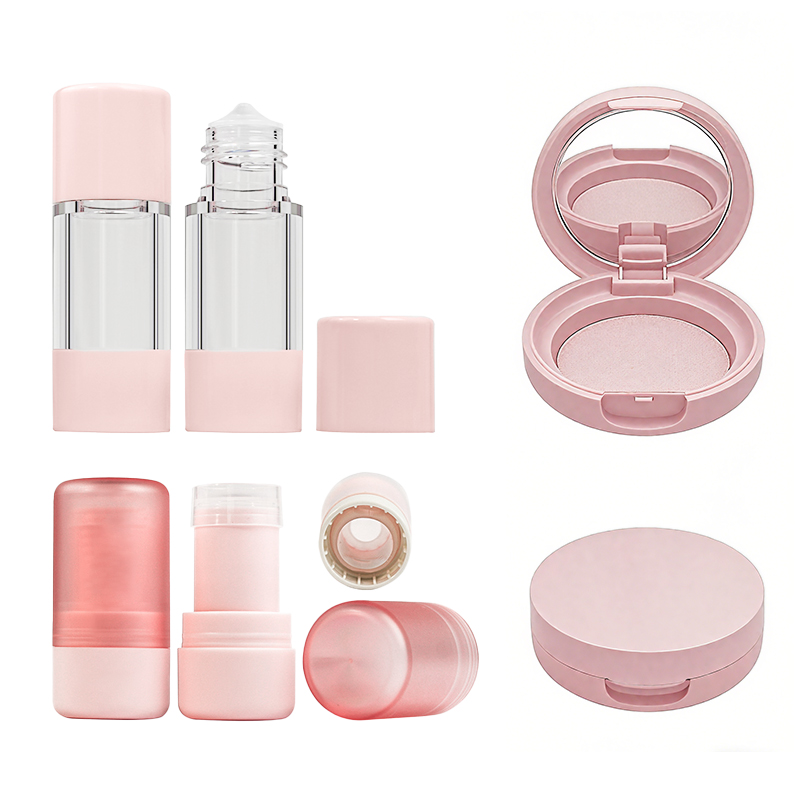
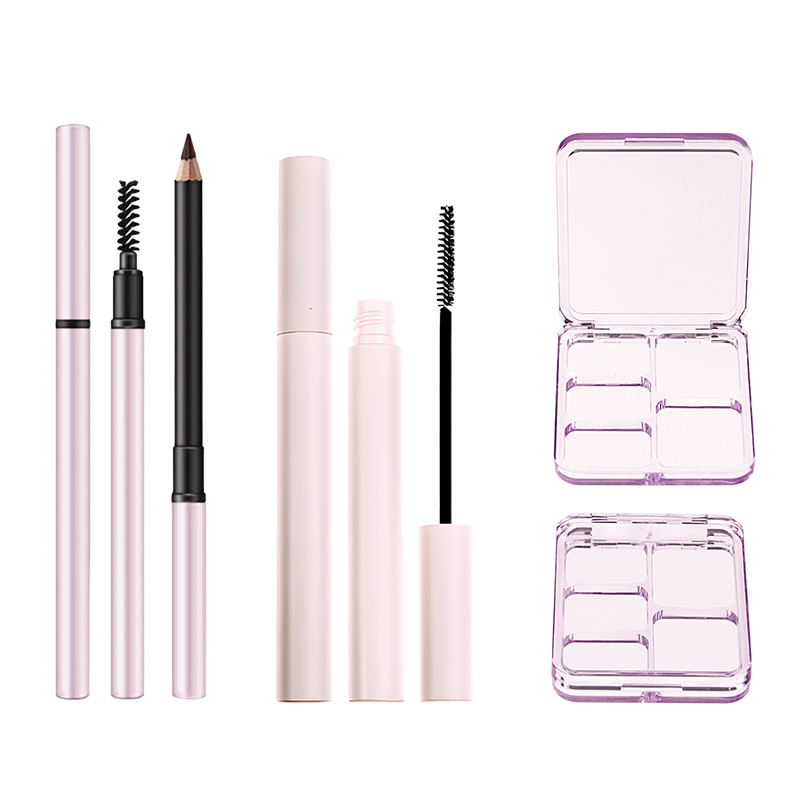

What Size Is a normal Mascara
January 30,2026
Mascara tubes—tiny titans of the cosmetics world—might look innocent, but don’t be fooled. For bulk buyers juggling SKUs and shelf space, what size is a normal mascara isn’t just trivia—it’s strategy. Most full-sizers land between 6 to 10 ml, while travel versions hover closer to 3–5 ml; samples? A whisper at 1–2 ml. That sizing sweet spot can make or break margins when you’re staring down thousands of units and a ticking product cycle.
Packaging engineers at Topfeel say brands choosing the wrong format for their audience “often overpay in freight without realizing it,” especially across transcontinental shipments. Size decides more than volume—it speaks directly to your audience’s habits, handbag real estate, and how often they’ll come back for more.
What Size Is a Normal Mascara? A Quick Guide
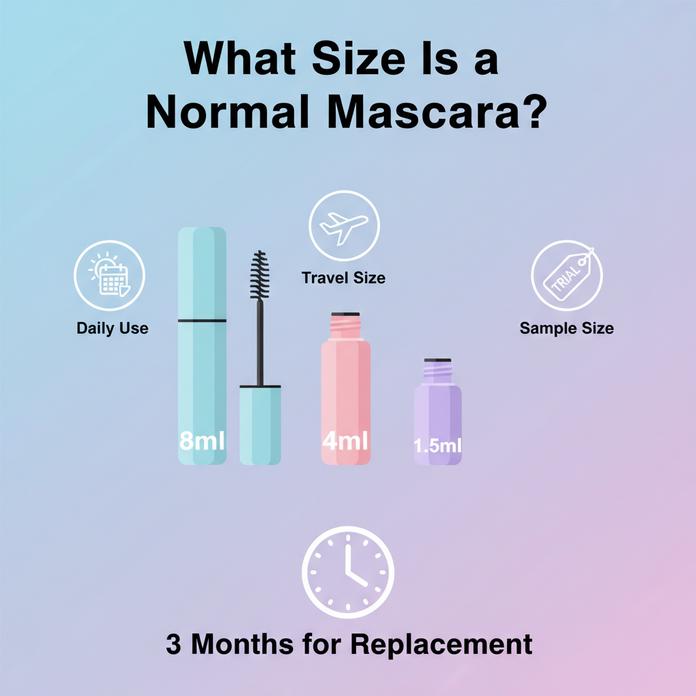
Curious about what size is a normal mascara? Here’s a breakdown of the dimensions, volumes, and packaging types you’ll typically find.
Standard Sized Mascara Tubes: How Much Product Do They Hold?
- Most standard mascaras come with a fill capacity between 6–10 ml, which is roughly equivalent to 0.20–0.34 fluid ounces.
- These sizes are ideal for daily use and typically last around three months with regular application.
- The actual amount may vary depending on the brand’s formula thickness and brush style.
A Maybelline consumer report from early 2024 noted that users prefer tubes around the 8 ml mark as it balances usability with minimal product waste. That volume offers enough for consistent wear without risking expiration before finishing it.
Understanding Travel-Sized Mascara Wands: When Are They Useful?
• Perfect for carry-ons or slipping into your purse • Usually contain between 3–5 ml of product
• Shorter wand length makes them easier for tight application zones
Travel-sized options are great when you’re hopping cities or just want something quick for touch-ups at work. With reduced tube length and smaller applicators, they’re also ideal if you’re experimenting with new formulas without committing to full-size purchases.
Sample Sized Mascara Containers: Ideal for Trials and Discounts
When you’re not sure if that volumizing formula will clump or flake, sample-sized mascaras come to the rescue. These mini tubes usually contain just about 1–2 ml, giving you enough product to test over several uses—without cluttering your drawer.
They’re often handed out during promotions or bundled into beauty boxes. Thanks to their compact size and lower cost, they’re also perfect for gifting or trying out bold colors you wouldn’t normally wear daily.
Common Packaging Materials for Mascara: A Quality Overview
Grouped by material type:
Plastic-Based Tubes:
- Made from durable polymers like polypropylene or sometimes recycled plastic blends
- Lightweight and cost-effective
Aluminum Tubes:
- Offer a sleek look but less common due to higher production costs
- Often used by luxury brands
Brush & Wand Components:
- The wand shaft is often made from molded plastic; some premium ones use stainless steel cores
- The brush head varies widely—rubber bristles vs. fiber brushes can influence how much product gets picked up
Packaging plays a big role in preserving mascara’s shelf life and hygiene, especially since exposure introduces bacteria over time.
Tube Length vs Applicator Size: Why It Matters
Shorter tubes don’t always mean less volume—it depends on how much space the applicator takes up inside. For instance:
• A longer wand might require more internal space even if the actual product fill remains low
• Compact designs may have shorter handles but still hold standard fill capacities through clever internal layout
So when asking “what size is a normal mascara,” it’s not just about milliliters—it’s also about how efficiently that space gets used inside the packaging.
How Formula Consistency Impacts Fill Capacity
Mascara formulas vary—some are thick like mousse, others watery like ink. This affects how much fits inside even similarly sized containers:
① Thick formulas need wider openings due to increased viscosity
② Thinner liquids allow slimmer brushes but might require more layers during application
③ Creamy textures often sit right in the middle, balancing coverage with ease of use
Brands tailor tube diameter and brush design based on these traits—meaning two mascaras with identical net weight might perform completely differently.
Lifespan of Your Mascara: When Size Meets Shelf Life
Here’s what most people don’t factor into their purchase decisions—the clock starts ticking once you open that tube. According to Allure’s Beauty Research Panel Q2/2024:
“Mascara should be replaced every three months—even if there’s still plenty left—to avoid bacterial buildup.”
That means even an average-sized mascara could go half-used if you’re not applying daily. So it’s smart to align your buying habits with your usage frequency rather than just chasing bigger fills.
Mini Mascaras vs Full Size: Which One Wins?
Group comparison:
Mini Mascaras:
✓ Great for travel & trial runs
✓ Lower risk of drying out before finishing
✗ Less economical per ml
Full-Sized Tubes:
✓ Better value per gram/ml
✓ More ergonomic wands = better control
✗ Higher chance of wasting leftover product after expiration period
If you’re someone who wears mascara only occasionally, minis make more sense—even though they seem pricier per unit volume.
By understanding all these angles—from formula density and tube diameter down to wand design—you’ll finally get clarity on what size is a normal mascara… because it turns out there’s no one-size-fits-all answer!
How Long Does a Mascara Last Based On Its Size?
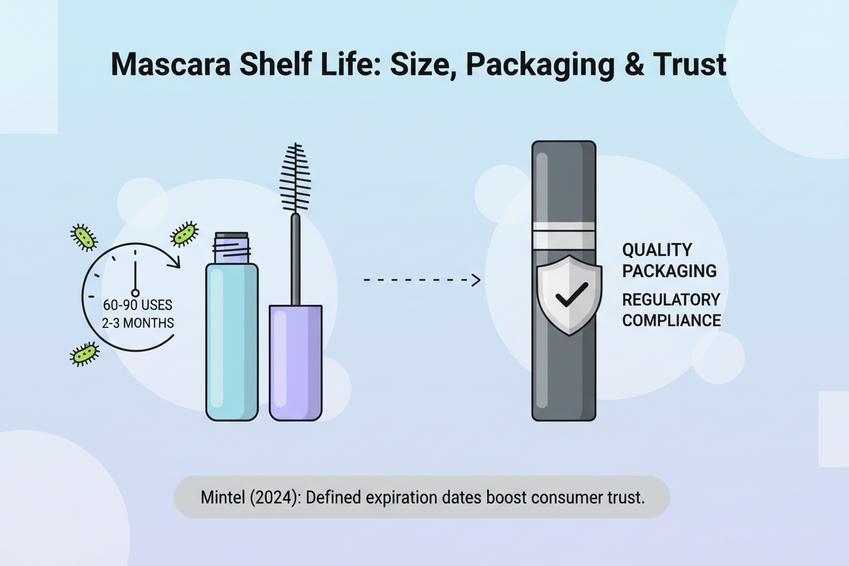
Mascara doesn’t last forever—its size, packaging, and even regulations all play a role in how long it stays fresh and safe to use.
Shelf Life of 3 to 5 Milliliters: What to Expect
• A mini mascara with just 3–5 ml typically serves up about 60–90 uses.
• That’s roughly one swipe per day for two to three months max.
• Smaller tubes dry out faster due to more frequent air exposure.
- Use frequency matters—daily users will burn through product quicker.
- Storage conditions also count; heat or humidity messes with formula stability.
- Once opened, bacteria starts creeping in, so the clock starts ticking fast.
✱ If your compact size mascara starts smelling off or clumping early, toss it—don’t risk eye irritation.
Don’t be fooled by how much is left in the tube; once air hits the wand, degradation begins. So if you’re wondering what size is a normal mascara, know that mini formats are great for short-term use but not built for longevity.
Tiny tubes are perfect for travel but not ideal for long-term wearers who want consistent performance over time. And if you’re only using it occasionally? It might expire before you finish it.
Impact of Packaging Material on Mascara Longevity
Grouped by material type:
Airtight Packaging
- Keeps formula from drying prematurely
- Minimizes oxygen exposure during each use
Quality Plastics
- Reduces chemical leaching into product
- Maintains formula integrity longer
Reinforced Closures
- Prevents contamination from external particles
- Helps maintain internal pressure balance
Multi-use containers made from quality plastics tend to preserve product consistency better than cheap alternatives. If you’re eyeing what size is a normal mascara and expecting it to last past three months, make sure the packaging includes an airtight seal and sturdy cap threads—those tiny design choices extend shelf life noticeably.
Not all mascaras are created equal—even if they hold the same amount of product, their packaging can mean the difference between silky smooth lashes or crusty clumps halfway through your routine.
Regulatory Compliance Factors Influencing Mascara Expiry
According to Mintel’s Global Beauty Report (2024), “Mascaras with clearly defined expiration dates see higher consumer trust scores and lower return rates.”
• FDA rules require expiration labeling on eye cosmetics sold in the U.S.—a move aimed at reducing infection risks.
• EU standards go further by mandating Period After Opening (PAO) symbols even on standard volume mascaras.
• Brands that skip compliance may face recalls or penalties if consumers report adverse reactions tied to expired products.
When asking yourself what size is a normal mascara, don’t just think about ounces or milliliters—think about whether that tube meets safety standards too. A full-size mascara might look appealing but without proper labeling or regulatory alignment, it’s not worth risking your eyes over.
So yeah, expiry isn’t just about time—it’s also about trust backed by regulation.
Choosing the Right Mascara Size For Your Makeup Routine
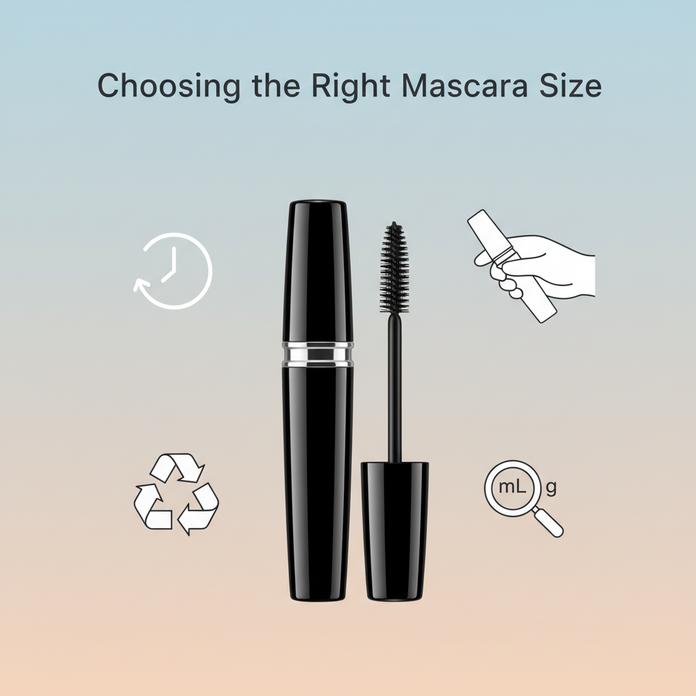
Picking the right mascara size isn’t just about preference—it’s about how you live, apply, and carry your beauty essentials.
Factors to Consider: Your Application Frequency and Style
• If you’re swiping on daily, go for full-size mascara—more product means fewer replacements.
• Occasional users? Smaller tubes prevent waste before expiry.
• Want volume-heavy lashes? Larger brushes typically come with bigger tubes.
- Daily use = higher mascara net weight needed.
- Special occasion only = low-volume tube is plenty.
- Dramatic looks = wider wands in standard volume packs.
✦ Match your lash goals with your lifestyle to avoid dried-out leftovers or constant rebuys.
Some folks burn through tubes monthly; others barely make a dent in three months. So when asking “what size is a normal mascara,” remember—it’s not one-size-fits-all.
The Importance of a Mascara Tube with Wiper for Control
A solid mascara tube with wiper changes everything:
- Prevents clumping by scraping off excess product.
- Controls how much goes on the brush—no globs.
- Keeps your wand clean for smoother strokes every time.
Without this little hero inside the cap, even the best formula can get messy fast. Whether it’s a mini or average tube capacity, control matters more than quantity when it comes to precision application.
How Ergonomic Mascara Handle Design Enhances Usability
→ An awkward handle makes even great formulas frustrating to use. But an ergonomic mascara handle design?
- Improves grip—even if your hands are damp or shaky.
- Gives better angle control around corners of lashes.
- Reduces wrist strain during longer applications (hello, falsie effect!).
From travel minis to full-sized staples, usability trumps aesthetics when you’re mid-swipe.
So next time you’re scanning shelves wondering “what size is a normal mascara,” don’t forget how it feels in your hand might matter more than what’s inside.
Sustainable Packaging Options: Are They Worth It?
♻️ Eco-conscious packaging isn’t just feel-good fluff anymore:
• Recycled plastic tubes reduce landfill impact without compromising durability.
• Biodegradable boxes help cut down secondary waste from sets and kits.
• Refillable designs are starting to show up in both travel size and full formats—big win for long-term users.
The shift toward sustainable options doesn’t mean giving up quality—it means choosing smarter containers for cosmetics that still deliver lush lashes while lowering environmental guilt.
If you’re buying frequently due to short shelf life or heavy usage, eco-packaging helps balance out that cycle responsibly.
Global Labeling Requirements: Why Size Matters for Customers
Across countries, labeling rules vary—but clear info helps buyers everywhere:
• The actual mascara net weight, listed in both milliliters (mL) and grams (g), tells you exactly what you’re getting—not just what it looks like outside.
• Some regions require expiration dates based on opening—a big deal if you rotate products often!
• Knowing the exact size helps compare cost-per-use between minis and full sizes—especially useful during sales or when eyeing those cute but pricey sets.
So when someone asks “what size is a normal mascara,” they might really be asking what’s legally required to be printed—and why that matters before buying blind online or abroad.
FAQs
What size is a normal mascara tube for retail use?
A standard mascara tube holds between 6–10 ml (0.20 to 0.34 fl oz) — enough for steady daily use over several months. Built strong with polypropylene components, the casing keeps the brush and wiper precise through countless strokes, an unspoken pact between product and those who rely on it every morning.
How does travel-sized compare in everyday practicality?
Travel options sit at 3–5 ml (0.1 to 0.17 fl oz), light in your bag yet airtight thanks to snug closures that guard against drying out during weeks away from home; their compact build feels like an old friend slipping right into your palm mid‑journey.
Why choose ergonomic handle designs for bulk orders?
In large runs, adding shape and balance to a wand’s handle changes everything – consumers feel steadier as color lifts onto lashes with less strain, encouraging loyalty that isn’t born of chance but of deliberate crafting during injection molding stages.
Which materials protect best in temperature-controlled shipping?
A mix of high-density polyethylene plastic cases, supported by firm acrylonitrile butadiene styrene shells, endure sudden shifts en route while foam inserts nestle each piece inside corrugated boxes like fragile glassware seeking safe arrival across borders under strict customs eyes.
Can sustainable packaging work without sacrificing quality?
Yes — blending biodegradable alternatives with recycled content packaging options holds integrity in both applicator brush performance and environmental conscience; every sealed unit whispers its part in reducing carbon footprints while still adhering to FDA cosmetic guidelines globally.

