 English
  English (UK)
  English (Australia)
  English (Canada)
  العربية
  Deutsch
  Italiano
  Español de México
  Tiếng Việt
  ไทย
ไทย  Português do Brasil
  Français
  Български
  Čeština
  Dansk
Dansk  Ελληνικά
  Eesti
Eesti  Suomi
Suomi  Magyar
  Bahasa Indonesia
  Lietuvių kalba
  Latviešu valoda
  Norsk bokmål
  Nederlands (Formeel)
  Polski
  Română
  Русский
  Slovenčina
  Slovenščina
  Svenska
  Türkçe
  Українська
  简体中文
简体中文  日本語
日本語  한국어
한국어  繁體中文
繁體中文 
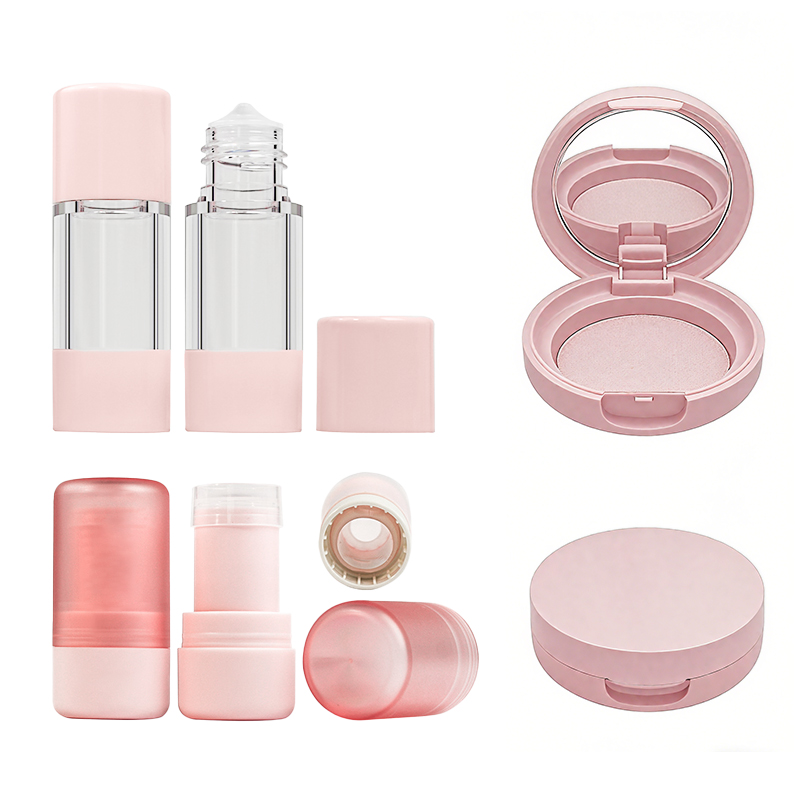
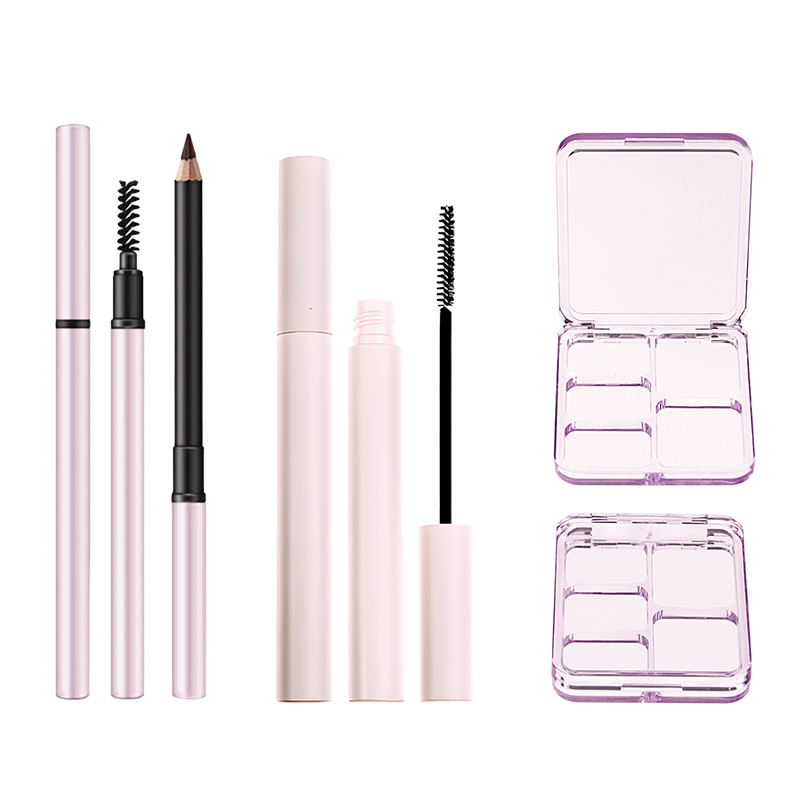
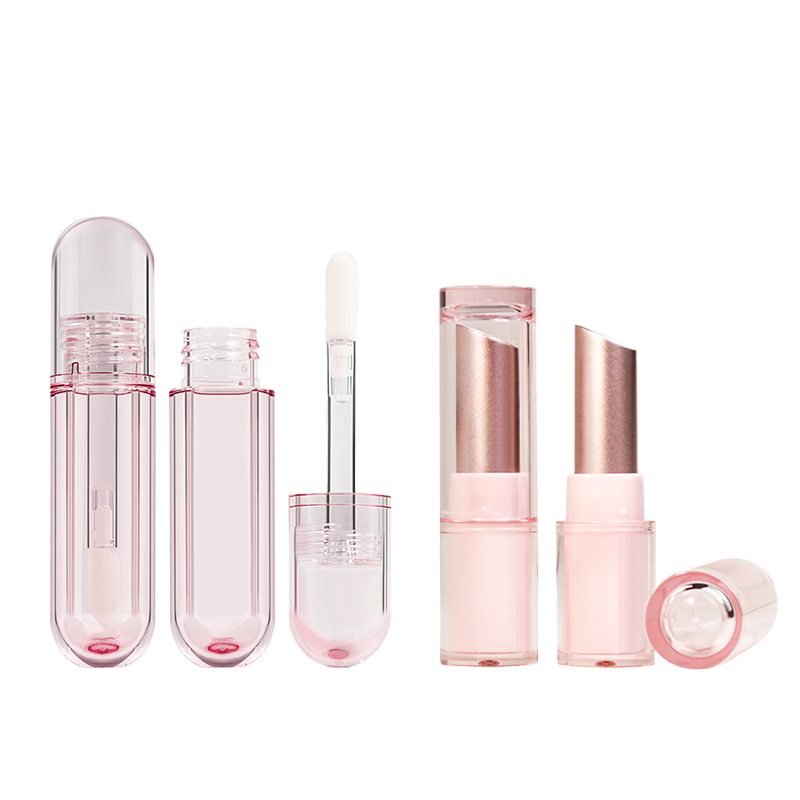

What You Need to Know About the Sustainable Packaging Initiative for Cosmetics
February 10,2026
The sustainable packaging initiative for cosmetics isn’t just some eco-flavored fad—it’s shaping up to be the next big litmus test for brand trust. Beauty buyers are squinting past pretty labels now and asking, “Hey, what’s this lipstick tube made of? And where’s it going after I chuck it?” Turns out, your mascara wand might say more about your values than your mission statement.
Now here’s the kicker: sourcing at scale feels like navigating a Jenga tower during an earthquake. You want powder compact cases that won’t crack under pressure (literally), PCR plastics that won’t get you side-eyed by EU regulators, and vendors who don’t vanish when asked for certificates. Jean Wu, lead sustainability engineer at Topfeel in early 2024, put it best: “If your supplier can’t tell you exactly where their resin came from—walk away.”
So if you’re on the hook to buy packaging by the truckload and need every component to pass both compliance checks and TikTok unboxings—buckle up. You’re in exactly the right place.
Quick Answers: Navigating the Sustainable Packaging Initiative for Cosmetics
➔ Recycled Materials: Summarizes benefits and compliance of recycled plastic, glass, and aluminum in cosmetics packaging.
➔ Design Innovations: Highlights refillable systems, mono-material formats, and solid containers to minimize waste and boost recyclability.
➔ Certification Guide: Outlines Cradle to Cradle, FSC, B Corp, and other badges that validate ethical sourcing and material safety.
➔ End-of-Life Strategies: Reviews take-back programs, compostability standards, and industrial composting requirements for true circularity.
➔ Regulatory Compliance: Breaks down EU post-consumer resin mandates, carbon neutral packaging rules, and local sourcing criteria.
➔ Supplier Evaluation: Key B2B buyer criteria—from renewable energy usage and Scope 3 reduction to verified sustainability credentials.
The Sustainable Packaging Initiative For Cosmetics
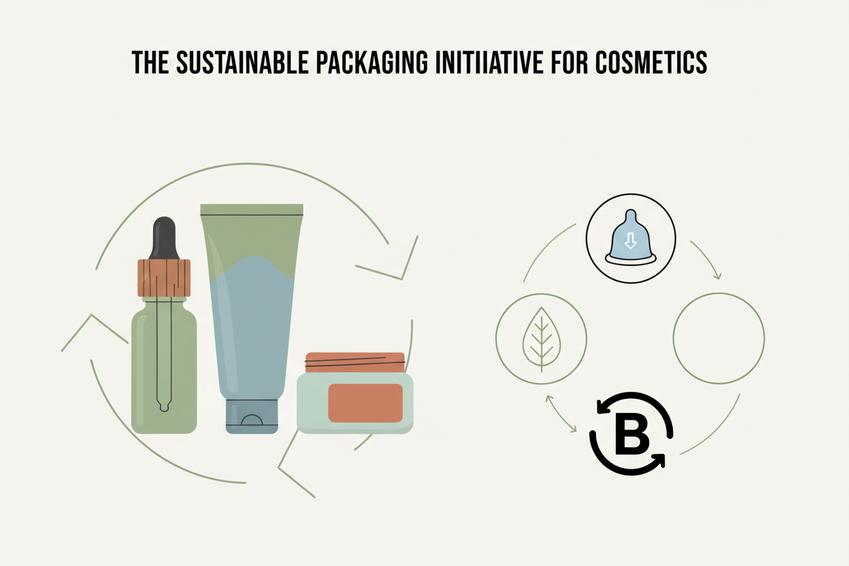
This guide breaks down how beauty brands are stepping up their sustainable packaging game—without sacrificing style or function.
Exploring Recycled Plastic, Glass Containers and Aluminum Components
- ♻️ Recycled plastic cuts down on new plastic production and keeps waste out of landfills.
- Glass containers? They’re classy, endlessly recyclable, and perfect for high-end skincare like serum droppers or eye cream jars.
- Aluminum is lightweight, rust-proof, and often made with post-consumer resin, making it a go-to for eco-conscious brands.
- Brands are shifting to recycled content in primary packaging—think mascara tubes or foundation caps.
- Glass is being reintroduced as a premium yet sustainable option for blush and lip balm tubes.
- Aluminum’s popularity is rising due to its durability and recyclability.
• These materials align with eco-design goals by reducing resource depletion and improving reuse cycles.
Topfeel’s latest compact line uses 100% recycled aluminum—sleek looks meet real impact in the push for a more circular system.
Refillable Systems, Mono-Material Designs and Solid Format Containers
Refillables are where sustainability meets convenience. Pop in a new pod instead of tossing the whole case? Yes, please. Mono-materials—like all-plastic or all-paper tubes—make recycling way easier by ditching mixed material confusion at sorting facilities.
Short bursts:
Solid cleansers = less water + less plastic
Lipsticks now come in refillable lipstick tube designs.
Foundation bottles with airless pumps reduce both weight and waste.
Multi-step shift:
Step 1: Identify high-waste items like pumps or powder compact case units.
Step 2: Redesign into mono-material formats (e.g., single-type plastics).
Step 3: Introduce refillable cartridges or solid versions.
These changes support circular economy principles while appealing to today’s eco-conscious consumers who want beauty without baggage.
Demystifying Cradle to Cradle, FSC and B Corp Certifications
Understanding labels can be tricky—but they matter big time when choosing planet-friendly products.
Cradle to Cradle certification checks if materials are safe to cycle back into use—great for evaluating biodegradable polymers or inks used on cartons. FSC ensures paperboard comes from responsibly managed forests—not clear-cuts. And B Corp? It means the brand walks the talk across ethics, sustainability, transparency—you name it.
Grouped info:
• Cradle to Cradle: Measures material safety + recyclability → Supports safer ingredient sourcing
• FSC: Verifies paper sourcing → Prevents illegal logging + supports biodiversity
• B Corp: Certifies business ethics → Encourages full-supply-chain accountability
When Topfeel earned its B Corp badge last year, it signaled not just smart packaging for cosmetics—but smarter values behind it too.
Take-Back Programs and Compostability: End-of-Life Solutions
What happens after you toss that empty lotion bottle? That’s where end-of-life planning kicks in—and it’s often overlooked.
Many brands now offer take-back programs where customers return empties for recycling or reuse—a big win for reducing landfill waste. Compostable options are growing too but must meet strict industrial composting standards, not just break down “somewhere.”
Multi-level flow:
A) Take-back programs:
- Encourage returns via drop-off boxes or mail-in
- Support extended producer responsibility
- Close the loop on hard-to-recycle items
B) Compostable packaging:
- Made from certified plant-based plastics
- Requires industrial systems—not backyard bins
- Must prevent contamination of traditional recycling streams
Together these approaches lower your brand’s total carbon footprint, aligning with modern expectations around ethical disposal and real-world environmental impact tied directly to cosmetic use habits.
Regulatory Pressures Driving Sustainable Packaging In Cosmetics
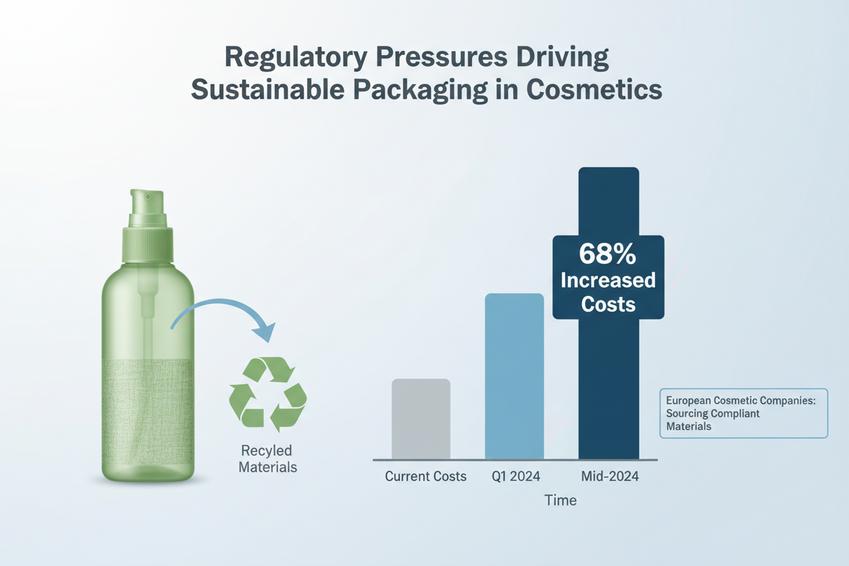
Tougher rules are shaking up how beauty brands handle packaging—especially when it comes to going green.
Navigating Post-Consumer Resin Rules Under New EU Regulations
The new EU Packaging and Packaging Waste Regulation (PPWR) directives around post-consumer resin aren’t just suggestions—they’re binding, and cosmetic brands need to move fast. Here’s how the rules break down:
A. Key Requirements You Can’t Ignore
- Minimum thresholds for recycled content in plastic components like mascara tube and lip gloss caps.
- Mandatory documentation proving compliance with updated packaging regulations.
- Enforcement timelines differ by product category, but most deadlines fall within the next two years.
B. Impacts on Brand Operations
- Supply chain adjustments are inevitable—brands must identify certified recycled material suppliers.
- Product redesigns may be needed to incorporate higher levels of post-consumer resin while maintaining performance.
- Expect more frequent audits under tightened compliance standards, especially for multinational labels.
C. Strategic Brand Responses
- Some companies have shifted to mono-material packaging that simplifies sorting and boosts recyclability.
- Others are investing in digital traceability tools to track and verify their use of reclaimed plastics.
“By 2030, all packaging on the EU market must be recyclable in an economically viable way,” according to the European Commission.
Local Sourcing and Circular Economy Principles in Practice
Sourcing local isn’t just a feel-good move—it’s become an operational win for many beauty brands trying to cut emissions and stay ahead of evolving eco laws. Here’s what’s working:
• Fewer miles traveled means lower carbon output per unit shipped—a huge plus under tightening environmental laws.
• Brands using regional suppliers often gain faster turnaround times, which helps them respond quicker to shifting market demands.
Circular strategies go further:
- Refillable glass jars reduce single-use waste.
- Aluminum pans used in bronzers get melted down and reused—true examples of ongoing circular packaging solutions.
- Old bottles are collected via retail drop-offs, cleaned, then refilled—a smart mix of convenience and sustainability.
These tweaks don’t just please regulators; they also speak directly to rising consumer demand for greener products.
Carbon Neutral Packaging Mandates: What Cosmetic Brands Must Know
Carbon neutrality is no longer a buzzword—it’s becoming a box you must check if you want shelf space in eco-conscious markets like Germany or South Korea.
A. What Authorities Now Require
i) Transparent reporting on emissions during production using third-party verified data.
ii) Proof that any carbon offsetting aligns with international protocols like the Gold Standard or VCS.
iii) Documentation showing use of renewable energy at manufacturing sites or low-carbon alternatives during transport.
B. How Brands Are Responding
i) Major players are switching entirely to solar-powered factories for primary packaging lines.
ii) Smaller indie labels opt for lightweight tubes made from sugarcane bioplastics—reducing both weight and footprint.
iii) A few pioneers now include QR codes linking buyers directly to their climate impact reports—an ultra-transparent form of corporate social responsibility.
To stay competitive under these new pressures, embracing full-on sustainability isn’t optional anymore—it’s survival mode for anyone serious about leading a successful sustainable packaging initiative for cosmetics today.
3 Compliance Risks In Unsustainable Cosmetic Packaging
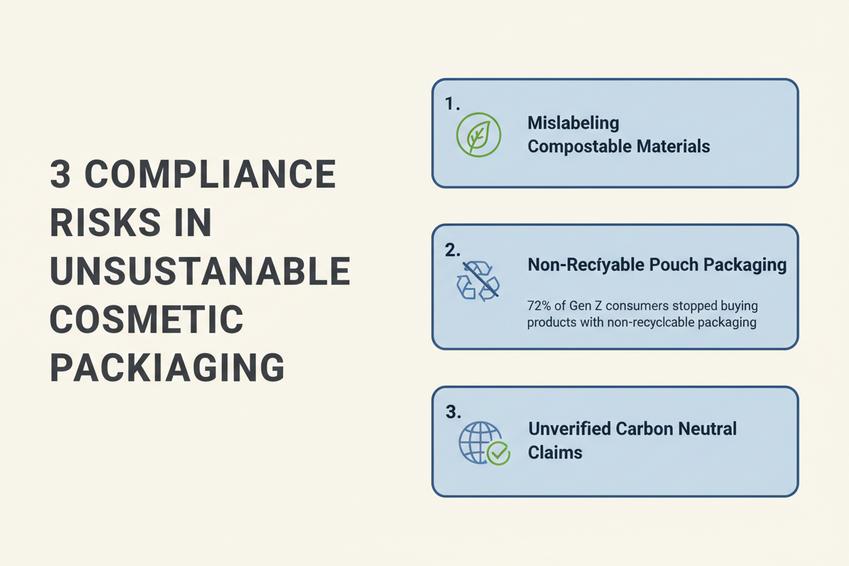
Even the most hyped-up eco-friendly packaging can backfire if it doesn’t follow the rules. Here’s where cosmetic brands trip up.
Risk 1 – Mislabeling Compostable Materials
Mislabeling something as compostable just because it “looks green” isn’t just sloppy—it’s risky. Here’s how that risk unfolds:
A. Regulatory Pitfalls
- Many countries have strict labeling requirements for what counts as compostable.
- Without valid certifications, brands risk violating both domestic and international packaging regulations.
B. Environmental Consequences
- Improper disposal due to misleading labels leads to increased waste management issues.
- Non-compostable materials in compost streams contaminate entire batches, worsening pollution.
C. Consumer Blowback
- Shoppers are smarter now; they’ll call out fake claims.
- False labeling damages your brand’s trust and tanks your standing in the clean beauty space.
Topfeel avoids this mess by ensuring every piece of its packaging meets certified standards for industrial compostability—no cutting corners, no guesswork.
Risk 2 – Non-Recyclable Pouch Packaging
Multi-layer pouches might look sleek, but they’re recycling nightmares.
• Most aren’t made from mono-materials, making them incompatible with standard recovery systems under current environmental laws.
• They often contain aluminum or mixed plastics that fail basic tests for recyclability, leading to higher landfill contributions.
• Even if a pouch is technically recyclable, local facilities may reject it due to contamination risks or sorting limitations.
And here’s the kicker—consumers are catching on fast. According to a late 2024 report by Shorr Packaging:
“Nearly three-quarters of consumers are open to choosing a brand that offers more sustainable packaging, with many Gen Z buyers actively avoiding non-recyclable options.”
Topfeel sidesteps this trap by investing in mono-material pouch alternatives designed for easy separation and high recovery rates, aligning with its broader sustainable packaging initiative for cosmetics.
Risk 3 – Unverified Carbon Neutral Claims
Claiming carbon neutrality without receipts? That’s a PR disaster waiting to happen—and possibly illegal too.
Step 1: The Lifecycle Gap
Brands often skip proper life cycle assessment, assuming offsets alone will do the job—but regulators want proof from start to finish.
Step 2: Offsets Without Oversight
Without verified carbon credits or third-party validation, these claims violate emerging global standards tied to new climate-focused product safety standards and carbon disclosure rules.
Step 3: Market & Legal Repercussions
A brand caught exaggerating sustainability claims can face:
- Fines from watchdogs enforcing green marketing compliance
- Loss of consumer trust due to perceived or real instances of greenwashing
- Backlash across social media platforms fueled by shifting consumer demand
To avoid these traps, Topfeel backs every carbon claim with full traceability—from renewable energy use during production down to validated emissions offsets—making their approach not only bold but bulletproof under any serious scrutiny tied to a true sustainable packaging initiative for cosmetics.
How B2B Buyers Evaluate Sustainable Cosmetic Packaging Suppliers
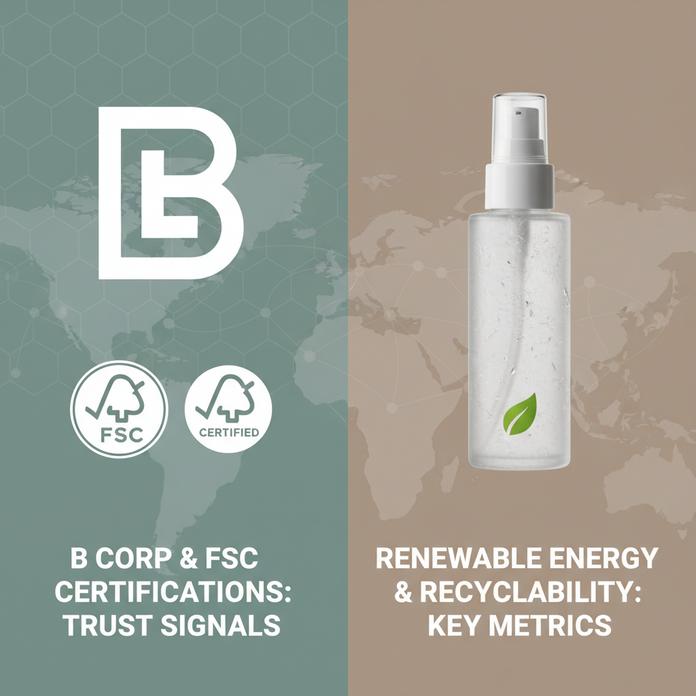
Buyers want more than eco-buzzwords—they’re watching for real, measurable action in every sustainable packaging initiative for cosmetics.
B Corp and FSC Certifications as a Trust Signal
- Buyers often filter potential suppliers by third-party validation.
- B Corp status shows commitment to social and environmental performance.
- FSC-certified materials confirm the use of responsibly sourced paper or wood.
- Certification builds trust faster than any pitch deck can.
- It signals accountability across the supply chain.
- It helps buyers align with internal ESG goals.
✓ These certifications aren’t just badges—they’re decision-making shortcuts for procurement teams chasing verified sustainability benchmarks.
When building a credible sustainable packaging initiative for cosmetics, these trust signals become your handshake before the meeting even begins.
Reviewing Renewable Energy Usage and Low Carbon Footprint Production
- Does the supplier use solar, wind, or hydroelectric energy?
- What are their annual CO₂ emissions per production unit?
- Are they actively reducing their reliance on fossil fuels?
“Tier 2 production—including packaging—typically accounts for 45 to 70 percent of a brand’s Scope 3 emissions,” according to McKinsey & Company.
♻️ B2B buyers love it when suppliers show off their carbon tracking dashboards or power plant stats—especially if they contribute to minimizing Scope 3 impact in their own reports.
Low-carbon manufacturing isn’t just good PR anymore—it’s baked into how modern buyers assess long-term supplier fit in any serious sustainable packaging initiative for cosmetics.
Assessing Recyclability and Compostability in Finished Packaging
• Can it be recycled curbside?
• Is it certified industrial compostable?
• Does it break down without leaving microplastics?
Recyclability isn’t enough anymore—it has to work within actual municipal systems. A perfectly recyclable pouch that gets landfilled due to incompatibility? That’s a fail in today’s buyer matrix.
Buyers now expect suppliers to know which regions accept what, especially when using biodegradable materials, post-consumer resin, or advanced multilayer films in cosmetic applications.
This is where smart design meets gritty local reality—and it matters big time when shaping a real-world-ready sustainable packaging initiative for cosmetics.
Tailored Solutions for Mascara Containers to Pouch Packaging: Buyer Priorities
Step-by-step evaluation:
A) Product-Specific Functionality
- Mascara tubes need precision-engineered wipers and brushes.
- Serum bottles must preserve formula stability with airtight seals.
- Pouches must support controlled dispensing without leaks or spills.
B) Material Compatibility
- Can we use glass pump bottle options where needed without compromising transport safety?
- Are refillable options viable given product viscosity?
C) Sustainability Expectations
- Is the container made from recycled content or fully recyclable mono-materials?
- Can components be separated easily post-use?
D) Visual Appeal & Branding
- Buyers want sleek designs that still scream “eco-conscious.”
- Colorants must meet both aesthetic goals and align with regulations like REACH.
Customization isn’t just about shape—it’s about balancing form, function, and footprint across every product line within a brand’s broader sustainable packaging initiative for cosmetics.
FAQs
1. What materials capture the most attention in sustainable cosmetic packaging?
Recycled plastic infused with post-consumer resin shows growing trust among brands looking to balance luxury and responsibility.
- Glass containers: used for serum bottles and blush compacts to hold purity and permanence.
- Aluminum components: endlessly recyclable yet sleek enough for foundation or lipstick tube designs.
- Biodegradable polymers & bamboo packaging: replacing solid format containers to create tactile eco-friendly design stories.
2. How do refillable systems change purchasing decisions at scale?
Refillable formats reshape buying behavior through emotion and economy: once the lipstick tube stays, only its heart—color—is renewed.
⟶ Short cycle delivers savings; long cycle builds loyalty grounded in waste reduction goals.
⟶ Buyers prefer mono-material designs that simplify sorting while enhancing lightweight packaging dispatch efficiency under eco‑friendly logistics contracts.
3. Why are certifications powerful proof points in supplier selection?
Certifications become a compass for responsible manufacturing choices:
| Certification | Key Assurance | Typical Use |
|---|---|---|
| FSC Certified | Responsibly sourced paper sleeves | Eyeshadow palettes, blush boxes |
| Cradle to Cradle | Safe material assessment & recyclability tracking | Biodegradable polymers in skincare jars |
| B Corp Certification | Ethical sourcing and transparency badge | Brand-level qualification campaign |
| Carbon Neutral / Ocean Bound Plastic | Climate impact mitigation origin story | Foundation packaging or mascara containers |
These symbols translate sustainability into visible character across every shipment.
4. How does local sourcing shape the circular economy of cosmetic supply chains?
Local sourcing speaks a human rhythm—closer hands, lighter footprints.
✧ Shorter transport routes cut emissions tied to glass container finishing lines or aluminum casting plants.
✧ It nurtures ethical sourcing partnerships that echo community production values.
✧ Each locally made blush compact tells buyers they participate directly within circular economy principles powered by renewable energy usage.
5. What end-of-life solutions encourage brand credibility among large buyers?
End-of-life thinking transforms ordinary disposal into commitment-tested action:
• Take-back programs: closed loop journeys returning mascara tube or powder jars back home again.
• Compostability standards & industrial composting compatibility: vital checkpoints proving biodegradable materials truly vanish cleanly rather than disguise landfill aftermaths.
• Recyclability assessment + consumer education: twin forces making each eyeshadow palette easier to sort responsibly — reaffirming every sustainable packaging initiative’s emotional promise of transparent closure aligned with low carbon footprint ethics worldwide.
References
Packaging waste – Environment – European Commission
Cradle to Cradle Certified® – Cradle to Cradle Products Innovation Institute
Forest Stewardship Council – FSC
B Lab Global Site – B Corporation
The 2025 Sustainable Packaging Consumer Report – Shorr Packaging
Sustainable style: How fashion can reduce Tier 2 emissions – McKinsey

