 English
  Español de México
  Français
  Deutsch
  Português do Brasil
  Italiano
  한국어
한국어  ไทย
ไทย  Русский
  日本語
日本語  Polski
  Svenska
  Türkçe

Quick Tips for Selecting the Right Lip Gloss Tube Containers Today
December 24,2025
You’ve got a killer gloss formula, but if your lip gloss tube containers scream “bargain bin” instead of “beauty aisle showstopper,” you’re leaving dollars—and dignity—on the table. Packaging isn’t just packaging anymore; it’s the outfit your product wears to prom night.
We’ve seen bulk buyers drop five figures on tubes that crack under pressure or look cheap next to sleeker competitors. As Topfeel’s senior designer Liu Yihan put it in a 2024 supplier summit, “Most brands lose their edge not in formula—but in finish.”
Here’s the kicker: picking the wrong cap type or surface texture can flatline customer trust faster than a bad Yelp review. Shoppers judge with their eyes and hands—way before they ever twist open your product.
So grab your coffee (or boba), because we’re about to walk through quick-hit tips that’ll keep your packaging budget tight and your branding tighter.
Essential Insights for Lip Gloss Tube Containers
➔ Material Choices: Plastic is lighter and more affordable, making it a practical option, while glass provides a premium feel that enhances brand perception.
➔ Capacity Selection: Opt for container sizes ranging from 5 ml to 30 ml based on your target market; smaller sizes are great for samples and travel.
➔ Finish Importance: Surface finishes such as glossy, matte, frosted, or metallic can significantly impact your product’s aesthetic appeal and consumer attraction.
➔ Closure Types: Choose between screw caps, flip tops, or child-resistant closures to ensure product security and ease of use.
➔ Shape Variety: Consider the functional and aesthetic benefits of different shapes—cylindrical for classic designs or square for a modern edge.
➔ Avoid Mistakes: Be wary of selecting the wrong material or overlooking the applicator types, as these can negatively affect customer experience and product perception.
Essential Features of Lip Gloss Tube Containers
A quick dive into what makes a tube of lip gloss more than just a pretty shell—it’s about materials, size, finish, and how securely it seals.
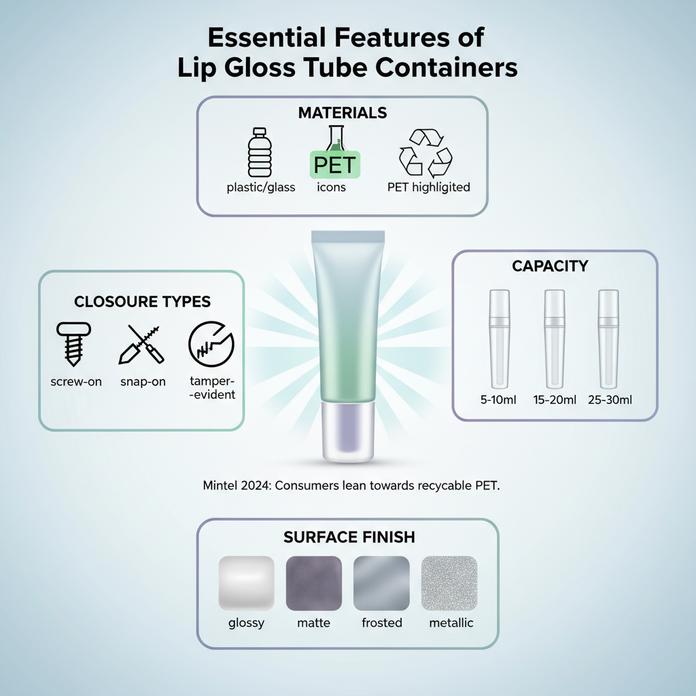
Key Material Types: Plastic vs. Glass
- Plastic options like PET, PP, and acrylic are super light, making them ideal for travel kits or on-the-go touchups.
- On the flip side, glass brings that luxe vibe—heavier in hand but often seen as more premium.
- Durability-wise? Plastic wins when you’re worried about drops; it’s less likely to shatter.
→ “Sustainability in packaging is now a top priority,” states Mintel’s 2024 Beauty Packaging Trends report, noting that consumers are leaning toward recyclable materials like PET over traditional mixed plastics.
Whether you’re after affordability or elegance, knowing your material game helps shape your entire product feel—and how it lands with your audience.
What Capacity Fits Your Needs?
• Travel-size fans usually go for 5–10 ml tubes—just enough for the weekend bag.
• Full-size products hover around 15–20 ml; they strike the balance between volume and portability.
• Larger formats like 25–30 ml suit pro makeup artists or value packs.
Each size tells its own story. A tiny tube screams “sample me!” while a hefty one feels indulgent and long-lasting. Think about your target users’ routines before locking in the right number of milliliters or converting to grams based on formula density.
Surface Finish Options for Lip Gloss Containers
- Smooth & sleek? Go with a high-shine glossy surface.
- Want something understated? Matte finishes offer that soft-touch minimalism.
- Frosted designs bring elegance without being flashy.
- And if you’re going bold? Try metallic coatings—they pop on shelves and photos alike.
You can even combine finishes—like pairing a matte lip gloss tube oem body with a shiny cap—to create contrast and visual interest. These choices don’t just affect looks; they influence how customers perceive texture, weight, and brand tone at first glance.
Understanding Different Closure Types for Security
- The classic screw-on cap gives you reliability—twist it tight and forget leaks.
- Snap-on caps are quicker to use but need careful design to avoid accidental opening.
- Add-ons like an internal wiper keep excess gloss off the wand while preventing messes inside the cap.
- Looking to step up safety? Go for tamper-evident bands or child-resistant closures—especially important if you’re targeting family households.
The closure isn’t just functional—it adds trust points too. A secure seal means no purse disasters, no sticky fingers, and happier repeat buyers who know their favorite gloss won’t betray them mid-day.
By choosing the right combo of closure style, applicator type (think sponge-tip wand), and sealing mechanism like leak-proof valves or inner stoppers—you’re not just protecting product integrity; you’re building customer confidence one twist at a time across every use of your lip gloss tube containers.
Cost-Effective Lip Gloss Tube Container Options
Looking to save on packaging without sacrificing flair? Here’s how to choose smart, stylish, and affordable lip gloss tube containers that still pop on the shelf.
Affordable Material Choices: Plastic and PETG
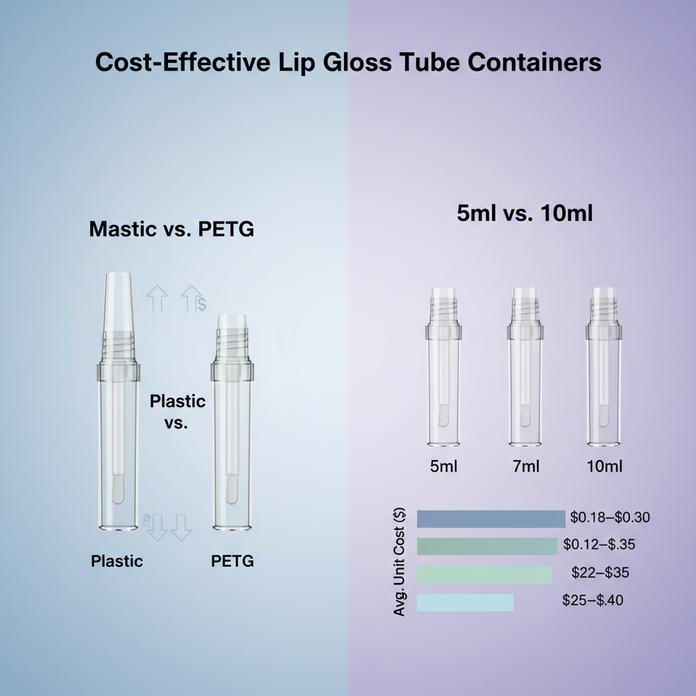
Choosing the right material can seriously cut your packaging costs while keeping things sleek. Here’s how plastic and PETG stack up:
- Plastic is super lightweight, cheap to produce, and endlessly versatile. Perfect for daily-use products with mass appeal.
- PETG may be slightly pricier but offers better clarity and a more premium feel—ideal if you want your clear lip gloss packaging petg wand to shine through.
- Both are highly customizable with color, finish, and print options that match your branding goals.
- Looking for eco-love? Many suppliers now offer recyclable versions of both materials.
- Durability matters too—both resist cracking during shipping or drops.
- PETG edges out when it comes to chemical resistance, making it a good pick for long-wear formulas.
Whether you’re launching a new line or scaling up production, these two materials keep your budget in check without compromising on vibe.
5 ml vs. 10 ml: Finding Budget-Friendly Capacities
Size isn’t just about volume—it shapes cost, user experience, and brand perception. Check this quick breakdown:
| Volume | Ideal Use Case | Avg. Unit Cost ($) | Popular With |
|---|---|---|---|
| 5 ml | Samples & minis | $0.18–$0.30 | Subscription boxes |
| 7 ml | On-the-go options | $0.22–$0.35 | Travel kits |
| 10 ml | Full-size retail | $0.25–$0.40 | Direct-to-consumer |
💡 Pro tip: Going with smaller capacities like 5ml square lip gloss tube supplier lets you offer more shades per set without blowing your budget—and customers love variety packs.
You can also stretch margins by mixing sizes within one product line—use minis as freebies or upsells alongside full-size tubes.
And don’t forget shipping weight! Smaller sizes help reduce logistics costs over time while giving off that “cute but functional” aesthetic buyers love.
Tips for Sourcing Custom Color Lip Gloss Containers
Want containers that scream your brand? Here’s how to get those perfect hues without breaking the bank:
• Start by locking down your exact Pantone shade—it’ll make color matching easier when dealing with multiple suppliers.
• Reach out to manufacturers who specialize in low MOQ orders if you’re testing new collections or seasonal shades.
• Ask about pre-colored base materials versus painted finishes; pre-colored options tend to be cheaper and more durable long-term.
• Bulk it up! Ordering larger quantities reduces unit cost dramatically—especially when going custom with both shape and color.
• Don’t skip the sample phase—get physical prototypes before committing to a full run so you’re not stuck with off-brand tones later.
With brands like Topfeel offering flexible customization even at lower volumes, getting custom cosmetic packaging has never been easier—or more affordable.
Popular Shapes for Lip Gloss Tube Containers
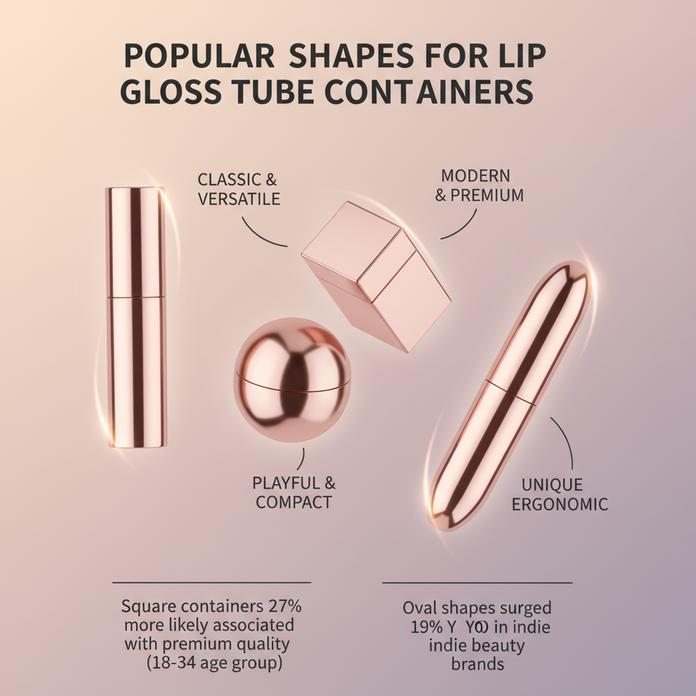
When it comes to choosing the right look for your lip gloss, the shape of the container isn’t just about aesthetics—it’s part of the whole vibe.
Cylindrical vs. Square: Which Shape Works Best?
Choosing between a cylindrical or square tube might seem like a toss-up, but each has its own perks and quirks depending on what you’re going for.
- A sleek cylindrical tube is easier to grip, especially when applying on-the-go—big win for everyday usability.
- On the other hand, a bold square design screams high-end and can help your product stand out on crowded shelves.
- From a branding standpoint, square tubes offer more labeling space, which means more room to show off your style.
- Ergonomics matter too—round tubes are typically comfier to hold, while squares feel more structured and stable in display setups.
- According to NielsenIQ’s 2024 Beauty Packaging Insights Report, consumers aged 18–34 are 27% more likely to associate square containers with premium quality.
- If you’re after visual symmetry and shelf appeal? The clean lines of square clear lip gloss bottle designs give off strong luxury vibes.
- But if you’re leaning into softness and fluidity in your brand identity, cylindrical designs naturally echo those curves.
Bottom line? It’s not just about looks—it’s about how that shape fits into your brand story.
Trending Round and Oval Lip Gloss Designs
Round and oval lip gloss packaging has been making waves lately—and not just because they look cute sitting on vanities.
• Ergonomic Feel
Round tubes sit comfortably in hand; oval ones offer extra grip without bulk.
Their smooth contours make them ideal for quick makeup touch-ups.
• Design Innovation
Brands are playing with transparent oval flat empty lip gloss tube barrels paired with metallic caps—a combo that feels both modern and luxe.
Some even integrate dual-purpose applicators into their curved designs.
• Market Appeal & Trends
Rounded silhouettes are currently dominating K-beauty lines where soft elegance is key.
In Western markets, ovals have surged by 19% YoY in indie beauty brands since Q1 2024 (Statista Beauty Packaging Review).
• Visual Impact & Shelf Presence
These shapes reflect light better than flat surfaces—think subtle shine that grabs attention under store lighting.
They also suggest femininity and approachability without trying too hard.
No wonder so many new lip gloss tube containers are ditching harsh angles for these softer forms—they’re practical, photogenic, and totally on-trend.
What to Avoid When Selecting Lip Gloss Tube Containers
Picking the wrong stuff for your gloss packaging? That’s a one-way ticket to customer disappointment. Here’s what not to mess up when choosing those tiny but mighty lip gloss tube containers.
Avoid Common Mistakes: Choosing the Wrong Material
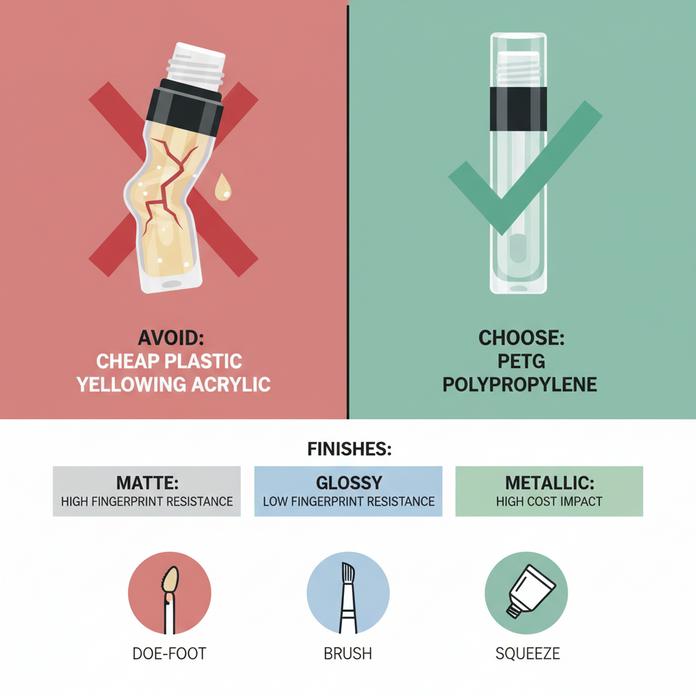
• Using cheap plastic that cracks or leaks can wreck product integrity and trust.
• Don’t assume all clear tubes are equal—some acrylic options yellow over time.
• If you’re using oils or essential ingredients, double-check chemical compatibility with materials like PETG or polypropylene.
- Match material strength with your formula’s viscosity.
- Test durability under pressure—literally squeeze-test it before bulk ordering.
- Think long-term: how will that tube hold up in a hot purse or cold glovebox?
→ Here’s where most folks trip up: they see a sleek container and forget about function. But if your gloss leaks, separates, or smells funky due to poor material choice, that’s game over.
Topfeel gets it right by offering flexible yet sturdy options that blend form with function—no compromises.
Ignoring Surface Finish Could Impact Your Brand
- A slick, glossy finish may look luxe but shows fingerprints fast.
- Want something more tactile? Go for a soft-touch coating—it feels high-end and grippy.
- Matte is subtle but modern; frosted adds mystery; while metallic screams glam.
Grouped by vibe:
⮞ Professional & Minimalist: Matte | Frosted ⮞ Glamorous & Bold: Metallic | Glossy ⮞ Youthful & Playful: Soft-touch | Clear plastic
Each finish tells its own story—don’t let yours say “meh.” The surface of your lip gloss tube isn’t just decoration; it’s branding real estate.
| Finish Type | Fingerprint Resistance | Visual Appeal | Cost Impact |
|---|---|---|---|
| Matte | High | Subtle Chic | Low |
| Glossy | Low | High Shine | Medium |
| Frosted | Medium | Elegant Blur | Medium |
| Metallic | Low | Flashy Luxe | High |
Choosing wisely here means aligning packaging with your brand voice—and avoiding mismatched vibes that confuse buyers.
Not Considering Applicator Types: Why It Matters
1️⃣ You’ve got thick gloss? Then you’ll want a sturdy doe-foot applicator, not some flimsy brush tip.
2️⃣ For thinner formulas, a soft-bristle brush wand gives better control and smoother spread.
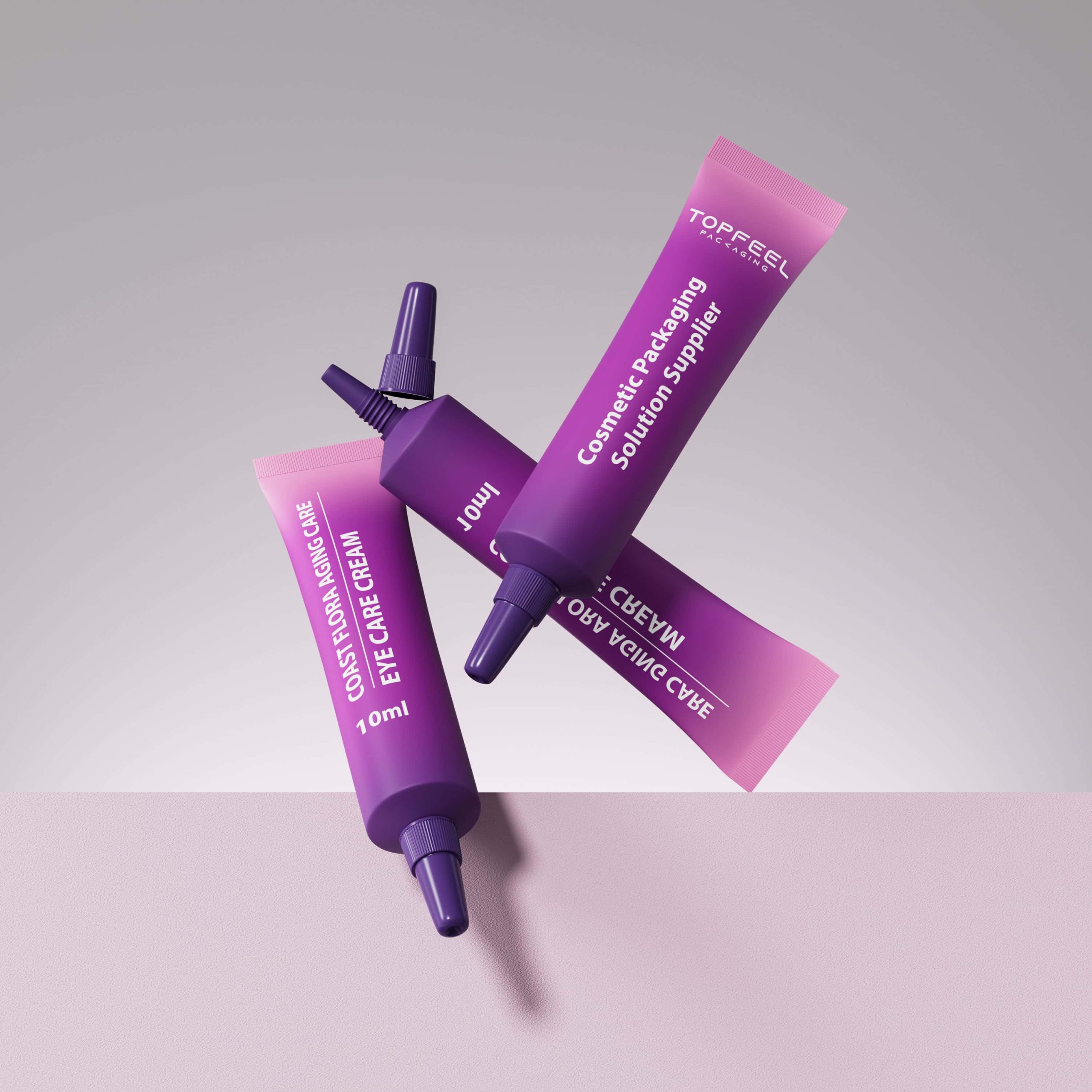
3️⃣ Want no-mess application? A simple squeeze tube lip gloss works wonders on-the-go.
Grouped by user need:
✔ Precision Lovers → Brush Wand / Rollerball
✔ Volume Seekers → Doe-Foot / Flat Sponge Tip
✔ Travel-Friendly Fans → Squeeze Tube / Compact Rollerball
Here’s the thing—not every user wants the same experience from their lip gloss tube with applicator. Some love precision; others want speed and ease.
If you skip this step, you risk turning off half your customers before they even try the product inside. Choose an applicator that complements both formula texture and target audience preference—your brand loyalty depends on it.
Choosing Between Plastic and Glass Lip Gloss Tube Containers
Picking between plastic and glass for your lip gloss tube containers? Here’s a breakdown that helps you weigh the feel, function, and cost of each.
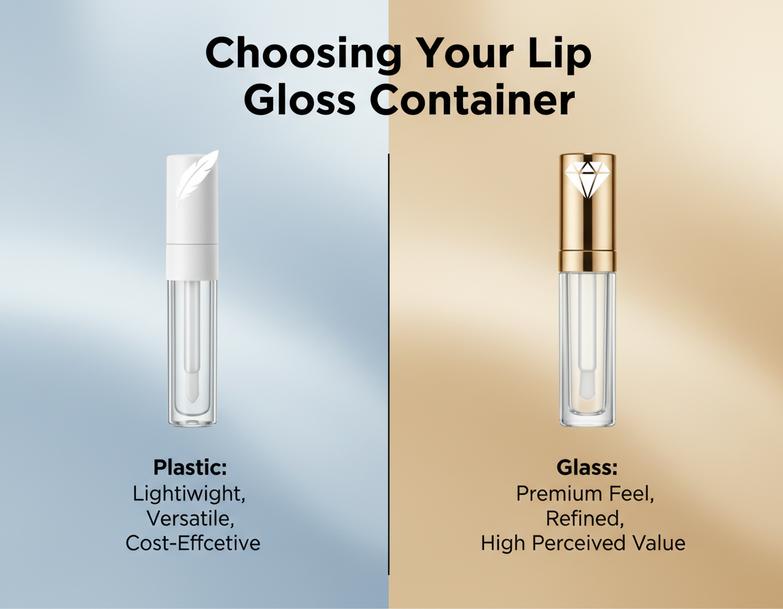
Plastic: Lightweight Versus Glass: Premium Feel
- Plastic is super easy to toss in your bag—light as air, no stress if it drops.
- Glass, on the other hand, gives off that luxe vibe—heavier, sleeker, more refined.
- If you’re all about portability, plastic wins hands down. But if you’re going for high-end aesthetic and a rich tactile experience, glass is where it’s at.
- Durability-wise? Plastic resists breakage better; glass can shatter but feels premium in hand.
- The choice often comes down to what matters more—convenience or class.
Real-World Applications of Each Material Type
- Everyday brands targeting younger or on-the-go users usually go with plastic—it’s light, cheap, and easy to handle.
- High-end cosmetic lines lean toward glass for its upscale look and feel.
- For e-commerce-heavy businesses focused on minimizing return rates due to damage during transit, plastic is safer.
- Brands aiming for strong shelf appeal in brick-and-mortar stores often prefer the visual clarity and weight of glass.
- When considering different market segments, think about your audience’s lifestyle—do they prioritize sustainability or sleekness?
Custom Shapes in Plastic or Glass: Which Is Better?
• Want a bold squiggle-shaped gloss bottle? Go plastic—it’s got superior moldability and low-cost tooling options. • Glass works great for timeless silhouettes but struggles with intricate forms due to higher manufacturing complexity. • With plastic, you can experiment more freely with wild designs that pop on social media feeds—a big win for modern branding vibes. • If your brand leans traditional or minimalist though, glass offers unmatched elegance through simple yet classic shapes.
Evaluating Costs: Plastic vs. Glass Lip Gloss Containers
Grouped by cost factors:
🔹 Unit Cost & Production Expenses:
- Plastic is cheaper from start to finish—raw materials are lower priced and production cycles are faster.
🔹 Shipping Costs & Breakage Rates:
- Shipping plastic costs less thanks to its light weight; plus it doesn’t crack like glass does under pressure.
🔹 Perceived Value & Pricing Strategy:
- Even though glass costs more upfront, it allows brands to position their product as premium—and charge accordingly.
🔹 Supply Chain Considerations:
- Glass may require sturdier packaging during transport; plastic simplifies logistics across global supply chains.
So when choosing your next batch of lip gloss tube containers, think beyond just looks—factor in how each material supports your brand goals from shelf appeal to shipping box resilience.
FAQs
What materials give the best mix of style and practicality?
For a balance between beauty and usability, choices often dance between:
- Plastic: Light in hand and kind to your budget.
- Glass: Feels luxurious; perfect for premium collections.
- PETG: Strong yet clear—keeps pigments vivid.
- Acrylic & Aluminum accents: Offer striking visual appeal while adding resilience.
Which capacities fit different customer lifestyles?
Your audience’s habits shape the size you choose:
- 5 ml – Flirtatious trial or travel companion.
- 10 ml – Practical daily essential with modest refill cycles.
- 15–30 ml – Full-size indulgence for loyal, frequent users.
How can surface finishes speak for your brand personality?
The feel under fingertips tells its own story:
- Glossy — Bursts with energy and vibrance on sight lines;
- Matte — Whispers sophistication;
- Frosted — Softens light to reveal elegance within;
- Metallic — Commands attention in bold luxury tones.
Is tube shape more than just aesthetics?
Yes—shape affects comfort in grip, ease of filling, and shelf display harmony:
◇ Cylindrical suits most applicators like Doe Foot or Brush effortlessly.
◈ Square or Oval bring a distinctive presence yet may need tailored applicator design.
Which closure types keep formulas safe through journeys?
Small details carry big responsibility—pick closures with purpose:
• Screw Cap — Dependable seal against leaks during transit;
• Flip Top — Easy one-handed use at vanity or on-the-go;
• Twist Up or Snap On — Adds playful convenience but needs firm quality checks;
• Child Resistant — Vital where safety standards demand extra protection.
References
[Global Packaging Trends: 2026 & Beyond – Mintel – https://www.mintel.com/insights/packaging/global-packaging-trends/]
[Top 10 NIQ insights of 2024 – NielsenIQ – https://nielseniq.com/global/en/insights/analysis/2025/top-10-niq-insights-of-2024/]
[Beauty & Personal Care – Worldwide | Statista Market Forecast – Statista – https://www.statista.com/outlook/cmo/beauty-personal-care/worldwide]
[Advantages of Converting From Glass to PET – CMG Plastics – https://cmgplastics.com/converting-from-glass-to-pet/]

