 English
  English (UK)
  English (Australia)
  English (Canada)
  العربية
  Deutsch
  Italiano
  Español de México
  Tiếng Việt
  ไทย
ไทย  Português do Brasil
  Français
  Български
  Čeština
  Dansk
Dansk  Ελληνικά
  Eesti
Eesti  Suomi
Suomi  Magyar
  Bahasa Indonesia
  Lietuvių kalba
  Latviešu valoda
  Norsk bokmål
  Nederlands (Formeel)
  Polski
  Română
  Русский
  Slovenčina
  Slovenščina
  Svenska
  Türkçe
  Українська
  简体中文
简体中文  日本語
日本語  한국어
한국어  繁體中文
繁體中文 

A Comprehensive Guide to Purchasing Powder Puff Makeup Tools
February 25,2026
Introduction to Powder Puff Makeup Tools
Powder puffs, particularly the cushion puff, are an essential part of cushion BB creams. Since they directly contact the skin and affect makeup application, they have gained increasing attention from cosmetic brands. A defective powder puff can cause customers to lose trust in the brand, significantly harming product sales and brand image. Therefore, the importance of powder puffs cannot be overstated.
Product Definition
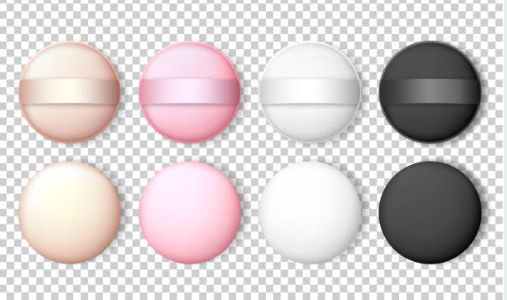
A powder puff is a cosmetic tool that serves as an essential part of cushion products, helping users apply makeup smoothly and evenly. The powder puff typically consists of three layers: a fabric layer, a sponge layer, and a PU leather layer, which are bonded together using adhesives. After pressing the layers into shape, a ribbon is attached to complete the puff. This simple design ensures convenience, ease of use, and flawless application.
Manufacturing Process
1. Material Lamination
The fabric, sponge, and PU leather layers are bonded together using a water-soluble adhesive, forming a sandwich-like composite sheet. The lamination process is crucial to ensure durability and uniformity.
2. Drying Process
Once laminated, the sheets undergo a drying process to remove the moisture from the adhesive, ensuring the layers bond firmly. This process is influenced by factors such as temperature and drying time, which directly affect the product’s quality.
3. Shaping and Sealing
After drying, the sheets are placed in molds to be pressed into specific shapes. The sealing temperature and time, along with the mold quality, are crucial to ensure that the puff retains its shape and the edges are securely sealed.
4. Ribbon Attachment, Sterilization, Inspection, and Packaging
A special sewing machine is used to attach a ribbon to the puff, according to the required specifications. Afterward, the puffs are sterilized, inspected for quality, and prepared for shipment.
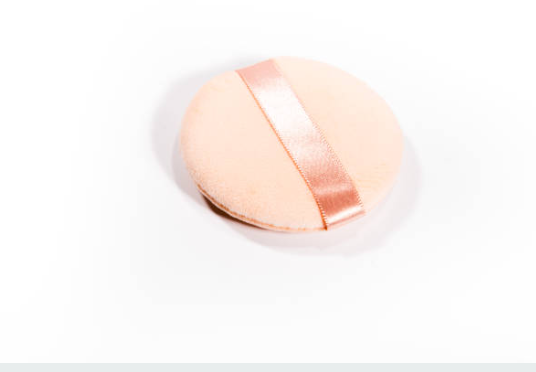
Powder Puff Structure
1. Fabric Layer
There are various materials used for the fabric layer:
- NEOPORA Material: Manufactured in Korea, this material is used in many high-end cushion puffs, such as those from the Amorepacific brand. It does not absorb powder, ensuring an even and smooth application. It is also tear-resistant, water-resistant, and easy to clean, making it an excellent option for skincare and makeup products.
- Rubycell Material: Produced domestically, this material is commonly used in low to mid-range cushion puffs. While it offers a soft, smooth texture, it tends to absorb powder and can yellow over time, making it less ideal for high-quality products.
- Imported Rubycell Material: Also made in Korea, this material provides a more refined surface than domestic versions, with better powder control and a more seamless makeup application.
- Non-Latex Materials: These are typically cheaper, but they often have rougher surfaces and tend to absorb more powder.
2. Sponge Layer
The sponge layer, commonly made of latex, synthetic rubber, or polyurethane, plays a significant role in ensuring the puff’s elasticity and durability. There are variations such as Rubycell, Beautyblender, and Tera Venus which provide different sponge characteristics for various cosmetic needs.
3. PU Leather Layer
The PU leather layer, typically made from high-quality imported materials such as those from Decheng in Korea, offers a smooth, durable exterior. Lower-quality domestic PU leather can lead to cracking and discoloration, reducing the puff’s overall longevity and aesthetic appeal.
4. Ribbon
The ribbon used to handle the puff is usually made from imported materials for better quality and color retention. Domestic ribbons are less durable and tend to fade quickly.
Industry Applications
As cushion BB creams continue to rise in popularity, the powder puff’s role in makeup application becomes even more crucial. Brands need to ensure that the powder puff used in their products is of the highest quality, as defective puffs can undermine consumer trust and damage the brand’s image. Many cosmetic brands now take greater care in selecting the right powder puff manufacturers, as choosing the wrong supplier can lead to significant product failures.
Key Considerations for Purchasing Powder Puffs
1. Powder Absorption and Application Quality
One common issue is when the puff absorbs too much powder, leading to uneven application. The simplest way to test for this is by placing a drop of water on the fabric layer. If the puff absorbs the water quickly, it is likely to absorb too much powder. A high-quality puff should resist powder absorption and provide even coverage.
2. PU Leather Cracking and Discoloration
The PU leather layer may crack or change color over time, which compromises the puff’s aesthetic. To ensure durability, always opt for imported PU leather from reputable suppliers.
3. Layer Separation
In low-quality puffs, the layers may separate over time, especially if hot-melt adhesive is used. To avoid this, choose puffs manufactured using water-based adhesives that ensure the layers remain intact, even under heat or pressure.
4. Bacterial Growth and Safety Concerns
Since powder puffs come into direct contact with the skin, safety is a critical concern. Brands must ensure their puffs are free from harmful chemicals like phenols and fluorescent agents, and they should undergo regular bacterial testing to ensure they meet safety standards.
Conclusion
When purchasing powder puff makeup tools, it’s essential to consider factors such as material quality, manufacturing process, and the durability of each layer. By ensuring that the powder puff meets high-quality standards, brands can not only enhance the consumer experience but also protect their reputation. Whether you’re looking for a premium puff made from imported materials or a cost-effective alternative, understanding these key aspects will help you make a more informed decision.

