 English
  English (UK)
  English (Australia)
  English (Canada)
  العربية
  Deutsch
  Italiano
  Español de México
  Tiếng Việt
  ไทย
ไทย  Português do Brasil
  Français
  Български
  Čeština
  Dansk
Dansk  Ελληνικά
  Eesti
Eesti  Suomi
Suomi  Magyar
  Bahasa Indonesia
  Lietuvių kalba
  Latviešu valoda
  Norsk bokmål
  Nederlands (Formeel)
  Polski
  Română
  Русский
  Slovenčina
  Slovenščina
  Svenska
  Türkçe
  Українська
  简体中文
简体中文  日本語
日本語  한국어
한국어  繁體中文
繁體中文 
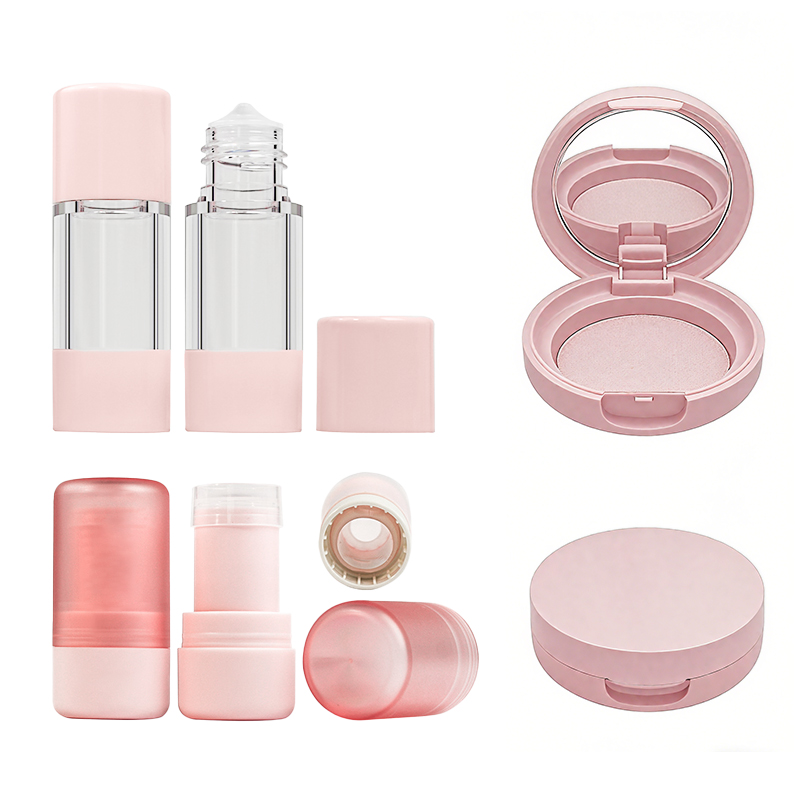
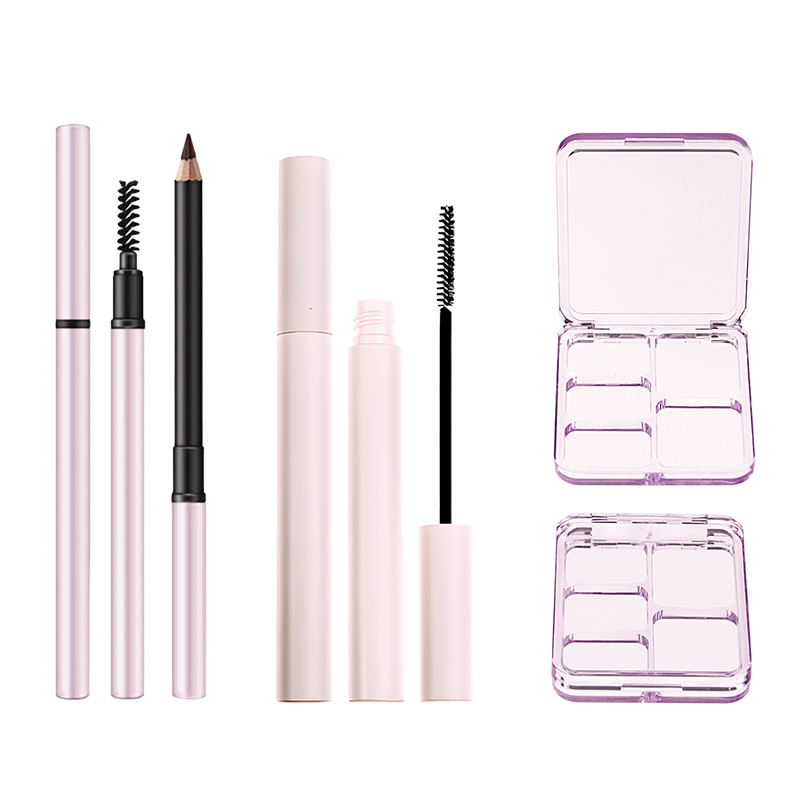
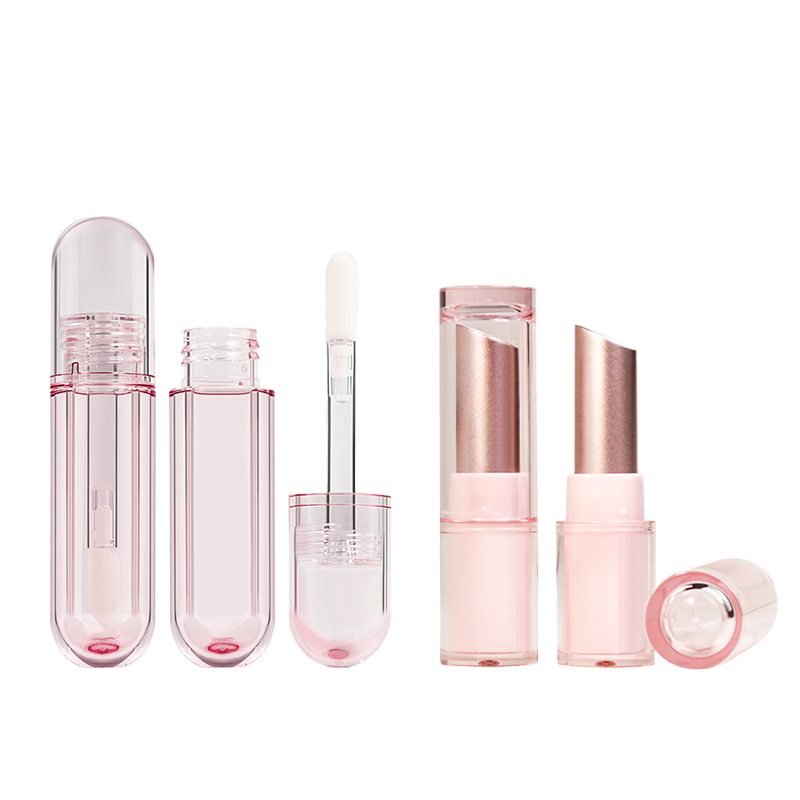

Why You Should Choose Sustainable Powder Packaging?
February 03,2026
Powder packaging is no longer just about storing blush or bronzer—it’s a billboard for your brand’s values. Consumers are peeking past the label, asking, “Is this clean? Is it kind to the planet?” If your powder compact case feels like yesterday’s landfill filler, you might be losing the beauty war before your product ever touches skin.
One widely cited study notes that 78% of U.S. consumers say a sustainable lifestyle is important—and that willingness to pay more shows up strongly when packaging is involved (see McKinsey’s summary citing NielsenIQ research in Consumers care about sustainability—and back it up with their wallets).
The smart brands aren’t scrambling—they’re strutting ahead with recyclable metal tins, refillable jars, and bamboo fiber compacts that scream luxury without whispering waste. It costs more upfront? Sure—but so does ignoring what buyers care about.
So if you’re still wrapping powders in clunky plastic shells from 2005… hey, no judgment—but don’t expect customers to swipe right on your shelf presence.
Quick Points on Sustainable Powder Packaging
- Sustainable Materials: Eco-friendly packaging uses materials like durable acrylic, PCR plastic, and bamboo fiber, offering a reduced environmental footprint.
- Enhanced Functionality: Features like integrated powder puffs, mirrors, and secure closures improve the user experience while maintaining sustainability.
- Consumer Preferences: With consumers increasingly prioritizing sustainability, eco-friendly packaging increases brand loyalty and attracts conscious buyers.
- Long-Term Savings: Although sustainable packaging might have higher initial costs, it leads to long-term savings through waste reduction and efficiency gains.
- Customization Options: Brands can personalize eco-friendly packaging with color matching, silk screen printing, and embossing, ensuring both aesthetic appeal and sustainability.
Why Sustainable Powder Packaging Matters for Your Brand
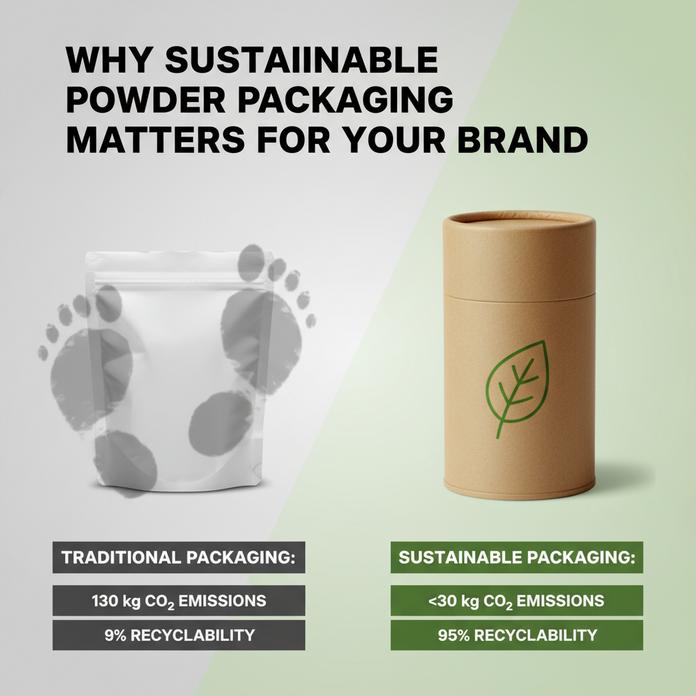
Eco-friendly powder packaging isn’t just hype—it’s reshaping how brands connect with people and the planet.
How Sustainable Powder Packaging Enhances Brand Image
Brands that switch to sustainable powder packaging aren’t just cutting down on waste—they’re building serious street cred. Here’s how:
- Brand reputation skyrockets when companies show they care about more than profits. A recyclable pouch or compostable jar speaks volumes louder than a billboard ad.
- People’s consumer perception shifts big time. When buyers see you’re ditching plastic, you’re no longer “just another product”—you’re part of their values.
- It creates real market differentiation. In crowded spaces like wellness powders or protein blends, eco-packaging helps your brand stand out without shouting.
And let’s not forget the long game—companies investing in sustainable formats often gain stronger brand loyalty, especially among Gen Z and millennials who are consistently reported as more willing to pay more for sustainable packaging (see McKinsey’s packaging consumer research: Sustainability in packaging: 2025 global consumer views).
The Environmental Impact of Traditional vs. Sustainable Packaging
This one’s got numbers to back it up—here’s what switching from traditional to sustainable powder packaging formats really does for the planet:
| Packaging Type | CO₂ Emissions (kg/1000 units) | Biodegradable? | Recyclability Rate (%) |
|---|---|---|---|
| Plastic Pouch (PET) | 130 | No | ~9 |
| Glass Jar | 90 | Yes | ~80 |
| Compostable Paper Tube | <30 | Yes | ~95 |
Traditional options like PET pouches may be cheap, but they leave behind a nasty carbon footprint and contribute massively to plastic pollution. On the flip side, compostable paper tubes and reusable containers drastically cut back on landfill waste and support circular economies through high recyclability (for context on how low plastics recycling can be at scale, see the OECD’s summary that only ~9% of plastic waste is successfully recycled: OECD press release on Global Plastics Outlook).
Plus, when you factor in full lifecycle assessment, sustainable options use fewer resources from start to finish—less water, less energy, fewer emissions (a helpful example of how LCAs compare packaging materials and tradeoffs is discussed in Bain’s packaging research coverage: Consumers want more sustainable product packaging, but struggle to identify it).
Consumer Preferences: Why Eco-Friendly Packaging Matters
Here’s how today’s buyer thinks—and why your packaging better keep up:
- Step one? They check if it’s green before anything else. That includes scanning labels for recyclable logos or compostable symbols—they’re not messing around when it comes to their values.
- Step two? They vote with their wallet. More than half say they’d pay extra for products using eco-conscious materials—a pattern echoed in McKinsey’s consumer research on sustainability and packaging (Consumers care about sustainability—and back it up with their wallets).
- Step three? They stick around longer. Brands that align with strong sustainability values tend to build deeper relationships with customers who prioritize ethical sourcing and low-impact living.
So yeah—if you’re still using clunky plastic tubs for your powders while competitors roll out sleek biodegradable canisters, you’re probably losing out on both sales and trust from today’s increasingly savvy shoppers looking for brands that match their vibe.
By aligning your product line with evolving consumer expectations around ethical production and minimal waste, you’re not just keeping up—you’re staying ahead in a market driven by conscious choices tied directly to purchase intent and long-term loyalty toward brands like Topfeel that have already made the switch.
The Growing Demand for Eco-Friendly Powder Packaging
As eco-awareness grows, so does the demand for smarter, greener powder packaging options that align with modern values.
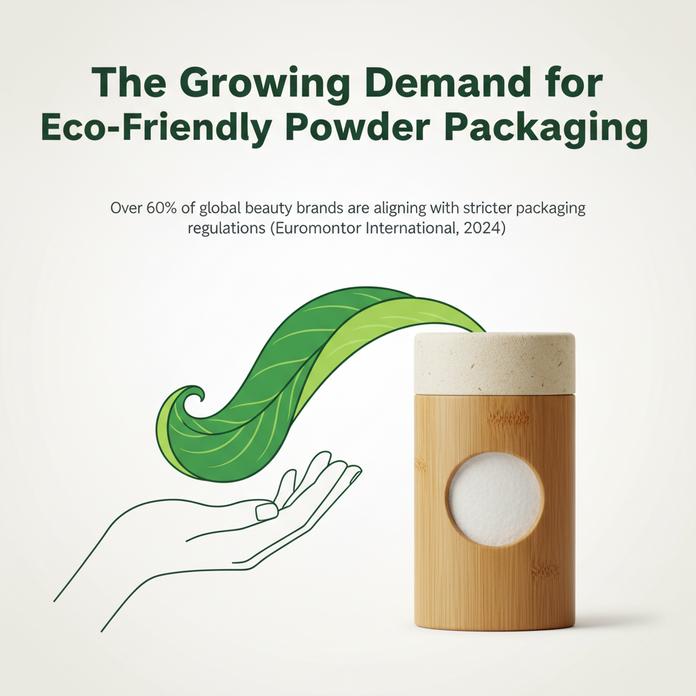
Rising Consumer Consciousness About Sustainability
- Consumer awareness is rising fast—people want packaging that reflects their values.
- Shoppers are making more green choices, often ditching plastic-heavy brands.
- Sustainable living isn’t just a trend—it’s a lifestyle shift fueling new habits.
- A growing number of buyers now link purchasing decisions to environmental impact.
- Brands seen as lacking in ethical consumption practices risk losing customer trust.
- Eco-conscious consumers actively seek products with minimal waste and reduced carbon footprints.
- Companies improving their brand reputation through sustainability are seeing better engagement and loyalty.
Eco-Friendly Powder Packaging Materials: A Market Shift
Some changes are happening quietly; others are loud enough to shake up entire aisles.
• Paper-based pouches made with recycled content are replacing laminated foil bags.
• Jars crafted from plant-based plastics or glass offer both style and substance.
• Some brands now use biodegradable film wraps around refill pods for dry formulas.
- Refillable acrylic containers, known for their durability, are gaining traction among premium beauty lines.
- Bamboo-lid jars—a nod to nature—are trending on shelves thanks to their minimal carbon footprint.
→ Compostable sachets made from sugarcane fiber? Yep, those too.
The whole point is this: material innovation is no longer optional. It’s the pulse of the market now, driven by both regulation and consumer pushback against excess waste in everyday items like powder containers.
The Role of Regulations in Driving Sustainable Packaging Choices
Government pressure isn’t just a whisper anymore—it’s a full-on megaphone guiding how brands package things like loose powders or dry shampoo refills.
New environmental policies have tightened the screws on outdated materials like single-use plastics. These mandates force companies to rethink everything—from sourcing raw components to end-of-life disposal strategies. Under frameworks such as Extended Producer Responsibility (EPR) laws, manufacturers must account for what happens after consumers toss out packaging (see the Sustainable Packaging Coalition’s overview of Extended Producer Responsibility (EPR)).
In the EU, the Packaging and Packaging Waste Regulation strengthens requirements around recyclability and recycled content—raising the bar for packaging placed on the market (see the official text on EUR-Lex: Regulation (EU) 2025/40).
Future Projections: Eco-Friendly Packaging Trends
Reusable powder jars will dominate boutique shelves by 2026. Refillable systems will become standard across mass-market lines—not just niche ones. Expect smart labeling tech that tracks your jar’s lifecycle and rewards eco-friendly behavior.
Zero-waste refill stations? Already popping up at high-end retailers and slowly trickling into grocery chains too.
The future belongs to circular design thinking—where every part of your product’s journey matters, especially its container’s fate after you’re done using it.
In short: if you’re still clinging to plastic-heavy formats for your powder products, you’re already behind the curve—and consumers know it.
5 Key Features of Sustainable Powder Packaging You Must Know
Sustainable powder packaging is evolving fast—these five features show how style meets eco-smarts.
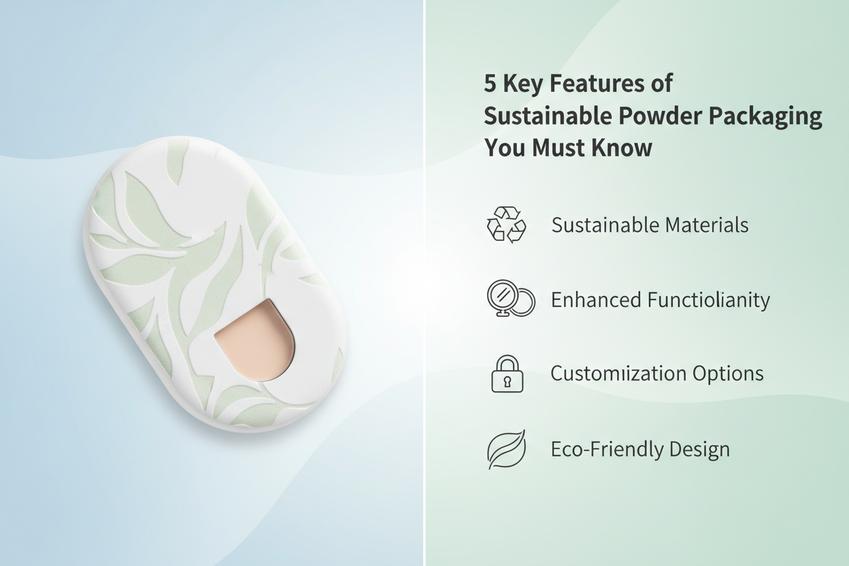
Sustainable Materials: Durable Acrylic, PCR Plastic, and More
- PCR plastic is leading the charge—it’s post-consumer recycled and cuts landfill waste like a champ.
- Durable acrylic adds longevity without compromising looks, staying tough through daily wear and tear.
- Bio-based resins from corn or sugarcane are becoming go-to options for brands ditching fossil fuels.
♻️ Eco-packaging isn’t just a trend—it’s a shift in mindset. Brands opting for sustainable materials like biodegradable blends are not only reducing their carbon footprint but also sending a clear message to conscious consumers.
Topfeel supports eco-focused options such as PCR plastics and refillable structures as part of its sustainable packaging solutions (see brand and capability context in Packaging for Cosmetics).
Enhanced Functionality: Inner Components for Ease of Use
- Built-in mirrors make touch-ups on-the-go effortless.
- Integrated powder puffs save space while keeping things clean.
- Adjustable sifters offer just the right amount of product every time.
Multiple inner components ensure that users don’t have to fumble with messy applicators or carry extra tools around. These thoughtful additions elevate the overall user experience, turning everyday makeup routines into seamless rituals.
A well-designed powder makeup compact with smart dispensing mechanisms isn’t just functional—it’s satisfying to use.
The Role of Secure Closures in Sustainable Powder Packaging
• Snap-fit lids provide an airtight seal, locking freshness inside and keeping moisture out.
• Screw caps improve reusability by allowing easy opening without wear over time.
• Child-resistant closures add safety without sacrificing style.
“Consumers expect packaging that feels secure and performs consistently,” according to Mintel’s beauty packaging analysis (see The Future of Beauty Packaging: Here’s What Brands Need to Know). That’s why modern compacts now prioritize secure closures that protect both product integrity and user trust.
Whether it’s a twist-lock lid or magnetic clasp, the goal is simple—keep your powder where it belongs until you’re ready to use it.
Customization Options: Color, Decoration, and Surface Finishes
Pantone-matched shades? Check. Custom logos via silk screen printing? Absolutely. Matte finishes with embossed branding? Yes please!
These aren’t extras—they’re essentials when building brand recognition through design-forward customization options.
From glossy lacquers to soft-touch coatings, there’s no shortage of ways to make your compact stand out on shelves and socials alike. With Topfeel offering full-spectrum decorative services, even indie brands can create signature looks that scream premium without screaming at the planet.
Eco-Friendly Packaging Design: Integrating Sustainability and Style
Great design doesn’t need glitter—it needs purpose. Minimalist silhouettes reduce material waste while highlighting sleek aesthetics rooted in function-first thinking.
Designers now blend circular principles with visual storytelling using techniques like debossed logos on refillable cases or matte textures made from renewable sources—all part of what makes truly eco-friendly design pop off the shelf without excess flash.
The best designs today don’t just look good—they reflect values consumers care about deeply: sustainability, transparency, and quality craftsmanship wrapped into one beautiful package of modern-day consciousness called powder packaging perfection.
Understanding the Costs of Traditional Powder Packaging vs. Sustainable
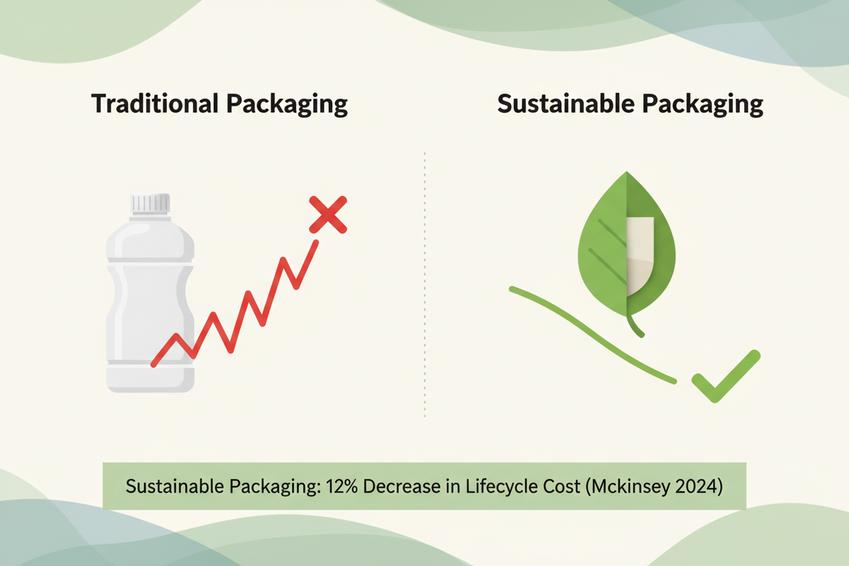
Let’s break down how sustainable and traditional options stack up when it comes to the real costs behind powder packaging.
Comparing Material Costs: Traditional vs. Sustainable
When you compare the price tags, things get interesting:
- Raw material cost is usually lower for traditional options like virgin plastic, but that’s just scratching the surface.
- Eco-packaging often uses biodegradable materials or high recycled content, which can initially be pricier but bring hidden benefits.
- Material sourcing for sustainable packaging is more regulated and transparent, which adds value even if it costs a bit more upfront.
- The manufacturing expenses associated with compostable films or molded fiber trays are dropping as demand grows and tech improves.
- A solid cost analysis shows traditional packaging may win on day one, but loses ground over time due to environmental penalties and inefficiencies.
In short, while old-school solutions might seem cheaper at checkout, they’re not always the smarter spend in today’s eco-conscious market.
Long-Term Savings: Why Sustainable Packaging Can Be More Cost-Effective
Sustainable powder packaging isn’t just good vibes—it saves money long-term too.
✔ Reduced waste management fees mean fewer trips to landfills and less cash burned on disposal logistics.
✔ Lower carbon emissions = lower taxes in regions with carbon pricing policies—hello savings!
✔ Boosted efficiency during transport thanks to lighter materials cuts fuel use and shipping costs.
✔ Government-backed programs often provide juicy regulatory incentives, especially for brands using compostable or recyclable formats.
McKinsey’s packaging work highlights several levers that can reduce life-cycle emissions and improve logistics efficiency—like switching to lower-emission materials and simplifying packaging to optimize transport (Sustainable packaging: Five key levers for impact).
On top of all that? Consumers notice—and they stick around. Stronger customer retention driven by environmental values translates into higher long-term revenue, not just reduced overheads.
So yeah, investing in greener powder packaging pays off more than most folks expect—both financially and ethically.
Sustainable Powder Packaging: A Vital Investment in the Future
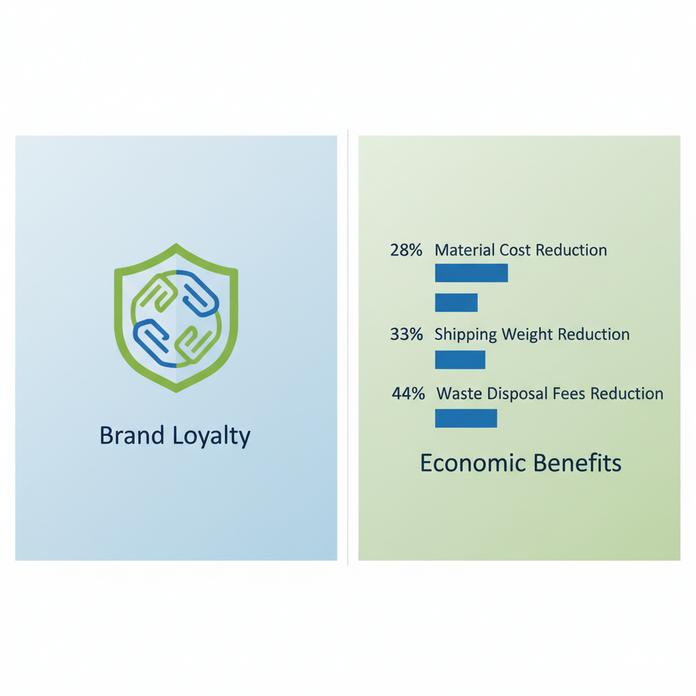
Eco-friendly powder packaging isn’t just a trend—it’s reshaping how brands connect with people, cut costs, and plan for tomorrow.
How Sustainable Packaging Drives Brand Loyalty
- Customers these days aren’t just buying products—they’re backing values. When a company commits to ethical sourcing and low-waste materials, it signals integrity.
- People are more likely to stick with a brand that aligns with their beliefs. That’s where eco-conscious consumers come into play—they’re vocal, loyal, and influential.
- A cleaner packaging choice boosts your brand reputation, especially when paired with transparency about materials used.
- Offering sustainable options increases your product’s perceived value, which helps justify premium pricing without losing trust.
And here’s the kicker—when shoppers see your commitment to green practices through smarter powder pouch or recyclable container choices, you build lasting relationships rooted in shared purpose. That’s not marketing fluff; it’s real-deal customer retention fueled by trust.
The Economic Benefits of Switching to Eco-Friendly Packaging
Sustainable powder packaging isn’t just good for the planet—it makes business sense too.
Grouped benefits:
-
Cost savings
- Lower material usage
- Reduced shipping weight
- Fewer disposal fees
-
Operational efficiency
- Streamlined production processes
- Easier compliance checks
- Faster sourcing cycles
-
Market share growth
- Appeal to Gen Z and Millennials
- Competitive differentiation through design innovation
-
Investor appeal
- ESG-focused funds favor eco-packaging firms
- Public image boosts valuation potential
Investing in the Future: Long-Term Environmental and Financial Impact
Choosing sustainable solutions for powdered product packaging today is like planting seeds for tomorrow’s success—both environmentally and financially.
By reducing your overall carbon footprint, you’re not only helping slow climate change but also signaling responsibility to investors who care about long-term viability. Incorporating reusable formats or biodegradable pouches supports broader goals around resource conservation, aligning perfectly with emerging global policies focused on circular production systems.
That kind of foresight isn’t optional anymore—it’s part of serious corporate strategy aimed at hitting internal and external sustainability goals, all while increasing total long-term stakeholder value through smart risk reduction strategies like regulatory alignment and future-proofed design systems.
So yes—eco-conscious powder pack formats aren’t just trendy; they’re strategic investments that pay off across every metric that matters.
FAQs
1. What makes sustainable powder packaging valuable for growing beauty brands?
Sustainable design isn’t just a statement—it’s an experience that modern consumers can feel in their hands.
- 🌿 Eco-friendly PCR plastic and sustainable bamboo fiber reduce environmental stress while keeping elegance intact.
- ⚙️ Compact containers or loose powder jars crafted from recyclable aluminum metal stand strong under daily use, reducing product loss and breakage.
- 💡 Brands adopting these materials often see customer trust rise as the story of responsibility becomes part of every purchase moment.
2. Which closure options add both safety and personality to powder packaging?
Every closure speaks two languages — one of practicality, one of luxury:
① Secure screw-top lids keep fine powders sealed tight against moisture intrusion.
② Magnetic closure systems give pressed powder pans and blush palette cases a gentle snap with premium charm.
③ Snap-fit lid closures stay firm during travel; tamper-evident seals bring confidence at retail counters; hinged compact closures complete the tactile ritual every user remembers.
3. How can decoration choices transform ordinary containers into signature brand pieces?
Design whispers long after color fades—a short description leading to vivid textures below:
| Decoration Options | Description | Color Options |
|---|---|---|
| Custom silk screen printing | Minimalist visuals fit tight spaces on sifter component bottles | Pantone color matching |
| Hot foil stamping designs | Highlights icons with light-catching gold or silver shine | Metallic color finishes |
| Label application services + Embossing & debossing | Adds texture for fingers to trace across compact containers or jars | Transparent color tints / Opaque options |
Each finish—be it bold embossing or quiet offset printing—creates emotional recall when aligned with glossy surface coatings or soft-touch coatings on the outer shell.
4. Which interior details elevate usability inside professional compacts?
Inside counts most where artistry meets utility—short bullet lines frame these silent helpers:
- Integrated powder puffs comfort touch-up moments between meetings.
- Sifter mesh inserts manage perfect dosage within loose powders without messiness.
- Mirror attachments options turn each case into a tiny makeup studio mirror-on-the-go; dividers and compartments guard shades from blending chaos.
A brief note ends it—the harmony between inner components and matte texture finishes ensures that function finds its aesthetic partner in every refillable piece designed for lasting use.
References
- [Consumers care about sustainability—and back it up with their wallets – https://www.mckinsey.com/industries/consumer-packaged-goods/our-insights/consumers-care-about-sustainability-and-back-it-up-with-their-wallets]
- [Sustainability in packaging: 2025 global consumer views – https://www.mckinsey.com/industries/packaging-and-paper/our-insights/sustainability-in-packaging-2025-inside-the-minds-of-global-consumers]
- [Plastic pollution is growing relentlessly as waste management and recycling fall short – https://www.oecd.org/en/about/news/press-releases/2022/02/plastic-pollution-is-growing-relentlessly-as-waste-management-and-recycling-fall-short.html]
- [Consumers want more sustainable product packaging, but struggle to identify it – https://www.bain.com/about/media-center/press-releases/2023/consumers-want-more-sustainable-product-packaging-but-struggle-to-identify-it/]
- [The Future of Beauty Packaging: Here’s What Brands Need to Know – https://www.mintel.com/insights/packaging/the-future-of-beauty-packaging/]
- [Extended Producer Responsibility (EPR) – https://epr.sustainablepackaging.org/]
- [Regulation (EU) 2025/40 (Packaging and Packaging Waste) – https://eur-lex.europa.eu/eli/reg/2025/40/oj/eng]
- [Sustainability in packaging: Five key levers for significant impact – https://www.mckinsey.com/industries/industrials/our-insights/sustainability-in-packaging-five-key-levers-for-significant-impact]

