 English
  English (UK)
  English (Australia)
  English (Canada)
  العربية
  Deutsch
  Italiano
  Español de México
  Tiếng Việt
  ไทย
ไทย  Português do Brasil
  Français
  Български
  Čeština
  Dansk
Dansk  Ελληνικά
  Eesti
Eesti  Suomi
Suomi  Magyar
  Bahasa Indonesia
  Lietuvių kalba
  Latviešu valoda
  Norsk bokmål
  Nederlands (Formeel)
  Polski
  Română
  Русский
  Slovenčina
  Slovenščina
  Svenska
  Türkçe
  Українська
  简体中文
简体中文  日本語
日本語  한국어
한국어  繁體中文
繁體中文 
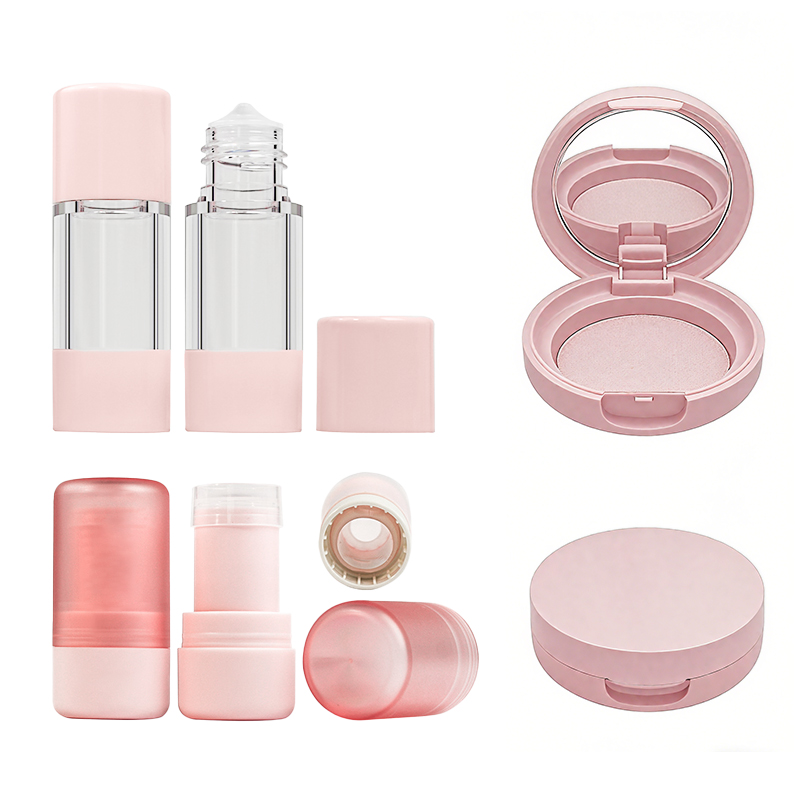
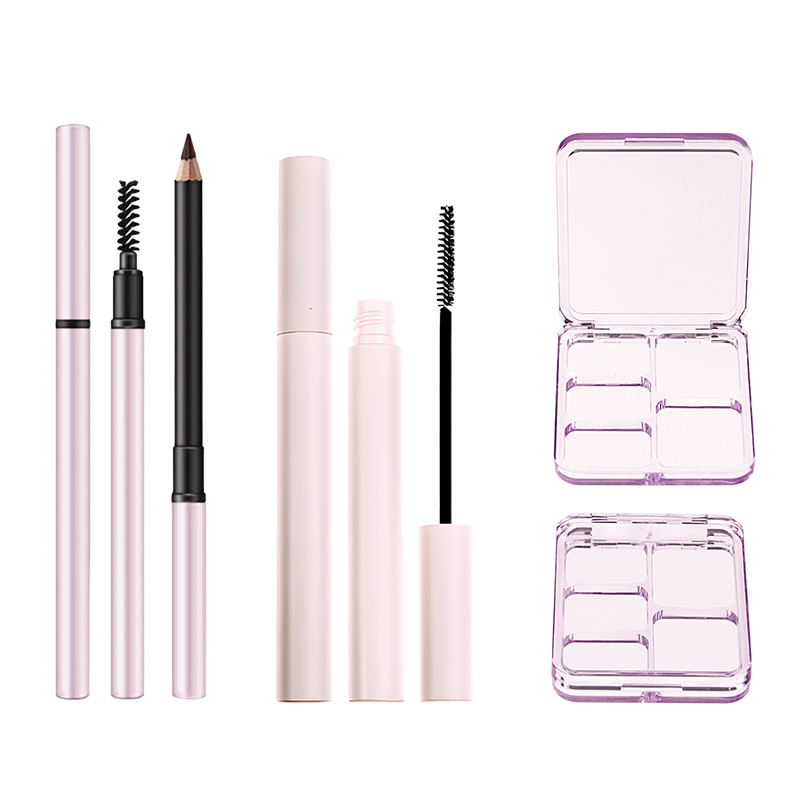
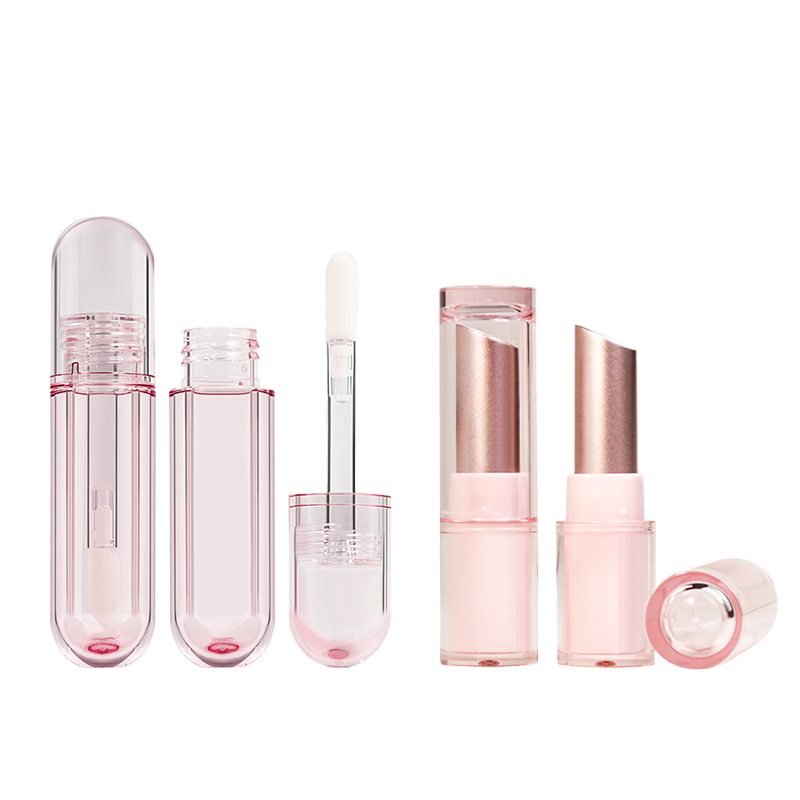

Best Packaging for Cosmetics in 2025: Trends & Tips
September 05,2025
2025 Industry Report
Packaging for cosmetics has hit the big leagues, with brands shelling out billions to keep their products looking sharp and staying green. You’ve probably felt the pinch—higher costs and tougher eco-rules making your head spin.
The Bulk Buying Dilemma
Buying in bulk shouldn’t feel like juggling flaming torches. Spoilage, slow seals, and shipping mix-ups can wreck your bottom line and your sanity.
“Airless pumps cut waste by 30%,” says Topfeel’s senior packaging engineer. It’s not just talk; real folks solving real headaches.

Eco-Friendly
Sustainability First
Key Trend 2025Transitioning to airless systems isn't just a trend; it's a necessity for reducing preservative use and extending shelf life.
Types of Sustainable
Cosmetics Packaging
Lightweight, reusable, and planet-friendly—here’s a mix of sustainable packaging styles wholesalers love.
Plastic Bottle With Refillable Pump
Refillable plastic bottles might sound like old news, but they’re the real MVPs for lotions and liquid foundations in bulk.
- HDPE and PET plastics are super durable and recyclable.
- Built-in dispenser pumps make the bottles ideal for refill stations (why consumers still value sustainable packaging).
- These bottles reduce single-use waste and give brands a chance to offer eco-refill packs (refillable packaging market growth).
- Many manufacturers now offer dispenser locks to avoid leakage during shipping.
👉 According to Topfeel Packaging’s Sustainability Report 2024, refillable PET bottles reduced cosmetic packaging waste by 33% in the Asia-Pacific wholesale sector.

Glass Jar With Embossed Lid
Luxury with a conscience—that’s the vibe these glass jars give off.
Material Attributes
- Made from recyclable borosilicate glass.
- Resistant to chemical leaching and temperature shifts.
Design Features
- Embossed lids allow brand customizations without extra labeling.
- Heavier build gives a premium feel, especially in serum or cream lines.
Environmental Benefit
- Fully recyclable, with a long lifecycle and zero microplastics.
Bamboo Compact With Biodegradable Coating
Natural, bamboo compacts are a hit with eco-focused makeup brands—especially for pressed powders and blush.
Step 1: Shaping
The bamboo shell is sanded and shaped for a sleek, ergonomic grip.
Step 2: Coating
A biodegradable coating (like PLA) is applied to resist moisture and protect the product (PLA requires industrial composting conditions).
Step 3: Decoration
Brands can use engraved logos or burn-in embossing for decoration.
Step 4: Testing
The compact is tested for drop resistance and shelf stability.
Step 5: Disposal
Once disposed, the bamboo is compostable under industrial conditions (university research on PLA in industrial composters).
* These are ideal for short-run luxury collections or refillable formats where a natural aesthetic matters.
Paperboard Sachet With UV-Resistant Seal
Budget-Friendly & Biodegradable
For single-use or sample packaging, paperboard sachets are a budget-friendly winner—but only if you seal them right.
- The paperboard base is biodegradable and lightweight, cutting logistics costs (see paper-based barrier performance like AmFiber™ Performance Paper).
- A UV-resistant seal protects formulas (like sunscreen or serum samples) from degradation (metallized laminate can add UV barrier).
- Commonly used for ampoules, lotion samples, or foundation trials in travel kits.
- Heat-sealable liners inside the sachet give it a solid barrier against leakage or contamination (cosmetic sachet laminates).
These sachets are rapidly replacing foil or multilayer plastics—especially in markets that tax non-biodegradable packaging (see paper-based sachet families such as AmFiber™).
Is Your Makeup Packaging Harming the Environment?
Your packaging choices may be quietly wrecking the planet—or saving it. Let’s talk impact, not just appearance.
Lifecycle Assessment: Plastic vs. Glass
Let’s stack plastic packaging against glass packaging from a full lifecycle assessment view:
Plastic: Relies heavily on fossil fuels.
Glass: Made from sand, requires high-temperature processing.
Plastic: Production is often less energy-intensive upfront (meta & sector LCAs).
Glass: Production consumes more energy per kg.
Plastic: Emits less per unit in many applications, but recycling outcomes vary.
Glass: Heavier, increasing transportation emissions (weight/transport effect).
Plastic: Can degrade after a few cycles.
Glass: Can be reused and recycled endlessly—but reuse logistics matter.
Pro Tip for Bulk Buyers
If your products ship long-distance, plastic packaging might still win from a net carbon angle. But if your brand boasts a circular economy strategy, glass packaging becomes the go-to.

Assessing Recyclable Paperboard for Foundation
Don’t sleep on paperboard—it’s coming for your compacts and tubes. But is it up for the job?
Key Points for Wholesale Decision-Makers
Paperboard needs inner coatings (bioplastic, foil, or barrier films) to handle oily or creamy foundation packaging.
Look for FSC-certified recyclable paperboard to ensure your pulp comes from responsibly managed forests.
Tradeoff alert: Fully biodegradable options break down fast but might collapse under product pressure or exposure to moisture.
According to a 2024 Topfeel Packaging Insight Report, 68% of beauty buyers associate paperboard with premium “clean” brands—especially for face products like foundations and powders.
Paperboard accepts all kinds of finishes: hot stamping, embossing, label printing, and even frosted coatings.
Best fit? Sample-size foundations or lightweight liquid formats.
Mitigating Contamination From Tamper-Evident Liners
You might be securing your product with tamper-evident liners—but at what cost?
| Material Type | Risk of Migration | Seal Integrity | Recyclability |
|---|---|---|---|
| Foil-Backed Liners | Medium | High | Low |
| Induction Seals | Low | Very High | Medium |
| Poly-Foam Liners | High | Low | High |
| Food-Grade Barrier Films | Very Low | High | Medium |
Safety & Compliance Checklist
- Material Migration Risks: Some liner materials can transfer chemicals—especially under heat or over time (migration review).
- Packaging Safety Compliance: For plastics or multilayer films, check EU 10/2011 migration limits and testing norms.
- Seal Longevity & Tamper Evidence: Induction seals balance strong tamper-evidence with low migration risk when specified correctly (industry guidance; US cosmetics tamper-resistance context: 21 CFR 700.25).
Consider co-developing custom liners that match your specific foundation, cream, or serum formulations—especially for humid regions.
Warehouse Efficiency
Color-Coding Labels to Cut Warehouse Errors
Nothing throws off a shipment faster than mislabeling. Here's how color-coding and smart label strategies are changing the game in cosmetics warehouses.
Metallized Label Bands for Lipstick and Mascara
Think you can tell 12 mascara shades apart on a shelf in 5 seconds? Most warehouse pickers can't.
Metallized labels with unique hues and finishes help identify product lines instantly—especially when you're stocking similar-looking lipstick tube, mascara tubes, or even lip gloss tubes.
Brands like Topfeel report a 28% drop in order errors after implementing reflective label bands with embossed metallic finishes (color-coding has recognized accuracy benefits in warehouses—see e.g. ID Label).
This strategy doesn't just look sharp on retail shelves—it keeps your backend flow tight.

Printed Color Liner for Lotion and Powder Batches
No room for guesswork in production? Color liners inside your lotion bottles and powder container SKUs help eliminate mistakes.
1. Choose Colors
Choose distinct internal liner colors for each production batch (e.g., green = aloe lotion, blue = hyaluronic acid batch).
2. Assign Formulas
Assign the liner color to specific formulas across all formats.
3. Train Handlers
Train warehouse handlers to match internal liner colors before sealing.
4. Quality Control
Use quality control stations with quick visual checks to reduce reliance on serial codes.
Streamlines batch identification and reduces hold-ups in quality control audits.
Hot Stamping Codes on Acrylic Palette Lids
- Hot stamping isn't just for decoration anymore—these durable codes help you slash human error in the warehouse.
- These permanent markings don’t smudge or fade, and they’re easy to verify by scanners or staff.
- Boosts warehouse efficiency by letting staff ID lots without opening sealed trays.
- Works great on acrylic lids for empty makeup palette formats that house powders, eyeshadows, or contour kits.
- Ideal for large-scale palette packaging operations where SKU mix-ups can become costly.
- Need to future-proof your storage flow? Give every palette a hot-stamped code—it’s the smallest fix with the biggest ROI.
Efficiency
Process Tips & Speed Wins
High-speed sampling
With high-speed automation lines supporting up to 200 sachets per minute, this method is a go-to for bulk cosmetic sampling without cutting corners.
Optimized for rapid production cycles while maintaining strict quality control standards.

Airless for dosing & shelf life
Contamination prevention
Airless designs isolate formulas from air and microbes while controlling dose. (Aptar Irresistible airless).
UV-resistant coating
UV can degrade sensitive actives; UV-protective coatings and laminations help maintain stability. (UV-protective coatings overview).
Packaging 2025
The intersection of quality control, marketing, and sustainability. The long game starts now.
Conclusion
In 2025, smart brands aren't just slapping pretty logos on jars—they’re thinking long game. From airless pumps that keep your serums clean to color-coded labels that dodge shipping mistakes, packaging isn’t just packaging anymore. It’s quality control, marketing, and sustainability wrapped into one tight bundle. You want your product to look good and ship better? You gotta get with the times.
The pain is real—we’ve heard it all. Leaky jars, broken tubes, returns piling up from mix-ups in the warehouse. Old-school systems are costing you margins and customer loyalty.
- Refillable bottles that slash waste and refill costs
- Heat/induction seals that kick those annoying shrink bands to the curb (reliable tamper evidence: example)
- Labeling systems that make bulk orders smooth as butter
If you’re still juggling old-school systems, it’s time to rethink your custom cosmetic packaging. These aren’t just upgrades—they’re essentials for keeping your margins clean and your customers loyal. Packaging might not make the lipstick, but it sure seals the sale. Don’t sleep on it.

Visual Impact
High-contrast, sustainable materials define the aesthetic of 2025.
1. Why choosing airless can improve sustainability in beauty
Read Source →
2. Sustainability in packaging 2025: Inside the minds of global consumers (McKinsey)
Read Source →
3. Refillable Packaging Market to reach $62.6B by 2030
Read Source →
4. PLA & composting: MSU School of Packaging
Read Source →
5. PLA requires industrial composting – Packaging Dive
Read Source →
6. Ultraclean pouch lines up to 200 spm – SIG Bossar
Read Source →
7. What FSC certification ensures – fsc.org
Read Source →
8. Replacing plastics with alternatives is worse for GHGs (packaging LCAs)
Read Source →
9. Glass vs plastic: transport weight & impact – Ecochain
Read Source →
10. FDA CPG Sec 590.500 (cosmetics tamper-resistant context)
Read Source →
11. EU Food Contact Materials & Plastics Regulation (10/2011)
Read Source →
12. Food packaging & chemical migration (review) – PMC
Read Source →
13. Induction cap sealing & tamper evidence – Selig Group
Read Source →
14. Color barcode labels improve picking efficiency – ID Label
Read Source →
15. Hot-stamp printing for durable traceability – Pack Leader USA
Read Source →
16. Cosmetic sachet laminates – Amcor
Read Source →
17. The influence of UV on packaging & contents – Holland Colours
Read Source →

