 English
  Español de México
  Français
  Deutsch
  Português do Brasil
  Italiano
  한국어
한국어  ไทย
ไทย  Русский
  日本語
日本語  Polski
  Svenska
  Türkçe

Various Types of Packaging for Makeup Products with Customization
April 15,2026
“Packaging is the brand in the hand,” as many veteran merchandisers like to say.
Here’s where the tension tightens. Glass that signals prestige but fears breakage. Plastics that promise flexibility yet face scrutiny. Aluminum, bamboo, PCR—each choice a trade‑off between cost, sustainability, shelf pop, and production sanity. This article steps into that tug‑of‑war, breaking down materials, customization, and manufacturing paths so your next packaging decision feels less like a gamble and more like a smart, confident bet.
Why Custom Types Of Packaging For Products Matter
Choosing the right types of packaging for products is not just about looks. It shapes how people feel, how long formulas last, and how smooth production runs. From materials to molds, smart packaging types for products quietly drive sales and loyalty.

Enhancing Brand Recognition with Custom Glass Bottles
When brands compare different types of packaging for products, glass bottles often stand out for strong shelf impact.
-
Visual Identity
- Brand identity grows stronger with custom silhouettes.
- Frosted finishes improve visual appeal.
- Precise logo printing sharpens recognition.
-
Sensory Experience
- Thick bases create a premium feel in hand.
- Tailored color options support brand mood.
- Distinct unique shapes make products easy to spot.
-
Market Positioning
- Premium packaging types for products justify higher pricing.
- Luxury-focused packaging builds trust fast.
Topfeel helps brands refine these types of packaging for products with detail-focused finishing that customers instantly notice.
Boosting Sustainability: Biodegradable Versus Refillable Options
Sustainability is shaping modern types of packaging for products.
-
Material Direction
- Biodegradable packaging made from eco-friendly materials reduces landfill strain.
- Smart material sourcing supports cleaner supply chains.
-
Reuse Strategy
- Durable refillable containers extend lifecycle.
- Pump systems designed for reuse cut reduced waste goals into reality.
-
Consumer Shift
- Growing consumer preference favors refill models.
- Circular thinking supports a stronger circular economy.
McKinsey’s 2024 sustainable packaging insights note that over 60% of global consumers are willing to pay more for environmentally responsible packaging, especially refillable formats.
Different packaging solutions now balance performance with planet-friendly intent.
Protecting Formulation Stability through UV Protection Features
Light can quietly damage formulas, so advanced types of packaging for products now focus on UV protection.
-
Risk Control
- High light sensitivity affects vitamins and botanicals.
- Poor shielding weakens formulation integrity.
-
Material Defense
- Opaque materials reduce exposure.
- Coated glass blocks harmful rays.
-
Performance Results
- Better ingredient preservation.
- Longer shelf life.
Smart packaging types for products protect what customers actually pay for—results.
Streamlining Production via Injection Molding Customization
Efficient types of packaging for products depend on precise manufacturing.
-
Design Engineering
- Tailored component design improves fit.
- Accurate material selection reduces defects.
-
Tooling & Output
- Optimized custom molds manage tooling costs.
- Advanced injection molding supports stable mass production.
-
Operational Gains
- Faster cycles improve manufacturing efficiency.
- Lower rejection rates cut waste.
For brands scaling fast, Topfeel aligns packaging solutions with production realities, keeping quality tight and timelines realistic.
Types Of Packaging For Products By Material

Choosing the right types of packaging for products is not just about looks; it shapes shelf appeal, safety, and user vibe. From glass to bamboo, smart material choices define modern packaging for products and keep brands competitive.
Glass Bottles and Jars
When discussing types of packaging for products, glass remains a classic move, especially in beauty and skincare packaging types.
-
Core Applications
-
Skincare
- cosmetic glass bottle for toners and essences
- serum bottle with drop control
- cream jar for rich moisturizers
-
Fragrance
- perfume bottle with thick-wall clarity
-
Makeup
- foundation bottle for liquid formulas
- Premium skincare jar designs
-
-
Why Brands Choose Glass
-
Chemical Stability
- Non-reactive with acids or actives
-
Visual Impact
- Clear walls highlight formula purity
-
- Supports eco-focused packaging materials
-
At Topfeel, material thickness, neck finish precision, and compatibility testing are handled carefully so every makeup packaging format feels high-end yet practical.
Plastic Tubes and Pumps
Plastic remains one of the most flexible types of packaging for products, especially for daily-use items.
-
Common Formats
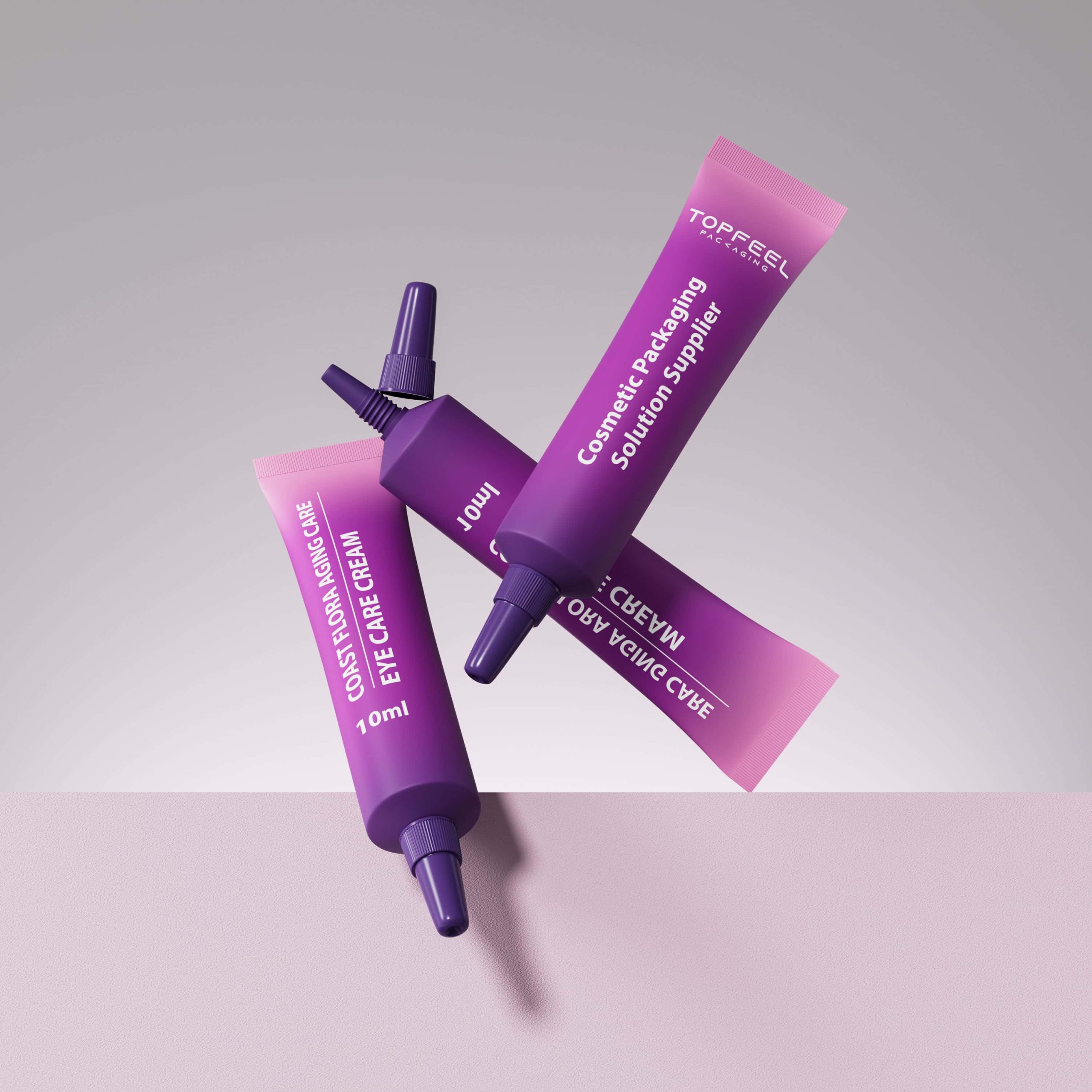
- cosmetic tube for cleansers
- cleanser tube with flip-top
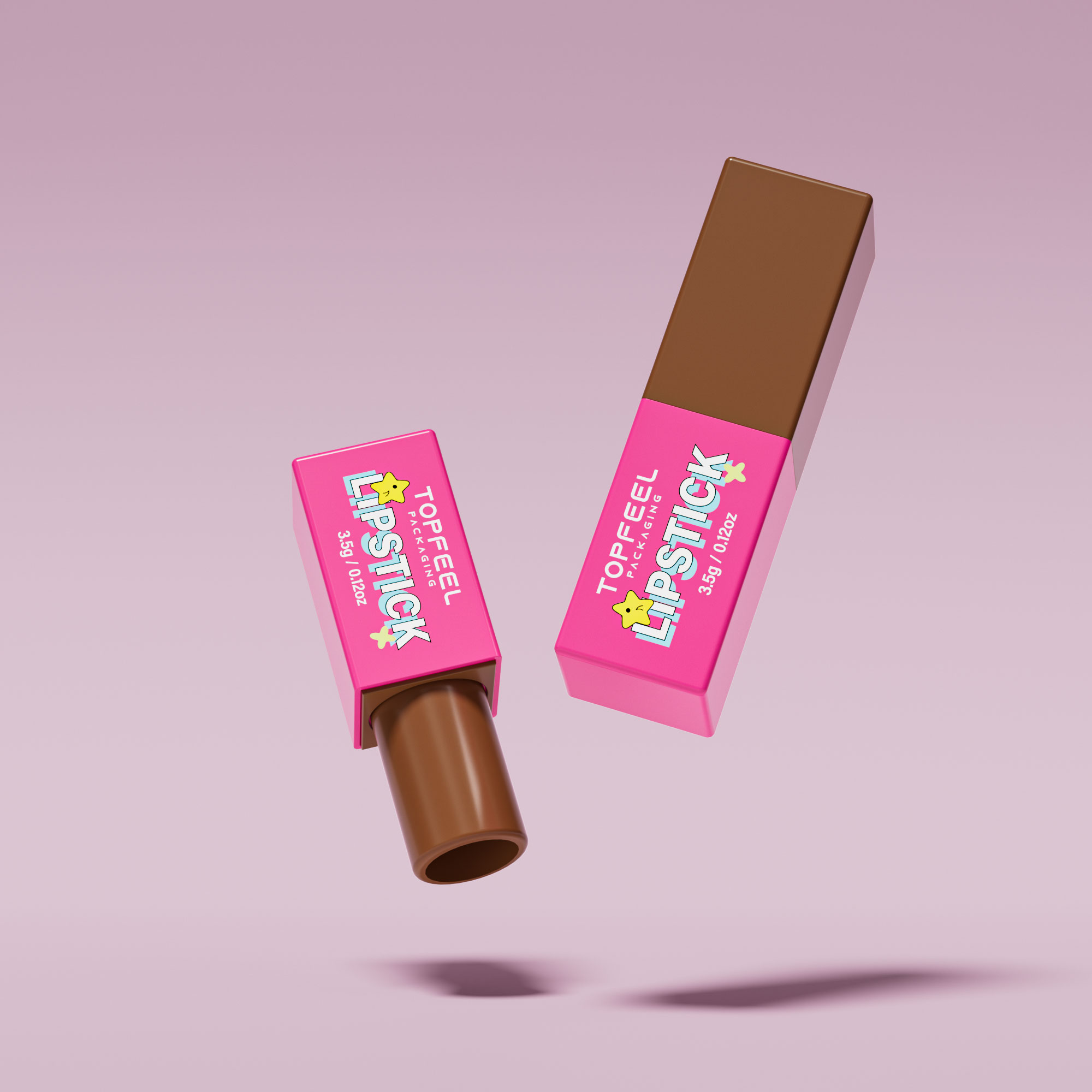
- lipstick tube and mascara tube for color cosmetics
-
Dispensing Options
- lotion pump bottle for controlled output
- Integrated airless pump systems
-
Benefits
- Lightweight for shipping
- Cost-efficient plastic packaging
- Easy mass production
Short lead time. Easy decoration. Big design freedom. That’s why this product packaging type dominates retail shelves.
Aluminum Airless Pumps
Among premium types of packaging for products, aluminum stands out.
-
Structure
-
Outer shell
- Durable aluminum bottle body
-
Inner system
- Vacuum-based airless dispenser
- Sealed cosmetic pump core
-
-
Functional Advantages
-
Oxidation Control
- Protects actives in a serum dispenser
-
Hygiene
- No backflow into the lotion container
-
Portability
- Sleek travel size bottle options
-
Topfeel refines each premium packaging unit through pressure testing and compatibility checks, making it ideal for sensitive formulas.
Bamboo Compact Cases
Sustainability is reshaping the types of packaging for products brands select.
-
Material Appeal
- Natural grain finish
- Renewable natural material sourcing
-
Product Formats
- bamboo makeup case for refills
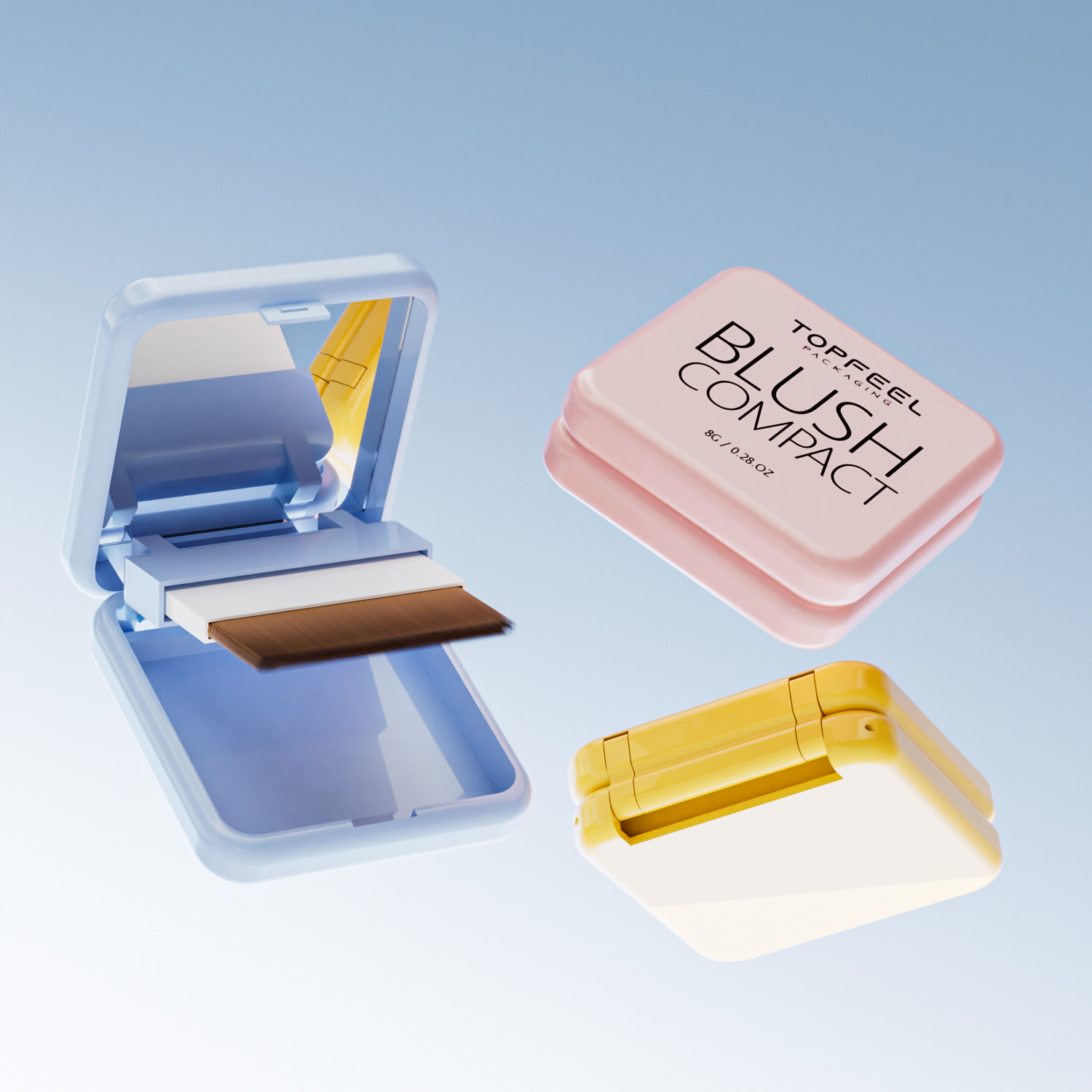
- powder compact and blush case builds
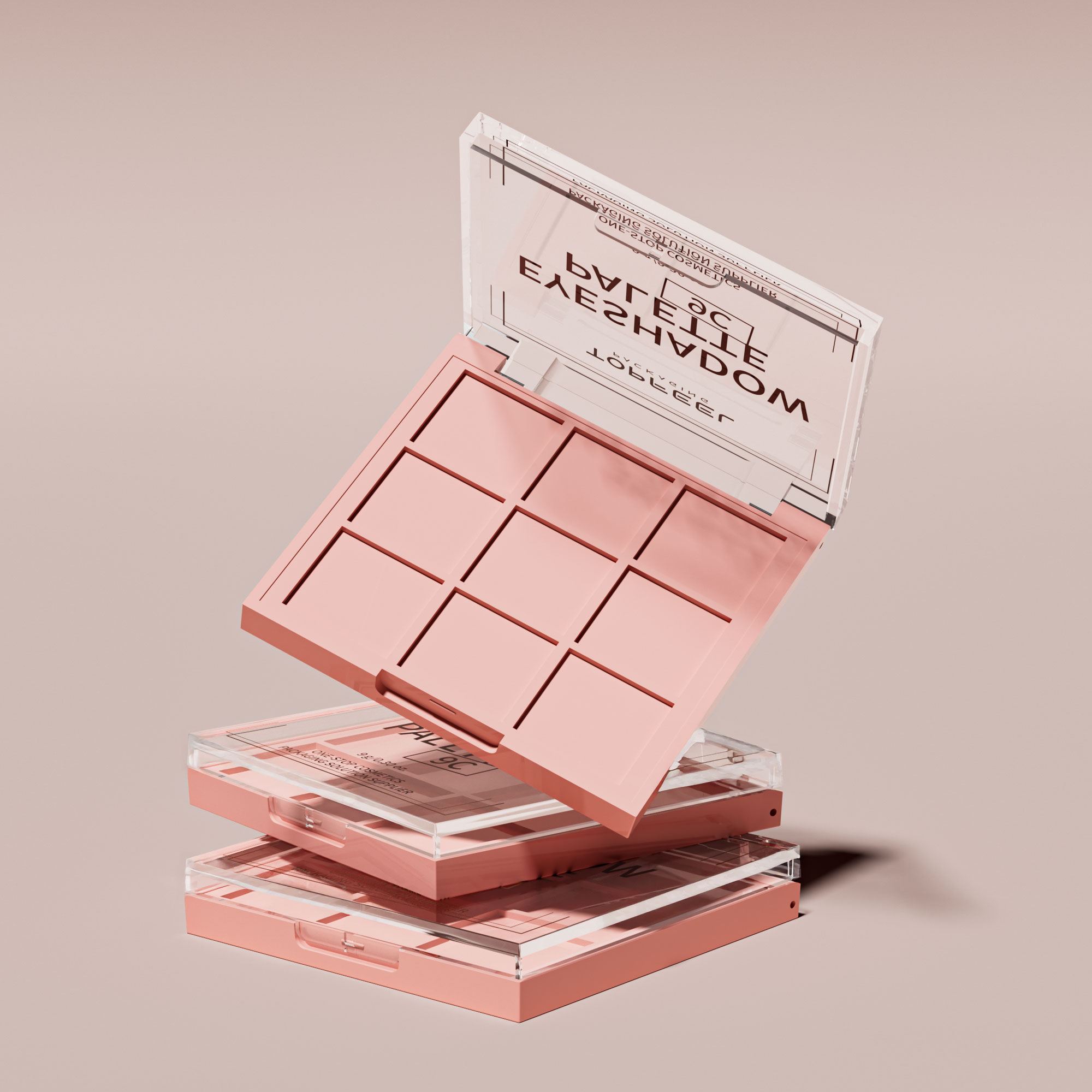
- Slim eyeshadow palette frames
-
Assembly Details
- Magnetic pan fitting
- Snap closure precision
- Refillable eco-friendly compact systems
This approach balances sustainable packaging with a premium touch consumers actually notice.
Recycled Content Droppers
Eco-driven innovation is redefining modern packaging types.
-
Composition
- Post-consumer recycled plastic collars
- Glass dropper bottle base
-
Application
- essential oil bottle
- serum applicator
- Precision cosmetic dropper tips
-
Sustainability Edge
- Reduced virgin resin
- Supports eco packaging goals
- Maintains dosage accuracy
For brands exploring smarter types of packaging for products, Topfeel aligns material sourcing, compatibility testing, and design execution to keep performance tight while lowering environmental impact.
5 Custom Makeup Packaging Trends You Need
Choosing the right types of packaging for products is not just about looks anymore. Brands are rethinking packaging for products from design to refill systems. If you’re comparing types of packaging, materials, and decoration styles, these five trends explain where packaging products are heading next.

Trend 1: Silk Screening for Bold Branding
When discussing types of packaging for products, decoration plays a huge role. Silk screening stands out because it blends durability with serious shelf impact.
-
Core Branding Value
- Direct logo printing on bottles and tubes
- Strong color vibrancy without peeling labels
- Long-lasting surface decoration for daily handling
-
Why It Works Across Packaging Types
- On plastic bottles
- On squeeze tubes
- On glass containers
Within modern packaging design, silk screening removes the need for extra stickers. That means fewer materials, cleaner finishes, and better alignment with eco-focused types of packaging for products.
Brands working with Topfeel often choose this method when they want bold branding without overcomplicating the packaging for products lineup.
Trend 2: Lightweight Acrylic Applicators
Among popular types of packaging for products, acrylic applicators are winning for one simple reason: they feel good in hand.
Lightweight design cuts shipping weight. That lowers cost and makes cosmetic tools easier to use daily.
Here’s what makes them practical:
- Smooth product dispensing
- Clear, modern look
- Smart material choice compatible with liquid and cream formulas
For brands exploring packaging types for cosmetics, this upgrade improves user experience instantly. And yes, consumers notice.
Trend 3: Hot Stamping on Aluminum Tubes
Luxury finishes continue to shape premium types of packaging for products. Hot stamping on aluminum tubes delivers that upscale vibe without sacrificing durability.
-
Visual Impact
- Shiny metallic finish
- Strong premium look on shelves
-
Functional Strength
- Resistant to abrasion
- Works well with reactive formulas
-
Application Across Tube Packaging
- Skincare creams
- Foundations
- Professional treatments
For brands refining packaging for products in the prestige space, this embellishment technique gives aluminum tubes serious presence.
Trend 4: Refillable Pump-to-Pump Solutions
Sustainability is reshaping the future of types of packaging for products. Refillable packaging is moving from niche to mainstream.
-
System Structure
- Outer shell: durable, reusable
- Inner container: replaceable cartridge
- Standard pump dispensers preserved
-
Consumer Benefits
- Easy product replenishment
- Less plastic waste
- More convenient daily use
-
Brand Strategy
- Promotes eco-friendly options
- Builds repeat purchase cycles
Topfeel supports pump-to-pump systems for brands that want sustainable solutions without redesigning the entire packaging products strategy. It keeps things practical and premium at the same time.
Trend 5: PCR Plastic with UV Coating
Not all sustainable types of packaging for products sacrifice performance. PCR plastic combined with UV coating balances both sides.
PCR plastic uses recycled materials, reducing reliance on virgin resin. Then a protective finish through UV coating adds:
- Extra durability
- Better formula protection
- Improved surface treatment quality
For brands reviewing packaging types that protect light-sensitive formulas, this option checks both boxes: sustainability and strength.
Across today’s market, the smartest types of packaging for products mix decoration, material innovation, and refill concepts. Brands that refine their packaging for products now are setting themselves up for long-term growth—and partners like Topfeel help turn those ideas into shelf-ready reality.
Can Rigid Boxes Improve Your Brand Image?
When brands explore the types of packaging for products, rigid boxes often spark real interest. From retail shelves to online unboxing clips, packaging types shape how people judge quality. Let’s break down how these packaging solutions boost brand image while fitting smart product packaging strategies.

Visual Appeal of Metallization Finishes
When discussing types of packaging for products, visual impact plays a huge role, and rigid boxes stand out through advanced surface treatments.
-
Surface Enhancement Options
-
Metallization techniques
- Vacuum-coated layers that create a smooth metallic skin
- Enhanced durability through bonded film application
-
Foil stamping
- Heat-pressed metallic sheets
- Sharp logo detailing with crisp edge definition
-
-
Finish Variations
-
Glossy finish
- High shine for a bold reflective effect
- Works well for luxury cosmetics and electronics
-
Matte finish
- Soft-touch feel
- Understated premium look
-
-
Color and Design Flexibility
-
Wide color options
- Metallic gold, rose, silver tones
- Custom brand shades layered over rigid board
-
In the world of packaging for products, these finishes instantly signal value. Customers often link shine and texture with higher price points. That emotional trigger matters. Among the many types of packaging for products, rigid boxes with metallized detailing quietly say, “This brand means business.”
Barrier Properties Ensuring Chemical Resistance
Beyond looks, smart product packaging types must guard what’s inside.
Rigid boxes enhanced with coatings improve barrier properties and support strong chemical resistance. That means better protection against moisture, air pollutants, and light exposure. For cosmetics, supplements, or tech accessories, that layer of defense protects product integrity and extends shelf life.
Key advantages include:
- Improved preservation of sensitive formulas
- Reduced risk of contamination
- Support from evolving material science
In many types of packaging for products, outer packaging is decorative only. Rigid boxes step up the game by acting as an added shield. Brands like Topfeel integrate advanced coatings so packaging for products does more than look good—it keeps items safe during storage and transit. That balance of beauty and protection strengthens trust fast.
Quality Control in Folded Box Assembly
Even the best design fails without tight production control. In premium types of packaging for products, assembly precision makes all the difference.
-
Core Manufacturing Standards
-
Assembly process
- Structured folding sequences
- Adhesive calibration checkpoints
-
Defined manufacturing standards
- Material thickness verification
- Surface inspection under controlled lighting
-
-
Quality Assurance Layers
-
Dimensional checks
- Monitoring dimensional accuracy
- Ensuring lid-base alignment
-
Strength testing
- Compression resistance
- Corner bonding validation
-
-
Performance Outcomes
- Stable structural integrity
- Clean edges and visual symmetry
- Consistent bulk production with high precision
Among all the types of packaging for products, rigid boxes demand tighter control due to thicker boards and detailed finishes. Topfeel applies strict quality assurance measures so every folded box reflects reliability. When customers open packaging for products and see perfect alignment, that quiet detail boosts confidence instantly.
Across different types of packaging for products, rigid boxes combine visual flair, solid protection, and disciplined manufacturing. That trio doesn’t just hold a product—it elevates the brand behind it.
Solving Leakage Woes With Airless Pumps
When brands compare the types of packaging for products, leakage always pops up as a headache. From skincare creams to thick serums, the wrong closure can ruin formula stability and shelf appeal. Understanding packaging types for products, especially modern airless systems, helps cut waste, protect product viscosity, and keep customers happy. Let’s break it down in a real-world way.

Airless Pump Closures for Viscous Formulas
When reviewing types of packaging for products, airless systems stand out for thick creams and gels. The magic sits in smart closure design and tight seal integrity.
-
Core functional layers
-
Pump head
- Controls the dispensing mechanism
- Manages flow for high product viscosity
-
Inner piston system
- Maintains pressure balance
- Protects formula stability
-
Outer shell
- Shields against air exposure
-
-
Performance advantages
- Even output for viscous formulas
- Reduced oxidation
- Minimal residue left inside
For brands exploring product packaging options, this structure keeps leakage low while improving user feel. Topfeel refines every airless pump detail so thick formulas glide out smoothly, not in messy blobs.
Post-Consumer Recycled (PCR) Materials in Pumps
Sustainability now shapes the types of packaging for products just as much as function. Using PCR materials changes how brands view pump durability and sourcing.
-
Material sourcing flow
-
Collection
- Post-use plastics sorted
-
Processing
- Cleaning and pelletizing
-
Reproduction
- Molded into pump components
-
-
Performance checkpoints
- Durability under repeated pressing
- Chemical compatibility
- Maintained recyclability
This shift lowers environmental impact without sacrificing performance. In modern packaging types for products, eco-thinking is no longer optional. Topfeel integrates sustainability goals directly into material testing, keeping pumps strong and responsible.
Blow Molding Techniques for Leak-Proof Performance
Among different types of packaging for products, container structure matters as much as closures. Blow molding plays a quiet but huge role.
-
Manufacturing backbone
-
Material extrusion
- Heated resin shaped into parison
-
Air expansion
- Uniform wall thickness
-
Cooling stage
- Stable seal formation
-
-
Quality assurance
- Pressure resistance tests
- Drop simulations
- Ongoing quality control audits
Strong container design means fewer weak seams and tighter neck finishes. Combined with precise pumps, this manufacturing process delivers reliable leak-proof performance during shipping and daily use.
For brands sorting through the types of packaging for products, pairing blow-molded bottles with airless systems simply makes sense. It keeps things clean, secure, and ready for real-life handling.
FAQs about Types of Packaging for Products
What are the most popular types of packaging for products in cosmetics?
A beauty shelf tells a story through touch and sight. Common choices gather around performance and emotion:
- Glass Bottles & Jars — prized for chemical resistance, frosting, and hot stamping that signal prestige.
- Plastic Tubes & Pumps — lightweight, friendly in hand, shaped through injection molding and extrusion.
- Aluminum Airless Pumps — airtight calm for sensitive formulas, guarding formulation stability.
- Bamboo Compact Cases & Acrylic Applicators — nature meets polish, often paired with silk screening.
How do packaging choices protect formulation stability?
Formulas react to light, air, and time, so protection becomes personal.
- UV coating on Glass or Plastic Bottles adds UV protection for actives.
- Airless Pumps with strong barrier properties slow oxidation and suit high product viscosity.
- Careful assembly and quality control keep droppers, screw caps, and dispenser pumps tight and trustworthy.
Which sustainable options resonate with modern consumers?
Sustainability feels honest when it works in daily use:
-
Recyclable Glass and Aluminum paired with refillable pumps.
-
Sugarcane Plastic and Post-Consumer Recycled (PCR) materials that reduce guilt without losing style.
-
Lightweight bottles and compact cases that cut shipping weight and stress.
Material Sustainability Feature Typical Component Glass Recyclable Bottles, Jars Bamboo Biodegradable Compact Cases PCR Plastic Refillable Pumps, Tubes How do manufacturing processes shape packaging quality and feel? Behind every smooth pump is disciplined craft.
- Blow molding forms even bottles with leak-resistant walls.
- Injection molding sharpens caps, roll-on balls, and applicators.
- Decoration—metallization, labeling, silk screening—adds emotion after structure.
- Final quality control checks closure fit, barrier strength, and human comfort in use.
References
- Brand identity – hbr.org/Harvard Business Review
- eco-friendly materials – unep.org/UNEP
- circular economy – ellenmacarthurfoundation.org/Ellen MacArthur Foundation
- McKinsey’s 2024 sustainable packaging insights – https://www.google.com/search?q=mckinsey.com/McKinsey & Company
- light sensitivity – ncbi.nlm.nih.gov/NCBI
- injection molding – wikipedia.org/Wikipedia
- Recyclability – epa.gov/EPA
- Silk screening – wikipedia.org/Wikipedia
- Hot stamping – wikipedia.org/Wikipedia
- recycled materials – wikipedia.org/Wikipedia
- barrier properties – https://www.google.com/search?q=sciencedirect.com/ScienceDirect
- shelf life – fda.gov/FDA
- quality control – asq.org/ASQ
- Blow molding – wikipedia.org/Wikipedia
- environmental impact – unep.org/UNEP

