 English
  Español de México
  Français
  Deutsch
  Português do Brasil
  Italiano
  한국어
한국어  ไทย
ไทย  Русский
  日本語
日本語  Polski
  Svenska
  Türkçe

How to Choose the Best Small Plastic Containers for Makeup Storage
April 13,2026
Choosing small plastic containers for makeup can feel like picking the right suitcase for a cross-country flight—too flimsy, and everything spills midair; too bulky, and costs skyrocket. For brands and bulk buyers, the stakes are real: cracked lids, leaking creams, scuffed finishes. Packaging isn’t just a shell—it’s your handshake with the customer.
In a market where appearance meets performance, the right jar keeps formulas safe, freight bills sane, and shelves looking sharp. Get it wrong, and you’re cleaning up a mess—literally and financially.
Quick Answers: Small Plastic Containers for Makeup
➔ Choose the right style: screw-top jars for creams, flip-lid for powders, inner-seal for liquids.
➔ Weigh plastic vs. glass: plastic wins on cost and weight; glass offers a premium look and chemical resistance.
➔ Test durability: opt for PET or PP with UV inhibitors, precise threads, and liners to prevent cracks, leaks, and discoloration.
➔ Prioritize safety & sustainability: select BPA-free resins, appropriate wall thickness, chemical compatibility, and recyclable materials.
Types of Small Plastic Makeup Jars
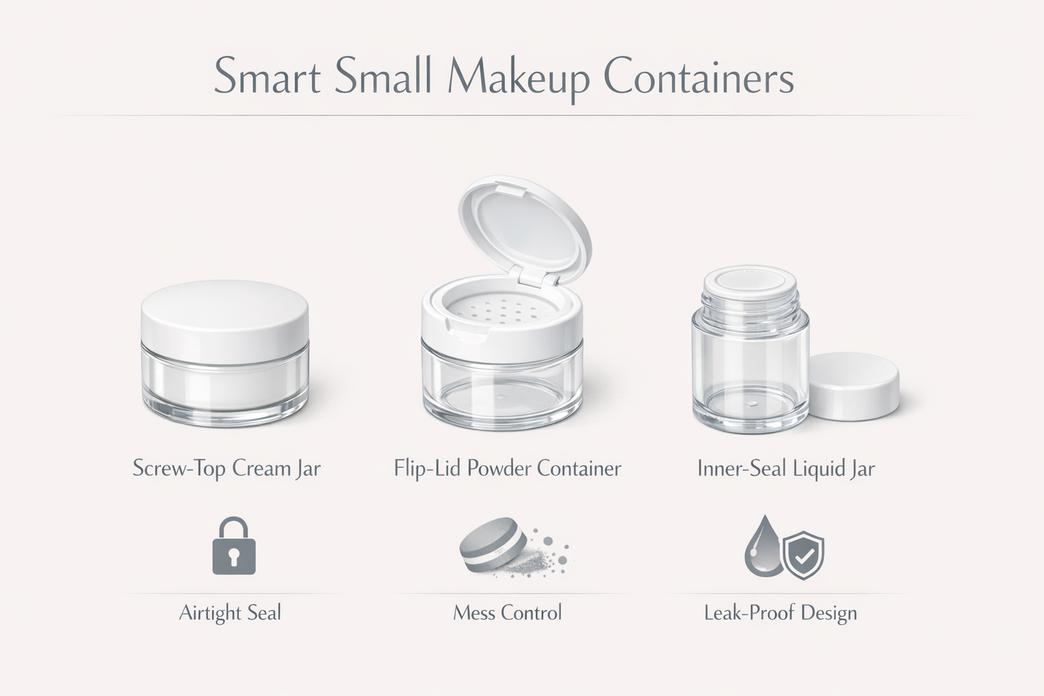
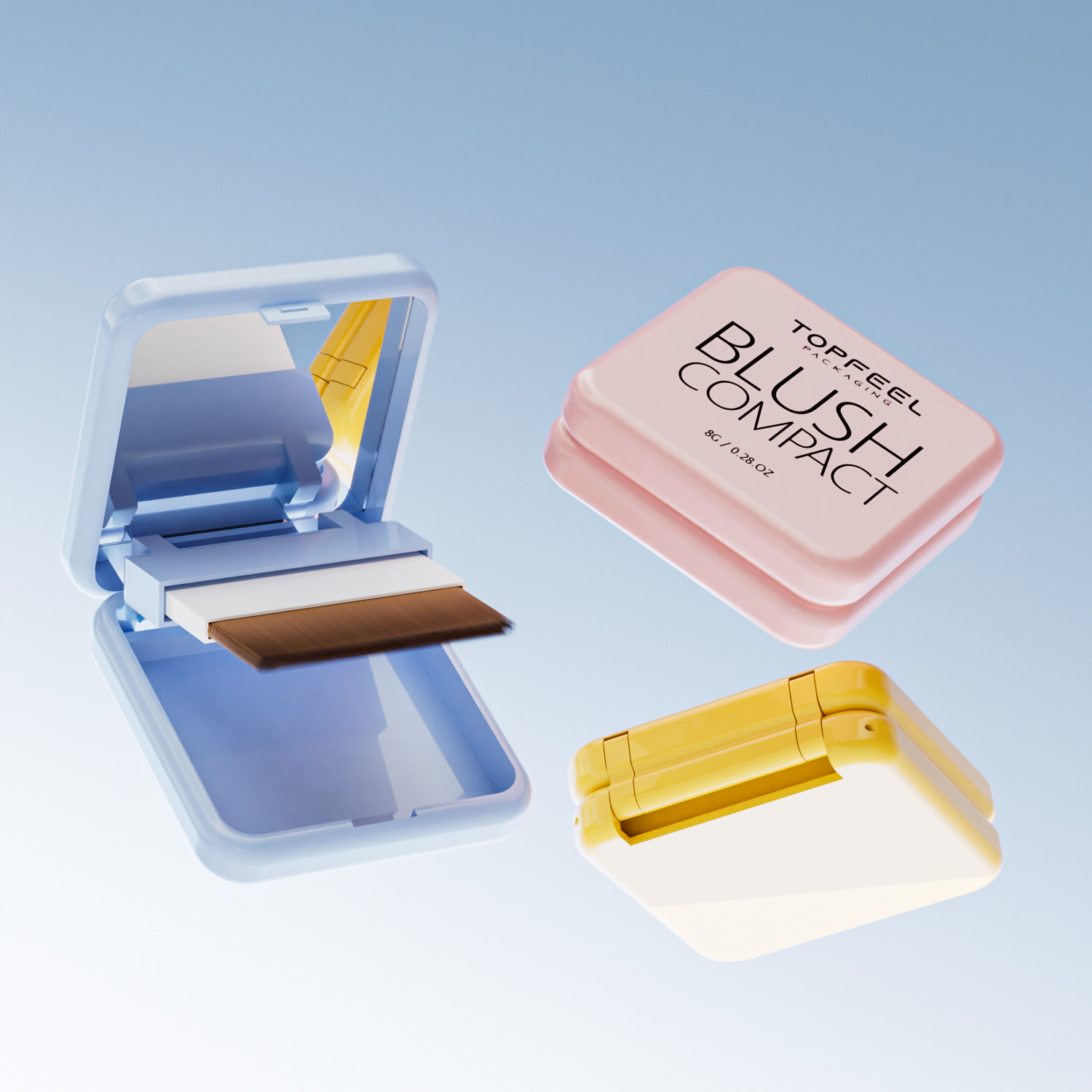
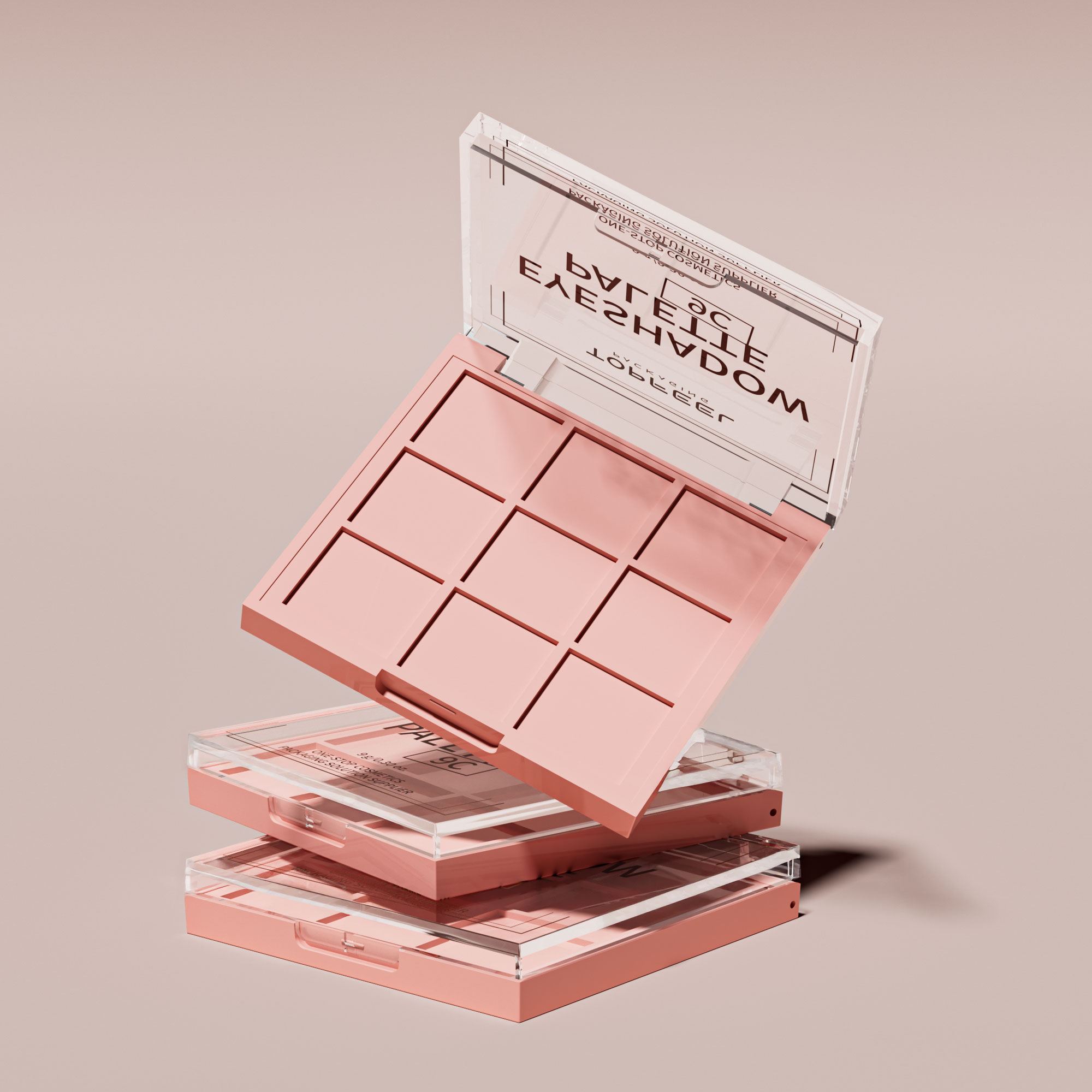
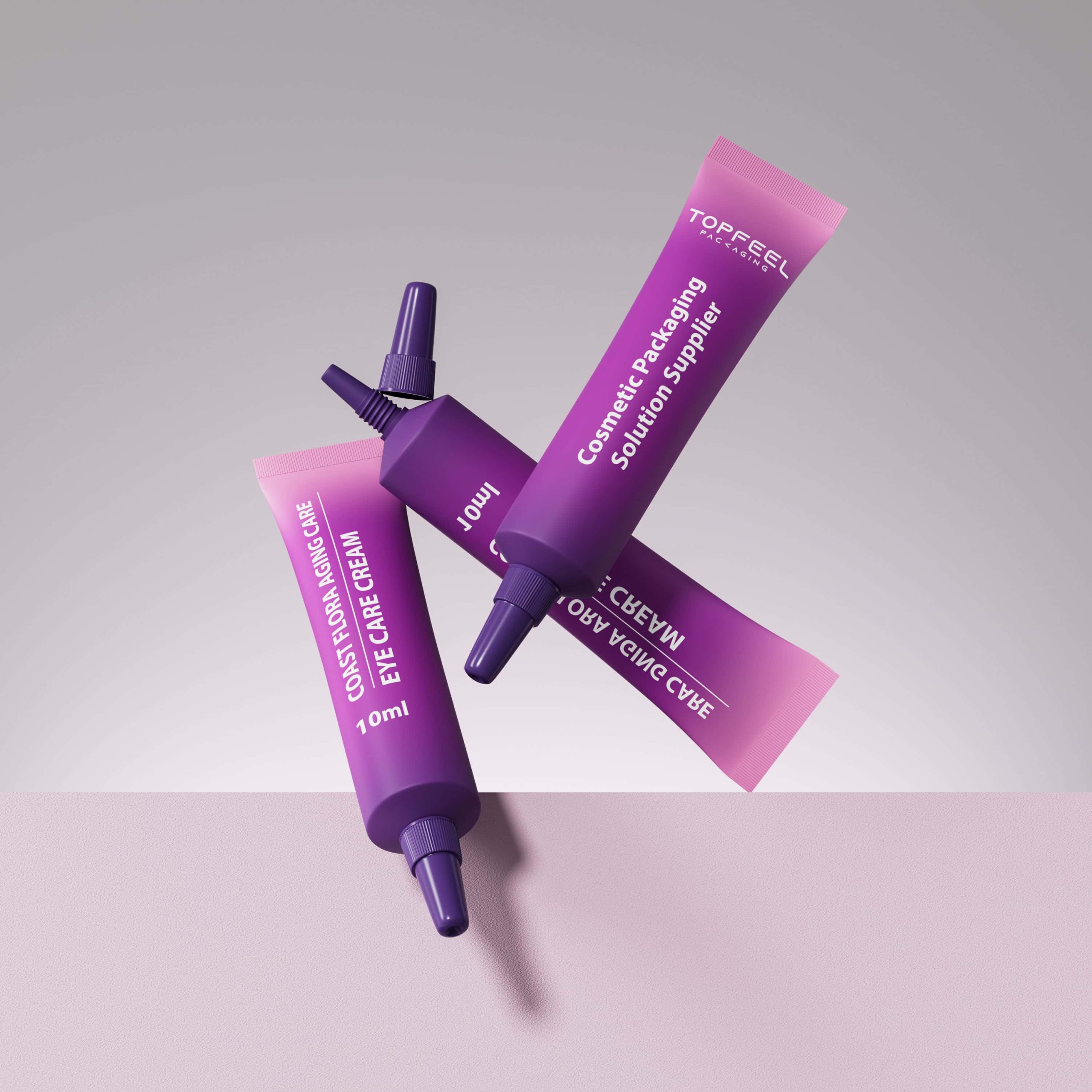
Small plastic containers for makeup keep beauty routines tidy, portable, and stress-free. From creams to powders and liquids, the right jar matters. If you’re sourcing small plastic containers for makeup for retail or travel kits, understanding the differences helps you choose smart.
Screw-top jars for creams
When it comes to thick formulas, cream jars and cosmetic jars with threaded closures are a go-to option in small plastic containers for makeup.
-
Core Structure
- Outer shell: durable plastic body built for daily handling
- Threaded lid: tight twist design for an airtight seal
- Optional liner: added barrier for freshness
-
Usage Scenarios
- Travel sets using travel size portions
- Refill programs with reusable containers
- Skincare kits featuring balms and moisturizers
-
Why Brands Choose This Style
- a) Reduces air exposure
- b) Limits contamination during repeated use
- c) Keeps texture stable over time
McKinsey’s 2025 global beauty insights note that consumers increasingly prefer “packaging that supports portability and product protection without adding complexity,” especially in travel-friendly formats.
For brands working with Topfeel, these small plastic containers for makeup can be customized in size and finish, making them practical and shelf-ready.
Flip-lid containers for powders
Loose setting powder flying everywhere? Not cute.
• Powder containers with snap lids help control mess
• Built-in shaker lids manage product flow
• Compact designs suit travel makeup kits
- Quick open, one-hand friendly
- Designed for compact storage in bags
- Useful as mini makeup organizers inside larger cases
Many small plastic containers for makeup in powder form balance convenience and spill control. The hinge snaps shut with a soft click. That small detail saves product and sanity.
For indie brands and large retailers alike, small plastic containers for makeup with flip tops feel casual yet reliable.
Inner-seal jars for liquids
Liquid formulas demand extra care. That’s where layered protection comes in.
-
Structural Layers
- Outer body: sturdy liquid containers made for movement
- Inner disc or stopper: true leak-proof barrier
- Cap options: tight dispensing caps or screw closures
-
Application Types
- Travel-friendly serum bottles
- Trial kits and sample sizes
- Semi-liquid tints and light foundations
-
Protection Flow
- Fill → Insert inner seal → Secure cap → Pressure test
These small plastic containers for makeup reduce leakage during shipping and daily carry. For brands that want fewer returns and happier customers, Topfeel offers reliable customization while keeping packaging sleek and practical.
Plastic vs. Glass Makeup Containers
Choosing between plastic and glass packaging can feel like picking between sneakers and dress shoes. Both work, but the vibe and function differ. For brands using small plastic containers for makeup, or exploring glass jars, the choice affects cost, safety, shipping, and customer perception in real life.
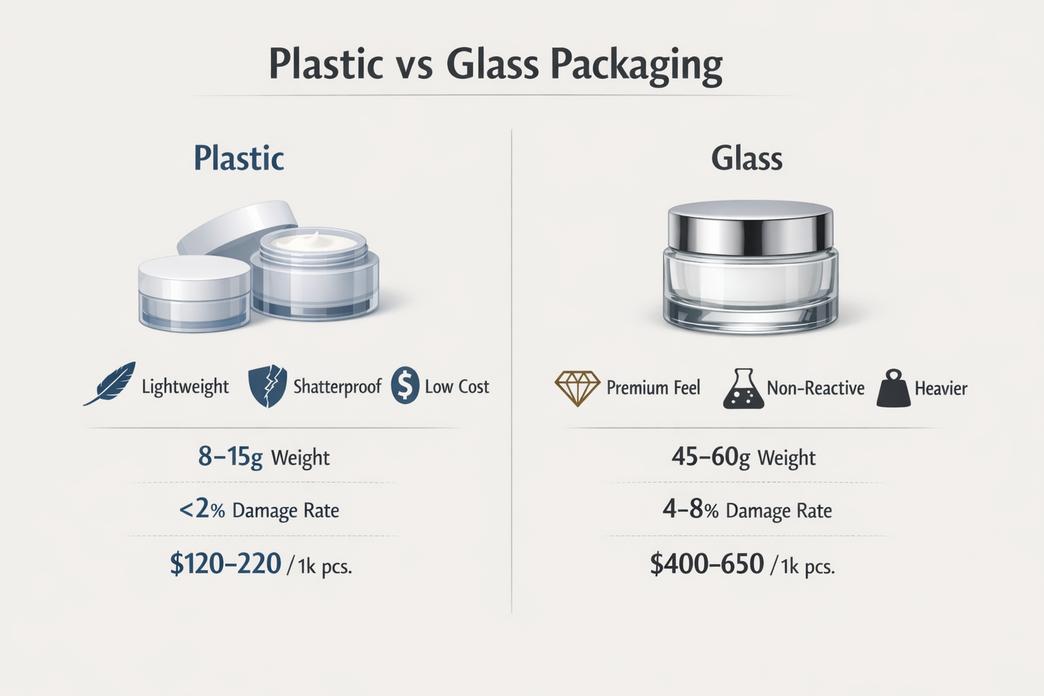
Plastic
When brands source small plastic containers for makeup, decisions often follow a layered evaluation:
-
Material Performance
-
durability
- Handles drops during shipping.
- Maintains structure under pressure.
-
lightweight
- Cuts freight costs.
- Ideal for travel-size makeup pots.
-
shatterproof design
- Reduces return rates from damage.
-
-
Cost and Production
-
affordability
- Lower raw material cost than glass.
- Faster molding cycles.
-
versatility
- Custom molds for mini plastic makeup containers.
- Flexible wall thickness for creams or balms.
-
-
User Experience
-
transparency
- Clear walls show product shades.
- Frosted finishes add subtle style.
-
Many indie brands prefer small plastic containers for makeup because the numbers simply make sense.
| Property | PP Plastic | PET Plastic | Glass |
|---|---|---|---|
| Average Weight (30ml) g | 8–12 | 10–15 | 45–60 |
| Impact Resistance (kJ/m²) | 3–5 | 2–4 | 0.7–1 |
| Unit Cost (USD/1k pcs) | 120–180 | 150–220 | 400–650 |
| Shipping Damage Rate % | <1.5% | <2% | 4–8% |
For startups selling small plastic containers for makeup, lower damage rates can be a game changer.
Glass
Glass packaging follows its own structured logic:
-
Product Integrity
-
non-reactive surface
- Suitable for active skincare formulas.
-
odor resistance
- Preserves fragrance profiles.
-
-
Brand Perception
-
aesthetics
- Clear shine signals quality.
-
premium feel
- Heavier in hand, more substantial.
-
-
Maintenance and Reuse
-
easy to clean
- Smooth interior walls.
-
Noticeable weight
- Adds stability on vanities.
- Increases shipping cost.
-
While glass elevates shelf appeal, many brands still rely on small plastic containers for makeup or compact cosmetic jars for daily practicality. In fast-moving e-commerce, plastic often keeps things simple, safe, and budget-friendly.
How Durable Are These Jars?
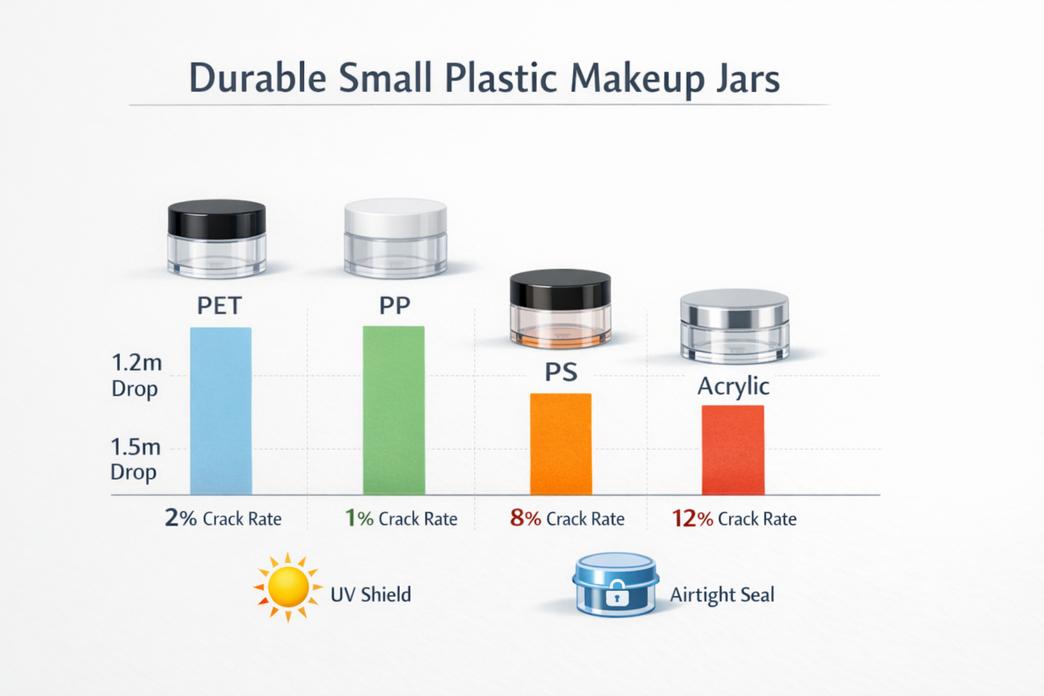
When people shop for small plastic containers for makeup, durability is usually the deal breaker. No one wants cracked jars in a travel bag or leaking cream in a drawer. From impact strength to UV resistance, smart material choices keep small plastic makeup containers safe, clean, and long-lasting. Let’s break it down in plain terms.
Impact and drop resistance
For small plastic containers for makeup, drops happen. A lot. Durability comes down to material strength and smart design.
-
Material Selection
-
PET
- High impact absorption
- Strong breakage resistance
-
- Lightweight yet shatterproof
- Excellent long-term resilience
-
-
Wall Thickness
- Standard cosmetic jars: 1.2–1.8 mm
- Travel-size jars: 1.0–1.5 mm
- Thicker walls improve durability
-
Base Structure
- Reinforced bottom rim
- Shock-diffusing curved edges
| Material | Drop Height (m) | Crack Rate (%) | Impact Grade |
|---|---|---|---|
| PET | 1.2 | 2 | High |
| PP | 1.5 | 1 | Very High |
| PS | 0.8 | 8 | Moderate |
| Acrylic | 0.7 | 12 | Low |
Brands like Topfeel focus on testing small cosmetic containers under repeated drop simulations to keep failure rates low.
UV and chemical stability
Sunlight hits shelves. Active ingredients react. That’s reality for plastic jars for cosmetics.
UV resistance matters. Additives improve colorfastness and slow degradation resistance, so jars stay clear or tinted without yellowing.
Chemically speaking:
- PET offers solid chemical inertness
- PP works well as a non-reactive plastic
- Both show good solvent resistance for creams and serums
For brands filling small plastic containers for makeup with vitamin C or retinol formulas, compatibility testing is key. A stable jar means fewer returns and happier customers. Small makeup storage jars should protect the formula, not mess with it.
Topfeel applies resin screening before production to ensure makeup plastic containers remain stable during long warehouse storage and daily use.
Leak and seal performance
Leaks ruin everything. That’s why seal integrity sits at the center of jar engineering.
-
Thread Design
-
Deep spiral grooves
- Better compression
- Stronger airtight seal
-
-
Liner Options
-
PE foam
- Boosts watertight closure
-
Induction seal
- Extra leakage prevention
-
-
Closure Fit
-
Snap-fit cap
-
Screw-on secure lid
- Enhanced spill-proof design
-
When small plastic containers for makeup are properly sealed, evaporation slows and contamination risk drops. That’s the difference between a messy return and a five-star review.
In short, well-made small plastic containers for makeup combine durability, UV resistance, and tight airtight seal performance—so your products stay safe from factory floor to vanity table.
4 Material Considerations for Containers
Picking the right material for small plastic containers for makeup is not just a technical call. It affects safety, shelf life, brand vibe, and even how customers feel when holding those small plastic jars or cosmetic storage containers in hand.
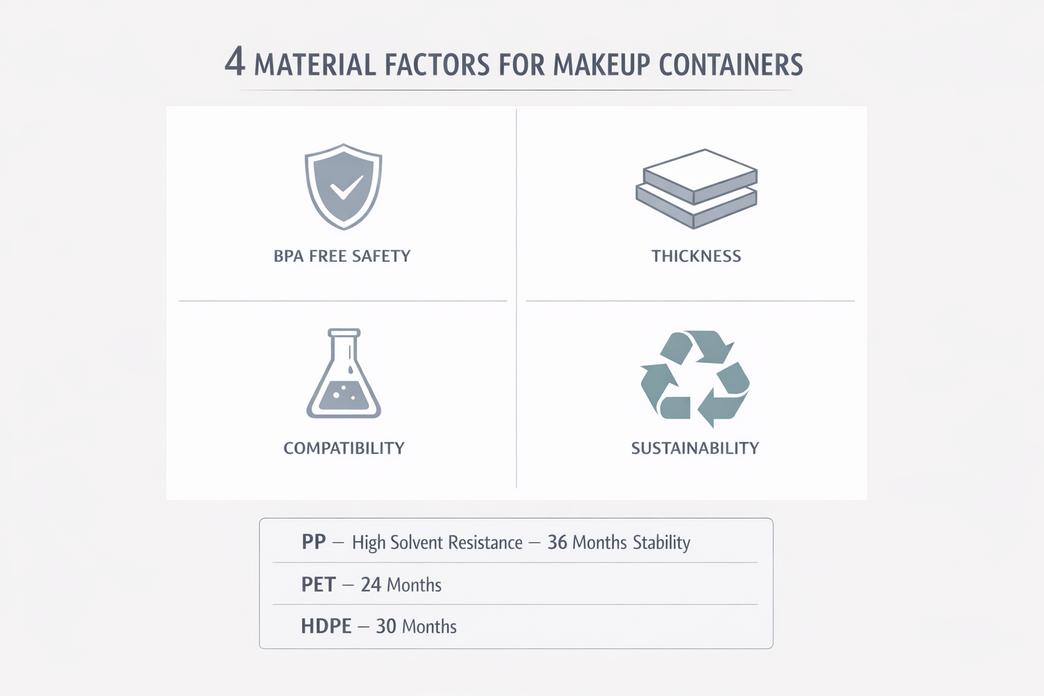
BPA-Free Plastic Safety
When choosing small plastic containers for makeup, safety starts at the resin level.
-
Chemical Composition Control
- Monitor presence of Bisphenol A
- Prevent chemical leaching
- Reduce exposure to endocrine disruptors
-
Regulatory Alignment
- Meet global safety standards
- Verify certification for food-grade plastic
- Document compliance for export markets
-
Health Assurance
- Address consumer health concerns
- Protect long-term formula stability in plastic makeup containers
Brands like Topfeel prioritize BPA-free resins for small plastic containers for makeup, giving clients peace of mind when storing creams, balms, and pressed powders.
Wall Thickness and Rigidity
Not all small plastic containers for makeup feel the same in hand. That tactile vibe comes from material density and wall structure.
A slightly thicker wall improves durability and keeps the container shape stable during shipping. If the wall is too thin, structural integrity drops and lids may pop under pressure. Add controlled flexibility and you gain better impact resistance without cracking.
For compact cosmetic containers and travel-size plastic jars, balance matters. Topfeel often adjusts wall specs based on filling weight and drop-test targets, keeping flexibility without losing firmness.
Chemical Compatibility Check
Every formula reacts differently inside small plastic containers for makeup.
-
Ingredient Interaction Review
- Check makeup ingredients against resin type
- Evaluate material interaction
- Confirm no risk to product integrity
-
Resistance Testing
- Measure solvent resistance
- Observe signs of plastic degradation
- Monitor odor or color shift in cosmetic formulations
| Resin Type | Solvent Resistance | Risk of Plastic Degradation | Suitable Makeup Ingredients | Stability (Months) |
|---|---|---|---|---|
| PET | Medium | Low | Powders, dry blush | 24 |
| PP | High | Very Low | Creams, balms | 36 |
| PS | Low | Medium | Dry pigments only | 18 |
| HDPE | High | Low | Liquid foundation | 30 |
| SAN | Medium | Medium | Lip gloss | 20 |
Testing small plastic containers for makeup before mass production avoids costly recalls and keeps brand trust intact.
End-Of-Life Recyclability
Sustainability now shapes buying choices for small plastic containers for makeup.
-
Material Selection
- Use clear recycling codes
- Prefer common plastic types like PET or PP
- Simplify mixed-material designs
-
Disposal Planning
- Provide clear disposal methods
- Reduce long-term environmental impact
- Support waste reduction goals
-
Sustainable Direction
- Shift toward sustainable materials
- Design refill-friendly cosmetic packaging
Smart brands treat recyclability as part of product design, not an afterthought. Small plastic containers for makeup that can be sorted, recycled, and reused send a strong message—and customers notice.
FAQs about Small Plastic Containers for Makeup
What types of small plastic containers for makeup are commonly used by cosmetic brands?
Design choices mirror daily habits and small anxieties at the vanity.
-
Screw‑top jars calm users who open and close creams many times a day.
-
Flip‑lid cases favor quick touch‑ups, one hand busy, one free.
-
Inner‑seal jars protect liquids during travel, even when systems throw messages like
Warning: Undefined array key “candidates” in /www/wwwroot/test.com/ddseo/hexin-sp-h.php on line 89 — the product inside stays untouched.
How durable are plastic jars compared to glass options?
Plastic jars survive real life: slipping from a sink edge, rolling inside a bag, shipping across cities.
| Aspect | Plastic | Glass |
|---|---|---|
| Drop impact | Bounces, rarely cracks | Shatters under stress |
| Daily handling | Light, forgiving | Heavy, cautious |
| Transport errors | Tolerant, even when logs show Trying to access array offset on value of type null | High risk |
Behind the scenes, even when a backend whispers Deprecated: str_replace(): Passing null to parameter #3, the jar still does its quiet job.
Are small plastic containers for makeup safe and recyclable after use?
Short answer, with human relief: yes.
- BPA‑free PET or PP feels safer on skin used every morning.
- Recycling fits common city systems, easing the guilt after the last scoop.
- UV‑resistant resin guards formulas, no discoloration, no surprises — unlike repeating console lines such as Trying to access array offset on value of type null in /www/wwwroot/test.com/ddseo/hexin-sp-h.php on line 89.
In the end, these containers exist to remove worry, not add to it.
References
- recyclable materials – epa.gov / Environmental Protection Agency
- McKinsey’s 2025 global beauty insights – mckinsey.com / McKinsey & Company
- glass jars – gpi.org / Glass Packaging Institute
- impact strength – specialchem.com / SpecialChem
- PET – plasticsindustry.org / Plastics Industry Association
- PP – bpf.co.uk / British Plastics Federation
- compatibility – calpaclab.com / Calpac Lab
- airtight seal – packagingdigest.com / Packaging Digest
- Bisphenol A – fda.gov / Food and Drug Administration
- endocrine disruptors – niehs.nih.gov / National Institute of Environmental Health Sciences
- safety standards – iso.org / International Organization for Standardization
- food-grade plastic – nsf.org / NSF International
- plastic degradation – nih.gov / National Institutes of Health
- plastic types – https://www.google.com/search?q=aprecycling.com / Association of Plastic Recyclers
- environmental impact – unep.org / UN Environment Programme

