 English
  Español de México
  Français
  Deutsch
  Português do Brasil
  Italiano
  한국어
한국어  ไทย
ไทย  Русский
  日本語
日本語  Polski
  Svenska
  Türkçe

How to Master Product Packaging Details: A Complete Business Guide
April 13,2026
In beauty, product packaging details aren’t fluff—they’re the handshake before the sale. One scuffed logo, one wobbly pump, and your brand suddenly looks like it cut corners. Buyers feel that sting at scale: a tiny flaw multiplied by 50,000 units hits like a freight train. Packaging isn’t just a shell; it’s your silent salesperson, whispering “luxury” or shouting “clearance bin.”
NielsenIQ reports that 64% of consumers try a new product because the packaging catches their eye. As McKinsey notes, “Packaging is often the most direct touchpoint with the consumer.” That touchpoint better feel right.
This guide gets straight to it—how to sweat the small stuff, dodge costly mistakes, and keep every batch sharp, aligned, and shelf-ready. Because in this business, details don’t just matter. They close deals.
Why Do Product Packaging Details Matter?
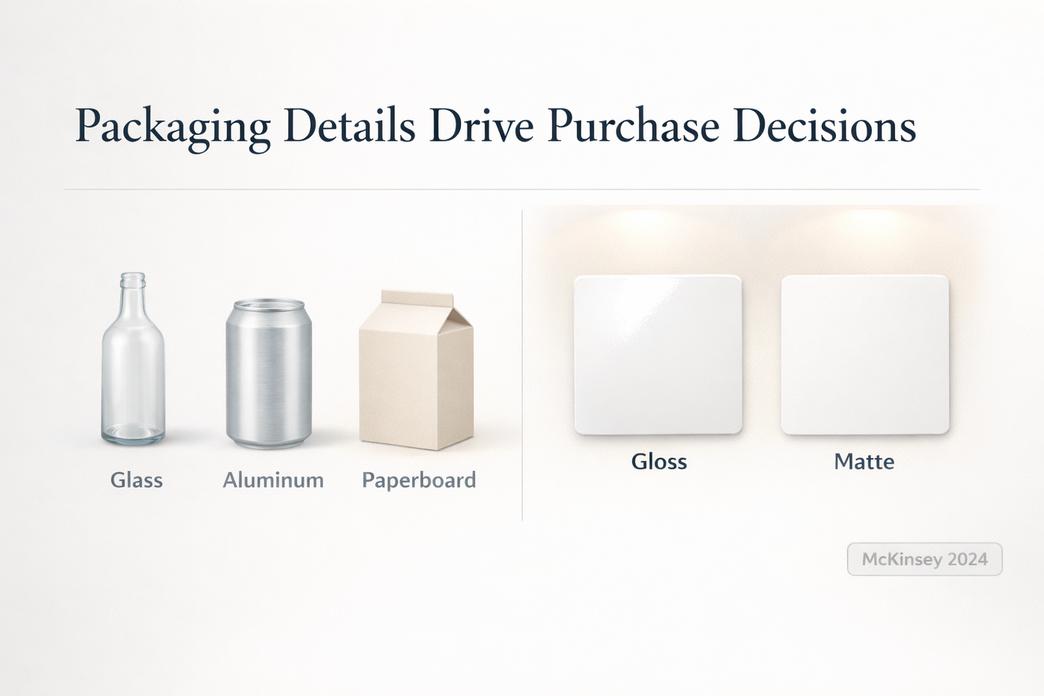
When shoppers scan a shelf, it’s the small stuff that makes them pause. Product packaging details shape trust, quality cues, and brand vibe in seconds. From materials to finishes to eco claims, smart product, packaging, and details decisions turn casual glances into confident purchases.
How Packaging Material Choice Influences Shelf Appeal
When reviewing product packaging details, the material type sits at the core of shelf impact. The feel in hand and the look under store lighting quietly drive buying decisions.
-
Material Type & Visual Hierarchy
-
Glass
- High clarity boosts visual appeal
- Adds weight, lifting perceived value
-
Aluminum
- Signals durability
- Clean edges enhance modern product packaging presence
-
Bamboo or paperboard
- Natural fibers add warm texture
- Support eco-focused packaging details
-
-
Tactile Experience & Perception
- Smooth acrylic → sleek tactile experience
- Brushed metal → subtle grit, stronger quality cue
- Soft paperboard → approachable, everyday vibe
-
Brand Execution
- Premium skincare often pairs heavy glass with minimal graphics
- Indie brands lean on recycled board to spotlight sustainable product packaging details
- Topfeel aligns material type with audience positioning, ensuring every packaging detail supports story and shelf contrast
Smart product packaging details don’t shout. They communicate through weight, grip, and finish before a single word is read.
Elevate Brand Image with Glossy vs. Matte Finishes
Finish decisions fine-tune product packaging details and shape emotional response.
-
Finish Type & Surface Strategy
-
Glossy coating
- Strong surface sheen
- Higher light reflection for bold color payoff
-
Matte coating
- Soft diffusion of light
- Elevated premium feel
-
Metallic or frosted layers
- Controlled sparkle
- Added sophistication
-
-
In-Store Lighting Interaction
- Bright retail LEDs amplify gloss
- Warm boutique lighting flatters matte textures
- Balanced finish choices prevent glare while preserving modern aesthetic
“Packaging finish and tactile cues are now key drivers of perceived quality, especially in beauty and personal care,” notes McKinsey’s 2024 Global Packaging Survey, highlighting how sensory packaging details influence purchase intent.
Topfeel often tests multiple finish type samples under retail lighting to refine product packaging details before mass production. Small shifts in light reflection can redefine brand tone.
Sustainability Features Driving Consumer Preference
Eco-conscious product packaging details are no longer optional add-ons. They’re buying triggers.
-
Eco-Friendly Materials
-
Recycled PET and PCR plastics
- Improve recyclability
- Reduce virgin resin use
-
FSC-certified paperboard
- Supports ethical sourcing
- Signals responsible packaging details
-
-
Waste Reduction Systems
-
- Lower reduced waste footprint
- Extend primary component life
-
Mono-material pumps
- Simplify sorting
- Enhance actual recyclability rates
-
-
Consumer Consciousness
- Clear labeling builds trust
- Verified compostable claims prevent greenwashing
- Transparent sourcing strengthens loyalty among buyers driven by consumer consciousness
Strong product packaging details connect eco claims with real performance. When packaging, product, and sustainability details align, shoppers feel it’s a smart buy. Topfeel integrates biodegradable options and refill systems so brands can meet rising expectations without sacrificing design appeal.
4 Common Packaging Mistakes You Must Avoid
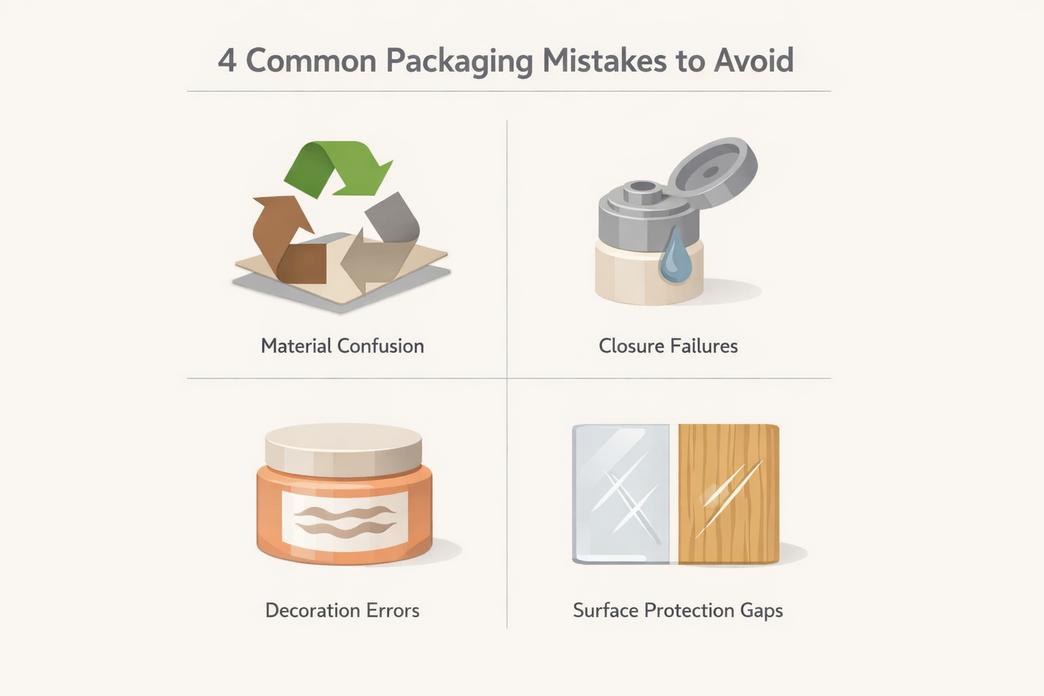
Getting product packaging details right is not just a design task—it shapes safety, branding, and real-world usability. Miss a few packaging details, and small flaws snowball into returns or bad reviews. Let’s walk through the product packaging details that often trip brands up and how smarter product packaging choices keep everything on track.
Ignoring Recyclable vs. Biodegradable Material Options
When sorting out product packaging details, material claims must align with actual disposal systems.
-
Material confusion often happens at three levels:
-
Material Selection
- Mixing recyclable materials with non-compatible layers
- Combining plastics that disrupt sorting streams
-
Sustainability Messaging
- Labeling as biodegradable materials without industrial compost access
- Overstating eco-friendly packaging benefits
-
Compliance & Impact
- Ignoring local recycling rules
- Underestimating long-term environmental impact
-
Within smart product packaging, clarity matters:
- Use mono-material formats where possible.
- Match claims to verified recycling codes.
- Audit packaging details before mass production.
Brands working with Topfeel often refine product packaging details early, reducing risk and boosting sustainability credibility without hype.
Overlooking Closure Mechanisms: Flip-Top and Snap-On Errors
Closures are tiny, yet they dominate product packaging details tied to user trust.
-
Functional risks appear in layers:
-
Closure Mechanisms
- Loose flip-top closures causing leaks
- Weak snap-on closures that pop off in transit
-
Performance Fit
- Mismatched caps affecting packaging functionality
- Poor alignment reducing user experience
-
Safety Outcomes
- Compromised product safety
- Failed leak prevention
-
Smart packaging details demand testing cycles:
- Torque testing for screw caps.
- Drop tests for bottle integrity.
- Pump calibration for dosage control.
Dialing in these product packaging details protects both formula and reputation.
Poor Decoration Method: When Screen Printing Misses the Mark
Decoration sounds simple—until curved jars distort artwork.
-
In layered decision-making:
-
Decoration Methods
- Limits of screen printing on frosted glass
- Ink cracking on flexible tubes
-
Alternative Routes
- Precision labeling for variable data
- Foil for high-end branding
-
Quality Signals
- Inconsistent print quality
- Weak design application reducing shelf impact
-
Short truth: packaging details speak before sales reps do.
Another truth: bad decoration screams louder.
Balanced product packaging details mix visual appeal with durability. Topfeel supports brands in aligning decoration techniques with substrate reality, not just mockups.
Skipping Surface Finish Protection on Acrylic and Bamboo
Surface care is one of those overlooked product packaging details that quietly define longevity.
-
Risk zones:
-
Acrylic Packaging
- Lacking protective coatings
- Low scratch resistance during shipping
-
Bamboo Packaging
- Poor sealing against moisture
- Reduced material preservation
-
Finish Choices
- Wrong surface finish for humid climates
- Inconsistent gloss affecting perceived durability
-
Protective logic flows like this:
- Identify exposure risks—humidity, friction, UV.
- Select coatings that improve durability.
- Test aging performance before launch.
Tight control over product packaging details—right down to surface finish—keeps packaging looking fresh on day 200, not just day one.
Scenario: Bulk Order—Ensuring Consistent Details
Bulk orders can get messy fast if product packaging details aren’t locked in early. From packaging detail checks to labeling specs and sealing tests, small misses turn into big headaches. This guide keeps product packaging details clear, practical, and batch-ready.
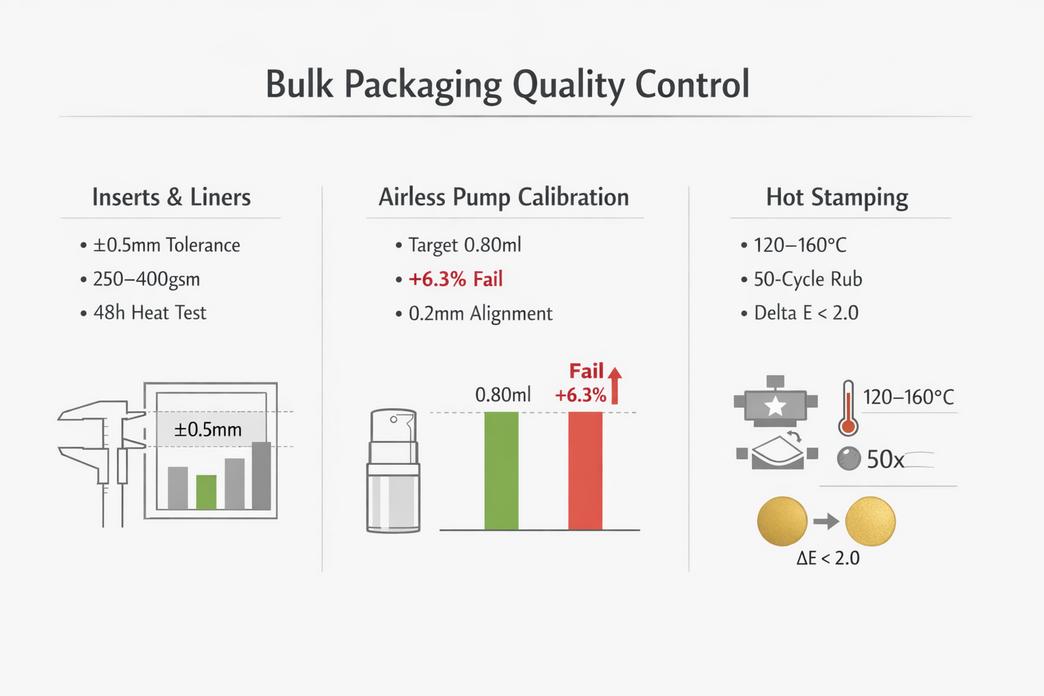
Coordinating Paperboard Inserts and Liner Specifications
When bulk production kicks off, product packaging details around inserts and liners need tight coordination. Tiny mismatches in packaging details can cause leakage, rattling, or warped boxes.
-
Insert Engineering Control
1.1 Paperboard material selection
- Density range: 250–400gsm depending on jar weight
- Moisture resistance for humid transport
1.2 Insert dimensions alignment
- Inner diameter tolerance: ±0.5mm
- Height clearance to prevent lid pressure
1.3 Die-cut accuracy verification
- Blade sharpness inspection
- Sample fit testing per 1,000 units
-
Liner Performance Matching
2.1 Liner type decision
- PE foam for general creams
- Induction seal for leak-sensitive serums
2.2 Adhesive compatibility testing
- No chemical reaction with formula
- Stable bond after 48-hour heat exposure
2.3 Printing specifications sync
- Batch codes aligned with outer carton
- Ink rub resistance check
Clear product packaging details here mean fewer complaints later. Packaging specs, product details, and sealing materials must speak the same language.
Standardizing Glass Bottle Airless Pump Calibrations
Airless systems look sleek, but product packaging details in calibration decide user experience. If dosage drifts, trust drops.
Start with Bottle neck finish and Pump actuator height alignment. A 0.2mm deviation can affect smooth pressing. Then confirm Tube length reaches the bottle base without bending.
Dispensing volume needs lab validation. Here’s a typical calibration control table used in bulk packaging detail review:
| Batch No. | Target Volume (ml) | Actual Avg (ml) | Deviation (%) | Seal Integrity Result |
|---|---|---|---|---|
| A101 | 0.80 | 0.82 | +2.5% | Pass |
| A102 | 0.80 | 0.79 | -1.2% | Pass |
| A103 | 0.80 | 0.85 | +6.3% | Fail |
| A104 | 0.80 | 0.81 | +1.3% | Pass |
| A105 | 0.80 | 0.78 | -2.5% | Pass |
Next comes Seal integrity testing under pressure simulation. Finally, review Material compatibility between formula and pump springs.
Brands like Topfeel treat product packaging details as measurable data, not guesswork. That mindset keeps packaging details steady across thousands of units.
Quality Checks for Metallic Hot Stamping on Plastic Tubes
Metallic finishes sell. Still, product packaging details in hot stamping need discipline.
A structured inspection often follows this path:
-
Foil Application Control
1.1 Foil adhesion
- Cross-hatch tape test
- 24-hour peel observation
1.2 Temperature & pressure
- 120–160°C range validation
- Even platen pressure mapping
-
Visual & Surface Accuracy
2.1 Stamping coverage
- No pinholes under 5x magnification
2.2 Edge definition
- Clean boundary, no feathering
2.3 Metallic sheen consistency
- Light reflection uniform across tube lot
-
Durability & Branding Precision
3.1 Durability test
- 50-cycle friction rub
3.2 Color accuracy
- Delta E control under 2.0
“Premium metallic decoration continues to influence purchasing decisions in beauty packaging, with consistency across production batches becoming a key quality benchmark,” noted McKinsey’s 2024 global beauty packaging review.
When product packaging details like foil pressure, packaging detail alignment, and branding specs stay controlled, bulk runs feel smooth. Topfeel integrates these packaging specs into every quality checklist, keeping product packaging details sharp, consistent, and retail-ready.
FAQs about Product Packaging Details
Why do product packaging details shape how buyers judge quality?
Product packaging details speak before the formula does.
- Glass bottles with a Transparent or Frosted finish signal purity and care.
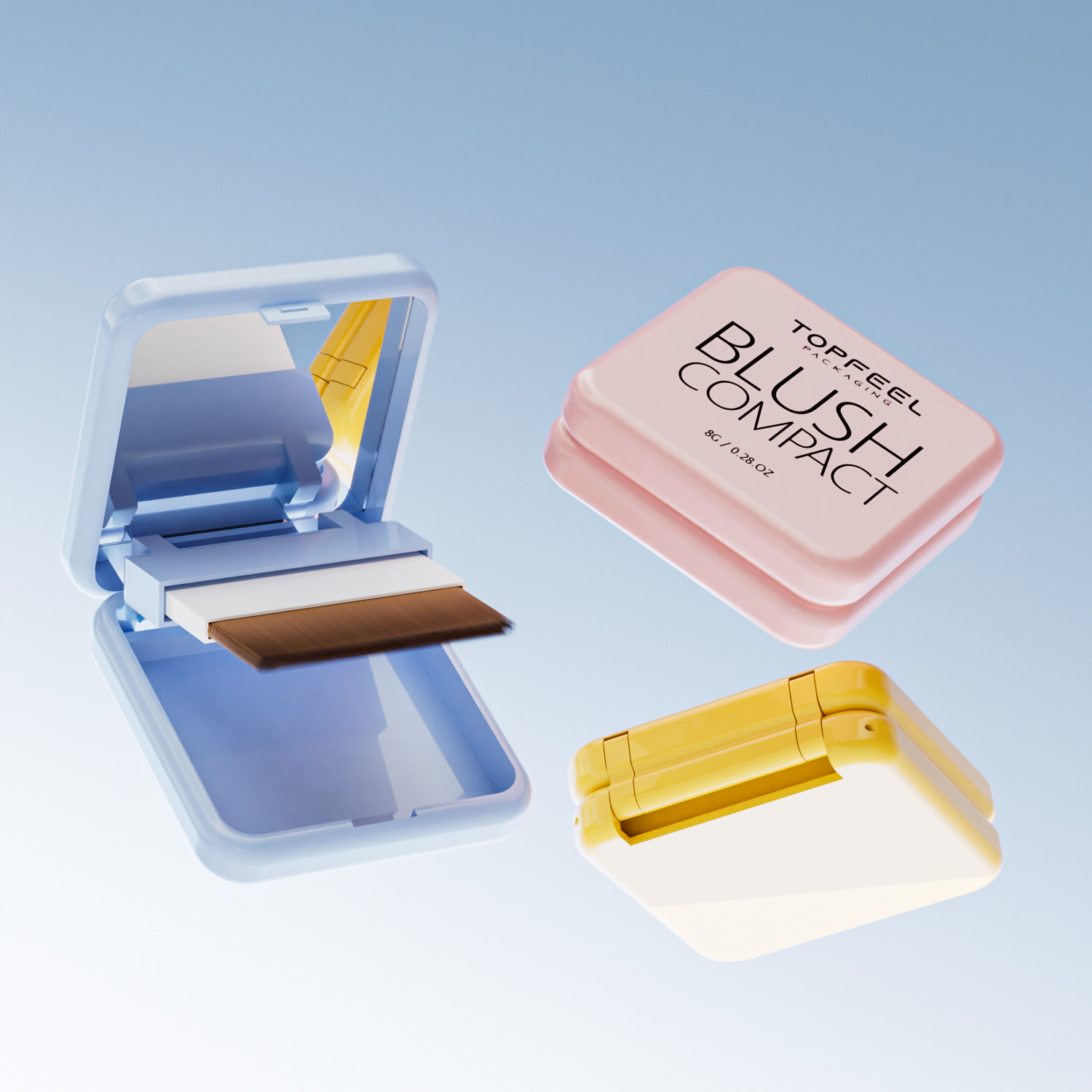
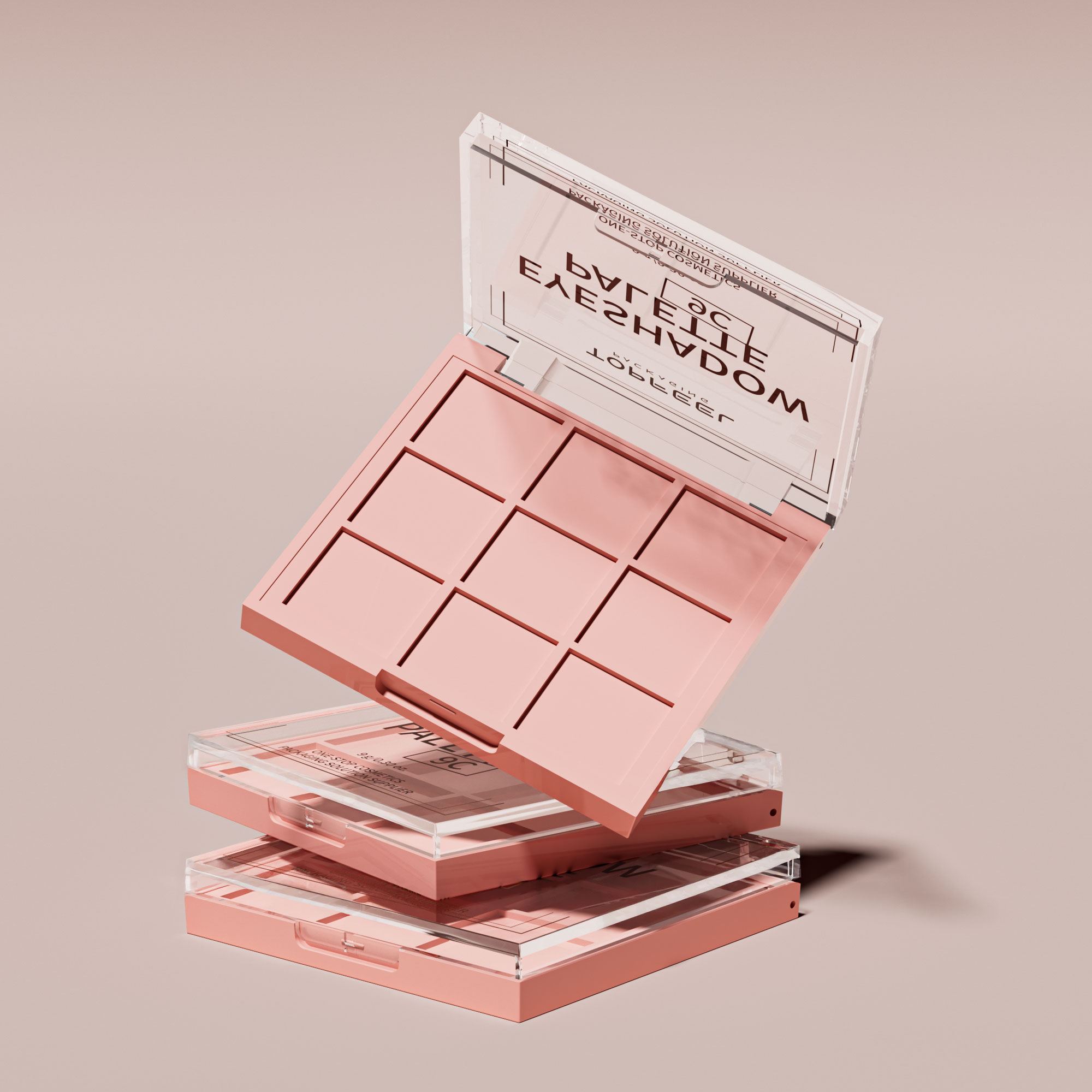
- Acrylic compacts with a Glossy surface feel sleek in hand.
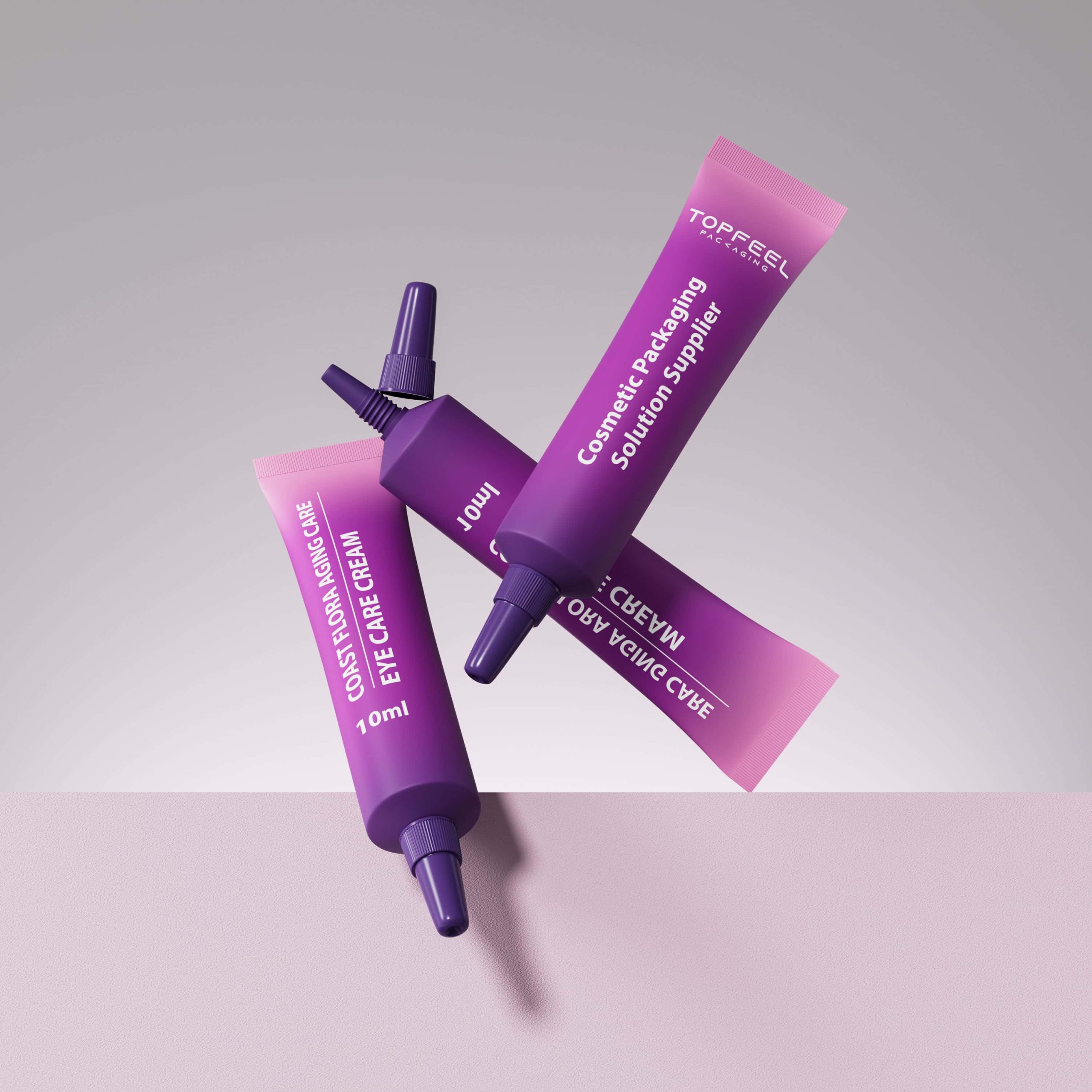
- Aluminum tubes suggest strength and protection.
- Bamboo or Paperboard palettes hint at natural values.
Weight, texture, and even the click of a Snap-On compact or the twist of a Screw Cap quietly define trust. Add a Mirror, Brush, or smooth Applicator, and the experience feels complete rather than cheap.
How do surface finishes and decoration methods elevate brand image?
A finish changes emotion instantly.
- Matte or Soft-Touch jars create a calm, skin-like feel.
- Metallic accents through Hot Stamping add drama on a tube or bottle.
- Screen Printing keeps logos crisp on palettes and compacts.
- Offset Printing carries detailed color stories across paperboard boxes.
A subtle Embossing or Debossing detail on a compact lid invites touch. When decoration aligns with material—Glossy on Acrylic, Frosted on Glass—the brand feels intentional, not accidental.
Which sustainability features in product packaging details attract buyers today?
Sustainability now influences purchasing decisions at scale.
- Refillable glass jars reduce repeat waste.
- PCR (Post-Consumer Recycled) plastic bottles show visible responsibility.
- Biodegradable bamboo cases appeal to eco-focused lines.
- Mono-material tubes simplify recycling streams.
- Compostable paperboard outer boxes lower disposal guilt.
Confusion between Recyclable and Biodegradable materials can damage credibility. Clear claims, simple structures, and thoughtful material pairing protect both image and contracts.
How do closures and dispensing systems impact user experience?
A beautiful bottle fails if it leaks. Product packaging details must perform under pressure.
Consider the match between format and mechanism:
- Airless Pump → precise dosing for serums in Glass or Plastic bottles.
- Flip-Top → quick access for shower gels in Tubes.
- Dispenser Pump → controlled flow for lotions.
- Roll-On → smooth glide with secure sealing.
Inside, small components matter: a tight Liner, stable Insert, or clean Sifter prevents mess. When the pump delivers the same dose every time, trust builds quietly—one press at a time.
References
- NielsenIQ – nielseniq.com / NielsenIQ
- McKinsey – mckinsey.com / McKinsey & Company
- McKinsey’s 2024 Global Packaging Survey – mckinsey.com / McKinsey & Company
- Recycled PET – napcor.com / NAPCOR
- FSC-certified – fsc.org / Forest Stewardship Council
- greenwashing – ftc.gov / Federal Trade Commission
- consumer consciousness – weforum.org / World Economic Forum
- recyclable materials – epa.gov / Environmental Protection Agency
- biodegradable materials – bpiworld.org / Biodegradable Products Institute
- environmental impact – unep.org / UN Environment Programme
- Printing specifications – printing.org / PRINTING United Alliance
- Delta E – xrite.com / X-Rite
- PCR (Post-Consumer Recycled) – https://www.google.com/search?q=aprecycling.com / Association of Plastic Recyclers

