 English
  Español de México
  Français
  Deutsch
  Português do Brasil
  Italiano
  한국어
한국어  ไทย
ไทย  Русский
  日本語
日本語  Polski
  Svenska
  Türkçe

A Pro Guide to Choosing the Right Makeup Tube for Your Brand
August 20,2026
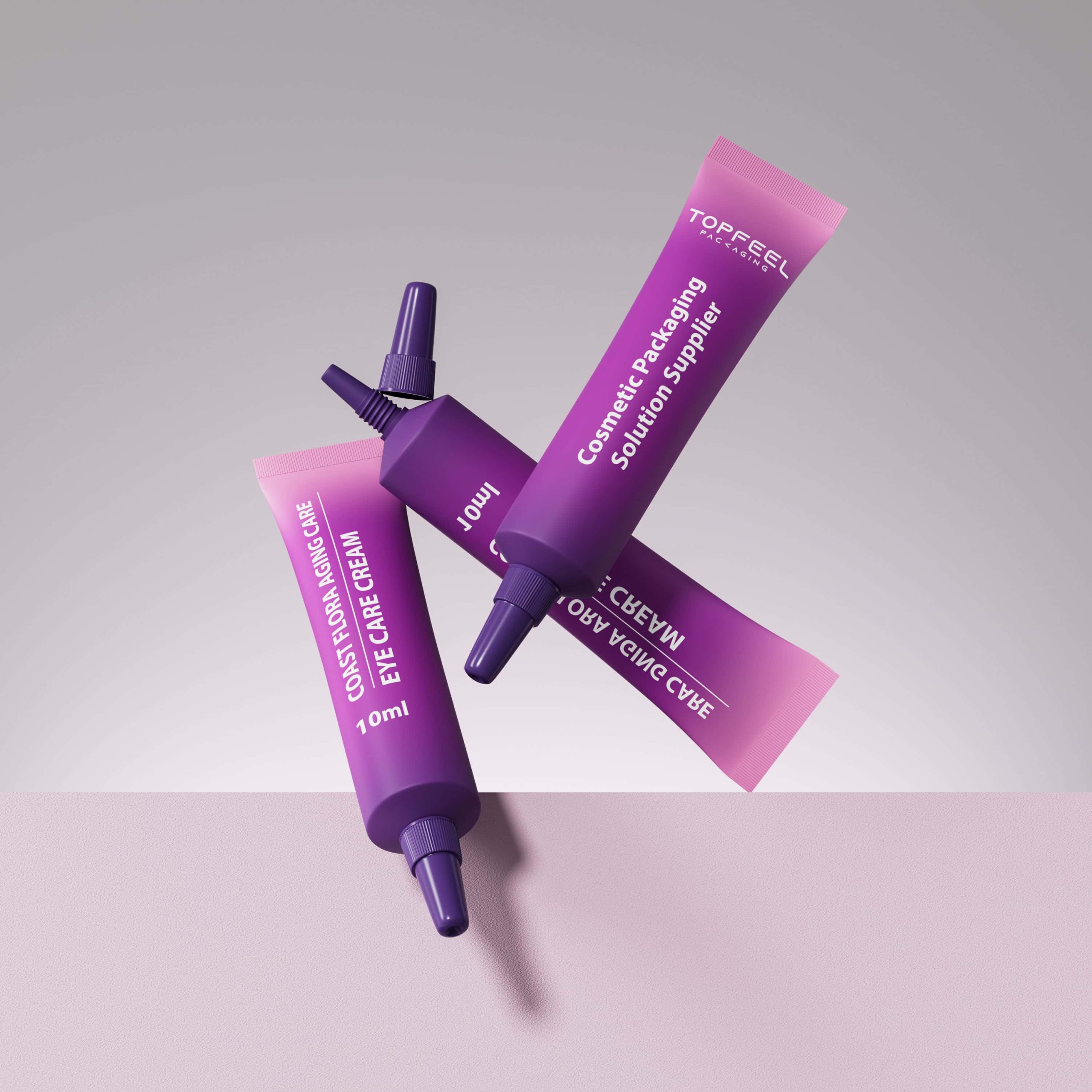
A makeup tube can look perfect and still create problems at scale. Formula compatibility, dispensing, closures, and decoration must work together to reduce leaks, poor handling, and delays.
Smart sourcing treats the package as one system. This guide covers specifications, testing, costs, and logistics.
Quick Notes on Makeup Tube Mastery
➔ Define your system: align shoulder style, tube diameter, and closure for reliable compatibility.
➔ Match orifice size to formula viscosity for controlled dispensing.
➔ Choose surface treatments—soft-touch varnish or matte finish—to support grip and brand position.
➔ Incorporate barrier layers according to formula sensitivity.
➔ Plan tooling and batch checks early to reduce revisions.
 5 Unexpected Factors That Make Your Makeup Tube Stand Out
 5 Unexpected Factors That Make Your Makeup Tube Stand Out
A great package balances profile, decoration, dispensing, barriers, and production feasibility. Topfeel Makeup’s integrated development workflow helps brands turn these decisions into practical beauty packaging.
Unique Shoulder Style for Premium Shelf Appeal
A custom shoulder design gives an extruded tube a recognizable profile.
- Shape affects visual aesthetics and shelf impact.
- Matching the shoulder with caps or needle tips keeps the package visually balanced.
- A controlled luxury finish can support clear product differentiation in crowded cosmetic packaging displays.
Custom Mold Tooling Cuts Down Production Lead Time
Good mold design establishes dimensions, fit, and component alignment. A controlled tooling process supports prototype development, while accurate injection molding improves manufacturing efficiency. Early fit checks can prevent late changes; a beauty packaging guide provides additional design context.
Soft Touch Varnish Enhances Grip and Perception
A soft-touch surface treatment adds a velvety tactile sensation.
- Its matte finish creates a low-shine appearance.
- Better ergonomic grip can make a squeezable package easier to handle.
- The protective coating also shapes the sensory experience and overall consumer perception.
Optimized Orifice Size for Effortless Dispensing
Orifice design is small but consequential. Matching aperture size with product viscosity supports better flow control and more consistent dosage accuracy.
- Check the formula thickness.
- Tune the dispensing mechanism.
- Test real-world squeezing and pump integration for a smoother user experience.
Moisture Barrier Lining for Extended Formula Freshness
Inside the makeup tube, barrier technology should reflect the formula.
- An EVOH layer can improve formula protection against gas transmission.
- Reduced moisture transfer can support product integrity.
- Better light and oxygen barriers may support oxidation prevention.
🧩 Align every detail: Shoulder geometry, surface feel, dispensing, barrier choice, and tooling should be evaluated together. Topfeel Makeup’s integrated mold-development workflow includes structural design and 3D prototyping, helping teams identify fit and usability issues before committing to production.
🔎 Review the face makeup packaging range and foundation nozzle format to compare which structural direction best fits your formula and application method.
 Industry Data: 62% of Brands Choose Eco Makeup Tubes
 Industry Data: 62% of Brands Choose Eco Makeup Tubes
Eco choices in beauty go beyond a green label. Brands must balance material origin, appearance, compatibility, and repeatable production. Protection, sourcing records, and end-of-life pathways all matter.
Rise of Post-Consumer Recycled Plastic in Beauty Packaging
PCR plastic uses material recovered after consumer or business use, matching the EPA definition of post-consumer content, and may reduce virgin-resin demand.
- Material goals
- Recycled resin supports plastic waste reduction and a more circular economy approach.
- As a sustainable material, it can support an eco-friendly strategy.
- Product fit
- For cosmetic packaging for small business, brands still need packaging compatibility checks.
- Wall thickness, appearance, and local collection options also count; recycled content alone does not make every package recyclable.
Consumer Preference for Matte Finish Eco Tubes
A matte finish gives eco tubes a low-shine look. The tactile experience also depends on coating, material, and geometry, so review the surface texture on a representative sample.
For packaging design, that creates practical choices:
- Match the finish to brand visual aesthetics rather than treating matte as proof of sustainability.
- Test printing, scuff resistance, and handling on the actual material.
- Review samples under intended lighting so colors remain acceptable.
Ensuring Batch Consistency in Sustainable Supply Chains
Recycled feedstock can vary, so stable output needs defined checks and a suitable design-for-recyclability guide.
- Batch consistency
- Set approved color and texture ranges.
- Define measurable manufacturing tolerances.
- Sustainable supply chain
- Keep material traceability records for resin sources.
- Verify polymer compliance with material-specific recycling criteria, such as the RecyClass guidelines for PP containers and tubes.
- Quality control
- Approve samples before full production.
- Compare later runs with master standards.
- Document production standards for consistent orders.
Types of Makeup Tube Materials
 Types of Makeup Tube Materials
Picking a material depends on protection, squeeze feel, decoration, cost, and environmental goals. Plastics, laminates, and recycled resins solve different problems, so test the complete package.
Polyethylene: Cost-Effective and Flexible Choice
Polyethylene is a go-to choice because grade and construction can adjust squeeze feel.
- Material options:
- LDPE provides good squeezeability and a comfortable soft touch.
- HDPE adds firmness where more rigid cosmetic containers are preferred.
- Commercial benefits:
- Lower manufacturing cost can suit larger runs.
- Good packaging flexibility supports creams and primers.
Polypropylene: Stiffer Resin for Durability
PP resin brings structural rigidity to closures and molded components. Its chemical resistance still needs evaluation with the formula and assembly.
Caps benefit from cap compatibility and impact strength, while processing affects thermal stability and the final glossy finish.
Aluminum Barrier Laminate: Superior Protection
For a makeup tube holding sensitive ingredients:
- Protection:
- ABL combines aluminum with polymer layers; aluminum foil provides a barrier to light, oxygen, and moisture.
- UV protection can shield light-sensitive active ingredients.
- Presentation and care:
- Effective product preservation requires formula validation.
- A metallic look can add visual emphasis.
- pharmaceutical grade specifications should be defined and documented when required.
Plastic Resin Composites: Lightweight Innovation
Composite makeup tube designs use multi-layer extrusion to combine advanced polymers and barrier properties. This can support material reduction while retaining dispensing flexibility.
Topfeel Makeup can tune layers around an ergonomic design, weight targets, and eco-friendly design goals. A tube lip gloss guide shows why application and formula needs matter alongside resin.
Post-Consumer Recycled Plastic: Green Credentials
PCR can turn used plastic into new packaging.
- Sustainability priorities:
- PCR content supports a circular economy approach.
- recycled polymers may reduce reliance on virgin resin.
- Brand considerations:
- Verify color, purity, and batch consistency.
- Credible eco-certification can support sustainability claims.
♻️ Compare material trade-offs: Weigh polyethylene squeeze feel, aluminum-laminate barriers, and PCR consistency against the formula brief. Explore Topfeel Makeup’s lip packaging options to choose formats for sampling.
4 Cost Factors in Tube Production
 4 Cost Factors in Tube Production
Pricing a makeup tube goes beyond size. Material, decoration, dispensing, and shipping can change the quote. Define these four drivers early.
Raw Material Type Determines Base Price
- Material choice sets the starting cost of a makeup tube.
- Polyethylene and Polypropylene are practical Plastic Resin options.
- Aluminum Barrier Lamination adds layers and processing steps.
- Post-Consumer Recycled content and Biodegradable Polymer options may change sourcing requirements.
Surface Treatment Expenses: Hot Stamping vs. Silk Screen
A plain makeup tube requires fewer decoration steps, while premium details add processes.
- Foil Stamping creates a reflective Metallic Finish for logos or accents.
- Screen Printing applies color directly and requires suitable Ink Adhesion.
- Added UV Coating or Embossing increases processing complexity.
More colors, coverage, and complex artwork can increase costs.
Component Selection: Pump Nozzle vs. Flip-Top Cap
- Each Dispensing Mechanism changes function, assembly, and price.
- A pump uses a Dispenser Head and often a Valve System.
- More parts require compatibility and assembly checks.
- A flip-top Closure Style keeps the Cap Design simpler.
- An Orifice Reducer can control flow without a full pump.
- A pump uses a Dispenser Head and often a Valve System.
For a makeup tube, that difference matters at scale.
Logistics Requirement Impact on Carton Dimensions
- Start with tube diameter, capacity, and closure profile.
- These determine Packaging Density inside the Master Carton.
- Match the carton to the Shipping Container and select a transport test procedure that reflects the distribution risk.
- Better Space Utilization supports an efficient Pallet Configuration.
- Check total Freight Volume.
A bulky makeup tube or insert may increase carton count and landed cost. A wholesale lip gloss tube guide helps frame pricing questions.
💰 Control tube production cost: Follow the package from material specification through decoration and closure assembly into shipping, then submit one cost brief.
📋 The typical MOQ at Topfeel Makeup is 10,000 to 20,000 pieces depending on complexity. The lip gloss category and wholesale guide help define quantity and market requirements.
Plastic vs. Aluminum Tubes
 Plastic vs. Aluminum Tubes
Choosing a makeup tube comes down to protection, handling, appearance, and cost. Plastic and aluminum solve different problems, so decide through compatibility and use testing.
Plastic Tubes
Plastic offers flexibility in squeeze feel, graphics, and closures. A tube lip gloss guide helps brands consider formula and dispensing together.
- Material and protection
- LDPE gives a package soft Squeeze flexibility.
- HDPE is firmer and may suit stronger tube walls.
- Added UV protection can reduce light exposure when the full structure is properly specified.
- Brand and user experience
- A Glossy finish creates a polished surface.
- Custom printing places colors, logos, and product information directly on the package.
- Different Cap options can support flip-top, screw-cap, or other dispensing needs.
That flexibility helps brands balance cost, appearance, and convenience.
Aluminum Tubes
An aluminum makeup tube prioritizes barriers and develops folds as it is squeezed. That appearance becomes part of the user experience.
- Protection
- The Metal barrier limits transmission of light, oxygen, and moisture.
- A Hermetic seal limits outside exposure before opening.
- This supports Airless protection when closure and filling are suitable.
- Construction and style
- A Lacquer lining separates the formula from bare aluminum.
- The Collapsible design remains compressed after squeezing, limiting air return.
- Natural creasing creates a recognizable Vintage aesthetic for pharmacy-inspired or minimalist designs.
- End-of-life planning
- Aluminum offers potential Recyclability, although collection and processing differ by market and package construction.
Topfeel Makeup can help brands weigh these traits against compatibility, filling, and user experience.
Leaking Issues? Try These Tube Seal Solutions
 Leaking Issues? Try These Tube Seal Solutions
A leaking makeup tube can cause returns and damaged cartons. Seal performance depends on the body, closure, liner, formula, filling, and transport working together.
Enhance Seal Integrity with Advanced Leakage Tests
For a makeup tube, testing should reflect stresses finished packs may face.
- Seal checks
- A vacuum decay method can detect pressure changes without introducing a test liquid, as described by ASTM F2338.
- Pressure decay testing can reveal escape paths when it is selected for an appropriate container, according to this leak-testing method overview.
- Performance review
- Measure seal strength around seams and shoulders.
- Add appropriate micro-leak detection to routine quality control when small leaks could compromise the formula.
Together, these checks provide a clearer view of packaging integrity before production and complement broader packaging performance testing for functionality, compatibility, and transport resistance.
Boost Cap Torque Resistance to Prevent Drips
Cap performance comes down to fit and controlled force; over-tightening can be as troublesome as a loose closure.
- Set application torque for the chosen cap design.
- Confirm full thread engagement without thread damage using a controlled closure evaluation such as ASTM D2063.
- Measure strip torque to establish the upper limit.
- Check real-use details.
- Inspect the dispensing nozzle for residue that could encourage drips.
- Verify closure security and tamper evidence after transport simulation.
Topfeel Makeup can match closure checks to practical designs; its wholesale tube guide helps frame supplier questions.
Select Chemical-Compatible Liners for Tough Formulas
A liner has to remain compatible with the product; a final-pack compatibility study can reveal interactions such as swelling, softening, discoloration, or adhesion loss.
- For formula contact:
- Review active ingredients and required solvent resistance.
- Test for product degradation across the planned shelf life.
- For barrier needs:
- Aluminum barrier laminate offers strong barrier properties for demanding formulas.
- Plastic barrier laminate can suit products needing flexible, multi-layer protection.
Topfeel Makeup evaluates liner choices with formula exposure where practical, supporting formulation stability and package performance.
🛡️ Catch leakage risks early: Validate seal integrity, cap torque, and liner compatibility together.
🧪 Topfeel Makeup’s documented quality process includes leakage testing, then submit one filled-pack testing brief. The leak-resistant lip tint format and precision-tip option routes organize formula, fill-volume, dispensing, and transport details for compatibility and leakage planning.
References
- Recycling Basics and Benefits
- How Do I Recycle Common Recyclables
- Design for Recycling Guidelines for Plastic Packaging
- Foil and Packaging
- ISTA Test Procedures
- ASTM F2338 Vacuum Decay Method
- Leak Testing Methods
- Performance Testing for Cosmetics and Hygiene
- ASTM D2063 Closure Torque Retention
- Cosmetic Stability Testing
- Cosmetics Packaging Testing

