 English
  Español de México
  Français
  Deutsch
  Português do Brasil
  Italiano
  한국어
한국어  ไทย
ไทย  Русский
  日本語
日本語  Polski
  Svenska
  Türkçe

Best Custom Skincare Packaging Solutions for Brands
March 30,2026
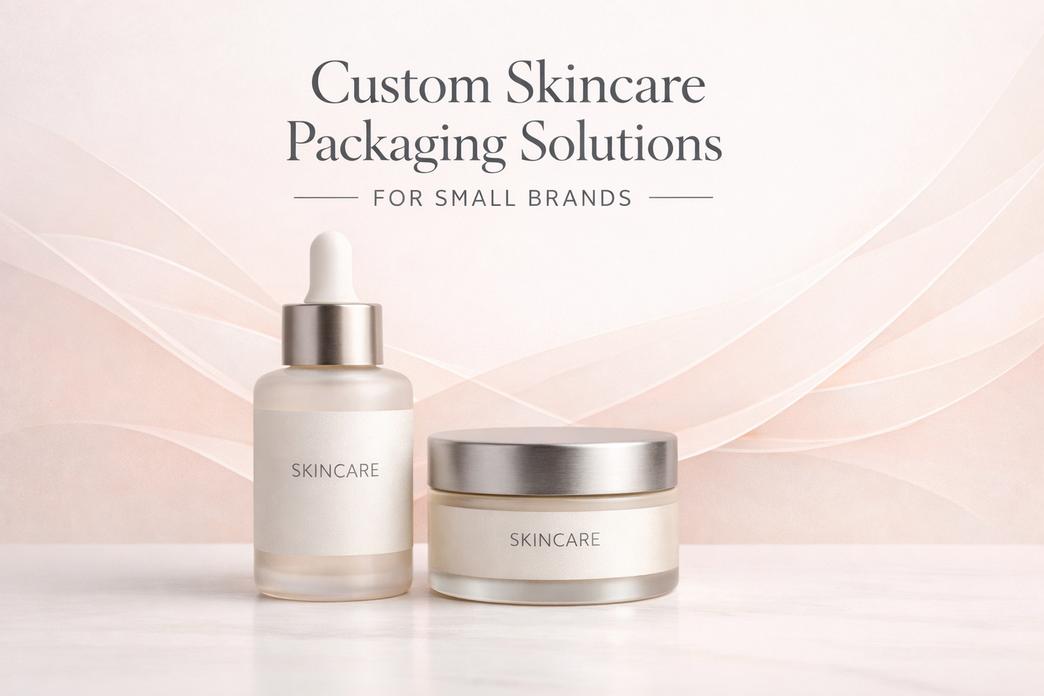
Custom Skincare Packaging represents the cornerstone of successful brand identity for emerging beauty companies. Today’s competitive landscape demands packaging solutions that combine aesthetic appeal, functional excellence, and sustainable practices. Skincare brands need partners who understand their unique challenges: limited budgets, tight timelines, and the necessity for standout designs. The most effective custom packaging solutions offer flexibility in minimum order quantities, rapid prototyping capabilities, and compliance with international safety standards. These solutions enable brands to compete with established players while maintaining their authentic brand voice and values.
Why Custom Skincare Packaging Matters for Beauty Brands?
Brands, Big Challenges in a Crowded Market
Today’s beauty sector presents unique challenges for skincare companies. At first glance, emerging firms use packaging to promote their values and excellence. Unlike established corporations with massive marketing resources. Personalised skincare product containers silently represent the company’s skill and attention to detail, which buyers connect with luxury goods.
The 72% Tipping Point
Research shows that 72% of people buy based only on packaging appearance. This is especially crucial for smaller enterprises starting out on Amazon or particular e-commerce websites since clients only interact with their purchases after they make them. Custom cosmetic packaging may turn ordinary formulae into brand experiences that encourage people to buy more and promote them on social media.
Packaging as the New Sales Pitch
Due to the beauty industry’s trend toward thoughtful shopping, smaller companies may now differentiate themselves with innovative packaging. Environmentally aware consumers that actively seek items that align with their values may prefer eco-friendly beauty packaging. Smaller companies may leverage on this trend by partnering with producers of PCR plastics, biodegradable factors, and refillable systems.
Selection Criteria for Optimal Custom Packaging Solutions
Evaluating Custom Skincare Packaging suppliers requires careful consideration of multiple factors that directly impact brand success and customer satisfaction. Our analysis focuses on five critical criteria that brands must prioritize when selecting packaging partners.
Quality and Compliance Standards
Material Quality and conformance are the most critical aspects of outstanding packaging. International standards including EU REACH, FDA, and Cal Proposition 65 must be met by suppliers. Premium materials prevent contamination, keep items safe, and maintain their efficacy.
Customization and Design Capabilities
Personalization skills determine how effectively organizations can package their ideas. Top vendors develop molds, bottle shapes, and finish processes include gradient coating, zinc plating, and hot stamping. These qualities allow companies create distinctive packaging in crowded marketplaces.
Supply Chain and Production Support
Production Emerging brands with variable order quantities and tight launch dates require flexibility. Suppliers with minimal minimum order numbers and reasonable prices are ideal. Rapid 7-15-day prototype services allow market-responsive product development cycles. Availability of goods and launch timelines are guaranteed by delivery reliability. Suppliers must provide on-time shipment as well as quality control records that reduce mass manufacturing defects. Regular deliveries maintain brand reputation and client pleasure. Technical Aid and Documentation support the whole partnership. Professionals supply COA reports, MSDS documentation, safety test results, and technical assistance.
Premium Airless Packaging Systems
Advanced Vacuum Technology Solutions
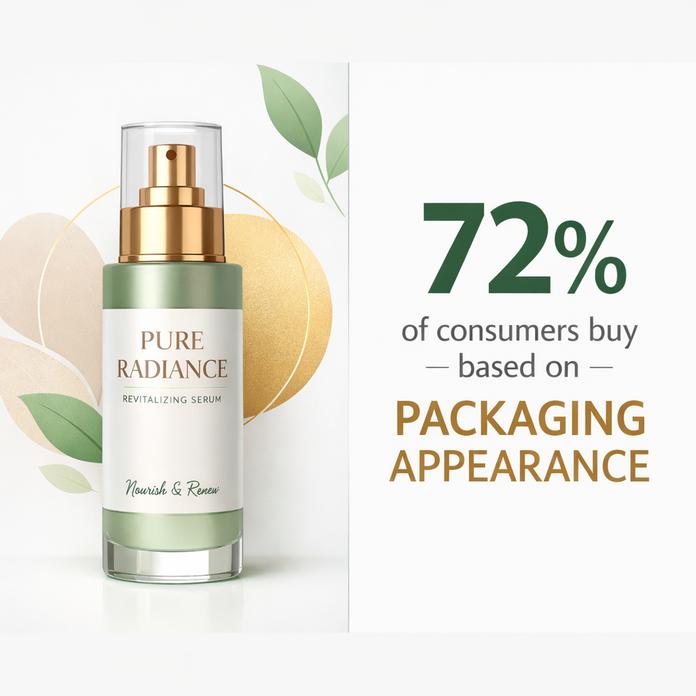
Airless packaging is the best way to preserve delicate skincare products. These advanced systems use vacuum mechanisms to distribute products without air, prolonging shelf life and active ingredient potency. Airless skincare jars prevent oxidation, contamination, and deterioration of pricey products. Modern airless systems feature precision dispensing mechanisms that deliver consistent product amounts with each pump. This functionality proves particularly valuable for serums and treatments containing active ingredients like retinol, vitamin C, and peptides that degrade rapidly when exposed to air. By incorporating such technologies into Custom Skincare Packaging, brands can ensure both ingredient integrity and a premium user experience. The controlled dispensing also educates consumers about proper usage amounts, extending product lifespan and enhancing value perception. Advanced airless bottles have novel designs that suit different tastes. Sleek cylinder shapes complement minimalist logos, while curved curves emphasize luxury. Soft-touch paints, metallic finishes, and unique color matching let businesses match their identity visually. Advanced airless bottles feature unique styles for diverse tastes. Smooth cylinders match simple logos, while curving curves add elegance. Soft-touch coatings, metallic finishes, and custom color matching help firms match their image. Environmental concerns have pushed airless packaging sustainability advancements. Leading manufacturers provide PCR-based airless systems that reduce environmental impact without sacrificing performance. Refillable airless designs embrace circular economy concepts and save companies and customers money over time.
Dropper Bottle Excellence
Custom moisturizing bottles with precision droppers provide unequaled measured skincare accuracy. Professional droppers with regulated dispensing mechanisms provide consistent drop quantities for high-active substances or specific usage regimes. Superior dropper assemblies feature borosilicate glass tubes for smooth, regulated distribution and chemical resistance. Inert glass eliminates unwanted tastes and odors from lower-quality materials. Premium rubber bulbs last and hold suction. The dropper tanks may be customised beyond labels and color. Companies may modify pipette lengths for pharmaceutical access, bulb hardness for target populations, and cap designs for container aesthetics. Marketers may create unified product lines with consistent user experiences across formulations with these complete adaptations.
Sustainable Jar Collections
Sustainable cosmetic containers are becoming more popular among eco-conscious manufacturers. Modern eco jar collections use recycled materials, compostable components, and creative design to reduce environmental effect throughout the product lifespan. Refillable skincare packaging systems represent the evolution of sustainability thinking in beauty packaging. These systems feature durable outer containers designed for extended use, paired with recyclable inner cartridges that contain actual products. This approach dramatically reduces packaging waste while providing brands with opportunities to build long-term customer relationships through refill programs, particularly when integrated into Custom Skincare Packaging strategies that align with brand identity and consumer expectations. Biodegradable skincare packaging utilizes plant-based materials that decompose naturally without leaving harmful residues. These materials maintain excellent barrier properties and aesthetic appeal while supporting brands’ sustainability messaging. Consumer education about proper disposal methods enhances the environmental benefits and strengthens brand-consumer connections.
Understanding Global Market Characteristics and Regulations
Firms face complex international skincare packaging restrictions. Understanding regional preferences, compliance standards, and cultural issues helps companies build packaging that appeals to diverse customers and follows rules.
Regional Regulatory Frameworks
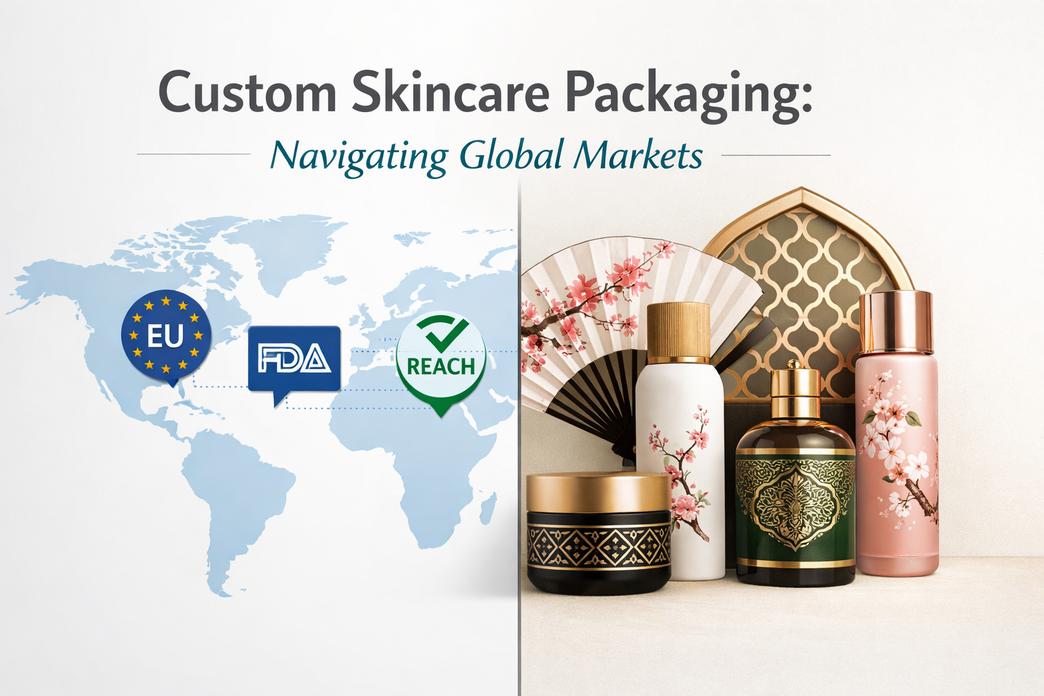
EU test and material restrictions promote consumer and environmental safety. Cosmetic packaging materials must undergo comprehensive chemical certification and risk assessments under REACH. Enterprises targeting EU markets must ensure packaging makers submit REACH compliance paperwork and regulatory monitoring. US FDA regulations prioritize product safety, label accuracy, and production quality. Cosmetic box is less regulated that pharmaceutical containers, yet FDA compliance ensures consumer and manufacturer safety. Quality control certifications, biocompatibility testing, and MSDSs are appropriate documentation.
Market-Specific Consumer Expectations
Asian consumers value high aesthetics and innovative functionality. Japanese customers want accurate dispensing methods and exquisite appearance, whereas Chinese markets seek ecological packaging. Understanding regional tastes helps small firms create packaging that meets local customer expectations.
Cultural Adaptation and Growth Strategy
Skincare companies may thrive in the region of Southeast Asia Latin America, and Africa. These markets have less competition and expanding middle-class populations demanding luxury beauty goods. Importation regulations, local manufacturing preferences, along with cost sensitivity demand careful packaging strategy adaption. Cultural color preferences and design symbolism vary significantly across global markets. Red packaging conveys luxury and prosperity in Chinese markets but may suggest danger or warning in Western contexts. Understanding these cultural nuances prevents costly marketing mistakes and enables brands to develop Custom Skincare Packaging that resonates positively across target demographics.
Professional Purchasing Recommendations and Considerations
Strategic Partnership and Design Support
Skincare firms should favor suppliers that provide extensive design consultancy services as well as production skills. The finest collaborations go beyond just manufacturing and include customer insights, regulatory counsel, and continuing technical support. These value-added services are especially helpful for fledgling firms that lack considerable packaging experience.
Operational and Quality Assurance Considerations
Minimum order quantity discussions need a careful balance of cost effectiveness and inventory management. While bigger orders often have lower per-unit costs, small firms must avoid overinvestment on untested items or designs. Seek for providers that have tiered rates that promote development while tolerating initial cautious purchase sizes. Incoming material inspection, ongoing process surveillance, and final product confirmation should all be part of any quality control program. Request extensive quality control documentation, such as statistical procedure oversight data, defect tracking information, and corrective action methods. Reputable suppliers provide clear quality measurements and encourage client facility audits.Long-term development and patent protection
Long-Term Growth and Intellectual Property Protection
Intellectual property protection becomes critical when developing unique packaging designs or proprietary features. Ensure supplier agreements include comprehensive confidentiality clauses, design ownership specifications, and competitive restriction terms. Document all design communications and maintain detailed records of creative development processes. Long-term relationship planning should include scalability needs, technological roadmaps, and market growth support. The ideal supplier displays the capacity to support brand expansion from initial quantities to set up market presence. This includes assistance with global growth, cooperation on new product creation, and the incorporation of newer technologies. Topfeelpack shows professional partnership values by taking a complete approach to client connections. Their experience in airless packaging equipment, along with sustainable material alternatives and quick customisation capabilities, gives small firms the technical basis they need to succeed in the market.
Conclusion
The skincare packaging industry continues evolving toward increased sustainability, technological integration, and personalized consumer experiences, with Custom Skincare Packaging playing a key role in meeting brand-specific needs. Smart packaging incorporating QR codes, NFC chips, and temperature indicators provides brands with enhanced consumer engagement opportunities while delivering valuable usage data. Sustainability developments like algae-based plastics, fungus packaging, and plastic from the sea recovery initiatives provide environmentally aware firms new differentiating options. While promoting real environmental branding, these materials increasingly equal standard packaging performance. Personalized skincare formulas increase need for adaptable packaging that accommodates different product viscosities and drug combinations. Modular packaging technologies let firms retain visual consistency across product portfolios while maximizing functionality for individual formulas.
FAQ
1. What minimum order quantities should brands expect for custom packaging?
Most reputable suppliers accommodate minimum orders between 1,000-5,000 units for standard customizations like color matching and basic labeling. Complex customizations requiring mold development typically require 10,000-20,000 units to justify tooling costs. However, some suppliers offer mold-sharing programs that reduce minimum requirements for similar designs.
2. How long does custom packaging development typically take?
Standard customizations including color matching, labeling, and basic surface treatments require 2-3 weeks for sampling and 4-6 weeks for production. Complex projects involving mold development, specialized coatings, or innovative dispensing mechanisms may require 8-12 weeks total development time. Proper planning accommodates these timelines while maintaining launch schedule integrity.
3. What regulatory documentation should brands request from suppliers?
Comprehensive documentation packages should include material certificates of analysis (COA), FDA compliance statements, EU REACH registration numbers, biocompatibility test results, and quality system certifications. Additionally, request MSDS sheets for all materials and components, along with detailed specifications for barrier properties, chemical resistance, and performance parameters.
Partner with Topfeelpack for Superior Custom Skincare Packaging Solutions
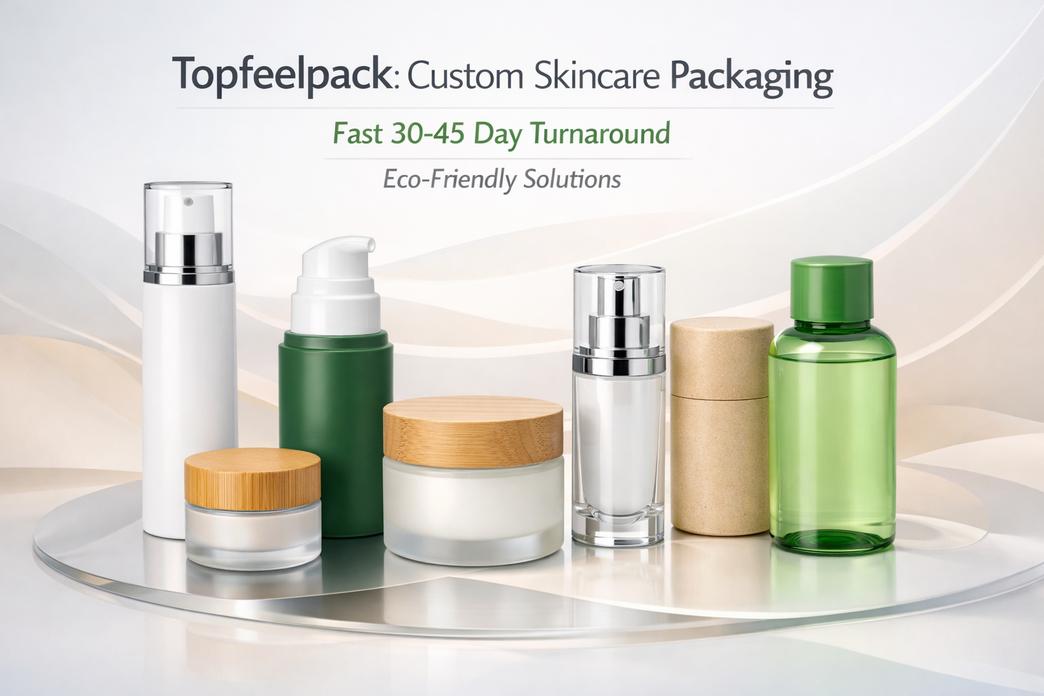
Topfeelpack stands as your dedicated Custom Skincare Packaging manufacturer, offering unparalleled expertise in airless bottle technology and sustainable packaging solutions. Our advanced facilities deliver custom designs within 30-45 days while maintaining competitive pricing and exceptional quality standards. We specialize in eco-friendly materials and innovative designs that help brands compete effectively in global markets. Contact our experienced team at [email protected] to discuss your specific requirements and discover how our customizable solutions can elevate your brand presence.
References
- Smith, J.A., & Williams, M.R. (2024). “Sustainable Packaging Innovation in the Global Beauty Industry.” Journal of Cosmetic Packaging Research, 15(3), 45-62.
- Chen, L., & Rodriguez, C. (2023). “Consumer Behavior and Packaging Design Impact in Skincare Markets.” International Beauty Marketing Review, 28(7), 112-128.
- Thompson, K.D., et al. (2024). “Regulatory Compliance Strategies for Small Cosmetic Brands.” Cosmetic Industry Regulatory Journal, 41(2), 78-94.
- Martinez, P., & Johnson, S. (2023). “Airless Packaging Technology: Performance Analysis and Market Trends.” Packaging Technology Quarterly, 19(4), 203-219.
- Lee, H.S., & Parker, A.J. (2024). “Sustainable Materials in Cosmetic Packaging: Environmental Impact Assessment.” Environmental Packaging Studies, 12(1), 34-51.
- Brown, R.M., & Davis, T.L. (2023). “Small Brand Marketing Strategies in the Global Beauty Industry.” Business Strategy in Cosmetics, 31(6), 156-174.
- Amazon – https://www.google.com/search?q=amazon.com/Amazon
- e-commerce websites – https://www.google.com/search?q=shopify.com/Shopify
- 72% of people buy based only on packaging appearance – https://www.google.com/search?q=ipsos.com/Ipsos
- EU REACH – echa.europa.eu/European Chemicals Agency
- FDA – fda.gov/U.S. Food and Drug Administration
- Cal Proposition 65 – oehha.ca.gov/OEHHA
- circular economy concepts – ellenmacarthurfoundation.org/Ellen MacArthur Foundation
- borosilicate glass – en.wikipedia.org/Wikipedia
- proper disposal methods – epa.gov/U.S. Environmental Protection Agency
- quality control certifications – iso.org/ISO
- Intellectual property protection – wipo.int/WIPO
- QR codes – https://www.google.com/search?q=qrcode.com/Denso Wave
- NFC chips – nfc-forum.org/NFC Forum
- algae-based plastics – unep.org/UNEP
- fungus packaging – en.wikipedia.org/Wikipedia

