 English
  English (UK)
  English (Australia)
  English (Canada)
  العربية
  Deutsch
  Italiano
  Español de México
  Tiếng Việt
  ไทย
ไทย  Português do Brasil
  Français
  Български
  Čeština
  Dansk
Dansk  Ελληνικά
  Eesti
Eesti  Suomi
Suomi  Magyar
  Bahasa Indonesia
  Lietuvių kalba
  Latviešu valoda
  Norsk bokmål
  Nederlands (Formeel)
  Polski
  Română
  Русский
  Slovenčina
  Slovenščina
  Svenska
  Türkçe
  Українська
  简体中文
简体中文  日本語
日本語  한국어
한국어  繁體中文
繁體中文 
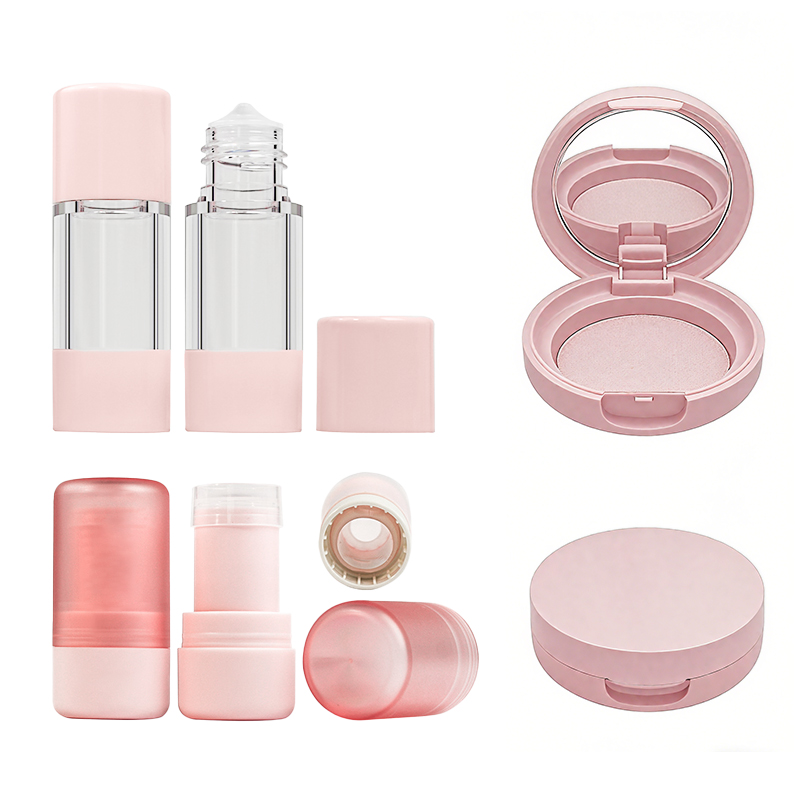
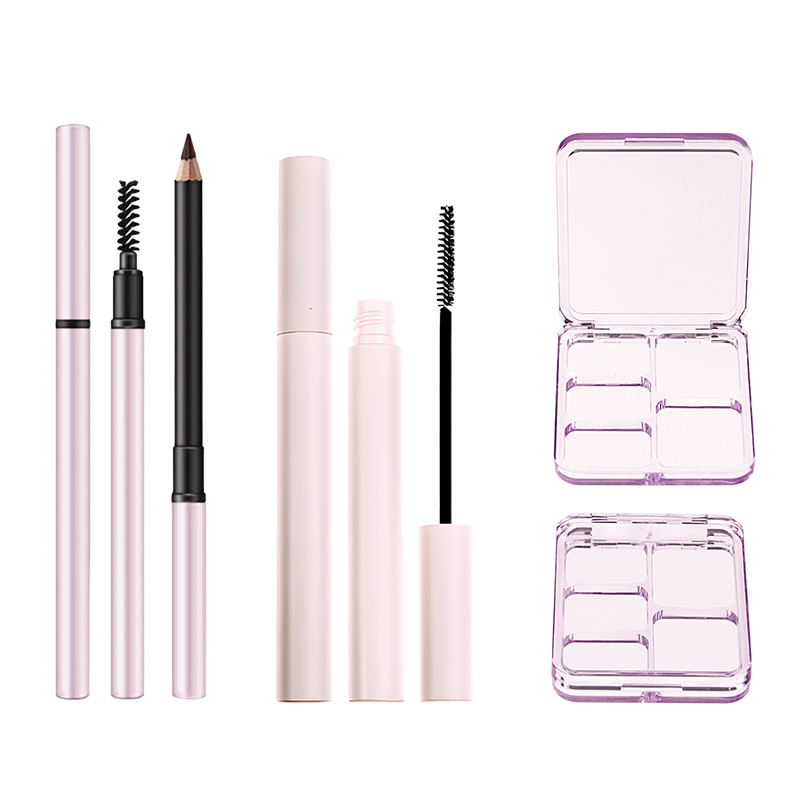
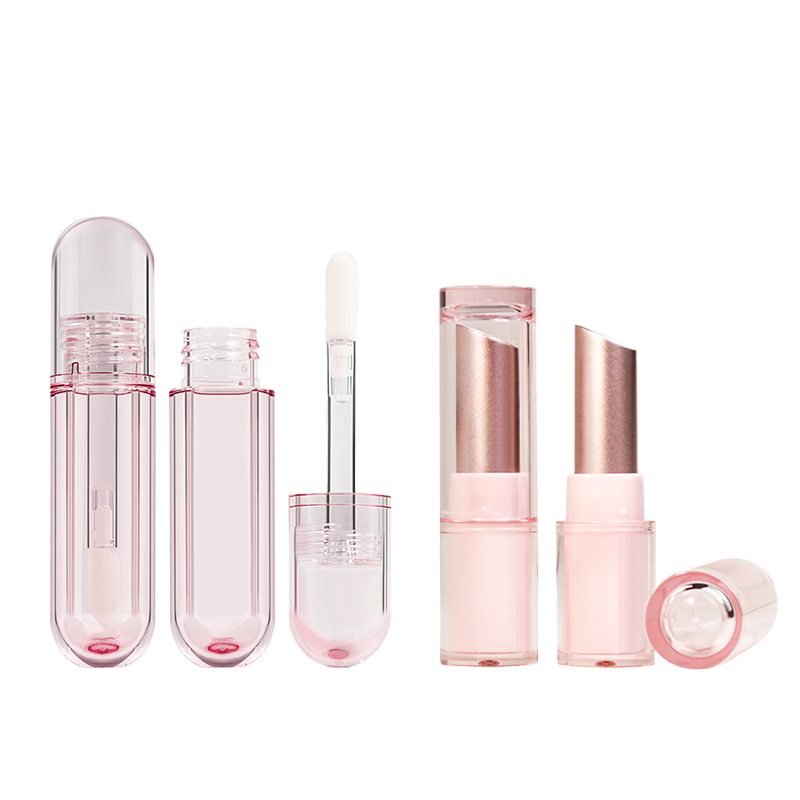

Why the Airless Pump Bottle Is the Best Packaging Choice for 2026
March 09,2026
The airless pump bottle isn’t just another pretty package on the shelf—it’s the bouncer guarding your formula from air, germs, and wasted product. In a market where customers flip bottles upside down to scrape the last drop, waste feels like money slipping through your fingers. Brands want sleek. Buyers want savings. Consumers want clean and green. One smart container checks all three boxes.
Grand View Research reports the global cosmetic packaging market is projected to grow steadily through 2030, fueled by demand for sustainable solutions. “Eco-friendly packaging is no longer optional,” notes McKinsey’s sustainability insights.
That’s the spark. Now let’s talk about why this pump is stealing the spotlight in 2026.
Chapter Cluster: Why Airless Pump Bottles Are The Future Of Sustainable Packaging
Airless pump bottle design is no longer just about sleek looks. It is about cutting waste, lowering impact, and keeping formulas fresh. From airless pump packaging to refill-ready airless containers, brands are rethinking every bottle, pump, and cap. A smart airless pump bottle today balances sustainability, cost, and real-world performance.
The Role of Recyclable Materials in Airless Pump Bottles
An airless pump bottle built for recycling starts with smart material choices. In many airless pump packaging systems, the outer bottle, pump housing, and base are aligned to support recyclable content and smoother material recovery.
Within a typical airless pump bottle structure:
- Outer bottle: often polypropylene or PETG for durability
- Inner piston system: designed to reduce contamination
- Pump head: optimized to limit mixed components
Under the hood, material strategy often follows a nested path:
-
Raw Material Selection
1.1 Use of PCR materials to lower virgin plastic demand
1.2 Integration of post-consumer resin to support the circular economy
-
Component Compatibility
2.1 Matching resin families to avoid recycling conflicts
2.2 Reducing additives that block recycled plastics streams
-
End-of-Life Planning
3.1 Clear labeling for sorting
3.2 Designing for easier disassembly
A cosmetic airless bottle made with high recyclable content keeps serum and lotion safe while reducing landfill pressure. The shift is real.
“Sustainable packaging is moving from optional to expected, with recyclable plastics leading beauty innovation,” noted McKinsey & Company in a 2025 packaging outlook.
For brands working with suppliers like Topfeelpack, the focus is simple: build an airless pump bottle that performs on the shelf and behaves responsibly after use.
Lightweight Design: How It Contributes to Sustainability
An airless pump bottle does not need thick walls to feel premium. Smart engineering trims excess while keeping strength. This is where material reduction meets design sense.
Inside lightweight airless pump packaging:
-
Structural Optimization
1.1 Reinforced ribs instead of heavier walls
1.2 Balanced base thickness for stability
-
Pump Efficiency
2.1 Precise dosage reduces product waste
2.2 Compact actuator lowers packaging weight
-
Logistics Impact
3.1 Lower energy consumption during molding
3.2 Better transportation efficiency per shipment
Less plastic means a reduced carbon footprint. Lighter airless containers also improve resource optimization, especially across 15ml to 120ml formats. A lighter airless pump bottle cuts freight emissions. It also saves on raw resin. Small tweaks. Big ripple effect.
Mono-material Design: Simplifying Recycling Processes
A mono-structure airless pump bottle keeps things clean in the recycling bin. Instead of mixing metal springs and different resins, designers move toward single material systems.
The logic flows like this:
-
Material Alignment
1.1 Pump, bottle, and cap made from compatible PP
1.2 Removal of metal parts for easier material separation
-
Recycling Stream Compatibility
2.1 Clear fit within existing recycling stream categories
2.2 Reduced contamination during sorting
-
Design for Recycling
3.1 Fewer inserts and coatings
3.2 Improved material homogeneity for waste reduction
A mono PP airless pump bottle may look simple, yet it carries strong design for recycling logic. Compared with multi-layer airless packaging, this setup slides more smoothly through recovery systems. Less confusion. Less rejection. More real recycling.
Sustainable Bottle Materials: PP, PETG, and More
Every airless pump bottle begins with resin choice. The material shapes clarity, strength, and environmental impact.
Material strategy often breaks down like this:
-
Core Plastics
1.1 Polypropylene for chemical resistance and recyclability
1.2 PETG for clarity and toughness
-
Advanced Options
2.1 Sustainable polymers blended with post-consumer resin
2.2 Exploration of bio-based plastics from renewable resources
-
Premium Additions
3.1 Glass outer shells paired with inner airless bottle systems
3.2 PMMA or AS for high-end finish and strong material properties
Each airless container balances aesthetics with environmental impact. A refillable airless pump bottle made from PP or PETG can protect foundation, cream, or essence without overcomplicating recycling. The result is practical sustainability. Not hype. Just smarter airless pump packaging built for what comes next.
Chapter Cluster: How Airless Pump Bottles Work: Design, Functionality, And Benefits
An airless pump bottle may look simple on the shelf, yet inside it runs a smart system built for clean, controlled product dispensing. From vacuum pump bottle mechanics to smooth push-down action, this airless packaging format keeps skincare fresh and easy to use every single day.
Understanding Vacuum Pump Mechanisms for Consistent Output
An airless pump bottle relies on a carefully balanced vacuum pump system that replaces traditional dip tubes with controlled internal pressure. At its core sits a piston mechanism or diaphragm plate.
-
Core Mechanical Elements
- Pressure System
- Creation of pressure differential when the actuator is pressed
- Upward movement of the internal base plate
- Dispensing Path
- Sealed channel for hygienic product dispensing
- No backflow of air into the container
-
Output Control Structure
- Actuation triggers internal vacuum formation
- The piston rises evenly
- Formula exits through calibrated nozzle
- Consistent dosage is delivered with each press
This is where airless technology stands out. Unlike a regular pump bottle that draws product upward through a straw, the airless system pushes content from the bottom up. The result is stable output control, which matters a lot for serums and foundation where too much product is just wasteful.
For brands working with Topfeelpack, calibration of stroke length and chamber volume ensures repeatable delivery across thousands of cycles. The airless container doesn’t just look neat; it works like clockwork.
The Role of Non-metal Contact Pumps in Product Preservation
Inside a premium airless pump bottle, material choice is not random. The shift toward non-metal components directly protects product integrity, especially for vitamin C creams and peptide essences.
-
Material Protection Logic
- Removal of exposed metal springs
- Isolation of formula from reactive parts
- Creation of a built-in contamination barrier
-
Preservation Framework
- Oxidation Control
- Reduced oxygen exposure through sealed chamber
- Stronger oxidation prevention performance
- Formula Stability
- Support for sensitive formulations
- Improved chemical stability over time
According to McKinsey’s 2024 Global Beauty Market update, packaging that improves preservation and hygiene is increasingly linked to repeat purchase behavior in skincare categories.
“Consumers are showing stronger preference for packaging formats that protect formula stability and reduce contamination risk,” noted McKinsey’s 2024 beauty industry analysis.
That insight explains the growing demand for airless packaging and vacuum pump bottle systems. By preventing air re-entry, the airless pump bottle acts like a quiet shield. Preservation is not just about shelf life; it’s about trust. Brands partnering with Topfeelpack often select fully plastic, non-metal pump structures to avoid corrosion and maintain long-term performance.
Smooth Actuation: How Airless Pumps Enhance User Experience
The feel of pressing an airless pump bottle matters more than people think. A harsh push can ruin the vibe of a luxury cream.
-
Actuation Engineering Layers
- Internal Spring or Diaphragm System
- Balanced actuation force
- Stable return speed
- External Design
- Ergonomic design for finger comfort
- No wobble during smooth dispensing
-
User Interaction Flow
- Finger applies light pressure
- Internal chamber compresses evenly
- Controlled product release occurs
- Pump head rebounds gently
That sequence creates reliable controlled delivery, which improves product accessibility down to the last drop. No shaking. No digging into jars.
Short press. Clean release. Done.
For daily skincare routines, this type of airless container boosts consumer satisfaction because it feels premium without being complicated. Topfeelpack fine-tunes spring tension and nozzle diameter to match lotion, primer, or foundation textures, so the airless pump system stays smooth from the first press to the final one.
In the end, an airless pump bottle isn’t just packaging. It’s a small mechanical system designed to protect formulas, manage output, and make everyday skincare feel effortless.
Chapter Cluster: Airless Pump Bottles Vs. Traditional Packaging: Why It’s Time For A Change
The beauty aisle is changing fast. Brands want packaging that protects formulas, cuts waste, and still looks sharp on the shelf. That’s where the airless pump bottle steps in. By rethinking how airless, pump, and bottle systems work together, cosmetic companies are moving away from old-school designs and toward smarter, cleaner solutions that simply make sense.
Airless Pump vs. Piston Pump: Which Is More Effective?
When comparing an airless pump bottle to a piston-based system, the difference starts at the core design.
-
Airless technology
- No dip tube, sealed chamber.
- Pushes product upward using vacuum pressure.
- Built for strong oxidation prevention and better product integrity.
-
Piston mechanism
- Uses a physical plate to push contents up.
- More moving parts.
- Higher chance of uneven output over time.
From a performance angle:
-
Dispensing efficiency
- Airless pump:
- 360-degree dispensing.
- Consistent dosage per press.
- Minimal residue left inside the bottle pump system.
- Piston pump:
- May struggle when tilted.
- Output can vary as product level drops.
-
Contamination control
- Airless vacuum design:
- Limits backflow of air.
- Reduces exposure to bacteria.
- Supports longer shelf life.
- Traditional piston:
- More air exchange.
- Higher contamination risk with repeated use.
-
Product experience
- Airless pump bottle:
- Smooth feel.
- Cleaner finish.
- Ideal for serums and active creams.
- Piston packaging:
- Acceptable for basic lotions.
- Less suited for sensitive formulas.
For brands working with antioxidants or natural extracts, that added layer of protection really matters. An airless cosmetic bottle keeps formulas stable and reduces waste. Topfeelpack designs each airless pump bottle to maximize output while protecting what’s inside, which is a big win for both labs and customers.
Glass vs. Recycled Content Plastic: Material Choices for Sustainability
Material choice shapes the story a brand tells.
-
- Strong visual appeal.
- High material durability.
- Fully recyclable in many regions.
-
Recycled plastic
- Lower carbon footprint during transport.
- Reduced resource consumption.
- Supports circular use of recycled plastic content.
Breaking it down further:
-
Environmental impact
- Glass:
- Energy-intensive production.
- Heavy weight increases shipping emissions.
- Recycled content plastic:
- Cuts virgin resin demand.
- Lighter, reducing freight emissions.
-
Recyclability and reuse
- Glass:
- Widely accepted in recycling streams.
- Refillable options for premium lines.
- PCR plastic:
- Dependent on local systems.
- Encourages closed-loop thinking.
-
Compatibility with airless systems
- Airless pump bottle in glass:
- Luxury positioning.
- Often paired with inner airless bottle cartridges.
- Airless pump bottle in recycled plastic:
- Lightweight.
- Practical for daily skincare.
- Lower overall environmental impact.
For brands balancing style and sustainability, it’s not a one-size-fits-all deal. Some go premium with glass packaging. Others choose recycled content plastic to hit carbon goals. Topfeelpack supports both paths, offering airless pump solutions that align with real-world sustainability targets while keeping performance tight and reliable.
Chapter Cluster: 4 Key Factors Driving Airless Pump Bottle Popularity
Airless pump bottle demand keeps rising because brands want safer formulas and buyers want zero waste. From serum to foundation, the airless pump bottle, airless pump, and pump bottle combo is changing how cosmetic packaging works in daily life.
Product Preservation: Why Airless Pumps Are Preferred for Cosmetics
An airless pump bottle protects creams and serums through a tightly sealed system designed around:
-
Oxygen Control
1.1 A sealed chamber limits air contact, improving oxidation prevention.
1.2 Reduced oxygen supports ingredient stability in vitamin C and retinol blends.
1.3 Stable actives maintain product integrity across months of use.
-
Hygiene Protection
2.1 No open-jar dipping means a stronger contamination barrier.
2.2 The airless packaging structure lowers microbial risk in sensitive cosmetic formulations.
-
Shelf Performance
3.1 Less exposure equals real shelf life extension.
3.2 The internal piston of the airless pump bottle rises smoothly, keeping formula isolated.
Below is a comparative performance table frequently referenced by packaging engineers evaluating an airless pump bottle versus a standard pump bottle:
| Packaging Type | Oxygen Exposure (%) | Bacterial Growth Risk | Formula Stability (Months) | Residual Waste (%) |
|---|---|---|---|---|
| Open Jar | 100 | High | 3–6 | 15–20 |
| Standard Pump Bottle | 40–60 | Medium | 6–9 | 8–12 |
| Tube Packaging | 35–50 | Medium | 6–8 | 10–15 |
| Airless Pump Bottle | <10 | Low | 12–18 | <5 |
| Vacuum Bottle System | <8 | Low | 15–20 | <3 |
For brands like Topfeelpack, this data guides material and structure design so every airless pump bottle supports long-term formula safety.
Dosage Control: Precision in Dispensing with Airless Pumps
Precision matters. An airless pump bottle improves accurate dispensing through:
- Fixed output per stroke
- Stable internal pressure
- Smooth piston lift
This design supports controlled portions, helping brands reduce returns caused by messy pumps.
-
Application Logic
- One press = consistent dose.
- Consistency improves application efficiency.
- Predictable output refines user experience.
-
Brand Value Impact
2.1 Lower waste reduction rates.
2.2 Clear tracking of product usage for 30ml and 50ml skincare lines.
Consumers notice when a pump bottle dispenses too much. An airless pump doesn’t play that game.
360-Degree Dispensing: Versatility and Convenience for Consumers
The beauty of an airless pump bottle lies in all-angle function:
-
Structural Advantage
1.1 No dip tube allows all-angle dispensing.
1.2 Works in upright dispensing and inverted dispensing positions.
-
Practical Benefits
2.1 Enhanced residual product access near empty.
2.2 Better complete evacuation, cutting leftover waste.
-
Market Appeal
3.1 Improved consumer convenience during travel.
3.2 Stronger packaging versatility across lotion and cream lines.
An airless container simply keeps pushing product upward. Nothing fancy. Just smart mechanics.
Custom Volume Bottles: Tailoring Airless Pump Bottles to Customer Needs
Customization drives growth in the airless pump bottle market.
-
Volume Flexibility
1.1 15ml travel size for targeted serums.
1.2 30ml–50ml daily skincare range.
1.3 80ml–120ml for body or clinic use.
These customizable volumes support real market segmentation.
-
Visual Differentiation
2.1 Silk screen printing
2.2 UV metallization
2.3 Matte or gloss finishes
Strong packaging customization reflects evolving consumer preferences.
-
Portfolio Strategy
3.1 Expands product line diversity.
3.2 Offers flexible packaging solutions for indie and global brands alike.
Topfeelpack develops each airless pump bottle around brand identity and filling compatibility, helping cosmetic labels stand out without overcomplicating production.
Chapter Cluster: Studies Show Airless Pump Bottles Reduce Product Waste By 40%
Brands are under pressure to cut waste, and the airless pump bottle keeps popping up as a smart fix. From skincare labs to makeup counters, this airless bottle design helps formulas last longer and stay clean. Let’s break down how an airless pump system actually saves product—and why brands like Topfeelpack are leaning into it.
How Airless Pump Bottles Minimize Waste with No Dip Tube Design
An airless pump bottle works differently from a traditional pump bottle. The key lies in the dip tube absence, replaced by airless technology that pushes product upward with a piston.
-
Core structural shift
- No long straw sitting in leftover cream
- Internal platform rises as product is used
- Reduced product residue clinging to container walls
-
Performance advantages
- Higher evacuation rate, meaning more formula gets used
- Improved packaging efficiency across the product lifecycle
- Stronger contamination prevention since outside air stays out
-
Practical impact for brands
- Less returned stock due to spoilage
- Better consistency across batches
- Lower overall material waste per unit
With a standard pump packaging system, leftover lotion often hides at the bottom. An airless pump system keeps pushing until nearly everything is dispensed. That’s real savings, not just marketing talk. Topfeelpack designs each airless pump bottle to optimize internal fit, so brands squeeze value out of every gram.
The Impact of Consistent Output on Reducing Waste
Waste doesn’t only happen at the bottom of the bottle. It happens every morning at the mirror.
Here’s how an airless pump bottle changes daily use:
- Precise dosing supports application accuracy, so users don’t over-pump.
- Controlled dispensing protects formula integrity, especially for active skincare.
- Smooth output improves user experience, extending overall product lifespan.
- Less accidental overuse
- Fewer messy spills
- Noticeable waste reduction over time
A 2024 McKinsey beauty packaging insight noted that consumers increasingly favor packaging that “extends usable product life while improving dosing precision.” That shift explains why airless packaging keeps gaining traction.
When a cosmetic airless pump delivers the same amount every press, routines become predictable. That predictability adds up. Over months, it means fewer reorders and less discarded product. Topfeelpack fine-tunes actuator systems so each airless pump bottle feels consistent from first press to last.
PCR Content: How Sustainable Materials Contribute to Less Waste
Material choice matters just as much as structure. A smart airless pump bottle built with post-consumer recycled resin tackles waste on another level.
-
Material sourcing
- Use of recycled plastic reduces virgin resin demand
- Focus on material sustainability in PP components
-
Environmental outcomes
- Lower overall carbon footprint
- Reduced environmental impact during production
- Stronger alignment with circular economy goals
-
Long-term value chain effects
- Supports resource conservation
- Encourages refill-compatible airless bottle programs
- Strengthens brand credibility in sustainable packaging
By combining airless technology with PCR materials, brands cut product waste and plastic waste at the same time. That dual benefit makes the modern airless pump solution more than a trend—it’s a smarter way forward.
Chapter Cluster: Frustrated With Product Waste? Airless Pump Bottles Minimize Waste
A half-used lotion sitting in a regular bottle is honestly annoying. Product clings to the wall, pumps sputter, and money goes straight to the trash. An airless pump bottle changes that story. By rethinking airflow, piston movement, and pump control, this packaging style keeps formulas usable, fresh, and efficient.
How Airless Pump Bottles Help Minimize Product Residue
An airless pump bottle relies on airless technology that removes the need for a dip tube. Instead of suction from the bottom, a sealed evacuation system pushes product upward through an internal piston.
This shift in packaging design affects residue in several layers:
-
Core Mechanical Structure
1.1 Sealed chamber
- No air intake during dispensing
- Reduced oxidation
1.2 Rising internal piston
- Physically lifts product
- Leaves minimal product residue on inner walls
-
Formula Protection
2.1 Limited oxygen exposure supports product integrity
2.2 Lower contamination risk helps extend shelf life
2.3 Consistent output improves user trust
-
Residue Reduction Performance
3.1 Traditional bottle: product gathers at corners
3.2 Standard pump bottle: dip tube misses final 5–10%
3.3 Airless pump bottle: evacuation rate often exceeds 95%
With a cosmetic airless bottle, lotion, primer, or serum is pushed out steadily. No shaking. No digging with a cotton swab. Just clean, upward motion. The airless packaging system keeps the formula moving until it’s practically gone.
Up-locking Pumps: Maximizing Dispensing Efficiency
An airless pump bottle often includes an up-locking mechanism built into the pump design. That small twist makes a big difference.
Here’s how it plays out:
- Prevents accidental pressing in bags
- Supports leak prevention during shipping
- Keeps product flow controlled
- Improves overall dispensing efficiency
For travel-friendly 15ml or 30ml sizes, this matters even more.
- Twist to lock.
- Pump stays raised and sealed.
- Formula remains secure.
No random spills. No sticky caps.
The user experience feels tighter and cleaner. A locked airless cosmetic bottle keeps dosage accurate, which means fewer wasted drops. When the pump is unlocked, pressure remains balanced inside the airless container, maintaining consistent output from the first press to the last.
Brands working with manufacturers like Topfeelpack often choose this structure because customers expect portability without mess. An airless pump bottle that locks properly protects both formula and reputation.
Reducing Material Usage with Airless Pump Bottles
Sustainability is no longer optional. An airless pump bottle can support material reduction without sacrificing durability.
This happens in layers:
-
Structural Design
1.1 Mono-material PP supports recycled content streams
1.2 Lightweight walls enable lightweighting
1.3 Refillable inserts promote resource conservation
-
Environmental Impact
2.1 Lower plastic weight reduces carbon footprint
2.2 Fewer leftover formulas decrease disposal waste
2.3 Durable shells extend product lifecycle
Below is a simplified comparison of packaging formats:
| Packaging Type | Avg. Material Weight (g) | Evacuation Rate (%) | Residual Waste (%) |
|---|---|---|---|
| Standard pump bottle | 28 | 88 | 12 |
| Glass jar + inner lid | 45 | 82 | 18 |
| Airless pump bottle | 22 | 95–98 | 2–5 |
An airless bottle made with eco-friendly design principles reduces both leftover formula and excess plastic. That’s practical sustainable packaging in action.
From rising pistons to refill cartridges, the airless packaging system isn’t just about fancy mechanics. It cuts waste at the formula level and at the material level. And that double win is hard to ignore.
FAQs about Airless Pump Bottle
Why are cosmetic brands upgrading to airless pump bottle packaging?
An airless pump bottle protects formulas at the moment they matter most—daily use.
- ▸ Product Preservation: A vacuum pump with no dip tube design limits oxygen exposure, helping Serum, Cream, Essence, and Foundation stay stable longer.
- ▸ Consistent Output: Controlled dosage improves user trust and reduces waste.
- ▸ Premium Look & Feel: PETG, PMMA, or Glass (for outer shell) elevate shelf appeal.
- ▸ Decoration Freedom: Silk Screen Printing, Hot Stamping, UV Metallization, Frosted Finish, and Custom Color Matching align packaging with brand identity.
The result is packaging that protects performance while strengthening consumer confidence.
How does the pump mechanism inside an airless pump bottle work?
Inside, pressure—not gravity—does the work.
- A Piston Pump or Diaphragm Pump rises gradually as product is dispensed.
- A Vacuum Pump system keeps internal pressure stable for smooth actuation.
- Options like Non-metal Contact Pump protect active ingredients in Primer or Lotion.
- An Up-locking Pump prevents leakage during travel or shipping.
Each press delivers measured dosage control and 360-degree dispensing, even when the bottle is tilted.
Which materials and capacities are ideal for different product lines?
Choosing materials shapes both function and brand story.
- PP (Polypropylene): Durable, recyclable, ideal for mono-material design.
- AS (Acrylonitrile Styrene): Clear and lightweight.
- PETG: High transparency with strong chemical resistance.
- Recycled Content Plastic / PCR (Post-Consumer Recycled) Content: Supports sustainability goals.
Common sizes include 15ml, 30ml, 50ml, 100ml, and 120ml, with custom volume options for specialty Serum or travel-sized Foundation lines.
How does an airless pump bottle support sustainability goals?
Sustainability becomes visible in structure and material choice.
| Sustainability Feature | Practical Impact |
|---|---|
| Recyclable Materials (PP, PETG) | Easier processing after use |
| Mono-material Design | Simplifies sorting, improves recovery rate |
| Lightweight Design | Lower transport emissions |
| Reduced Material Usage | Less plastic per unit |
| Refillable Systems | Extends packaging lifecycle |
Combined with nearly complete evacuation from piston or diaphragm systems, less product is left behind—less waste, more value per bottle.
References
[Cosmetic Packaging Market Size | Industry Report, 2030 – https://www.grandviewresearch.com/industry-analysis/cosmetic-packaging-market]
[Do US consumers care about sustainable packaging in 2025? – https://www.mckinsey.com/industries/packaging-and-paper/our-insights/do-us-consumers-care-about-sustainable-packaging-in-2025]
[Sustainable packaging: 2025 global consumer views – McKinsey – https://www.mckinsey.com/industries/packaging-and-paper/our-insights/sustainability-in-packaging-2025-inside-the-minds-of-global-consumers]
[The beauty industry boom: Can growth be maintained? | McKinsey – https://www.mckinsey.com/industries/consumer-packaged-goods/our-insights/the-beauty-boom-and-beyond-can-the-industry-maintain-its-growth]

