 English
  Español de México
  Français
  Deutsch
  Português do Brasil
  Italiano
  한국어
한국어  ไทย
ไทย  Русский
  日本語
日本語  Polski
  Svenska
  Türkçe

5 Key Factors When Ordering a Custom Cosmetic Tubes Mold
July 17,2026
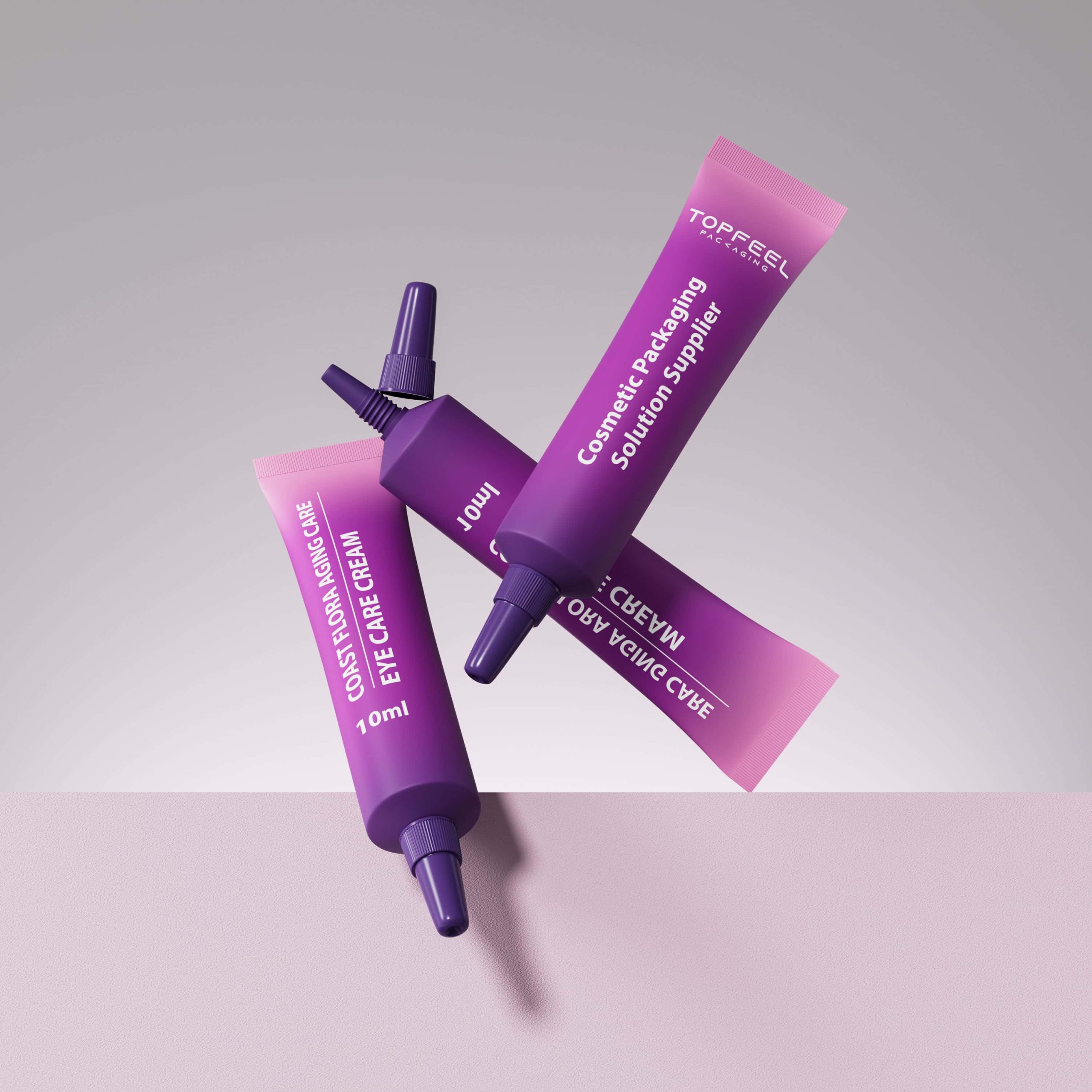
A shaky custom cosmetic tubes mold can wreck a launch, plain and simple, causing leaks, delays, and costly rework for nobody’s budgets.
Recent packaging market reports from Smithers and Grand View Research point to rising demand for precision tube tooling tied to sustainability standards and high-volume consistency expectations.
Choose right, or pay for it.
Reading Notes: Custom Cosmetic Tubes Mold Essentials
- Choose high-hardness steel to secure consistent PE/PP wall thickness, smooth flow, and precise sealing.
- Opt for EVOH-compatible designs and temperature control to preserve barrier properties for sensitive formulations.
- Invest in wear-resistant molds when using PCR or sugarcane materials to prevent abrasion and costly downtime.
- Balance multi-cavity output with single-cavity precision for optimal co-extrusion layer alignment.
- Factor in tooling lead time to align mold delivery with market launch schedules.
Why Does Mold Material Matter in Tube Production?
Getting a custom cosmetic tubes mold right isn’t just factory talk—it shapes how your tube looks, feels, and performs every day. From material flow to barrier strength, the mold decides consistency, durability, and vibe. If you’re tweaking a cosmetic tube mold or scaling production, these details quietly run the show.
How steel hardness shapes PE and PP tube profiles
When building a custom cosmetic tubes mold , steel choice sets the tone. For example, PlasticsEurope emphasizes that the specific grade of tool steel directly impacts the polymer extrusion stability during high-pressure cycles.
-
Core effect:
- Harder mold surfaces (such as S136 or H13 steel heat-treated to 48-52 HRC) keep the tube profile sharp
- Stable polyethylene and polypropylene flow reduces warping
-
Geometry control
1.1 Maintain cavity precision
1.2 Keep orifice alignment clean
-
Output consistency
2.1 Even wall thickness
2.2 Smooth sealing edges
A softer material might cut easier, sure, but it wears fast. That means inconsistent tubes over time—never a good look for brand quality when designing a high-end cosmetic tube .
Ensuring barrier properties with an EVOH-compatible mold
For a custom cosmetic tubes mold , barrier property control matters big time. Utilizing ScienceDirect research on multi-layer polymer designs indicates that Ethylene Vinyl Alcohol (EVOH) requires exact temperature management during co-extrusion to achieve an Oxygen Transmission Rate (OTR) below 0.1 cc/m²/day.
-
Key alignment:
- EVOH layer must sit evenly inside the structure
- Co-extrusion temperature needs tight tuning
-
Compatibility chain
1.1 Match mold thermal behavior
1.2 Protect material integrity
-
Barrier outcome
2.1 Reduce oxygen ingress
2.2 Extend product shelf life
“Barrier packaging demand continues rising with sensitive formulations, especially in cosmetics and personal care,” noted Smithers market insights, 2025.
Mold wear resistance for PCR and sugarcane-based tubes
Using recycled or bio-based inputs in a custom cosmetic tubes mold changes the game. According to material standards set by the Association of Plastic Recyclers, post-consumer resins (PCR) contain microscopic particulate contaminants that increase mold gate abrasion by up to 30% compared to virgin resins.
-
Wear factors:
- Abrasive PCR particles
- Variable sugarcane -based blends (which require processing temperatures up to 210°C as outlined by European Bioplastics)
-
Resistance strategy
1.1 Upgrade mold wear resistance coatings (like Chromium Nitride or Diamond-Like Carbon)
1.2 Reinforce gates and runners
-
Production stability
2.1 Reduce defects
2.2 Extend tooling lifespan
Topfeelmakeup focuses on durable mold material choices to keep eco-friendly tubes consistent without slowing production. This expertise is optimized to create a perfect lip gloss tube or squeeze-bottle container.
Co-extrusion mold design: Multi-cavity vs single-cavity
Choosing between layouts in a custom cosmetic tubes mold impacts speed and precision. Industry guidelines from the British Plastics Federation highlight that balancing multi-cavity runners is essential to ensure uniform wall distribution across all outputs.
-
⚙ Multi-cavity:
- Higher production efficiency
- Best for large runs
-
Single-cavity:
- Better co-extrusion mold design control
- Cleaner layer alignment
-
Decision path
1.1 High volume → multi-cavity
1.2 Complex layers → single-cavity
-
Tooling balance
2.1 Output vs. accuracy
2.2 Cost vs. Performance
Topfeelmakeup often blends both approaches depending on product complexity, keeping tooling flexible to manufacture a reliable mascara tube or liquid foundation package without sacrificing tube quality.
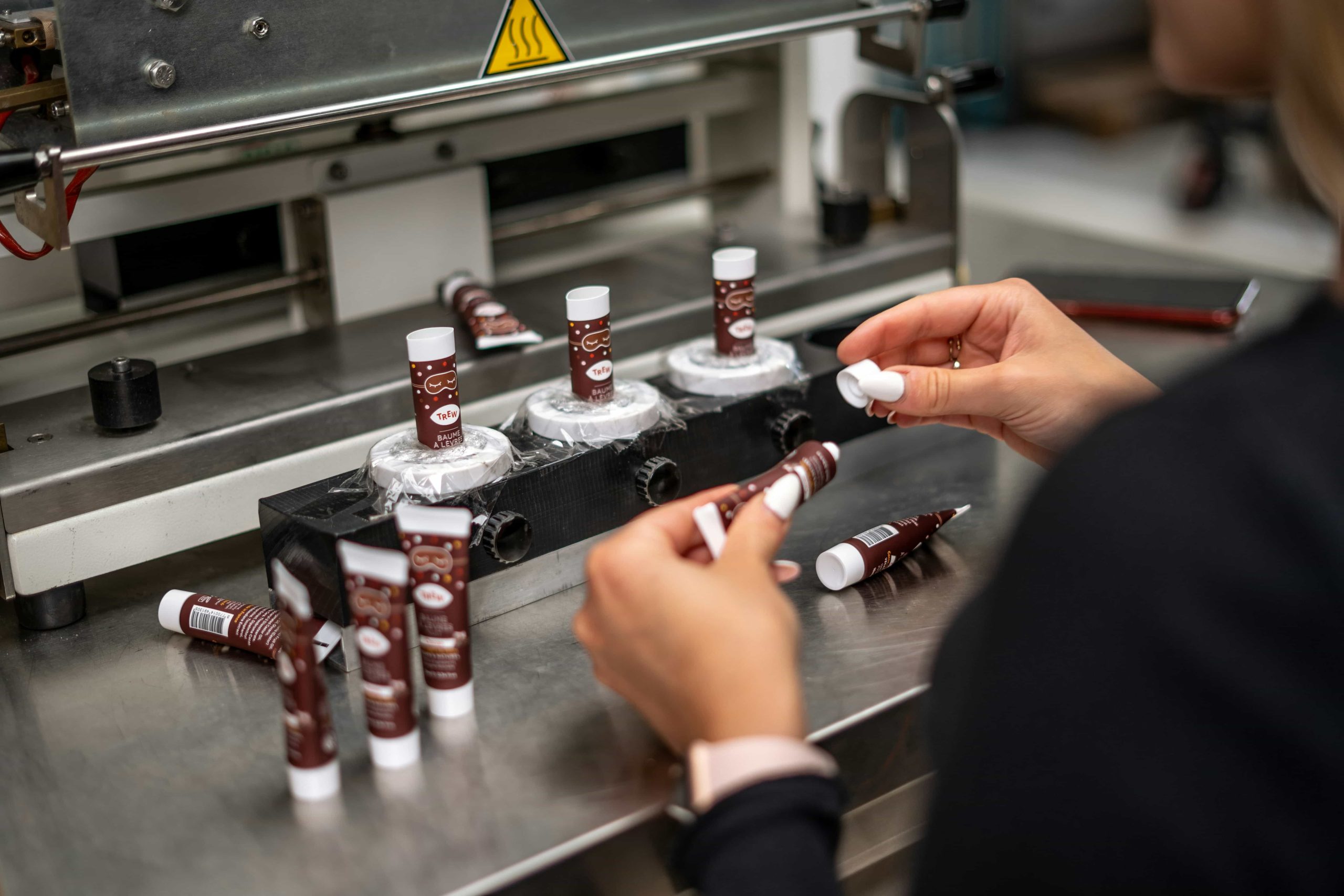 5 Factors in Choosing Tube Mold Vendors
Picking the right partner for custom cosmetic tubes mold work isn’t just about price—it’s about how well they handle design quirks, materials, and production scale without cutting corners. A good vendor keeps your cosmetic tube mold consistent, clean, and ready for real-world use. Here’s how to spot one without overthinking it.
Factor 1: Tooling & prototyping capabilities
When dealing with custom cosmetic tubes mold , early-stage precision matters more than people expect.
-
Core capabilities to check:
- mold design
- precision tooling
- prototype development
- Concept → mold engineering draft
- Iteration → rapid prototyping cycles (Topfeelmakeup supports 3-day 3D prototyping)
- Validation → sample production testing
A vendor that tightens this loop saves weeks. Short runs should feel quick, not chaotic.
Material expertise across PE, PP, and laminated tubes
Material choice shapes everything from squeeze feel to shelf life, as noted in a recent McKinsey packaging study showing that 75% of beauty consumers prioritize sustainable, well-engineered materials.
-
Key material handling layers:
- polyethylene softness tuning
- polypropylene rigidity balance, ensuring compatibility with components like a powder compact
- laminated tubes barrier control
• Selection isn’t random
• plastic resins behave differently under heat
• Skilled adjust teams flow, not just specs
“Packaging material innovation remains a key driver of product differentiation and durability in cosmetics,” noted a 2025 McKinsey packaging insights update.
Robust decoration options: UV coating to hot stamping
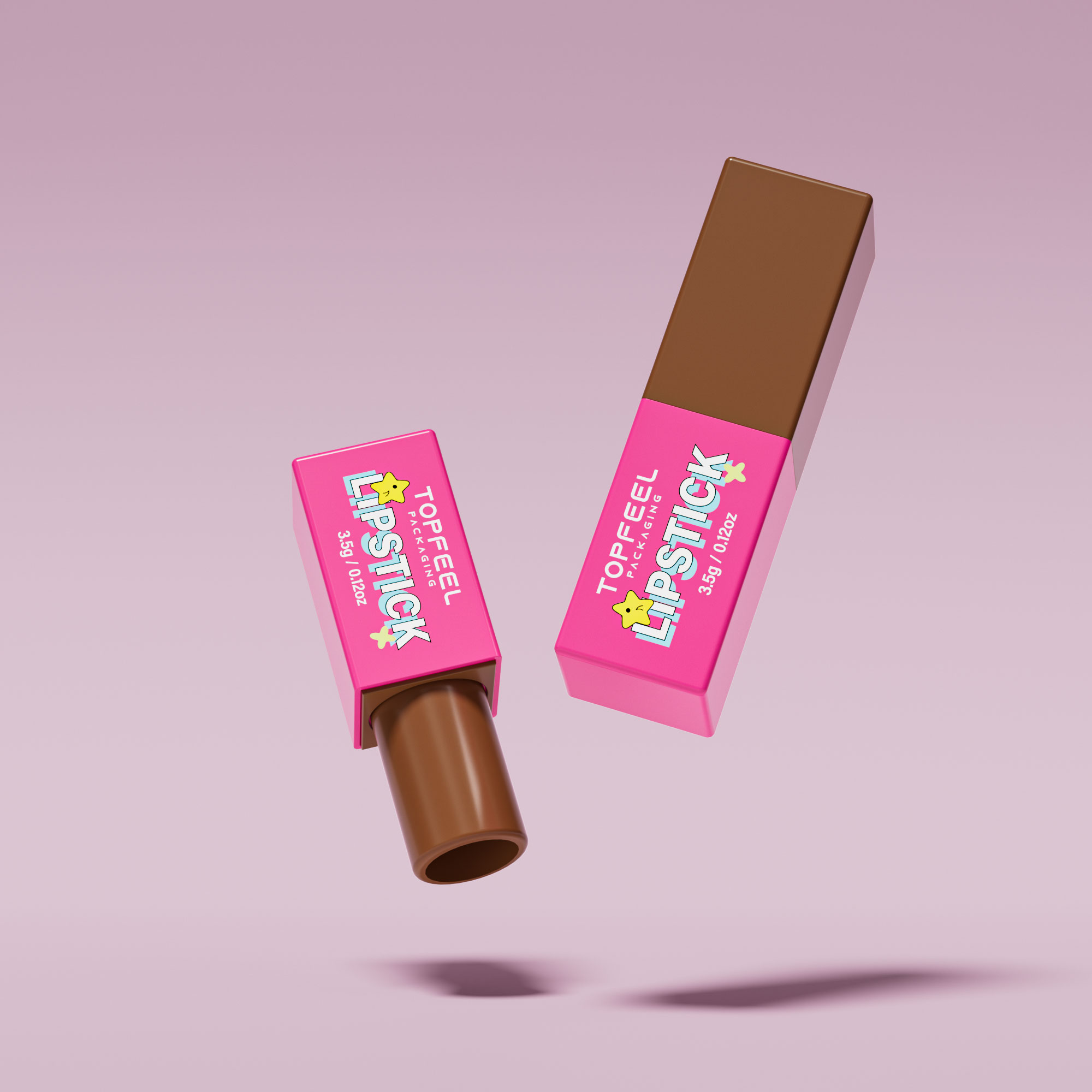
A cosmetic tube mold isn’t finished until it looks right in hand. Topfeelmakeup integrates surface treatments directly with mechanical design, ensuring options like a lipstick tube receive flawless finishes.
-
Visual build stack:
- Base → offset printing
- Detail → silk screening
- Finish → UV coating or hot stamping
Short bursts:
Clean lines matter.
Adhesion matters more.
Bad finishing ruins good molds.
Scalable mass production & multi-cavity mold solutions
Scaling a cosmetic tube mold setup isn’t just adding machines—it’s smart layout. Topfeelmakeup provides scalable systems, including specialized designs like custom dual lip gloss packaging to meet high market demand.
-
Production logic:
-
mass production
- multi-cavity molds
- cavity balance
- heat distribution
-
injection molding
- cycle timing (targeting optimal 15-second cycles)
- output stability
-
High volume should not mean high defect rates.
Quality checks for airtight, leak-proof, and UV-protected packaging
This is where good vendors quietly stand out. Topfeelpack operates GMPc workshops fully certified under ISO 9001 and ISO 22716 standards to guarantee zero-defect production.
Steps that actually happen:
- Seal testing for airtight packaging using specialized vacuum decay tools
- Pressure checks for leak-proof packaging in compliance with the FDA
- Exposure trials for UV protection via ASTM G154 weathering standards (24-hour simulation)
Quick checks:
- quality control logs and certified safety records on audited platforms like Sedex
- testing procedures repeatability
- packaging integrity under stress
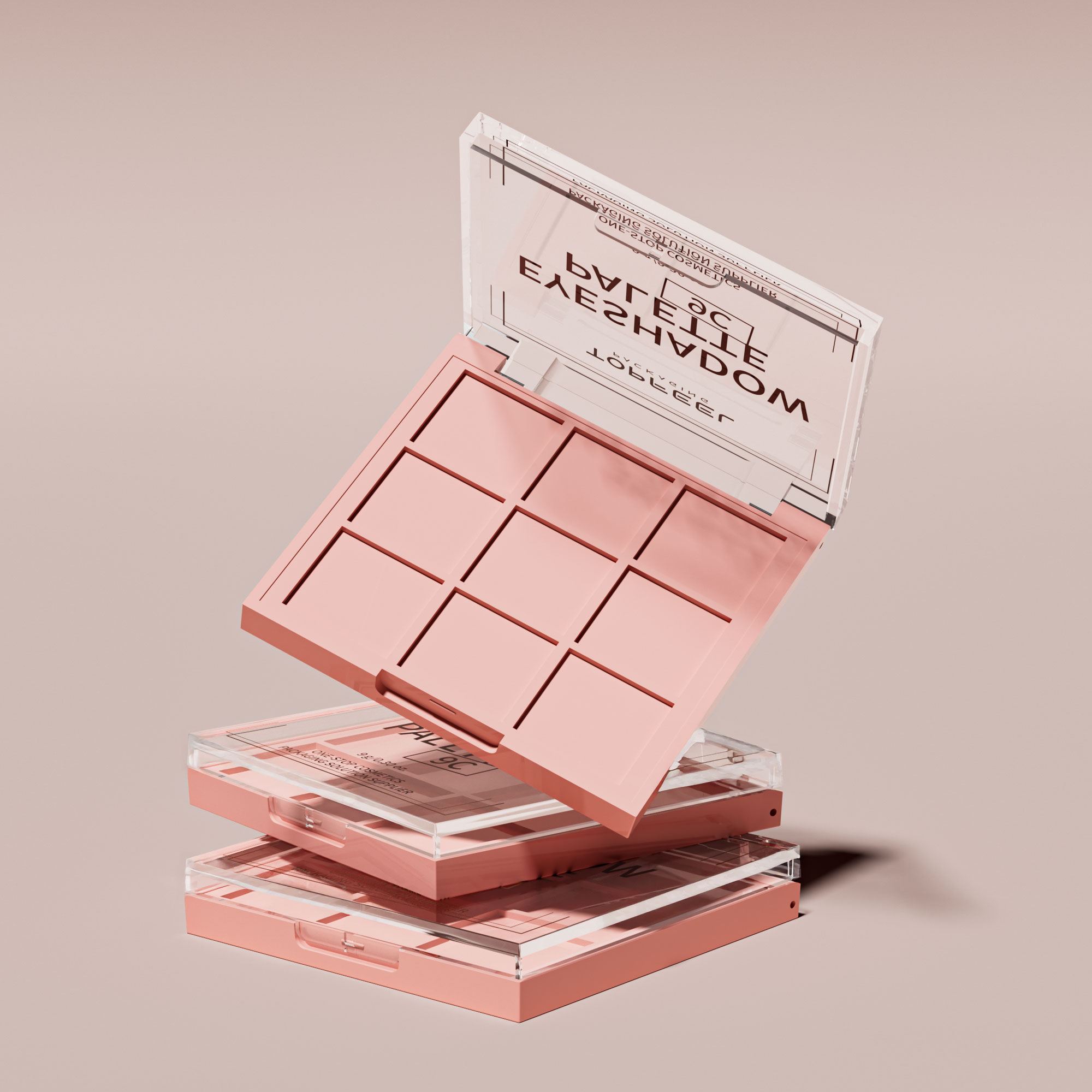
No shortcuts here—defects show up fast on store shelves. Selecting verified components, such as an empty palette or empty lipstick tube , is crucial to protect formulation integrity.
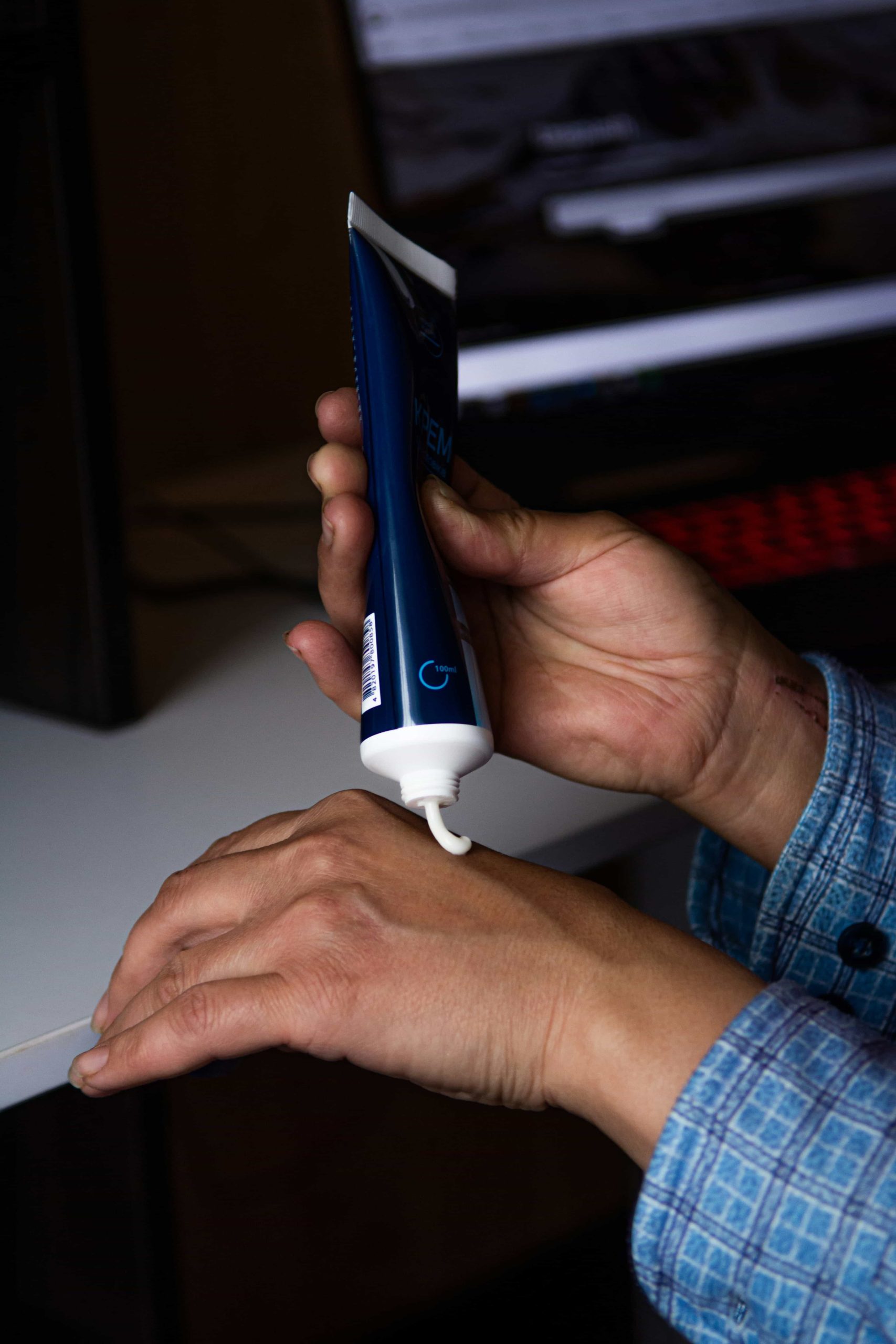 Lead Time Impacts: Mold Delivery vs. Market Launch
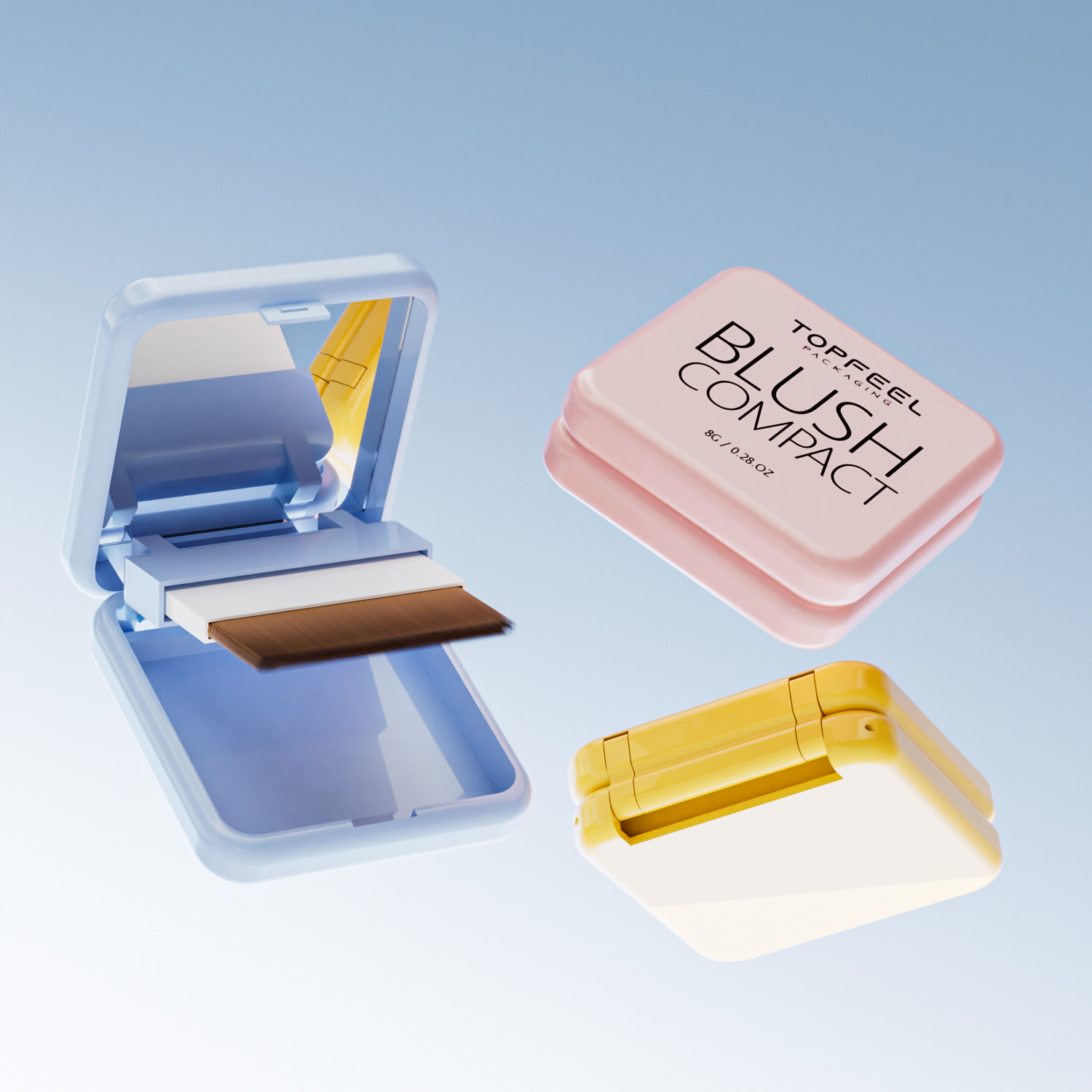
Lead time can make or break a launch vibe. When a custom cosmetic tubes mold runs late, everything from tooling to store shelves feels it, and the ripple shows up in cost, timing, and sales energy. This is particularly critical for products like a blush stick containing premium liquid makeup packaging .
Mold Delivery
A custom cosmetic tubes mold rarely moves in a straight line. It zigzags through design , prototype , and inspection , with manufacturing and fabrication pacing every decision.
-
Key flow for a custom cosmetic tubes mold:
-
Concept lock
- Refine design details
- confirm cavity count and material
-
Tool build
- fabrication of core and cavity (typically taking 35 to 50 days)
- trial shots and prototype tweaks
-
Validation
- dimensional inspection
- adjust gates, cooling, and finish
-
Movement
- shipment planning
- logistics alignment with plant intake
-
Short bursts of progress happen, then pauses for fixes. A cosmetic tube mold that looks simple can still stretch timelines if tolerances fight back. Custom tube mold revisions add days; stacked revisions add weeks. Keep communication tight, or the custom cosmetic tubes mold quietly drifts off schedule.
Market Launch
When the custom cosmetic tubes mold slips, the downstream chain feels it fast. Marketing calendars don’t wait, and distribution windows close.
-
Impact chain:
-
Production readiness
- extrusion/injection start dates shift
- Decoration queues get crowded
-
Go-to-market
- promotion assets misalign
- strategy loses timing edge
-
Commercial results
- delayed sales lift
- weaker consumer buzz
-
- Reset the timeline
- Re-sequence filling and packing
- Re-brief commercialization teams
- Rebook distribution
Small delays compound. A late custom cosmetic tubes mold can mean missed shelves, rushed campaigns, and diluted launch energy. Keep buffers real, not wishful, and track each handoff like it matters—because it does.
References
- Smithers Packaging Market Reports – smithers.com
- Cosmetic Packaging Market Size & Share – grandviewresearch.com
- Plastics Explanation and Polymer Insights – plasticseurope.org
- Ethylene Vinyl Alcohol Barrier Technology – sciencedirect.com
- Post-Consumer Recycled Plastics Guidelines – plasticsrecycling.org
- Bio-Based Sugarcane Plastics Standards – european-bioplastics.org
- Injection Molding Processes and Tooling – bpf.co.uk
- McKinsey Packaging and Sustainability Insights – mckinsey.com
- ISO 9001 Quality Management Standards – iso.org
- Sedex Supply Chain Ethical and Quality Standards – sedex.com

