 English
  Español de México
  Français
  Deutsch
  Português do Brasil
  Italiano
  한국어
한국어  ไทย
ไทย  Русский
  日本語
日本語  Polski
  Svenska
  Türkçe

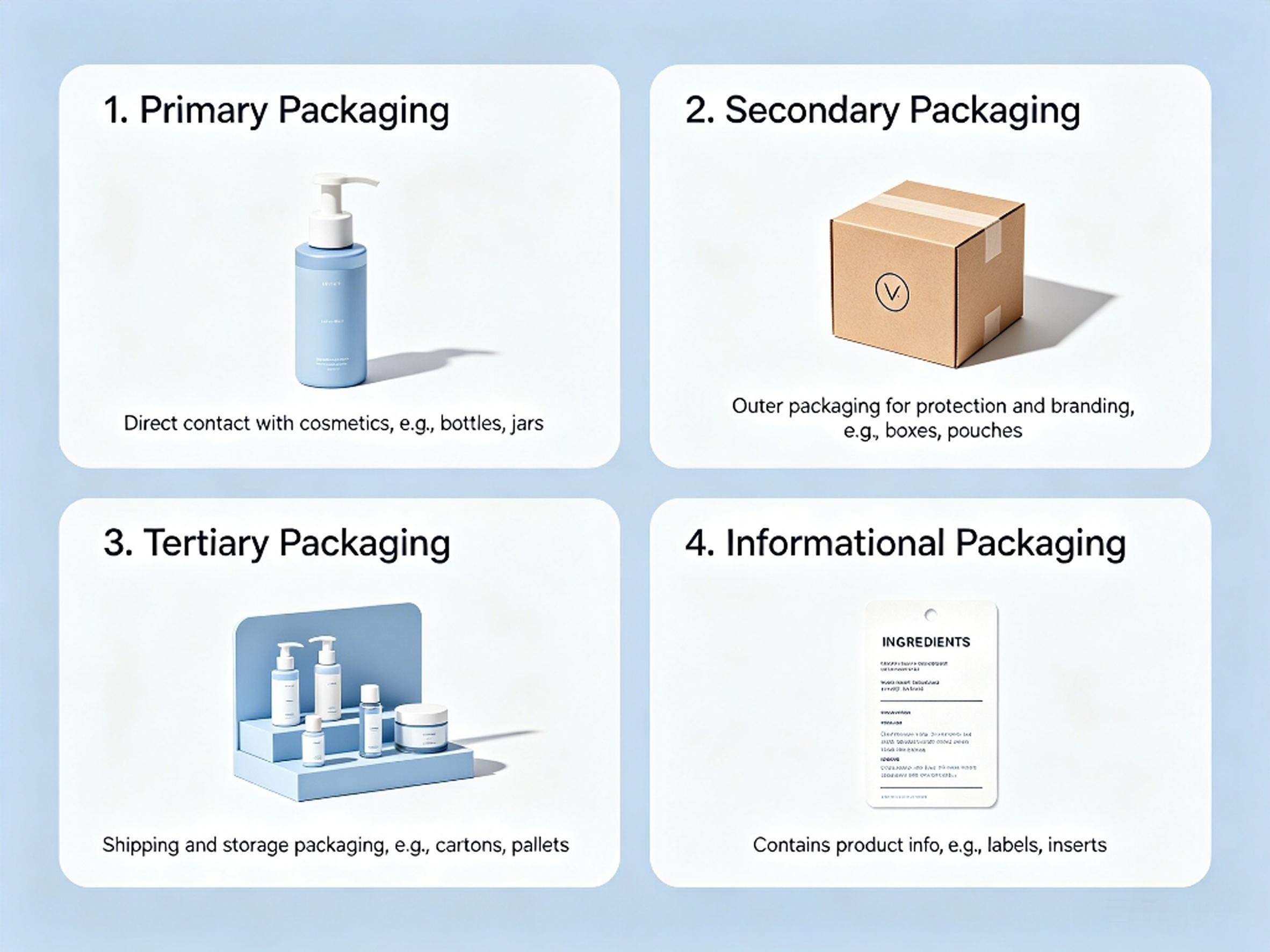
4 common definitions of cosmetic packaging
Primary Packaging: The First Line of Defense
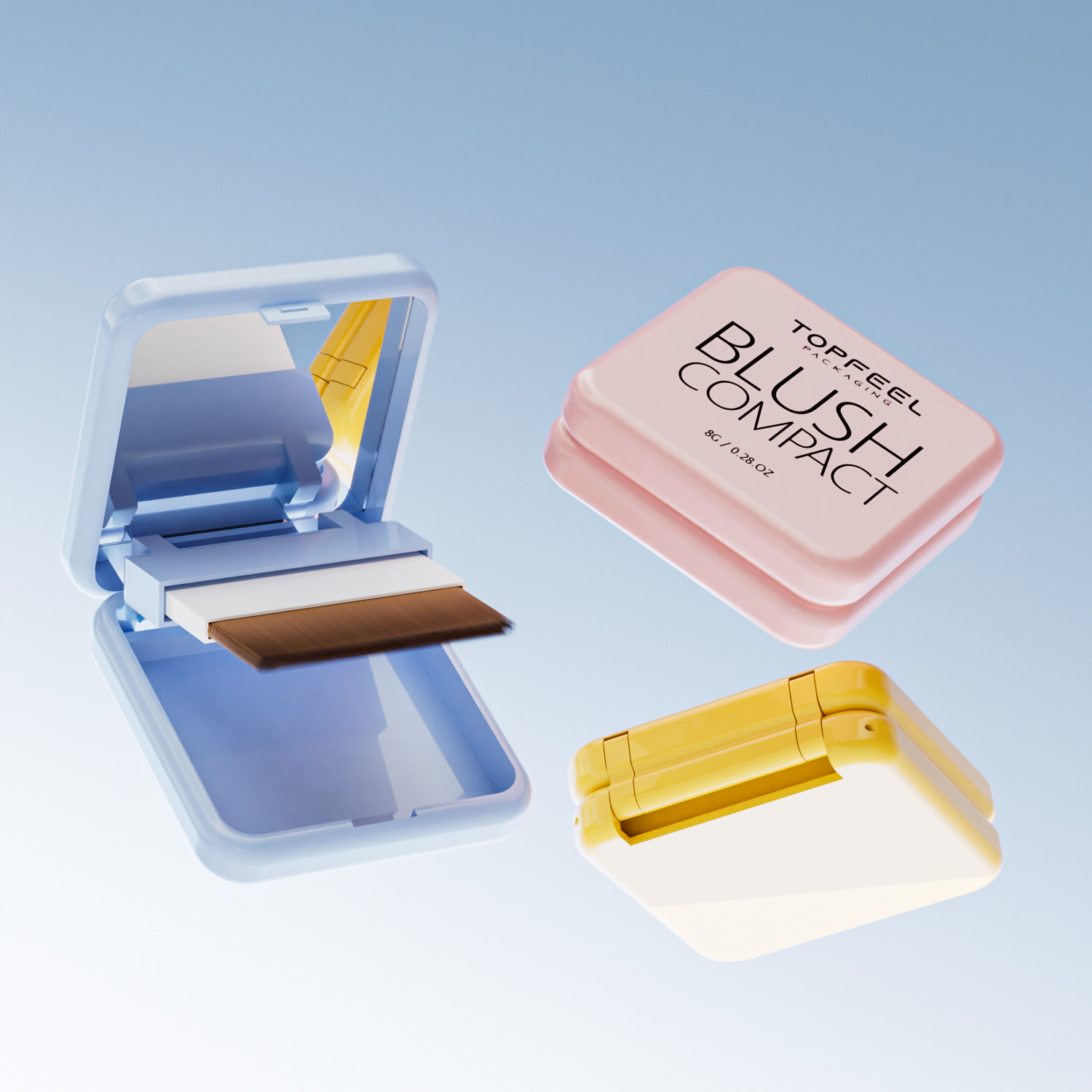
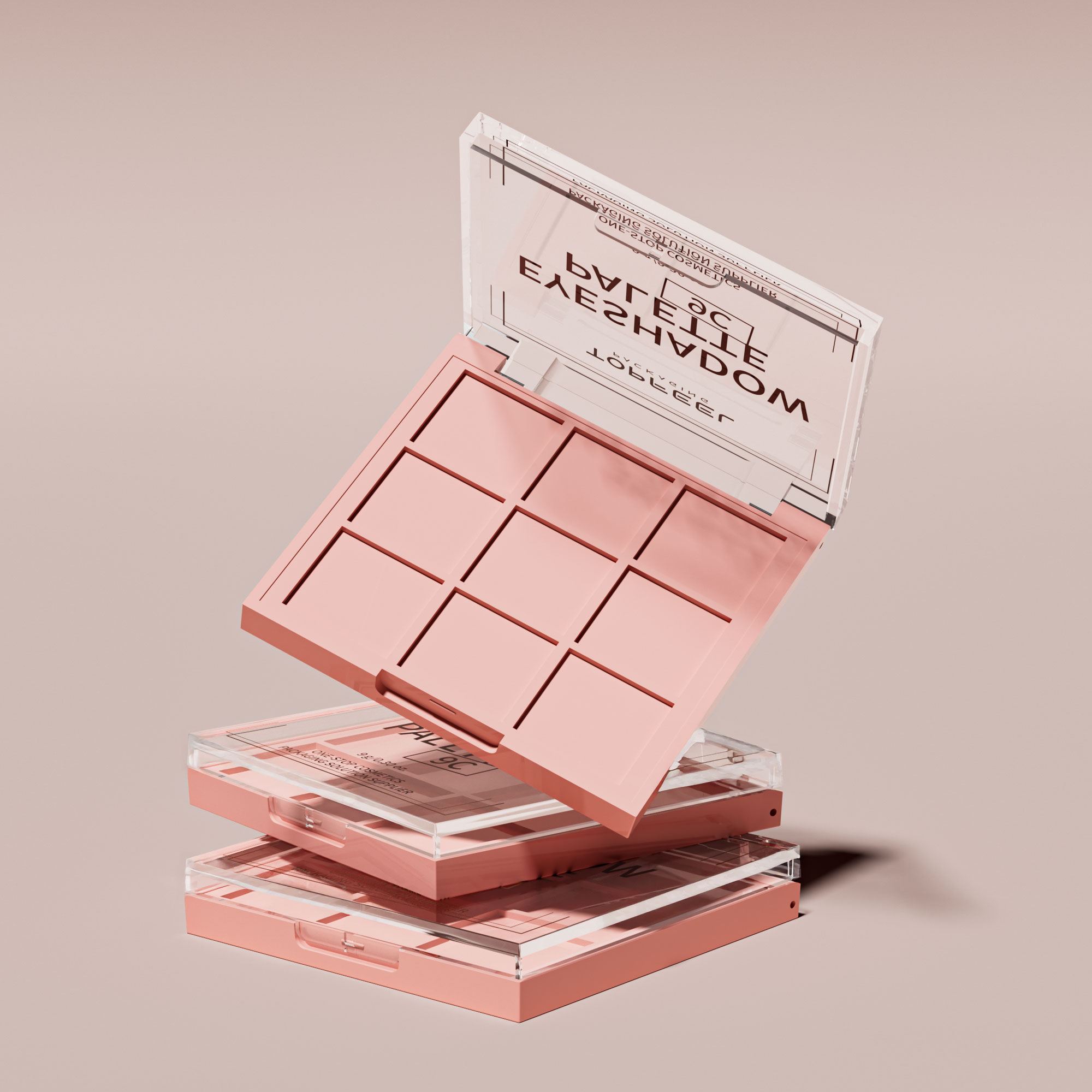
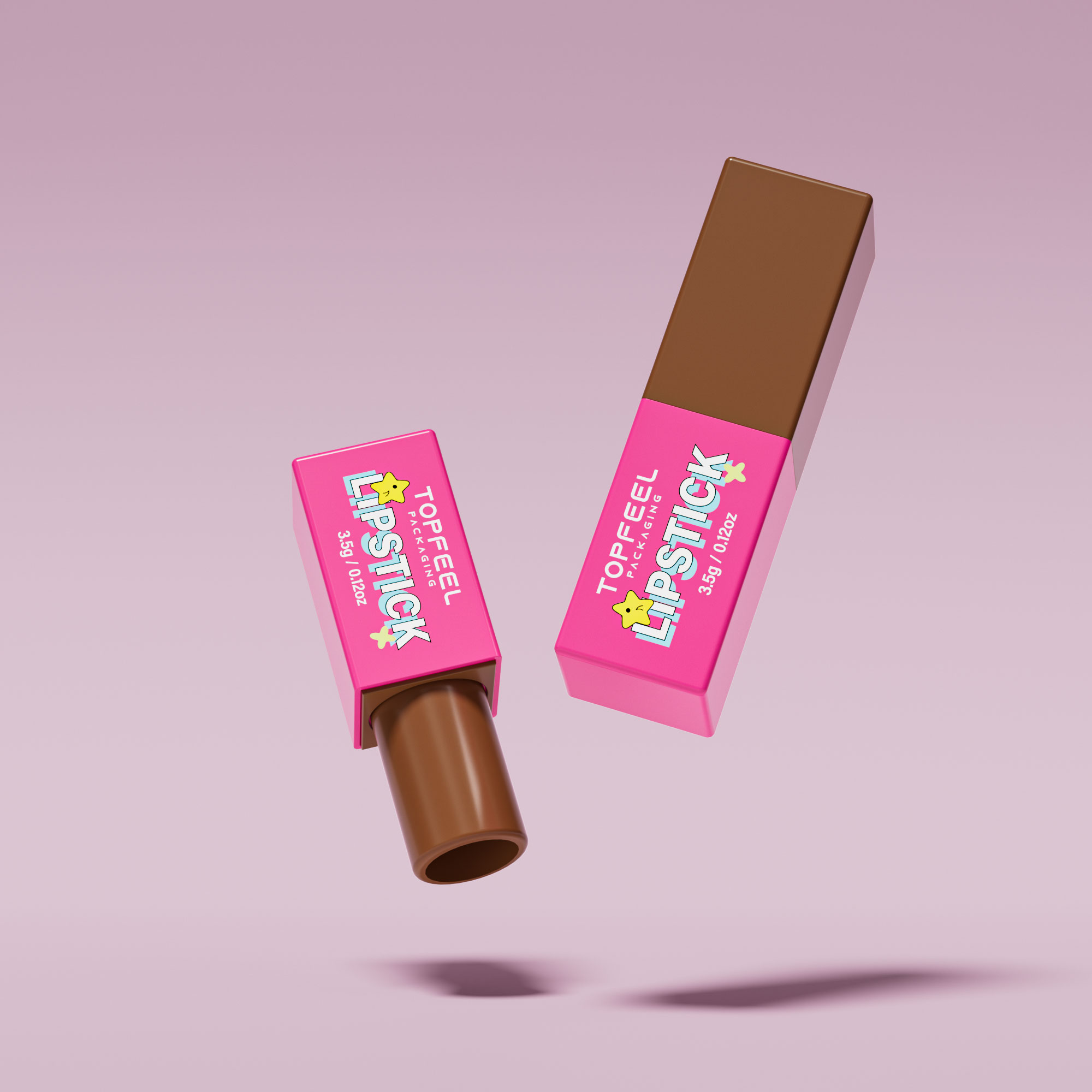
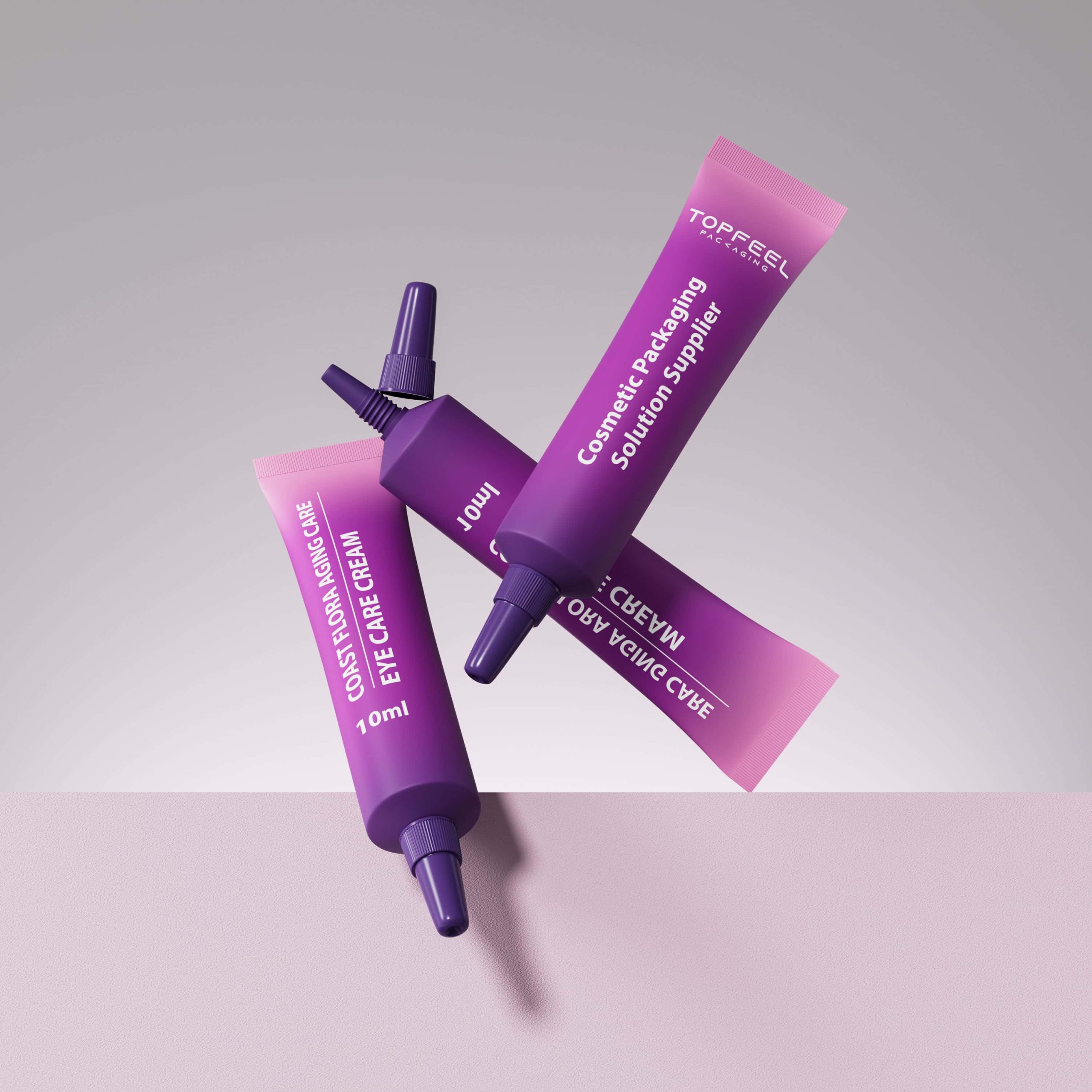
Primary packaging is the immediate container that comes into direct contact with the cosmetic product. This packaging type serves multiple purposes: it protects the product from contamination, preserves its integrity, and often plays a role in product application. Examples of primary packaging include bottles, jars, tubes, and compacts. The choice of primary packaging is critical as it affects product stability, usability, and shelf life.
Secondary Packaging: Adding Value and Protection
Secondary packaging encompasses the outer layer that contains the primary packaging. Its main functions are to provide additional protection during transportation and storage, as well as to enhance the product’s visual appeal and branding. Common forms of secondary packaging in the cosmetics industry include boxes, sleeves, and bags. This layer often carries important product information, marketing messages, and regulatory details.
Unit Packaging: Individual Product Presentation
Unit packaging refers to the packaging of a single product unit intended for retail sale. It typically combines both primary and secondary packaging elements to create a complete, ready-to-sell item. Unit packaging is designed to attract consumers’ attention, communicate product benefits, and ensure safe handling from the point of purchase to use.
Bulk Packaging: Efficient Distribution Solutions
Bulk packaging is used for transporting and storing large quantities of products. In the cosmetics industry, this might involve cases, cartons, or pallets that contain multiple units of packaged products. Bulk packaging is essential for efficient logistics and distribution, protecting products during transit and facilitating easy handling in warehouses and retail environments.]
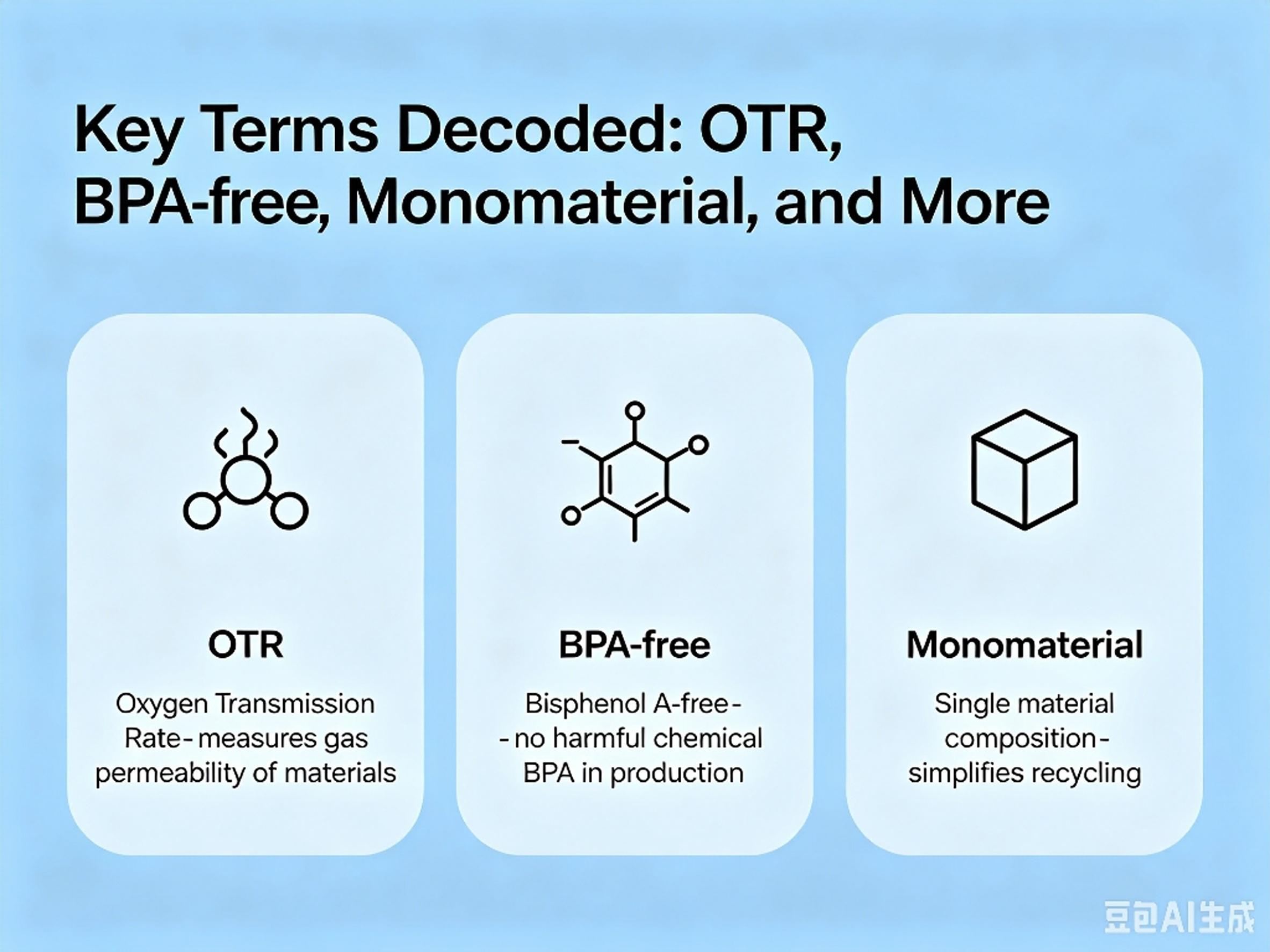
Key terms: OTR, BPA-free, monomaterial, and more decoded
OTR (Oxygen Transmission Rate): Preserving Product Integrity
OTR is a crucial factor in cosmetic packaging, particularly for products sensitive to oxidation. It measures the amount of oxygen that can permeate through packaging material over a given time. Lower OTR values indicate better oxygen barrier properties, which is essential for preserving the efficacy and extending the shelf life of many cosmetic formulations.
BPA-free: Ensuring Consumer Safety
BPA-free packaging has become increasingly important in the cosmetics industry. Bisphenol A (BPA) is a chemical used in some plastics that has raised health concerns. Opting for BPA-free packaging materials demonstrates a commitment to consumer safety and aligns with growing consumer preferences for safer, more natural products.
Monomaterial: Simplifying Recycling Processes
Monomaterial packaging refers to packaging made from a single type of material, such as all-plastic or all-paper components. This approach simplifies the recycling process, as it eliminates the need to separate different materials before recycling. As sustainability becomes a larger focus in the cosmetics industry, monomaterial solutions are gaining popularity for their eco-friendly attributes.
Airless Technology: Maximizing Product Preservation
Airless packaging systems are designed to dispense products without allowing air to enter the container. This technology is particularly beneficial for preserving sensitive formulations, as it minimizes oxidation and contamination risks. Airless packaging often extends product shelf life and allows for more precise dosing, making it a popular choice for high-end skincare products.
Topfeelpack’s glossary for cosmetic packaging buyers
PCR (Post-Consumer Recycled) Materials
PCR materials are plastics that have been recycled after consumer use. Incorporating PCR content in cosmetic packaging is an effective way to reduce environmental impact and appeal to eco-conscious consumers. Topfeelpack offers a range of PCR options for brands looking to enhance their sustainability profile.
Custom Molding: Tailored Packaging Solutions
Custom molding allows brands to create unique packaging shapes and designs that stand out on the shelf. This process involves developing custom molds to produce packaging components that align perfectly with a brand’s vision and product requirements. Topfeelpack specializes in fast customization, delivering new products to customers in just 30-45 days.
Decoration Techniques: Elevating Brand Aesthetics
Various decoration techniques can be applied to cosmetic packaging to enhance visual appeal and brand recognition. These may include gradient spraying, electroplating, silk screen printing, and hot stamping. Each technique offers unique aesthetic possibilities, allowing brands to create packaging that truly reflects their identity.
Compliance Documentation: Ensuring Regulatory Adherence
Adherence to regulatory requirements is of utmost importance in the cosmetics sector. Certificates of Analysis (COAs), Material Safety Data Sheets (MSDSs), and safety test reports are crucial documentation that must be present in order to confirm that packaging materials are satisfactory. To help companies satisfy regulatory standards, Topfeelpack offers thorough compliance paperwork.
FAQ
1. What is the difference between Primary and Secondary Cosmetic Packaging?
Primary Packaging is the container that directly holds the product (e.g., a jar, tube, or bottle) and is essential for product integrity. Secondary Packaging is the outer box or carton that holds the primary container, mainly for branding and display.
2. What does PCR stand for, and why is it important in sustainable cosmetic packaging?
PCR stands for Post-Consumer Recycled material, typically plastic. It’s important because it uses existing plastic waste collected from recycling programs to create new packaging, reducing the need for virgin plastic resources.
3. What is the Period After Opening (PAO) symbol, and what information does it convey?
The PAO symbol, represented by an open jar icon, indicates the number of months a cosmetic product can be used safely after it is first opened. For example, “12M” means the product is good for 12 months.
Master Your Product Launch: Get Expert Definitions & Design Help from Topfeelpack
In order to make educated selections in the beauty market, it is vital to understand some key concepts and terminology associated with cosmetic packaging. Every part is crucial to the product’s success, from the main packaging that keeps the food safe to new technology like airless systems. Maintaining a competitive edge and satisfying customer expectations in an ever-changing business requires constant vigilance on packaging trends and technology.
Would you want to take your cosmetic packaging to the next level? Topfeelpack provides state-of-the-art airless bottles that are intended to keep products fresh for longer by avoiding air exposure. Skincare businesses, beauty firms, and cosmetics manufacturers find us to be the perfect partner due to our dedication to sustainability, speed in customizing, competitive price, and rapid delivery. Whether you’re a CEO in need of fresh packaging ideas, a product manager in search of unique designs, or a purchasing manager in search of budget-friendly solutions, our team is here to help. Experience the Topfeelpack difference – where cutting-edge technology meets unparalleled service. Contact us today at [email protected] to discover how our cosmetic airless bottles can transform your product packaging.
References
- Johnson, M. (2022). The Complete Guide to Cosmetic Packaging Materials. Beauty Packaging Journal, 15(3), 45-52.
- Smith, A. & Brown, L. (2023). Sustainable Innovations in Cosmetic Packaging. Green Beauty Today, 8(2), 112-128.
- Lee, S. et al. (2021). Consumer Perceptions of Eco-Friendly Cosmetic Packaging. Journal of Sustainable Marketing, 6(4), 301-315.
- Garcia, R. (2023). Airless Technology in Cosmetic Packaging: A Comprehensive Review. International Journal of Cosmetic Science, 45(1), 78-92.
- Wilson, T. (2022). The Impact of Packaging on Cosmetic Product Shelf Life. Cosmetic & Toiletries Magazine, 137(5), 22-30.
- Chen, Y. & Davis, K. (2023). Regulatory Compliance in Cosmetic Packaging: A Global Perspective. Regulatory Affairs in Cosmetics, 12(3), 189-205.

