 English
  Español de México
  Français
  Deutsch
  Português do Brasil
  Italiano
  한국어
한국어  ไทย
ไทย  Русский
  日本語
日本語  Polski
  Svenska
  Türkçe
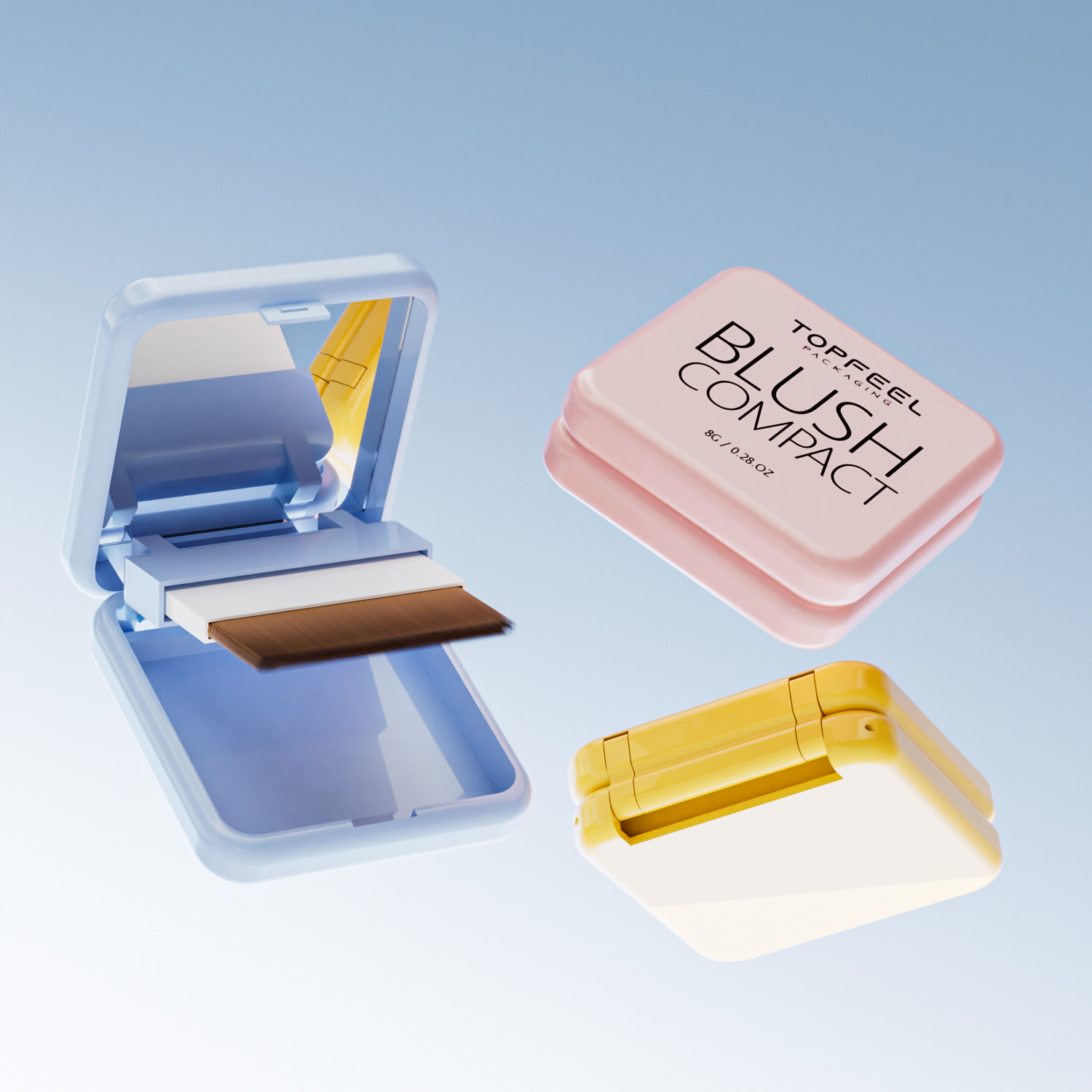
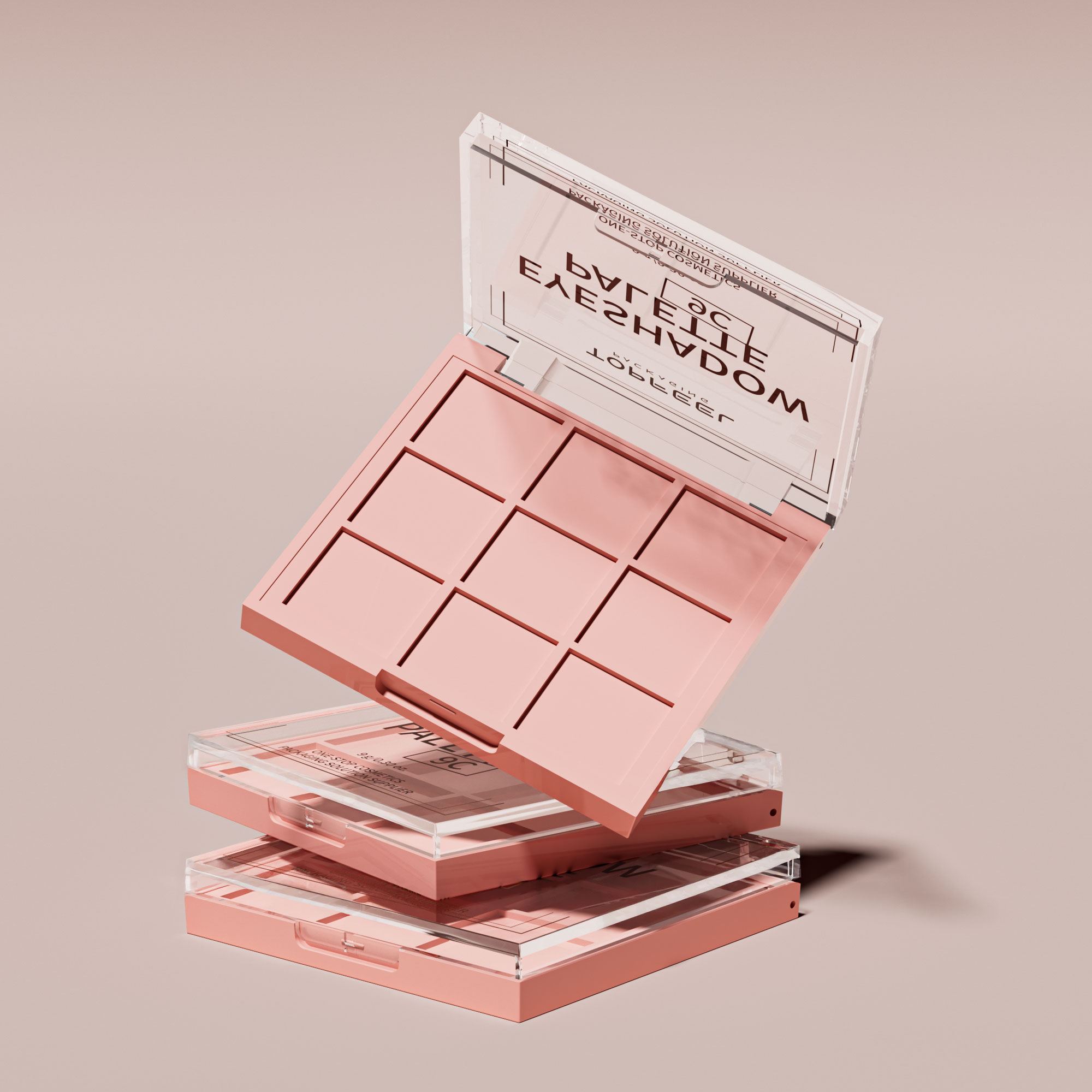
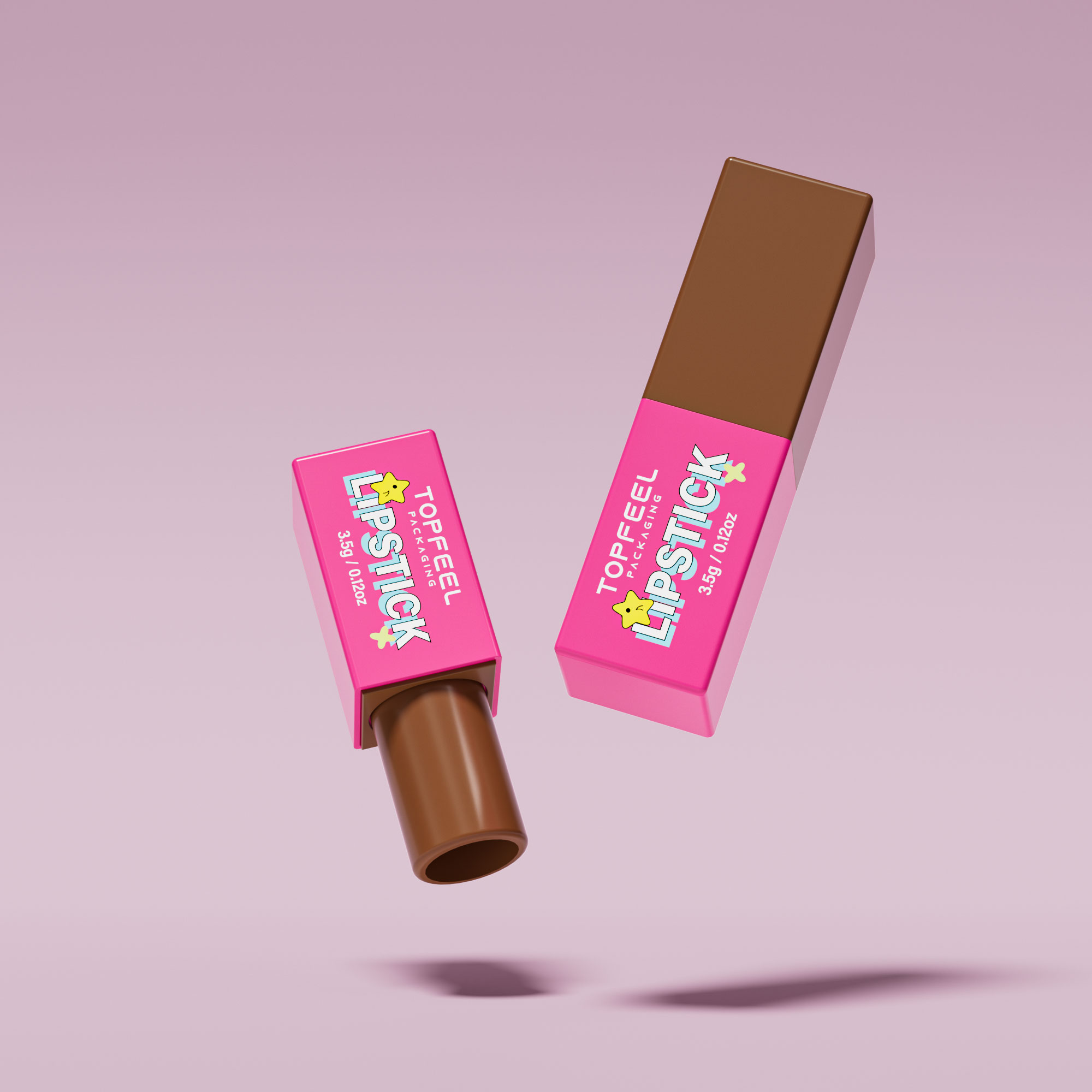
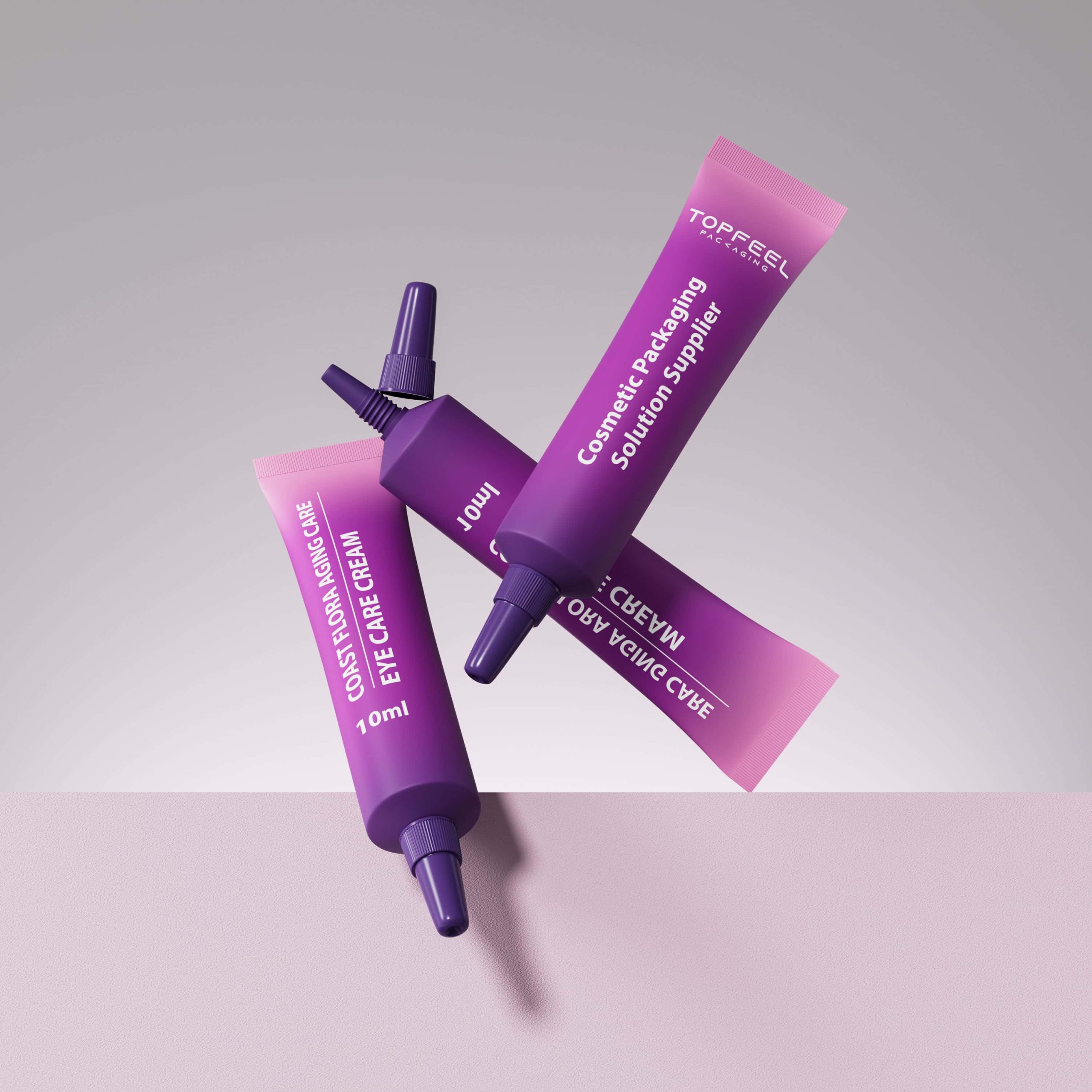

Why Mono Material Packaging is the Future of Sustainable Solutions
February 06,2026
Mono material packaging makes your cosmetic launch greener, smoother, and a Gen Z-approved showstopper.
The Unsung Hero
You know that feeling when your shampoo bottle looks eco-chic on the shelf—but ends up in a landfill because it’s made of five kinds of plastic glued together? That’s where mono material packaging steps in like the unsung hero at a disaster movie’s climax.
One material, one recycling stream, zero confusion. It’s the kind of straight-talking solution brands need when waste regulations are tightening and consumers are side-eyeing anything non-recyclable.

Supply Chain Reality
Big buyers are sweating over more than just margins these days—think transport emissions, supply chain tangles, and label adhesives.
“Design for Recovery”
“The moment you mix materials,” says Anya Lu, senior engineer at Topfeel Packaging, “you’re designing for disposal—not recovery.”
The Kicker: Greener & Smoother
Mono material packaging isn't just greener—it runs smoother through automated filling lines and skips messy disassembly during recycling. Less glue, fewer labels, faster production… yeah, it adds up fast.
Launch Strategy
Impress the new generation with a compostable wink and transparent material sourcing. They value the "All-PET" promise.
The Surprising Truth Behind Mono Material Packaging Sustainability
78% Lighter: Polypropylene Jars That Cut Carbon Footprint
You wouldn’t expect something this light to carry so much weight in sustainability. These loose powder jar options made from polypropylene are 78% lighter than traditional glass.
- Less fuel burned during shipping
- Lower production energy requirements
- Reduced end-of-life waste sorting hassles

Matte Recycled PET Tubes Deliver Sustainable Elegance
Brands aiming for luxury vibes without trashing the planet are turning to these tubes because they’re made from post-consumer materials and their mono structure simplifies recycling.
Compostable Aluminum Palettes
Can Frosted Glass Dropper Bottles Enhance Recyclability?
Glass is already one of the easiest materials to recycle—but what if you could make it better? Enter: frosted glass dropper bottles. Their cloudy finish isn’t just for show; it also offers UV protection for sensitive formulas.
“In our 2024 report on circular packaging systems, we found that frosted glass maintained over 95% recyclability compatibility across European MRFs,” notes Circular Economy Insights Group (CEIG).
These bottles marry aesthetic appeal with true recyclability—no mixed layers, no plastic sleeves—making them an ideal choice under the growing demand for clean-stream recycling.
Struggling With Recyclability? Mono Material Packaging Solves It
Many brands are stuck with packaging that’s hard to recycle. Here's how **mono material packaging** clears the way for cleaner, greener solutions.
90% More Recyclable: Opaque HDPE Tubes with Integral Labeling
- Direct-to-tube printing means no sticky labels to mess up recycling.
- No mixed materials = smoother sorting at recycling plants.
- Cleaner waste streams reduce contamination risks.

- 1. Brands switching to **HDPE tubes** with **integral labeling** see up to a 25% drop in landfill-bound waste.
- 2. These tubes are made from a single resin, making them ideal for **recyclable packaging** systems worldwide.
- 3. They also cut down on production complexity—less glue, fewer steps, better sustainability.
✔️ Consumers don’t have to peel off anything before tossing it into the bin—just rinse and recycle.
The beauty of this design is how it simplifies everything. From manufacturing lines to municipal recovery facilities, everyone benefits when packaging is built with recycling in mind. And yes, they still look sleek on shelves.
“By 2025, over 65% of personal care brands will transition to mono-material formats,” predicts Euromonitor International’s 2024 Packaging Outlook report.
Labels Tangling? Silk Screening PET Bottles for Cleaner Recycling
Labels often gum up machinery during sorting or leave behind adhesive residue that contaminates the plastic stream.
Enter silk screening: a label-free method applied directly onto **PET bottles**, keeping things tidy and recyclable. This shift boosts **recycling efficiency**, especially in high-speed MRFs (Material Recovery Facilities).
- Silk-screened bottles eliminate adhesives that interfere with PET flake purity.
- They make mono-stream sorting easier—no extra separation step needed.
- This method enhances visual branding without sacrificing recyclability goals.
Silk screening isn’t new tech—it’s just smart reuse of an old idea for today’s needs. It fits perfectly into a growing trend toward clear lip gloss packaging petg wand solutions, where every component plays nice in the circular system.
Short-term cost increases? Maybe. Long-term savings from reduced contamination and higher recovery rates? Absolutely worth it.
Post-Consumer Recycled Aluminum Palettes Streamline Zero-Waste Efforts
A solid win for zero-waste goals: enter fully recyclable palettes made from **PCR aluminum**—a material known for its infinite recyclability and sturdy build.
1️⃣
Lower Carbon Footprint
Reused metals significantly reduce mining impact.
2️⃣
Curbside Compatible
Fits perfectly into existing local recycling infrastructure.
3️⃣
Sleek Aesthetics
Durability meets luxury design without compromise.
These palettes are part of broader efforts by cosmetic and lifestyle brands aiming to shrink their environmental impact through smarter components like **aluminum palettes** derived entirely from post-consumer sources.
Unlike plastic compacts that mix resins or include mirrors/glue (making them landfill-bound), these aluminum units fit right into closed-loop systems supporting the **circular economy** model.
In short: if you want your product line-up aligned with true zero-waste principles, start here—with materials that walk the talk across every phase of use and reuse.
Would you like me to adjust the primary color scheme or add more specific image placeholders for the different sections?
How Mono Material Packaging Simplifies Large-Scale Purchasing Decisions
Smart brands are ditching complex packaging combos for cleaner, simpler options. Here's how mono material packaging makes bulk buying smoother—and smarter.
3 Key Advantages of HDPE Bottles with Leak-Proof Flip-Top Caps
You’re not just picking a bottle—you’re solving three problems in one shot:
- Durability: These HDPE bottles handle rough transit without cracking or deforming.
- Recyclability: Being made from a single plastic type, they slide right into most recycling streams—no sorting headaches.
- Leak-proof flip-top caps: These secure closures prevent spills and make dispensing easy, especially in high-volume environments.
The beauty lies in the simplicity. When your packaging is all one material, you reduce waste, cut assembly time, and keep your production line humming.

Why Choose Airless Polypropylene Tubes for Large-Scale Launches?
This kind of custom airless tube for foundation isn’t just good for the planet—it’s great for scaling fast without hiccups. When you're rolling out thousands of units at once, consistency is everything.
By sticking to mono material packaging, whether it's HDPE bottles or airless tubes, brands like Topfeel are making smarter choices that pay off across procurement, logistics, and sustainability goals alike.
Think Mono Material Packaging Lacks Durability? Think Again
Turns out, single-material packaging isn’t as flimsy as people think. Here's the real scoop backed by data and design.
Data Proves: Airless Polypropylene Bottles Survive 100,000 Drops
These airless bottles made from polypropylene aren’t just surviving—they’re thriving in drop tests that mimic real-life chaos.
- Dropped from heights ranging from 0.5m to 2m
- Simulated warehouse stacking pressure
- Repeated impact against both hard and soft surfaces
- Over 100,000 mechanical drops using robotic arms
- Exposure to cold and heat cycles during falls
- Additional testing with filled vs empty containers
Performance Metrics Table
Test Type
Drop Count
Breakage Rate
Deformation Level
Ambient Temp Free Fall
10,000
0%
None
Cold Chain Simulation
30,000
<1%
Minor
Heat-Stressed Drop
20,000
<2%
Moderate
Fully Loaded Impact
40,000
<0.5%
None
All this proves that well-designed mono material packaging—especially those using polypropylene—can handle brutal handling without flinching.
Can UV-Coated Glass Jars Resist Harsh Storage Conditions?
You’d think glass jars are fragile under stress—but with a solid UV-coated glass shell? They’re surprisingly tough cookies.
- The UV coating isn’t just for show—it blocks over 95% of harmful rays
- It also adds a micro-layer of strength that reduces cracking from thermal shock

Now toss these into high-humidity storage or sun-soaked shelves:
- No discoloration of contents after six months
- Zero surface erosion even when stacked tightly in warehouses
- Preserved label clarity due to reduced scuffing
This combo makes these glass pump bottle options more than pretty—they’re built for long-haul protection under wild conditions like fluctuating temps or direct sunlight. That’s what we call smart durability in mono material packaging design.
Hot-Stamped Polyethylene Pump Bottles Offer Enhanced Scratch Resistance
Ever seen a bottle lose its shine after just a few weeks on the shelf? Not here—these hot-stamped, polyethylene pump bottles stay looking fresh thanks to their clever build.
Material Design Layers
- Base layer: High-density polyethylene, known for flexibility and resilience
- Middle layer: Reinforced pigment barrier for color stability
- Top layer: Precision-applied hot stamping foil for scratch resistance
Performance Tiers
- Maintains label clarity after repeated friction tests using sandpaper simulators
- No fading under LED spotlight exposure over extended periods
- Withstands up to 200 fingernail scratches without visible damage
- Handles alcohol-based cleaner contact with no peeling or warping
- After six months on retail display racks, still looks brand-new—even under harsh lighting
So yeah—this kind of mono material packaging doesn’t just protect what’s inside; it keeps the outside looking sharp too.
How Mono Material Packaging Prepares Brands For Future Regulations
Mono. Material. Packaging. Three words, one massive shift in how brands prep for tomorrow’s eco laws. Here's how it's changing the game.
EPR Ready: Recyclable Polypropylene Palettes Comply with New Laws
To meet today’s strictest rules, brands are ditching mixed plastics and going all in on single-substance solutions like recyclable polypropylene.
Material Circularity Compliance
- Brands using pure PP formats ensure smooth processing in recycling systems.
- No sorting nightmares—just toss it into the right stream and it’s good to go.
Waste Management Alignment
- Countries adopting Extended Producer Responsibility (EPR compliance) demand that packaging be easy to reclaim.
- Polypropylene palettes fit this model by being fully recyclable without disassembly.

What New Regulations Mean for Aluminum Sprayer Bottles?
New rules don’t just nudge—they shove brands toward smarter materials like aluminum.
• Why aluminum? It’s endlessly recyclable and scores high under new recyclability standards.
• Sprayers made entirely of aluminum skip complex dismantling steps—no hidden plastics inside means no contamination during recycling.
“With more than 70 countries revising their packaging laws post-2024, mono-material aluminum designs have become a regulatory favorite,” notes GlobalData Research's Q1 Sustainability Tracker.
💡 Brands that integrate mono-material logic into their sprayers now avoid getting caught off guard later when stricter laws hit globally.
5 Policies Driving Shift to Post-Consumer Recycled PET Tubes
A) Regulatory Push
- EU Green Deal sets minimum thresholds for recycled plastic content.
- U.S. states like California require disclosure of PCR percentages per SKUs.
- China bans virgin plastic usage above certain volumes by sector type.
B) Sustainability Incentives
- Tax credits or fee reductions when using certified PCR materials.
- Priority shelf space in some retail chains for eco-certified tubes using recycled content.
C) Industry-Wide Movement
Beauty brands are switching from layered laminates to mono-type tubes made entirely from post-consumer resin. These formats align with circular economy goals.
Explore squeeze tube lip gloss options now.
FAQs
It simplifies life in production halls—one polymer means one supply chain. HDPE bottles, PET jars, or Polypropylene tubes can all be molded faster with fewer molds to maintain.
Each compact jar or tube made from recycled PET pairs easily with a snap-on lid for quick assembly. Glossy finishes mimic premium aesthetics without hefty price tags.
| Method | Eco Impact |
|---|---|
| Silk Screening | No label residue during melt |
| Hot Stamping | Minimal foil waste |
View more packaging for cosmetics options.

