 English
  Español de México
  Français
  Deutsch
  Português do Brasil
  Italiano
  한국어
한국어  ไทย
ไทย  Русский
  日本語
日本語  Polski
  Svenska
  Türkçe

How to Pack Cosmetic Packaging
February 02,2026
When it comes to figuring out how to pack cosmetics, the stakes are higher than you’d think. One cracked glass bottle or a palette shattered into colorful dust, and suddenly your brand’s big debut feels more like a garage sale gone sideways. Freight doesn’t care how pretty your packaging is—it cares about physics, pressure, and potholes.
According to recent industry data, 34% of packaging-related returns are due to product damage—and that’s not just bad luck; that’s bad packing. Think bubble wrap tossed in like an afterthought? Nope. We’re talking tailored inserts, stack-smart design, and materials that play nice with movement. Get it wrong and you're refunding orders faster than mascara runs in the rain.

How to Pack Cosmetics for Safe Shipping
Getting beauty products from shelf to doorstep without a scratch? That’s the real glow-up. Here’s how to pack cosmetics like a pro and keep them safe en route.
Best Practices for Protecting Fragile Cosmetic Containers
Use foam inserts custom-cut for items like lipsticks and serums.
Slot fragile bottles into snug cardboard dividers to avoid clinking chaos.
Wrap glass jars with void fill like air pillows or paper honeycomb wrap.
Don’t overpack. Too much padding can increase pressure, not reduce it.
Keep products upright and spaced using molded trays or corrugated holders.
A cracked compact is every shipper’s nightmare. Focus on shock absorption, not just aesthetics, when deciding how to pack cosmetics securely.
The Role of Inner Packaging in Preventing Damage
Each cosmetic item has its own vibe—and weight class—so tailor your inner packaging strategy accordingly for max product stability.
"Nearly 60% of online shoppers have received damaged goods, with about one-third reporting the product was smashed within the packaging," highlighting the critical need for better inner protection.

Choosing the Right Closure Types for Secure Packaging
-
☑
Screw caps work best for foundations and oils—they’re leak-proof champs.
-
☑
Magnetic closures are ideal for powder compact case, making them easy yet secure.
-
☑
Pumps should include lock mechanisms when shipping lotions or cleansers.
-
☑
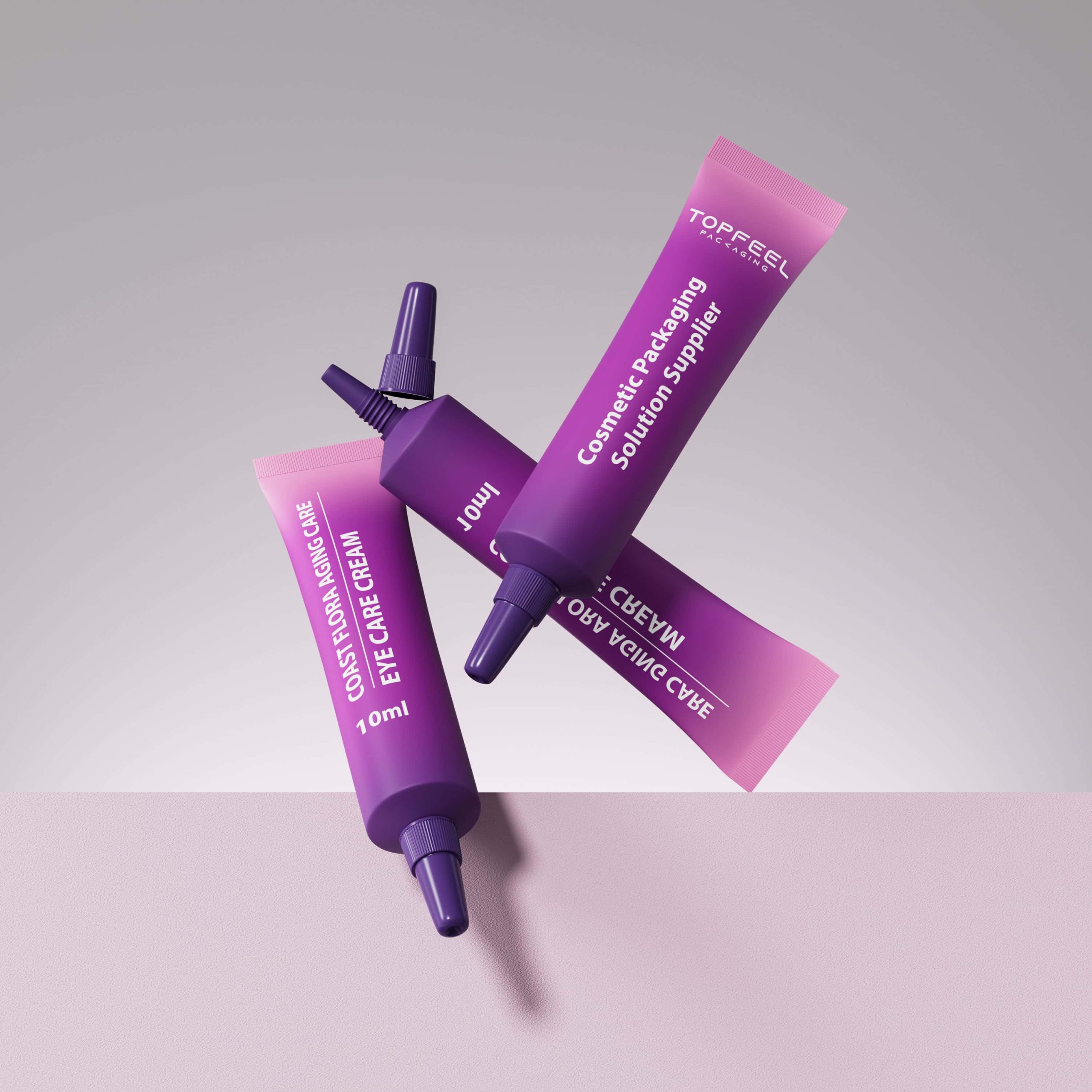
Always go with tamper-evident seals on high-value serums or eye creams.
When thinking about how to pack cosmetics safely, don’t overlook the power of good closure types—they’re your first defense against leaks and spills during bumpy rides.
Sustainability in Shipping: How Recyclable Materials Enhance Protection
- Corrugated mailers
- Kraft wrapping sheets
- Molded pulp trays
Eco-friendly doesn’t mean flimsy anymore. Using smart combinations of recyclable materials, you can protect both your product and the planet while figuring out how to pack cosmetics that won’t fall apart before they reach their glam destination—even if you're shipping from across the globe under wild weather conditions.
5 Tips for Efficient Cosmetic Packaging
Want to know how to pack cosmetics without the usual hassle? These five tips are your shortcut to smarter, safer, and greener beauty packaging.
Streamlining Production with Modular Packaging Designs
Modular packaging is like building blocks for your beauty line—mix and match parts that fit together perfectly.
- Modular design trims down manufacturing time by using standardized parts, which means fewer delays on the assembly line.
- This approach also brings major cost reduction, especially when producing high-volume items like foundation tubes or mascara wands.
- A bonus? It boosts flexible packaging options—switching shades or formulas becomes a breeze without overhauling the whole system.
If you’re figuring out how to pack cosmetics efficiently, this method keeps both production flow and budget tight and tidy.

Using Protective Liners to Optimize Space and Prevent Breakage
✔️ Compact storage ✔️ Safer shipping ✔️ Happier customers
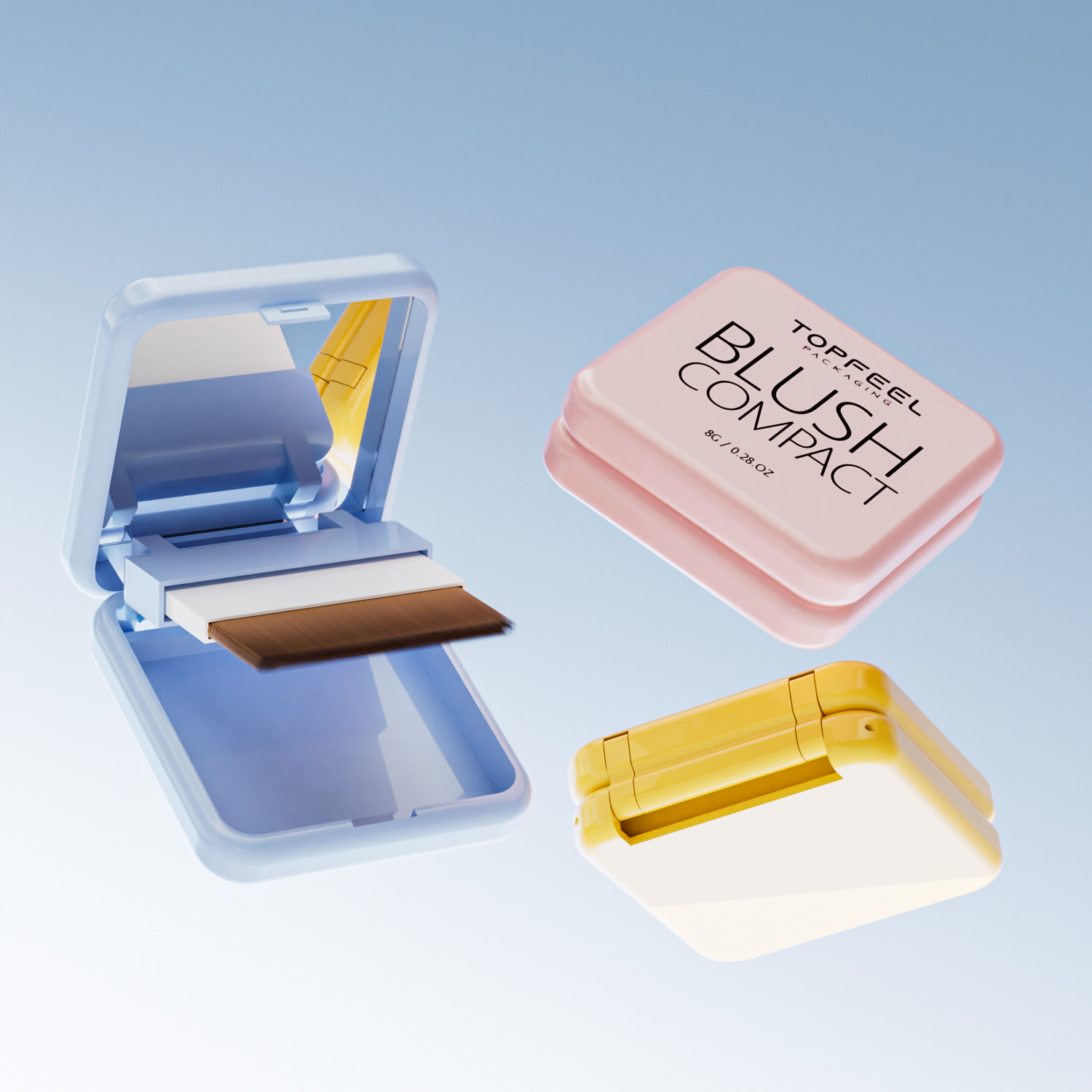
By adding protective liners, brands can prevent damage while optimizing space during transit. These liners act as both void fill and shock absorbers inside boxes, especially for empty palette or blush compacts.
When you're learning how to pack cosmetics safely, don’t skip this step—it’s a small insert with a big impact on product safety.
Efficient Packing: The Role of Foam Inserts and Cushioning Pads
| Product Type | Risk Level | Recommended Insert | Material Example |
|---|---|---|---|
| Lipstick | Medium | Foam Insert | Polyurethane |
| Glass Serum Bottle | High | Cushioning Pad | EVA Foam |
| Compact Powder | Medium | Foam Insert | Cross-linked PE |
| Perfume Vial | High | Cushioning Pad | Molded Pulp |
Foam inserts aren’t just fluff—they’re essential for impact protection during shipping. If you’ve ever wondered how to pack cosmetics like Glass pump bottle without cracking them in half, this is it. The right combo of foam inserts and cushioning pads keeps items snug, safe, and stylishly intact.
Incorporating Biodegradable Materials for Eco-Friendly Solutions
Eco-conscious packaging isn’t just trendy—it’s necessary now more than ever. Reports indicate that over 70% of consumers are willing to pay more for sustainable packaging, driving a massive shift in the industry.
Switching from plastic trays to biodegradable materials like sugarcane pulp or bamboo fiber cuts down landfill waste significantly. These options work great for products housed in metal tins or aluminum cases—making your green initiative not only ethical but practical too.
So if you're serious about learning how to pack cosmetics sustainably, compostable solutions are a solid place to start.
Maximizing Storage and Display with Compact Packaging Choices
Shorter shelves? Smaller cartons? No problem when you go compact.
- Products like paperboard boxes benefit from smart compact packaging, which enhances both retail shelf presence and warehouse stacking efficiency.
- With better storage optimization, brands can reduce logistics costs while improving product visibility at point-of-sale displays.
- Minimalist designs also appeal aesthetically—less clutter means more focus on what really matters: your product.
When exploring how to pack cosmetics that look good on shelves but still ship well in bulk, size really does matter—in the best way possible.
What to Consider When Packing Cosmetics for Bulk Orders
Packing cosmetics in bulk isn’t just about tossing products into boxes—it’s a strategy. From choosing the right materials to amping up visual appeal, every detail matters.
Packaging Material Selection for Bulk Shipping
Acrylic Plastic
Durability
High impact resistance
Weight
Lightweight
Cost
Lower shipping costs
Winner: Durability & Cost
Glass Bottles
Durability
Fragile under pressure
Weight
Heavier
Cost
Higher due to weight
Winner: Luxury Perception
If you're wondering how to pack cosmetics efficiently, think of it this way—go with glass when you want that upscale vibe, but acrylic wins when durability and cost take priority. Smart brands like Topfeel Makeup balance both depending on product type.
Protecting Your Products: Importance of Cardboard Dividers and Inserts
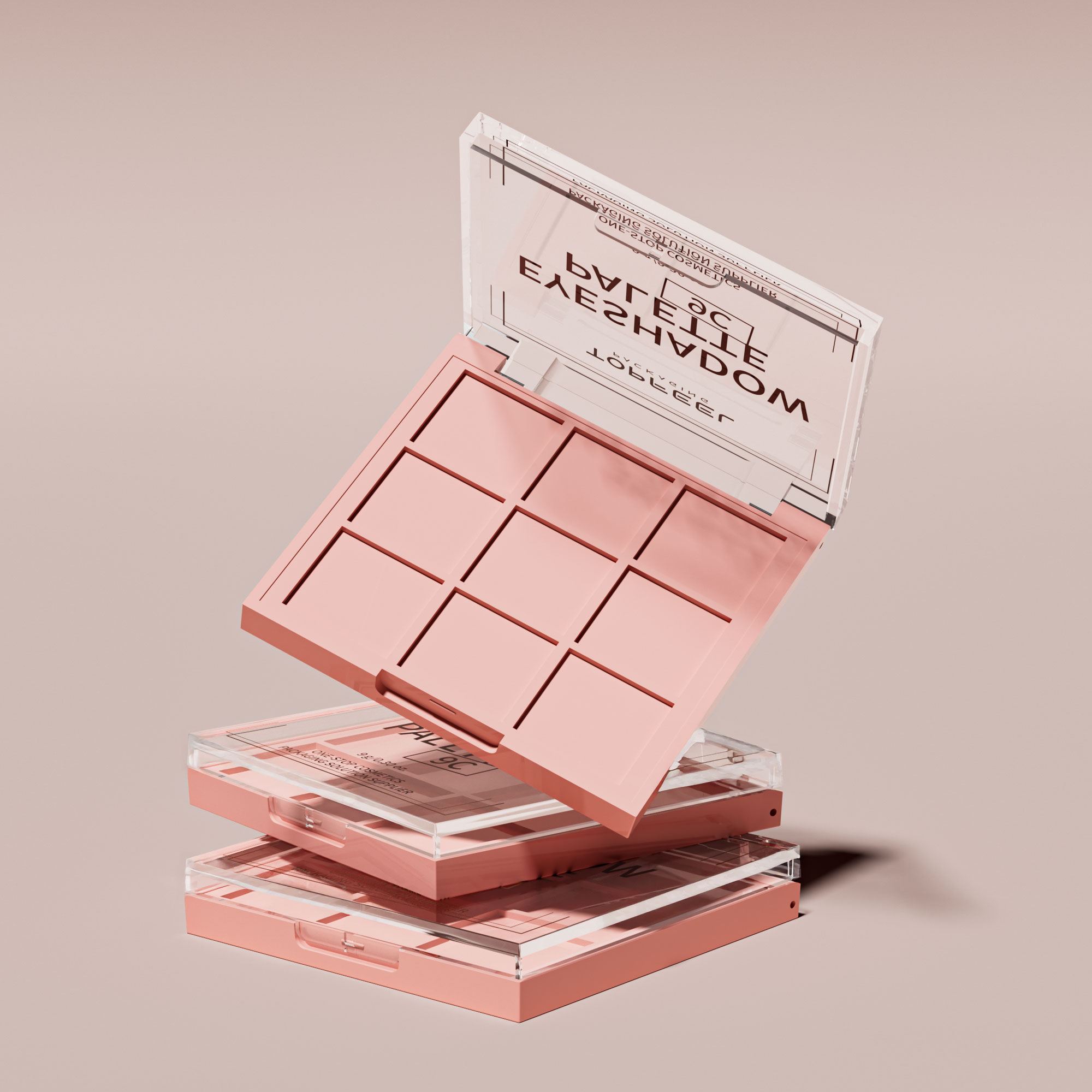
Ever opened a box of shattered eyeshadow palettes? That’s what happens without cardboard dividers.
These inserts aren’t just filler—they’re essential product protection, especially during long hauls.
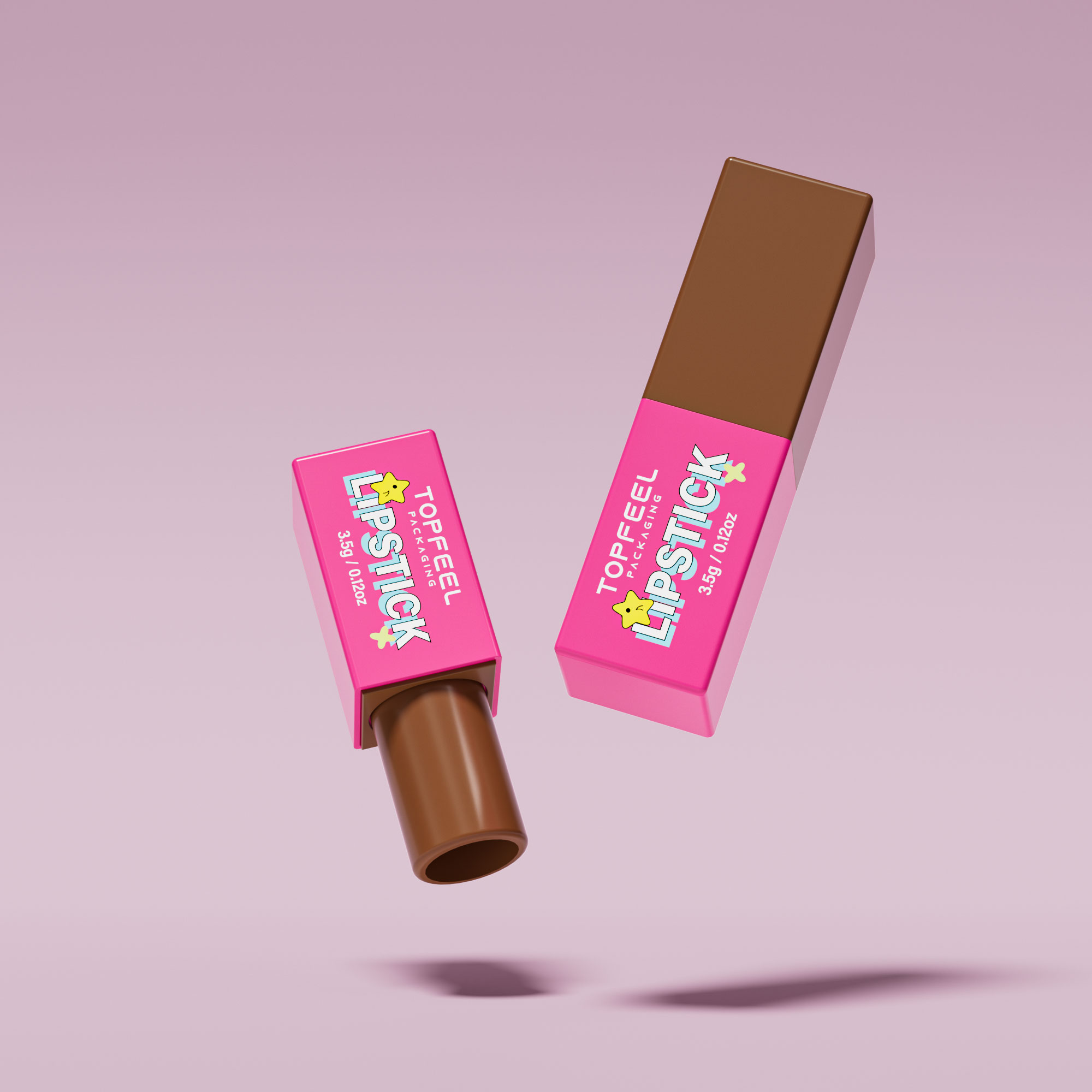
Lipstick tube roll, palettes crack, foundations leak—but not if you’ve got proper cushioning and void fill.
When thinking about how to pack cosmetics safely, these unsung heroes are your frontline defense against damage claims and bad reviews.

How Custom Tinting and Metallic Finishes Can Elevate Bulk Cosmetic Packaging
Aligning Brand Tone
Custom tinting helps align packaging with your brand tone—imagine a soft rose bottle matching your blush line. Custom touches aren’t just pretty—they sell.
The High-End Edge
A splash of metallic finishes, like gold foil or chrome caps, brings that high-end edge. It elevates the perceived value of the product instantly.
Instant Recognition
These details drive stronger shelf presence and create instant brand recall. In the world of bulk orders where everything risks looking generic, adding some shine is how you stand out—and win repeat buyers who remember the look as much as the formula.
Knowing how to pack cosmetics is more than logistics—it’s part science, part style statement.
Customizing Cosmetic Packaging: How to Stand Out in a Competitive Market
Want your beauty line to grab attention on crowded shelves? Here’s how to pack cosmetics with style and smarts.
Pantone Matching
- Ensures consistent branding across batches.
- Ideal for brands with strict visual identity guidelines.
- Helps maintain trust and recognition in retail environments.
Custom Tinting
- Offers flexibility in crafting a truly unique shade.
- Lets you match seasonal trends or limited-edition releases.
- Great for boutique or indie brands seeking individuality.
Why It Matters
A well-thought-out color palette can make your Lipstick tubes pop or give nozzle tube for liquid foundation that cohesive, luxurious vibe.
Topfeel’s approach blends both methods, using precise color matching while offering creative freedom through custom pigments—because looking like everyone else just won’t cut it when you’re figuring out how to pack cosmetics right.

Enhancing Packaging Design with Embossing and Hot Stamping
- Add texture that customers can feel—literally—with raised logos via embossing, which enhances tactile memory.
- Use metallic foils with precision-applied hot stamping to elevate the aesthetic of 9 pan eyeshadow palette and Aluminum Cases instantly.
- Combine both techniques on one package for maximum visual impact—like a debossed matte surface paired with a shimmering gold stamp.
A subtle shimmer here, a raised emblem there—it’s not just packaging; it’s part of the product experience itself. When you're exploring how to pack cosmetics in ways that scream luxury without saying a word, these finishes are your go-to tools.
The Importance of Eco-Friendly Packaging: Refillable Systems and PCR Content
Refillable compacts are no longer niche—they're going mainstream fast. Consumers want more than just pretty packaging; they’re looking at what happens after the product runs out.
PCR (Post-Consumer Recycled) materials are becoming industry standard rather than exception, cutting down virgin plastic use by up to 70%.
Consumer interest in sustainable options is surging, with reports showing an 80% increase in sustainable fragrance packaging launches between 2022 and 2024.
Topfeel integrates refillable mechanisms into empty blush stick and Lipstick containers while maintaining design integrity—proof that sustainable doesn't mean boring when you're figuring out how to pack cosmetics sustainably but stylishly.
FAQs
References
- How much a damaged pack can really cost your business - Amcor
- Survey: 60% of Americans Received Damaged Goods from Online Retailers - Packaging Revolution
- Beauty and Personal Care Packaging Market Size Report 2034 - GM Insights
- The Future of Beauty Packaging - Mintel

