 English
  English (UK)
  English (Australia)
  English (Canada)
  العربية
  Deutsch
  Italiano
  Español de México
  Tiếng Việt
  ไทย
ไทย  Português do Brasil
  Français
  Български
  Čeština
  Dansk
Dansk  Ελληνικά
  Eesti
Eesti  Suomi
Suomi  Magyar
  Bahasa Indonesia
  Lietuvių kalba
  Latviešu valoda
  Norsk bokmål
  Nederlands (Formeel)
  Polski
  Română
  Русский
  Slovenčina
  Slovenščina
  Svenska
  Türkçe
  Українська
  简体中文
简体中文  日本語
日本語  한국어
한국어  繁體中文
繁體中文 

How Many Inches Is 13mm
February 03,2026
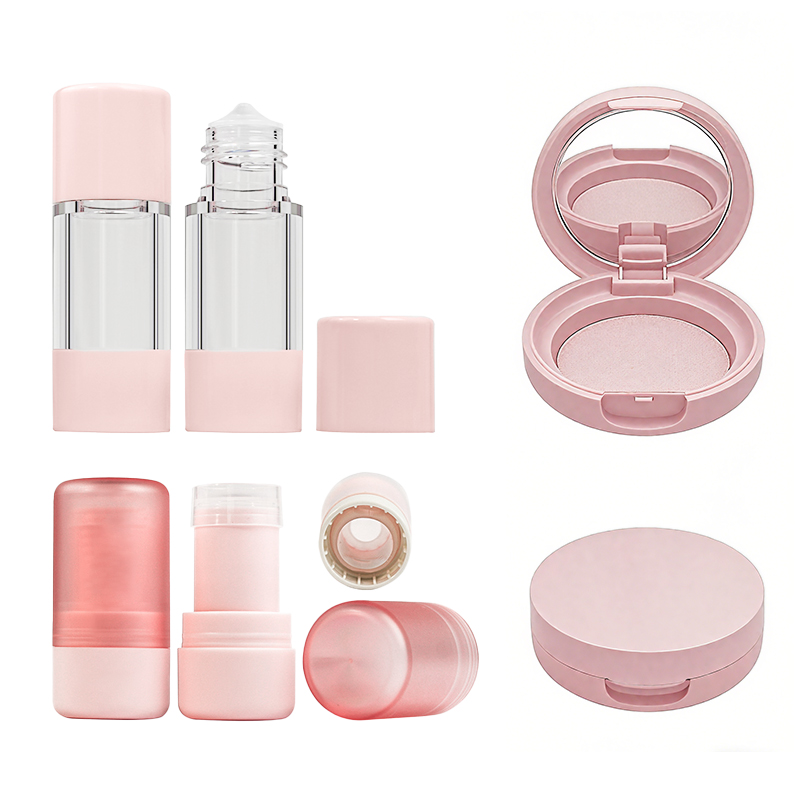
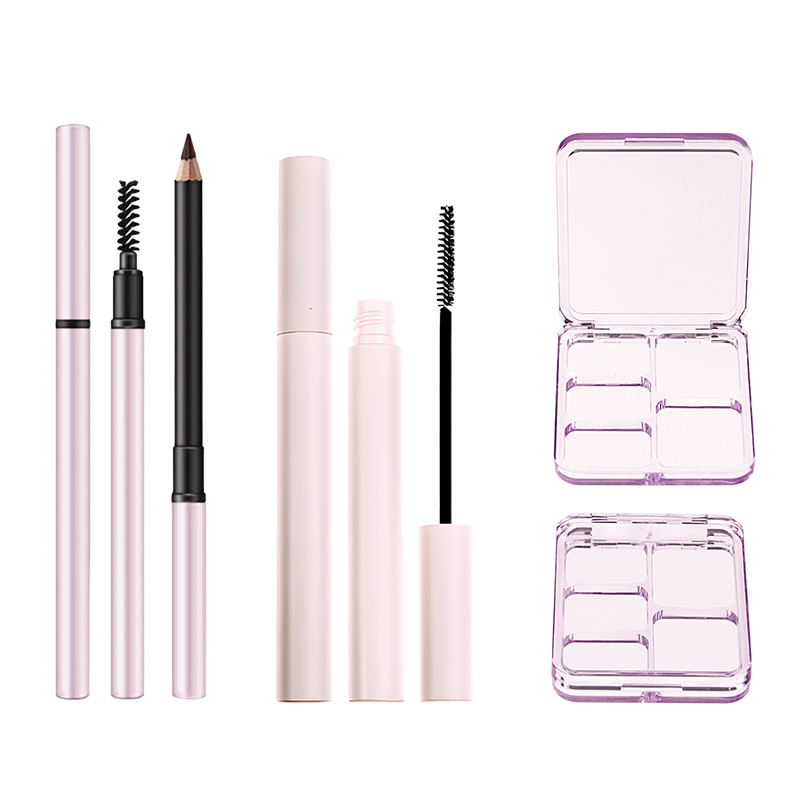
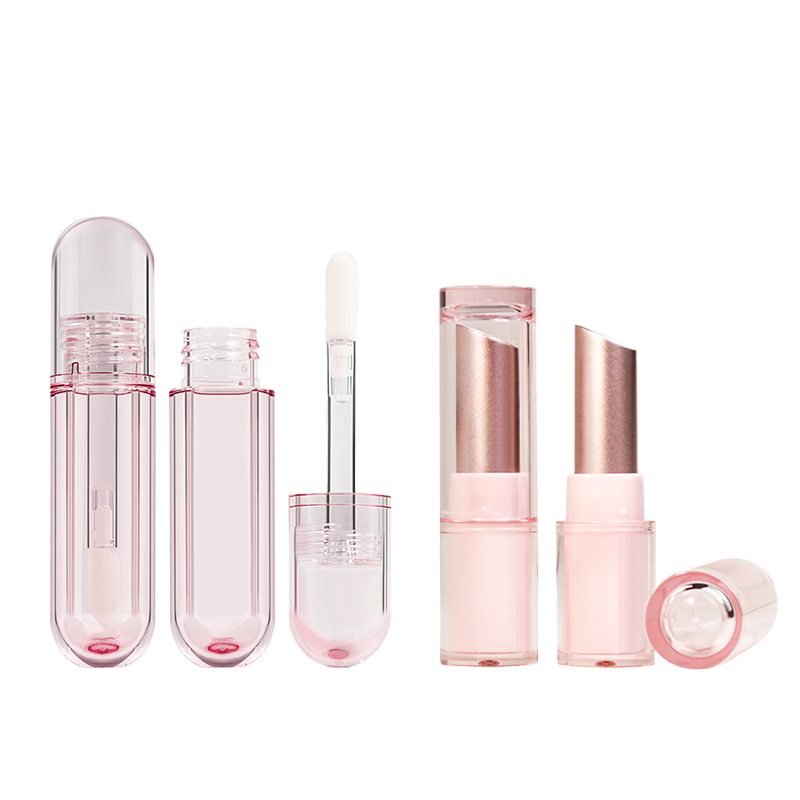
Ordering 10,000 lipstick tubes only to find the neck’s off by half a hair? That’s not just frustrating—it’s a budget-burning disaster. When buyers Google “how many inches is 13mm,” they’re not brushing up on trivia—they’re trying to keep production lines from falling apart. Spoiler: it’s about 0.511 inches, and yes, that decimal can make or break a launch.
In cosmetic packaging, precision isn’t cute—it’s critical. One millimeter off and your pumps don’t fit, shelves stay empty, and suddenly you’re explaining delays in meetings that should’ve been celebrations.
How Many Inches Is 13mm? The Exact Conversion You Need
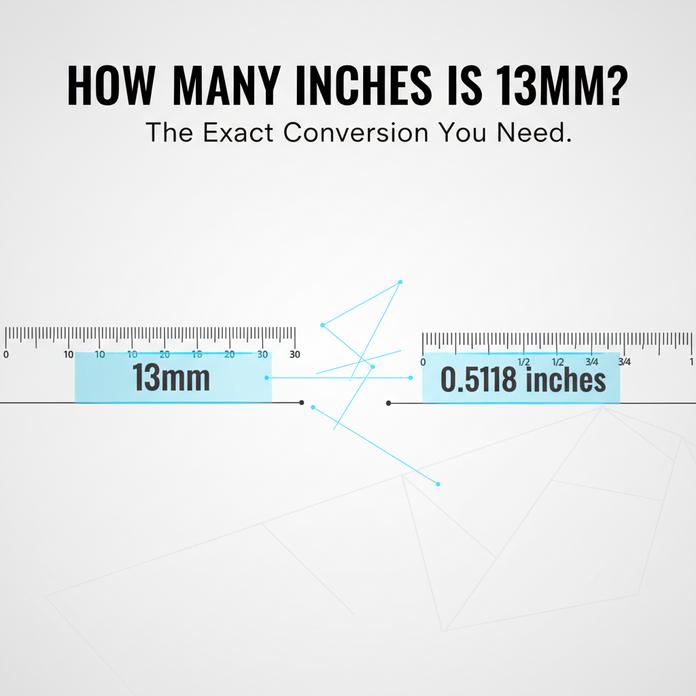
Quick math, big impact. Understanding how to convert millimeters to inches is more useful than you think—especially when precision matters.
How to Convert Millimeters to Inches Easily
Getting the hang of converting mm to inches doesn’t need a PhD in math. It’s all about knowing the conversion factor, and once that’s in your back pocket, you’re good to go.
- Use this simple formula: inches = millimeters ÷ 25.4
- So if you’re wondering how many inches is 13mm, just divide it by 25.4
- That gives you roughly 0.5118 inches—yep, just over half an inch
Let’s break it down even further:
• The metric system uses millimeters as standard small units
• The imperial system, still common in the U.S., prefers inches
• Knowing how to switch between them helps with DIY projects, online shopping, or even measuring parts for gadgets
This kind of quick unit conversion can save you time and prevent mistakes—especially when you’re ordering something that needs exact fitting.
The Role of Precision in Conversion for Packaging Design
When packaging design meets international standards, every decimal counts. A tiny miscalculation could mean your product doesn’t fit its tray—or worse, breaks during shipping.
✔️ In packaging production, being off by even half a millimeter can cause serious issues
✔️ Designers rely on precise measurement tools and accurate unit conversion formulas
✔️ Using exact dimensions ensures compatibility across machines and suppliers globally
For measurement standards, the international inch has been defined as exactly 25.4 millimeters, which is why this conversion factor is non-negotiable in technical work like packaging specifications and tooling drawings. SI Units – Length
Whether you’re tweaking dielines or adjusting mold specs, knowing that 13mm equals approximately half an inch helps avoid costly errors during manufacturing.
Converting 13mm to Inches: Here’s What You Need to Know
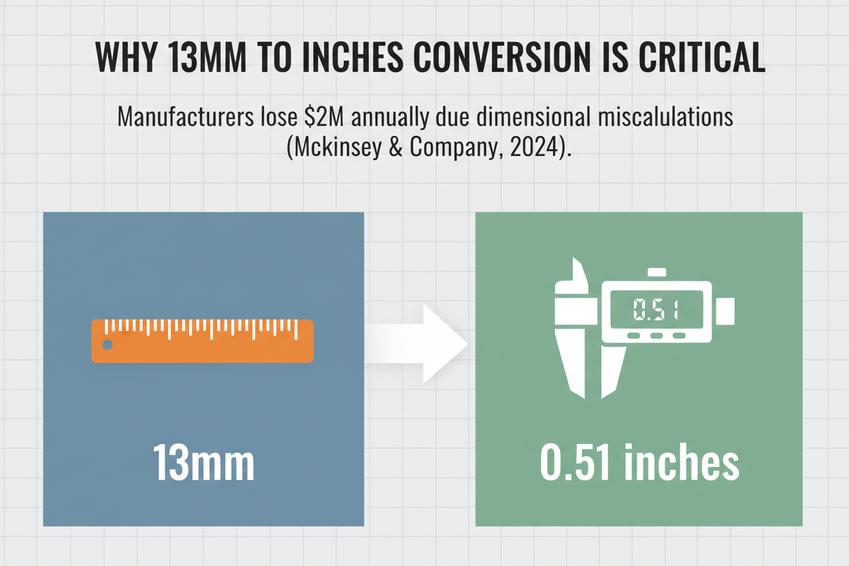
Quick tip before we dive in—13 millimeters is just over half an inch. But there’s more to this than a simple number.
Simple Formula for Converting Millimeters to Inches
• Want the fastest answer to “how many inches is 13mm”? Just divide by 25.4.
• So: 13 ÷ 25.4 = approximately 0.5118 inches.
• That means 13 millimeters equals about 0.51 inches, which is just a hair over half an inch.
Now, if you’re not into math on the fly, here’s a cheat trick—remember that every 10 mm is close to 0.39 inches, so you can estimate quickly when needed.
Why Accurate Conversions Matter for Manufacturing
Getting sloppy with conversions? That’s how you end up with parts that don’t fit or products that wobble.
- In precision manufacturing, even a difference of 0.1 mm can throw off entire assemblies.
- Misjudging material thickness leads to faulty seals or weak joints.
- Incorrect conversion of packaging dimensions could mean wasted space—or worse, damaged goods during shipping.
In real manufacturing workflows, these small deviations often snowball through tolerance stack-up, where individually “acceptable” part variations combine into a final assembly that won’t fit or function correctly. Tolerance in Product Design: How to Avoid Stack-Up Nightmares
So yeah, knowing exactly how many inches is 13mm isn’t just trivia—it’s money saved and chaos avoided.
Common Conversion Tools and Their Limitations
✓ Digital calipers are handy but sometimes oversimplify decimals—rounding off where it matters most.
✓ Online converters? Fast but unreliable if they don’t account for significant digits or rounding rules tied to your industry specs.
→ Pro Tip: Always double-check with physical measuring tools when tolerances are tight and designs depend on exact numbers like dimensional accuracy, not estimates.
→ Don’t trust tools blindly; use them wisely based on your specific design specifications, especially when dealing with strict tolerance levels in packaging or parts engineering.
(If you’re documenting specs, NIST also emphasizes that unit conversion should include correct factors, significant digits, and rounding, not just the raw math.) Unit Conversion
So next time someone asks you “hey, really though—how many inches is 13mm?” you’ll know it’s around half an inch… but also why that little number packs way more punch than you’d expect in real-world applications!
What Is 13mm in Inches and Why It Matters for Packaging
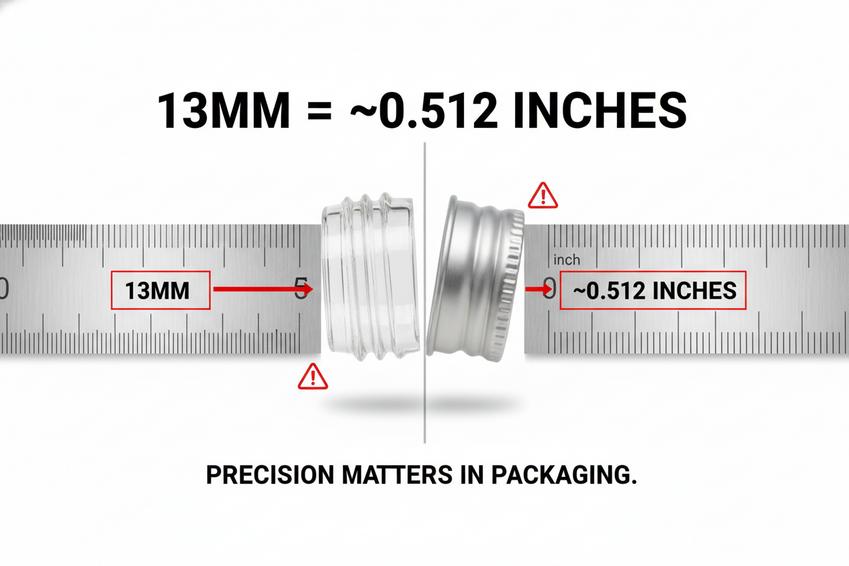
Tiny numbers, big consequences. That’s the reality when you’re asking something like “how many inches is 13mm” — especially in packaging design where every millimeter counts.
Why Packaging Materials Require Accurate Measurements
Measurement precision in packaging isn’t just about looking good — it’s about making sure your components actually fit together.
- Bottle necks and caps: A cap that’s off by even half a millimeter won’t seal properly, leading to leaks or contamination.
- Pumps and sprayers: These rely on tight tolerances; a mismatch could cause malfunction or product waste.
- Label alignment: Misjudging the diameter by a few millimeters can throw off label placement, ruining brand presentation.
When converting units like from 13 mm to inches, even small rounding errors can create major headaches during mass production. So yeah, double-checking those decimals? Totally worth it.
The Impact of Millimeter-to-Inch Conversion on Product Dimensions
When converting something like 13mm to inches, you’re not just shifting numbers—you’re reshaping how things physically interact.
Here’s what changes:
- Diameter tolerance: A shift from metric to imperial can slightly alter how wide your container mouth appears—affecting closure fit.
- Wall thickness interpretation: Converting from mm to inch might round out critical wall dimensions that protect structural integrity.
- Height calibration: Even vertical measurements get skewed—especially if stacking or shelving is involved.
| Metric Size | Inch Equivalent | Typical Use Case | Sensitivity Level |
|---|---|---|---|
| 10 mm | ~0.394 in | Small droppers | Medium |
| 13 mm | ~0.512 in | Lipstick tubes, caps | High |
| 15 mm | ~0.591 in | Serum bottles | Medium |
| 18 mm | ~0.709 in | Pump dispensers | Very High |
So next time you ask “how many inches is thirteen millimeters,” remember—it could be the difference between snug and sloppy.
13mm to Inches: The Answer You’ve Been Searching For
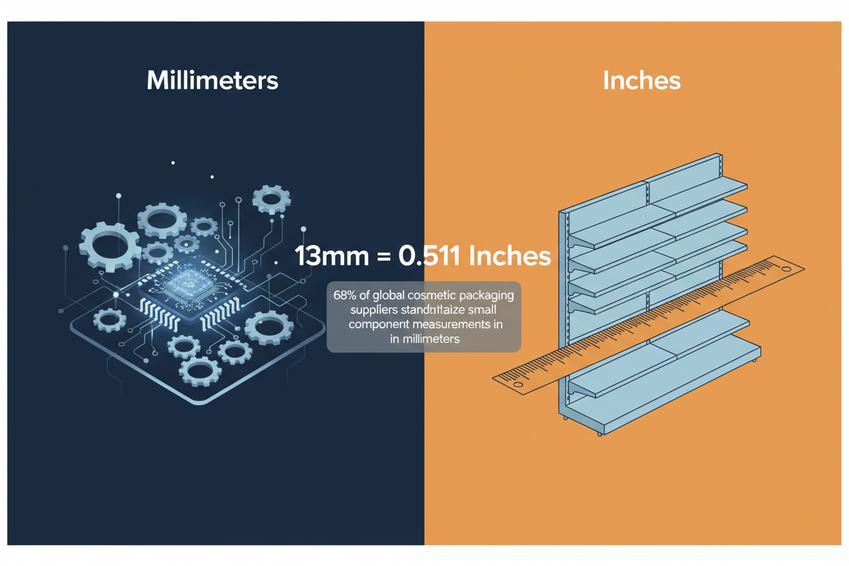
Quick primer before we jump in—if you’ve ever asked “how many inches is 13mm,” this is where precision meets practicality. Let’s break it all down.
Quick Answer: 13mm Equals 0.511 Inches
- Millimeter to inch math isn’t guesswork—it’s exact.
- Use the formula: inches = millimeters ÷ 25.4 So, 13 ÷ 25.4 = approximately 0.511 inches
- Perfect for when packaging specs need no room for error.
• This conversion matters most when aligning international design specs or ordering parts across borders.
In cosmetic manufacturing, a label off by even a hair can mean a misfit cap or wasted batch run. That’s why knowing how many inches is 13mm—and not rounding too early—is key for product integrity.
When to Use Millimeter or Inch Measurements in Cosmetic Packaging
Grouped by application, here’s when each unit pulls its weight:
Millimeters Work Best For:
- Small-diameter containers like lip gloss tubes and mascara wands
- Component tolerances, especially in closures and pumps
- Label width and shrink sleeve dimensions
Inches Are Ideal For:
- Overall bottle height (e.g., foundation bottles)
- Shipping box dimensions and pallet layouts
- Shelf-space calculations during retail planning
Many suppliers standardize fine component dimensions in millimeters because tooling and fit are easiest to control at that scale—especially for closures where leak prevention depends on tight tolerances and verification testing. ASTM Packaging Testing | Seal Integrity & Leak Detection
So if you’re wondering “how many inches is 13 mm” while sourcing lipstick caps? Stick with mm. But if you’re sketching out how that bottle fits on a Sephora shelf? Inches might be your best friend.
| Component Type | Preferred Unit | Reason |
|---|---|---|
| Lipstick cap | mm | Precision fit |
| Foundation bottle | inches | Retail display compatibility |
| Pump diameter | mm | Tooling accuracy |
| Outer shipping box | inches | Freight optimization |
And hey—when it comes to nailing both formats without the headache, Topfeel’s packaging team bridges metric and imperial like pros. (Topfeel’s manufacturing and QC capabilities, plus certifications such as ISO 9001 and ISO 22716, are part of its standard packaging workflow.)
3 Common Conversion Mistakes: 13mm to Inches
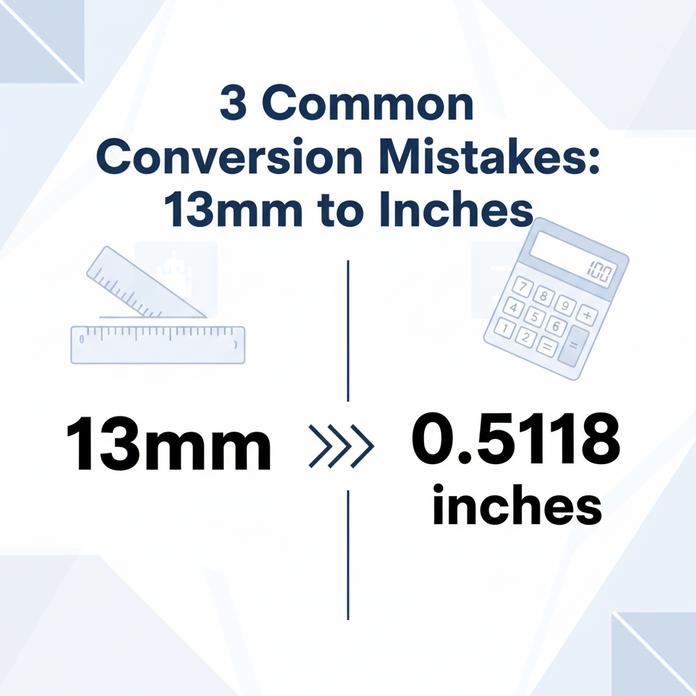
Quick conversions can trip people up. Here’s where most folks mess up when figuring out how many inches is 13mm.
Mistake 1: Forgetting to Use the Correct Conversion Factor
You’d be surprised how many people guess or Google the wrong number. To convert millimeters into inches, always lock in this golden rule:
- The accurate conversion factor is 25.4
- That means: 13mm ÷ 25.4 = approximately 0.5118 inches
- Rounding too early? That’s another common pitfall.
- Some calculators round off at two decimals, which might sound fine—until your design doesn’t fit.
So yeah, it’s not just about asking “how many inches is thirteen mm”—it’s about using the right math every time.
Mistake 2: Ignoring the Impact of Size on Packaging Material
When you’re dealing with product packaging, even a teeny miscalculation can throw everything off balance.
• A tube that’s off by half a millimeter might not seal properly
• Wall thickness calculations depend heavily on accurate inch-to-mm conversion
• Capacity specs change if you’re even slightly wrong
If you’re converting 13 millimeters and think “eh, close enough,” you’re setting yourself up for leaks or wasted material. Brands like Topfeel, who specialize in precision packaging, know that getting it right down to the decimal matters big time.
Mistake 3: Confusing Inches with Fractions of an Inch
Here’s where things get sticky—mixing decimals and fractions without double-checking.
Let’s break it down:
- Decimal form of 13mm is about 0.5118 inches
- That does NOT equal exactly ½ inch, though it looks close
- In woodworking or mechanical parts fitting, that tiny difference could mean loose joints or tight jams
Think of it this way: fractions are great until they aren’t precise enough. When someone asks “how many inches is thirteen millimeters,” and you answer “half an inch,” you might be giving them a shortcut that leads straight into a mistake.
Always double-check whether you need decimal accuracy or fractional approximation—your project depends on it.
How 13mm to Inches Affects Cosmetic Packaging Dimensions
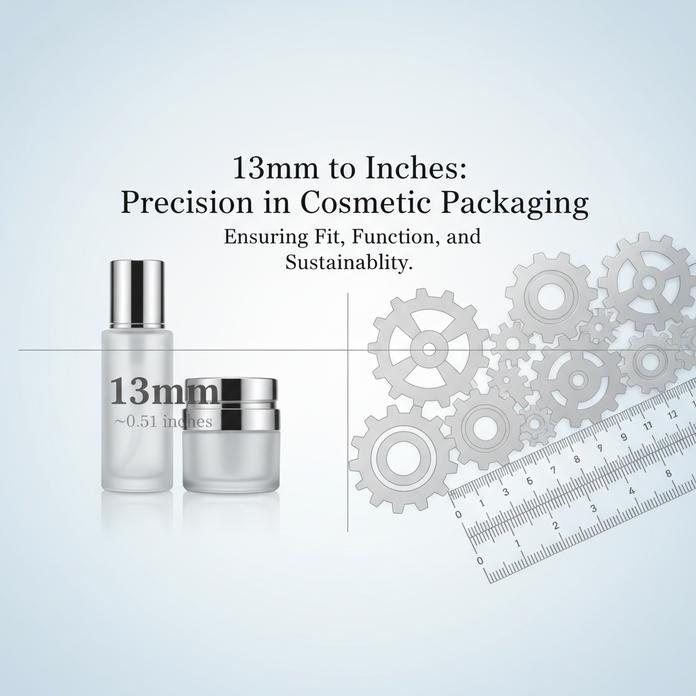
Understanding how many inches is 13mm plays a low-key but essential role in shaping cosmetic packaging that’s both user-friendly and production-ready.
How Accurate Conversions Improve Cosmetic Product Design
Getting the math right on 13mm to inches isn’t just about numbers—it’s about making sure the bottle cap fits, the pump seals, and your serum doesn’t leak mid-flight.
• A slight miscalculation can mean a misaligned bottle neck, causing leakage or poor sealing.
• For foundation bottles, precision sizing ensures compatibility with pumps and droppers.
• Inconsistent conversions throw off volume calibration, affecting how much product consumers actually get.
- Designers often toggle between metric and imperial systems; knowing exactly how many inches is 13mm helps bridge that gap cleanly.
- With accurate sizing, product aesthetics stay sharp—no awkward overhangs or mismatched lids.
→ Even small errors in conversion can ripple into big production delays or returns due to poor fit or function.
The Role of Wall Thickness in Packaging Materials
Wall thickness isn’t just about sturdiness—it directly affects weight, recyclability, and feel-in-hand for both plastic and glass containers.
🟢 Thicker walls improve durability but increase cost and carbon footprint.
🟢 Thinner walls are eco-friendlier but may compromise protection during shipping.
🟢 At exactly 13mm, understanding its inch equivalent (~0.51 inches) helps teams calculate wall ratios accurately for mold design.
Grouped by material:
Glass Containers:
- Often require thicker walls (~3–5mm) for break resistance.
- Conversion accuracy ensures the internal volume meets label claims.
Plastic Containers:
- Can go thinner (~1–2mm) without sacrificing integrity if engineered correctly.
Knowing precisely how many inches is 13 millimeters allows engineers to fine-tune wall specs while balancing strength with sustainability goals.
Customizing Cosmetic Packaging: Why 13mm Matters for Jars and Bottles
This is where we bring in some hard data—because when you’re customizing jars or bottles, dimensions like 13 mm converted to inches aren’t trivial at all:
| Component | Metric Size | Inch Equivalent | Common Use Case |
|---|---|---|---|
| Jar Neck Diameter | 13 mm | ~0.51 in | Mini eye cream jars |
| Bottle Thread Size | 13 mm | ~0.51 in | Travel-size serum bottles |
| Cap Inner Width | 13 mm | ~0.51 in | Precision twist-top closures |
• Designers use this size frequently for compact skincare items where portability matters most. • It also sets the standard for certain mini refill pods gaining traction in sustainable packaging trends.
By knowing how many inches is thirteen millimeters, manufacturers avoid custom tooling costs from mismatched parts—and that adds up fast across large-scale runs.
Sustainability Considerations in Cosmetic Packaging Conversions
Sustainability starts way before a product hits shelves—it begins at the CAD station where someone calculates whether 13 millimeters equals how many inches, then designs accordingly.
Short notes on why it matters:
When you downsize components by even fractions of an inch, you reduce material use without impacting function. Accurate conversion supports refillable formats that rely on tight tolerances. Misjudging something as small as a neck diameter by even half a millimeter can make refills incompatible—and wasteful. Lightweighting depends heavily on precise measurements like converting thirteen mm into inches, especially when working with glass alternatives like bioplastics. Many brands now run lifecycle analyses tied directly to packaging dimensions; every decimal counts when reporting emissions data tied to weight and volume efficiency.
So yeah, even seemingly tiny measures like “how many inches is thirteen millimeters” punch way above their weight class when it comes to green packaging strategies that actually work out there in the real world.
FAQs
How many inches is 13mm when choosing cosmetic jars for a premium feel?
0.511 inches — just over half an inch — can be the difference between a jar’s cap closing with a satisfying snap or wobbling loosely. Glass jars crave accuracy here, so neck finish matches acrylic caps without air gaps and keeps foundation or cream fresh. The slightest mismatch disrupts the harmony of form and function in both matte finish and gloss options.
Why precise millimeter-to-inch conversion shapes success in lotion bottle pump orders
In aluminum pumps fitted to plastic bottles, wall thickness alignment matters as much as aesthetic frost or color matching. Convert 13mm exactly, and viscous serum glides out smoothly; miss by even fractions, and you risk leaks during Quality Control checks on high-speed filling lines born from blow molding runs.
What’s the hidden cost of miscalculating 13mm to inches in manufacturing quotes?
Confusing metrics erases more than numbers—it reshapes tooling for droppers or tubes meant for mascara or lipstick filling via injection molding. Suddenly molds must be re-cut; screen printing layouts shift; hot stamping no longer sits centered over recycled content components poised for eco-conscious buyers seeking refillable designs.
How accurate conversions spark sustainable design choices across compact cases & bottles
That clean figure—0.511 inches—helps designers lightweight glass while protecting powder capacity inside hinged aluminum frames with bamboo accents. Every millimeter saved reduces waste yet safeguards fit under assembly standards where recycled content merges with artistry like frosting sweeps or subtle gloss finishes that make products unforgettable before usage begins.
References
- SI Units – Length (NIST) – https://www.nist.gov/pml/owm/si-units-length
- Unit Conversion (NIST) – https://www.nist.gov/pml/owm/metric-si/unit-conversion
- Tolerance in Product Design: How to Avoid Stack-Up Nightmares and Manufacturing Failures – https://www.modusadvanced.com/resources/blog/tolerance-stack-up-nightmares-choosing-the-right-tolerance-in-product-design
- ASTM Packaging Testing | Seal Integrity & Leak Detection – https://flexpakinc.com/astm-packaging-testing-seal-integrity-and-leak-detection/

