 English
  Español de México
  Français
  Deutsch
  Português do Brasil
  Italiano
  한국어
한국어  ไทย
ไทย  Русский
  日本語
日本語  Polski
  Svenska
  Türkçe

How to Effectively Partner with Eyeliner Container Suppliers?
January 28,2026
The eyeliner game’s heating up, and brands are scrambling to stand out in a market where packaging speaks louder than price tags. But working with eyeliner container suppliers? That can feel like herding cats. Between miscommunications, one-size-fits-all designs, and shipping delays that make molasses look fast—big buyers are burning time and money just trying to keep their shelves stocked.
No fluff here: if you’re sourcing at scale, you need more than just pretty tubes—you need partners who get the assignment from day one. Knowing which materials work for your brand vibe, who’s got real ISO 9001 creds (not just fancy logos), and how to lock down custom options without losing sleep—that’s what separates smart sourcing from expensive chaos.
Essential Insights for Choosing Eyeliner Container Suppliers
➔ Material Type Consideration: Choose between acrylic, plastic, or glass based on durability, aesthetics, and your brand identity.
➔ Supplier Certifications Importance: Ensure suppliers are ISO 9001 and GMP certified to guarantee quality and compliance.
➔ Customization Potential: Look for suppliers offering custom colors, Pantone matching, and various decoration techniques to enhance brand identity.
➔ Experience with Container Types: Opt for suppliers experienced in creating different cosmetic containers to meet diverse product needs.
➔ Communication and Responsiveness: Effective communication is crucial for fostering strong supplier relationships.
➔ Understanding Shipping Terms: Familiarize yourself with shipping terms like FOB, CIF, and DDP to manage costs and delivery expectations.
➔ Production Scale Matching: Choose suppliers that can accommodate your production size and scale, ensuring seamless operations.
➔ Exploration of Closure Types: Assess closure types, such as twist-up mechanisms, for reliable and user-friendly packaging.
➔ Decoration Style Comparison: Evaluate decoration options, including hot stamping and metallization, for optimal brand representation.
Understanding Your Needs When Selecting Eyeliner Suppliers
Picking the right eyeliner container suppliers starts with knowing what you want. Let’s break it down by materials, certifications, and customization perks.
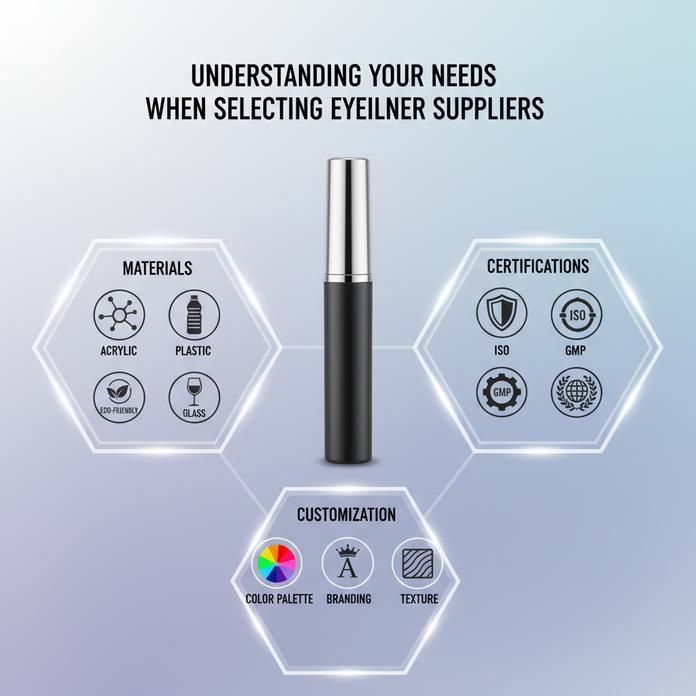
Identifying Material Preferences: Acrylic, Plastic, or Glass?
- Acrylic containers bring a premium look without the weight of glass. They’re solid but not shatterproof.
- Plastic packaging is the go-to when budget and flexibility are top priorities—lightweight and easy to mold.
- Glass bottles scream luxury but need extra care during shipping and handling.
💡 Tip: Match your brand vibe. If you’re eco-conscious, steer toward recyclable material selection like PET plastic or frosted glass.
🛍️ For indie brands launching on a tight budget, durable container materials like PP plastic can keep costs low while still looking sleek.
Evaluating the Importance of Supplier Certifications
- ISO certification isn’t just a fancy stamp—it shows your supplier meets international quality standards.
- GMP compliance means their production process follows strict hygiene and safety protocols—a must-have in cosmetics.
- Ask about ethical sourcing policies to ensure your products align with clean beauty trends.
When choosing between multiple eyeliner container suppliers, don’t skip this step. A certified partner saves you from future headaches with regulators or retailers.
Customization Options: From Colors to Decoration Styles
Let’s talk branding magic:
• Want bold colors? Go wild—Pantone matching lets you nail that exact shade on your lid design.
• Logo placement matters—choose between hot stamping, silk screening, or digital printing depending on how glossy or matte you want it to look.
• Surface finishes like soft-touch coatings give off that high-end feel without breaking the bank.
Mixing these customization options helps set your product apart from every other eyeliner on the shelf. Whether it’s minimalist chic or glam overload, custom touches make people remember your brand—and come back for more.
3 Essential Traits of Quality Partners: Container Suppliers
Finding the right partner means more than just comparing prices. These traits separate good eyeliner container suppliers from great ones.
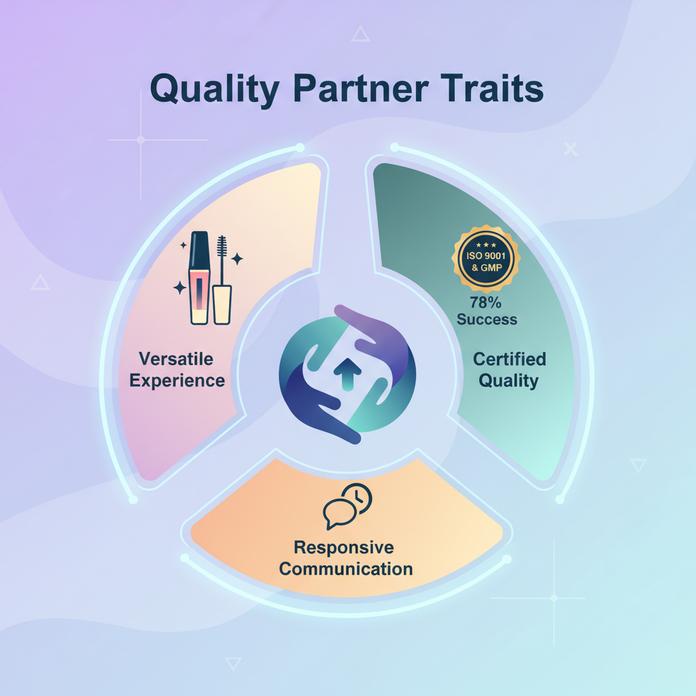
Experience with Various Container Types: Eyeliner Tubes vs. Mascara Bottles
When you’re dealing with cosmetics, product fit is everything. Top-tier eyeliner container suppliers should show off their versatility across different formats:
- Eyeliner tubes come in felt-tip, brush pen, and gel pot varieties—each needs specific material handling.
- For mascara bottles, the supplier must understand wand compatibility, bottle neck sizing, and airtight sealing.
- Brands often pivot between formulas—having a supplier that handles both container types smoothly is a game changer.
A seasoned supplier won’t just manufacture; they’ll advise on innovations in cosmetic packaging too. That’s where experience speaks louder than any sales pitch.
Commitment to Quality: Understanding ISO 9001 and GMP Standards
The best eyeliner container suppliers don’t just talk quality—they live it through certifications like ISO 9001 and strict adherence to GMP standards.
According to Euromonitor’s April 2024 analysis on global packaging compliance, over 78% of successful beauty launches were tied to suppliers certified under international quality protocols.
These standards ensure:
- Consistency in production batches
- Full traceability of materials used
- Regulatory compliance across markets
If your supplier lacks these? You’re risking recalls or worse—brand credibility hits. Stick with partners who treat quality as non-negotiable.
Responsiveness and Communication: Key Elements to Look For
Let’s be real—slow replies kill momentum. Great eyeliner container suppliers know that fast feedback isn’t optional; it’s expected.
• Quick turnaround on samples shows commitment
• Transparent updates keep production timelines in check
• Proactive outreach during delays builds trust
You’re not just buying containers—you’re building a relationship. And if your supplier ghosts you mid-project? That silence costs money and time. Choose someone who makes communication feel like collaboration.
Transparency in Shipping Terms: FOB, CIF, DDP Explained
Shipping terms can get confusing fast—but the best eyeliner container suppliers break it down without fluff:
🟢 With FOB (Free On Board), you handle freight after goods leave their port; it’s cheaper but riskier.
🟡 CIF (Cost Insurance Freight) includes freight + insurance till arrival at your port—less hassle but slightly pricier.
🔵 DDP (Delivered Duty Paid) covers everything door-to-door; higher cost but zero stress.
Want fewer surprises when importing? Pick a supplier who lays out all shipping details upfront—and doesn’t bury costs in fine print. One reason Topfeel remains trusted globally is because they make international logistics feel local.
Crucial Steps To Evaluate Eyeliner Container Suppliers
Choosing the right eyeliner container suppliers can make or break your product’s appeal. Here’s how to size them up smartly.
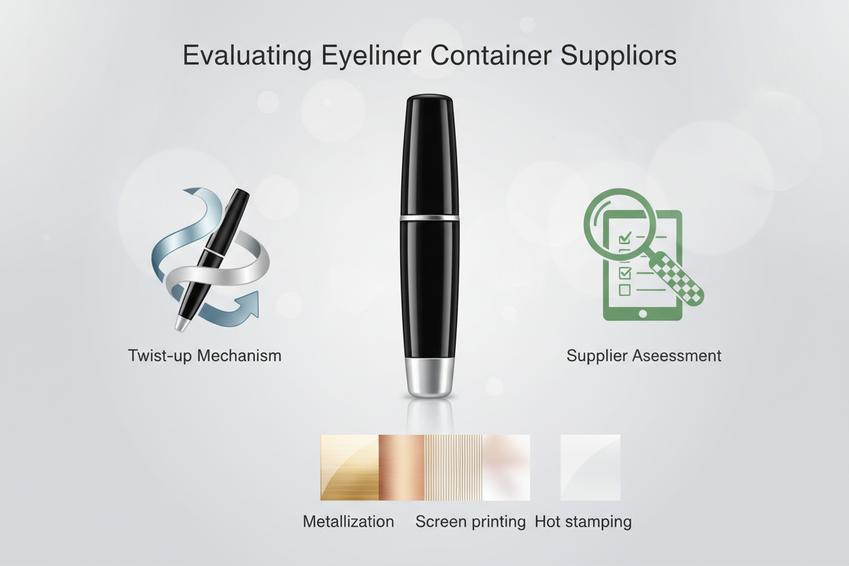
How to Assess Closure Types: Benefits of Twist-Up Mechanisms
When it comes to closure mechanisms, not all are created equal. The twist-up design has become a go-to in the eyeliner game—and here’s why:
- User convenience: No need for sharpening—just twist and apply. It’s a win for busy consumers.
- Leak prevention: A secure seal helps avoid messy spills in makeup bags, making your product travel-friendly.
- Product protection: Keeps the formula safe from air exposure, extending shelf life and reducing waste.
- Application ease: Smooth dispensing means more control during use, which is key for precision looks.
- Supplier assessment tip: Ask if the supplier has tested their twist-up components under pressure and heat conditions—especially important if you’re shipping globally.
- Customization compatibility with other features like click-locks or snap caps can also enhance user experience—don’t overlook those add-ons.
Any eyeliner worth its pigment needs packaging that works just as hard. The right closure keeps your product fresh and frustration-free.
Comparing Decoration Options: Which Works Best for Your Brand?
Picking out decoration styles isn’t just about looking good—it’s about reflecting your brand vibe while staying practical with materials and production timelines. Here’s how to weigh your options smartly:
• Hot stamping gives a luxe metallic finish that screams premium, but it pairs best with smooth surfaces like plastic or aluminum—not textured ones.
- Screen printing offers durability and clarity, especially when you’ve got fine text or minimalist designs.
- Metallization adds serious shine but may increase costs due to extra layering steps—worth it if you’re going glam.
✦ Consider material compatibility before committing; not every technique plays well with every surface.
Some brands opt for full-wrap shrink sleeves to maximize space for branding—but they might limit recyclability depending on material blends used. Others prefer subtle touches like UV spot coating on logos to catch light without overwhelming the eye.
Short-term trends might tempt you into flashy finishes, but think long-term too—what aligns with your brand’s core message? Is sustainability part of your identity? Then lean toward eco-friendly inks or water-based coatings instead.
Ultimately, talk through these options directly with potential eyeliner packaging vendors. Their ability to execute advanced decoration techniques speaks volumes about their overall supplier capabilities, especially when custom orders are involved.
Finding The Right Eyeliner Container Suppliers For Your Needs
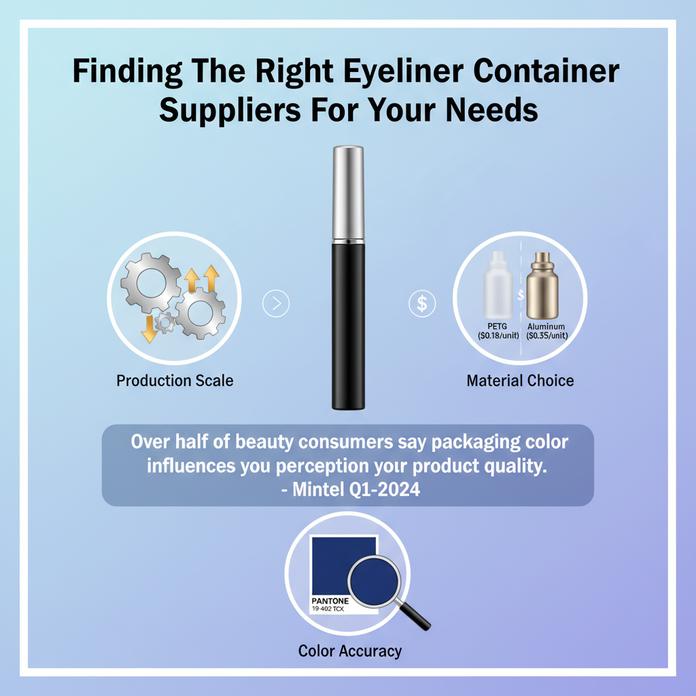
Choosing the right eyeliner container suppliers isn’t just about price—it’s about fit, finish, and future growth.
Factors to Consider: Size and Scale of Production
When you’re sizing up potential eyeliner container suppliers, think beyond just how many units they can churn out. Ask yourself how well their operations match your own scale and vision.
- Production volume flexibility – Can they handle both small trial runs and large-scale orders?
- Transparent minimum order quantity (MOQ) – Some suppliers require thousands per SKU, others are more startup-friendly.
- Consistent lead time – Delays kill momentum; ask for average turnaround times.
- Scalable manufacturing capacity – Will they grow with you?
- Realistic timelines for new designs or tooling changes.
- Supplier’s backup plans during high-demand seasons.
- Ability to maintain quality across varying order sizes.
If your brand is scaling fast, aligning with a supplier that can ramp up production without compromising on quality is key. Don’t underestimate the value of long-term compatibility when choosing a packaging partner.
Narrowing Down Choices: Comparing PETG and Aluminum Containers
Material matters—both for aesthetics and function. Whether you’re aiming for sleek luxury or eco-conscious appeal, comparing options like PETG vs aluminum helps narrow down which fits your vibe best.
| Material Type | Durability Rating | Recyclability Score |
|---|---|---|
| PETG | Moderate | Medium |
| Aluminum | High | Excellent |
PETG is lightweight and affordable, making it popular among indie beauty brands looking to test multiple SKUs quickly. On the flip side, aluminum screams premium—but at a cost. If your brand wants that clean metallic sheen with solid feel, aluminum might be worth it despite the higher unit price.
The choice comes down to what you value most—low-cost prototyping? Go PETG. Long-lasting luxe feel? Aluminum wins hands-down on both durability and visual punch.
Making Sense of Color Matching: Custom Colors and Pantone Matching
Color isn’t just decoration—it’s identity in a tube. A mismatch in shade can throw off your entire product line’s vibe.
Step 1: Start by defining your brand’s exact hues using the Pantone Matching System (PMS)—this ensures universal consistency across batches and suppliers.
Step 2: Share those codes with potential manufacturers early on so they understand expectations around color accuracy from day one.
Step 3: Request physical samples before final approval; even digital color specs can’t replace seeing real-life pigment formulation results under different lighting conditions.
According to Mintel’s Global Packaging Trends Report Q1–2024, “Over half of beauty consumers say packaging color influences their perception of product quality.” That stat alone shows why nailing down consistent tones matters big time when vetting eyeliner container vendors.
Don’t settle for “close enough.” Make sure every batch aligns perfectly with your brand identity—or be ready for customers to notice something feels…off.
Building Trust: The Foundation For Supplier Partnerships
Trust isn’t built overnight—it’s earned through honest talk and reliable actions. Here’s how to lock in solid supplier bonds that last.
The Role of Clear Communication in Building Relationships
Strong supplier bonds start with clear, no-fluff communication. That means more than just swapping emails—it’s about building mutual understanding and real-time feedback loops.
- Transparency is non-negotiable: Share goals, timelines, and any hiccups early on.
- Set crystal-clear expectations from day one—no guesswork.
- Keep the lines open for two-way dialogue, not just top-down orders.
- Regular updates build trust—don’t ghost your suppliers after onboarding.
- Use feedback sessions to boost collaboration and reinforce mutual respect.
- Misunderstandings? Tackle them head-on with direct language, not corporate fluff.
- Weekly or bi-weekly syncs help maintain alignment across teams and time zones.
- Encourage informal chats too—it humanizes the relationship beyond contracts.
For eyeliner container suppliers, where precision matters, these habits keep projects smooth and prevent costly missteps.
How Consistency Leads to Long-Term Supplier Partnerships
When it comes to sticking with a supplier long-term, nothing beats rock-solid consistency—in both quality and delivery.
▸ Start by tracking performance metrics regularly. Is your supplier hitting the same high bar every time?
▸ Quality checks should feel routine—not a surprise drill when something goes wrong.
▸ If you’re switching between different eyeliner container suppliers often due to poor reliability, it’s a red flag worth addressing ASAP.
Now break it down further:
- A consistent supply chain builds internal confidence across departments—from product dev to logistics.
- Stable partnerships reduce lead times because everyone already knows how the other works.
- When a supplier proves their reliability, you can scale faster without second guessing every shipment or batch run.
Suppliers who deliver on time without cutting corners show their long-term commitment—and that’s gold when you’re scaling up product lines or launching seasonal collections.
In short? Pick someone who doesn’t flake—and reward them with loyalty they’ve earned through dependable performance, stable output, and unwavering delivery timelines.
Whether you’re working with new vendors or vetting established eyeliner container suppliers, prioritizing consistency pays off tenfold down the line.
FAQs
1. What factors define a trustworthy eyeliner container supplier?
Transparency and consistency show the heart of good suppliers.
- Check for clear certifications like ISO 9001, GMP certified, or FDA approved—they guard quality in every batch.
- Ask how they control color stability — maintaining uniformity across Black, White, and bold Custom colors with Pantone matching creates brand harmony.
- Reliable suppliers also clarify shipping channels — from cost‑efficient FOB/Tianjin ports to worry‑free global deliveries via DDP or Express shipping.
2. How does material choice influence product appearance and usability?
Each substance changes how your eyeliner feels in hand and looks under studio lights:
| Material | Characteristic Feel | Common Application |
|---|---|---|
| Acrylic | Glossy, durable | Premium look containers |
| PETG | Lightweight & strong | Practical everyday packaging |
| Aluminum | Cool metallic texture | High‑end limited editions |
Plastic options often balance price; Glass offers luxury but heavier freight. Selecting the right mix adds visual rhythm between elegance, function, and brand story.
3. Why do closure mechanisms matter so deeply in design?
A single click or twist defines user experience:
• The familiar screw cap forms reliability for travel kits;
• Tight snap‑on lids suit compact gift lines;
• Twist‑up mechanisms bring refined dispensing control that prevents leaks around brush tips – an ideal fit for delicate eyeliners inside slim tubes or paired brush applicators.
Consistency here saves product loss while amplifying daily delight.
4. Which decoration styles truly let eyeliner packaging stand apart on shelves?
Design becomes storytelling when finishes meet light correctly:
- Shimmer through fine detail with precise hot stamping, catching quick glances at counters;
- Add personality using multi-tone layers of silk screening & label application, shaping variant identities within one series;
- Deep reflections appear through mirrored brilliance from Metallization, sealed by smooth shine of a final layer of UV coating.
These tactile decisions breathe character into simple shapes—turning ordinary eyeliner tubes, mascara bottles, even lip gloss containers into captivating mini works of branding art.
References
- Beauty and Personal Care: Half-Year Update 2024 – euromonitor.com
- The Future of Beauty Packaging: Here’s What Brands Need to Know – mintel.com
- ISO Certifications for Skincare Product Manufacturing Businesses – pacificcert.com
- DDP vs CIF vs FOB: Which Is Best for Your Business in 2025? – tonlexing.com
- How Brush Applicator Twist Cosmetic Pen Combine Functionality and Elegance – apackaginggroup.com

