 English
  English (UK)
  English (Australia)
  English (Canada)
  العربية
  Deutsch
  Italiano
  Español de México
  Tiếng Việt
  ไทย
ไทย  Português do Brasil
  Français
  Български
  Čeština
  Dansk
Dansk  Ελληνικά
  Eesti
Eesti  Suomi
Suomi  Magyar
  Bahasa Indonesia
  Lietuvių kalba
  Latviešu valoda
  Norsk bokmål
  Nederlands (Formeel)
  Polski
  Română
  Русский
  Slovenčina
  Slovenščina
  Svenska
  Türkçe
  Українська
  简体中文
简体中文  日本語
日本語  한국어
한국어  繁體中文
繁體中文 
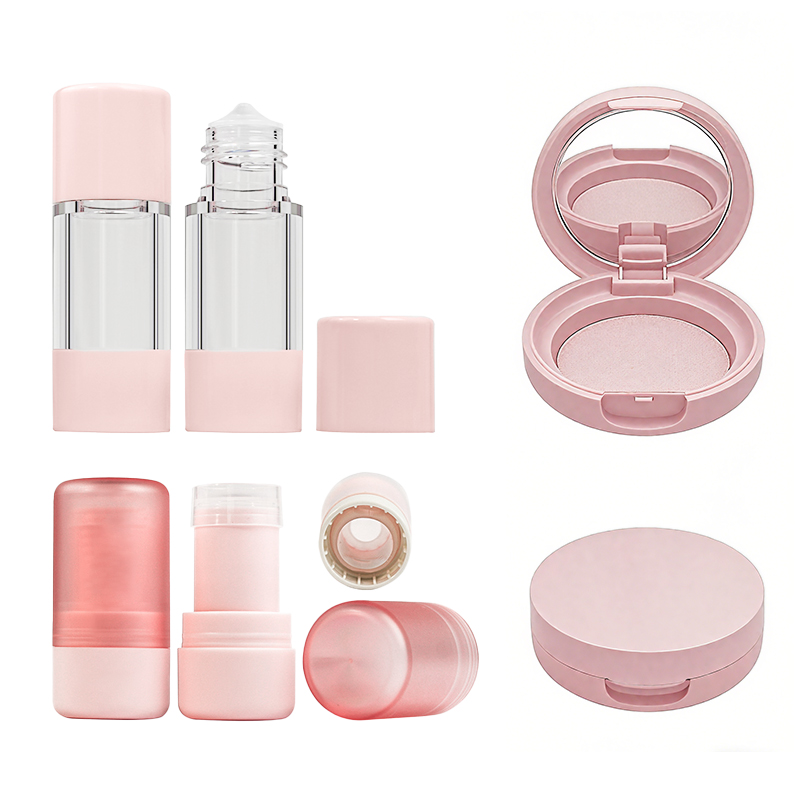
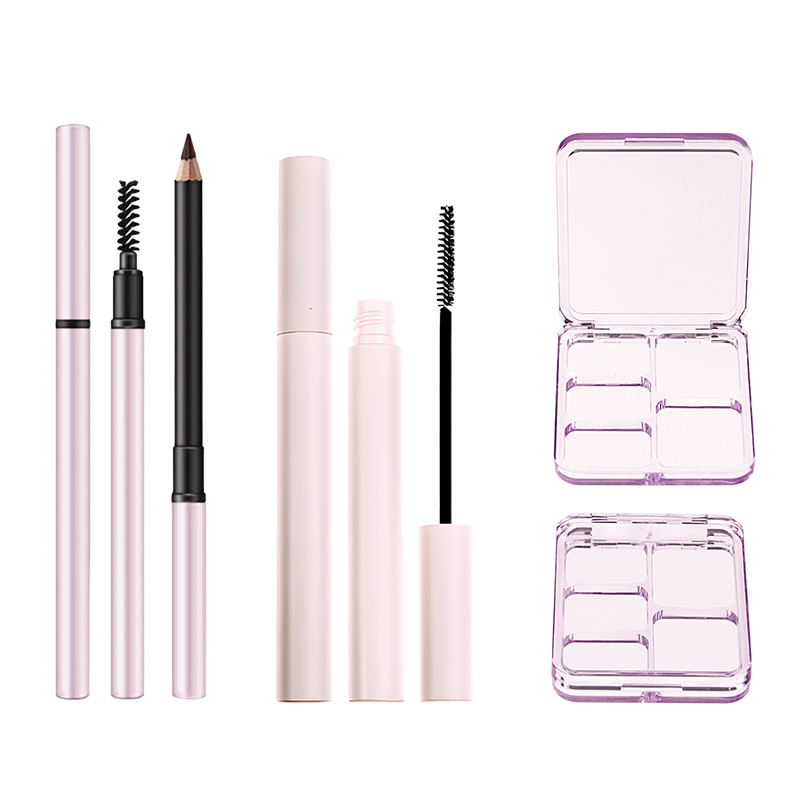
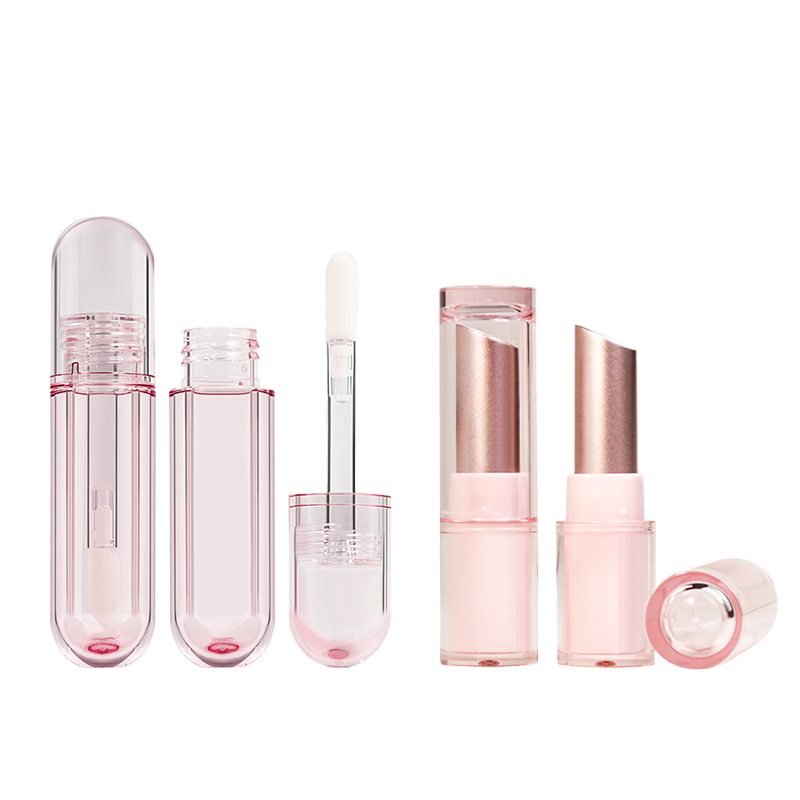

Squeeze vs. Wand: Choosing the Right Essence Lipgloss Tube for Your Formulation
February 13,2026
You’ve got a stunning essence lipgloss formula—maybe it’s a featherlight shimmer that catches the light just right, or a juicy tint that hugs lips like honey. But if you park that liquid gold in the wrong tube? Game over. The Essence Lipgloss Tube isn’t just packaging—it’s your frontline performer. And choosing between a squeeze or wand applicator can feel like picking between stilettos and sneakers: both have their place, but only one fits your stride.
Most product managers don’t think twice about wipers, ferrules, or PETG blends until thousands of units show up with leaks or flaky finishes. That’s when the phone starts ringing off the hook—and not in a good way.
As Topfeelpack senior engineer Wei Liu said at CosmoPack 2024 in Bologna, “The tube is part of the formula now. If it doesn’t flow cleanly and seal tightly, you’re not shipping lip gloss—you’re shipping returns.”
Sparkling Insights: Essence Lipgloss Tube
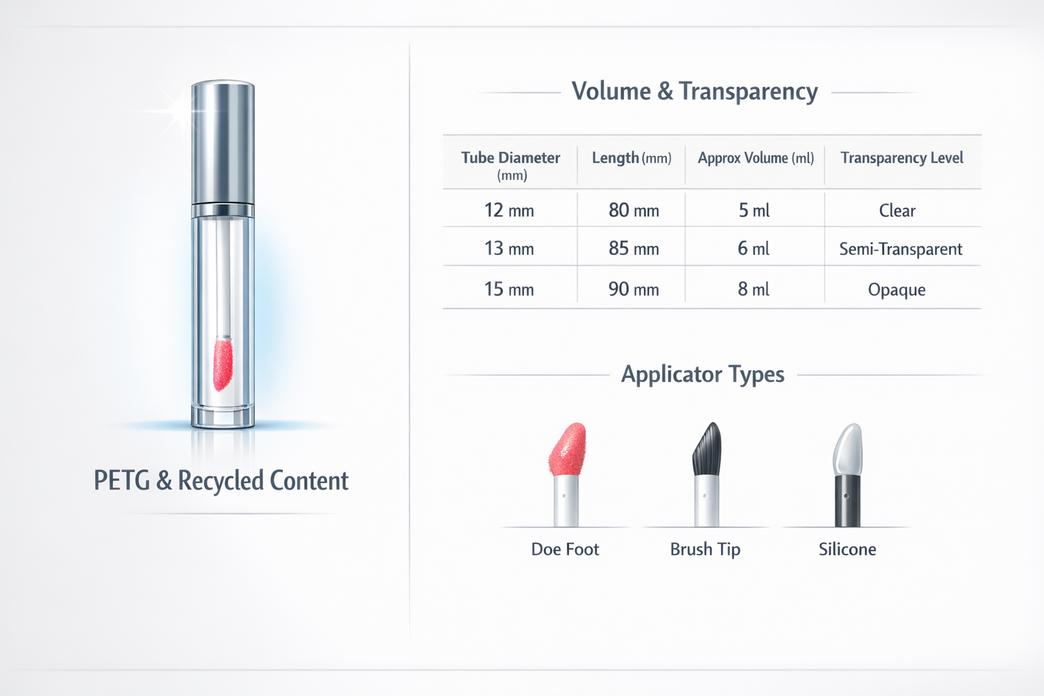
- Strength & Eco-Friendliness: PETG clarity with recycled content
- Volume & Visibility: Selecting tube diameter and transparency
- Applicator Choice: Matching doe foot, brush tip or silicone to your formula
- Flawless Production: Precision injection molding and QC protocols
- Dispensing Dynamics: Weighing squeeze tubes against wand applicators
- Leakproof Design: Stoppers, wipers and ferrule tooling for spill prevention
- High-Volume Efficiency: Extrusion shaping, automated assembly, optimized MOQs
The Main Criteria For Picking the Right Tube
Choosing the right tube for your Essence Lipgloss Tube isn’t just about looks—it’s about performance, sustainability, and how it feels in your hand.
Balancing Strength and Sustainability with PETG and Recycled Content
You want something that lasts but doesn’t trash the planet. Here’s what to weigh:
- PETG is tough as nails—resists cracking even when dropped.
- Tubes with high recycled content still hold up under pressure.
- Opt for blends that balance visual clarity with eco-friendliness.
💡 PETG‘s durability makes it ideal for gloss tubes tossed into makeup bags daily. And yes, you can have strength without sacrificing sustainability. Brands like Topfeelpack are now mixing post-consumer resin into their gloss packaging—without compromising on appearance or feel.
How Do Diameter and Transparency Affect Your Tube’s Volume Capacity?
Let’s break it down with some quick math and visuals:
| Tube Diameter (mm) | Length (mm) | Approx Volume (ml) | Transparency Level |
|---|---|---|---|
| 12 | 70 | 5 | High |
| 14 | 65 | 7 | Medium |
| 16 | 60 | 9 | Low |
| 18 | 55 | 10+ | Opaque |
Larger diameters mean more product—but also bulkier packaging. Meanwhile, higher transparency lets users see fill levels clearly, which builds trust and adds visual flair to any lip gloss tube design.
Doe Foot, Brush Tip, or Silicone? Choosing the Best Applicator
Different strokes for different folks—and formulas:
- Creamy gloss? Go with a soft doe foot applicator—it hugs lips nicely.
- Thin serums or oils? A flexible brush tip applicator spreads evenly.
- Want max hygiene? Use a smooth silicone applicator, easy to clean.
Each type affects how your product feels going on—and how precise users can be. Think about both formula texture and user vibe when choosing.
“According to Mintel’s Beauty & Personal Care Report Q1–2024, over 68% of Gen Z consumers prefer applicators that feel ‘customized’ to their routine.” That means one-size-fits-all isn’t cutting it anymore.
Optimizing Injection Molding and Quality Control Workflows
Getting flawless tubes at scale takes more than just good machines—it’s about tight processes too:
Step-by-step process:
- Begin with precision tooling setup tailored for each tube shape.
- Use real-time sensors during the injection molding phase to detect air pockets or uneven walls.
- Implement automated vision systems post-production for instant defect spotting.
- Conduct manual sampling every batch cycle to double-check consistency in wall thickness and color tone.
Grouped process logic:
-
Pre-production:
- Mold calibration
- Material prep using verified PETG/resins
-
Production:
- Machine temperature control
- Flow rate tuning
-
Post-production:
- In-line quality checks
- Packaging inspection before shipping
A seamless production workflow ensures every single Essence Lipgloss Tube looks as good as it performs—with no weird bubbles or crooked wands showing up in customer hands.
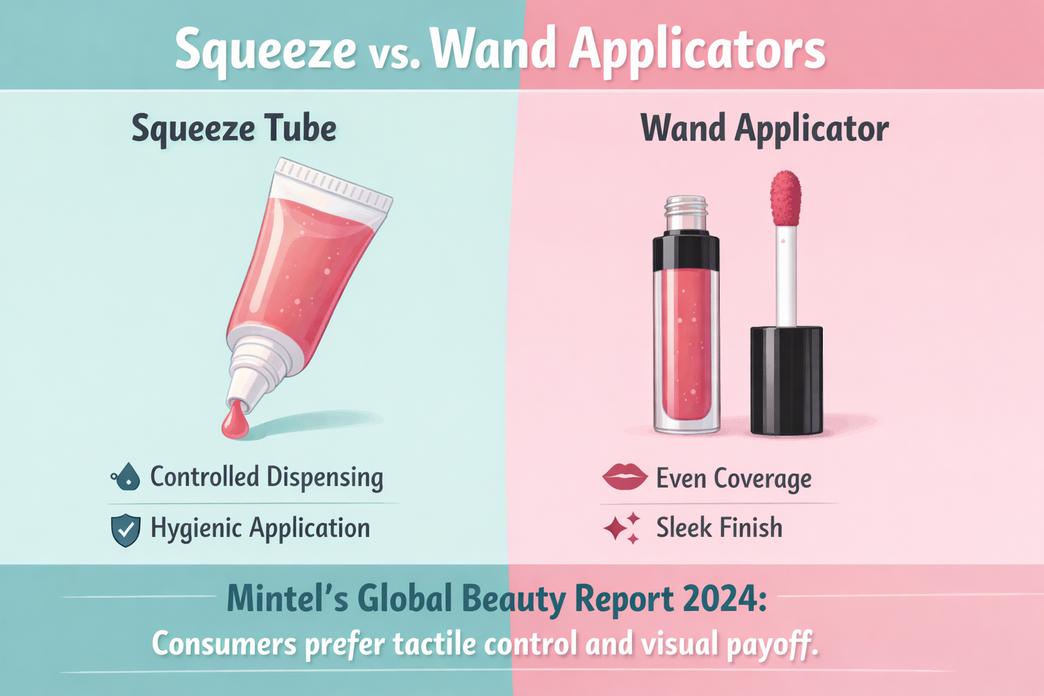
Comparative Type: Squeeze Vs. Wand Applicators
Choosing between squeeze and wand applicators can totally change how your essence lipgloss tube performs and feels. Let’s break it down.
Squeeze Applicator
When it comes to flexible packaging, the squeeze-style wins for its adaptability. Here’s how this format works across several layers of usage:
A. Functional Benefits
- Controlled dispensing makes it easy to get just the right amount without overdoing it.
- The soft tube design is gentle on hands and allows pressure-based flow.
- It supports a variety of tip styles, including the ever-popular precision tip, perfect for targeted use.
B. Hygiene & Portability
- Since there’s no re-entry of product into the container, it’s more hygienic, especially for shared products.
- Its compact size makes it super travel-friendly, slipping easily into a purse or makeup bag.
C. Compatibility with Product Types
- Best for thicker formulas like balms, ointments, or gel-based glosses.
- Allows for direct application with minimal mess — no tools needed!
In short, if you’re after simplicity and cleanliness in an essence lip gloss tube, squeeze options offer a practical edge without sacrificing style.
Wand Applicator
Now let’s talk wands — because sometimes you want that extra finesse when applying your gloss. This format brings precision and polish together:
• The built-in flocked tip provides a soft texture that hugs lips during use.
• Thanks to an internal reservoir, each dip delivers a consistent, controlled amount of product — no more double-dipping nightmares.
• You get smooth swipes and solid coverage from corner to cupid’s bow — hello, even coverage and that glossy, camera-ready pout.
“According to Mintel’s Global Beauty Report 2024, consumers increasingly prefer applicators that offer tactile control and visual payoff—especially in lip products.”
For any brand developing an essence-style gloss formula in a sleek tube format, wand applicators are often the go-to for delivering shine with a flawless finish. Whether you’re targeting subtle sheen or full-on glam, this style ensures high-impact results with every swipe.
And if you’re wondering what works best for your next launch? Think about how your users apply on-the-go versus at-home—because that’s where the magic really happens with these two formats.
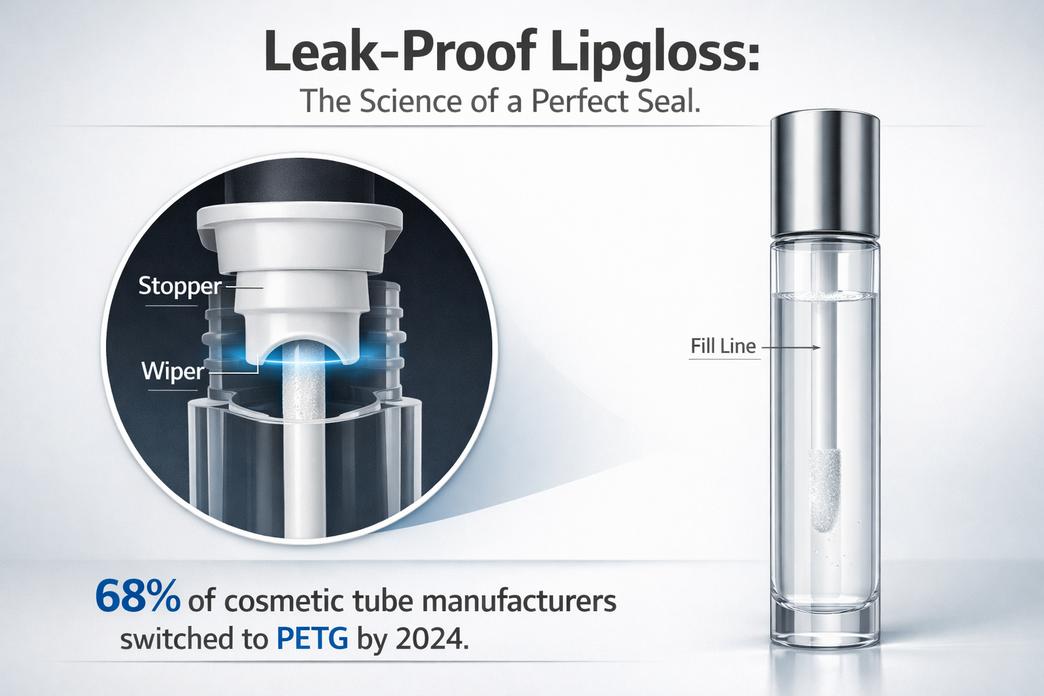
Pain Point-Solving: Formula Leakage? Lock In With Sealed Essence Lipgloss Tube
Keeping an Essence Lipgloss Tube mess-free isn’t just nice—it’s non-negotiable. Here’s how the right parts and processes keep every drop locked in.
How Stopper and Wiper Components Prevent Essence Spills
The stopper and wiper aren’t just plastic bits—they’re the unsung heroes keeping your gloss where it belongs.
- The wiper hugs the applicator tightly, scraping off excess gloss to prevent overflow.
- A snug-fitting stopper creates a vacuum-like seal when the wand is reinserted.
- Together, they reduce internal pressure shifts that cause leaks during air travel or temperature swings.
When these components are precision-molded, they create a near-perfect closure system—no drips, no gunk buildup around the rim. That’s how you keep your bag safe from surprise spills.
Choosing PETG Tubes for Enhanced Transparency and Seal Verification
Choosing PETG tubes over other materials isn’t just about looks—it’s about trust.
- You can literally see through PETG to verify fill levels and check for any micro-leaks.
- Its high-impact resistance means fewer cracks or stress fractures during shipping.
- PETG also supports tighter sealing thanks to its dimensional stability under heat.
Multiple manufacturers have shifted toward PETG not only for its sleek finish but because it helps speed up quality checks without compromising on durability.
“By 2024, over 68% of cosmetic tube manufacturers reported switching to PETG due to its superior clarity and seal integrity,” according to Euromonitor International’s Q1 Packaging Report.
Quality Control Protocols for Airtight Assembly and Leak Testing
Every airtight Essence Lipgloss Tube goes through a gauntlet of checks before it reaches store shelves:
- Visual inspection under LED-enhanced stations catches seal misalignments.
- Pressurized air testing confirms no gas or liquid escapes from closures.
- Automated torque sensors measure cap tightness after filling.
These steps aren’t optional—they’re standard in wholesale high-volume manufacturing lines where even one faulty unit can lead to costly recalls or bad reviews online.
Ferrule Tooling Precision to Guarantee Cap Tightness
Cap fit isn’t guesswork—it comes down to razor-sharp accuracy in ferrule tooling design.
🛠️ When ferrules are milled with micrometer-level tolerance:
- They apply consistent torque when capping
- Prevent cross-threading that leads to loose caps
- Ensure long-term shelf stability by maintaining tension over time
A poorly tooled ferrule means even a perfectly sealed gloss might pop open mid-transit. That’s why top-tier packaging plants invest heavily in CNC-machined ferrule systems calibrated daily for consistency across thousands of units per hour. Precision here equals peace of mind later—for brands and consumers alike.
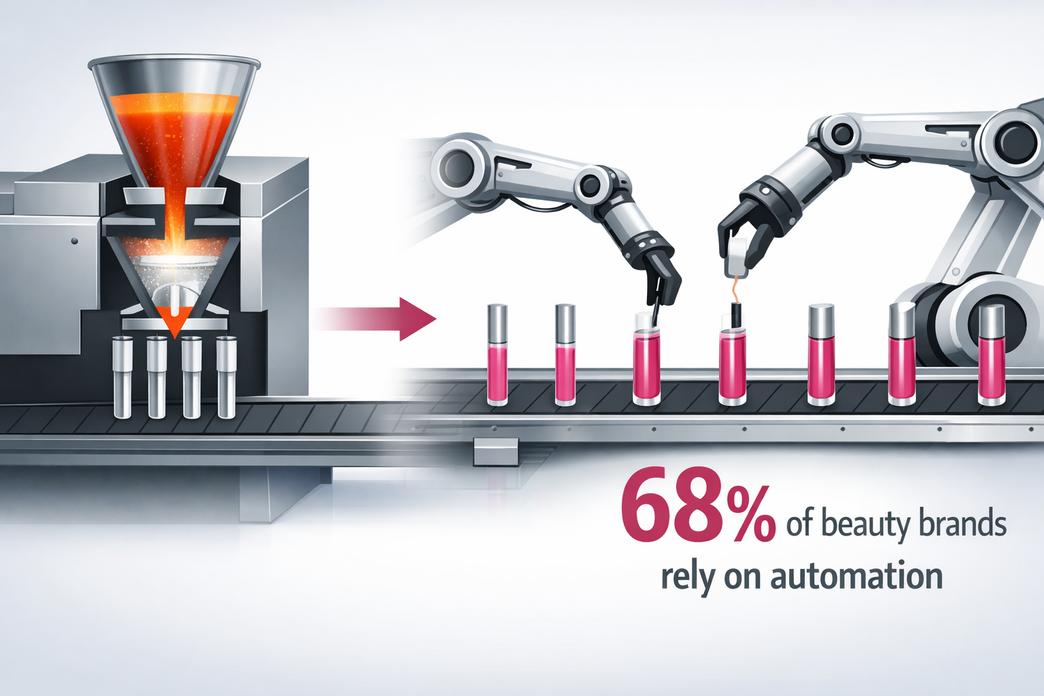
Scenario-Based: Bulk Production: Streamline Filling For Squeeze Tubes
Bulk production for Essence Lipgloss Tube packaging demands speed, consistency, and smart logistics. Let’s break down how large-scale orders are handled with precision.
High-Speed Extrusion for Bulk Squeeze Tube Production
The key to fast tube forming? Smooth material flow, tight quality control, and top-tier extrusion technology. Here’s how it all comes together:
- Raw plastic pellets enter the extruder where heat and pressure transform them into a molten state.
- The molten polymer is pushed through a die to shape the tube body—this step defines diameter and wall thickness.
- As the formed tube exits, it’s rapidly cooled to lock in structure before trimming.
• Consistent production rate means fewer rejects and better margins.
• Higher manufacturing efficiency helps meet tight deadlines on big orders.
You’ll see this process shine when making thousands of identical tubes for a new lip gloss line drop.
Automated Applicator and Cap Assembly Lines Explained
Once tubes are shaped, it’s go-time on the assembly line. Here’s what happens behind those humming machines:
- Robotic arms handle delicate tasks like precise applicator insertion without damaging seals.
- Smart sensors guide smooth cap placement, ensuring every unit clicks shut perfectly.
- The entire assembly process is orchestrated via synced-up conveyor systems, minimizing downtime.
“According to Mintel’s Packaging Automation Report 2024, over 68% of beauty brands now rely on full-line automation for applicator-based products due to its reliability.”
This level of automation gives your brand that polished finish—literally.
Optimizing MOQ, Sampling, and Lead Times for Large Orders
Planning big runs of your next viral gloss? You’ve gotta juggle more than just color swatches:
- Set clear Minimum Order Quantities (MOQ) early—this impacts pricing tiers and raw material reservations.
- Build in time for the sampling process, especially if you’re testing custom applicators or colors.
- Lock in delivery windows by syncing with your supplier’s real-time scheduling tools.
⮞ Pro tip: Use dynamic demand forecasting tied into your brand’s eComm data to avoid overstocking or delays.
• Solid production planning keeps things moving even when trends shift overnight.
• Smart use of the global supply chain helps reduce costs without cutting corners on quality or speed.
Whether you’re launching a tinted balm or high-shine gloss, getting these logistics right makes all the difference in hitting shelves fast—and selling out faster.
By aligning extrusion precision with automated finishing and agile logistics, bulk production of an Essence Lipgloss Tube becomes less chaotic—and way more profitable.
FAQs about Essence Lipgloss Tube
What makes PETG appealing for these tubes?
PETG gives the tube body a crystal-clear view, capturing shades exactly as mixed in production. Its strength defends against cracks even after long transit, and recycled content blends easily without dulling transparency—making every gloss visually honest from stopper to cap.
How do size and shape influence the buying decision?
- Diameter decides how much color sits inside; slim profiles feel delicate in hand, while wider bodies signal generous fill volumes.
- Length plays with proportion—tall designs suit brush tips or spatulas, short ones flatter flocked applicators for creamy textures.
Which applicator handles different formulas best?
Silicone delivers clean swipes for thin oils, refusing to soak product away; doe foot charms with soft touch on thick creams; brush tip keeps precision alive when working near lip lines—all in harmony with wiper tension and ferrule security during assembly checks.
Why does transparency matter so much here?
There’s trust in seeing pigment untouched behind glass-like PETG or polypropylene clarity. The user glances through tube walls before twisting off the cap—color matching happens instantly, no guessing game between packaging promise and real formula glow.
What decoration options help brands stand out at scale?
Silk screening stamps identity onto sleek plastic; hot stamping adds metallic flair under store lights; offset printing lays gradients across curved surfaces flawlessly; frosting wraps a gentle matte over aluminum caps or glass sections—each method tuned by supplier tooling skill within promised lead times and MOQs.
References
[Mintel Beauty and Personal Care – https://www.mintel.com]
[Euromonitor International Packaging – https://www.euromonitor.com]
[Cosmoprof Bologna – https://www.cosmoprof.com]

