 English
  English (UK)
  English (Australia)
  English (Canada)
  العربية
  Deutsch
  Italiano
  Español de México
  Tiếng Việt
  ไทย
ไทย  Português do Brasil
  Français
  Български
  Čeština
  Dansk
Dansk  Ελληνικά
  Eesti
Eesti  Suomi
Suomi  Magyar
  Bahasa Indonesia
  Lietuvių kalba
  Latviešu valoda
  Norsk bokmål
  Nederlands (Formeel)
  Polski
  Română
  Русский
  Slovenčina
  Slovenščina
  Svenska
  Türkçe
  Українська
  简体中文
简体中文  日本語
日本語  한국어
한국어  繁體中文
繁體中文 
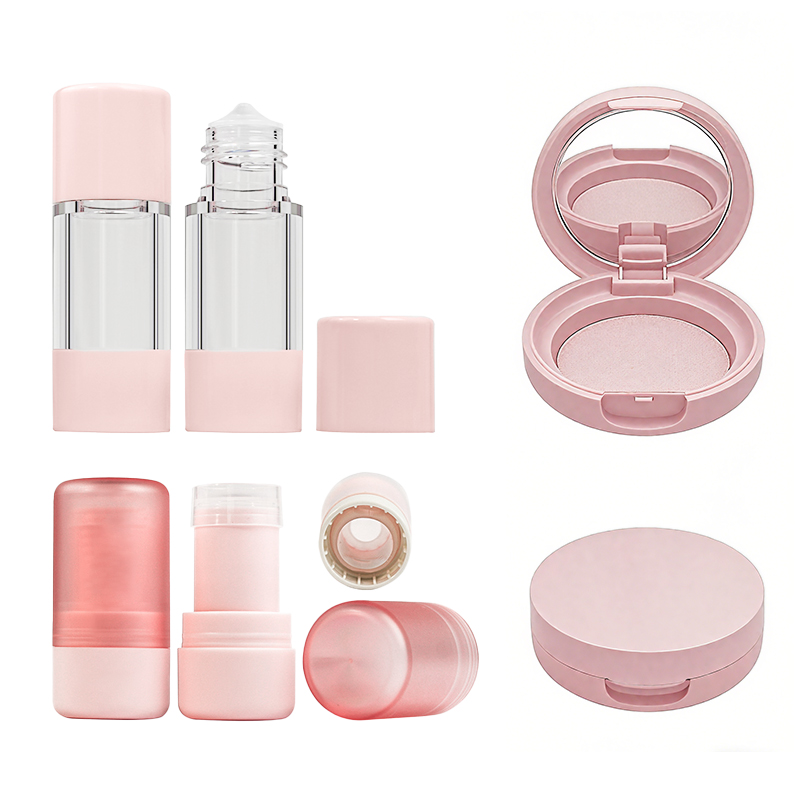
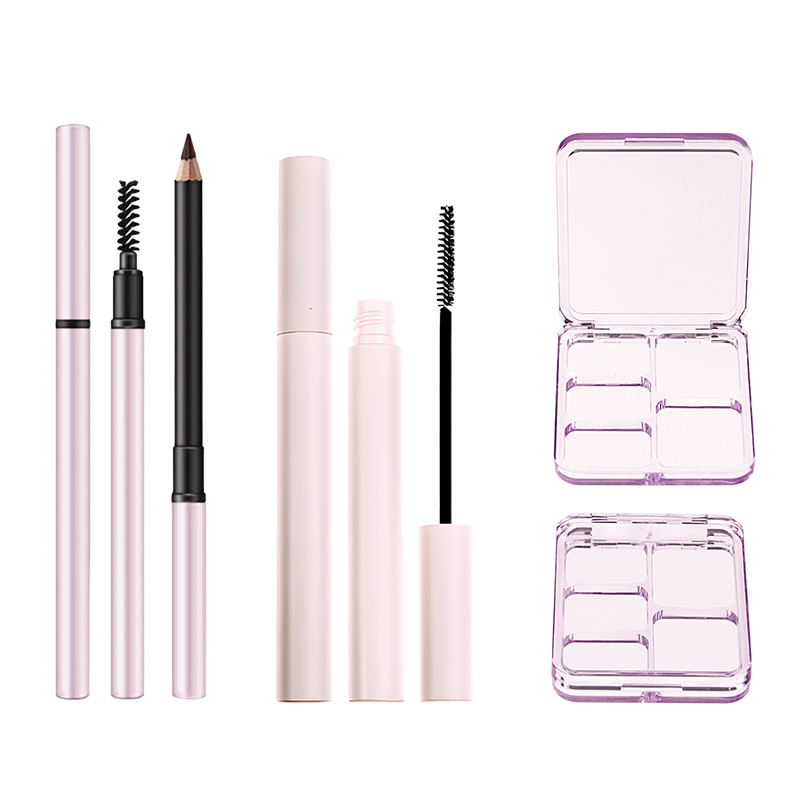
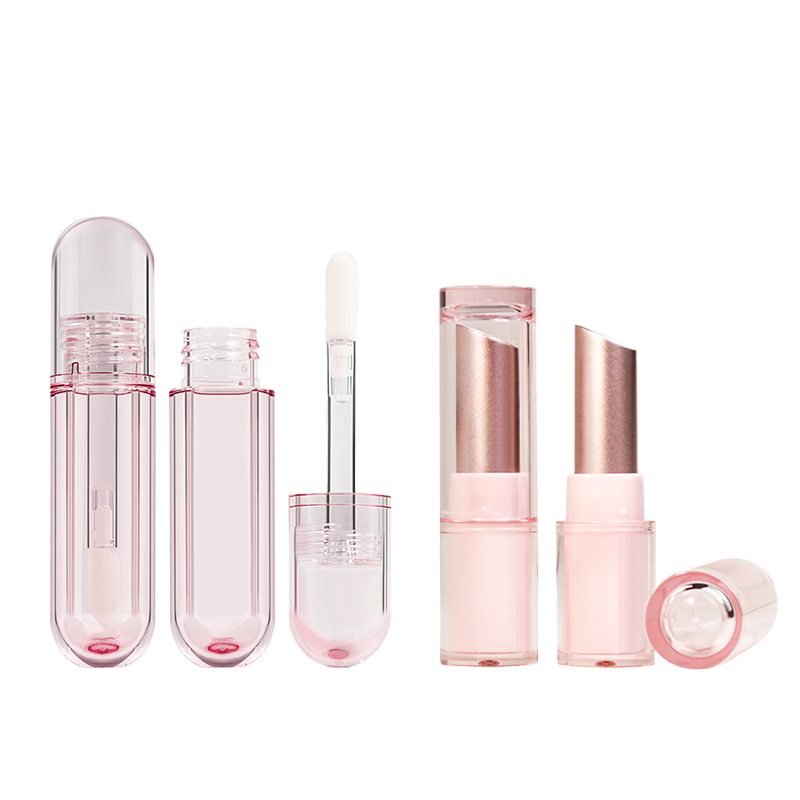

5 Common Examples of Plastic Packaging Used in Industry Today
March 10,2026
Manufacturing Muscle
Examples of Plastic Packaging
Hunting for real-world examples of plastic packaging that won’t crack under pressure—or your budget? In beauty, packaging isn’t fluff; it’s the silent salesperson on every shelf. When a compact snaps shut with a satisfying click or a serum pump works like a charm, that’s manufacturing muscle behind the curtain. Polyethylene Terephthalate (PET) and other resins remain vital for global logistics.

The Buyer's Perspective
Big buyers don’t lose sleep over color swatches. They worry about lead times, compliance, refill trends, and margins that don’t vanish overnight.
Material Choices
5 Common Examples of Plastic Packaging in Industry
From daily Beverage Containers to high-end Pharmaceuticals, examples of plastic packaging are everywhere. This quick guide breaks down real-world plastic packaging examples used across industries, showing how materials, closures, and production styles shape smart packaging choices. The Food and Drug Administration sets rigorous standards for safety.

PET Bottles with Pump Dispensers
When people talk about classic examples of plastic packaging, PET, Bottles, and Pump Dispensers usually top the list. You see them in Cosmetic Packaging, Personal Care Products, and even refillable Beverage Containers. Topfeel Makeup offers a liquid makeup packaging range that utilizes these robust materials.
- Clear body for shelf appeal
- Lightweight yet strong
- Precise pump output
- Blow molding shapes the PET bottle.
- Pumps are calibrated for dose control.
- Units pass FDA and ISO checks.
Key performance snapshot:
Under brands like Topfeelpack, these plastic packaging types are tailored for smooth pumping and clean design. Simple. Effective. Proven.
Rigid vs. Flexible Plastic Packaging Examples Explained
Plastic shows up in daily life in more ways than most people notice. When discussing examples of plastic packaging, it helps to split them into rigid and flexible types. This makes plastic packaging examples easier to compare and gives real clarity to common packaging materials used across industries. The Ellen MacArthur Foundation often discusses these types in the context of a circular economy.
Rigid Plastic Packaging
Rigid formats are classic examples of plastic packaging built for strength and shape retention. These plastic packaging examples often rely on PET, PP, or ABS and are widely used for protective storage. Polypropylene (PP) is especially versatile for these applications.
Bottles
- Beverage containers
- Cosmetic bottles
Jars & Trays
- Skincare jars
- Food-grade containers
- Thermoformed food trays
- Medical device trays
- Industrial crates
- Secure caps
- Snap-fit closures
Key performance indicators
| Packaging Type | Avg. Wall Thickness (mm) | Impact Strength (kJ/m²) | Recyclability Rate (%) |
|---|---|---|---|
| PET bottles | 0.25–0.40 | 3.0 | 70 |
| PP jars | 0.80–1.20 | 4.5 | 65 |
| ABS containers | 1.50–3.00 | 15.0 | 40 |
| HDPE crates | 2.00–4.00 | 8.0 | 60 |
| PP closures | 0.70–1.00 | 5.0 | 55 |
These examples of plastic packaging are valued for stackability, print decoration, and solid barrier performance. Rigid plastic packaging examples also reduce deformation during transport, which keeps products looking sharp on shelves. For instance, an empty palette must maintain its structural integrity throughout the shipping process.

Flexible Plastic Packaging
Flexible formats feel lighter in the hand and use less raw material. Common examples of plastic packaging in this category include films, pouches, and bags made from LDPE or multilayer laminates. The Flexible Packaging Association highlights the sustainability benefits of these formats.
How it works
- Resin is melted and extruded into thin films.
- Layers may be combined into laminates for oxygen or moisture control.
- Converted into pouches, sachets, or sealed liners.
Typical applications include snack bags, refill wraps, and cosmetic sachets.
Quick highlights
- Lightweight and easy to ship
- Lower material consumption
- Custom shapes for branding
In many modern examples of plastic packaging, flexible solutions cut freight costs while still protecting freshness. From food wraps to refill pouches, these plastic packaging examples show how design can stay practical without adding bulk. Consumers often search for a tube of lip gloss factory that specializes in these flexible laminates.
Packaging Solutions
Cosmetics Packaging: Durable Plastic Bottle Solutions
In daily life, we see endless examples of plastic packaging—from shampoo bottles to lotion pumps. In cosmetics, plastic bottle packaging examples must look good and last long. Brands want style, safety, and sustainability in one neat package. That’s where smart plastic packaging solutions step in and truly shine. The International Organization for Standardization (ISO) provides guidance on packaging standards.
High-Strength Polypropylene Bottles
When discussing reliable examples of plastic packaging, polypropylene stands out for its solid material properties and real-world durability.
Core Performance
-
Mechanical Strength: High impact strength reduces cracks during transport; Stable chemical resistance against alcohol-based formulas.
-
Thermal Stability: Maintains shape in hot-fill processes; Suitable for varied manufacturing methods.
Production Compatibility
- Blow molding for lightweight plastic bottles
- Injection stretch for thicker wall control
- FDA and REACH aligned production standards
| Property | Polypropylene Value | Cosmetic Requirement | Result |
|---|---|---|---|
| Impact Strength | 30–40 kJ/m² | High drop resistance | Pass |
| Heat Resistance | Up to 120°C | Hot filling safe | Pass |
| Density | 0.90 g/cm³ | Lightweight need | Pass |
| Chemical Resistance | Excellent | Alcohol tolerance | Pass |
These numbers explain why polypropylene keeps showing up in plastic bottle packaging examples across global brands. Many brands choose a custom lipstick tube made from high-grade PP for durability and finish.

Flip-Top Caps and Disc-Top Caps Explained
Good examples of plastic packaging are not just bottles; closures matter too.
Hinged Lid Design
- Quick open-close action
- Ideal for travel-size products
Key Advantages:
- One-hand user convenience
- Tight sealing performance
- Compatibility with pumps and other closure types
A small cap tweak can upgrade everyday plastic packaging examples into premium-feel designs. A lip balm tube often relies on specialized caps for functionality.
UV Metallization and Hot Stamping Finishes
Surface style changes everything. These finishes turn simple bottles into high-end examples of plastic packaging that catch attention in seconds. This is why a mascara tube often features vibrant hot-stamped logos.
UV Metallization
- Bright reflective layer
- Improved visual appeal
Hot Stamping
- Foil transfer for logo detail
- Elevated premium appearance
Branding Effects
The synergy of decorative technologies creates a lasting impression on the shelf.
Enhanced decorative effects
Stronger shelf-level branding
Durable surface finishes
Refillable, Recyclable, and Lightweight Designs
Modern shoppers care about waste. Smart plastic packaging solutions respond with structure. Recycling Today frequently reports on the shift toward sustainable packaging.
Sustainability Framework
Recyclable Materials
- Mono-material bottle bodies
- Easier sorting streams
Refillable Packaging
- Replace inner cartridge
- Keep outer shell
Lightweight Engineering
- Wall thickness optimization
- Reduced resin usage
- Maintained lightweight design strength
Consumer Drivers
- Growing demand for eco-friendly options
- Desire for reduced waste
- Strong consumer preference for refill systems
Brands working with Topfeelpack often combine these features into scalable plastic packaging examples that balance cost, compliance, and style. For companies searching for real-world examples of plastic packaging that perform and sell, Topfeel Makeup keeps things practical, sharp-looking, and ready for the shelf.
FAQs about Examples Of Plastic Packaging
References
- PET Resin Association: About PET - petresin.org
- U.S. Food and Drug Administration: Packaging & Food Contact Substances - fda.gov
- Plastics Europe: What are Plastics: Polyethylene - plasticseurope.org
- Encyclopedia Britannica: Low-density polyethylene - britannica.com
- Creative Mechanisms: Everything You Need To Know About ABS Plastic - creativemechanisms.com
- Consumer Product Safety Commission: Child-Resistant Packaging - cpsc.gov
- Ellen MacArthur Foundation: Plastics and the Circular Economy - ellenmacarthurfoundation.org
- Plastics Make It Possible: The Power of Polypropylene - plasticsmakeitpossible.com
- Flexible Packaging Association: Flexible Packaging Overview - flexpack.org
- International Organization for Standardization: ISO Packaging Standards - iso.org
- Recycling Today: Packaging Sustainability Trends - recyclingtoday.com
- The Association of Plastic Recyclers: Design Guide for Recyclability - plasticsrecycling.org
- Sustainable Packaging Coalition: Packaging Resources - sustainablepackaging.org
- Society of Plastics Engineers: Technical Resources - 4spe.org
- Greenpeace International: Circular Economy for Plastics - greenpeace.org

