 English
  English (UK)
  English (Australia)
  English (Canada)
  العربية
  Deutsch
  Italiano
  Español de México
  Tiếng Việt
  ไทย
ไทย  Português do Brasil
  Français
  Български
  Čeština
  Dansk
Dansk  Ελληνικά
  Eesti
Eesti  Suomi
Suomi  Magyar
  Bahasa Indonesia
  Lietuvių kalba
  Latviešu valoda
  Norsk bokmål
  Nederlands (Formeel)
  Polski
  Română
  Русский
  Slovenčina
  Slovenščina
  Svenska
  Türkçe
  Українська
  简体中文
简体中文  日本語
日本語  한국어
한국어  繁體中文
繁體中文 
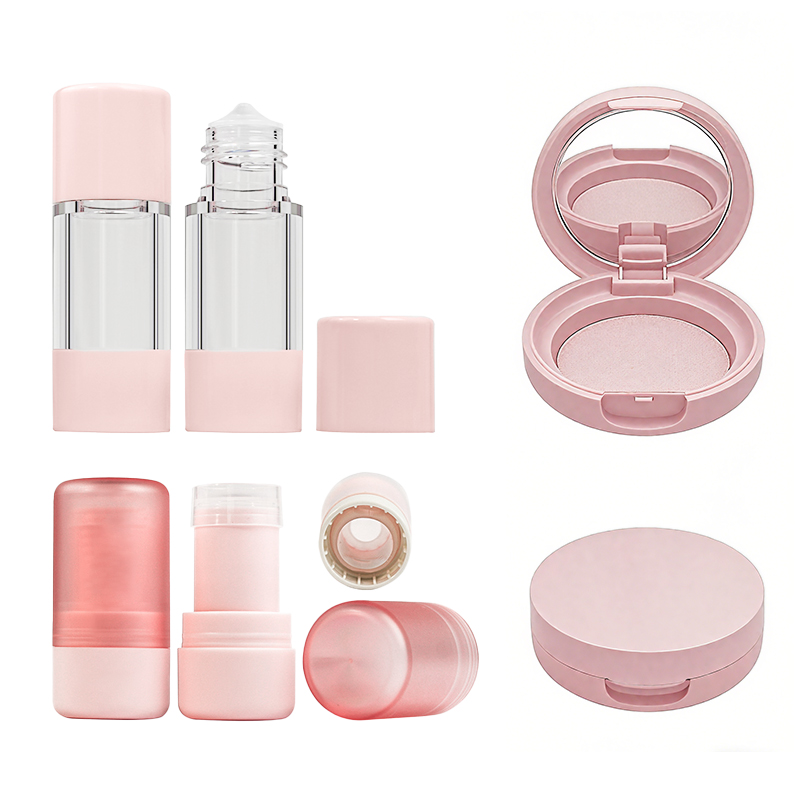
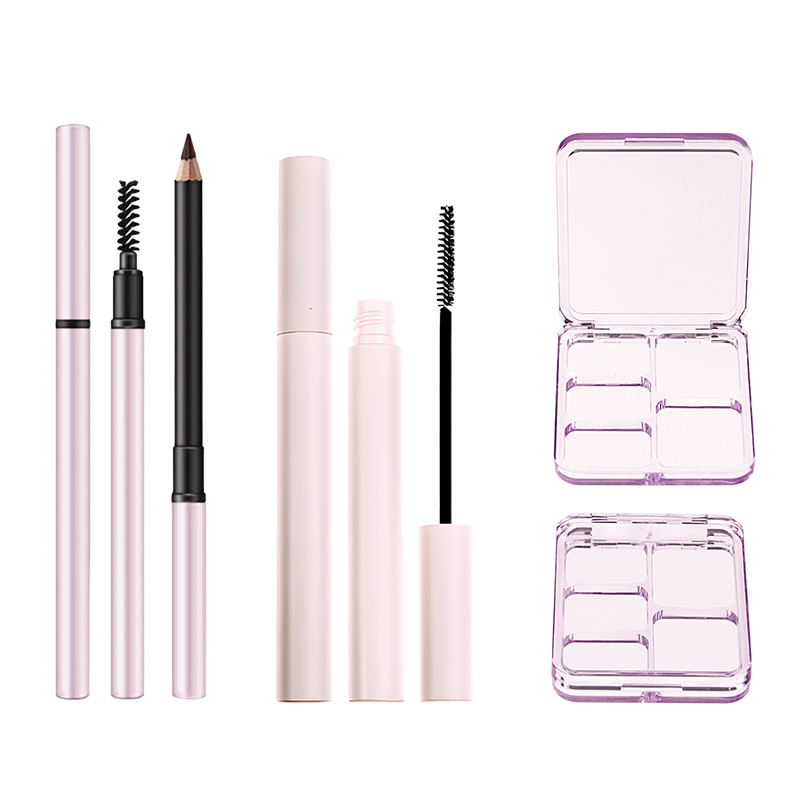
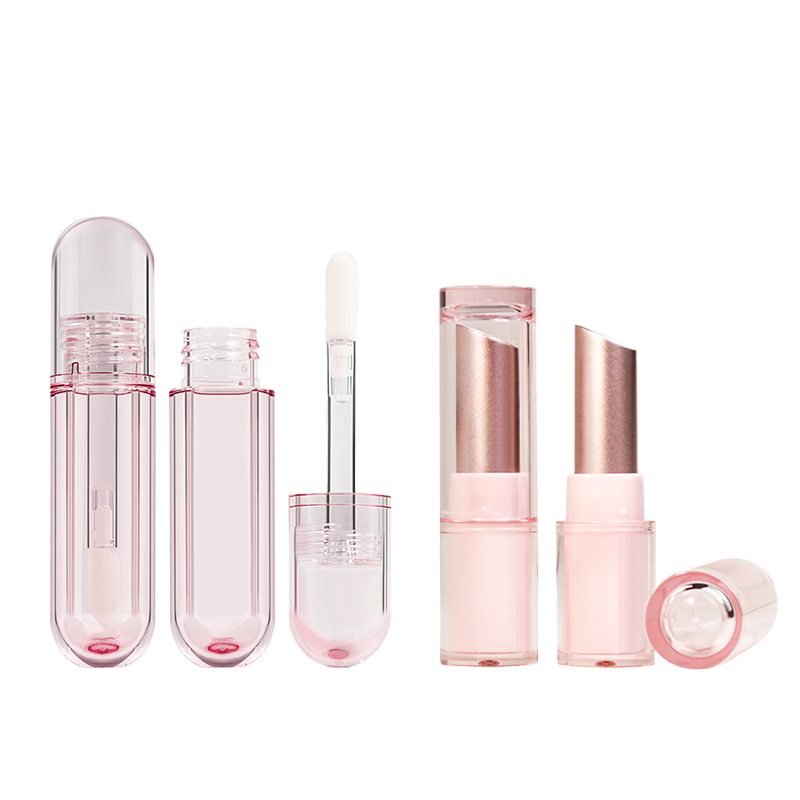

The Latest Cosmetic Product Labels: Innovations for 2026
March 04,2026
Cosmetic product labels used to be the quiet kid in the back of the class—just sitting there, listing ingredients and minding their business. Not anymore. In 2026, that tiny strip of film or paper is pulling serious weight: fighting counterfeits, proving sustainability claims, unlocking Digital Product Passports, and even chatting with customers through NFC taps. For procurement teams staring down tighter budgets and louder brand demands, the pressure is real.
Here’s the kicker. According to industry reports, global packaging demand keeps climbing, with Sustainability 3.0 and smart tech leading investment. “Packaging is now a strategic brand asset,” McKinsey notes, especially as the beauty industry is shifting decisively toward solutions that marry visual innovation with eco-consciousness. Translation? Labels aren’t decoration—they’re insurance policies and sales reps rolled into one.
If your current label can’t flex across refillable jars, meet their EPR and PPWR obligations in Europe, and still look luxe on shelf, it’s already behind. That’s where the new generation steps in.
Key Points for Cosmetic Product Labels in 2026
- Smart Labels for Authentication: NFC-enabled pressure-sensitive labels on a custom airless tube for foundation and a glass pump bottle provide authentication, refill tracking, and personalized marketing through AR experiences.
- Innovative Label Shapes: Labels are evolving with custom molded containers, ensuring perfect adhesion on different shapes like oval, square, and cylindrical bottles, heavily influenced by the new “Ultra-Clean Industrial” aesthetic.
- Sustainable Packaging Features: Recyclable materials and eco-friendly techniques like direct printing and foil stamping align with the growing demand for packaging for cosmetics that utilize mono-material construction for easier recycling.
- Multi-Layer Labeling: Peel-and-read shrink sleeves on spray nozzles and pump dispensers allow for expanded ingredient information, often integrating digital watermarking for automated sorting, while maintaining tamper-evident integrity.
- Advanced Security Features: Tamper-evident shrink sleeves, child-resistant closures, and UV coating on labels enhance security and traceability through blockchain-backed verification.
Why 2026 Cosmetic Product Labels Will Revolutionize Beauty
Cosmetic product labels are no longer tiny stickers with fine print. In 2026, cosmetic, product, and labels technology blend into smart branding tools that talk, track, and even protect. From luxe jars to refillable pumps, cosmetic product labels now shape how beauty brands build trust and style. If you think product labels are boring, think again—cosmetic labeling is getting a serious glow-up.
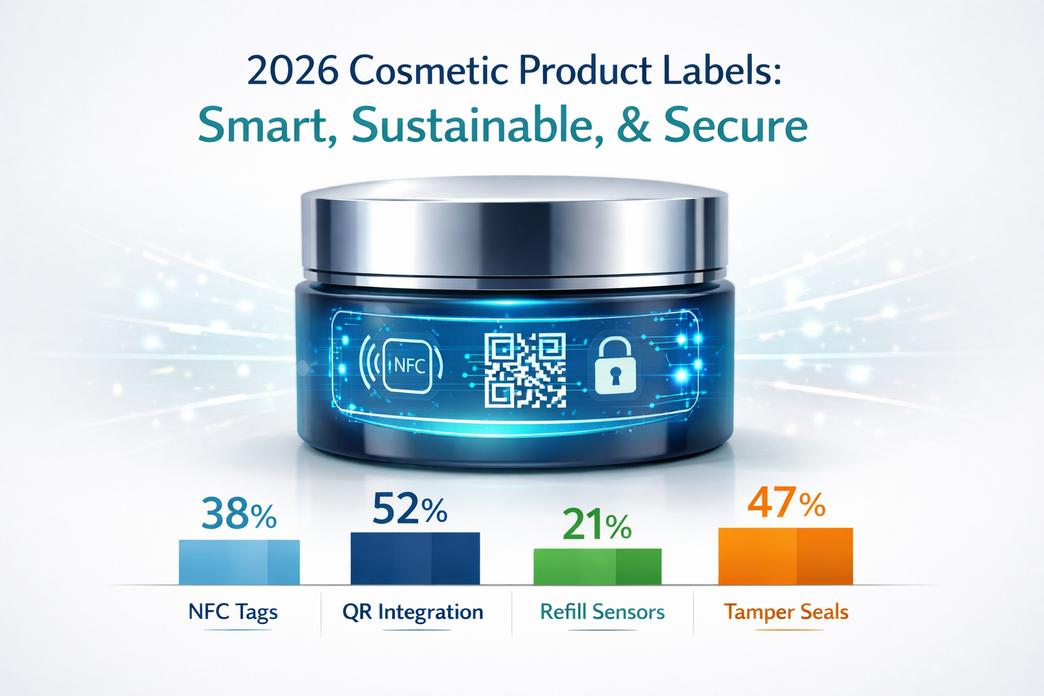
Smart Pressure-Sensitive Labels on Airless Pumps and Glass Bottles
The shift toward intelligent pressure-sensitive labels is transforming cosmetic product labels across premium packaging.
-
Core Smart Features
- NFC-enabled smart labels unlocking Digital Product Passports
- Tap-to-authenticate on airless pumps
- Refill tracking on glass bottles
- Loyalty rewards linked through mobile and Advanced QR Codes
- Secure label application
- Tamper-evident layers
- Clean removal for recyclability
-
Packaging Compatibility
- Airless pumps
- Smooth adhesion despite curved shoulders
- Oil-resistant surfaces
- Glass bottles
- Bubble-free bonding
- High-clarity finish for product visibility
| Feature Type | Consumer Benefit | Brand Impact | Adoption Rate 2026 (%) |
|---|---|---|---|
| NFC Tags | Instant verification | Anti-counterfeit control | 38 |
| QR Integration | Ingredient access | Data tracking | 52 |
| Refill Sensors | Usage monitoring | Sustainability proof | 21 |
| Tamper Seals | Safety assurance | Trust building | 47 |
This blend of packaging technology and cosmetic product labels keeps beauty brands sharp. Topfeel integrates these smart layers without ruining that high-end look customers expect.
From Cylindrical to Custom Molded: Label Innovation Across Shapes
Cosmetic product labels now adapt to wild container geometry, and that’s where real packaging innovation kicks in.
-
For cylindrical packaging
- Full-wrap shrink sleeves
- Seamless edge alignment
-
For oval and square forms
- Flexible label substrates
- Precision heat tunnels
- Anti-wrinkle finishing
-
For custom molded packaging
- Direct digital printing
- Contour-cut label shapes
- Matte or gloss label design overlays
Short runs? No problem. Limited editions now use cosmetic labels tailored to exact curves, adopting a “Neo-Minimalist” look that prioritizes clean, sans-serif fonts to reduce visual clutter. Even tricky acrylic jars and aluminum compacts hold cosmetic product labels without peeling or lifting. It’s less guesswork, more precision, and a better shelf vibe.
Sustainable Packaging Meets Premium Foil Stamping and UV Coating
Luxury and eco goals now sit at the same table, driven by the push for fully regenerative cycles.
-
Material Foundation
- Sustainable packaging bases
- FSC-certified paper and bagasse molded pulp packaging
- Post-consumer recycled content films and algae-derived polymers
- Compostable adhesive layers
-
Surface Enhancement
- Foil stamping
- Metallic accents with reduced foil waste
- Spot UV coating
- Controlled gloss zones
- Raised embossing
- Enhanced label aesthetics
-
Performance Layer
- Moisture resistance
- Extended label durability
- Scratch protection on glass
Cosmetic product labels today prove that eco-friendly materials can still deliver premium finishes. Brands using cosmetic labeling wisely are not just decorating bottles—they’re displaying carbon footprint data and sending a clear message about responsibility and style, all in one polished detail.
4 Layers of Modern Label Security Features
Clear, secure cosmetic product labels are no longer just about branding. Cosmetic, product, and labels now work together to protect safety, fight fakes, and support traceability. From plastic tubes to refillable jars, smart label design keeps cosmetic product labels sharp, secure, and hard to copy.
Layer 1: Tamper-Evident Shrink Sleeves for Plastic Tubes
For a squeeze tube lip gloss using flip-top caps, pump dispensers, or spray nozzles, security starts outside. In 2026, mono-material plastics represent a meaningful step toward a more sustainable future for these applications.
-
Core protection
- Tamper-evident bands signal opening instantly.
- Shrink sleeves conform tightly through controlled heat application.
- Strong seal maintains product integrity.
-
Packaging security logic
- Visual break = consumer trust.
- Distorted sleeve = compromised packaging security.
- Clean tear line = verified cosmetic product labels.
-
Application flow
- Sleeve placement on plastic tubes
- Heat tunnel activation
- Shrink conformity
- Final inspection for label alignment
Brands like Topfeel use this structure to ensure cosmetic product labels stay intact from factory to shelf.
Layer 2: Child-Resistant Closures with Hidden Screen Printing Codes
Security moves inward, right into the cap.
- Child-resistant closures add physical safety features.
- Internal hidden codes printed via screen printing support authentication and link to Digital Product Passports.
- Dual-layer packaging design enhances consumer protection.
Quick wins include:
- Hard-to-open caps for kids
- Invisible batch marks for traceability
- Clean outer cosmetic labels without clutter
On glass bottles and roll-on dropper bottles, hidden codes sit beneath the surface. That’s quiet protection. Cosmetic product labels still look sleek, but inside, there’s proof of origin and controlled distribution.
Layer 3: UV Coating and Embossing on Aluminum Compacts
Aluminum compacts demand both beauty and defense. In 2026, the “Pure Steel” and highly recyclable aluminum trend is strong, as brands look for materials that are both sustainable and durable.
-
Surface enhancement
- UV coating boosts durability.
- Raised embossing adds tactile features.
- Enhanced visual appeal strengthens branding.
-
Anti-counterfeiting impact
- Harder replication of embossed logos
- Light-reactive finishes deter duplication
- Secure cosmetic product labels integrated with metal body
| Feature | Thickness (µm) | Scratch Resistance (cycles) | Anti-Counterfeit Level |
|---|---|---|---|
| Standard Print | 5–8 | 200–300 | Low |
| UV Coating | 10–15 | 500–700 | Medium |
| UV + Embossing | 15–25 | 800–1200 | High |
| UV + Deep Embossing | 25–35 | 1200+ | Advanced |
For a powder compact case with sponge applicators, this layered defense turns cosmetic product labels into physical security assets. Topfeel integrates these details directly into aluminum shells, not as afterthoughts.
Layer 4: Secure Direct Printing on Refillable Acrylic Jars
Refill culture is booming, with permanent, elegantly designed outer packaging featuring replaceable inner cores transitioning from luxury to mass market in 2026.
-
Structural integration
- Secure direct printing bonds with acrylic material.
- Data sits beneath protective coatings.
- No peel, no swap.
-
Traceability system
- Batch number
- Production date
- Digital printing QR reference
-
Sustainability angle
- Refillable jars reduce waste.
- Embedded cosmetic product labels avoid secondary stickers.
- Long-term traceability supports packaging innovation goals.
Topfeel applies digital printing directly onto a refillable cosmetic container with applicator, aligning sustainability with anti-duplication control. Cosmetic product labels become part of the jar itself, not something that can be removed and reused elsewhere.
NFC vs. RFID: Smart Label Showdown
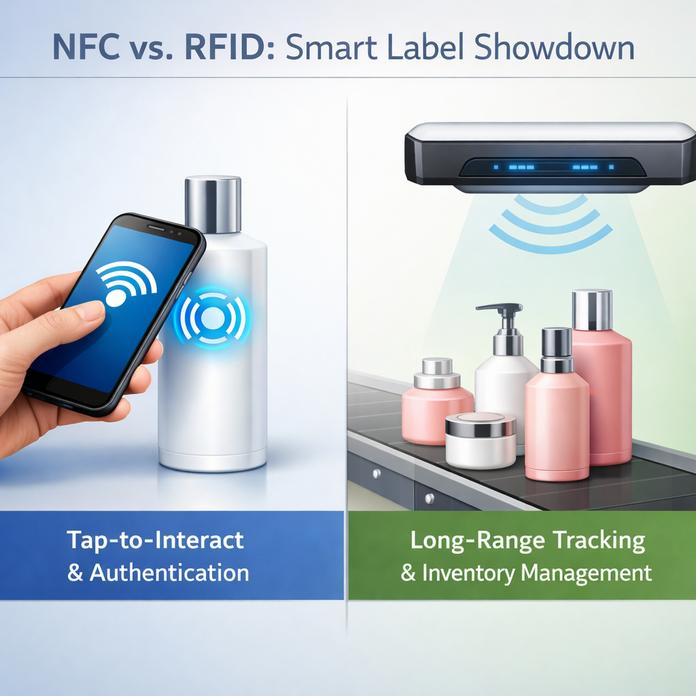
Cosmetic product labels are no longer just pretty stickers. Cosmetic product labels now carry data, stories, and even proof of authenticity. From beauty product labels on glass bottles to smart labels on airless pumps, brands are turning simple packaging into tech tools. Let’s break down how NFC and RFID reshape cosmetic product labels in real life.
NFC
When it comes to interactive cosmetic product labels, NFC feels personal and direct. Built on short-range communication, it works through proximity sensing, meaning a quick tap does the trick.
-
Core Function in Beauty Packaging
- Tap-to-interact experience and AR virtual try-ons
- A customer taps a serum bottle.
- The phone opens a product page instantly.
- Tutorials for brush applicators pop up.
- Secure data exchange
- Ingredient sourcing details
- Batch numbers
- Expiry verification
-
Consumer-Facing Value
- Smartphone integration
- No extra app in many cases
- Works with everyday devices
- Authentication and anti-counterfeiting
- Unique chip ID inside cosmetic product labels
- Stops fake beauty product labels from circulating
-
Brand-Level Impact
- Loyalty programs linked to product labels
- Personalized promotions through cosmetic packaging labels
- Real-time feedback collection
For premium skincare lines, like an empty liquid blush tube makeup packaging, NFC-powered cosmetic product labels create a direct brand handshake. Topfeel integrates this tech smoothly into pressure-sensitive labels, keeping the design sleek while adding data exchange capability behind the scenes. It’s subtle. Yet powerful.
RFID
RFID plays a different game. It focuses on scale, speed, and movement. Based on long-range tracking, it supports large cosmetic inventories without manual scanning, and increasingly aids automated sorting in recycling facilities.
-
Operational Backbone
- Reader technology scans multiple units at once
- Automatic data capture across pallets
- Continuous inventory management updates
-
Supply Chain Structure
- Warehouse Level
- Real-time stock counts
- Shelf-to-dock tracking
- Distribution Level
- Logistics monitoring
- Route validation
- Retail Level
- Anti-theft alerts
- Smart restocking signals
-
Strategic Benefits
- Clear supply chain visibility
- Stronger asset management
- Reduced shrinkage in high-value beauty items
When embedded into shrink sleeves or outer cartons, RFID upgrades cosmetic product labels from static identifiers to moving data carriers. For brands handling thousands of SKUs, cosmetic packaging labels with RFID simply keep things tight and efficient.
In short, NFC talks to customers. RFID talks to warehouses. Smart cosmetic product labels can do both, depending on what your brand really needs.
Top 5 Eco-Friendly Cosmetic Product Labels in 2026
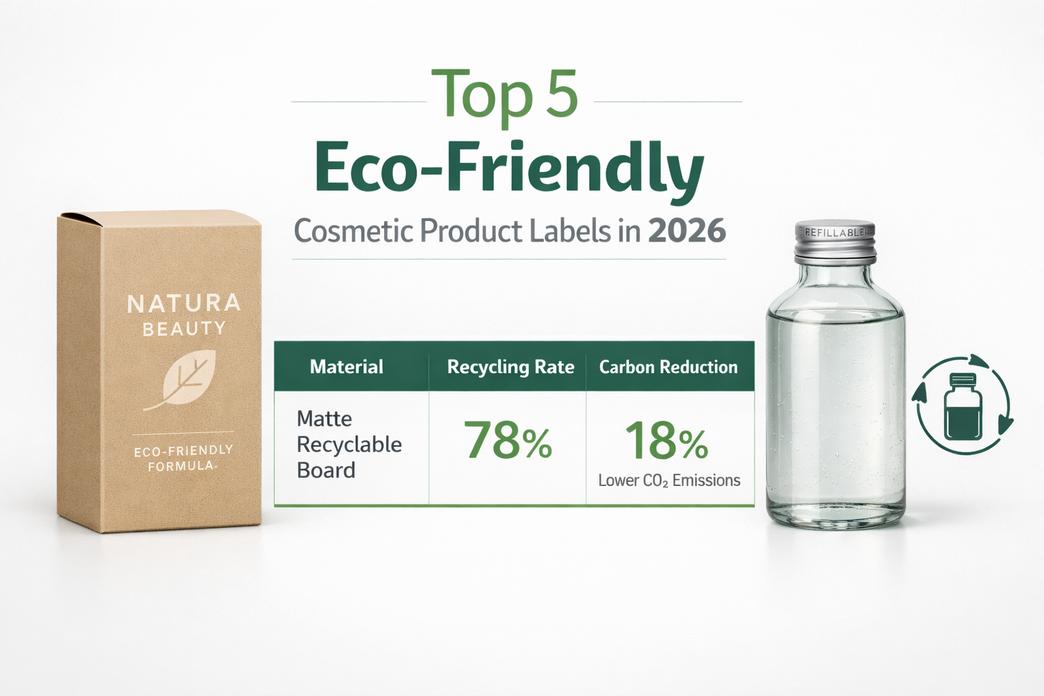
Eco trends are not just hype anymore. In 2026, cosmetic product labels are getting smarter, cleaner, and way more responsible as brands seek out smarter material choices, and packaging that creates less waste overall. From cosmetic packaging labels to product labeling for beauty brands, every detail now speaks sustainability. Here’s how modern cosmetic product labels are evolving.
Recyclable Materials with Matte Finish on Cardboard Boxes
When brands rethink cosmetic product labels, material choice and the “Neo-Minimalist” aesthetic lead the game.
-
Core material shift
- Use of recyclable materials replacing laminated films
- FSC-certified cardboard boxes supporting circular supply
- Water-based inks enhancing eco-friendly packaging
-
Finish and texture upgrades
- Soft matte finish for premium shelf feel, reflecting sensory textures
- Reduced glare improves label readability
- Cleaner separation during recycling
Key performance comparison for packaging innovation:
| Material Type | Recycling Rate (%) | Carbon Reduction (%) | Cost Change (%) |
|---|---|---|---|
| Laminated Paperboard | 42 | 0 | 0 |
| Matte Recyclable Board | 78 | 18 | +4 |
| Uncoated Kraft Board | 85 | 22 | +6 |
Brands like Topfeel integrate these sustainable labels into cosmetic product labels that look high-end yet stay practical.
Refillable Design Labels for Glass Bottles with Screw Caps
Refill culture is booming in cosmetic product labels and broader product labeling systems, with premium refill systems—often built around metal or glass outer shells with lightweight inner cartridges—gaining massive traction.
-
Refillable design focuses on durability.
- Adhesives built for repeat handling
- Clear reuse icons on glass bottles
-
Closure compatibility
- Tight-fit screw caps
- Tamper-evident seals that don’t ruin reuse
-
Consumer guidance
- Simple refill steps printed directly on packaging
- QR codes linking to reuse tutorials
This approach upgrades reusable packaging and modern label design in sustainable beauty without overcomplicating the look.
Sustainable Packaging Using Direct Printing on Plastic Tubes
Direct-to-pack decoration is changing cosmetic product labels fast.
- No extra label stock
- Lower adhesive waste
- Cleaner recycling streams
With direct printing on a mascara tube, brands cut down reduced material usage while keeping bold color and displaying carbon footprint data.
Process flow often works like this:
- Tube molding →
- Surface treatment →
- UV printing technology application →
- Quality curing →
- Final inspection.
This minimalist design keeps cosmetic packaging labels sharp and eco-conscious at the same time.
Shrink Sleeves for Oval Dropper Bottles with Reduced Waste
For serum and oil lines, shrink sleeves still matter—just lighter and smarter. Lightweighting strategies reduce material use and carbon footprint across logistics.
-
Bottle compatibility
- Tight fit on a tube of lip gloss or oval dropper bottles
- Maintains premium product presentation
-
Waste control
- Thinner film gauges
- Improved label application precision
- Easier perforation for removal
These sustainable labels balance branding space with packaging efficiency, reducing scrap during high-speed runs of cosmetic product labels.
Screen Printing on Square Aluminum Compacts for Low-Impact Branding
Metal packaging brings a cool, durable vibe to cosmetic product labels.
Inside this method:
-
Base format
- Recyclable square aluminum compacts prioritizing mono-material simplification
- Long lifecycle usage
-
Decoration layer
- Direct screen printing
- No secondary stickers
- Fade-resistant pigments
-
Brand outcome
- Strong low-impact branding
- Clean packaging aesthetics
- Fully aligned with eco-friendly printing
Topfeel applies this method to cosmetic product labels for a custom dual pan eyeshadow packaging, reducing extra substrates while keeping sustainable branding tight and stylish.
In short, cosmetic product labels in 2026 aren’t just stickers. They’re smart systems built around cosmetic, product, and labels working together for real environmental impact.
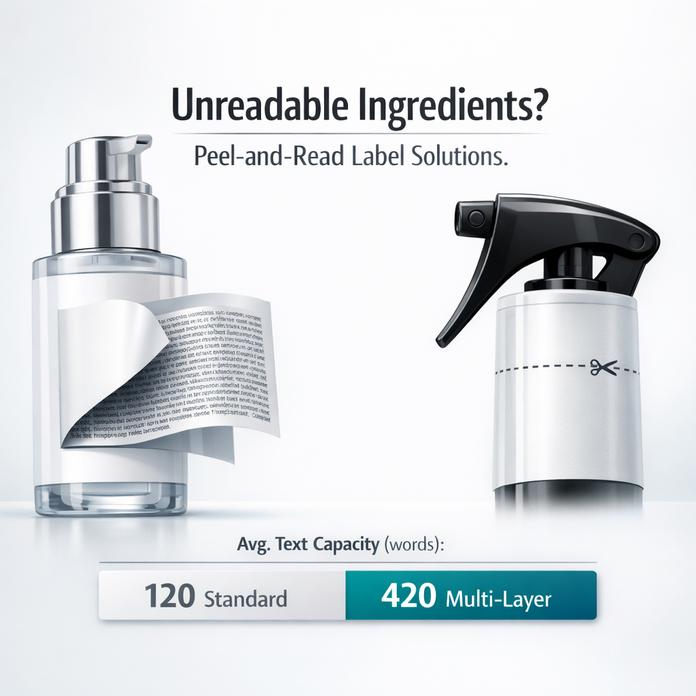
Unreadable Ingredients? Peel-and-Read Label Solutions.
Tiny jars and slim bottles look great on shelves, but squeezing ingredient lists onto them is a real headache. When cosmetic product labels get cramped, customers squint, rotate, and sometimes give up. Smart cosmetic, product, and labels design fixes that problem. Here’s how modern cosmetic product labels stay readable without ruining the vibe.
Multi-Layer Pressure-Sensitive Labels for Small Cylindrical Containers
When container diameter shrinks, cosmetic product labels must expand inward, not outward. In 2026, Advanced QR codes on the outer layer reduce the need for excessive text, but peel-and-read remains essential for compliance.
-
Core Construction
1.1 Base Layer
- Built with a durable label substrate matched to ink compatibility for oil-based or water-based formulas.
- Secured by pressure-sensitive adhesive engineered for tight container diameter curves.
1.2 Extended Content Layers
- Additional panels stacked using layered liner material.
- A clean peel-off tab lifts without tearing small cosmetic labels.
1.3 Reseal Function
- Uses repositionable adhesive so product labels stay neat after opening.
-
Functional Advantages
2.1 Regulatory Space
- Multilingual ingredient lists
- Batch codes
- Safety icons
2.2 Consumer Usability
- Smooth peel motion
- No sticky residue
- Clear fold alignment
-
Material Performance Comparison
| Feature | Standard Label | Multi-Layer Label | Regulatory Fit (%) |
|---|---|---|---|
| Avg. Text Capacity (words) | 120 | 420 | 95% |
| Adhesion Strength (N/25mm) | 8 | 10 | 98% |
| Reopen Cycles | 0 | 5–7 | 92% |
For brands handling cosmetic product labels across regions, this design keeps cosmetic labeling compliant while preserving sleek packaging, such as a lip stick tube.
Peel-and-Read Shrink Sleeves on Spray Nozzles and Pump Dispensers
Spray tops and pumps add curves, triggers, and awkward edges. Regular cosmetic product labels just can’t sit flat there.
-
Sleeve Engineering
1.1 Film Selection
- Flexible shrink film material adapts to each nozzle shape.
- Printed with high-resolution graphic design for small cosmetic labels.
1.2 Application Process
- Controlled heat application ensures uniform wrap.
- Internal adhesive layer prevents lift near the dispenser mechanism.
1.3 Access Feature
- Integrated perforation line enables peel-and-read action.
-
Information Architecture
2.1 Outer Layer
- Brand name
- Product claim
2.2 Inner Layer
- Full ingredient disclosure
- Usage warnings
- Recycling instructions
-
Tamper Integrity Flow
- Apply sleeve
- Heat shrink
- Seal around collar
- Activate perforation
- Consumer peels and reseals
Result? Cosmetic product labels remain intact, readable, and tamper-evident. No clutter. No guessing.
Compact Ingredient Panels for Custom Molded Acrylic Jars
Luxury acrylic jar design often clashes with long ingredient decks. Clean lines matter. So does readable cosmetic labeling.
Here’s how brands balance both:
- Match flexible label material with curved acrylic jar design to avoid bubbles.
- Use advanced printing technology for micro text clarity.
- Apply font size optimization so ingredient panels meet legal minimums without shouting visually.
Then comes structure.
-
Panel Planning
- Define exact panel dimensions based on jar wall thickness.
- Choose discreet adhesion method that preserves surface transparency.
-
Content Folding Logic
- Outer face: product name.
- Inner fold: ingredients.
- Final flap: certifications and recycling icons.
-
Quick Wins Brands Love
- Cosmetic product labels stay elegant.
- Cosmetic labels remain compliant.
- Product labels don’t overpower the jar.
In short, smart cosmetic product labels aren’t about cramming text into tiny space. It’s about smart layers, flexible materials, and clear thinking. When cosmetic labeling respects both design and disclosure, shoppers stop squinting—and start trusting.
FAQs about Cosmetic Product Labels
How are smart cosmetic product labels used on glass bottles and airless pumps?
Smart cosmetic product labels blend technology with touchable beauty in 2026:
- NFC-enabled pressure-sensitive labels hidden on Glass bottles with Screw caps allow instant phone tap authentication and AR experiences.
- Integrated tags inside Shrink sleeves on Airless pumps connect users to refill reminders, loyalty pages, and Digital Product Passports.
- For Pump dispensers and Fine mist sprayers, labels stay discreet, preserving a clean Cylindrical or Rectangular silhouette.
Result: digital interaction without sacrificing premium aesthetics or Recyclable materials.
Which labeling methods work best for acrylic jars and aluminum compacts in bulk production?
Large production runs demand precision and durability.
- Direct printing on Acrylic jars avoids misalignment on Square or Custom molded shapes.
- Screen printing + UV coating on Aluminum compacts resists scratches from daily handling.
- Hot stamping with Matte finish accents adds contrast without overwhelming branding.
For brands scaling fast, stable adhesion and surface harmony matter more than decoration excess.
How do sustainable cosmetic product labels support refillable and recyclable packaging?
Sustainable packaging is both emotional and technical, largely driven by strict new EPR and PPWR obligations.
| Packaging Format | Preferred Labeling Method | Sustainability Feature |
|---|---|---|
| Glass bottles | Pressure-sensitive labels | Refillable design with Screw caps |
| Plastic tubes | Direct printing | Reduced label waste |
| Dropper bottles (Oval) | Shrink sleeves | Lightweight material use |
| Cardboard boxes | Foil stamping on recyclable board | Easier material recovery |
Each choice balances design impact with responsible material flow and single-material simplification.
Can child-resistant closures include security tracking or hidden brand codes?
Yes—and the tension between safety and branding creates smart solutions.
- Child-resistant Screw caps can carry micro Screen printing codes.
- Tamper-evident seals on Dropper bottles with Roller balls strengthen traceability.
- Pressure-sensitive labels layered beneath Flip-top caps hide batch data discreetly.
Security becomes part of the design story, not an afterthought.
How do container shapes influence cosmetic product label selection?
Shape quietly dictates strategy.
- Cylindrical Plastic tubes favor wraparound Pressure-sensitive labels.
- Oval Dropper bottles with Spray nozzles hold Shrink sleeves more evenly.
- Square Acrylic jars accept Direct printing or subtle Embossing.
- Custom molded compacts often need precise Screen printing alignment.
When form shifts, labeling must adapt—so decoration, adhesion, and user touch all stay in harmony.
References
- [Cosmetic Packaging Trends 2026 – Somewang – https://somewang.com/blog/cosmetic-packaging-trends/]
- [Sustainable Cosmetic Packaging Trends Set to Transform Beauty in 2026 – Packnode – https://www.packnode.org/en/sustainability/sustainable-cosmetic-packaging-trends-2026]
- [Beauty Packaging Trends 2026 – Top 10 Cosmetic Packaging Ideas & Graphic Design Trends – https://www.gvpak.com/blogs/beauty-packaging-trends-2026-top-10-cosmetic-packaging-ideas-graphic-design-trends]
- [The Beauty Packaging Trends Redefining Product Design in 2026 – Selfnamed – https://www.blog.selfnamed.com/business/beauty-packaging-trends-2026]

