 English
  English (UK)
  English (Australia)
  English (Canada)
  العربية
  Deutsch
  Italiano
  Español de México
  Tiếng Việt
  ไทย
ไทย  Português do Brasil
  Français
  Български
  Čeština
  Dansk
Dansk  Ελληνικά
  Eesti
Eesti  Suomi
Suomi  Magyar
  Bahasa Indonesia
  Lietuvių kalba
  Latviešu valoda
  Norsk bokmål
  Nederlands (Formeel)
  Polski
  Română
  Русский
  Slovenčina
  Slovenščina
  Svenska
  Türkçe
  Українська
  简体中文
简体中文  日本語
日本語  한국어
한국어  繁體中文
繁體中文 
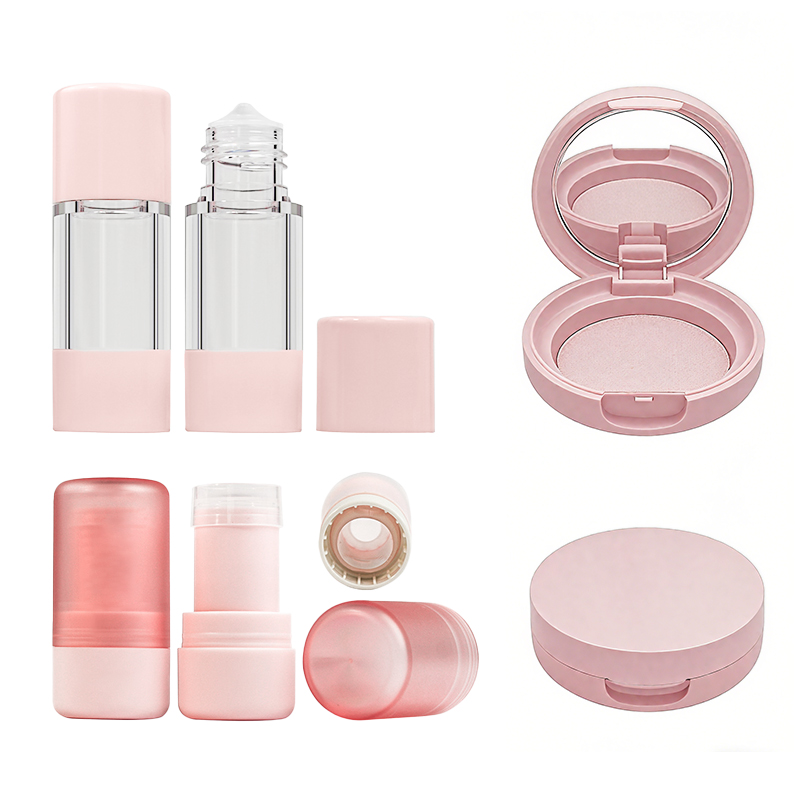
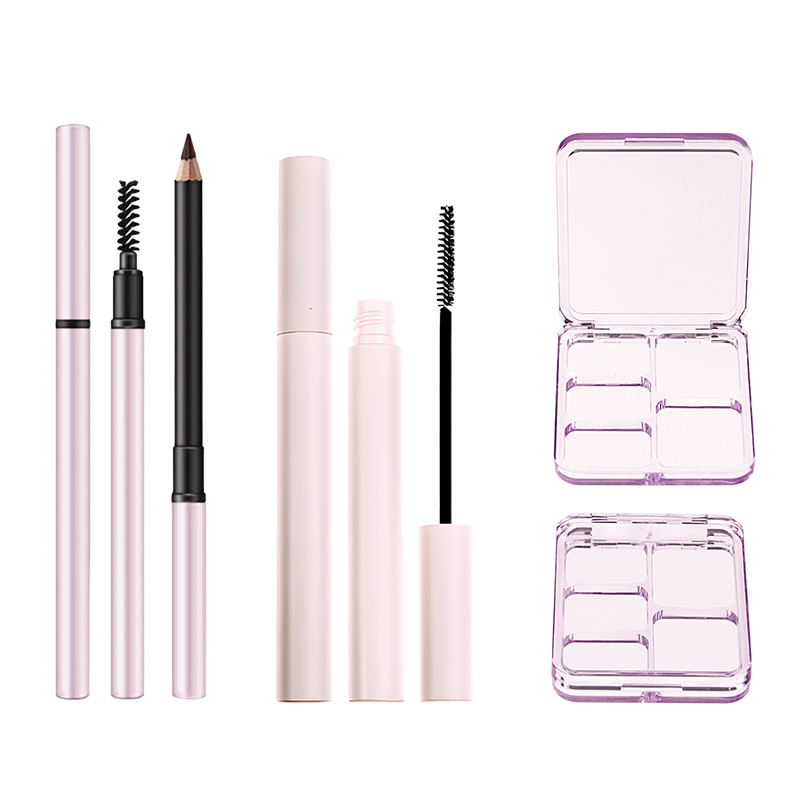
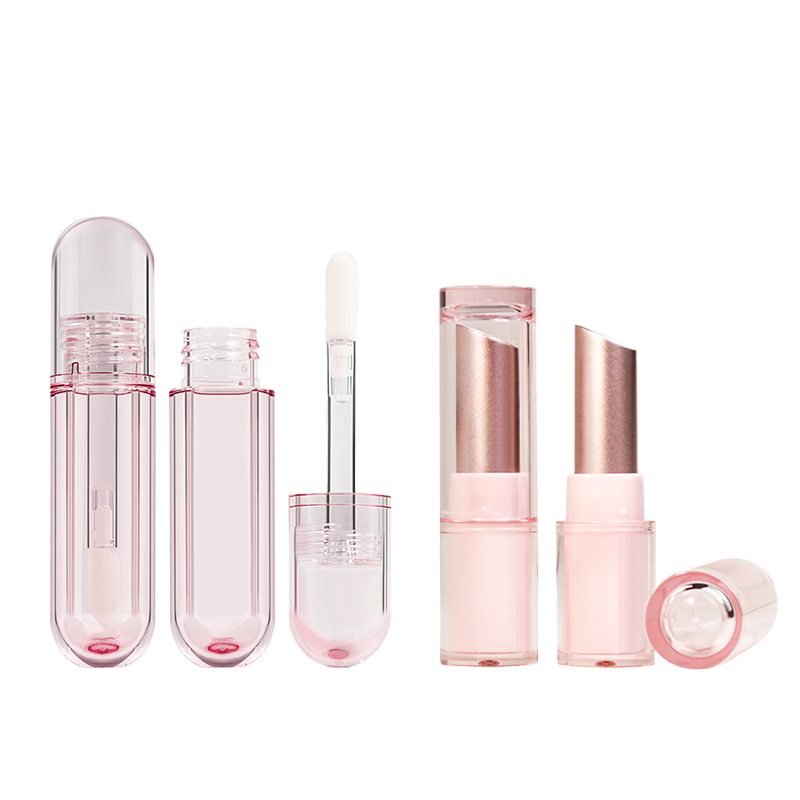

Top 5 cosmetics and toiletries packaging industry trends
December 29,2025
Dodging waste, law fines & dull designs—2024 cosmetics and toiletries packaging industry trends are reshaping bulk-buy decisions fast.
There’s a quiet war going on in the cosmetics and toiletries packaging industry trends of 2024—and it’s not about who has the glitziest bottle. It’s about who can cut waste, stay legal, and still make your product feel like a million bucks in someone’s hand. Buyers aren’t just shopping for jars anymore—they’re hunting for refillable systems, low-carbon materials, child-safe closures that actually work, and inks that won’t poison the planet. If you’re making high-volume packaging decisions this year and ignoring these shifts? You might as well be selling mixtapes on floppy disks.
Refill systems are booming so fast they’re “eating into virgin plastic demand,” says TopfeelPack R&D engineer Clara Zheng—who’s been testing PCR blends across five continents since January. And with EU regulations tightening faster than TSA rules after a security alert, even global giants are scrambling to get ahead of supply chain snags.
Key Insights on Cosmetics and Toiletries Packaging Industry Trends
- Refillable Systems: The demand for refillable container systems is on the rise, offering a sustainable alternative for consumers looking to minimize waste.
- Sustainable Materials: Emphasizing rPET plastic and bio-based polymers aligns with eco-conscious consumer preferences and upcoming EU regulations.
- Safety and Functionality: Innovations like child-resistant closures and controlled dosage dispensing are becoming standard to meet safety requirements.
- Minimalist and Artistic Design: Clean lines, simple color palettes, and unique minimalistic textures are defining the aesthetic landscape of 2024.
- Technology Integration: Smart packaging, including QR codes and NFC technology, provides consumers with transparency and interactive brand experiences.
1. The Refill Revolution: Making “Forever Jars” the Standard
Gone are the days when “refillable” meant a flimsy pouch that leaked in the mail. In 2024, the trend is moving toward premium, durable outer shells made of glass or heavy-walled rPET that consumers actually want to keep on their vanity.
According to Euromonitor, nearly 68% of beauty consumers are prioritizing sustainable packaging, but they won’t sacrifice luxury. This has led to the “inner-cup” system, where a customer buys one beautiful powder compact case and simply swaps out the metal or plastic pan when it’s empty.
- Why it works: It lowers the cost-per-use for the customer and significantly reduces the carbon footprint for the brand.
- Best for: High-end moisturizers, eyeshadow palettes, and lipstick tubes.
2. High-Grade PCR: Beyond “Greige” Plastic
For years, using PCR (Post-Consumer Recycled) plastic meant settling for a muddy, greyish-yellow tint. Not anymore. 2024 technology allows for high-clarity PCR that rivals virgin plastic.
Brands are now aiming for 50% to 100% PCR content in their cosmetic bottles to comply with the EU Packaging and Packaging Waste Regulation, which is setting strict targets for recycled content.
| Material Type | Sustainability Rating | Common Application |
|---|---|---|
| PCR Plastic | High (Circular) | Lip gloss tubes, lotion pumps |
| Glass | High (Infinite Recycle) | Fragrance bottles, luxury jars |
| Aluminum | Medium-High | Mascara tubes, hair care |
3. Smart Packaging: More Than Just a Pretty Face
Mintel reports that “Value” in 2024 isn’t just about price; it’s about the experience. Smart Packaging is bridging the gap between the physical and digital worlds.
- QR Codes: Laser-etched onto the bottom of a lipstick tube to show the exact origin of ingredients.
- NFC Chips: Hidden in the cap of a mascara tube to trigger an AR tutorial on the customer’s phone.
- Dose Control: Precision droppers and airless pumps that ensure not a single drop of expensive serum is wasted.
4. Safety First: The Rise of “Pro-Age” and Child-Safe Design
Safety is no longer just for pharmaceuticals. With the rise of high-potency “at-home” chemical peels and retinol treatments, the industry is seeing a surge in child-resistant closures.
Furthermore, as the population ages, “Pro-Age” ergonomic design is a major trend. This includes easy-grip cosmetic bottles and one-handed opening mechanisms that cater to consumers with limited dexterity without looking “medical.”
5. Waterless and Concentrated: Shrinking the Footprint
Water makes up about 70-80% of most personal care products. By removing it, brands can use smaller, lighter custom cosmetic packaging. We’re seeing more powder-to-liquid cleansers and solid stick formulations (like blush sticks) that require zero plastic pumps and use biodegradable paperboard or mono-material plastic.
The Comparison: Traditional vs. 2024 Trend-Aligned Packaging
| Feature | Traditional Packaging | 2024 Trend Packaging |
|---|---|---|
| Material | Virgin PET / Multi-layer | PCR / Mono-material |
| Lifespan | Single-use | Refillable / Reusable |
| Design | Max-glitz / Over-packaged | Minimalistic / Functional |
| Consumer Interaction | Passive | Interactive (Smart Tech) |
Summary Table of Product Refill Solutions
| Product Type | Packaging Solution | Key Component |
|---|---|---|
| Cream jar with dome | Luxurious feel & reusability | Screw top container lids |
| Cosmetic bottles w/ sprayer | Easy application & refill cycle | Dispensing pump systems |
What makes waterless product packaging attractive at scale?
In skipping excess liquid fillers, weight drops—and shipping costs follow suit. Combine concentrated formulas with moisture resistant containers and watch products travel securely across continents while trimming wasted space.
- Saves transport expenses via lightweight design.
- Protects active ingredients better than standard fill packs.
Which decoration techniques fit sustainably crafted refills best?
A minimalistic palette pairs perfectly with green ideals: biodegradable label stock meets low-impact inks for conscious branding; digital label applications whisper seasonal charm; embossing offers elegant texture without heavy waste.
Symbolic accents include: ✦ Laser etching techniques carving brand marks into durable glass ✦ Embossing creating tactile identity
Are aluminum aerosol cans maintaining their place in cosmetics trends?
The short answer—yes! Their oxygen barrier properties preserve hair sprays or deodorants effectively while fitting neatly within recycling streams…proving that even in an era chasing plastic reduction, they still spritz confidently onto shelves worldwide.
References
[Beauty and Personal Care Packaging in the US – Euromonitor – https://www.euromonitor.com/beauty-and-personal-care-packaging-in-the-us/report]
[Packaging and Packaging Waste Regulation (PPWR) – Cosmetics Europe – https://cosmeticseurope.eu/policy-corner/packaging-and-packaging-waste-regulation-ppwr/]
[Child Resistant Packaging Market Size & Share Report – 2032 – GM Insights – https://www.gminsights.com/industry-analysis/child-resistant-packaging-market]
[Cosmetics Refill And Reusable System Packaging Market Size – Mordor Intelligence – https://www.mordorintelligence.com/industry-reports/cosmetics-refill-and-reusable-system-packaging-market]
[Cosmetic Packaging Trends for 2024 – CPN – https://www.cosmeticpackagingnow.com/blogs/learn/cosmetic-industry-trends-and-packaging-2024]
[Recycled Plastic Content Requirements – APR – https://plasticsrecycling.org/recycled-plastic-content-requirements/]
[Packaging Industry and Market Insights – Mintel – https://www.mintel.com/insights/packaging/]

