 English
  English (UK)
  English (Australia)
  English (Canada)
  العربية
  Deutsch
  Italiano
  Español de México
  Tiếng Việt
  ไทย
ไทย  Português do Brasil
  Français
  Български
  Čeština
  Dansk
Dansk  Ελληνικά
  Eesti
Eesti  Suomi
Suomi  Magyar
  Bahasa Indonesia
  Lietuvių kalba
  Latviešu valoda
  Norsk bokmål
  Nederlands (Formeel)
  Polski
  Română
  Русский
  Slovenčina
  Slovenščina
  Svenska
  Türkçe
  Українська
  简体中文
简体中文  日本語
日本語  한국어
한국어  繁體中文
繁體中文 

Where to Buy Cosmetic Soft Tubes Empty Packaging Container?
January 08,2026
Finding a reliable source for cosmetic soft tubes empty packaging container online can feel like trying to find your car in a packed amusement park parking lot—exhausting, full of dead ends, and somehow always happening when you’re in a rush. You’re not just shopping; you’re sourcing the shell that holds your product’s identity.
“Over 68% of beauty brands say packaging influences repeat purchases,” says Mintel’s Global Packaging Report. And those aren’t rookie numbers—consistency and quality at scale can make or break customer trust faster than you can say “defective flip cap.”
Some platforms flake after the first big order. Others hike prices when you’re locked in. You deserve better than supplier roulette with deadlines knocking.
This guide? It’s here to save your bacon—and help you stock up smart, without playing guessing games on printing, pricing, or performance.
Introduction to Cosmetic Soft Tubes: What You Need to Know
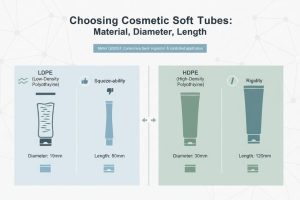
Here’s your quick-start guide on choosing the right cosmetic soft tubes, focusing on material, diameter, and length.
Understanding Tube Materials: LDPE vs. HDPE Plastic
When it comes down to picking the right plastic for your cosmetic soft tubes empty packaging container, it’s a showdown between two major players—LDPE and HDPE.
🟢 Material Characteristics Grouped by Use Case:
- LDPE (Low-Density Polyethylene) – Think flexible, squeezable, and easy on the hands. Perfect for lotions or gels that need a gentle press.
- HDPE (High-Density Polyethylene) – Sturdier with more form memory. Ideal for products requiring better shape retention like sunscreens or scrubs.
- Durability-wise? HDPE wins out on resistance but loses a bit of that comfy squeeze factor LDPE offers.
📊 Here’s how they stack up:
| Property | LDPE | HDPE |
|---|---|---|
| Flexibility | High | Moderate |
| Rigidity | Low | High |
| Recyclability | Widely recyclable | Widely recyclable |
| Best Use | Creams, gels | Sunscreens, thicker formulas |
Choosing between these two materials affects not just how your product feels but also how customers interact with it every day.
The Importance of Tube Diameter: 19mm vs. 30mm Options
The width of your tube might seem minor—but in the world of Packaging for Cosmetics, even millimeters matter.
🔹 Here’s what each size brings:
- 19mm tube diameter is ideal when you want precision—think eye creams or spot treatments where control is everything.
- On the flip side, go with a 30mm diameter if you’re packing more product or need ease-of-use—like body lotions or face washes.
- Bigger diameters mean faster dispensing; smaller ones give finesse and reduce waste.
💬 According to Mintel’s Global Packaging Trends Report Q2/2024, “Consumers increasingly favor packaging that aligns with both ergonomic comfort and controlled application.”
By matching your product type with the right tube width, you improve both user experience and brand perception without saying a word.
Choosing the Right Tube Length for Your Product: 80mm vs. 120mm
Size isn’t just about volume—it shapes portability and shelf appeal too. Here’s how different lengths impact your product vibe:
🧴 Shorter Tubes – Like those around 80mm, scream travel-friendly convenience. They’re perfect for sample sets or purse-ready skincare lines.
🧼 Longer Tubes – Around 120mm, offer more real estate for branding while holding larger quantities—great for daily-use items like cleansers or moisturizers.
✔️ Quick tips:
- Choose shorter tubes if portability is key.
- Go longer when shelf presence matters more than pocket fit.
- Match fill volume carefully so you don’t end up with half-empty tubes post-filling!
In essence, balancing tube length against use-case helps optimize both consumer satisfaction and production efficiency in your next batch of cosmetic soft tubes empty packaging container designs.
Where to Buy Cosmetic Soft Tubes Empty Packaging Containers Online
Finding the right source for cosmetic soft tubes empty packaging containers can make or break your product’s look and feel. Let’s walk through where to shop smart.
Top Three Online Retailers for Soft Tube Packaging
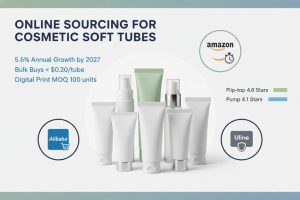
Looking for variety, pricing, and ease? These three e-commerce platforms consistently rank high among buyers of cosmetic packaging:
- Alibaba – Ideal for bulk orders. It connects you with global suppliers, often with flexible MOQs and customization options.
- Amazon – Great for quick, small-batch needs. You’ll find ready-to-ship items but limited branding flexibility.
- Uline – Known for fast shipping and consistent stock of standard sizes; a solid pick if you’re after reliability over design flair.
Each offers something different. If you’re after bespoke designs or digital print options, Alibaba might be your best bet. Need it yesterday? Amazon’s Prime delivery could save the day.
Comparing Prices: Cost Analysis of 50mm Diameter Tubes
Price shopping isn’t just about finding the cheapest—it’s about finding value. When comparing costs of 50mm diameter soft tubes, consider:
- Unit cost: Bulk buys on Alibaba can dip below $0.20 per tube.
- Shipping fees: Amazon includes it in Prime, while Uline charges based on weight.
- Discounts: Some sellers offer tiered bulk pricing—buy more, pay less per unit.
💡 Pro tip: Watch out for hidden tooling fees when customizing designs online—especially common in wholesale platforms like Alibaba.
A recent 2024 report from Smithers Pira noted that “flexible cosmetic packaging is expected to grow by 5.6% annually through 2027,” driven by demand in personalized skincare products—so locking in good prices now could pay off long-term.
Customer Reviews: User Experiences with Various Tube Cap Types
Caps aren’t just caps—they shape how users interact with your product daily. Here’s what real buyers say about popular types:
- Flip-top caps are favored by many because they’re easy to open one-handed—great for lotions or gels used on the go.
- Screw caps get love from folks who value secure closure, especially when tossing bottles into bags without leaks.
- Pump caps receive mixed feedback; while hygienic and premium-feeling, some users complain about inconsistent dispensing volumes.
User ratings across platforms like Amazon reflect this too—flip-tops average around 4.6 stars, while pumps hover closer to 4.1 due to occasional clogging issues.
The Convenience of Digital Printing Options for Online Orders
Customization has never been easier thanks to modern digital printing services offered directly through most major online stores selling cosmetic soft tubes empty packaging containers:
Upload your own logo or artwork directly on retailer websites like Alibaba or SKS Bottle during checkout
No need for large MOQ commitments anymore; some vendors allow as few as 100 units per design
Get real-time previews before finalizing your order—perfect if you’re experimenting with new branding
This shift toward accessible custom printing means even indie brands can compete visually with bigger names without breaking the bank—or waiting weeks for samples from overseas printers.
Whether you’re a startup testing waters or scaling up production, ordering digitally printed tubes online is fast becoming the new norm in cosmetic container sourcing.
Key Factors to Consider When Buying Soft Tubes Packaging
Choosing the right cosmetic soft tubes empty packaging container isn’t just about looks—it’s about function, feel, and how your product connects with users. Here’s what really matters.
Assessing Tube Cap Types: Which Works Best for Your Product?
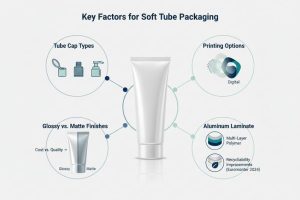
- Flip-top caps are great for one-handed use and work best with lotions or gels that don’t require precise dosing.
- Screw caps, while more secure, might slow down frequent use—but they’re ideal for thicker creams.
- If you’re dispensing small amounts like serums or spot treatments, an applicator tip or cosmetic container with applicator keeps things neat.
- Want extra safety? Go for a tamper-evident closure mechanism, especially if your product is sensitive or high-end.
- The size of the hole—aka the orifice size—can make or break user experience. Too small? Frustrating. Too big? Wasteful.
The cap isn’t just a lid—it’s part of the whole vibe of your product. Think texture, ease-of-use, and even sound when it clicks shut.
Evaluating Printing Options: From Silk Screen to Digital Printing
• You’ve got options here:
- Silk screen printing gives crisp lines and bold colors but limits complexity.
- For intricate designs or gradients, go digital with high-resolution digital printing.
- Need volume? Old-school but efficient, offset printing handles bulk well without sacrificing detail.
• Want eco-friendly volume runs? Try out modernized flexographic techniques, which balance speed with sustainability.
• Don’t forget how your design translates across surfaces—your label should pop without peeling off. A good mix of smart layout and strong adhesive makes all the difference.
Your packaging is basically a walking billboard—make sure your brand messaging and visual artwork speak clearly through whichever method you choose.
The Role of Coating Options: Glossy vs. Matte Finishes
Some finishes scream luxury; others whisper sophistication:
- A sleek glossy finish reflects light beautifully and draws instant attention on retail shelves.
- Prefer subtlety over sparkle? A smooth-touch matte finish feels premium in hand—and resists fingerprints too.
- For those chasing sensory appeal, try a velvety-soft surface using a specialized soft-touch coating, often paired with minimalist branding.
- Add durability without dulling visuals using protective layers like a UV-resistant topcoat (UV coating) that doubles as a shield against sunlight damage.
It’s not just about what looks good—it’s about what feels right in hand and holds up over time.
Cost vs. Quality: Multi-layer Polymer vs. Aluminum Laminate
Grouped by key traits:
‣ Material Type & Structure:
• A flexible yet sturdy option, the multi-layer polymer offers adaptability in shape without cracking under pressure.
• In contrast, an ultra-durable barrier like an aluminum laminate ensures zero oxygen intrusion—perfect for active ingredients that degrade quickly.
‣ Performance & Protection:
• If you’re dealing with oily formulas or volatile actives, aluminum’s superior chemical resistance wins every time.
• But polymers handle squeezable formats better—they bounce back instead of crumpling after each use.
‣ Cost & Sustainability:
• According to Euromonitor’s 2024 Packaging Insights Report, “While aluminum remains unmatched in protection quality, multi-layer polymers are gaining favor due to recyclability improvements.”
• Consider both short-term costs and long-term environmental impact when making decisions around material selection.
Balance isn’t always about choosing one over the other—it’s knowing which trade-offs matter most to your brand story when selecting your next batch of cosmetic soft tubes empty packaging containers.
The Benefits of Customizable Soft Tubes for Branding
Customizing cosmetic soft tubes empty packaging container isn’t just about looks—it’s a smart move to make your brand pop on crowded shelves. Let’s break down how it works.
How Custom Tube Lengths Can Enhance Your Brand Identity
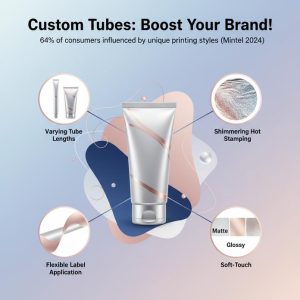
- Tube length isn’t just functional—it shapes perception. A longer tube can suggest premium value, while a compact one feels travel-friendly and efficient.
- Brands aiming for luxury might opt for elongated custom dimensions that add shelf presence.
- Shorter formats appeal to minimalists or sample-size markets, ideal for high-turnover campaigns.
Topfeelpack nails this by offering scalable sizing options that match your vibe—whether you’re edgy, elegant, or eco-conscious. Tailoring the packaging design like this helps your product stand out and reinforces your brand identity, especially when paired with bold colors or minimalist prints. It’s all about aligning with your audience’s expectations while keeping things fresh.
Personalizing Printing Techniques: Hot Stamping vs. Label Application
- If you want a high-end finish, go for hot stamping—it adds shine and depth that screams premium.
- But if you’re after flexibility? Label application lets you switch up designs fast without breaking the bank.
- Both methods support strong brand messaging, so it comes down to vibe versus versatility.
According to Mintel’s Global Packaging Trends Report from early 2024, over 64% of consumers say unique printing styles influence their buying decisions—especially when it communicates quality and creativity clearly.
By tweaking the right printing techniques, you’re not just decorating; you’re storytelling through every inch of the tube.
Creating a Unique Look with Various Coating Options
• Matte finishes give off an understated elegance—great for clean beauty lines
• Glossy coatings reflect light beautifully and work well with vibrant branding
• A soft-touch coating creates a tactile wow factor that customers literally feel
Each choice affects not only how your product looks but how it’s perceived emotionally. Think about it: ever picked something up because it “felt expensive”? That’s the power of texture via smart surface finishes. These subtle tweaks shape consumer expectations and reinforce your brand’s aesthetic values across every touchpoint.
Customizing the outer layer is more than skin-deep—it molds lasting impressions from shelf to hand.
Bonus Impact: How All These Elements Work Together
You don’t have to choose just one enhancement—mixing multiple features creates layers of impact:
- Combine elongated tubes + hot stamping + matte coating = sleek luxury
- Use short tubes + label wraps + glossy finish = fun & fresh appeal
- Try mid-length + gold foil stamp + soft-touch = boutique sophistication
When these elements align, they elevate even standard formulations into must-have products. Every tweak—from tube size to finish—is an opportunity to sharpen your edge in the saturated world of beauty packaging containers.
And when done right? Your customized cosmetic soft tubes empty packaging container becomes more than packaging—it becomes part of your customer experience story.
Common Mistakes When Purchasing Cosmetic Soft Tubes Packaging
Even small packaging choices can mess with product performance. Let’s clear up two common mistakes brands often make when buying cosmetic soft tubes empty packaging containers.
Ignoring Tube Diameter: The Impact of Choosing 25mm or 35mm
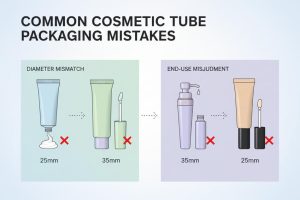
Choosing between a 25mm tube and a 35mm tube isn’t just about looks—it directly affects how your product works and feels in users’ hands.
- Product capacity mismatch: A smaller diameter limits fill volume, which might be fine for eye creams but not ideal for body lotions or scrubs.
- Dispensing experience varies: A wider tube offers smoother flow for thicker formulas, while narrow ones suit thin liquids better.
- Manufacturing process constraints: Some filling machines are optimized for specific diameters—forcing an incompatible size can delay production.
- Packaging dimensions affect shelf presence: On retail shelves, a slim tube may look elegant but get lost next to chunkier competitors.
- Brand identity alignment: Luxury skincare often opts for larger tubes to imply value; minimalist brands might prefer compact options.
- Shipping efficiency tradeoffs: Bulkier tubes take up more space, impacting logistics costs and carton configurations.
- Consumer handling comfort: A too-wide tube might feel clunky in the hand; too narrow could frustrate users trying to squeeze out thicker formulas.
If you’re working with a supplier like Topfeelpack, they’ll help you match your formula’s viscosity with the right diameter so your customers don’t end up wrestling their moisturizer out every morning.
Misjudging the End Use Application: Lip Gloss Packaging vs. Foundation Packaging
Picking the wrong style of tube for your product? That’s like pouring soup into a coffee mug—messy and frustrating. Different products demand different packaging strategies.
• For lip gloss packaging, the key is all about precision. These formulas need applicators tailored to small areas and controlled flow. Using foundation-style tubes here would be overkill—and honestly, kind of weird.
- Lip glosses = low-viscosity + tight control → soft nozzle tips or doe-foot applicators work best
- Foundations = medium-to-high viscosity + even spread → flat-top squeezable heads or pump-tube hybrids are smarter
If you’re packaging something thick like foundation in a skinny lip gloss-style container, expect clogging issues and unhappy customers who can’t get their product out evenly.
Now imagine trying to use sticky gloss from a wide-top nozzle tube for liquid foundation—yeah, that’s not cute either.
✔️ Match formula thickness to dispenser design
✔️ Consider where on the face it’s applied—lips require precision; cheeks need coverage
✔️ Think about reapplication habits—lip products are used more frequently during the day
Bottom line? Your choice of packaging should vibe with how people actually use your product—not just what looks good on Instagram. Choosing functional formats aligned with end-use keeps returns low and satisfaction high across all types of cosmetic soft tubes empty packaging containers.
FAQs
What materials bring durability and beauty to high-volume tube orders?
For a container meant to hold creamy texture or silky liquid, the choice of material shapes both feel and reliability:
- LDPE plastic – soft squeeze for lotions, gentle in hand.
- HDPE plastic – firmer touch; resists wear during shipping.
- Aluminum laminate – holds fragrance and color safe from light intrusion.
- Co-extruded plastic + Multi-layer polymer – unmistakable stability blended with consumer comfort.
How does tube diameter guide product presentation and user delight?
19mm diameter tubes suit precision lip gloss packaging solution with precision wand; 25mm or 30mm diameters favor cream blush packaging with just enough glide; 35mm feels substantial for custom airless tube for foundation, while bold 50mm commands attention for BB cream packaging that pours generous care into each use.
Why is length more than just a measurement in these containers?
An 80mm tube length whispers “travel-ready”; the familiar 100–120mm range sits neatly in daily styles—think concealer or BB cream carried everywhere—while elegant 150–200mm turns cosmetic delivery into an at-home ritual with more content to last longer between refills.
Which caps truly shape ease of use across bulk orders?
Some caps feel natural before you even think: Flip top cap opens quickly mid-routine, Screw on cap locks tight against travel bumps; Nozzle applicator cap targets precise areas like under-eye concealer application; Oval shaped cap adds flair on display shelves; Stand up cap keeps products upright without fuss.
In what ways can coatings influence brand trust at scale?
Glossy coating catches store lights like jewelry, matte coating draws eyes gently toward printed artistry, soft touch coating tempts fingertips again and again; UV varnish coating defends vibrant colors over months of sunlight exposure, protective sealant guards intricate details during transit.
References
- The Future of Beauty Packaging: Here’s What Brands Need to Know | Mintel – https://www.mintel.com/insights/packaging/the-future-of-beauty-packaging/
- World Market for Packaging | Market Research Report – Euromonitor International – https://www.euromonitor.com/world-market-for-packaging/report
- The Future of Global Packaging to 2028 – Smithers – https://www.smithers.com/services/market-reports/packaging/the-future-of-global-packaging-to-2028
- Amazon – https://www.amazon.com/
- Alibaba – https://www.alibaba.com/
- Uline – https://www.uline.com/

