 English
  English (UK)
  English (Australia)
  English (Canada)
  العربية
  Deutsch
  Italiano
  Español de México
  Tiếng Việt
  ไทย
ไทย  Português do Brasil
  Français
  Български
  Čeština
  Dansk
Dansk  Ελληνικά
  Eesti
Eesti  Suomi
Suomi  Magyar
  Bahasa Indonesia
  Lietuvių kalba
  Latviešu valoda
  Norsk bokmål
  Nederlands (Formeel)
  Polski
  Română
  Русский
  Slovenčina
  Slovenščina
  Svenska
  Türkçe
  Українська
  简体中文
简体中文  日本語
日本語  한국어
한국어  繁體中文
繁體中文 
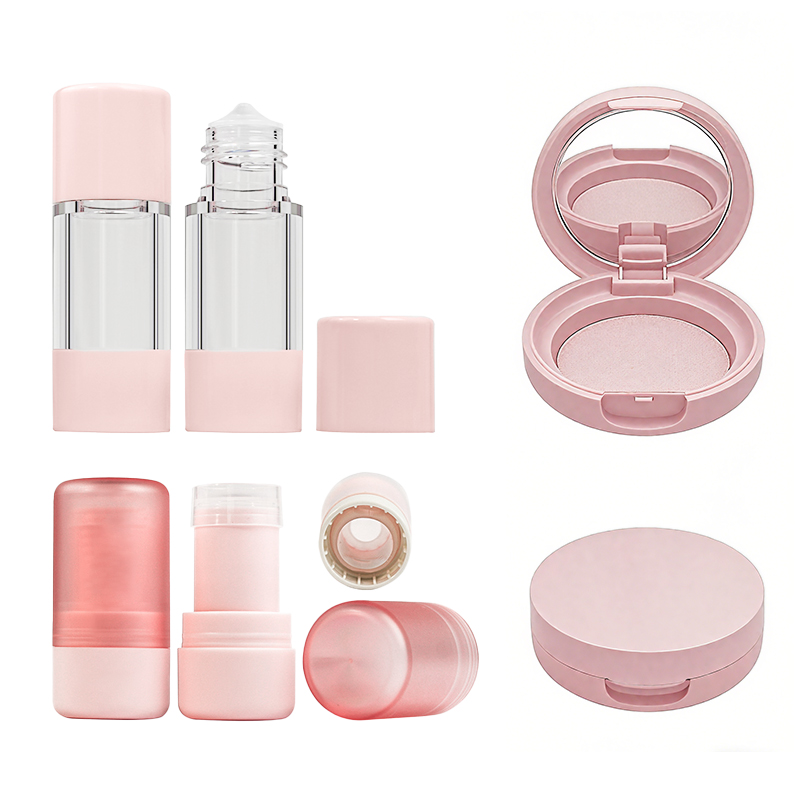
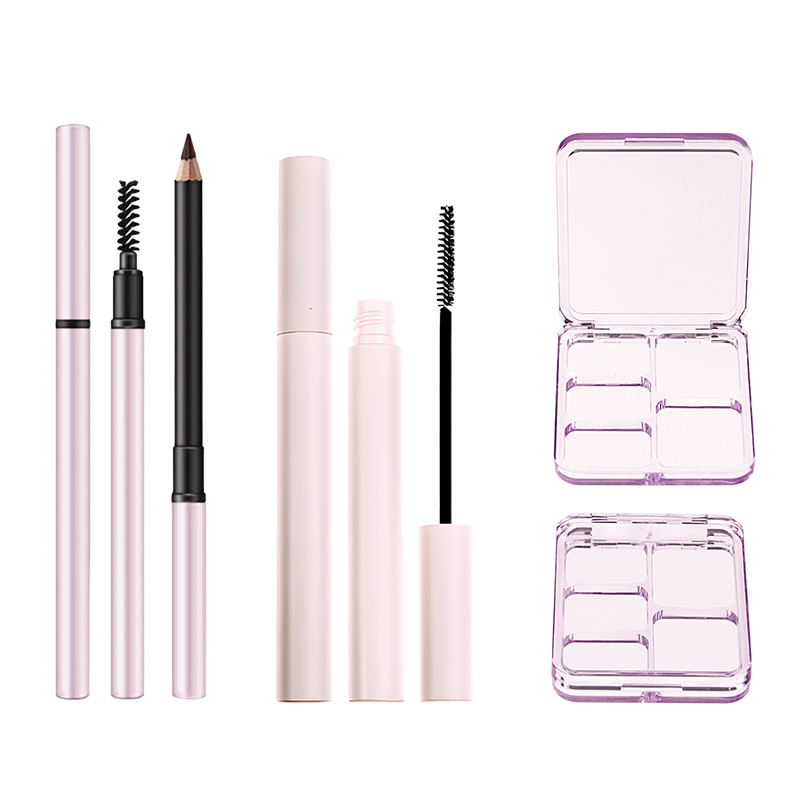
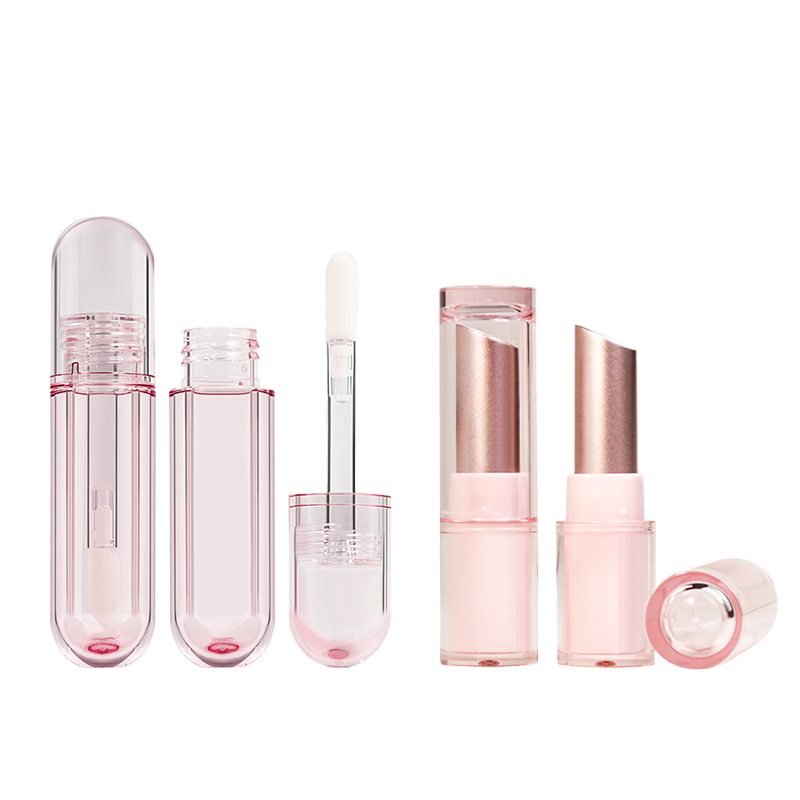

Master Your Market with an Unforgettable Cosmetic Packaging Set Design
February 13,2026
You know how it goes—walk into any beauty aisle and bam! you’re hit with a wall of sparkle, color, and tiny jars that practically scream for attention. But here’s the rub: if your cosmetic packaging set looks like everyone else’s? It’s invisible. And in this business, invisibility is a death sentence.
Big buyers feel the heat. Retailers want packaging that pops on shelves and feels luxe in hand. Consumers? They’re picky, eco-conscious, and scrolling fast. You’ve got milliseconds to win them over before they swipe past your product like yesterday’s news.
“Packaging is more than just pretty armor—it sells the story,” says Mintel’s Senior Beauty Analyst Lauren Goodsitt in their 2023 market report on consumer behavior shifts in skincare and makeup buying trends.
So if you’re sourcing at scale, every detail counts: materials that match mood boards and margins; closures with satisfying clicks; designs sharp enough to stop foot traffic cold. Welcome—we’re about to break down exactly how smart design choices turn product lines into power plays.
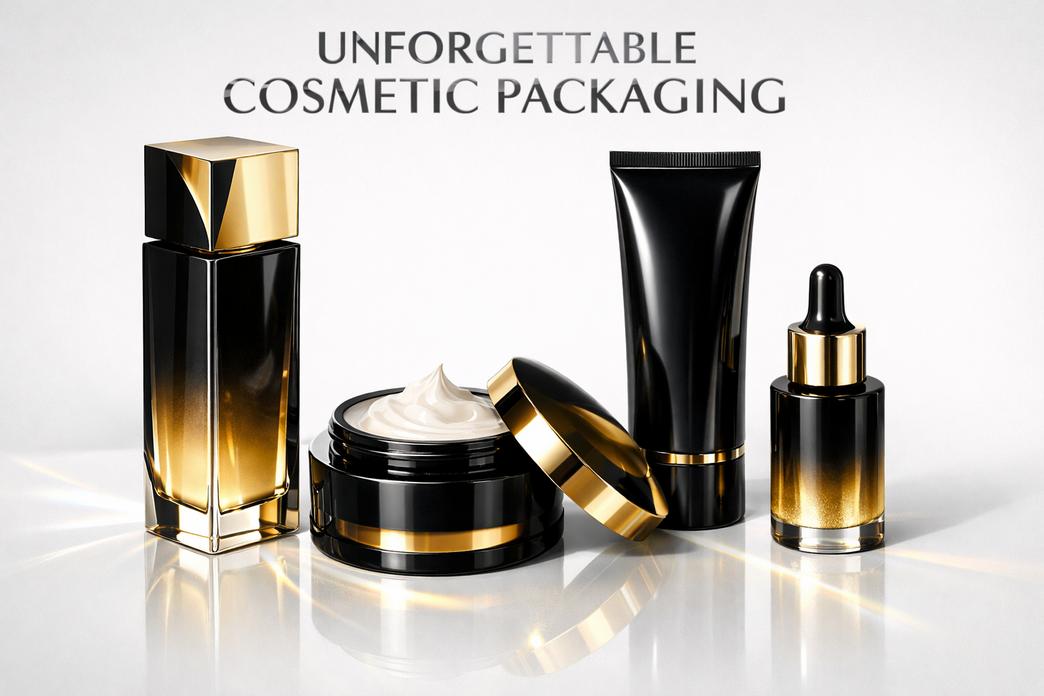
Five Factors To Elevate Your Cosmetic Packaging Set Design
Your skincare bottles and makeup jars deserve more than just a pretty face—here’s how to make your whole cosmetic packaging set pop.
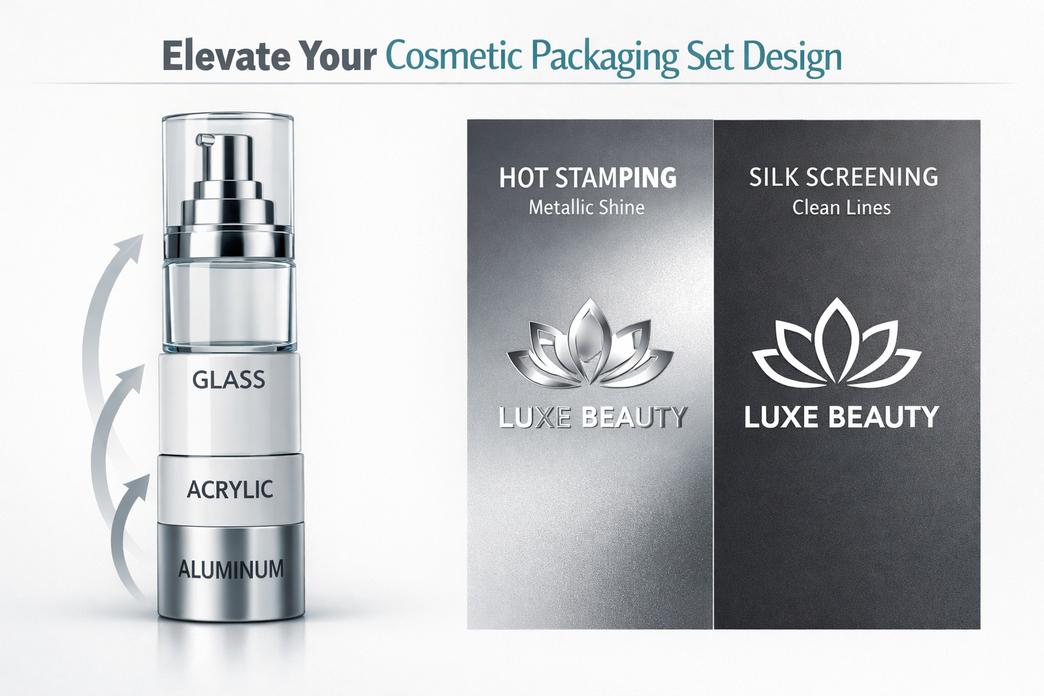
Choosing the Right Packaging Material: Glass, Acrylic, or Aluminum?
- Glass = high-end feel, but heavier.
- Acrylic = durable + crystal clear.
- Aluminum = sleek & lightweight.
Choosing the right base material isn’t just about looks. It impacts cost, shipping weight, and how customers perceive your brand. For premium serums or perfumes, glass feels luxe. Acrylic is perfect for vibrant color cosmetics thanks to its clarity. If you’re going for an eco-forward vibe with a modern twist, aluminum nails it—especially when paired with matte finishes.
The Impact of Decorative Techniques: Hot Stamping and Silk Screening
- Hot stamping gives that shiny metallic pop—great for logos.
- Silk screening? Think clean lines and long-lasting branding.
- Combine both for layered depth on any container.
These decorative techniques do more than dress up your packaging—they tell your story. When applied correctly to a full cosmetic packaging set, they create cohesion across bottles, jars, and tubes while reinforcing your visual identity.
Selecting the Ideal Closure Type: Screw Caps vs. Pump Dispensers
Closures can make or break the user experience:
A. Screw caps:
- Best for creams or thick textures
- Cost-effective
- Easy to manufacture
B. Pump dispensers:
- Hygienic
- Great control over dosage
- Perfect for lotions and liquid skincare
C. Match closure type with product viscosity:
i) Thin liquids → pumps/droppers
ii) Thick balms → screw lids
Topfeelpack offers versatile closure systems that fit snugly with custom neck finishes—ensuring every part of your set stays functional and stylish.
Tailoring the Dimensions: Capacity and Neck Finish Considerations
Step-by-step thinking helps here:
Step 1: Define product usage frequency — daily use needs larger capacity; travel kits need smaller sizes.
Step 2: Select compatible neck finishes — droppers need narrow openings; airless pumps require specific threading specs.
Step 3: Align dimensions across all pieces — this ensures uniformity within your full skincare or makeup line.
Each tweak you make changes usability—and ultimately how consumers interact with every piece of their personalized beauty routine.
Color Matching and Technical Specifications for Standout Designs
Color tells people who you are before they even read the label.
– Consistent hues across all items build trust
– Material thickness affects how light bounces off surfaces, changing perception
– Glossy vs matte finish changes mood instantly
Even if you’re mixing materials like acrylic jars with aluminum caps, precise color matching makes sure each item still feels part of a unified collection—a key move when designing a cohesive cosmetic packaging set that screams “premium.”
Pulling It Together With Consumer Experience In Mind
Let’s wrap it up by looking at everything through the lens of real users:
• A beautiful jar means nothing if it’s hard to open—functionality matters as much as flair.
• Lightweight aluminum helps reduce shipping costs and carbon footprint—hello sustainability!
• Harmonized design leads to stronger shelf appeal—and better brand recall too.
At Topfeelpack, we believe smart choices in materials, decoration methods, closures, sizing details, and colors don’t just elevate packaging—they shape consumer loyalty around every thoughtfully crafted piece in your next standout cosmetic packaging set design.
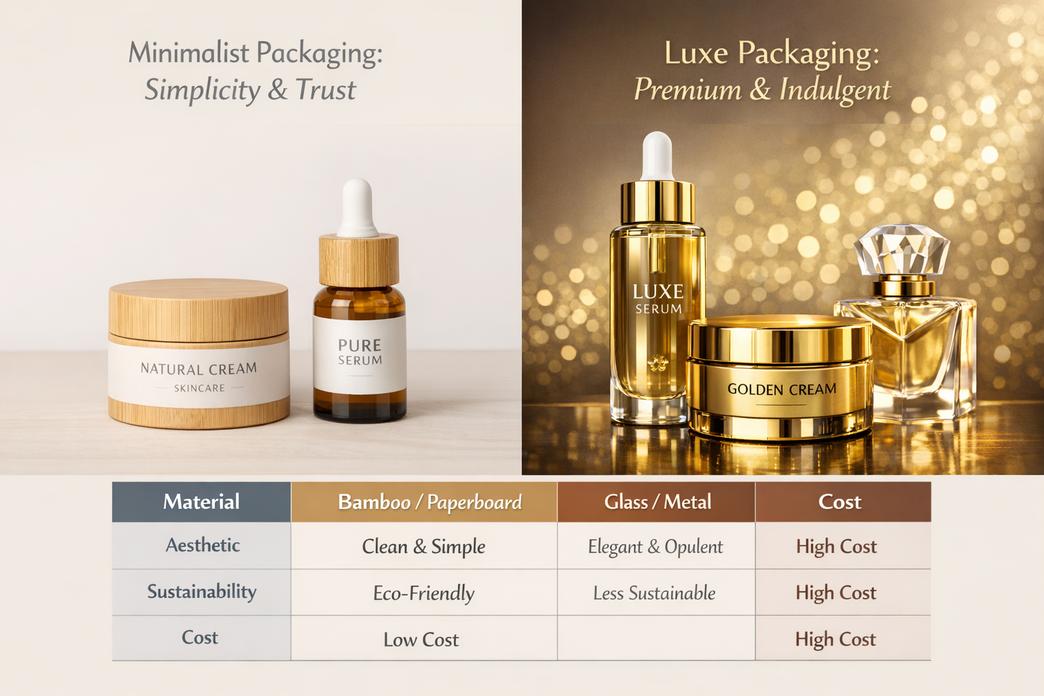
Minimalist Vs Luxe Cosmetic Packaging Set Design
A cosmetic packaging set speaks volumes before a product is even opened—this chapter breaks down how style and substance shape perception.
The Essence of Minimalist Design: Simplicity with Impact
• Clean lines and soft hues? That’s not just for show. These design elements create trust by suggesting purity and transparency.
• Minimalism thrives on restraint—less clutter, more clarity. Skincare brands love this because it aligns perfectly with wellness vibes.
• It’s not only about what you see but also what you feel. A matte finish or embossed logo can add subtle texture that elevates the entire unboxing moment.
- White space = visual breathing room
- Neutral color palettes = calm sophistication
- Sans-serif typography = modern identity
Minimalist sets aren’t boring—they’re intentional. Every detail from bottle shape to label font contributes to a unified visual identity, making consumers feel like they’ve made a smart, stylish choice.
Luxe Packaging for Cosmetics: How to Create a Premium Feel
To give your cosmetic packaging set that high-end edge, it’s all about the right mix of shine, weight, and finesse:
- Use glass bottles—they’re heavier and scream “expensive.”
- Add hot stamping or foil embossing for shimmer without glitter overload.
- Include magnetic closures or velvet trays to elevate the tactile experience.
- Luxe doesn’t mean loud—it means thoughtful excess.
- A gold-accented pump or metallic collar can instantly shift consumer perception from drugstore to designer.
- Even the sound of the lid closing matters when aiming for that premium vibe.
This kind of design taps deep into consumer perception, signaling indulgence and exclusivity at every touchpoint.
The Role of Material Selection in Achieving Luxe vs. Minimalist Aesthetics
Here’s where things get real—the materials you choose make or break your brand story.
| Material | Aesthetic Style | Sustainability Score | Cost Tier |
|---|---|---|---|
| Glass | Luxe | Medium | High |
| Bamboo | Minimalist | High | Medium |
| Paperboard | Minimalist | Very High | Low |
| Aluminum | Luxe | Medium | High |
Multi-layered decision-making starts here:
- If your brand leans eco-conscious, paperboard and bamboo are perfect fits for minimalist designs—clean look, low impact.
- For prestige appeal? Glass paired with aluminum accents nails that luxe aesthetic.
- But don’t forget functionality; no one wants a beautiful jar that leaks.
Material choices influence both packaging aesthetics and perceived value while also tying into broader concerns like sustainability and shelf presence during the all-important unboxing experience.
When brands balance look, feel, ethics, and cost through smart material use, their entire cosmetic packaging set becomes more than just pretty—it becomes persuasive.
Why Choose Sustainable Packaging For Makeup
Shorter waste cycles, smarter material choices, and better consumer vibes—eco packaging is way more than just a trend.
The Rise of Refillable and Biodegradable Packaging
Refillable palettes are no longer niche—they’re mainstream.
✔ Brands are now offering magnetic pans for easy swaps.
✔ Compostable materials like sugarcane fiber reduce landfill burden.
✔ Consumers love the “buy once, refill forever” mindset.
Biodegradable tubes made from cornstarch or PLA break down faster than traditional plastics, helping cut down on long-term waste reduction. And when refillables meet sleek design? That’s a win for both the planet and your shelfie game.
Sustainable Materials: Bamboo, Recycled Content, and Compostable Options
Bamboo compacts aren’t just cute—they’re strong and endlessly renewable. Recycled PET bottles give post-consumer plastic new life in your favorite cosmetic packaging set items like toner sprays or foundation pumps.
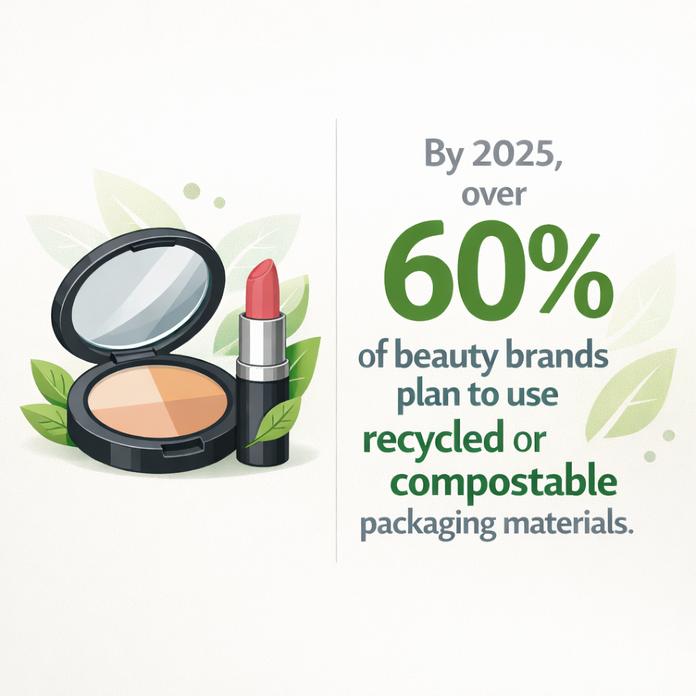
“By 2025, over 60% of beauty brands plan to use recycled or compostable packaging materials,” according to Mintel’s Global Beauty & Personal Care Report (2024).
Compostable paperboard trays are also gaining traction in eyeshadow kits and lip balm sets—perfect for brands aiming to boost their brand reputation through low-impact design.
Eco-Friendly Closures: Flip-Top Caps vs. Pump Dispensers
• Flip-top caps use less plastic—great for toners or cleansers
• Pumps offer better control but need smart recycling solutions
Pumps made from mono-materials now allow easier separation during recycling processes. That means fewer mixed plastics ending up in landfills—a key step toward a circular economy in makeup goods like serums or liquid foundations.
Lightweight and Durable: Achieving Sustainability Without Compromise
Weight matters—not just for shipping costs but also for carbon emissions tied to transport. New lightweight designs in compact cases or lipstick tubes help lower environmental impact without skimping on durability.
Multi-layered kraft paper wraps protect fragile glass jars while cutting bulk weight by nearly 30%. It’s all about balancing strength with sustainability so your cosmetic packaging set survives shipping—and still looks good doing it.
Retail Launch: Stunning Cosmetic Packaging Set Displays
A killer retail launch starts with how your product looks on the shelf. Let’s break down what makes a cosmetic packaging set impossible to ignore.
Designing Packaging for Maximum Shelf Impact
• Bold, asymmetric shapes can stop shoppers mid-stride. Think hexagonal jars or squared-off tubes.
• Color stories matter—match or contrast shades with seasonal trends for punchy visual appeal.
• Closures aren’t just functional; magnetic snaps and metallic caps add luxury vibes.
- Color psychology plays a role—reds energize, blues calm, golds signal prestige.
- High-gloss finishes reflect light better under retail lighting conditions.
- Placement of logos should follow the “eye-scan triangle”: top-left, center, bottom-right.
✧ Unique silhouettes increase recall value, especially in crowded skincare aisles.
Packaging that pops isn’t just about being loud—it’s about being smartly loud. A well-designed cosmetic packaging set balances form and function to dominate shelf space.
Tiny tweaks like foil accents or oversized fonts can boost visibility by over 30%. Add tactile features like embossing, and suddenly you’re not just seen—you’re remembered.
Effective Use of Packaging Types for Retail Displays: Bottles, Jars, and Palettes
• Jars = thick creams & balms
• Bottles = serums & oils
• Palettes = powders & pigments
- Compact jars stack well in vertical displays—ideal for tiered shelving units.
- Tall bottles work great in backlit displays where their contents shine through tinted glass.
- Flat palettes are perfect for open testers at makeup counters—they invite interaction.
✽ Choose materials wisely: acrylic offers clarity; PET is lightweight; glass screams premium.
Palettes should be thin but sturdy—no one likes a cracked blush tray on day two of display life.
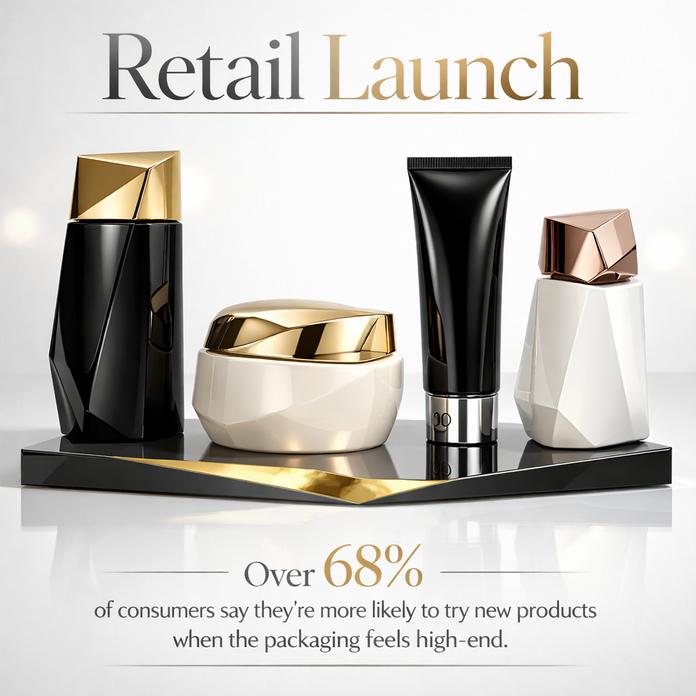
“Over 68% of consumers say they’re more likely to try new products when the packaging feels high-end,” according to Mintel’s 2024 Beauty & Personal Care Report.
Pairing the right container with its cosmetic type makes your entire packaging set look intentional—and that builds trust fast at first glance.
How to Integrate Packaging Decoration for Attention-Grabbing Displays
Step 1: Start with your base material—glass or plastic? Each takes decoration differently.
Step 2: Decide on primary branding method:
- Hot stamping adds shimmer
- Silk screening ensures sharp detail
- Labeling allows flexibility across SKUs
Step 3: Layer techniques:
• Combine foil stamping + screen print logos
• Use clear labels over colored substrates
• Try UV spot coating on matte surfaces
Then group by product type:
- Skincare sets → minimalist metallics + soft gradients
- Makeup kits → bold fonts + holographic overlays
- Fragrance lines → frosted textures + clean serif typography
Finally, test under retail lighting before finalizing production mockups!
When done right, decorating your cosmetic packaging set transforms it from “just another bottle” into a full-blown retail magnet that customers can’t resist touching—or buying.
This kind of finish doesn’t just catch eyes—it holds them long enough to convert interest into action at point-of-sale displays crafted with savvy visual merchandising know-how.
FAQs about Cosmetic Packaging Set
What makes a cosmetic packaging set feel complete for a beauty brand?
A true sense of completeness comes from harmony—bottles, jars, tubes and palettes all tuned to the brand’s tone. Glass brings prestige for fragrance; acrylic offers polished clarity; aluminum carries lightweight strength; bamboo breathes natural calm. The details matter: capacities that fit just right, neck finishes matching droppers or airless pumps without fuss, colors perfectly aligned through offset printing or frosting.
How do material choices change the emotional appeal?
- Glass: cool touch and timeless presence in skincare serums
- Plastic: approachable comfort in daily haircare bottles
- Aluminum: crisp modernity with personal care sprays
- Bamboo & paperboard: warm tactility for eco-friendly color cosmetics palettes
Each choice shifts how hands and eyes connect with the product before it’s even opened.
Which decoration styles catch attention without overwhelming design?
Hot stamping casts quick flashes of gold across compacts. Silk screening whispers soft text onto curved tubes. Frosting turns glass into something gently opaque—inviting mystery like skincare at dusk. Metallization reflects light as sharply as a perfume bottle under boutique spots.
Why should closure types be considered early in set planning?
Pump dispensers bring measured elegance to lotions; flip-top caps click shut on shampoos after a single squeeze; screw caps guard thick creams against the air’s slow invasion; sprayers release fragrances into memorable clouds; roll-ons glide scent directly where skin meets pulse.
What sustainable touches work well without losing luxury?
Recycled-content plastic feels just as smooth when molded precisely. Refillable jars promise intimacy—a relationship between user and object over months. Biodegradable paperboard delivers artistry yet disappears naturally later. Lightweight builds lower transport strain while keeping color cosmetics protected inside their palette shells.
References
- [The Future of Beauty Packaging: Here’s What Brands Need to Know – https://www.mintel.com/insights/packaging/the-future-of-beauty-packaging/]
- [Mintel announces Global Beauty and Personal Care Trends for 2024 – https://www.mintel.com/press-centre/mintel-announces-global-beauty-and-personal-care-trends-for-2024/]
- [Webinar: 2024 Global Beauty and Personal Care Trends – Mintel – https://www.mintel.com/insights/events/webinar-2024-global-beauty-and-personal-care-trends-south-apac/]

