 English
  Español de México
  Français
  Deutsch
  Português do Brasil
  Italiano
  한국어
한국어  ไทย
ไทย  Русский
  日本語
日本語  Polski
  Svenska
  Türkçe

What Is the Difference Between Felt Tip and Brush Tip Eyeliner Tubes?
July 16,2026
For beauty brands developing a liquid eyeliner line, felt tip and brush tip eyeliner tubes affect more than line shape. For eyeliner tube wholesale projects, the applicator, wiper, cap, barrel, and formula compatibility should be evaluated together to support smooth flow, stable control, and freshness.
Eyeliner Tube Wholesale Basics: Why Tip Design Matters
What Is a Felt Tip Eyeliner Tube?
A felt-tip eyeliner tube uses a stiff marker-like applicator. It stores liquid. It releases the liquid in a steady flow when it touches the eyelid. Felt tips often appear in items for sharp wings. They work well for daily lines. They give control that beginners can handle. They support quick application.
For empty eyeliner pens, felt tips prove useful when a brand seeks a clean graphic and simple product experience.
What Is a Brush Tip Eyeliner Tube?
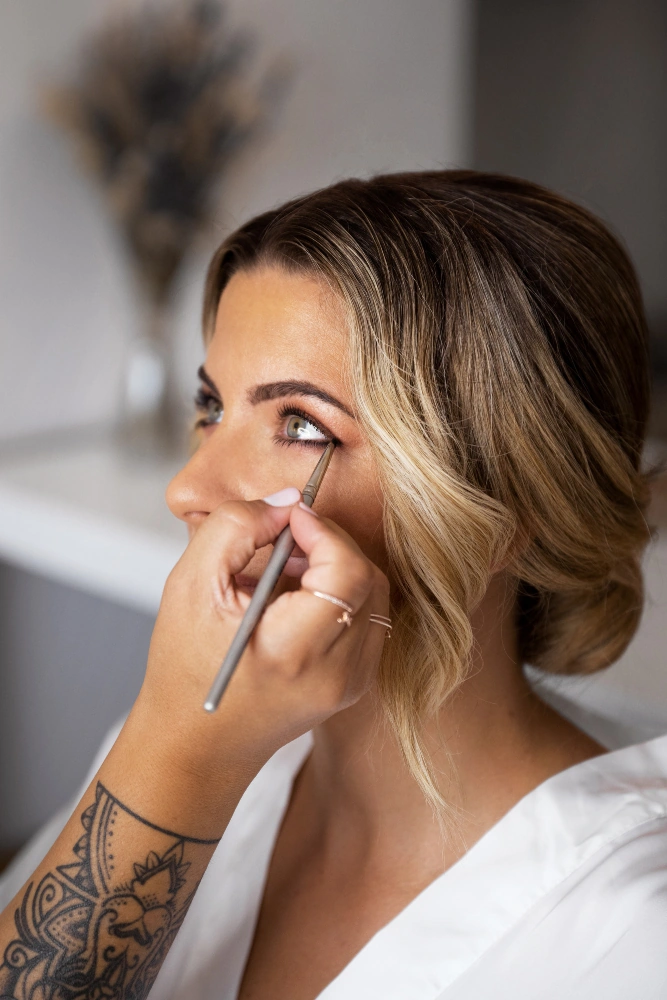
A brush-tip eyeliner tube uses bendable fibers or bristles. It bends with less effort than a felt tip. It follows the eyelid curve.
Brush tips often get selected for fine detail. They suit soft flicks. They allow flexible line thickness. They fit professional makeup looks. For private label liquid eyeliner packaging, brush tips suit products focused on precision or a premium hand-feel.
Why the Applicator Affects Formula Flow and Line Control
The applicator links the formula and the skin. If the formula is too thin, the wrong tip may release too much liquid. If it is thicker, the line may skip or drag.
Before choosing a custom eyeliner container, brands should test the formula viscosity. They should check pigment load. They need to examine drying speed. They must review tip softness, wiper tightness, and cap sealing.
Felt Tip Eyeliner Tubes: Stable Control for Sharp and Everyday Lines
How Felt Tips Create Firm, Predictable Strokes
A felt tip feels similar to a fine marker. It gives users resistance against the skin. This resistance makes strokes easier to control. Felt-tip eyeliner tubes suit new users. They work for cat-eye styles. They fit daily makeup. They support quick routines.
The main advantage is predictability. Users do not need advanced skills to draw a neat line.
When Empty Eyeliner Pens with Felt Tips Work Best
Felt tips work best when the formula flows evenly. The cap must keep the tip from drying out. In empty eyeliner pens, the inner structure should reduce air exposure.
A good felt tip package should feel smooth. It should feel firm. It needs to stay moist and sharp. It should not scratch. It must not overload. It should not deform easily.
Common Limits of Felt Tips in Liquid Eyeliner Packaging
Felt tips are not ideal for every concept. They may feel less flexible when users want very thin-to-thick line variation. If the cap seal is weak, the tip may dry faster.
So the key question is not “Is felt tip better?” It is “Does the felt tip match the formula user skill level and makeup style?”
Brush Tip Eyeliner Tubes: Flexible Application for Fine and Artistic Lines
How Brush Tips Create Softer Movement and Line Variation
A brush tip moves with the hand. It can create a hairline stroke with light pressure. It produces a bolder line with more pressure. This ability helps with expressive eye makeup. It works for fine inner-corner lines. It supports delicate wings. It fits professional styles.
The experience feels more like painting than drawing with a pen.
When Custom Eyeliner Containers with Brush Tips Work Best
Brush tips work well when the brand wants refined application. Yet the container must control formula delivery carefully. Too much liquid may flood the brush. Too little may cause broken lines.
For a brush-tip eyeliner concept, Topfeelpack’s MC-10 PETG Brow Tint Tube with Precision Brush can be a practical packaging reference. Its page describes a 13ml PETG cosmetic tube with an integrated fine-tip brush. It lists ABS and PETG materials. It notes eyeliner application, custom brush wiper color, and printing options.
Common Testing Points for Brush Tip Eyeliner Packaging
Before mass production, brands should check whether the bristles split, the tip keeps its shape, the wiper removes excess liquid evenly, the cap prevents dry-out, and the brush works with the selected formula.
Felt Tip vs Brush Tip: Which One Fits Private Label Liquid Eyeliner Packaging?
Choose Felt Tip for Beginner-Friendly and Graphic Eyeliner Products
Choose a felt tip if the product focuses on easy control. It should emphasize bold definition and sharp wings. It supports everyday eyeliner positioning. It helps reduce user error.
Choose Brush Tip for Precision, Flexibility, and Professional Looks
Choose a brush tip if the product focuses on detail. It should highlight line flexibility and an artistic result. It may require more user skill. It can create a refined finish.
Match the Tip with Formula Viscosity, Pigment Load, and Drying Speed
For private label liquid eyeliner, the packaging formula and package should be developed together. A practical test includes comparing felt and brush tip samples. It involves checking repeated strokes. It includes observing tip dry-out. It requires testing for leakage. It ends with confirming cap closure.
What Packaging Details Matter Beyond the Eyeliner Tip?
Airtight Cap Design Helps Prevent Dry-Out and Leakage
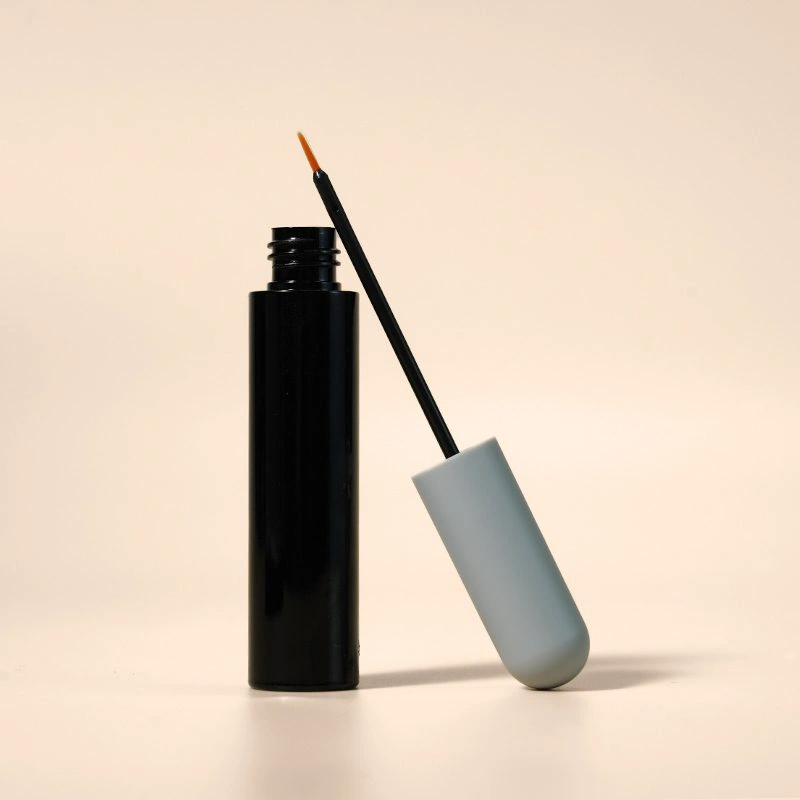
Liquid eyeliner is sensitive to air. A weak cap may cause the tip to dry. It can make the line fade. It may cause the formula to become unstable.
For brands comparing eye makeup packaging systems, Topfeelpack’s eye makeup packaging is a useful starting point. The page organizes eye-related packaging options. It explains that eyeliner packaging can use felt or brush tips with an airtight cap design.
Wiper and Inner Plug Design Affect Clean Application
The wiper controls how much formula stays on the applicator. If it is too loose, the line may look messy. If it is too tight, the user may not get enough product.
At Topfeelpack, we treat eyeliner packaging as an applicator system. We do not see it as a single tube. In custom projects, we review the formula. We examine the tip material. We test wiper fit. We check the cap seal. We consider the decoration method and sample feedback together. This process makes sure the final package supports both performance and brand presentation.
Barrel Shape, Material, and Decoration Influence Brand Experience
The tube also affects how users hold and remember the product. A slim round barrel may feel classic. A rectangular tube may look more modern.
Common customization options include PETG. They cover PP and ABS. They involve matte or glossy surfaces. They include a soft-touch finish. They allow hot stamping, silk screen printing, and custom color matching.
For sustainability claims such as PCR or recyclable material, brands should keep wording accurate and verifiable. ISO 14021 provides guidance for self-declared environmental claims related to products and packaging.
How Should Brands Develop Custom Eyeliner Tubes for Wholesale Projects?
Start with the Target User, Formula Type, and Makeup Style
The best packaging decision starts with the user. Before selecting a tip, brands should clarify whether the user is a beginner or professional, whether the look is daily or artistic, whether the formula is fast-drying or flexible, and whether the packaging should feel minimal, luxury, or playful.
Test Empty Eyeliner Pen Samples Before Bulk Production
For eyeliner tube wholesale projects, the applicator, wiper cap, and formula must work as one system. Testing the full package helps confirm results. It shows whether the tube draws smoothly. It verifies whether it seals tightly. It checks whether it supports the intended user experience.
Confirm Custom Color, Logo, Finish, and Quality Control Requirements
Before production, brands should confirm Pantone color, logo process, surface finish, applicator type, wiper performance, cap sealing, leakage testing, and sample approval. This helps reduce packaging problems after filling and supports a stable private label launch.
FAQ
Q: What is the difference between felt-tip and brush-tip eyeliner tubes?
A: A felt-tip eyeliner tube has a firm marker-like applicator. A brush-tip eyeliner tube has flexible bristles. Felt tips support stable control and sharp lines. Brush tips support fine detail and flexible line width.
Q: Which eyeliner tube is better for private label liquid eyeliner packaging?
A: The better choice depends on the formula and target user. Felt tip packaging is easier for beginners. Brush tip packaging suits precision and professional looks. Topfeelpack can help compare samples before production.
Q: Are empty eyeliner pens suitable for liquid eyeliner formulas?
A: Yes. Empty eyeliner pens can suit liquid eyeliner formulas if the tip wiper reservoir and cap match the formula viscosity and drying speed.
Q: What should be tested before a wholesale eyeliner tube order?
A: Brands should test formula flow. They must check applicator durability. They need to examine cap sealing. They should review leakage resistance. They must observe tip dry-out. They need to verify logo durability and line consistency before confirming an eyeliner tube wholesale order.

