 English
  Español de México
  Français
  Deutsch
  Português do Brasil
  Italiano
  한국어
한국어  ไทย
ไทย  Русский
  日本語
日本語  Polski
  Svenska
  Türkçe

Why Brands Are Switching to Biodegradable Cosmetic Packaging in 2025
December 02,2025
The beauty aisle is getting a green makeover, and biodegradable cosmetic packaging is stealing the show. It’s not just about looking good anymore—it’s about doing right by the planet without sacrificing style or performance. Shoppers are side-eyeing plastic like it’s last season’s trend, and big brands? They’re scrambling to keep up.
“You’ve got ten seconds to impress on a shelf,” says Mei Lin, Senior Packaging Engineer at Topfeel (2024). “Now that shelf also needs to scream sustainable.” And she isn’t kidding—recent data from McKinsey shows that 72% of consumers consider eco-packaging a key factor in brand trust.
For sourcing pros and brand managers, this shift isn’t fluff—it hits budgets, supply chains, and marketing all at once. But those who get ahead now? They’re setting themselves up as the MVPs of tomorrow’s beauty game.
Key Points in the Rise of Biodegradable Cosmetic Packaging
➔ Eco-Materials on the Move: Bamboo fiber composites, seaweed-based bioplastics, and recycled cardboard containers are leading the transformation into sustainable cosmetic packaging.
➔ Smart Design for Less Waste: Refillable component systems, compostable inner linings, and minimalist design approaches help reduce environmental impact while maintaining aesthetic appeal.
➔ Certifications That Count: Compostable certification standards and Forest Stewardship Council recognition strengthen consumer trust in eco-packaging claims.
➔ Cleaner Manufacturing Practices: Brands embracing carbon neutral manufacturing and water-based printing inks are minimizing harmful emissions across their supply chains.
➔ Shipping Goes Green Too: From biodegradable packing peanuts to carbon-offset shipping options, delivery methods now play a vital role in sustainability commitments.
➔ Consumer Influence is Real: With 72% of U.S. shoppers considering eco-packaging essential for brand trust (McKinsey), demand is driving innovation across every level of production.
Discover The Green Shift: Biodegradable Cosmetic Packaging Revolution
Biodegradable cosmetic packaging is changing the game—think planet-friendly, stylish, and smart. Let’s break down what’s driving the shift.

Bamboo fiber composites: The Future of Eco-Friendly Packaging
• Made from fast-growing bamboo fiber, these composite materials are a total win for eco-conscious brands.
• They’re tough enough for daily use, yet naturally biodegradable, so they don’t stick around forever like plastic.
• Their earthy look and feel also screams “green beauty,” which today’s shoppers absolutely love.
You’ll find these sustainable heroes replacing plastic jars and powder compact cases, especially in skincare lines that want to walk the talk on sustainability.
Seaweed-based bioplastics: An Innovative Alternative
- These innovative materials are crafted from renewable seaweed, reducing reliance on fossil fuels.
- Unlike traditional plastics, they degrade quickly and cleanly—ideal for single-use cosmetic sachets or sample pouches.
- Their flexibility makes them perfect for squeezable lip gloss tubes or soft containers.
- Plus, their ocean-sourced origin adds a cool story to your brand’s packaging narrative.
Seaweed-based solutions are making waves across the beauty scene thanks to their low carbon footprint and high performance.
Compostable inner linings: Enhancing Environmental Responsibility
Short shelf life? That’s actually a good thing here.
These inner linings biodegrade fully when composted properly—no microplastics left behind. Designed to coat paper-based lipstick tube boxes or compact palettes, they support complete decomposition without compromising product integrity during use.
They’re a subtle but powerful way to boost your brand’s green credentials while keeping packaging safe and functional.
Refillable component systems: Reducing Waste One Product at a Time
💡 Outer shell stays → Inner pod swaps out → Less trash overall
Refillable packaging is more than just trendy—it’s practical genius. Customers keep the stylish outer case while just replacing what’s inside, whether it’s cream cartridges or color pans.
This system cuts down drastically on material waste while encouraging repeat purchases with less guilt attached—a smart move for any beauty label embracing sustainable cosmetic packaging goals through design innovation.
Topfeel & biodegradable cosmetic packaging done right
Topfeel has carved its niche by integrating eco-friendly, refillable formats with sleek aesthetics—all using materials like bamboo fiber and next-gen bioplastics derived from plants such as seaweed.
By focusing on modular designs that reduce waste at every step of production, Topfeel helps brands transition toward smarter, greener solutions in everyday cosmetics—from lipsticks to lotion pumps—without sacrificing quality or style.
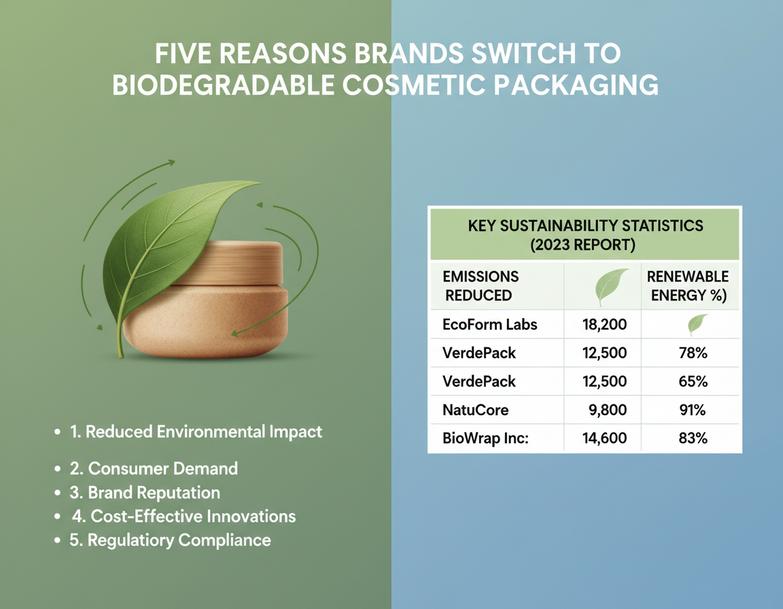
Five Reasons Brands Switch To Biodegradable Cosmetic Packaging
Eco-savvy brands are reshaping the beauty game with smarter, cleaner packaging. Here’s why they’re making the switch.
Certified sustainable sourcing: Why It Matters
Brands choosing certified and sustainable sourcing aren’t just ticking boxes — they’re preserving ecosystems and winning customer trust. When it comes to raw materials, here’s what matters:
- Traceability across the entire supply chain, ensuring transparency from forest to factory.
- Use of plant-based inputs like bamboo or sugarcane pulp that reduce long-term environmental impact.
- Partnerships with verified farms practicing regenerative agriculture.
- Avoidance of deforestation-linked ingredients, especially in paperboard or bio-resin production.
- Certifications such as FSC or PEFC that validate ethical harvesting methods.
- Support for local communities through fair trade sourcing agreements.
- Reduction in harmful chemical use during material extraction and processing.
By embedding these values into their operations, companies reinforce their commitment to both planet and people — all while enhancing the appeal of their biodegradable cosmetic packaging.
Carbon neutral manufacturing: A Commitment to Sustainability
Switching to carbon neutral manufacturing isn’t just about optics — it’s a real move toward climate action. Let’s break it down:
- Facilities often run on renewable energy, like solar or wind, dramatically cutting emissions.
- Brands invest in carbon credit programs to offset unavoidable output — think reforestation or methane capture projects.
- Smart logistics planning reduces transportation miles, further shrinking the carbon trail.
- Some manufacturers use closed-loop water systems, minimizing waste while boosting efficiency.
- Digital tools help track emission data across every stage of production for better accountability.
And here’s some hard data:
| Manufacturer | Emissions Reduced (tons/year) | Renewable Energy % | Offset Program Type |
|---|---|---|---|
| EcoForm Labs | 18,200 | 78% | Forest Restoration |
| VerdePack | 12,500 | 65% | Wind Farm Credits |
| NatuCore | 9,800 | 91% | Soil Regeneration |
| BioWrap Inc. | 14,600 | 83% | Ocean Plastics Offset |
These operational shifts show up not only in cleaner air but also stronger customer loyalty toward brands using low-impact materials like compostable films or starch-based containers within their biodegradable cosmetic packaging strategy.
Ethical labor practices: Ensuring Fairness in Production
Behind every tube or jar is a network of hands — and how those hands are treated matters more than ever before.
Step 1: Start by auditing your supply chain for risks related to forced labor or unsafe working environments.
Step 2: Prioritize suppliers who offer fair wages, benefits, and safe facilities with proper ventilation and emergency protocols.
Step 3: Implement third-party certifications such as SA8000 that verify adherence to core human rights standards.
Step 4: Provide training programs that empower workers at all levels — from factory floor staff to farm harvesters collecting bio-materials used in eco-packaging molds.
Step 5: Maintain open communication channels so employees can report abuses without fear of retaliation.
This isn’t just about checking off compliance boxes; it’s about building long-term value rooted in respect and dignity across your entire operation — which directly enhances consumer perception around products wrapped in ethically made biodegradable cosmetic packaging alternatives like cellulose wraps or mushroom fiber clamshells.
Consumer Awareness And Demand For Biodegradable Options
Consumers are getting picky—in a good way. More eyes are on what’s eco-friendly, certified, and truly sustainable.
Growing awareness around compostable certification standards
• Folks shopping for beauty products want more than just pretty packaging—they want that packaging to break down without trashing the planet.
• Labels like “compostable” or “biodegradable” don’t cut it anymore unless they come with solid certification.
• Regulatory bodies now enforce stricter standards, which means brands have to back up those green claims with proof.
- People are learning what those little logos mean—like BPI-certified or EN 13432—and they’re starting to care.
- Retailers are even flagging items that meet these regulations, helping shoppers make smarter picks fast.
☑️ It’s not just about looking green—it’s about being legit green, and that starts with proper labeling and consumer trust.
The surge in interest around certified materials has also sparked more education campaigns by NGOs and retailers alike. These campaigns break down the difference between industrial vs home compostability, what counts as truly biodegradable, and how improper disposal can wreck even the best intentions.
Short bursts of info now pop up on product pages, shelf tags, even TikTok explainers—making it easier than ever for consumers to spot which cosmetic containers meet real-world environmental expectations.
From skincare jars made of sugarcane fiber to lip balm tubes crafted from PLA bioplastics, demand is high for packaging that doesn’t just disappear—it disappears responsibly under verified conditions.
The influence of Forest Stewardship Council recognized materials
• Products wrapped in FSC-certified boxes get picked faster—why? Because people trust the tree symbol.
• The Forest Stewardship Council (FSC) is no joke; their stamp tells buyers this came from responsibly managed forests—not clear-cut disaster zones.
• This kind of transparency boosts brand loyalty while pushing others toward better sourcing practices too.
- FSC-labeled cartons show up more often now in mascara tube boxes, serum sleeves, even sample packs tucked into online orders.
- Brands using FSC-certified paper or cardboard see lower bounce rates online—shoppers stick around longer when they know it’s guilt-free buying.
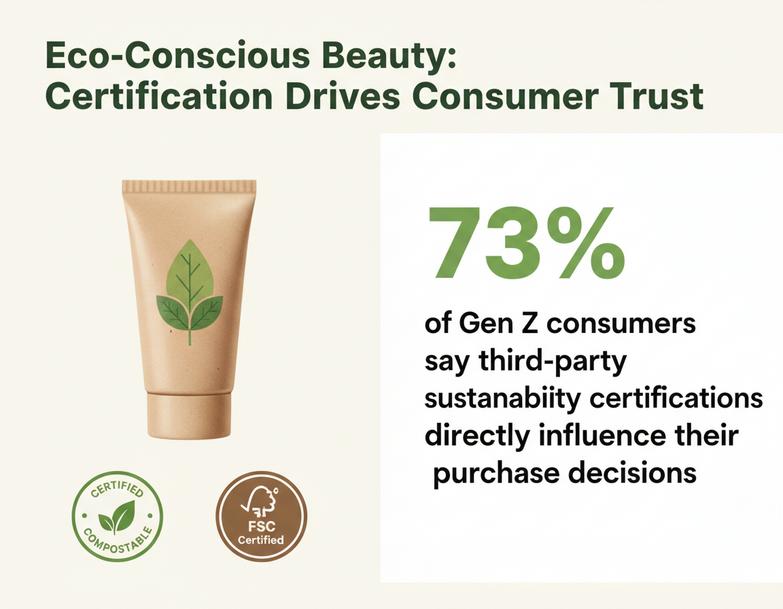
“Over 73% of Gen Z consumers say third-party sustainability certifications directly influence their purchase decisions,” according to NielsenIQ’s 2024 Eco Shopper Report—a stat that speaks volumes about where things are headed next.
What makes FSC so powerful isn’t just the trees—it’s everything behind them: audits, traceability systems, and strict controls over what gets logged and how it’s replaced through responsible forestry practices.
In fact, many companies combining FSC materials with other forms of responsible sourcing—like water-based inks or soy adhesives—are seeing an uptick in sales across eco-conscious demographics who prioritize low-impact choices without compromising aesthetics.
So yeah… your next eyeliner box might be saving a forest somewhere—and shoppers love knowing that.
The Environmental Impact Of Plastic Cosmetic Packaging
Plastic packaging in cosmetics has long been a problem child for sustainability goals—now, smarter alternatives are stepping up.
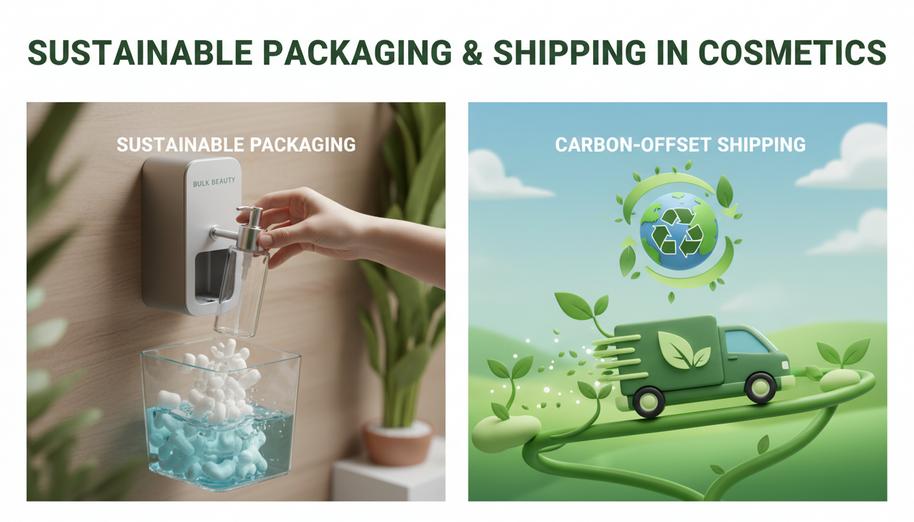
Shrinking plastic waste: The role of biodegradable packing peanuts
• Switching to biodegradable fillers like cornstarch-based peanuts slashes landfill waste
• These dissolve in water, leaving no toxic residue—unlike traditional plastic foam
• Brands using these solutions cut down on both shipping bulk and environmental guilt
You’ll find that integrating eco-friendly materials into your packaging routine isn’t just a feel-good move—it’s practical too. By replacing traditional fillers with compostable ones, companies reduce their carbon footprint while keeping products safe during transit. This approach fits perfectly within the broader strategy of reducing single-use plastics and embracing more sustainable packaging models based on waste reduction and lower overall environmental impact.
Carbon-offset shipping options: A Greener Delivery Approach
Grouped Benefits of Carbon-Offset Shipping:
- 🌍 Reduces net emissions by funding reforestation or renewable energy projects
- 🚚 Supports greener logistics without overhauling existing supply chains
- 📦 Enhances brand reputation among climate-conscious customers
Using carbon credits to balance out emissions from transport is becoming standard practice for sustainable brands, especially those committed to lowering their total lifecycle impact—including delivery-related emissions. Many cosmetic companies now offer carbon-neutral shipping options as part of their checkout process or product subscription plans, aligning with broader goals around sustainable logistics and reduced environmental impact through smarter delivery methods.
Waste reduction programs: Making A Big Difference
Grouped Initiatives Driving Change:
• In-house refill stations at stores to limit single-use containers
• Return-and-recycle incentives for empty bottles and jars
• Compostable mailers replacing padded plastic envelopes
These programs aim to tackle the full spectrum of product life—from creation to disposal—with circular thinking baked in at every stage. Brands embracing strong internal protocols for managing waste not only shrink their own footprint but also encourage consumers to participate actively in sustainability efforts rooted in real-world action rather than marketing fluff.
Closed-loop recycling systems: Ensuring Sustainable Practices
| Material Type | Recycled Into | Energy Saved (%) | Common End Use |
|---|---|---|---|
| PET Bottles | New PET Containers | 60 | Lotion bottles |
| Aluminum Caps | New Metal Packaging | 95 | Compact cases |
| Glass Jars | Recycled Glassware | ~30 | Jars & decorative pots |
| Cardboard Boxes | Pulped Paper Products | ~40 | Folding cartons |
Closed-loop systems mean what goes out can come back again—and again—without degrading quality or usability too much along the way. These systems are key players in establishing true circular economies within cosmetics manufacturing cycles, where everything from caps to cartons can be reused instead of tossed aside after one use.
This model reduces reliance on virgin resources and aligns tightly with emerging global standards around responsible sourcing and long-term resource recovery via effective recycling systems.
Water-based printing inks: Reducing Harmful Emissions
The switch from solvent-heavy inks to safer alternatives isn’t just about colors looking good—it’s about breathing easier too.
Water-based inks emit fewer volatile organic compounds (VOCs) compared to petroleum-based formulas used widely before regulations tightened up across many markets post-pandemic. Lowering these emissions helps protect both workers in printing facilities and end-users who interact with the final products daily.
Plus, when paired with other low-impact materials like recycled boxes or compostable wraps, this ink choice becomes a cornerstone feature in truly green cosmetic branding that values both aesthetics and air quality while keeping its eye squarely on reducing total harmful emissions.
Success Stories: Brands Leading The Biodegradable Packaging Charge
From plantable papers to sleek recycled boxes, these brands are rewriting the rules of biodegradable cosmetic packaging—and doing it with style.
Recycled cardboard containers: A Game-Changer for Foundations
When recycled cardboard meets smart design, you get packaging that’s not just green—it’s gorgeous and tough enough to hold your favorite foundation. This isn’t your average cereal box material.
- Sustainability meets durability: These containers are made from post-consumer waste but built to last through shipping, shelf life, and daily use.
- Circular economy in action: Brands that adopt this model help close the loop on waste by reusing materials already in circulation.
- Visual appeal without plastic: Modern printing techniques make these boxes look premium while staying eco-responsible.
| Brand Name | Material Source | Carbon Reduction (%) | Shelf Impact Score |
|---|---|---|---|
| Topfeel | 100% Recycled Cardboard | 42% | 9.2/10 |
| Brand B | Mixed Post-consumer Fiber | 35% | 8.5/10 |
| Brand C | FSC-Certified Cardboard | 28% | 7.8/10 |
| Brand D | Industrial Paper Waste | 31% | 8.1/10 |
It’s no wonder more companies are swapping out plastic compacts for sleek, earth-friendly boxes. If you’re into eco-friendly packaging, this trend is one to watch.
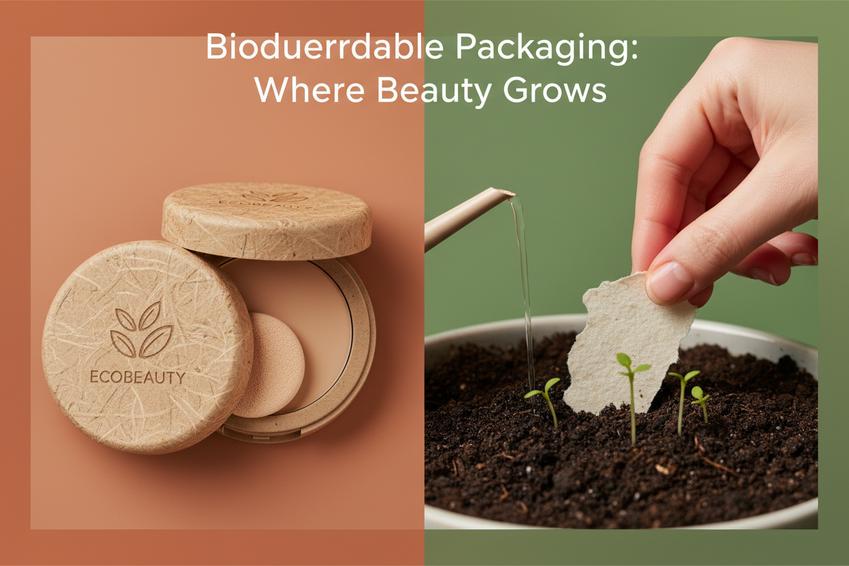
Plantable seed paper: Where Beauty Meets Nature
You open your new lipstick, toss the box—and then wildflowers bloom where it lands? Yeah, that’s real life with plantable seed paper, where beauty literally grows.
• It starts with biodegradable pulp embedded with native seeds—usually wildflowers or herbs—that thrive in local soil.
• Once used, customers can bury the paper in a garden pot or backyard patch and wait as it breaks down naturally and sprouts life.
This clever fusion of form and function is a win-win:
- You reduce trash while adding greenery.
- It turns product unboxing into an experience.
- And let’s be honest—it makes you feel like a sustainability hero.
This kind of sustainable packaging doesn’t just lower environmental impact; it builds emotional connection between brand and buyer—a rare feat in today’s crowded beauty world.
Minimalist design approach: Beauty in Simplicity
Forget loud logos or over-the-top embellishments—the future is quiet luxury wrapped in minimalist design using clean lines and low-impact materials.
Grouped advantages of this approach include:
✔️ Fewer resources used during production due to reduced ink coverage and smaller surface areas.
✔️ Strong alignment with modern consumer tastes—think Scandinavian vibes meet zero-waste ethos.
✔️ Easier recyclability since mixed materials are avoided entirely.
By embracing simplicity, brands don’t just cut costs—they elevate their image while reducing their footprint. It’s proof that good design doesn’t have to shout; sometimes it whispers elegance through every detail of its eco-friendly packaging choices.
And when it’s done right? Even something as simple as a lip balm tube becomes artful—and sustainable too.
FAQs
Why are bulk buyers shifting toward biodegradable cosmetic packaging?
There’s a growing urgency among businesses to align with values that feel personal and real. Bulk buyers aren’t just chasing trends—they’re responding to pressure from consumers who want their purchases to reflect care for the planet.
- Compostable linings cut down on disposal costs over time
- Materials like bamboo fiber and seaweed-based bioplastics bring natural textures into everyday products
- Ethical sourcing tells a story—one of craftsmanship, not exploitation
- Brands using FSC-certified materials often find themselves favored by eco-conscious retailers
It’s less about ticking boxes and more about building trust in every layer of the product.
Do refillable systems actually reduce waste at scale?
Absolutely—and it’s not just about numbers. Refillable designs turn packaging into something lasting, almost cherished. The outer shell becomes familiar, while only the inner component gets replaced. This small shift has big consequences across production lines: fewer raw materials consumed, lighter shipping loads, and customers who feel part of something smarter.
How can minimalist packaging still protect during transit without plastic overload?
Minimalist doesn’t mean fragile—it means intentional. When done right:
- Recycled cardboard cradles delicate items without excess padding
- Water-soluble adhesives hold firm but vanish when no longer needed
- Smart structural design absorbs shock naturally through folds or compression zones
The result is protection that feels thoughtful rather than excessive.
Is there any way to know if “biodegradable” claims are legit?
Yes—but you have to look closer than flashy labels. Certifications matter because they come from third parties with strict standards—not marketing departments.
Look for stamps like:
- BPI (Biodegradable Products Institute) certification for compostability
- Forest Stewardship Council (FSC) approval confirming responsible material sourcing
These symbols don’t just verify sustainability—they offer peace of mind in an industry where greenwashing is all too common.
References
- Sustainability statistics that might shock you – readability.co.uk
- Consumers care about sustainability—and back it up with their wallets – mckinsey.com
- The Future of Packaging: Seaweed Macroalgae’s Sustainable Revolution – blueevolution.com
- Seaweed as a Valuable and Sustainable Resource for Food Packaging Materials – pmc.ncbi.nlm.nih.gov
- The State of Consumer Spending: Gen Z Shoppers Demand Sustainable Retail – firstinsight.com

