 English
  English (UK)
  English (Australia)
  English (Canada)
  العربية
  Deutsch
  Italiano
  Español de México
  Tiếng Việt
  ไทย
ไทย  Português do Brasil
  Français
  Български
  Čeština
  Dansk
Dansk  Ελληνικά
  Eesti
Eesti  Suomi
Suomi  Magyar
  Bahasa Indonesia
  Lietuvių kalba
  Latviešu valoda
  Norsk bokmål
  Nederlands (Formeel)
  Polski
  Română
  Русский
  Slovenčina
  Slovenščina
  Svenska
  Türkçe
  Українська
  简体中文
简体中文  日本語
日本語  한국어
한국어  繁體中文
繁體中文 
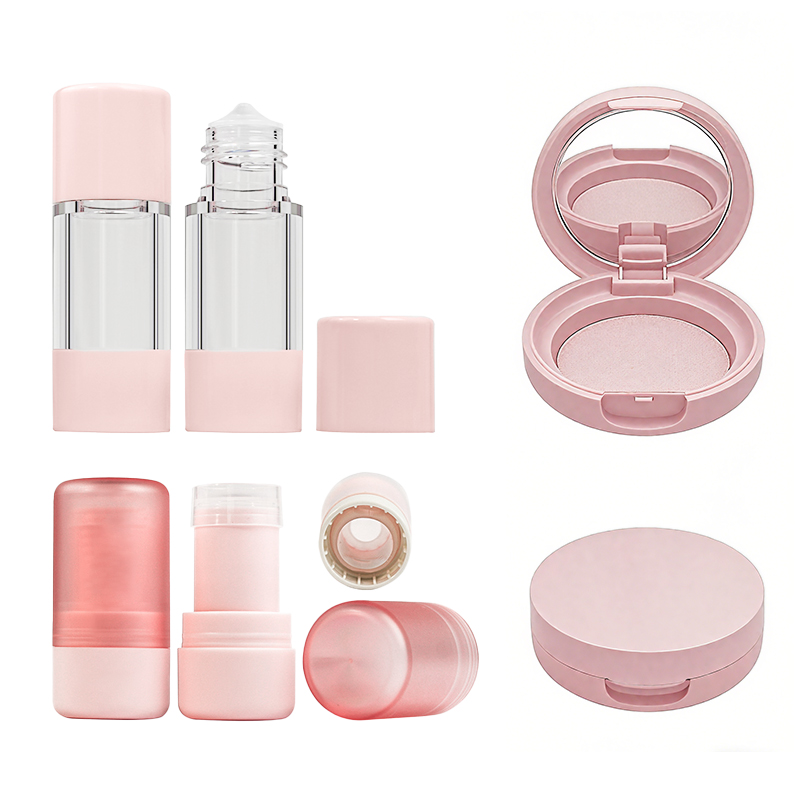
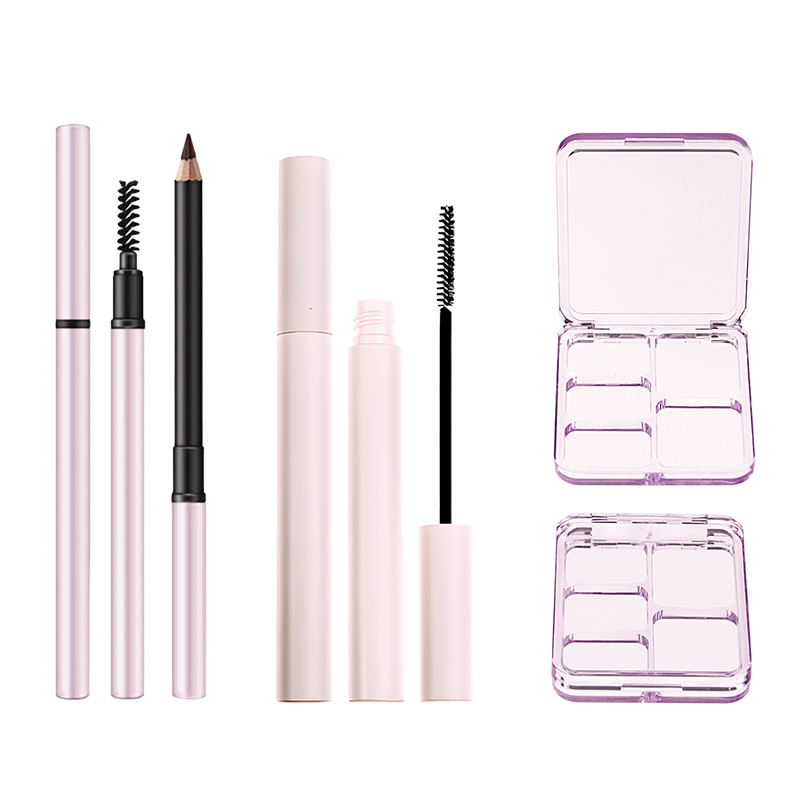
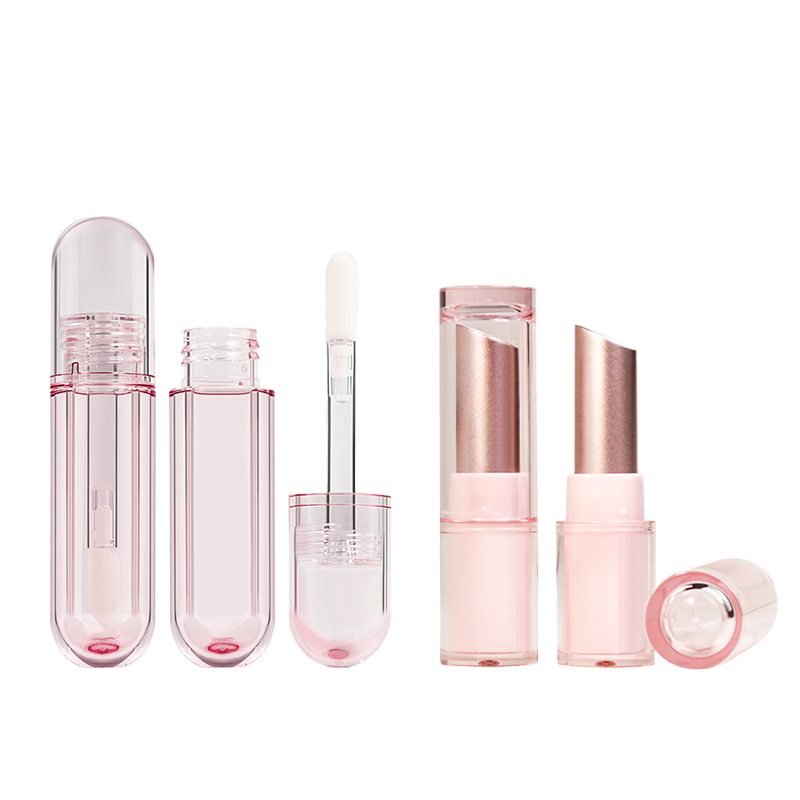

Start Strong: The Ultimate Guide to Your Beauty Shop Business Plan
January 08,2026
So, you’ve got your dream bubbling on the back burner—maybe it’s a tiny kiosk in a buzzing mall or a full-glam boutique that smells like rosewater ambition. But without a rock-solid beauty shop business plan? That dream slips through your fingers faster than an overused lip gloss wand.
The truth? Packaging for cosmetics sells the fantasy before customers even swipe the tester. It’s not just about jars and bottles—it’s identity in acrylic, glass, or compostable chic wrapped up in matte black magic.
McKinsey reports show that 60% of Gen Z and Millennial consumers say a brand’s environmental values influence buying decisions—more than brand name alone. Let that sink in.
We’re talking strategy laced with sparkle: how to plot profits, pick out punchy packaging styles, and speak directly to your tribe—all while thinking big enough for bulk buyers but personal enough to feel handpicked.
Beauty Shop Business Plan Essentials: Quick Insights for Your Success
➔ Target Audience: Understanding customer demographics is critical to tailoring your product range and packaging for maximum appeal.
➔ Profit Goals: Establish clear financial targets like net profit margin and revenue growth to ensure your beauty shop’s sustainability.
➔ Financial Projections: Outline expected income, costs, and cash flow, factoring in expenses for packaging materials like acrylic plastic and glass bottles.
➔ Unique Selling Propositions: Differentiate your shop with exclusive offerings, such as innovative packaging designs and sustainable options.
➔ Market Trends: Regularly review industry trends to keep your beauty products and packaging styles current and appealing.
➔ Customer Feedback: Actively seek and incorporate customer insights to continuously improve your product offerings and packaging strategies.
➔ Location Strategy: Analyze foot traffic, competition, and local demographics to choose the best spot for your beauty shop.
➔ Packaging Solutions: Evaluate materials like acrylic plastic vs. glass, and consider surface finishes and closures that enhance product appeal.
➔ Sustainable Practices: Emphasize compostable and recyclable packaging to appeal to eco-conscious consumers and build brand loyalty.
5 Key Elements of a Successful Beauty Shop Business Plan
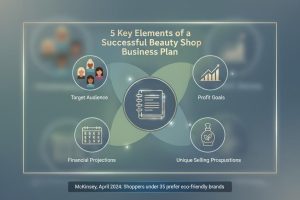
Crafting a solid beauty shop business plan means nailing the basics while standing out loud and clear.
Defining Your Target Audience: Why Demographics Matter
Knowing your crowd is half the battle won when building your beauty shop business plan.
- Age brackets matter: Teens want bold colors, while mature buyers lean toward skincare.
- Income levels shift demand: High-income customers expect premium packaging like glass; budget shoppers prefer plastic.
- Urban vs rural: City dwellers love trends; suburban shoppers often stick to what they know.
- Psychographics add depth: Eco-conscious users hunt for sustainable cosmetic packaging, not just pretty looks.
Understanding these demographics, from age to psychographics, helps shape everything—from product lines to marketing tone.
Setting Profit Goals: Metrics for Measuring Success
Profit goals aren’t just about making money—they’re about knowing where you’re headed and how fast you’re getting there.
- Track your net profit monthly—don’t just look at sales volume.
- Set quarterly sales targets, adjusting based on seasonality and promotions.
- Use break-even analysis to know when your shop starts truly earning.
- Monitor ROI on new products or packaging upgrades like custom closures or colored jars.
- Keep an eye on KPIs like customer retention rate and average order value.
A smart beauty shop business plan always includes measurable, flexible financial benchmarks.
Financial Projections: Key Components of Your Budget
This part of your beauty shop business plan isn’t just numbers—it’s the story of what you expect to earn, spend, and save over time.
| Expense Type | Monthly Estimate ($) | Annual Projection ($) | Notes |
|---|---|---|---|
| Packaging Materials | $2,500 | $30,000 | Includes acrylic & glass |
| Operating Expenses | $5,000 | $60,000 | Rent, salaries, utilities |
| Marketing | $1,200 | $14,400 | Social media & local ads |
| Product Inventory | $4,000 | $48,000 | Initial stock + restocking |
Don’t forget cash flow—timing matters as much as totals when it comes to staying afloat during slow months or post-launch dips.
Identifying Unique Selling Propositions: Stand Out in the Market
In a sea of lipsticks and lotions, what makes yours different? That’s where your USP kicks in—and it better be bold if you want attention.
• Offer refillable containers with magnetic closures—eco meets chic.
• Introduce limited-edition colors that rotate quarterly—keep fans coming back.
• Focus on packaging aesthetics by using frosted glass or matte finishes—it elevates the brand instantly.
• Build loyalty through personalized labels or QR codes linking to skincare routines.
• Emphasize sustainability by sourcing biodegradable wraps or reusable jars.
According to McKinsey’s consumer report on packaging, “Shoppers under age 35 are more likely to choose brands with visible environmental values.” That’s not fluff—it’s strategy fuel for any serious beauty entrepreneur looking to refine their edge within their beauty shop business plan.
Your Beauty Shop Business Plan: Reflection and Revisions
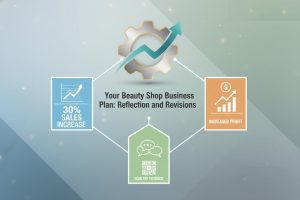
Fine-tune your beauty shop business plan by reflecting on trends, customer input, and financial health for long-term wins.
Reviewing Market Trends: Adapting to the Beauty Landscape
Staying ahead in the beauty game means keeping an eye on industry shifts, not just pretty packaging.
- New beauty trends like skinimalism and hybrid skincare-makeup products are reshaping buyer expectations.
- Gen Z now favors brands with clean ingredients and ethical sourcing—this shift in consumer preferences affects how you stock your shelves.
- Big-box retailers are mimicking indie stores’ vibe, so small shops must double down on local flair and personalized service.
💡 According to McKinsey’s State of Beauty Report, “Brands that rapidly adapt to micro-trends outperform their peers by nearly 30% in quarterly sales.” So yeah, agility isn’t optional—it’s survival.
Customer Feedback Loops: Incorporating Insights for Improvement
Customer voices aren’t just noise—they’re a goldmine for shaping your store’s future.
- Set up simple digital feedback mechanisms like QR-code surveys at checkout counters.
- Use Instagram polls or DMs to gather real-time client insights about new arrivals or service tweaks.
- Don’t ignore those two-star reviews—hidden in there could be clues about packaging flaws or outdated styles.
✦ Loyalty programs linked with feedback participation increase engagement while giving you deeper insight into what keeps customers coming back.
When you build a loop between feedback and product tweaks, you’re not just improving items—you’re evolving your entire shop experience based on real talk from real people.
Financial Reviews: Adjusting Your Plan for Sustainable Growth
If it’s been more than three months since you ran a proper check-up on your finances, it’s time.
• Review your current financial performance, comparing actual revenue against forecasted goals quarterly.
• Reallocate funds toward eco-friendly packaging if cost analysis shows it’s viable without crushing margins—yes, sustainability can align with smart investment strategies.
• Explore additional revenue streams, like private-label products or pop-up collaborations with local artists.
→ Break down every category of spending—from rent to inventory restocks—and flag anything eating away at your profit margins unnecessarily.
A well-oiled budget doesn’t just keep the lights on; it gives your beauty shop business plan room to grow without tipping into risky territory.
Effective Marketing Tactics for a Beauty Shop Business
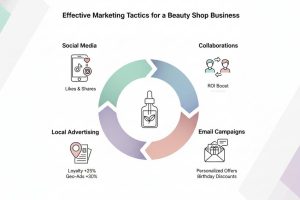
Smart marketing is the secret sauce behind every successful beauty shop business plan—let’s break down what actually works.
Social Media Strategies: Engaging Your Audience with Visuals
- Use crisp, high-contrast images to make your feed stand out on platforms like Instagram and TikTok.
- Post behind-the-scenes clips using platform-native features like Reels and stories to humanize your brand.
- Rotate between product demos, customer reviews, and quick tutorials to keep content fresh.
- Include branded hashtags with each post for better discovery—think #GlowWithUs or #SustainableBeautyVibes.
- Schedule posts during peak engagement hours; most beauty enthusiasts scroll around 8 PM local time.
- Run monthly giveaways that require tagging friends—it’s free exposure.
✦ Don’t forget to reply to comments and DMs promptly; it builds trust and boosts the algorithmic reach of your content.
Short bursts of engaging visual content can shift how people perceive your shop—from just another store to a must-follow beauty hub.
Collaborations: Partnering with Influencers to Expand Reach
Partnering up with the right micro-influencer could bring more ROI than dumping cash into generic ads. Here’s how you play it smart:
• Look for influencers who align with your brand’s values—especially those who already talk about eco-conscious products or use biodegradable packaging like biodegradable polymers.
• Offer affiliate codes instead of flat fees when you’re starting out—it keeps costs low but motivation high.
• Create limited-edition co-branded bundles that they can promote through their channels as exclusive drops.
When done right, this kind of targeted collab lets you tap into an audience that already trusts the influencer—and by extension, begins trusting you too.
Group strategy:
- Identify 5–10 potential influencers using tools like Upfluence or manually through hashtags
- Vet them based on engagement rates (not just follower count)
- Send personalized DMs with a clear value proposition
- Track performance via UTM links and adjust future deals accordingly
One well-planned influencer campaign can turn your small-time beauty shop business into an online favorite overnight.
Local Advertising: Attracting Local Customers through Promotions
Local buzz still matters—a lot more than most people think when crafting their beauty shop business plan. Here’s how to win locally:
Grouped tactics:
• Launch a grand opening event complete with mini makeovers and free samples
• Distribute eye-catching flyers in nearby cafes, gyms, salons, and yoga studios
• Run geo-targeted ads using Google Ads or Facebook Ads Manager focused on neighborhood keywords
💡 Add punch cards for repeat visits—old school? Maybe. Effective? Absolutely.
| Promotion Type | Estimated Cost/Month | Expected Footfall Increase | Ideal Channel |
|---|---|---|---|
| Local SEO Optimization | $150 | +20% | Google My Business |
| Printed Flyers | $80 | +10% | Gyms & Cafes |
| Loyalty Program | $0–$50 | +25% | In-store |
| Geo-targeted Facebook Ads | $100 | +30% | Facebook/Instagram |
Even in the age of digital everything, foot traffic driven by real-world promotion plays a huge role in growing your beauty biz sustainably.
Email Campaigns: Building Relationships with Personalized Content
Multiple short segments work best here because email marketing thrives on personalization:
Kick things off with a warm welcome series introducing your brand story
Segment users based on purchase behavior (e.g., skincare lovers vs makeup addicts)
Drop sneak peeks of upcoming launches—they love feeling “in the know”
Use a CRM tool integrated with email platforms so you can send hyper-personalized messages without losing sleep over logistics. Highlight sustainable options such as refillable containers or recyclable boxes—it adds value beyond aesthetics.
And don’t forget loyalty perks:
- Birthday discounts
- Early access to sales
- Points-based rewards system linked directly from emails
A strong email game not only boosts repeat buys but makes customers feel seen—and let’s be honest, everyone likes that vibe from their go-to beauty spot like Topfeelpack-backed stores do so well today.
How to Choose the Right Location for Your Beauty Shop
Picking the perfect spot for your beauty shop can make or break your business plan. Let’s break it down smart and simple.
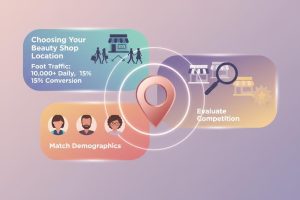
Foot Traffic Analysis: Spotting High-Potential Areas
A location with solid footfall isn’t just good—it’s gold. Here’s how to sniff out those sweet high-traffic zones:
| Area Type | Avg Daily Pedestrian Traffic | Storefront Exposure Rating | Walk-in Conversion Rate |
|---|---|---|---|
| Downtown Retail Strip | 8,500 | High | 12% |
| Mall Interior Unit | 6,200 | Moderate | 9% |
| Transit Hub Vicinity | 10,000 | Very High | 15% |
| Suburban Plaza | 3,500 | Low | 4% |
Look for spots near coffee shops, gyms, or bus stops—places where people naturally pass by. These areas boost visibility and give your foundation displays a chance to shine even before someone steps inside. A steady stream of customer flow also increases chances of spontaneous purchases like lip glosses or mini skincare kits.
Competition Check: Evaluating Neighboring Beauty Businesses
Scoping out the competitive landscape helps you avoid oversaturation and find room to stand out:
- Identify nearby salons and beauty retailers within a half-mile radius.
- Compare their price points, packaging styles (plastic vs. aluminum casings), and service offerings.
- Pinpoint gaps—maybe no one offers refillable compacts or eco-friendly lines.
- Use that gap as your unique selling proposition, especially if local shops are too similar.
- Monitor their promotions and foot traffic—are they thriving or just surviving?
If you’re entering a zone packed with rival salons offering similar services at lower prices, rethink that location unless you’ve got a killer angle.
Demographic Suitability: Matching Your Offerings to Local Needs
“You don’t sell anti-aging serums in a college town,” said NielsenIQ’s Consumer Pulse Report—and they’re right.
☑️ Match your product line with the neighborhood’s vibe:
- Young professionals? Go bold with trendy palettes and sleek branding.
- Family-heavy suburbs? Lean into affordable skincare sets.
- Diverse urban hubs? Stock inclusive shades across all product lines.
Understanding local income levels, age brackets, and cultural preferences is key when shaping your beauty shop business plan. If you’re opening near an area with high disposable income but low competition for premium cosmetics packaged in luxe materials like brushed metal or glass jars—you’re onto something big.
Get this part wrong, though, and even the best products won’t move off shelves.
Packaging Solutions That Boost Your Beauty Shop’s Appeal
Packaging’s not just about looks—it’s your product’s first impression. For any solid beauty shop business plan, these packaging choices can seriously level up your customer experience.
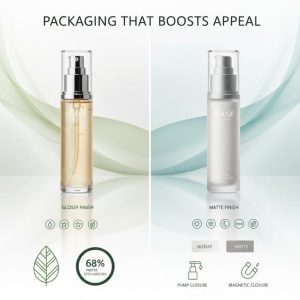
Acrylic Plastic vs. Glass Bottles: Which is Better for Your Brand?
When planning your beauty shop business, choosing between acrylic plastic and glass bottles isn’t just about aesthetics—it directly affects shipping, shelf life, and how customers perceive your brand.
| Feature | Acrylic Plastic | Glass Bottles | Best Use Case |
|---|---|---|---|
| Durability | High impact resistance | Fragile under stress | Travel kits, dropshipping |
| Premium Feel | Sleek but lightweight | Luxurious and weighty | High-end serums |
| Cost-effectiveness | Cheaper to produce & ship | Higher cost due to fragility | Budget or mid-range lines |
| Brand Image | Modern, minimalistic | Classic, upscale | Depends on target audience |
If you’re aiming for a clean, modern vibe—go with acrylic plastic. Want luxury? Nothing beats the heavy feel of real glass bottles.
Emphasizing Sustainability: Compostable Options that Attract Customers
Customers today are watching what they buy—and what it comes in. If your beauty shop business plan doesn’t include eco-forward packaging like compostable materials, you’re missing a major loyalty driver.
- ♻️ Compostables break down naturally—no long-term waste.
- 🌱 Using biodegradable wraps or jars says “We care” without saying a word.
- 💡 Eco-friendly doesn’t mean boring; compostable plastics now come in sleek finishes too.
- A growing number of shoppers actively avoid brands that don’t use some form of sustainable packaging, especially younger demographics who align purchases with their values.
- Fun fact? According to NielsenIQ’s report, over 68% of beauty buyers prefer products with visible eco-labeling.
So if you’re mapping out the future of your beauty line, make room for packaging that’s as kind to the earth as it is to your brand story.
Glossy vs. Matte Finish: Enhancing Product Visuals
The finish on your packaging can make or break its shelf appeal—especially when fighting for attention in a crowded market full of vibrant beauty brands.
• A high-shine glossy finish screams bold and energetic—perfect for youth-focused skincare lines or colorful cosmetics. It reflects light and pops on social media shots.
• On the flip side, a smooth-touch matte finish gives off an elegant, understated vibe ideal for minimalist branding or premium anti-aging collections.
• Shelf impact matters—a matte bottle might look muted online but ooze luxury in person; glossy may grab attention faster under store lighting.
• Think about where you’ll sell most—online shoppers respond differently than walk-in buyers at boutique counters.
Choosing right between these two isn’t just visual—it shapes how customers see your whole brand personality within seconds.
Custom Colors in Packaging: Aligning with Brand Identity
Color isn’t just decoration—it tells people who you are before they even read the label. In any serious beauty shop business plan, nailing down custom color strategy should be top priority:
Pink speaks softness; black oozes sophistication; green hints at natural ingredients or sustainability goals.
Match tones across product lines so customers recognize you instantly from five feet away at retail displays.
Use color psychology subtly but intentionally—for example, calming blues work well on night creams while fiery reds suit bold lipsticks better than pastels ever could.
Even seasonal limited editions benefit from smart color tweaks without losing overall identity cohesion.
When done right? Color becomes shorthand for everything you stand for as a brand—and that builds trust fast.
Innovative Closures: Exploring Pump Dispensers and Magnetic Closures
Closures aren’t just functional—they’re part of the user experience puzzle that keeps folks coming back to your products again and again.
- Pump dispensers:
- Convenient: One-handed use wins during busy routines.
- Sanitary: Prevents contamination compared to open jars.
- Controlled dosage: No more wasting expensive serum!
- Magnetic closures:
- Luxury factor: Adds tactile satisfaction most brands overlook.
- Security boost: Keeps lids tight during travel or shipping.
- Reusable appeal: Encourages refills instead of toss-outs—aligning well with sustainable goals too!
Your closure choice can signal quality without saying a word—and when combined with thoughtful design choices from earlier steps in your packaging strategy, it rounds out a strong visual + functional ecosystem essential to every thriving beauty shop setup—even more so when writing out long-term growth plans inside a detailed business model like a full-on beauty shop business plan!
FAQs
Which packaging materials work best for high-volume cosmetic production?
Acrylic plastic — light yet tough, ideal for clear foundation bottles.
Glass bottles — crisp and elegant for premium serums.
Aluminum casings — stylish armor for lipstick tubes and mascara containers.
Bio-degradable polymers — speak directly to eco-conscious hearts.
How can defining a target audience transform your packaging choices?
Knowing who you serve guides every detail: eyeliner cases with pearl effects for younger buyers, matte powder compacts with embossed logos for luxury shoppers, pump dispensers in recycled paperboard sleeves appealing to sustainability-driven retailers.
What finishes bring the most allure in bulk cosmetic sales?
- Glossy finish ignites Pantone colors under store lights.
- Satin finish offers a calm sophistication on aluminum lipstick tubes.
- Soft-touch coating tempts fingertips when picking up magnetic closure compacts.
Why do sustainable features win long-term loyalty?
Refillable packaging means customers keep coming back to top-up rather than replace; compostable options shaped from bio-sourced materials soften guilt; recyclable materials tell a story wholesalers love repeating in marketing pitches.
In what ways can closures inspire repeat wholesale orders?
Pump dispensers on acrylic foundation bottles save spills and time during hurried mornings; screw caps secure metallic-finished mascara containers on crowded shelves; magnetic closures add that satisfying click to powder compacts—a detail impossible to forget.
How does custom color selection strengthen brand identity in mass markets?
Choosing Pantone shades that echo your logo keeps products recognizable even from afar; gradient colors across eyeliner cases form visual rhythm along display racks; metallic finishes turn everyday aluminum casings into small treasures worth noticing twice.
References
[1] Sustainability in packaging 2025 – https://www.mckinsey.com/industries/consumer-packaged-goods/our-insights/sustainability-in-packaging-2025-inside-the-minds-of-global-consumers
[2] State of Beauty 2025: Solving a shifting growth puzzle – https://www.mckinsey.com/industries/consumer-packaged-goods/our-insights/state-of-beauty
[3] Clean Beauty is the New Chic – https://nielseniq.com/global/en/insights/analysis/2025/clean-beauty-is-the-new-chic-how-conscious-consumers-are-redefining-beauty-growth/

