 English
  Español de México
  Français
  Deutsch
  Português do Brasil
  Italiano
  한국어
한국어  ไทย
ไทย  Русский
  日本語
日本語  Polski
  Svenska
  Türkçe

How to Find a Cosmetic Packaging Manufacturer?
July 03,2026
Choosing a cosmetic packaging manufacturer dictates the operational success of your product launch; missteps lead to margin erosion, delayed timelines, and critical product defects.
Strategic brands bypass surface-level traders, focusing on material compatibility, and in-house tooling capabilities. Securing the right partner guarantees tight quality control, stable unit pricing, and scalable growth in the highly competitive beauty packaging sector.
Melodic Key Points for Cosmetic Packaging Manufacturer
➔ Materials & Formats: Assess glass, PET, PP, HDPE and aluminum options to match your formula and dispenser style.
➔ Tooling & Techniques: Audit injection molding, blow molding, extrusion, thermoforming, and assembly automation for precision and scalability.
➔ Quality & Eco-Standards: Verify ISO 9001, GMP, FDA/REACH compliance, and prioritize PCR, mono-material or biodegradable designs.
 3 Steps To Vet Packaging Manufacturers
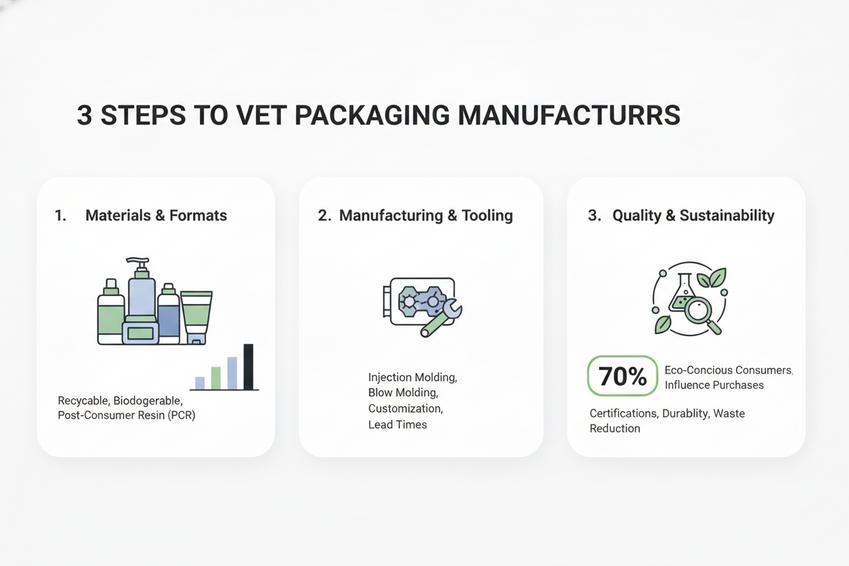 3 Steps To Vet Packaging Manufacturers
Sourcing a reliable cosmetic packaging manufacturer requires rigorous operational auditing. You are evaluating a supply chain partner responsible for your brand’s shelf stability, product safety, and regulatory compliance. Use this structured approach to screen facilities effectively.
Step 1: Evaluate Materials & Formats Expertise
A proficient cosmetic packaging manufacturer must demonstrate technical mastery across core material families and format engineering. Look at expertise in:
- Glass, Plastic, Metal, Paperboard
- Formats: Bottles, Jars, Tubes, Airless packaging
Evaluate engineering depth:
- Material Compatibility
- Formula stability testing
- Barrier performance (oxygen, UV, moisture)
- Chemical resistance for active ingredients
- Format Engineering
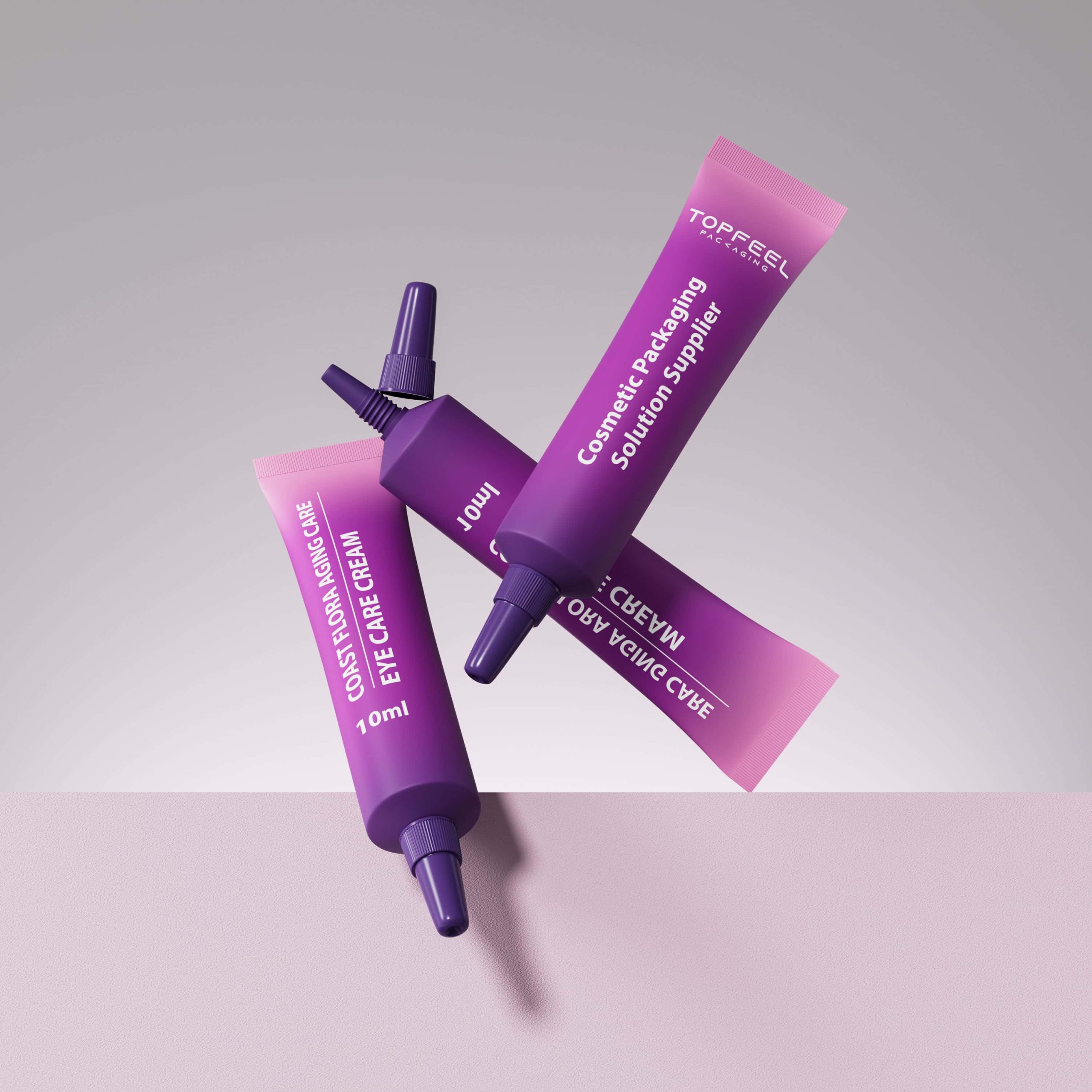
- Airless pump vacuum precision for a custom airless tube for foundation
- Dropper dosage control
- Wall thickness consistency
- Application Fit
- Skincare viscosity vs. dispensing system
- Travel-size durability
- Luxury aesthetic detailing like a heavy-base glass pump bottle
A skilled face makeup packaging supplier validates why PET suits acidic serums while thick-wall Glass protects volatile organics. Topfeelmakeup frequently demonstrates how material science directly influences product shelf life.
Step 2: Audit Manufacturing Techniques and Tooling
Industrial depth separates brokers from scalable manufacturing partners.
Core capabilities to verify via manufacturing techniques documentation:
- Injection molding
- Blow molding
- Extrusion
- Thermoforming
- Surface Printing
- Precision Molds
- Automated Production lines
- Advanced Automation
Technical performance snapshot:
| Process | Tolerance (mm) | Typical Defect Rate | Scalability (Units/Day) | Tooling Lead Time (Days) |
|---|---|---|---|---|
| Injection molding | ±0.02 | <0.8% | 100,000+ | 25–40 |
| Blow molding | ±0.05 | <1.2% | 80,000+ | 20–35 |
| Extrusion | ±0.03 | <1.0% | 60,000+ | 15–30 |
| Thermoforming | ±0.04 | <1.5% | 50,000+ | 18–28 |
| Assembly automation | ±0.02 | <0.6% | 120,000+ | 10–20 |
A factory controlling its own Molds accelerates development and mitigates third-party delays. Topfeelmakeup operates as an integrated cosmetic packaging manufacturer, keeping tooling tolerances strict and timelines predictable.
Step 3: Verify Quality Standards & Sustainability
Compliance is mandatory. A vetted cosmetic packaging manufacturer maintains:
- ISO 9001 certification
- GMP (Good Manufacturing Practices)
- Documented Quality control
- In-house Testing labs
Quality layers often include:
- Raw material inspection
- In-process dimensional checks
- Final AQL sampling
- Drop, leak, and compatibility testing
Sustainability metrics must be quantified:
- ♻ Recycled content (PCR %)
- ♻ Recyclability (Mono-material design)
- ♻ Biodegradability claims validation
- Recognized Environmental certifications
“Sustainable packaging is now a baseline expectation rather than a premium feature,” McKinsey & Company noted in its 2025 global packaging outlook, highlighting that over 70% of beauty consumers consider environmental impact in purchase decisions.
Discover How To Negotiate With Your Packaging Manufacturer
 Discover How To Negotiate With Your Packaging Manufacturer
Negotiating with a cosmetic packaging manufacturer requires technical fluency. Understanding procurement variables enables strategic cost optimization.
Understand Cost Drivers in Materials and Processes
Break pricing down into distinct, controllable variables.
- Raw Materials
- Material grades
- Virgin PET vs. PCR PET
- Standard aluminum vs. anodized aluminum
- Price sensitivity
- Resin market swings
- Metal commodity shifts
- Quality tiers
- Cosmetic-contact safety
- Barrier performance
- Material grades
- Manufacturing Techniques
- Extrusion
- Tube bodies
- Wall thickness variation
- Thermoforming
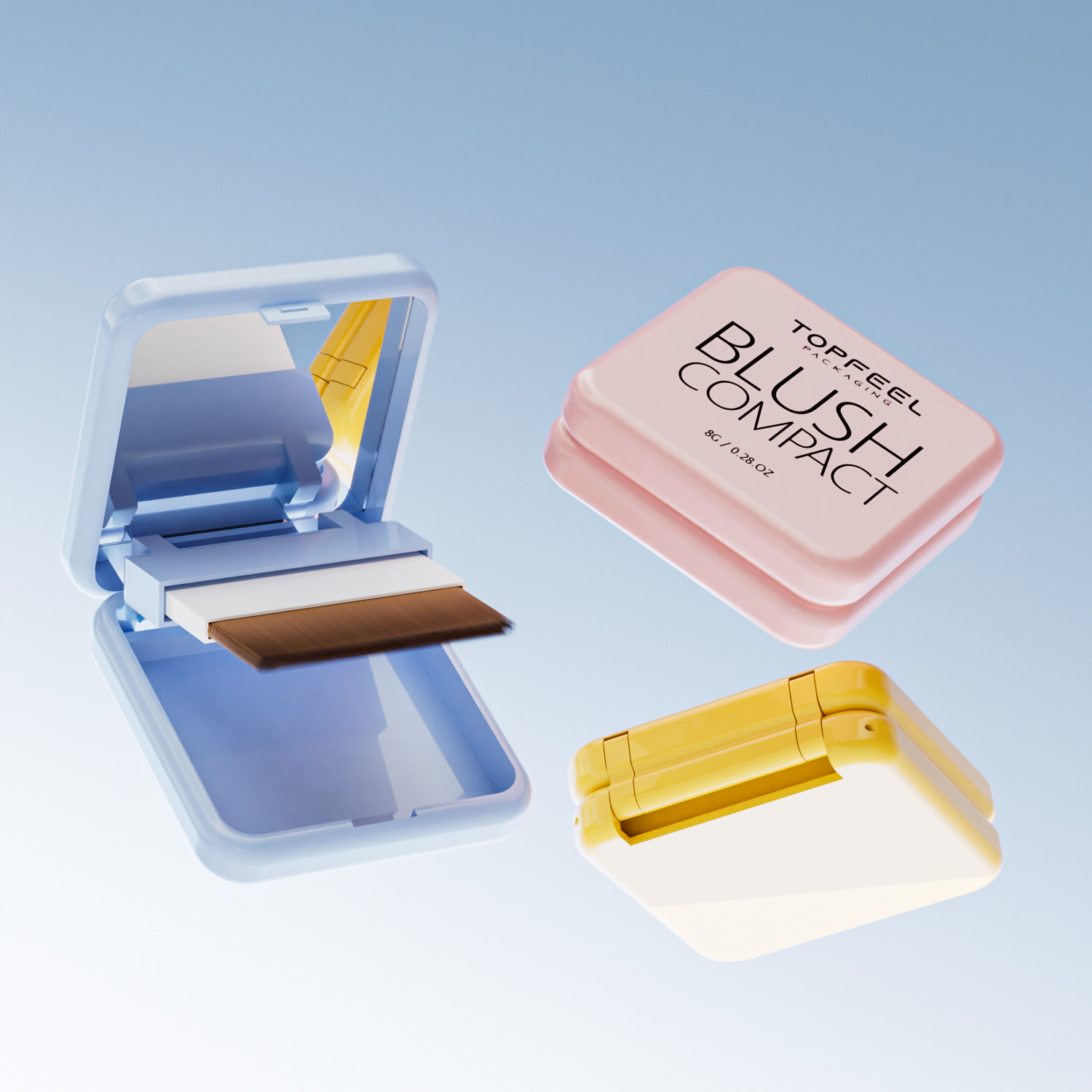
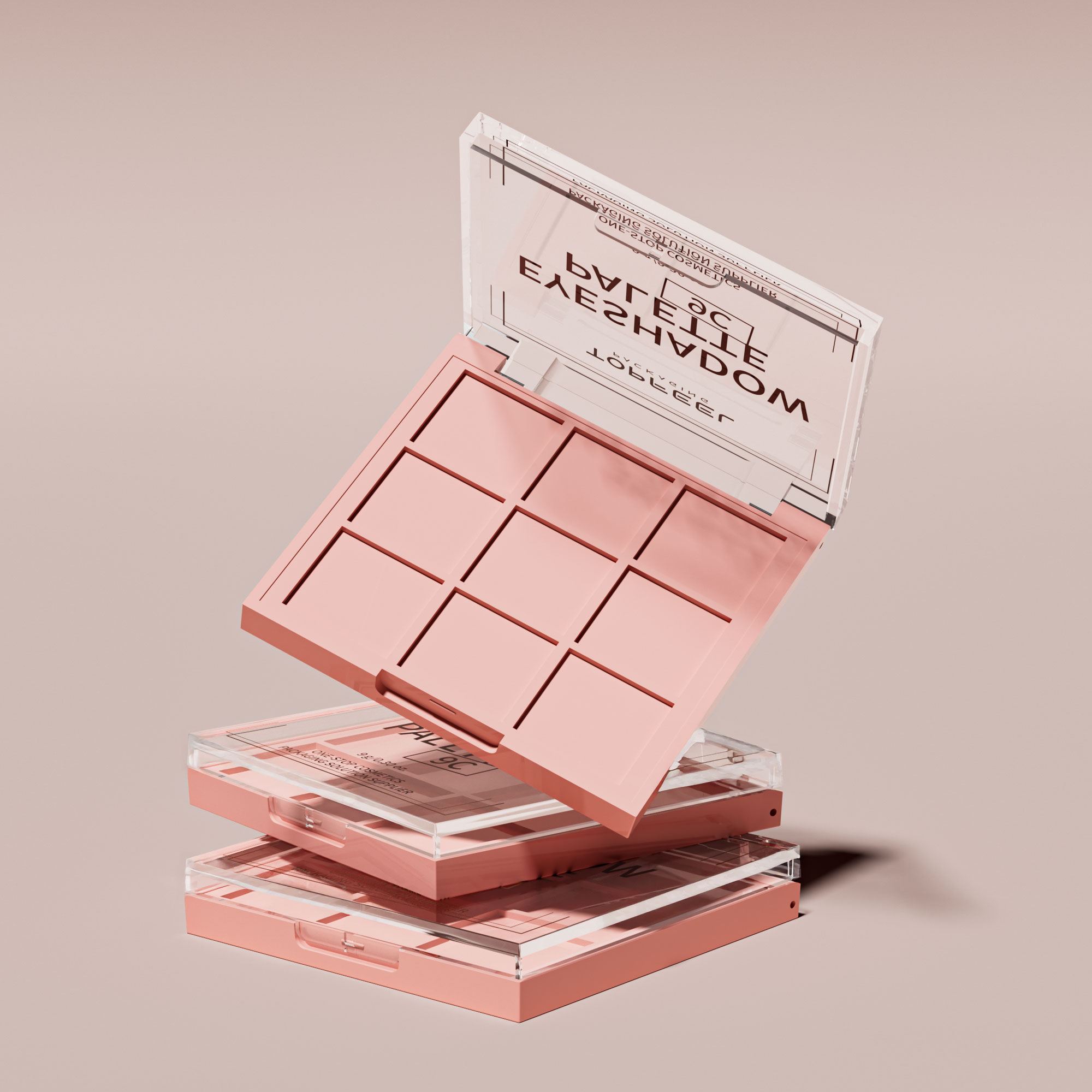
- Compact cases, such as a powder compact case
- Mold complexity
- Injection molding
- Multi-cavity tooling
- Precision tolerances
- Extrusion
- Production Efficiency
- Cycle times
- Faster cycles reduce labor exposure
- Scrap rates
- High reject ratios inflate unit cost
- Process optimization
- Automation level
- Inline inspection systems
- Cycle times
- Overhead Drivers
- Labor costs by region
- Energy consumption during heating and cooling
- Tooling investment
- Mold fabrication
- Maintenance amortization
Cost variance breakdown:
| Cost Driver | Low Impact Scenario | High Impact Scenario | Cost Effect (%) |
|---|---|---|---|
| Material Grade | Standard resin | Specialty PCR blend | 8–18% |
| Tooling Complexity | Single cavity | Multi-cavity steel | 10–25% |
| Scrap Rate | <2% | >8% | 5–12% |
| Cycle Time | <10 sec | >20 sec | 6–15% |
Use Volume Leverage to Lower Per-Unit Prices
A sophisticated cosmetic packaging manufacturer optimizes for production scale and operational throughput.
- Consolidate SKUs to improve batch optimization
- Align forecasts with real manufacturing capacity
- Discuss long-term contracts for resin locking
Execute procurement leverage by:
- Clarifying annual volume allocations.
- Negotiating tiered MOQs based on output.
- Aligning delivery windows with production scheduling.
- Reducing idle inventory to improve supply chain efficiency.
“Scale-driven procurement and long-term supplier collaboration remain among the most reliable cost levers in industrial manufacturing,” notes McKinsey’s 2025 Global Packaging Report.
Discussing annual capacity transitions negotiations from transactional POs to strategic supply chain alignment.
Negotiate Decoration & Finishing Add-Ons
Surface treatments exponentially impact unit pricing. A transparent cosmetic packaging manufacturer itemizes embellishment costs.
- Map every surface finish and printing method.
- Separate functional elements (closures or applicators) from aesthetic treatments.
- Compare:
- Screen printing vs. labeling
- Hot stamping vs. metallization
- UV coating vs. matte varnish
- Combine compatible graphic elements into single automated passes.
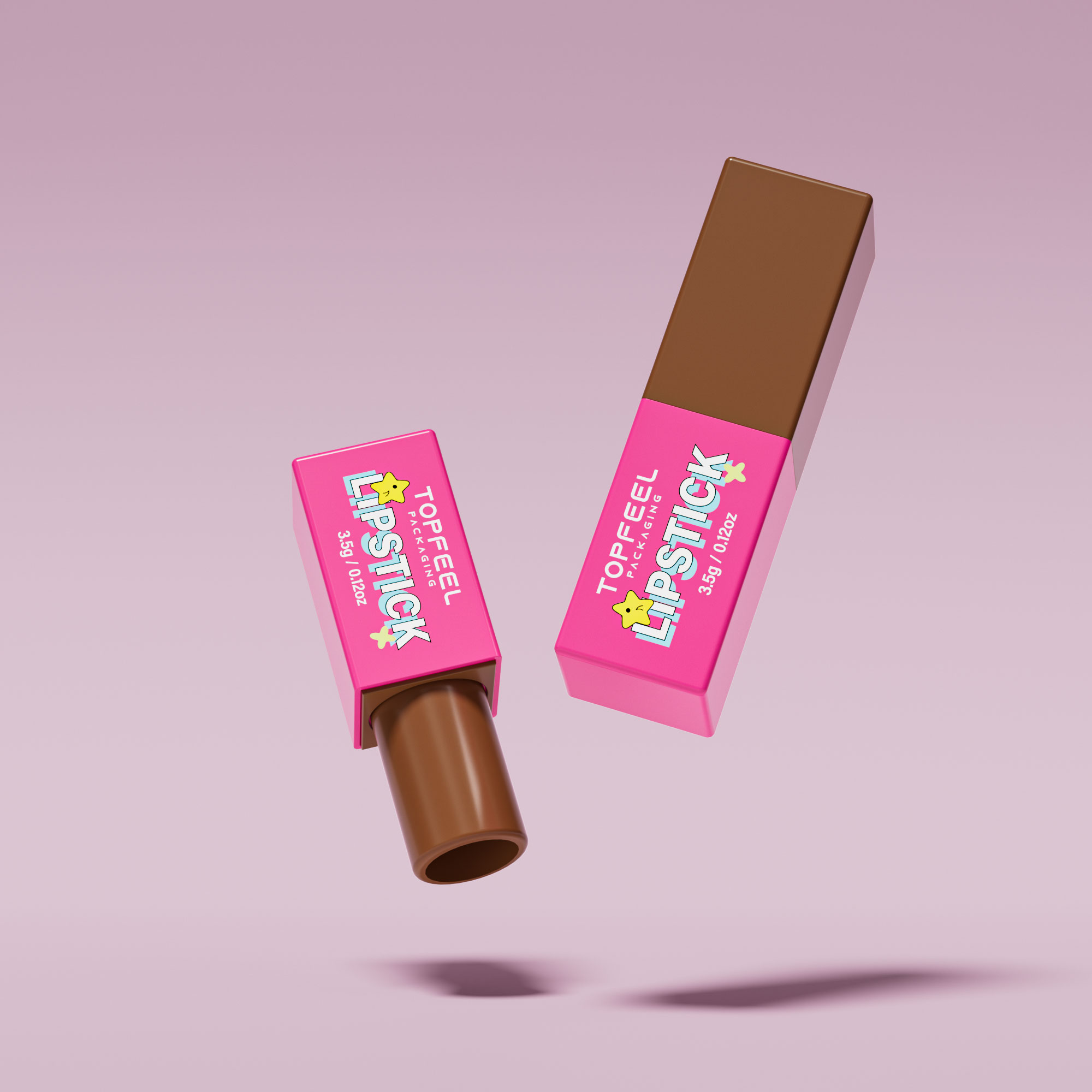
Streamline costs by standardizing custom colors and reducing unnecessary print passes on items like a custom lipstick tube.
Secure Compliance and Sustainability Guarantees
Require exhaustive documentation to protect market entry.
- Regulatory Standards
- FDA compliance documentation
- REACH declarations
- Verified product safety testing
- Environmental Certifications
- Proof of recycled content
- Third-party environmental certifications
- Clear sustainability metrics
- Material Traceability
- Batch-level material traceability
- Supplier audit trails
- Verified ethical sourcing records
- Quality Assurance Systems
- Incoming material checks
- In-process inspections
- Final AQL standards
- Waste Management Commitments
- Scrap recycling ratios
- Closed-loop initiatives
- PCR integration targets
Contractual alignment on quality assurance and waste management shields brands against regulatory recalls.
References
- Cosmetic Packaging Market – Grand View Research
- ISO 9001 Quality Management – ISO
- ISO 22716 Cosmetics GMP – ISO
- Understanding REACH – ECHA
- Sustainability in Packaging – McKinsey
- Plastics Overview – Ellen MacArthur Foundation
- Design for Recyclability – Association of Plastic Recyclers
- Advanced Manufacturing – Packaging Digest
- Supply Chain Efficiency – Supply Chain Management Review
- Supply Chain Optimization – Gartner

