 English
  Español de México
  Français
  Deutsch
  Português do Brasil
  Italiano
  한국어
한국어  ไทย
ไทย  Русский
  日本語
日本語  Polski
  Svenska
  Türkçe

What Makes High-Quality Makeup Packaging Stand Out?
June 23,2026
What Makes High-Quality Makeup Packaging Stand Out?
Makeup packaging is not only an outer container for cosmetic products, but also a core part of product safety, user experience and brand image. Excellent packaging design can effectively protect makeup texture, extend service life, and improve market competitiveness. To help brands select and customize suitable packaging solutions, this article systematically sorts out makeup packaging types, core advantages, common problems and selection skills.
 1. Core Types of Makeup Packaging
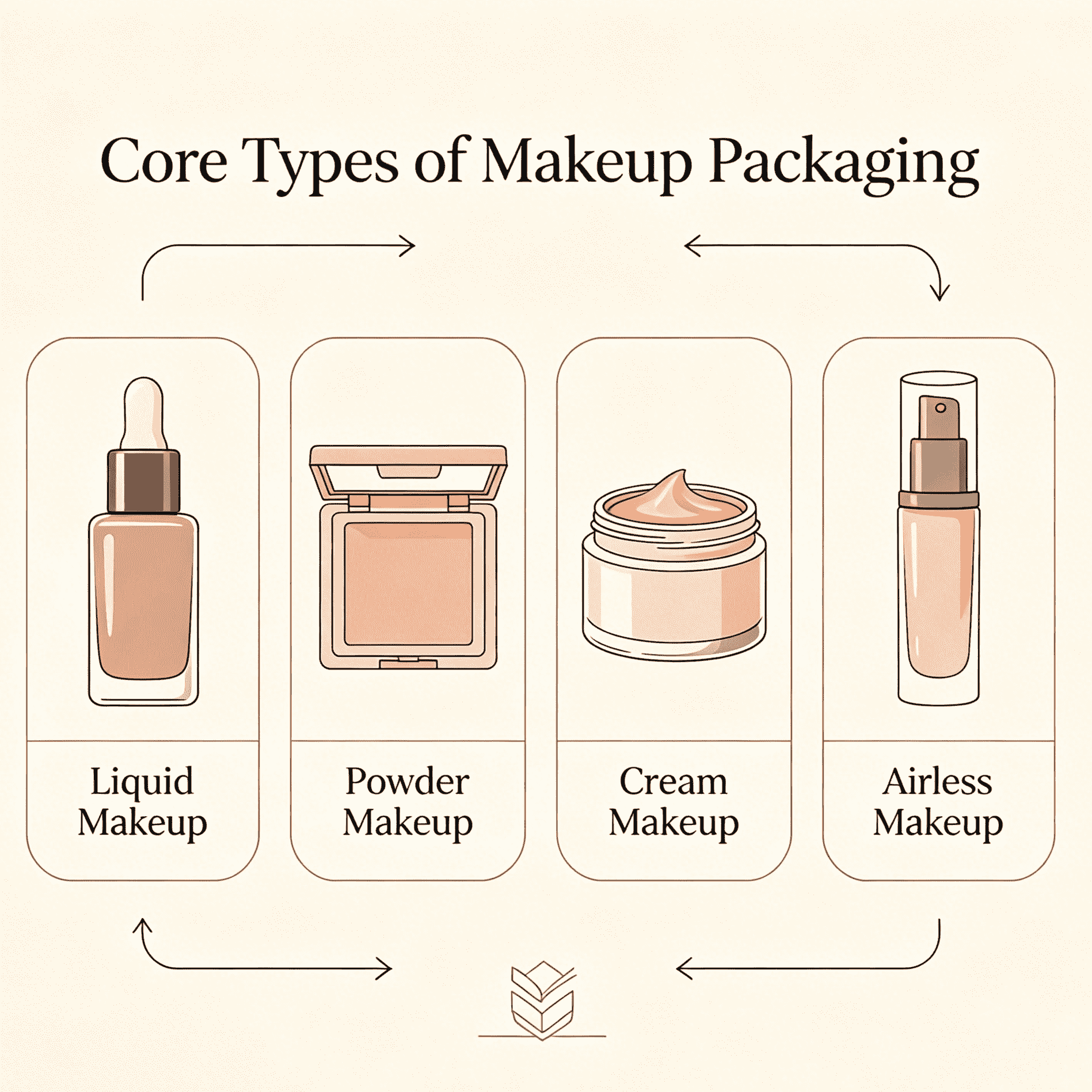
Makeup products have diverse textures, including liquid, powder, cream and other forms, and different textures correspond to exclusive packaging structures and design standards. Classifying makeup packaging by product texture is the basis for optimizing packaging matching and product experience. The mainstream packaging types in the market are divided into the following four categories.
1.1 Liquid Makeup Packaging
Liquid makeup products including foundation , liquid blush, and concealer require packaging with excellent sealing and stability. liquid makeup containers adopt leak-proof structures to prevent product overflow and oxidation during transportation and daily use. Common styles include pump bottles, dropper bottles, and flip-top containers. Brands can customize professional liquid makeup packaging according to product viscosity and usage scenarios to improve product practicability and Most grade.
1.2 Powder Makeup Packaging
Different from liquid products, powder makeup is prone to dust scattering, moisture absorption and agglomeration, so packaging focuses on dust-proof, moisture-proof and compression-resistant performance. Reasonable structural design can solve the pain points of powder damage and pollution during use and carrying.
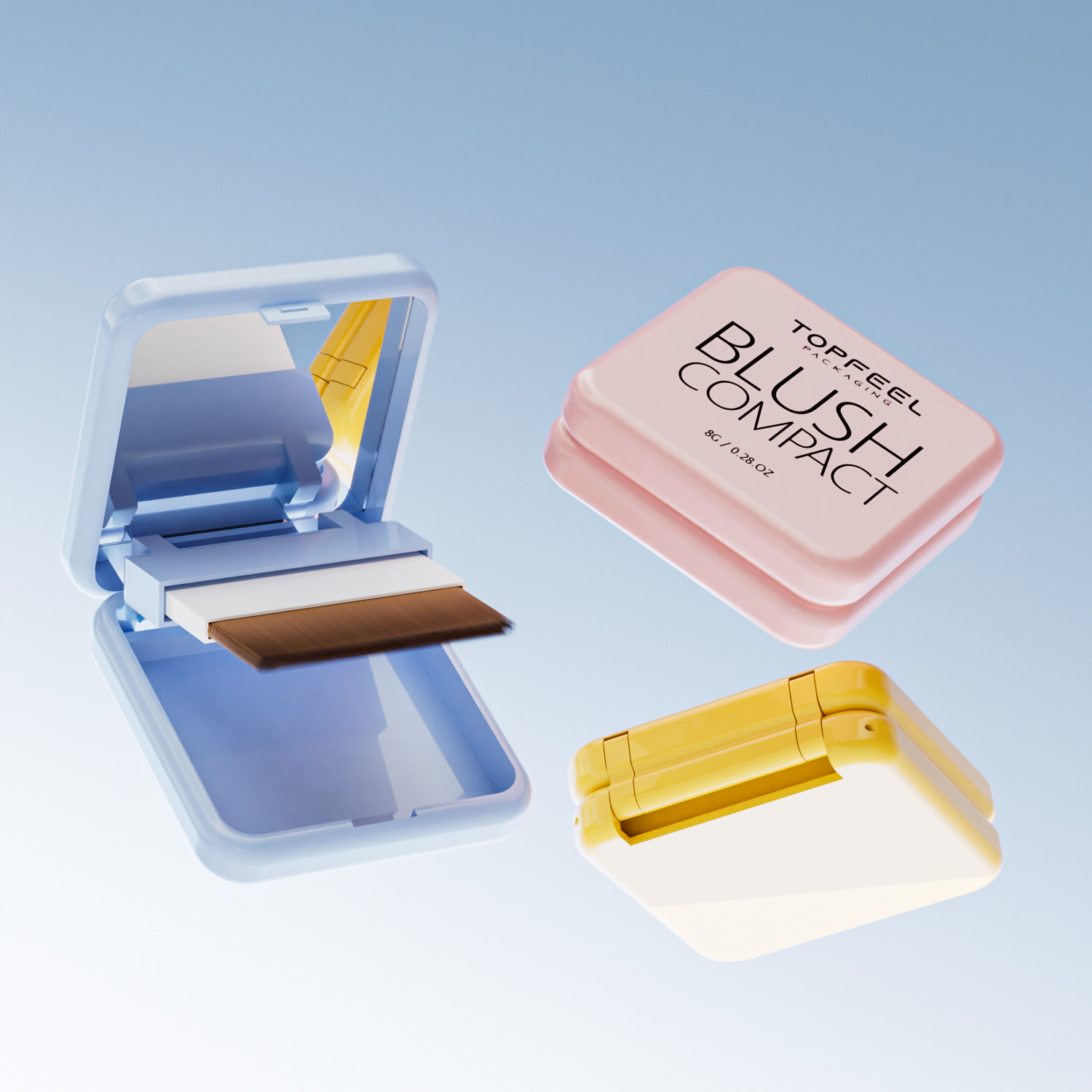
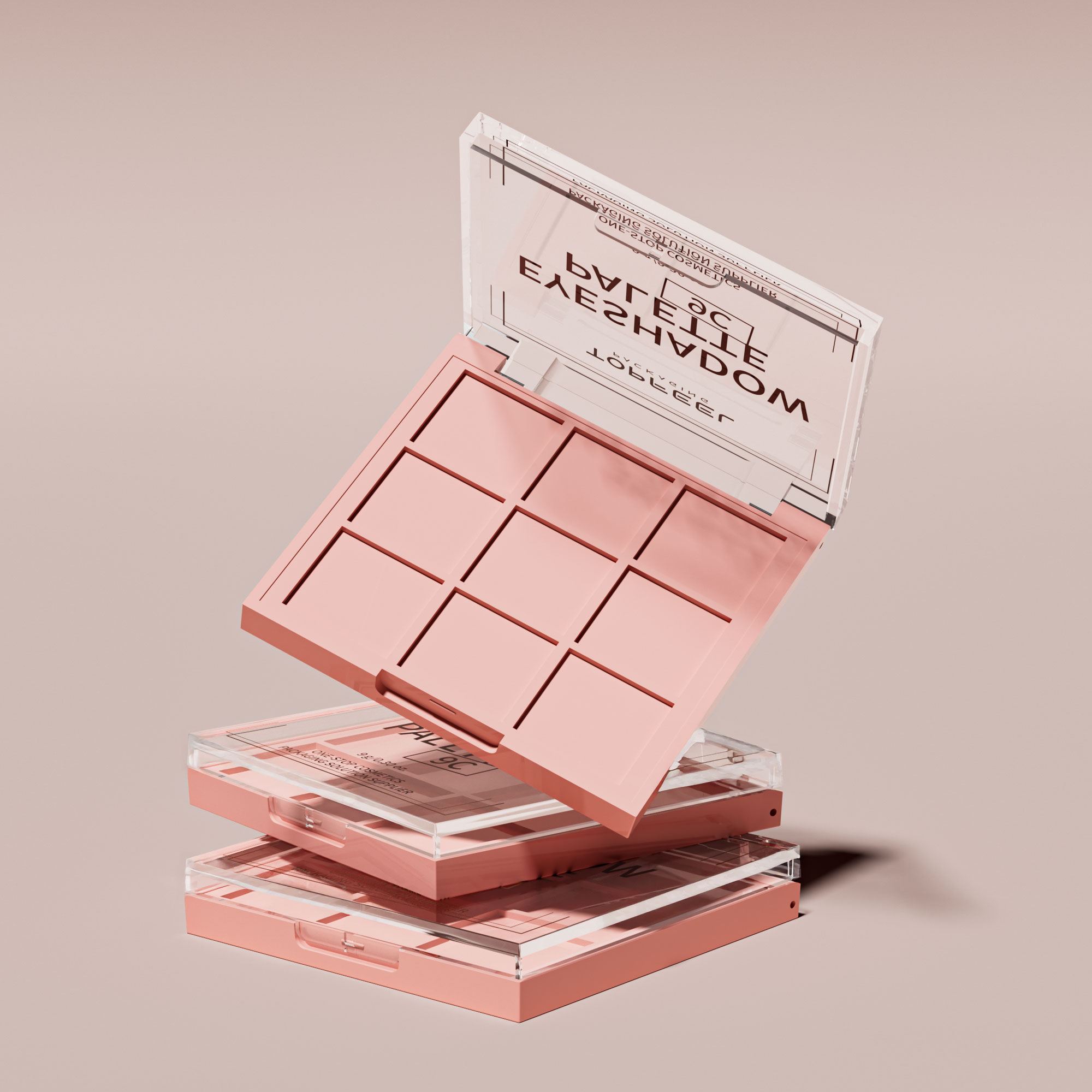
Powder makeup such as loose powder , pressed powder, and eyeshadow has high requirements for dust-proof and compression-resistant packaging. Classic designs include double-layer powder boxes with powder puff compartments and fully enclosed compact cases. This type of packaging can effectively prevent powder scattering, moisture absorption and contamination, and is lightweight and portable for daily makeup and travel use.
1.3 Cream Makeup Packaging
Cream makeup has a special semi-solid texture, which is easy to dry and cake when exposed to air for a long time. Its packaging needs to balance airtightness and convenient material taking, which is different from liquid and powder packaging.
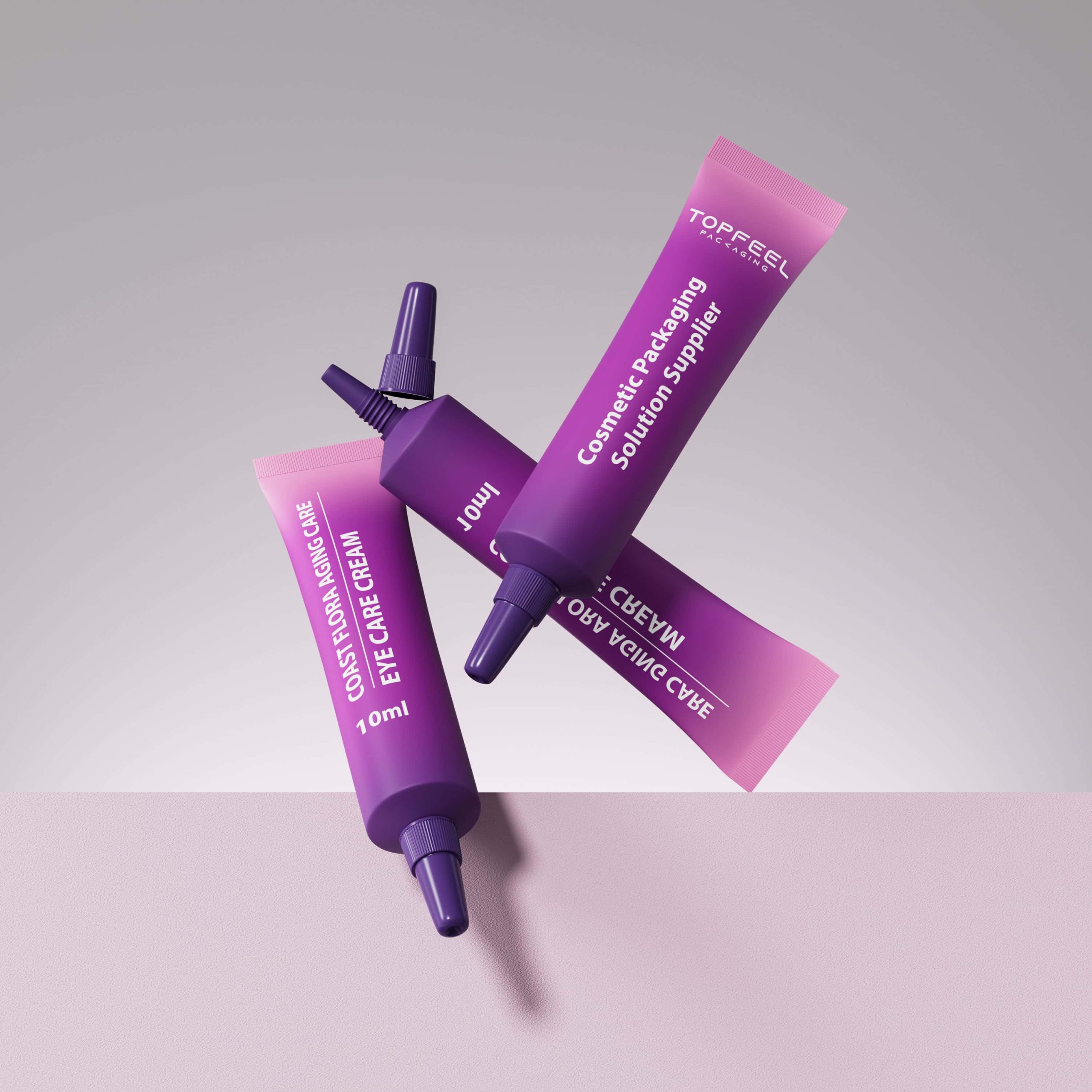
Cream products like cream blush, contour cream, and foundation cream are between liquid and solid textures, requiring packaging with good airtightness and easy access. Common packaging forms include wide-mouth jars and small pump containers. Reasonable structural design can avoid cream drying and agglomeration, maintaining the best texture of makeup products for a long time.
1.4 Airless Makeup Packaging
For high-end makeup with active ingredients, conventional sealed packaging cannot completely avoid air contact and product oxidation. Airless packaging, as an upgraded high-end packaging solution, solves the durability pain point of high-activity makeup.
Airless packaging is a high-end solution for high-activity, easily deteriorated makeup products such as serum foundation and antioxidant cream makeup. The fully enclosed airless structure isolates external air and bacteria, avoids product oxidation and deterioration, and extends the shelf life of unopened and opened products. It is the mainstream packaging choice for high-end functional makeup.
2. Key Features of Premium Makeup Packaging
High-quality makeup packaging is not limited to basic storage functions, but integrates safety performance, user experience and visual aesthetics. These core features jointly determine the practical value and market premium of cosmetic packaging, and are the key standards for brand packaging selection.
2.1 Safety & Airtightness
Safety and airtightness are the most fundamental attributes of makeup packaging, directly affecting product quality, shelf life and user skin safety. All high-end packaging designs take sealing and pollution isolation as the primary design principle.
- Isolate external pollution – High-quality packaging can effectively block dust, bacteria and moisture in the air, ensuring the cleanliness and safety of internal makeup products.
- Prevent oxidation deterioration – Sealed structures and airless designs reduce air contact, lock product activity, and avoid color difference and texture deterioration of makeup.
- Anti-leakage & anti-spilling – Reasonable thread fitting and buckle locking design adapt to different product textures, solving the problem of product leakage during carrying and transportation.
2.2 User Experience Design
On the premise of ensuring safety, excellent packaging will optimize the use process from the user’s perspective, realizing convenient taking, portable storage and easy cleaning, and improving the overall product use experience.
- Convenient access – Match different outlet structures according to product textures: pump type for liquid makeup, box type for powder makeup, and wide-mouth type for cream makeup, which is convenient for precise product taking.
- Portable & lightweight – Miniaturized and streamlined packaging design reduces overall weight and volume, suitable for daily outings and business travel.
- Easy storage & cleaning – Smooth packaging surface and reasonable internal structure are convenient for daily wiping and cleaning, avoiding residual product growth of bacteria.
2.3 Appearance & Texture
As the first visual touch of products to consumers, packaging appearance and texture determine product attractiveness and brand grade. Exquisite packaging technology and design can significantly improve product shelf competitiveness.
- Material texture – High-grade materials such as frosted plastic, transparent acrylic and metal electroplating improve the overall high-end sense of makeup.
- Color matching & printing – Customized color coating, silk screen printing and hot stamping processes fit brand positioning and enhance product recognition.
- Structural aesthetics – Simple and fashionable shape design conforms to current beauty trends, improving product shelf display effect.
 3. Common Packaging Problems & Solutions
 3. Common Packaging Problems & Solutions
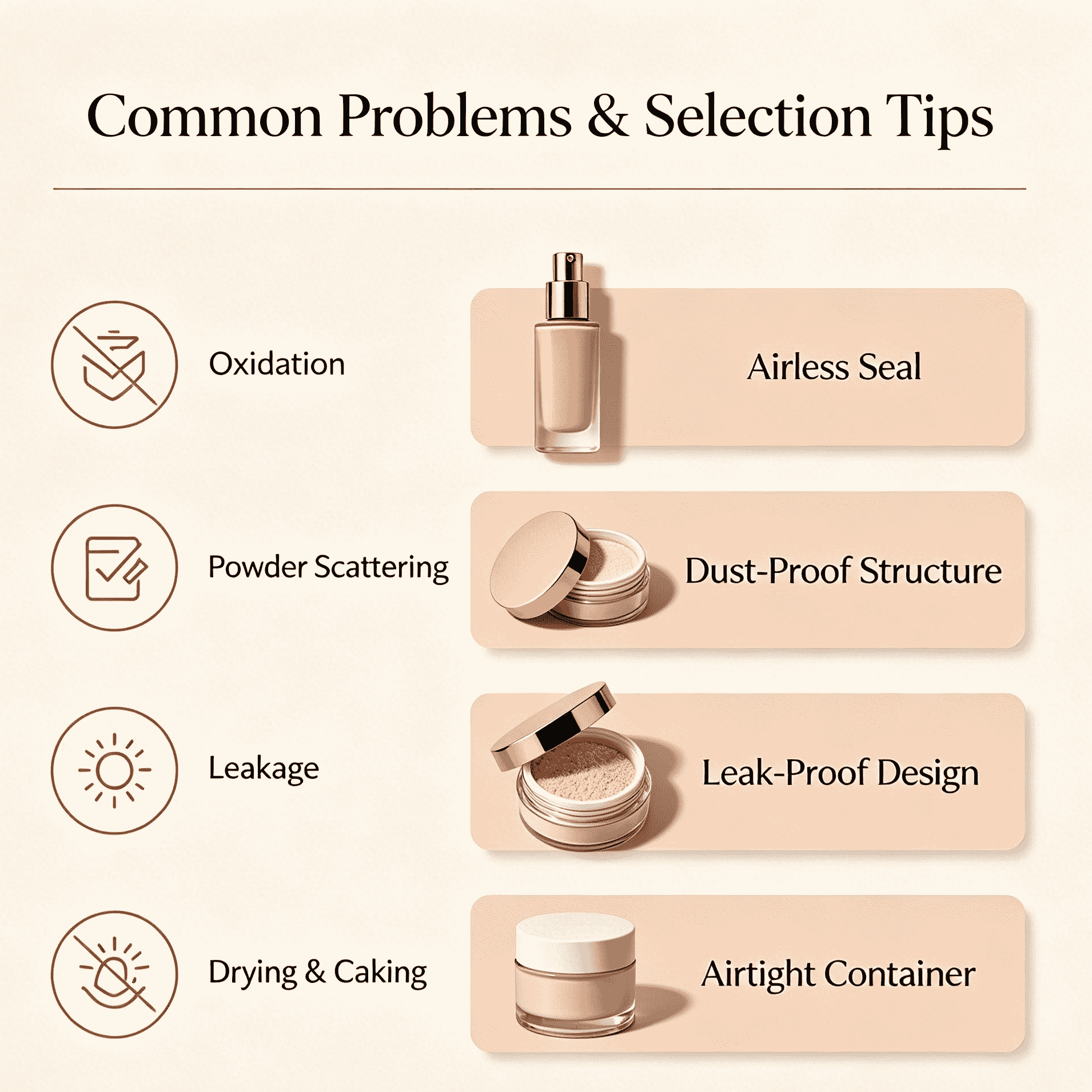
In the actual application process, makeup packaging is prone to various quality and use problems due to unreasonable structural design, inferior materials and imperfect technology. Summarizing common faults and targeted optimization schemes can help brands avoid packaging risks.
| Common Issue | Core Cause | Optimization & Solution |
|---|---|---|
| Makeup oxidation and discoloration | Poor packaging airtightness, long-term air contact, unisolated light and heat | Adopt airless packaging and fully sealed structure; use light-proof packaging materials; select high-quality airless makeup packaging to lock product activity |
| Powder scattering and agglomeration | Loose buckle structure, insufficient internal compression, poor moisture resistance of materials | Optimize double-layer sealing and fixed compression structure; upgrade moisture-proof and dust-proof packaging materials; enhance internal fitting tightness |
| Liquid makeup leakage | Worn thread, aging sealing gasket, unreasonable outlet design | Replace high-elasticity sealing accessories; optimize thread precision design; choose leak-proof pump packaging for liquid makeup products |
| Cream product drying and caking | Large internal air gap, incomplete sealing after use, long-term exposure to air | Use airless sealed containers; reduce internal space gap; improve one-click closing and locking function of packaging |
4. How to Choose Suitable Makeup Packaging
Reasonable packaging selection is the premise of giving full play to packaging performance. Brands need to combine product characteristics, market positioning and usage scenarios for targeted matching, so as to achieve the best balance of safety, usability and aesthetics.
4.1 Match by Product Texture
Product texture is the primary basis for packaging selection. Different makeup textures have completely different requirements for packaging sealing, outlet structure and internal space.
- Liquid texture – Prioritize pump bottles, dropper bottles and sealed thin-mouth containers to control output and prevent leakage.
- Powder texture – Choose double-layer dust-proof compact packaging with fixed interlayer to avoid powder scattering and moisture absorption.
- Cream texture – Select airless jars and small-caliber sealed containers to reduce air contact and maintain cream activity.
4.2 Match by Market Positioning
Packaging grade and design need to be consistent with product market positioning, which can not only control cost reasonably, but also shape unified brand tonality and product premium.
- Daily affordable makeup – Focus on practicality and cost performance, adopt lightweight and durable conventional packaging, and meet basic sealing and portable needs.
- Mid-to-high end makeup – Focus on texture and functionality, match airless technology and high-grade materials, customize appearance processes to enhance product premium sense.
- Travel mini makeup – Adopt mini integrated packaging with simple structure, light weight and easy carrying, reducing redundant design.
4.3 Match by Usage Scenario
Different usage scenarios have differentiated requirements for packaging portability, drop resistance and capacity. Scenario-based selection can effectively improve user practical experience.
- Daily home use – Prioritize large-capacity, easy-to-take and easy-to-clean cosmetic packaging to improve daily use efficiency.
- Outdoor travel use – Focus on anti-drop, anti-leakage and portable design, with self-locking and fixed functions.
- Professional makeup – Match multi-grid and large-capacity combined packaging to meet diversified makeup needs.

