 English
  Español de México
  Français
  Deutsch
  Português do Brasil
  Italiano
  한국어
한국어  ไทย
ไทย  Русский
  日本語
日本語  Polski
  Svenska
  Türkçe

What Kind of Eye Shadow Applicators Do You Really Need?
June 09,2026
Choosing the right eye shadow is only half the story. The applicator you use can change the color payoff, blending effect, and overall finish of your makeup look. From soft brushes to sponge tips and silicone tools, each eye shadow applicator has its own purpose.
So, what kind of eye shadow applicators do you really need? The answer depends on your makeup style, texture preference, and how much control you want when applying color.
Why Eye Shadow Applicators Matter
A good applicator helps you:
- Pick up the right amount of product
- Apply color more evenly
- Blend edges smoothly
- Build pigment without patchiness
- Use shimmer, matte, and cream formulas more effectively
- Create cleaner and more detailed eye makeup looks
Even the best eye shadow palette can underperform if the applicator does not match the formula.
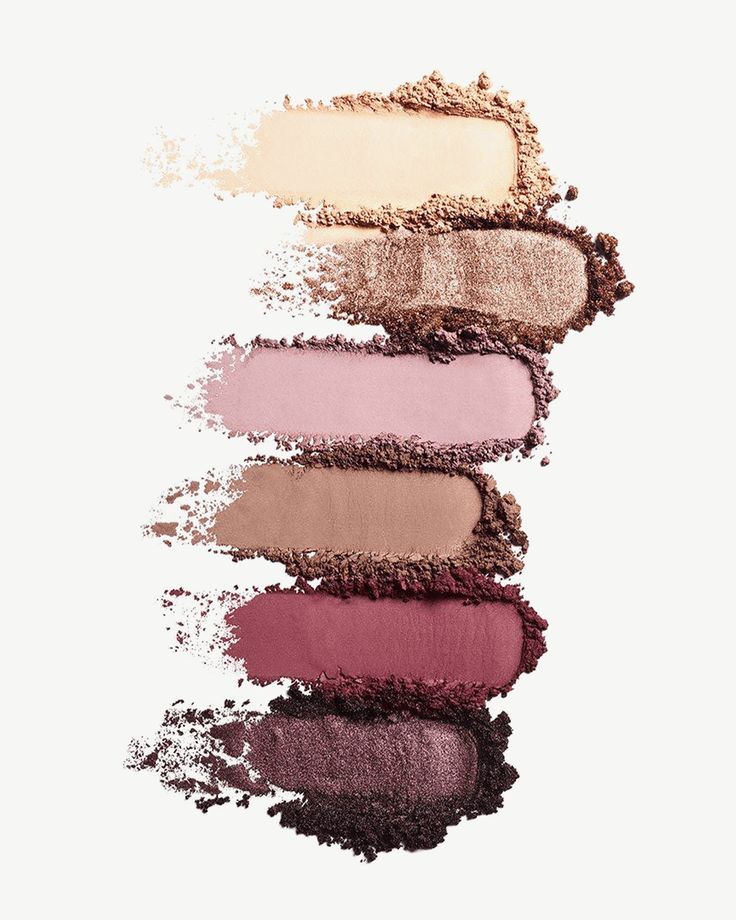 Common Types of Eye Shadow Applicators
| Applicator Type | Best For | Main Advantage | When to use it |
|---|---|---|---|
| Flat Eye Shadow Brush | Packing color onto the eyelid | Strong color payoff | Matte and shimmer shades |
| Fluffy Blending Brush | Blending transition shades | Soft, diffused finish | Crease and outer corner |
| Pencil Brush | Detail work | Precision | Lower lash line, inner corner, outer V |
| Angled Brush | Liner-style application | Sharp definition | Smoky liner or brow bone detail |
| Sponge Tip Applicator | Quick application | Easy to use and portable | Travel or compact palettes |
| Silicone Applicator | Glitter and metallic shades | Reduces fallout | Shimmer, foil, and glitter formulas |
| Finger Application | Creamy or pressed shimmer shades | Warmth helps product melt into skin | Fast shimmer application |
The Essential Eye Shadow Applicators You Actually Need
You do not need a large brush collection to create a complete eye look. For most people, these applicators are enough:
1. A Flat Shader Brush
A flat shader brush is used to press color onto the eyelid. It works well with both matte and shimmer shades. For stronger pigment, use a pressing motion instead of sweeping the brush back and forth.
Best for:
- Lid color
- Shimmer shades
- Building intensity
- Creating a clean base color
2. A Fluffy Blending Brush
This is one of the most important eye shadow tools. A fluffy blending brush softens harsh edges and helps different shades transition naturally.
Best for:
- Crease color
- Transition shade
- Soft smoky eye looks
- Blending matte shadows
3. A Small Pencil Brush
A pencil brush is useful for more detailed areas. It gives better control when applying shadow to the lower lash line, inner corner, or outer corner.
Best for:
- Lower lash line
- Inner corner highlight
- Outer V definition
- Small-area blending
4. A Sponge Tip Applicator
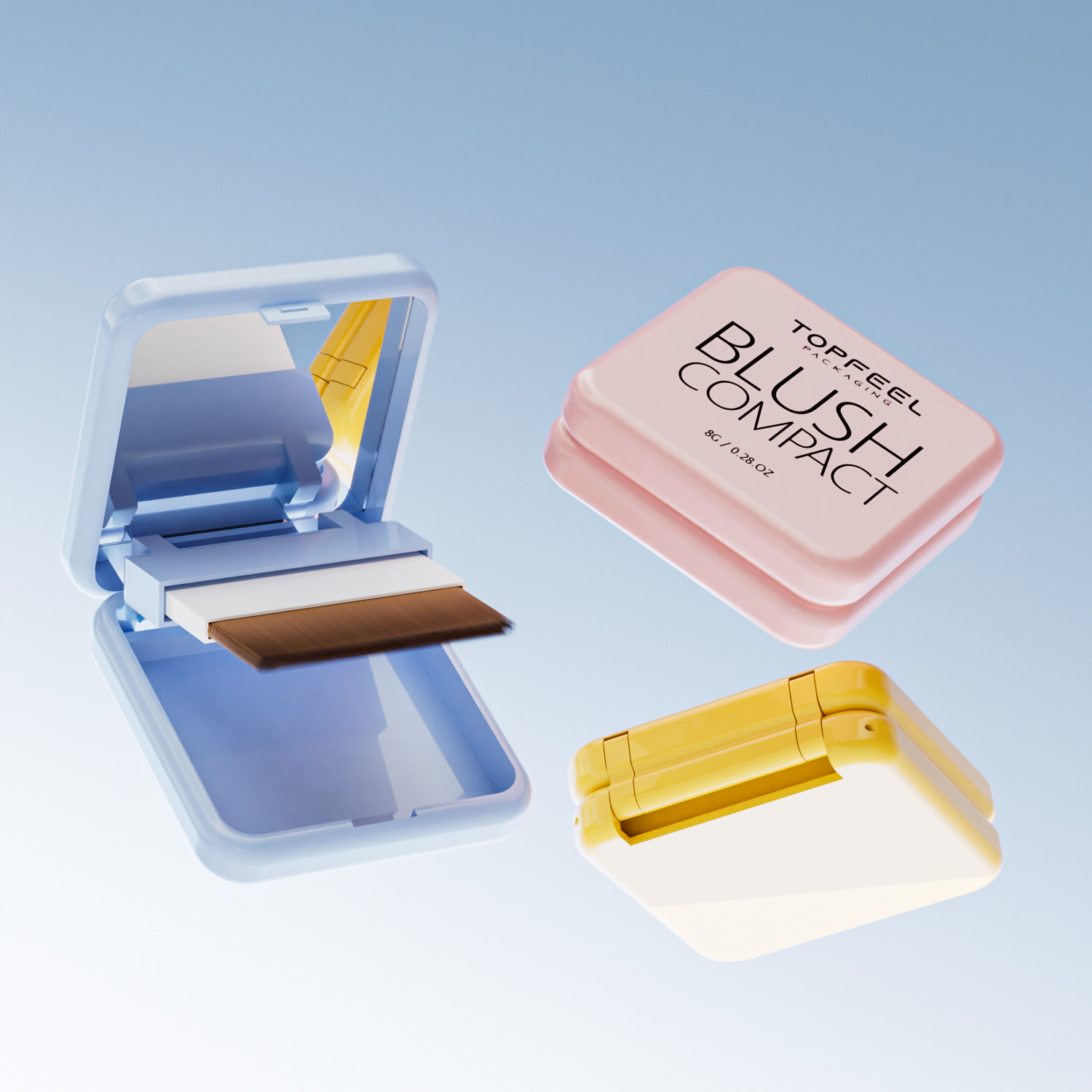
Sponge tip applicators are often included in compact eye shadow palettes. While some people overlook them, they are still useful for quick touch-ups and packing shimmer shades onto the lid.
Best for:
- Travel makeup
- On-the-go touch-ups
- Compact eye shadow palettes
- Applying shimmer with less mess
5. A Silicone Applicator for Glitter or Metallic Shades
If you often use glitter, foil, or metallic eye shadows, a silicone applicator can be very helpful. It grips the product and transfers it directly to the skin with less fallout than a fluffy brush.
Best for:
- Glitter eye shadow
- Metallic formulas
- Foil finish shades
- High-shine makeup looks
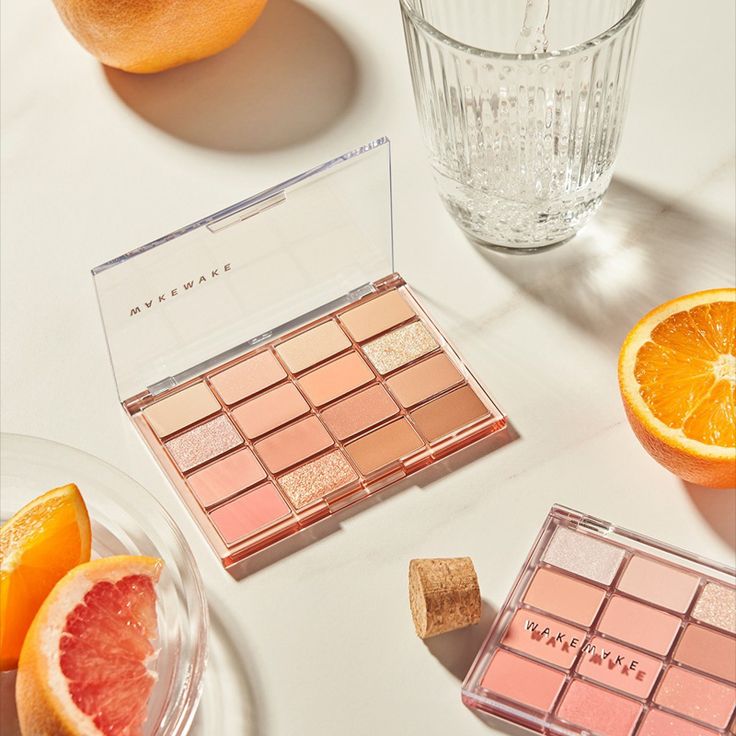 Brush vs. Sponge Tip
Both have their place. Brushes are better for blending and creating professional-looking gradients. Sponge tips are better for simple, fast application and stronger direct color placement.
| Feature | Brush Applicator | Sponge Tip Applicator |
|---|---|---|
| Blending ability | Strong | Limited |
| Color payoff | Medium to strong | Strong |
| Precision | Depends on brush shape | Moderate |
| Travel-friendly | Less convenient | Very convenient |
| Best use | Full makeup look | Quick application |
| Suitable for beginners | Yes | Yes |
For daily use, a small brush set is more versatile. For compact palettes, sponge tip applicators are still practical, especially when the product is designed for portability.
How to Match Applicators with Eye Shadow Textures
Different formulas perform better with different tools: Matte eye shadow: Use a fluffy brush for blending and a flat brush for stronger color.
- Shimmer eye shadow : Use a flat brush, sponge tip, or fingertip.
- Glitter eye shadow : Use a silicone applicator or fingertip for better adhesion.
- Cream eye shadow : Use fingers or a synthetic brush.
- Pressed pigment : Use a dense brush and apply carefully in thin layers.
What Should Be Included in an Eye Shadow Palette?
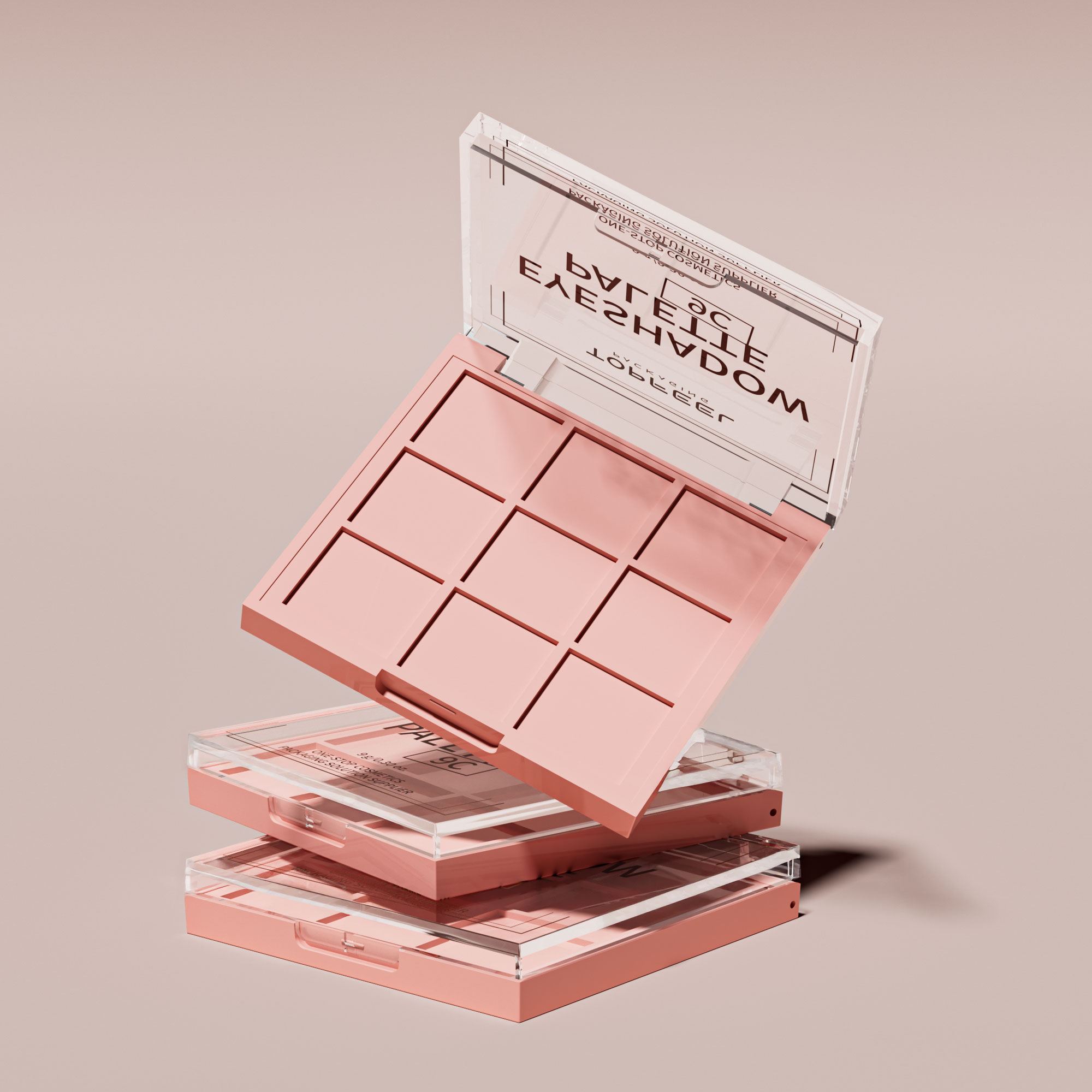
For brands, applicator choice is not only about makeup performance. It also affects the user experience and perceived product value. A well-designed eye shadow palette should consider both formula and packaging.
A compact daily palette may include a sponge tip applicator for convenience. A premium palette may focus more on high-quality pans, mirror design, and durable packaging instead of including basic tools.
Good eye shadow palette design should balance:
- Shade arrangement
- Pan size
- Mirror placement
- Applicator storage space
- Packaging durability
- Portability
- Brand presentation
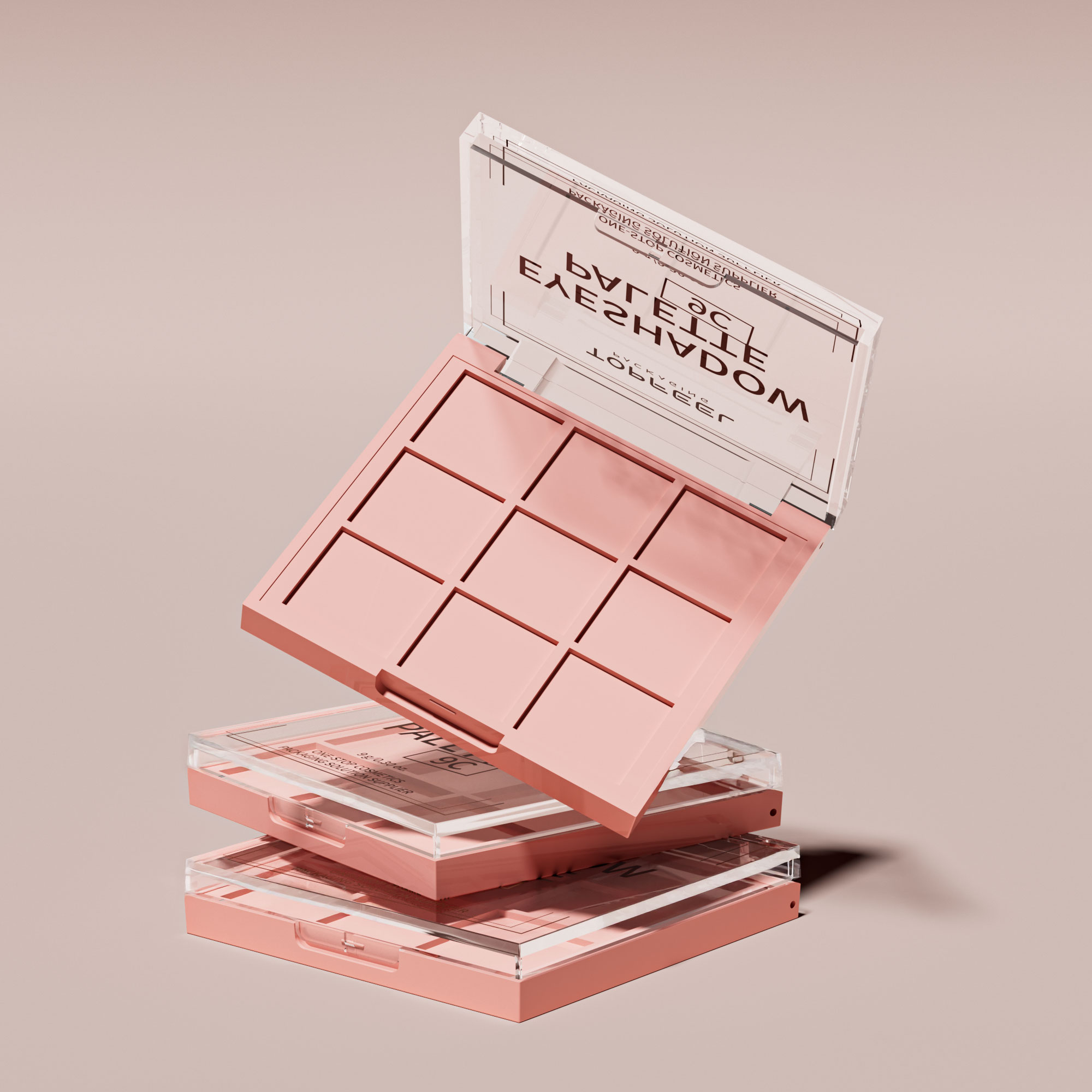 When developing a new product line, brands should choose custom eyeshadow palette packaging that protects the formula, improves portability, and supports the overall brand image.
Final Thoughts
You do not need every eye shadow applicator on the market. For most makeup users, a flat shader brush, fluffy blending brush, pencil brush, and sponge tip applicator are enough for daily looks. If you use glitter or metallic shades often, adding a silicone applicator can make application cleaner and more effective.
For beauty brands, the right applicator and packaging design can improve the customer experience. Whether the product is a travel-friendly palette, a refillable magnetic palette, or a premium makeup collection, applicator choice should match the formula, usage scenario, and packaging structure.

