 English
  Español de México
  Français
  Deutsch
  Português do Brasil
  Italiano
  한국어
한국어  ไทย
ไทย  Русский
  日本語
日本語  Polski
  Svenska
  Türkçe

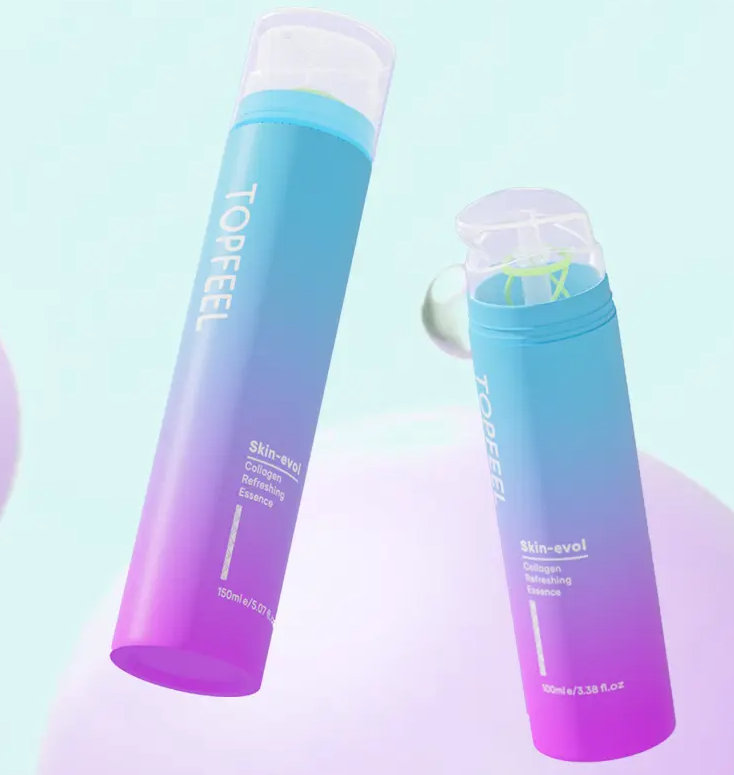
Metal spring vs. plastic spring pumps: Which lasts longer?
When it comes to the longevity of airless pump bottles, the spring mechanism plays a crucial role. The debate between metal and plastic springs has been ongoing in the packaging industry, with each option offering distinct advantages.
Durability of Metal Springs
Metal springs in airless pump bottles are known for their robustness and resilience. They can withstand repeated use without losing their elasticity, ensuring consistent dispensing performance over time. The inherent strength of metal allows these springs to maintain their shape and function even under high-stress conditions, such as those experienced in travel-sized products or items frequently carried in bags.
Longevity of Plastic Springs
While metal springs have traditionally been favored for their durability, advancements in polymer technology have led to the development of high-performance plastic springs. These innovative plastic components offer several benefits, including resistance to corrosion and chemical interactions with product formulations. Moreover, plastic springs are often more cost-effective to produce and can contribute to a lighter overall package weight.
Comparative Lifespan
In terms of longevity, metal springs generally have the edge over their plastic counterparts. The superior tensile strength and fatigue resistance of metal allow these springs to maintain their performance characteristics for extended periods. However, the gap in lifespan between metal and plastic springs has narrowed significantly with the introduction of engineered polymers designed specifically for airless pump bottle applications.
Factors Influencing Spring Longevity
Several factors can impact the lifespan of both metal and plastic springs in airless pumps:
- Product formulation: Highly acidic or alkaline products may interact with metal springs, potentially leading to corrosion over time.
- Usage frequency: Frequent activation of the pump mechanism can cause wear on both types of springs.
- Environmental conditions: Extreme temperatures or humidity levels can affect the performance and lifespan of springs, particularly plastic ones.
- Manufacturing quality: The precision and quality control in the production process significantly influence the durability of both metal and plastic springs.
Ultimately, the choice between metal and plastic springs depends on various factors, including the specific product requirements, target market, and desired packaging aesthetics. While metal springs may offer a slight advantage in terms of pure longevity, plastic springs can provide a balanced solution that meets both performance and cost considerations for many applications.
How material choice affects recyclability of airless pump components
The recyclability of airless pump bottles is an increasingly important consideration for brands and consumers alike, as environmental consciousness continues to grow. The material composition of these packaging components plays a significant role in determining their end-of-life options and overall sustainability profile.
Recyclability of Common Airless Pump Materials
Different materials used in airless pump bottles have varying degrees of recyclability:
- Plastic: Many airless bottles are made from recyclable plastics such as PET, PP, or HDPE. However, the complex nature of airless pump mechanisms can complicate the recycling process.
- Glass: Glass components are highly recyclable and can be reprocessed multiple times without loss of quality.
- Metal: Metal parts, such as springs or actuators, are generally recyclable but may require separation from other materials.
Challenges in Recycling Airless Pumps
The multi-component nature of airless pumps presents several recycling challenges:
- Material separation: Airless pumps often contain a mix of materials that need to be separated for effective recycling.
- Size constraints: Small components may be difficult for standard recycling equipment to process.
- Contamination: Residual product in the pump mechanism can contaminate recycling streams.
Innovations in Recyclable Airless Pump Design
To address these challenges, packaging manufacturers are developing innovative solutions:
- Mono-material designs: Some companies are creating airless pumps using a single type of plastic throughout, simplifying the recycling process.
- Easily disassembled components: New designs allow for quick separation of different materials, facilitating recycling.
- Bio-based and biodegradable materials: Some manufacturers are exploring alternative materials that offer improved end-of-life options.
The Role of Material Choice in Circular Economy
Selecting materials for airless pump bottles with recyclability in mind is crucial for supporting a circular economy approach to packaging. Brands that prioritize recyclable materials and designs can contribute to reducing waste and conserving resources. However, it’s important to note that the actual recyclability of a product depends not only on its material composition but also on the availability of appropriate recycling facilities and consumer participation in recycling programs.
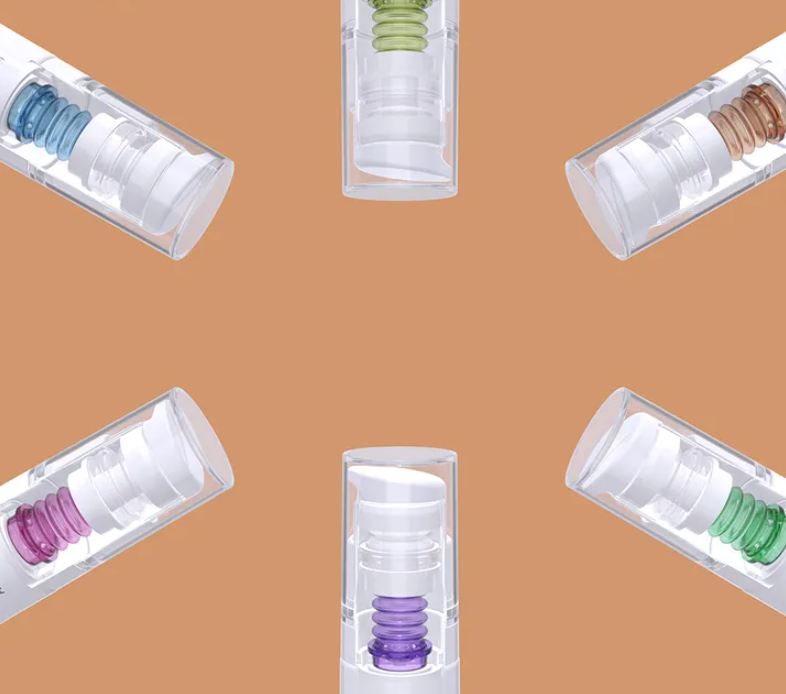
plastic spring
Topfeelpack’s corrosion-resistant plastic airless pumps
In the realm of airless pump technology, Topfeelpack has emerged as a pioneer with its innovative corrosion-resistant plastic airless pumps. These cutting-edge products address many of the challenges associated with traditional airless pump materials while offering enhanced performance and sustainability benefits.
Advanced Material Technology
Topfeelpack’s corrosion-resistant plastic airless pumps are engineered using state-of-the-art polymer blends. These materials are specifically designed to withstand exposure to a wide range of cosmetic and skincare formulations, including those with challenging pH levels or active ingredients that might typically cause degradation in standard plastic pumps.
Benefits of Corrosion-Resistant Plastic Pumps
The advantages of Topfeelpack’s innovative pumps include:
- Extended product shelf life: The corrosion-resistant properties ensure that the pump mechanism remains functional and hygienic throughout the product’s lifespan.
- Versatility: These pumps are suitable for a wide array of formulations, from water-based serums to oil-based creams.
- Lightweight design: The use of advanced plastics results in a lighter overall package, reducing transportation costs and environmental impact.
- Improved recyclability: By utilizing specialized plastics, Topfeelpack has created pumps that are more compatible with existing recycling streams.
Customization Options
Topfeelpack offers a range of customization options for their corrosion-resistant airless pump bottles, allowing brands to create packaging solutions that align with their unique identity and product requirements. These options include:
- Various bottle sizes and shapes
- Custom color matching
- Decorative finishes such as metallization or soft-touch coatings
- Integrated applicators for specialized product delivery
Sustainability Focus
In line with growing environmental concerns, Topfeelpack’s corrosion-resistant plastic airless pumps are designed with sustainability in mind. The company has invested in research and development to create pumps that not only perform exceptionally but also contribute to reducing the overall environmental footprint of cosmetic packaging.
By offering a durable, long-lasting solution that resists degradation, these pumps help minimize the need for frequent replacements, thereby reducing waste. Additionally, the compatibility of these pumps with recycling processes supports the circular economy principles that many brands are striving to adopt.
Industry Applications
Topfeelpack’s corrosion-resistant plastic airless pumps have found applications across various sectors of the beauty and personal care industry, including:
- High-end skincare lines
- Natural and organic beauty products
- Professional-grade cosmeceuticals
- Sensitive formulations requiring superior protection
These innovative pumps represent a significant advancement in airless packaging technology, offering brands a reliable, sustainable, and versatile solution for their product lines.
Conclusion
There is a vast array of alternatives when it comes to airless pump bottles categorized by material, and each has its own pros and downsides. The choices taken in the design of airless pumps have far-reaching consequences for product performance, user happiness, and environmental sustainability. These implications range from the durability debate between metal and plastic springs to the important influence of material choice on recyclability.
The development of airless pumps made of corrosion-resistant plastic by Topfeelpack is a giant leap ahead from the problems caused by more conventional materials. Topfeelpack is revolutionizing airless packaging by integrating cutting-edge polymer technology with an emphasis on customisation, sustainability, and efficiency.
When businesses team up with innovative companies like Topfeelpack, they have access to state-of-the-art technology and professional advice that may help them improve their packaging solutions. Topfeelpack has the knowledge and creativity to fulfill the demands of any skincare business, cosmetics company, or beauty shop creating their own line of products, whether they are seeking high-performance airless bottles, bespoke packaging solutions, or everything in between.
FAQ
1. What are the two most common plastic materials used for standard airless pump bottles, and what is a key feature of each?
The most common plastics are Polypropylene (PP) and Polyethylene Terephthalate (PET/PETG). PP is favored for its chemical resistance and affordability, while PET is preferred for its high clarity, offering a visual window to the product inside.
2. Which material is often chosen for high-end or luxury airless pump packaging, and what advantage does it offer?
Acrylic (or glass) is often chosen for luxury packaging. Acrylic provides a crystal-clear, high-gloss appearance that mimics glass but is lighter and more impact-resistant, giving the product a premium and substantial feel.
3. Why are mono-material airless pump bottles becoming popular in the cosmetic industry?
Mono-material bottles, typically made entirely of PP or PE, are growing in popularity because they simplify the recycling process. Having a single plastic type makes the entire package more easily recyclable, aligning with modern sustainability goals.
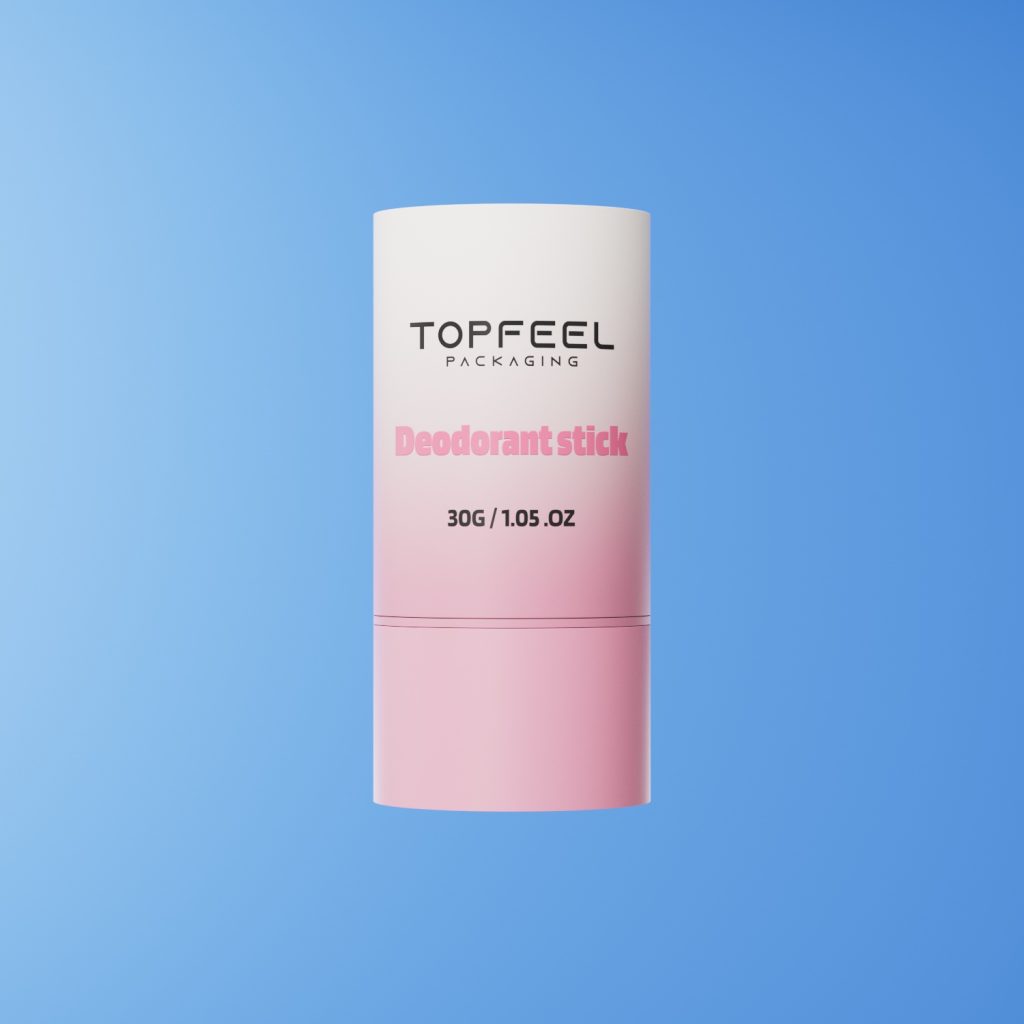
DB26 Mono PP Material Deodorant Stick Container
Find the Perfect Material: Custom Airless Pump Bottle Solutions by Topfeelpack
Would you want to upgrade your product packaging to include cutting-edge airless pump bottles? Discover the ideal solution for your business with the help of Topfeelpack’s skilled staff who will walk you through the selecting process. Success in the cutthroat beauty industry is within your reach with Topfeelpack’s speedy customisation, affordable price, and lightning-fast delivery dates.
Don’t let packaging limitations hold your products back. Contact Topfeelpack today at [email protected] to explore how our advanced airless bottles can enhance your product’s effectiveness, extend its shelf life, and align with your sustainability goals. Let’s create packaging that not only protects your formula but also reflects the quality and innovation of your brand.
References
- Johnson, A. (2023). “Advancements in Airless Pump Technology for Cosmetic Packaging.” Journal of Packaging Science and Technology, 45(2), 112-128.
- Smith, R. & Lee, K. (2022). “Comparative Analysis of Metal and Plastic Springs in Airless Pump Systems.” International Journal of Cosmetic Engineering, 18(4), 203-217.
- Garcia, M. et al. (2023). “Recyclability Challenges and Solutions for Multi-component Cosmetic Packaging.” Sustainable Packaging Review, 7(3), 78-95.
- Chen, L. (2022). “Innovations in Corrosion-Resistant Materials for Cosmetic Packaging.” Advanced Materials for Beauty Products, 11(1), 34-49.
- Thompson, E. & Brown, D. (2023). “Environmental Impact Assessment of Airless Pump Bottles in the Beauty Industry.” Green Chemistry and Sustainable Packaging, 29(6), 412-428.
- Patel, S. (2022). “Consumer Perceptions and Preferences in Luxury Cosmetic Packaging: A Global Survey.” International Marketing Review, 40(5), 289-305.

