 English
  Español de México
  Français
  Deutsch
  Português do Brasil
  Italiano
  한국어
한국어  ไทย
ไทย  Русский
  日本語
日本語  Polski
  Svenska
  Türkçe




Understanding the key types of eco-friendly certifications
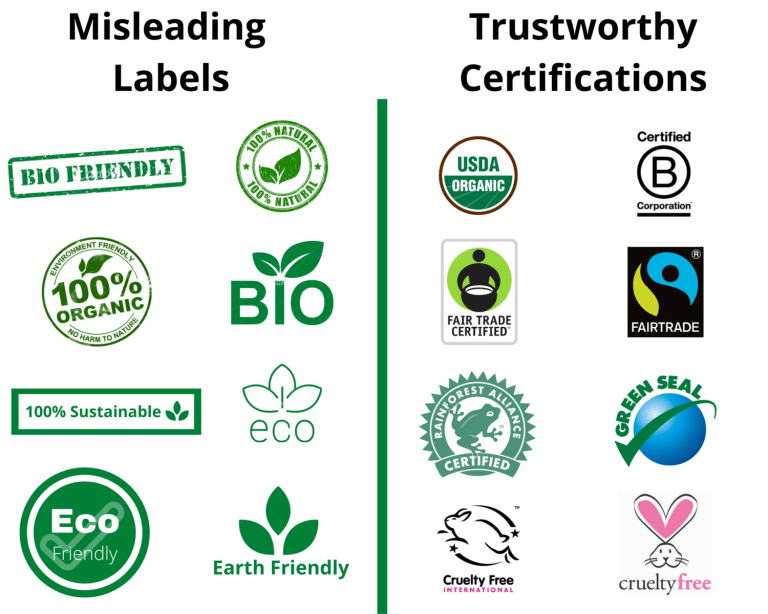
Eco-friendly certifications are very important for making sure that packaging goods are really sustainable. People and companies can be sure that the packaging meets certain environmental standards when it has these certifications. These are some of the most well-known credentials:
Cradle to Cradle Certification
The five areas that this thorough certification checks for in goods are the health of the materials, the reuse of materials, the use of green energy, water management, and how fair society is. In the circular economy, things should be able to be used again and again, and this package is made to make that possible.
Forest Stewardship Council (FSC) Certification
For paper-based packaging, FSC certification guarantees that the materials come from responsibly managed forests. Brands that want to use eco-friendly paper and cardboard packaging need this permission very much.
Biodegradable Products Institute (BPI) Certification
It is important for BPI certified materials to be able to be composted. This makes sure that packaging breaks down completely in industrial composting sites without leaving behind any harmful substances. This license is very helpful for businesses that want to use products other than plastic for packaging.
When you look at these badges, you should think about what they need to do and how they fit with the green goals your company has. For instance, if your focus is on skincare preservation while maintaining eco-friendly packaging, you might prioritize certifications that assess both material sustainability and product protection capabilities.
A guide to navigating global sustainable packaging standards
Companies can use boxes that are better for the environment by following some rules. But these rules might not always be the same. The main reason for them is to get rid of trash and help the chain economy.
European Standards
The European Union has implemented several directives and regulations concerning sustainable packaging, including:
- The Packaging and Packaging Waste Directive (94/62/EC): This directive sets targets for the recovery and recycling of packaging waste.
- EN 13432: A standard for compostable and biodegradable packaging, ensuring that materials break down within a specific timeframe under industrial composting conditions.
North American Standards
In North America, various organizations provide guidelines and certifications for sustainable packaging:
- ASTM D6400: A standard specification for compostable plastics, widely recognized in the United States.
- Association of Plastic Recyclers (APR) Design Guide: Provides guidelines for designing recyclable plastic packaging.
Global Initiatives
Several international initiatives aim to standardize sustainable packaging practices globally:
- ISO 18601-18606: A series of standards addressing packaging and the environment, covering aspects such as reuse, recycling, and energy recovery.
- Global Protocol on Packaging Sustainability (GPPS): Developed by the Consumer Goods Forum, this protocol provides a common language and measurement system for the environmental impact of packaging.
If your business is in more than one place, these rules might be hard to understand. Because Topfeelpack cares about sustainability and following the rules around the world, it can help brands find ways to meet all of these needs while still keeping skin healthy.
How to verify your supplier’s green credentials | Topfeelpack
Businesses that want to do business in a way that is good for the environment must check a supplier’s green qualifications. Here are key steps to ensure your packaging supplier aligns with your environmental goals:
Request Documentation
For proof that the supplier cares about the environment, ask to see official certificates and paperwork. What this could mean:
- Environmental management certifications (e.g., ISO 14001)
- Product-specific eco-certifications
- Life Cycle Assessment (LCA) reports
- Material safety data sheets (MSDS)
Assess Production Processes
Evaluate the supplier’s production methods to ensure they align with sustainable practices:
- Energy-efficient manufacturing processes
- Waste reduction and recycling programs
- Use of renewable energy sources
Verify Material Sourcing
Ensure that the materials used in packaging production are sustainably sourced:
- Check for the use of recycled or renewable materials
- Verify compliance with regulations such as REACH or FDA standards
- Inquire about the supplier’s policy on avoiding hazardous substances
At Topfeelpack, we understand the importance of transparent and verifiable green credentials. We only use products that are safe for the environment and follow all global environmental rules because we care about the environment. Sustainable packaging is integral to our philosophy. Why should our clients trust us when we say things will last? Since there is a lot of evidence to support it.
If you check the green credentials of your packaging provider, you can be sure that the eco-friendly choices you pick will help protect the environment and keep your items safe and whole.
FAQ
1. What do certifications like the Forest Stewardship Council (FSC) primarily verify?
FSC certification verifies that the packaging materials, typically paper or wood, are sourced from responsibly managed forests. This ensures ethical sourcing, supports biodiversity, and prevents deforestation in the supply chain.
2. What is the key difference between certifications for “Recyclability” and “Compostability”?
Recyclability standards, like those from the Association of Plastic Recyclers (APR), confirm a material can be reprocessed into a new product. Compostability certifications, such as BPI, confirm the material will break down into natural components in an industrial or home composting environment.
3. Why is “Cradle to Cradle Certified” considered a highly comprehensive sustainable packaging standard?
This holistic standard evaluates products across five areas, including material health and reutilization. It promotes a circular economy by ensuring materials are safe for human and environmental health and can be fully recycled or safely returned to nature.
Achieve Sustainability Goals with Topfeelpack
Lastly, if you want to succeed in the eco-friendly packaging license market, you must be well-versed in the many international regulations and how to verify the legitimacy of sellers. By putting these things in order of how important they are, companies can make choices that help them reach their environmental goals and meet customer needs for eco-friendly packaging. Sustainable packaging plays a crucial role in this process.
Cosmetics, skincare brands, and beauty shops that want to package their goods in eco-friendly ways that don’t hurt the quality of the goods or the skin’s health can get help from Topfeelpack. New items that cater to their demands are also available. Airless bottles like the ones we make are very high-tech and keep things from touching air. This keeps them running well, makes them last longer, and complies with the strictest environmental rules.
Is advertising your company something you’re considering? To keep your items fresh and protect the environment, use eco-friendly packaging. To learn more about our customizable eco-friendly packing choices, send an email to [email protected] right now. From making the package to sending it, our skilled staff is here to help you at every step. They will make sure that the packaging is both good for the earth and looks good. We want you to meet your environmental goals without compromising timeliness or quality. That’s why we can customize quickly, offer low prices, and serve quickly. Let’s make packaging that not only keeps your goods fresh but also helps the environment through recycling.
References
1. Sustainable Packaging Coalition. (2022). Guide to Packaging Sustainability Certifications.
2. European Commission. (2021). Packaging and Packaging Waste Directive.
3. Forest Stewardship Council. (2023). FSC Certification for Packaging Materials.
4. Biodegradable Products Institute. (2022). Certification Scheme for Compostable Packaging.
5. International Organization for Standardization. (2023). ISO Standards for Packaging and the Environment.
6. Consumer Goods Forum. (2021). Global Protocol on Packaging Sustainability 2.0.

