 English
  Español de México
  Français
  Deutsch
  Português do Brasil
  Italiano
  한국어
한국어  ไทย
ไทย  Русский
  日本語
日本語  Polski
  Svenska
  Türkçe

The Guide to Choosing Best Balm Stick Packaging Solutions
January 29,2026
There’s something oddly intimate about balm stick packaging—like the sleeve of your favorite record or the perfect to-go cup lid on a road trip. It’s gotta feel right, snap shut with purpose, and show off just enough charm to stand out in a crowded purse or shelf. For buyers sourcing at scale, though? It’s not romance—it’s math. Materials need to hold up under pressure (literally), costs have to be predictable, and the whole package better scream “on-brand” without screaming at your margins.
Most brands are walking a tightrope: airtight seals versus eco-friendly materials; child-resistant locks versus easy-open appeal; bulk pricing versus boutique vibes. The wrong tube can make a great product sit stale in storage—or worse—stay untouched by customers who judge by its cover.
Balm sticks may be tiny, but their packaging pulls some heavyweight moves in branding and logistics alike. Let’s unpack how smart design choices can save you more than cents—they might just sell your next million units.
Essential Features of Balm Stick Packaging Solutions
From freshness to flair, the way you package your balm stick makes a huge difference. Here’s what separates smart packaging from the forgettable kind.
Key characteristics of airtight hinged containers for balm sticks
✓ Keeps it fresh ✓ Stops leaks ✓ Built to last
- The airtight seal is what locks in the good stuff—moisture, scent, and texture—so nothing degrades over time.
- A sturdy hinged design means no lost caps rolling under furniture or into bags.
- Durable container material, like polypropylene or aluminum, handles drops and travel wear without cracking.
• No more greasy messes thanks to solid leak prevention features. • Smart dispensing mechanisms make it easy to apply product without waste.
These containers don’t just store—they protect your balm stick like a vault does gold.
Importance of child-resistant locking mechanisms in packaging
- Protection against accidental ingestion is non-negotiable—especially with flavored or scented formulas that kids might mistake for candy.
- A reliable locking mechanism meets strict safety benchmarks while still being adult-friendly.
- Packaging that meets regulatory compliance standards helps brands avoid costly recalls.
• Parents appreciate designs that combine sleekness with robust child safety functions.
→ Brands that prioritize this kind of thoughtful design build trust fast—and keep it.
Custom printed labels: Enhancing brand recognition and appeal
Let’s be real—your label is your first impression on the shelf or online scroll.
- Bold fonts + vibrant colors = instant visual grab
- Unique shapes and finishes = memorable branding
- Clear ingredient callouts = informed purchases
Grouped Impact Areas: • Custom labels help small brands stand out next to mass-market giants • Stronger brand recognition leads to repeat buys and word-of-mouth buzz • Eye-catching designs act as mini billboards for your product
Good label design isn’t fluff—it’s strategy wrapped around your balm stick packaging.
Size matters: Standard 5-gram tubes vs. compact travel-size containers
| Tube Type | Volume (g) | Portability Score | Best Use Case |
|---|---|---|---|
| Standard Tube | 5 | Medium | Daily home use |
| Travel-size Tube | 2–3 | High | On-the-go & pocket use |
| Jumbo Stick | 10 | Low | Long-term application |
| Sample Mini | <1 | Very High | Promotional giveaways |
Short takes: – Standard tubes are perfect for daily routines at home or work. – Smaller sizes? Ideal for pockets, purses, or TSA-friendly kits. – Offering both gives customers options—and options drive sales across different shopping moods.
Topfeelpack nails this versatility by offering customizable tube sizes that match how people actually live and move with their products every day.
Top Materials for Balm Stick Packaging
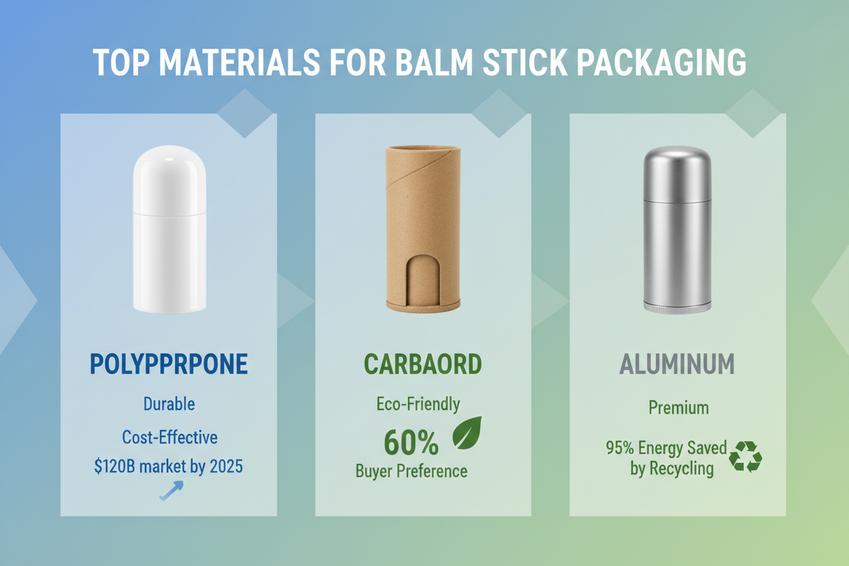
Let’s break down the top materials for balm stick packaging, each with its own vibe, perks, and eco footprint.
Polypropylene plastic containers: The versatile choice for balm sticks
- Durability: These bad boys can handle being tossed in bags or dropped without cracking. Perfect for on-the-go users.
- Lightweight: You barely feel them in your pocket.
- Cost-effective: Keeps production costs low without sacrificing quality.
- Design flexibility: Mold into any shape or color—seriously, the options are endless.
A recent report by Smithers Pira notes that polypropylene is expected to account for over $120 billion in global packaging demand by late 2025, thanks to its balance of strength and affordability.
Eco-friendly cardboard sleeves: Sustainable options for eco-conscious brands
Grouped by function and appeal:
• Biodegradable & compostable – These cardboard sleeves break down naturally, making them great for zero-waste goals. • Recyclable & renewable – Most are made from post-consumer paper or FSC-certified pulp. That’s a win for forests. • Natural aesthetic vibes – Earthy tones and matte textures scream “I care about the planet.”
Eco-aware shoppers are actively seeking out products with sustainable packaging. The Global Consumer Insights Survey by PwC in early 2024 found that nearly 60% of buyers preferred items wrapped in recyclable or biodegradable materials.
Aluminum twist-up tubes: Durability and design in balm packaging
Aluminum tubes aren’t just pretty—they’re practical too. Here’s why they’re killing it in the balm stick container game:
- They offer superior protection against UV rays and air exposure.
- The sleek metallic finish gives off a premium vibe customers love.
- With built-in twist-up mechanisms, these tubes make application smooth as butter.
- They’re endlessly recyclable—literally forever reusable metal.
According to data from the International Aluminium Institute, recycling aluminum saves up to 95% of the energy compared to producing it new.
| Feature | Plastic Tubes | Cardboard Sleeves | Aluminum Tubes |
|---|---|---|---|
| Recyclability | Medium | High | Very High |
| Cost | Low | Medium | High |
| Aesthetic Appeal | Moderate | Natural/Artisan | Premium |
| Protection Against Elements | Moderate | Low | Excellent |
Comparing material performance across climates
Quick rundown across different environments:
- Hot weather? Aluminum wins—no melting or warping.
- Humid places? Polypropylene resists moisture like a champ.
- Cold temps? All three hold up, but cardboard may get soggy unless coated.
Each material handles climate differently, so think about where your customers live when choosing your go-to format for balm stick packaging.
Why polypropylene dominates mass-market balm stick packaging
Here’s how this material keeps dominating shelves:
Step 1: It’s cheap to produce at scale—great margins all around. Step 2: Injection molding makes customization super easy. Colors, shapes—you name it. Step 3: Light shipping weight cuts down logistics costs big time.
That combo makes it ideal for brands pushing thousands—or millions—of units monthly.
Visual branding potential of cardboard sleeves
Short insights on visual impact:
• Earthy tones communicate natural ingredients instantly. • Matte finishes reduce glare under store lighting—great shelf presence! • Custom die-cuts add flair while staying eco-friendly.
These little design details help small brands stand out without breaking their green ethos—or budget.
How aluminum adds value beyond aesthetics
Grouped benefits that go beyond surface-level shine:
• Longevity – Metal doesn’t degrade like paper or plastic over time; perfect if customers stockpile their favorites. • Perceived luxury – Shoppers often associate metal with high-end skincare or cosmetics products, boosting perceived value instantly. • Twist-up ease – Built-in usability means fewer messes and better user experience overall.
So while upfront cost might be higher than other options, aluminum pays off long-term through brand loyalty and reduced returns due to damaged goods.
Choosing based on brand identity and consumer values
It really comes down to what you want your product to say:
If you’re all about affordability with wide reach? Go with polypropylene—it delivers consistent quality at scale without frills.
Want something earthy that screams “sustainable”? Cardboard fits that niche perfectly—it literally looks like it came from nature itself.
Trying to position yourself as luxe skincare royalty? Aluminum’s got you covered—it shines on shelves and feels solid in hand during use.
Each option speaks volumes through texture, weight, and look—even before consumers try what’s inside the tube of your next-gen lip balm stick package design strategy.
Comparative Analysis: Plastic vs. Paper Balm Stick Packaging
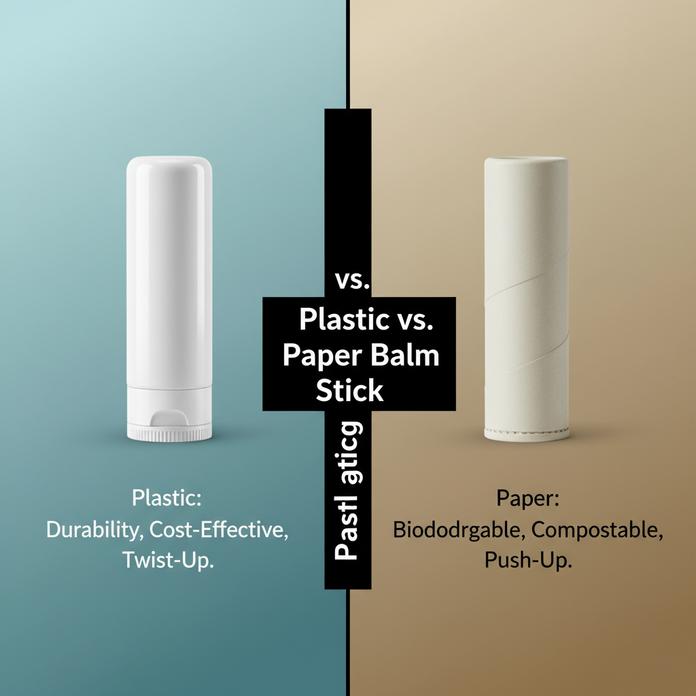
Quick peek into how plastic and paper stack up when it comes to balm stick packaging—durability, sustainability, and design all on the table.
Plastic balm stick packaging
Plastic-based balm stick containers bring a mix of function and flash—but they’ve got their tradeoffs:
- Durability is unmatched; these tubes handle drops, pressure, and travel like champs.
- The built-in twist-up mechanism makes application smooth and mess-free.
- A strong moisture barrier keeps formulas fresh longer, especially oil-heavy balms.
- Transparent or tinted finishes offer visibility—great for branding or color-coded variants.
- Made from various plastic polymers, they’re often more lightweight than metal alternatives.
- Mass production makes them highly cost-effective, especially for large-scale brands.
- But here’s the kicker—they’re still non-biodegradable, which raises eyebrows in eco-conscious circles.
Despite environmental concerns, many brands still go this route for its practicality. If you’re after sleek looks, long shelf life, and user-friendly features in your lip care line or solid perfumes, plastic might still be your go-to.
Paper balm stick packaging
Paper-based tubes are getting major love lately—and not just from zero-waste fans.
✔️ They’re made from sturdy paperboard material, giving them a tactile feel that screams “natural.” ✔️ Fully biodegradable and often sourced from a renewable resource, which cuts down on landfill guilt. ✔️ The simple but clever push-up mechanism avoids plastic parts entirely—just press the base to apply!
But let’s break it down further:
- These tubes are often lined with plant-based waxes to resist moisture—but not quite as effective as plastic at sealing out air.
- Their look? Rustic yet premium—a perfect vibe for indie skincare lines or organic lip balms.
- They’re fully compostable, making disposal easy-peasy for customers who care about trash impact.
Sure, paper doesn’t have the same lifespan as plastic—but that’s kind of the point. For small-batch makers or anyone wanting to align with green values without sacrificing charm, this option nails it.
Topfeelpack offers both styles—so whether you’re going green or going glossy, you’ve got choices that fit your brand vibe perfectly.
And yeah—we said “balm,” but these babies work great for deodorants and solid perfumes too. Just pick your tube wisely!
Cost-Effective Balm Stick Packaging Solutions for Small Businesses
Finding the right packaging strategy can seriously cut costs and boost your brand vibe—without skimping on quality or style.
Refillable container options: A sustainable approach for cost savings
Refillable packaging is more than just a green move—it’s a wallet-friendly win too. Here’s how small businesses are cashing in:
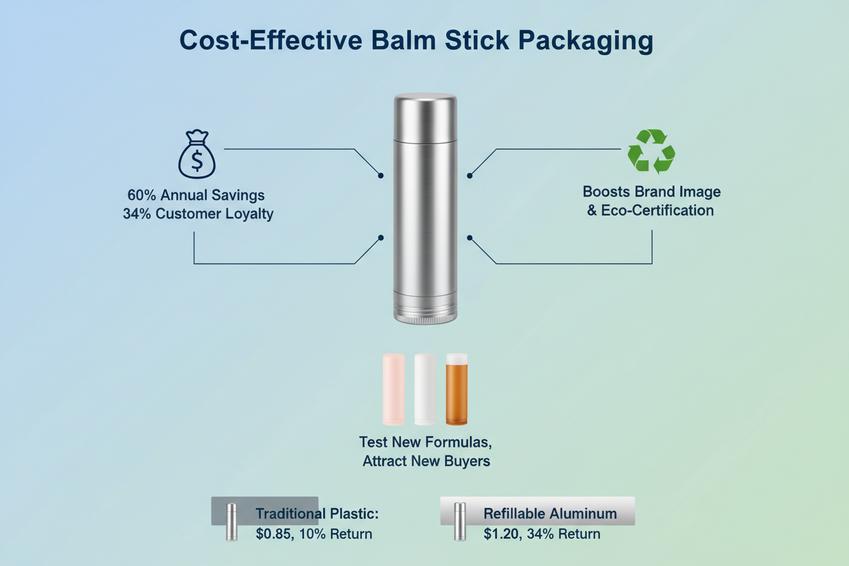
• Reduces recurring container purchases by up to 60% annually. • Encourages repeat customers through eco-conscious loyalty perks. • Cuts shipping volume and weight, trimming logistics costs.
By switching to refillable container options, brands can offer refill pouches or bulk balm stick refills, letting users top off their favorite product without tossing the tube every time. This not only appeals to eco-minded shoppers but also keeps overhead low—especially when paired with smart inventory planning from suppliers like Topfeelpack.
Benefits of reduced plastic usage initiatives in packaging
Small brands are getting loud about going light on plastic—and it’s paying off.
- Boosts brand image among Gen Z and millennial buyers who prioritize sustainability.
- Meets growing retailer demands for low-waste goods.
- Often qualifies products for eco-certification labels that increase shelf appeal.
Switching to eco-packaging made from sustainable materials like sugarcane resin or recycled cardboard doesn’t just reduce your footprint—it builds trust fast with modern consumers who want accountability baked into every purchase.
Exploring variety sample size packs for small-scale production
Want to test new scents or formulas without blowing your budget? Sample-size solutions are the secret sauce:
🔹 Great for limited-run drops and seasonal promos 🔹 Keeps production nimble while gauging real-time customer feedback 🔹 Ideal as freebies that hook first-time buyers
These compact formats let you explore multiple lines without committing big bucks upfront. Plus, offering cute little trial versions of your balm stick lineup helps spread awareness organically—like a mini billboard people carry around in their pockets.
[Table Included] Comparing Refillable vs Traditional Packaging Costs
Here’s a quick breakdown showing how reusable containers stack up against standard single-use tubes:
| Packaging Type | Avg Cost per Unit | Customer Return Rate (%) | Annual Waste Reduction |
|---|---|---|---|
| Traditional Plastic Tube | $0.85 | 10% | Low |
| Biodegradable Tube | $1.05 | 18% | Medium |
| Refillable Aluminum Case | $1.20 | 34% | High |
| Glass Jar + Spatula Kit | $1.35 | 29% | High |
Over time, investing slightly more upfront into eco-friendly design pays back through higher reuse rates and lower waste management expenses—plus it gives your brand serious street cred with conscious buyers shopping balm sticks today.
Short-run sample packs: The smart play for indie makers
Quick bursts of product testing? That’s where mini kits shine bright:
– Launch limited-edition flavors without overstock risks. – Use them as gift set add-ons during holiday spikes. – Offer them at pop-ups or markets as affordable entry points.
These bite-sized bundles don’t just stretch your marketing—they stretch your margins too, especially when produced using efficient small batches tailored to niche audiences exploring new self-care routines via compact balm stick packaging styles.
How refill systems drive loyalty and reduce churn
Step 1: Introduce stylish, durable starter containers branded with your logo. Step 2: Offer discounted refill pods or pouches online. Step 3: Set up auto-replenishment plans tied to customer usage cycles. Step 4: Reward return customers with exclusive scents or early access drops. Step 5: Promote user-generated content showcasing creative ways they reuse their cases.
This system turns simple balm stick purchases into ongoing relationships built around shared values—and long-term savings on both sides of the checkout page.
Mixing it up: Combining sustainability, sampling & smart design
It’s not either/or—you can roll all these tactics together:
• Launch a line using sleek, reusable aluminum tubes (sustainable containers) that look great on any dresser; • Pair each full-size item with trial-size minis (custom samples) bundled as “starter kits”; • Cut down on excess by ditching plastic liners inside boxes (waste reduction) while still keeping things secure; • Let loyal fans buy refills directly via QR codes printed on packaging—a move that saves space, time, and money all at once!
Today’s balm stick market rewards brands that think lean but act bold—and this blend of function + flair does exactly that without draining your budget dry.
FAQs about Balm Stick Packaging
What makes airtight hinged containers a trusted choice for balm stick freshness?
The magnetic snap of an airtight hinged container is more than just convenience—it’s the keeper of your balm’s soul.
- Seals in scent and softness with precision.
- Guards against dust, moisture, and eager fingertips.
- Works hand-in-hand with tamper-evident band seals for peace of mind in bustling retail shelves.
Why do child-resistant locking mechanisms matter to everyday users?
A lid that resists easy opening whispers safety without saying a word—particularly when little hands explore where they shouldn’t. These closures protect homes from accidents while making distribution packages compliant and trustworthy under large-scale supply demands.
Which materials bring beauty and durability together in balm stick packaging?
There’s drama in diversity: each material carries its own personality into your product line.
| Material Type | Character Trait |
|---|---|
| Polypropylene plastic containers | Lightweight fortitude for daily use |
| Aluminum twist-up tubes | Sleek luxury, durable shine |
| Eco-friendly cardboard sleeves | Warm eco appeal with brandable surfaces |
| Recycled PET bottles | Resilient transparency from past lives |
| Biodegradable paperboard boxes | Gentle biodegradation after service |
How can decoration styles transform bulk orders into shelf stoppers?
Visual poetry speaks before the balm touches lips:
- Custom printed labels add narrative to each twist-up tube.
- Hot foil stamping details glint like secrets waiting to be shared.
- Embossed logo designs raise tactile intrigue on refillable container options.
- Screen printed graphics wrap stories around opaque white containers or transparent clear bottles; assorted pastel shades entice on sight.
Do size variations really influence buyer connection at scale?
Yes—the way you measure makes buyers feel seen: Standard 5‑gram tubes fit routine rituals; compact travel-size containers slip neatly into pockets; oversized family-pack options invite group sharing; slimline pocket-friendly designs suggest spontaneity; variety sample size packs turn curiosity into loyalty across different cylindrical shaped tubes or oval shaped containers by offering choice without excess commitment.
References
- [Polypropylene Global Market Outlook – www.smithers.com]
- [PwC Global Consumer Insights Survey 2024 – www.pwc.com]
- [Recycling Aluminum Energy Savings – www.world-aluminium.org]

