 English
  Español de México
  Français
  Deutsch
  Português do Brasil
  Italiano
  한국어
한국어  ไทย
ไทย  Русский
  日本語
日本語  Polski
  Svenska
  Türkçe

What Materials are Used to Make Cosmetic Powder Jar?
January 29,2026
According to Mintel’s Global Packaging Trends Report, over 67% of American consumers say eco-friendly materials influence their buying decisions—but durability and design still top the list when it comes to cosmetics. The sweet spot? Something sturdy enough to toss in a gym bag but glam enough for an Instagram flat lay.
Picking the right jar is part science lab, part fashion show. You want something that speaks brand fluently while surviving shipping disasters and customer scrutiny alike.
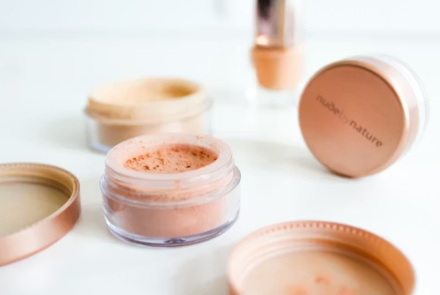
Types of Materials for Cosmetic Powder Jars
Every cosmetic powder jar needs the right material. From durability to aesthetics, the stuff it’s made from can make or break your product vibe.
Common materials used in cosmetic powder jars
You’ll find cosmetic powder jars crafted from a mix of materials—each with its own perks:
- Plastic – lightweight, affordable, and super versatile.
- Glass – sleek and upscale but can shatter if dropped.
- Acrylic – clear like glass but tougher; scratches more easily though.
- Metal – sturdy and sharp-looking, often used for luxury lines.
- Polypropylene (PP) – known for excellent chemical resistance.
- PET (Polyethylene Terephthalate) – clear and recyclable with decent strength.
- Bamboo – eco-friendly and trendy with a natural feel.
- Jars made from recycled content are gaining traction fast thanks to sustainability trends.
Each material sets a different tone—from earthy minimalism to high-gloss glam.
Comparing the durability of glass and plastic
When you stack up glass versus plastic, here’s how they go head-to-head:
- Glass has that luxe weight but cracks under pressure—literally.
- Plastic? It bounces back after drops, making it ideal for travel kits or clumsy hands.
- Glass feels premium but costs more in shipping because of its heft.
- Plastic wins on impact resistance—totally shatterproof, unlike fragile glass.
So if you’re aiming for elegance, go glass—but if you want something that survives purse chaos, plastic’s your MVP.
Factors influencing material choice for powder jars
Choosing what your jar’s made of isn’t just about looks—it’s also about function:
✦ Cost: Budget constraints often push brands toward plastics like PP or PET. ✦ Sustainability: Eco-conscious labels lean into bamboo or recycled plastics. ✦ Brand image: Want luxe vibes? Go metal or frosted glass. ✦ Durability: Products tossed into handbags need tougher builds—hello acrylic or PP! ✦ Recyclability & regulations: Some regions restrict certain plastics; compliance matters big time.
The perfect fit balances all these pieces without compromising product integrity—or customer love.
Advantages and disadvantages of different jar materials
Let’s break it down by material type so you can see what shines—and what might flop—for your next line of loose powders:
🟢 Glass • Pros: Elegant look, great barrier properties against air/moisture. • Cons: Heavy and prone to breakage during shipping or use.
🟢 Plastic (PP/PET) • Pros: Lightweight, durable, cost-effective, widely recyclable (recyclability, tick!). • Cons: Can feel “cheap” if not designed well; limited heat resistance.
🟢 Acrylic • Pros: Clear like glass without the fragility; holds shape well over time. • Cons: Scratches easily; not as eco-friendly as other options.
🟢 Metal & Bamboo • Pros (Metal): Strong branding impact and long-lasting build. • Pros (Bamboo): Biodegradable appeal + natural texture = sustainable chic! • Cons (Both): Higher production cost; bamboo may warp with moisture exposure.
Topfeelpack offers custom packaging for cosmetics across all these materials—so whatever your brand stands for, they’ve got a match waiting to be molded into your next best-selling powder container.
Glass vs. Plastic: Which Cosmetic Powder Jar to Choose?
Choosing between glass and plastic for your cosmetic powder jar isn’t just about looks—it’s about cost, function, sustainability, and brand perception. Let’s break it down.
Pros of using glass for cosmetic powder jars
Glass brings a certain elegance to the table—no doubt about that. Here’s what makes it shine:
- Premium aesthetic: Glass offers a sleek, high-end vibe that screams luxury.
- Chemical stability: It doesn’t interact with formulas, keeping contents pure.
- Recyclability: Eco-conscious consumers love its infinite recyclability.
- Durability over time: Though it can break on impact, glass resists scratches and wear better during storage.
- Product integrity: No leaching or unwanted absorption—what you put in stays exactly the same.
- Ideal for skincare powders or mineral blends that need protection from air and moisture.
If you’re targeting an upscale audience with your face powder or loose blush line, a glass pump bottle or cosmetic container might just be the perfect fit.
Benefits of lightweight plastic in packaging
When convenience meets cost-efficiency, plastic is hard to beat:
- Lightweight design means lower shipping fees and easier handling.
- It’s got serious breakage resistance, making it ideal for travel kits or handbags.
- Mass production is faster thanks to superior manufacturing efficiency, especially with injection molding tech.
- Brands save big on both raw material and logistics due to its overall cost-effectiveness.
- Plastic can still look good—modern finishes mimic frosted glass or even metal.
According to Mintel’s Packaging Trends Report from Q2 2024, nearly “68% of Gen Z shoppers prefer portable makeup packaging they won’t worry about dropping.” Clearly, plastic wins points for practicality in everyday use.
Price comparison: Glass vs. Plastic jars
If you’re producing thousands of units per month, switching from glass to plastic could cut costs by up to 40%. That said, budget isn’t everything—brand image matters too.
So if you’re launching a prestige skincare line with mineral-based setting powders or botanical-infused blushes housed in a luxe-feeling jar? The higher raw material costs of glass might pay off long-term through perceived value.
But if you’re scaling fast and want minimal breakage during e-commerce fulfillment? Plastic’s your go-to hero—especially for trendy refillable compact designs using recyclable polymers.
In short? Your choice between a glass or plastic cosmetic powder jar should balance brand identity with logistics—and knowing when each shines is half the battle.
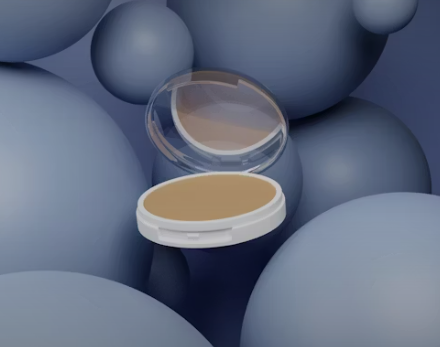
Eco-Friendly Materials in Cosmetic Packaging
Sustainable packaging is no longer niche—it’s the new normal for beauty brands trying to cut waste and boost eco creds.
Biodegradable options for cosmetic powder jars
Biodegradable materials are stepping up as go-to alternatives for traditional plastic in the world of cosmetic powder jars.
• PLA, or polylactic acid, is derived from corn starch and breaks down under industrial composting conditions—ideal for short-lifecycle products like refill pods. • PHA behaves like plastic but decomposes naturally even in marine environments. It’s pricey but promising. • Jars made from pressed bamboo fibers have become cult favorites among eco-conscious indie brands—they’re durable yet fully compostable.
◦ Also gaining traction are blends using starch-based polymers and recycled paper pulp, which offer lightweight yet sturdy builds perfect for loose powder jar containers.
Some companies now experiment with hybrid designs—think outer casing made of compressed mushroom mycelium, while the inner tray uses biodegradable plastics like cellulose acetate.
In short, these materials offer more than greenwashing—they’re functional, scalable solutions helping phase out petroleum-based packaging across every kind of makeup jar or pot.
The rise of recycled materials in packaging
Recycled content isn’t just about saving face—it’s about rethinking the whole lifecycle of your favorite beauty buys.
- ♻️ Brands are increasingly opting for post-consumer resins like PCR plastic, especially when producing lids and sifters for pressed powder jars.
- ♻️ Transparent containers made with high-grade rPET mimic virgin PET visually but slash carbon output by over 60%.
- ♻️ High-end lines often turn to sleek, weighty vessels crafted from recycled glass, giving both a premium feel and sustainability edge.
- ♻️ Lightweight closures now incorporate up to 80% recycled aluminum, ideal for screw-top components on refillable compact cases.
- ♻️ Even polypropylene (PP) gets a second life as brands adopt more refined forms of rPP, especially useful for hinges or locking mechanisms.
| Material Type | Common Use Case | Recycled Content (%) | CO₂ Reduction vs Virgin |
|---|---|---|---|
| rPET | Jar bodies & transparent lids | Up to 100% | ~60–70% |
| Recycled Glass | Luxury jar bases | Around 90% | ~30–50% |
| PCR Plastic | Lids & sifters | Varies (50–100%) | ~40–60% |
| Recycled Aluminum | Closures & caps | Up to 80% | ~75–85% |
The shift toward these circular materials doesn’t just reduce landfill—it also cuts emissions upstream during production. As more consumers demand transparency and low-impact design, expect recycled elements to show up not just outside your favorite compact but inside its very core too—even the humble sifter disc in a loose powder case with mesh pot might soon be reborn plastic.
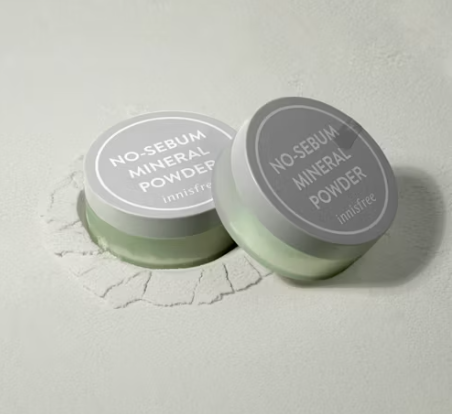
Innovative Designs: Enhancing Functionality of Powder Jars
From smarter sealing to personalized looks, today’s cosmetic powder jar isn’t just a container—it’s a statement. Here’s how innovation is reshaping the game.
Smart closure mechanisms for powder jars
Cosmetic powders need protection from moisture, contamination, and accidental spills. These smart closures aren’t just clever—they’re essential.
- Air-tight seals keep formulas fresh by blocking out humidity.
- Twist-lock mechanisms prevent messy leaks in your bag or drawer.
- Magnetic closures offer a sleek feel while ensuring secure shut.
| Closure Type | Protection Level | Reusability | User Convenience |
|---|---|---|---|
| Air-tight Seal | High | Yes | Moderate |
| Twist-lock Mechanism | Medium | Yes | High |
| Magnetic Closure | Medium | No | Very High |
| Automatic Dispensing | Very High | Yes | Very High |
These upgrades aren’t just bells and whistles—they’re part of what makes modern-day powder jars so travel container for powder friendly and user-approved.
Stylish yet practical designs in the cosmetic industry
Looks matter—but not at the cost of usability. Today’s top-tier cosmetic powder jar designs strike that rare balance between fashion and function.
• You’ll spot more ergonomic shapes, letting users grip with one hand while applying on-the-go. • Brands are turning heads with bold but minimal profiles—think matte finishes paired with sharp lines. • Portable formats are booming; compact sizes now come with full-size features inside.
Some use refillable cores tucked inside elegant casings—great for reducing waste without skimping on aesthetics. Others blend luxury aesthetics like metallic foils or soft-touch coatings with durable materials like PET-G or glass composites.
It’s also common to see packaging that fits neatly into vanity drawers or makeup bags thanks to its space-saving design. These sleek innovations mean your favorite setting powder won’t hog all the room—or clash with your vibe.
Customization trends in cosmetic powder jar designs
Personalized packaging has gone from niche to necessary—and it’s changing how people connect with their favorite beauty brands.
Short-run production allows for highly specific branding options: • Custom-molded shapes tailored to brand identity • Color palettes based on seasonal campaigns or influencer collabs
For consumers, personalization means more than just initials—it includes:
• Swappable lids or trays via modular components • Collectible versions featuring limited-edition art • Engraved names via laser-cutting tech (personalized engraving)
According to Mintel’s 2024 Beauty Packaging Trends report, “60% of Gen Z consumers say they’re more likely to recommend a product if it feels personally designed.” That stat alone explains why customization isn’t optional anymore—it’s expected.
FAQs about Cosmetic Powder Jar
1. What materials define a cosmetic powder jar’s quality and personality?
A good jar feels like part of the brand story—solid in hand, clear in intent.
- Glass: cool weight, glimmering transparency, eco-smart recycling cycle.
- Plastic (PET / PP): light on shipping cost; tested for drops and long hauls.
- Acrylic: bright luxury look that dances with studio lights but marks easily over time.
2. How do glass jars measure up against plastic ones in daily durability?
When dropped, glass remembers; when packed tight for travel, plastic forgives.
| Aspect | Glass | Plastic |
|---|---|---|
| Feel & Look | Premium clarity | Modern minimal shine |
| Resistance to Impact | Fragile under shock | Survives stacking & transport |
| Weight Influence on Freight Cost | High shipping fees | Lighter logistics load |
3. Why are brands shifting toward eco-minded packaging choices?
It’s not just marketing talk—it’s consumer emotion meeting environmental action.
• Using recycled PET or repurposed glass cuts new waste streams.
• Bamboo lids and biodegradable shells whisper natural authenticity.
4. What elements affect pricing when purchasing cosmetic powder jars in bulk?
Cost trembles between beauty and practicality:
① Raw material category (glass demands heat; plastics need molds).
② Shipping miles add their own weight taxes.
③ Finishing touches—frosted coats or logo embossing—tighten margins yet lift brand prestige slightly higher than just numbers allow.
5. Which modern features catch buyers’ attention during custom sourcing?
Small mechanisms can change everyday use into quiet delight:
★ Airtight rings lock freshness inside fine powders longer than expected timeframes.
★ Twist-out bases give fingertip control instead of messy dips.
★ Magnetic closures make one-handed touch feel theatrical at vanity tables.
References
[Polypropylene Chemical Compatibility Chart – https://www.calpaclab.com/polypropylene-chemical-compatibility-chart/]
[Cosmetic Packaging Regulations – https://www.fda.gov/cosmetics/cosmetic-products-ingredients/cosmetic-packaging]
[Recycled Plastic Content Priorities – https://plasticsrecycling.org/tools-and-resources/policy-hub/policy-priorities/recycled-plastic-content-requirements]

