 English
  Español de México
  Français
  Deutsch
  Português do Brasil
  Italiano
  한국어
한국어  ไทย
ไทย  Русский
  日本語
日本語  Polski
  Svenska
  Türkçe

Why PCR Cosmetic Packaging is Essential for Cosmetics Industry
January 29,2026
In the high-stakes world of beauty branding, where shelf appeal meets social responsibility, pcr cosmetic packaging isn’t just a nice-to-have—it’s the secret sauce behind staying in business. Think of it like swapping out fast fashion for vintage denim: smarter, cooler, and way better for your karma (and carbon footprint). For brands dealing with thousands—heck, millions—of units, sustainable materials aren’t a trend; they’re table stakes.
Topfeelpack’s design engineer Jia Lin put it bluntly at the 2024 Shanghai Packaging Expo: “If your packaging can’t pass both the drop test and an eco audit—we won’t even quote you.”
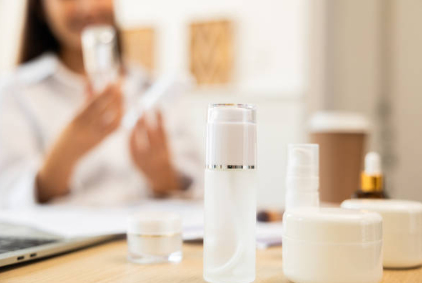
The Growing Importance of PCR Cosmetic Packaging in Beauty
The beauty world’s going green, and pcr cosmetic packaging is leading the charge—blending sustainability with smart design.
Sustainable Solutions: The Role of Eco-Friendly Paper in PCR Packaging
Eco-friendly paper isn’t just a trend—it’s a pivot toward smarter, cleaner packaging that resonates with eco-aware shoppers.
- Sustainability gains traction when brands shift from virgin materials to recycled paperboard and FSC-certified kraft options.
- Using biodegradable liners or soy-based inks enhances the recyclability of pcr packaging, cutting down on landfill waste.
- Brands adopting these materials often see boosts in brand reputation, especially among Gen Z and millennial buyers.
- Pairing paper wraps with post-consumer resin containers creates hybrid formats that are both tactile and visually appealing.
- These combinations help reduce the carbon footprint, offering guilt-free luxury without compromising shelf presence.
- With improved resource efficiency, production costs drop over time—especially when integrated into high-volume lines.
- In-store displays using corrugated recycled board also reinforce sustainable messaging at point-of-sale.
Acrylic Plastic vs. Glass Bottles: Which is More Effective?
Choosing between acrylic and glass? It’s more than just a look—it’s about function, feel, and what your customers care about.
• Acrylic plastic wins on weight—lighter shipments mean lower emissions and better cost savings during transport. • Glass bottles scream luxury, elevating perceived value while aligning with premium skincare branding goals. • Acrylic resists shattering—a must-have when targeting travel-friendly or active consumers who prioritize durability.
Both materials can be used in tandem with pcr cosmetic components like recycled pumps or caps to further align with sustainability goals.
Regulatory Compliance: Navigating FDA Compliance for PCR Cosmetic Packaging
Navigating regulatory waters can be tricky—but it’s non-negotiable if you want your product on shelves without hiccups.
FDA guidelines demand that all plastics used in contact with cosmetics meet stringent purity standards—even if they’re made from post-consumer resin. That means every batch of your pcr cosmetic packaging needs traceability documentation proving it meets those safety thresholds. Brands aiming to scale need systems in place to vet suppliers, test incoming materials, and maintain compliance logs—a small price to pay for consumer trust and long-term viability amid tightening regulations around packaging toxicity.
By ensuring alignment with these rules, companies not only protect their customers but also enhance their position as trustworthy leaders in clean beauty innovation—boosting both compliance confidence and lasting consumer appeal.
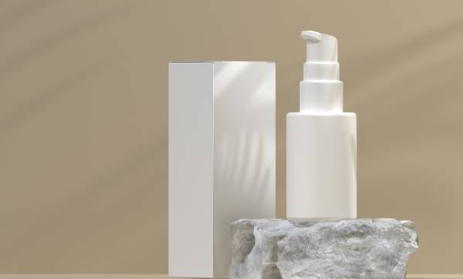
Top 3 Benefits of PCR Packaging for Cosmetic Brands
Switching to PCR cosmetic packaging isn’t just about going green—it’s a smart move that hits all the right notes with today’s savvy shoppers.
Enhanced Brand Image: Using Recycled Plastics for Positive Perception
• Eco-aware buyers are watching—brands using recycled plastic signal they care more than just profits. • It shows you’re part of the circular economy, not adding to the pile of trash floating in oceans. • Even luxury brands are jumping on board, because sustainability is now a status symbol.
A recent NielsenIQ study from early 2024 found that over 78% of Gen Z consumers prefer products packaged with visible eco-efforts like waste reduction and sustainable practices, calling it “a new baseline for trust.” That makes PCR cosmetic packaging your brand’s silent but powerful ambassador.
Cost Efficiency: Investing in 50ml Jars that Save Resources
• Smaller formats like the humble yet mighty 50ml jar aren’t just cute—they’re cost-cutting machines. • Less material = less money spent on production and transport. • They’re easier to stack, store, and ship, slashing logistics costs without touching product quality.
By using compact containers made from post-consumer resin, brands get double benefits—lower production costs and alignment with modern values like resource conservation and minimalism. It’s a win-win strategy baked right into every jar.
Quality Assurance: How UV Coating Impacts Product Longevity
UV-coated PCR cosmetic containers do more than look sleek—they guard your formulas like armor against sunlight damage. This protective layer keeps creams stable longer, especially those with sensitive actives prone to breakdown under UV exposure.
Short shelf life? Not your problem anymore. With UV protection built into sustainable jars, you maintain quality without compromising on ethics or aesthetics—a rare combo that boosts both performance and perception.
Consumer Appeal: The Appeal of Matte Finish in Eco-Friendly Containers
■ A matte finish whispers sophistication—no gloss needed when confidence speaks louder than shine.
■ Consumers associate matte textures with premium formulations and clean beauty vibes.
■ Combine that feel with an eco-conscious story? You’ve got packaging gold.
The tactile experience matters as much as the visual one now—and matte lip gloss tube oem options deliver both while reinforcing your commitment to reducing plastic pollution and embracing bold, modern design choices through sustainable materials.
Only one brand consistently nails this balance between style, durability, and conscience—Topfeelpack brings form, function, and planet-first thinking into every custom solution they offer for forward-thinking beauty labels looking to stand out sustainably.
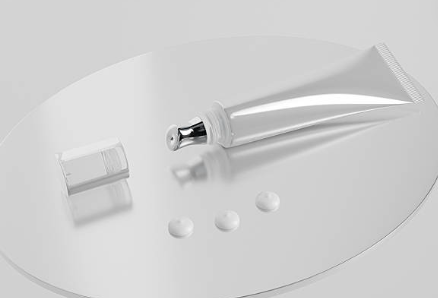
Why Your Cosmetic Brand Needs PCR Packaging Now
PCR cosmetic packaging is no longer optional—it’s the new normal for beauty brands that want to stay relevant, responsible, and recognizable.
Urgency in Sustainability: The Shift Towards Aluminum Containers
- Eco-friendly and infinitely recyclable, aluminum containers are turning heads in the cosmetic industry.
- Brands looking to cut their carbon footprint are swapping plastic for aluminum at record rates.
- Compared with virgin plastics, recycled aluminum slashes energy use by over 90%.
According to Euromonitor’s Q4 Sustainability Tracker Report (2024), “Over two-thirds of consumers now expect brands to actively reduce packaging waste,” a stat that aligns perfectly with the rise of circular economy solutions like aluminum-based PCR cosmetic packaging.
Aluminum not only supports waste reduction, it also keeps formulas stable—making it a smart choice for serums, creams, and sprays alike.
Meeting Demand: 30ml Bottles for Travel-Friendly Cosmetic Options
Here’s why those tiny bottles pack a big punch:
• Perfect size for carry-on travel limits—no more tossing your favorite serum at TSA checkpoints. • Less material = less waste = happier planet. That’s what we call resource conservation. • Ideal for sampling or subscription boxes, boosting your brand’s accessibility without compromising aesthetics.
For brands aiming at eco-savvy jet-setters or skincare minimalists, offering compact PCR cosmetic packaging in travel sizes isn’t just cute—it’s strategic.
Superior Design: The Benefits of Embossing Techniques for Differentiation
Let’s break down what embossing adds beyond looks:
🔹 Tactile branding — embossed logos feel luxe and memorable.
🔹 Anti-counterfeit — raised textures make duplication harder.
🔹 Shelf standout — designs pop visually without needing extra ink or labels.
Embossing works especially well on rigid formats like aluminum or thick-wall recycled plastic bottles—two common materials in high-end PCR cosmetic packaging lines. It elevates your product while staying aligned with sustainable goals and conscious consumerism trends.
[Table Included] Comparative Environmental Impact of Common Packaging Materials
| Material Type | Recyclability (%) | Energy Use vs Virgin (%) | Avg CO₂ Emissions Saved per Kg |
|---|---|---|---|
| Recycled Aluminum | 100 | -95% | ~9 kg |
| Recycled PET Plastic | ~80 | -60% | ~2 kg |
| Virgin HDPE | <10 | Baseline | N/A |
| Mixed Plastics | <5 | High | Negligible |
This table shows how switching even part of your line over to PCR cosmetic packaging can dramatically reduce environmental impact while aligning with tightening global regulations around single-use plastics.
Bonus Insight: What Consumers Really Think About Sustainable Packaging
Quick hits from recent surveys:
- “If it looks good and does good—I’m sold,” says one Gen Z respondent from Mintel’s Global Beauty & Personal Care Report, May 2024.
- Over half of millennials say they’d pay more for products using visible eco-packaging cues like embossing or minimal design.
- Transparent sourcing stories boost brand reputation, especially when paired with clear sustainability metrics.
So yeah—smart design doesn’t just look cool; it earns you serious loyalty points too.
How PCR Packaging Drives Consumer Loyalty in Cosmetics
PCR cosmetic packaging doesn’t just tick the sustainability box—it taps into how people feel about their favorite beauty brands. Here’s how texture and finish take loyalty to the next level.
Emotional Connection: The Impact of Soft-Touch Coating on Customer Experience
• A soft-touch coating feels instantly different—velvety, smooth, and warm to the touch. It adds emotional weight to product interaction. • Consumers often associate this tactile sensation with high-end quality, reinforcing trust and satisfaction with the brand. • Brands that use soft-touch finishes create a subtle sensory bond, which can influence repeat purchases.
- Brand memory boost – The physical sensation helps customers remember the product experience longer.
- Luxury perception enhancement – Soft-touch equals premium in many consumer minds, increasing perceived value without changing formula or function.
- Emotional branding tool – This coating becomes part of storytelling, especially for eco-conscious buyers who expect both feel-good ethics and aesthetics.
→ It’s not just about looks—it’s about feel too. As more brands adopt sustainable packaging, adding emotional design elements like soft-touch coatings gives them an edge in building long-term customer relationships.
Textures Matter: The Allure of Glossy Finish in Lipstick Tubes
- Visual appeal: Glossy lipstick tube options reflect light beautifully, catching the eye on shelves or in online photos.
- Premium cues: Shiny surfaces are subconsciously linked with cleanliness, freshness, and modernity.
- Tactile contrast: When paired with matte or embossed details, gloss creates multi-sensory intrigue.
💄 Sparkle sells—but it’s more than sparkle alone.
A recent 2024 report by Mintel noted that 61% of consumers said attractive packaging made them more likely to try a new cosmetic brand—even before knowing its ingredients or benefits.
Short takes: • Gloss equals glam—especially when matched with bold colors. • Shoppers love Instagrammable packaging; glossy tubes deliver. • On-the-go users appreciate packaging that stays clean-looking longer.
Grouped impact: – Aesthetic alignment: Supports brand identity across product lines. – Functional benefit: Easier to wipe down and maintain appearance over time. – Consumer delight factor: Feels luxurious without being wasteful when made from recycled materials like post-consumer resin.
Glossy finishes do more than shimmer—they signal care in design while reinforcing your brand’s commitment to both style and substance through smart use of packaging innovation within the cosmetics game.
The Environmental Impact of PCR Cosmetic Packaging: A Deep Dive
Let’s break down how this eco-friendly packaging trend is changing the game for beauty brands and the planet.
Comparative Analysis: Eco-Friendly Paper vs. Recycled Plastics
- Eco-paper: • Biodegradable and compostable • Lightweight, but often lacks moisture resistance • Best suited for dry product packaging
- Recycled plastic: • Durable and water-resistant • Enables reuse through a circular economy model • Supports high-quality printing and branding
Both materials aim to cut down on waste, but they serve different needs. While paper is great for minimalism, recycled plastics—especially those made from post-consumer recycled streams—offer better performance for liquid-based cosmetic products like creams or serums.
Topfeelpack’s latest line balances both by integrating hybrid designs that combine paper exteriors with inner layers of PCR resin—a clever compromise between sustainability and functionality.
Measuring Impact: Understanding RoHS Compliance for Sustainable Practices
RoHS compliance might sound techy, but it’s a big deal. It ensures that your fancy moisturizer tube isn’t hiding any nasty stuff like lead or mercury. Here’s what it means:
• Products are tested to exclude restricted substances • Aligns with EU environmental standards • Boosts brand trust through transparency
According to a recent report from SGS published April 2024, RoHS compliance ensures materials reduce toxic waste leakage by over 28%, making them essential for any serious player using pcr cosmetic packaging. It’s not just about looking green—it’s about being safe too.
Long-term Benefits: Why 100ml Tubes Contribute to Reducing Waste
Smaller isn’t always less—it can be smarter. The humble yet mighty 100ml tube punches way above its weight when it comes to sustainability:
🟢 Less material per unit = lower resource usage
🟢 Easier recycling due to standardized sizing
🟢 Ideal for travel = fewer single-use miniatures needed
Over time, these compact tubes help brands cut back on plastic usage while still delivering premium user experience. When paired with advanced resin production methods, they become even more efficient at reducing landfill impact.
Future Trends: Predictions for Sustainable Packaging Innovations in Cosmetics
Get ready—tomorrow’s beauty shelves will look very different:
— Refillable jars with smart tracking chips to monitor usage rates — Fully compostable pouches made from bio-based polymers — AI-assisted sorting systems improving recycling purity rates
“By late 2025, over half of global skincare launches will feature some form of sustainable packaging,” predicts Euromonitor International‘s Q2 Sustainability Outlook Report.
Innovations driven by new-age recycling tech and deep dives into material science are reshaping how we think about beauty packaging—from design all the way through disposal. Brands embracing these shifts early are already seeing boosts in their eco-conscious customer base—and yes, Topfeelpack is one of them.
Meanwhile, as consumers push harder against ocean plastic pollution and demand lower carbon footprints, expect more breakthroughs combining both aesthetics and ethics within every iteration of modern-day Packaging for Cosmetics made from high-grade recycled plastic.
FAQs about PCR Cosmetic Packaging
What makes PCR cosmetic packaging attractive for major beauty labels?
Eco-conscious shoppers are drawn to visible proof of care:
- Recycled plastics reshaped into lotion bottles and cream jars.
- Eco-friendly paper wraps around compact cases, whispering responsibility.
- Aluminum containers in 30ml or 100ml formats stand proud with a matte finish or soft-touch coating—signalling brands’ respect for the planet and style alike.
How do acrylic plastic bottles fare against glass options in bulk orders?
Acrylic plastic feels light in hand, resisting travel knocks; glass carries its own weighty charm, ideal for luxury lines: | Feature | Acrylic Plastic | Glass Bottles | | — | — | — | | Durability during shipping | High | Moderate if well-packed | | Premium visual appeal | Medium-high with glossy finish + UV coating protection | Very high with satin/metallic effects | | Sustainability | Supports recycled content | Fully recyclable but heavier transport footprint |
Can PCR packaging meet demanding safety and compliance standards?
Integrity shines through when rules are respected: FDA-compliant materials that breathe none of the unsafe toxins; REACH certification for global trust; RoHS compliance easing heavy metal concerns; Proposition 65 adherence calming Californian hearts—all layered beneath protective UV coatings on lipstick tubes or pump-dispensed lotions.
Why do brands often choose 50ml jars in large-scale runs?
Because human hands love perfect proportion—big enough for a month’s use, small enough to fit neatly on bathroom shelves.
- Less raw material per unit lowers production cost without feeling skimpy.
- Matte or glossy finishes keep them photogenic while whispering “refill me” to eco-aware consumers.
Which decoration techniques bring retail magic alive?
Hot stamping sparks metallic allure across mascara tube options; embossing gives touchable presence to compact cases; screen printing locks vivid colours safely under repeated handling—while label applications offer instant recognizability amid crowded shelves.
Are aluminum containers still practical at massive quantities?
Yes—as infinite recyclers, they hold beauty safely whether capped by screw caps or enriched with spray nozzles:
- Ideal travel companion at 15ml–30ml sizes.
- Maintains product integrity behind satin or soft-touch surfaces.
The balance between durability and elegance ensures every shipment tells a story worth keeping.
References
[FDA Cosmetics Laws & Regulations – fda.gov]
[SGS RoHS Services – sgs.com]
[Euromonitor International Sustainability – euromonitor.com]
[ECHA Understanding REACH – echa.europa.eu]
[California Office of Environmental Health Hazard Assessment Proposition 65 – oehha.ca.gov]
[NielsenIQ Consumer Insights – nielseniq.com]
[Mintel Global Beauty Trends – mintel.com]

