 English
  Español de México
  Français
  Deutsch
  Português do Brasil
  Italiano
  한국어
한국어  ไทย
ไทย  Русский
  日本語
日本語  Polski
  Svenska
  Türkçe

Is Sustainable Aluminium Packaging the Eco-Friendly Choice You Need 2026?
January 16,2026
By 2026, sustainable aluminium packaging isn’t just checking a box—it’s your backstage pass to the big leagues of eco-conscious beauty. Why? Because aluminum doesn’t just look sharp on the shelf; it’s got street cred. Lightweight like a feather but tough as nails, endlessly recyclable without losing its cool. Big brands aren’t asking “why switch?” anymore—they’re asking “how fast can we make the jump?”
Thing is, plastic’s falling out of favor faster than last season’s lipstick shades. Customers are peeking behind the curtain now—asking what their favorite bronzer comes wrapped in before they swipe that credit card. If you’re sourcing at scale and still juggling glass and plastic? That ship sailed three trends ago.
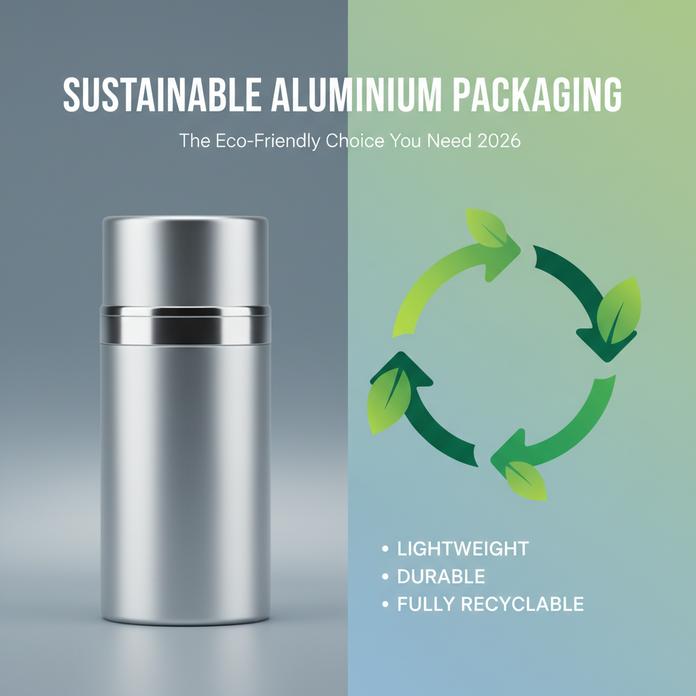
Essential Insights on Sustainable Aluminium Packaging
➔ Key Feature: Sustainable aluminium is lightweight, durable, and fully recyclable, making it an ideal choice for eco-friendly packaging solutions.
➔ Environmental Impact: Choosing sustainable aluminium packaging significantly reduces carbon footprints compared to traditional materials, aligning with modern sustainability goals.
➔ Innovative Options: The rise of refillable palettes and reusable designs in aluminium packaging promotes a circular economy in the cosmetics industry, substantially reducing waste.
➔ Comparative Advantage: When comparing sustainable aluminium to glass and plastic options, aluminium stands out for its lightweight nature and recyclability, enhancing transport efficiency while minimizing environmental impact.
What Is Sustainable Aluminium Packaging?
Sustainable aluminium packaging blends smart material use with eco-conscious design—lightweight, endlessly recyclable, and seriously efficient.
Understanding Sustainable Aluminium: Key Features and Benefits
- Lightweight performance: Sustainable aluminum is impressively light, cutting down on shipping emissions while making handling easier for consumers and retailers alike.
- Durability that lasts: It resists corrosion, dents, and leaks—making it ideal for long shelf lives without compromising quality.
- Full recyclability: Unlike many mixed-material options, this type of packaging can be recycled again and again without losing its core properties.
- Resource efficiency: Its production uses less material to achieve the same level of protection compared to glass or plastic alternatives.
- Consumer appeal: People are increasingly choosing products with eco-friendly packaging, especially when it’s clearly labeled as recyclable or made from post-consumer content.
- Environmental advantages: It lowers landfill waste and supports a circular economy model through reuse loops.
The combo of high strength-to-weight ratio and infinite recyclability makes it a go-to option for brands trying to cut their carbon trail while keeping things slick.
Sustainable Aluminum: A Look at Eco-Friendly Production Processes
Aluminum production isn’t what it used to be—it’s getting cleaner fast.
• Smelting today often taps into renewable energy, like hydroelectric power, slashing the fossil fuel demand that once defined the process. • Many manufacturers now prioritize responsible sourcing, ensuring bauxite is mined with respect for ecosystems and local communities.
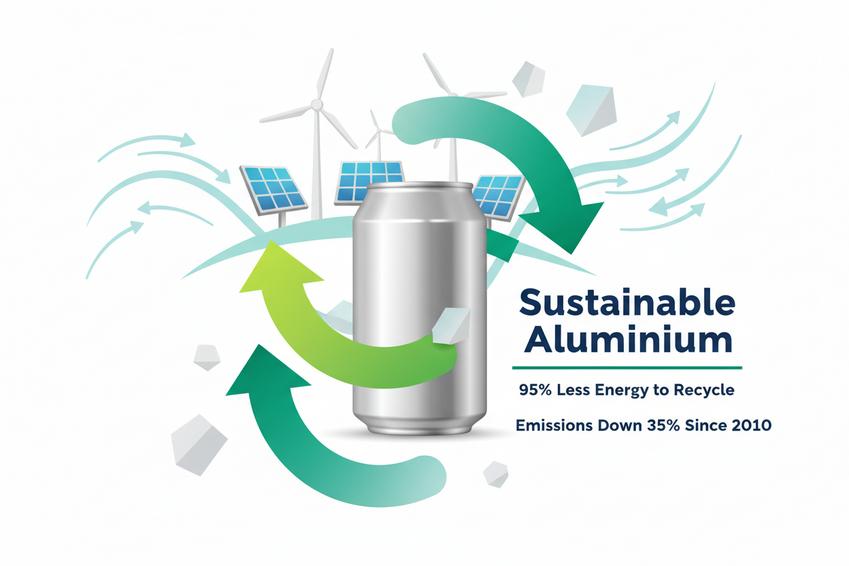
According to the International Aluminium Institute’s latest report from early 2024, producers using low-carbon technologies have already cut average emissions by over 35% since 2010—a major leap toward truly green manufacturing.
- First comes bauxite extraction—ideally from certified sustainable mines.
- Then refining into alumina takes place using energy-efficient systems.
- Smelting uses inert anodes or clean electricity sources to reduce CO₂ output.
- The final stage involves shaping into sheets or cans with minimal waste.
All these steps are stitched together by one goal—achieving a lower overall carbon footprint, while still delivering top-tier packaging functionality.
Exploring Recyclable Materials: The Role of Aluminum in Environmental Responsibility
Aluminum is the MVP when it comes to recycling—and here’s why:
♻️ It’s got what you call “infinite recyclability“—meaning it doesn’t degrade no matter how many times it’s reused.
♻️ Thanks to strong global infrastructure around aluminum recycling, more than 75% of all aluminum ever produced is still in use today.
♻️ In terms of energy savings? Recycling aluminum uses up to 95% less energy than producing new metal from ore—that’s serious resource conservation right there.
These traits make aluminum a poster child for the circular economy, where materials stay in play instead of heading straight for landfills after one use. Combined with smart design choices like high post-consumer content levels, it’s clear that this metal isn’t just recyclable—it’s responsibly regenerative too.
And yes, even brands like Topfeelpack have started integrating these principles into their product lines—not just because it’s trendy but because it’s necessary if we’re aiming for real environmental impact reduction through smarter packaging choices.
Five Reasons to Adopt Sustainable Aluminium Packaging in 2026
Sustainable aluminium packaging is shaking up the beauty and personal care scene. Here’s why it’s your next big move.
1 Benefit: Reduced Carbon Footprint of Aluminium Packaging
Aluminium’s got a rep—it’s light, strong, and crazy recyclable. But the real kicker? The massive cut it brings to your brand’s carbon load.
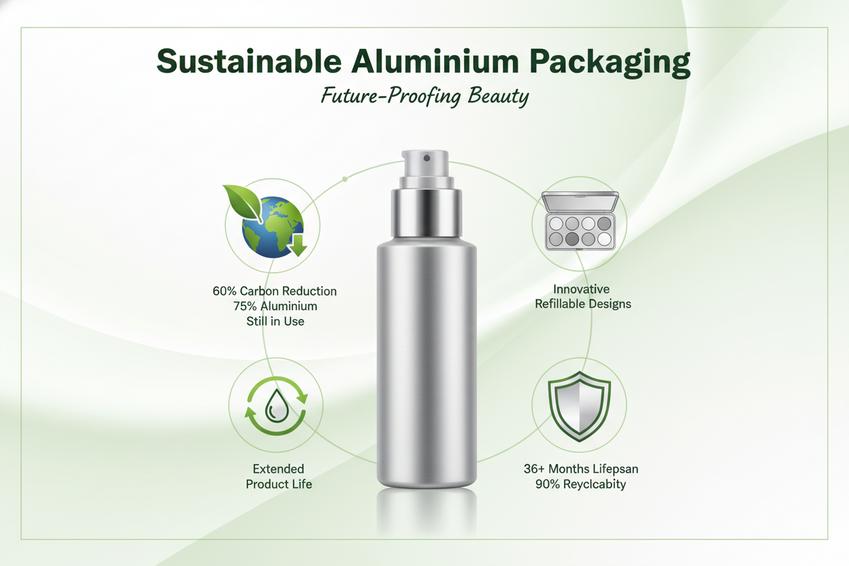
- Carbon footprint reduction up to 60% when switching from plastic to aluminium
- Lower overall CO2 emissions due to reduced energy use during transport
- Increased use of post-consumer recycled content through closed-loop systems
According to the International Aluminium Institute’s latest report from early 2024, over 75% of all aluminium ever produced is still in use today. That’s not just durable; that’s circular gold.
3 Innovative Features of Refillable Palettes
Refillable palettes aren’t just trendy—they’re smart. Brands are turning heads with next-gen designs that put sustainability front and center.
🟢 Modular inserts let users snap in new shades without tossing the whole thing 🟢 Magnetic closures boost usability while cutting down on fragile hinges 🟢 Customizable layouts cater to different skin tones and styles
These features make refillable palettes more than eco-friendly—they’re a vibe. By combining sleek design with lower waste, they’re changing how we think about sustainable cosmetics.
The Power of Reusable Designs in Sustainable Makeup Packaging
Reusable packaging isn’t just about saving the planet—it’s about stretching product life and keeping things fresh for longer.
A compact made from high-grade materials can be reused dozens—if not hundreds—of times before showing wear. When paired with an intuitive refill system, it becomes part of your daily ritual rather than disposable clutter. This shift toward reusable formats supports a more circular model for beauty consumption, especially in makeup where aesthetics matter just as much as function.
Brands embracing these long-life formats are seeing stronger customer loyalty and reduced returns linked to packaging damage. It’s not just smarter—it’s better business too.
Why Durable Aluminum Alloy is Essential for Packaging Longevity
Durability isn’t optional anymore—it’s expected. And that’s where high-strength aluminium alloys come into play.
Grouped Benefits:
• Durable aluminum resists corrosion better than traditional metal tins or plastics • High-performance aluminum alloy maintains shape even under pressure or drops • Enhanced material strength ensures consistent protection for sensitive products like creams or powders
| Material Type | Average Lifespan | Recyclability Rate | Consumer Return Rate |
|---|---|---|---|
| Plastic Composite | ~6 months | ~25% | High |
| Glass | ~12 months | ~30% | Medium |
| Standard Aluminium | ~24 months | ~75% | Low |
| Topfeelpack Alloy X | ~36+ months | ~90% | Very Low |
Choosing long-lasting materials means fewer replacements, less waste, and happier customers who trust their products stay protected over time—all while keeping things aligned with your sustainability goals.
By weaving together eco-designs, smart refills, reusable formats, and resilient materials like those used by Topfeelpack, brands can fully unlock the potential of sustainable aluminium packaging—without sacrificing style or performance.
Sustainable Aluminium vs. Other Eco-Friendly Options
Choosing the right packaging isn’t just about looks—it’s about footprint, function, and future-proofing your supply chain.
Lightweight Aluminum vs. Glass: A Packaging Showdown
When it comes to aluminum packaging versus glass packaging, weight is just the tip of the iceberg.
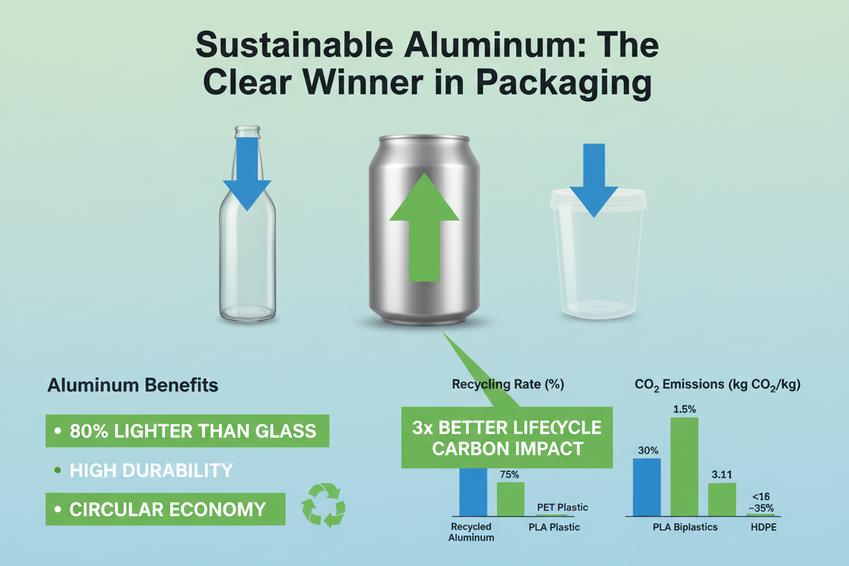
- Lightweighting: Aluminum wins hands down. It’s up to 80% lighter than glass, slashing shipping costs and reducing transportation emissions dramatically.
- Breakage resistance: Glass shatters easily—aluminum doesn’t flinch under pressure, making it ideal for e-commerce and global logistics.
- Energy consumption during production favors aluminum when recycled inputs are used; virgin glass still demands high heat and longer furnace times.
- Recycling infrastructure is more developed for aluminum in many regions, ensuring higher recovery rates.
- In terms of supply chain agility, aluminum offers faster turnaround times thanks to its flexibility in design and manufacturing processes.
Bottom line? If your goal is lower emissions and better durability without sacrificing recyclability, lightweight aluminum’s got serious game.
Sustainable Aluminium Packaging Compared to Plastic Alternatives
Not all eco-friendly materials are created equal—some just look the part but don’t walk the talk. Let’s compare real metrics between sustainable aluminum options and modern plastic alternatives, using recent LCA data.
| Material Type | Avg Recycling Rate (%) | Virgin Material Use (%) | CO₂ Emissions per kg | Circular Economy Score |
|---|---|---|---|---|
| Recycled Aluminum | 75 | 25 | 1.5 | High |
| PET Plastic | 30 | 70 | 2.8 | Medium |
| PLA Bioplastics | <10 | ~90 | 3.1 | Low |
| HDPE Recyclable | ~35 | ~65 | 2.6 | Medium |
✔️ Environmental impact: Recycled aluminum consistently outperforms plastics across most LCA indicators—from energy use to end-of-life outcomes.
✔️ Plastics may be light, but their low recycling rates, high reliance on fossil-based feedstocks, and contribution to long-term plastic pollution make them less viable for circular systems.
✔️ The shift toward a true circular economy hinges on materials like sustainable aluminium packaging that can be infinitely reused with minimal loss in quality or performance.
If you’re trying to ditch single-use waste without compromising functionality or brand image, this material combo hits the sweet spot.
Recycled Aluminum vs. Biodegradable Materials: Pros and Cons
The debate between long-lasting metals like recycled aluminum versus short-lived heroes like biodegradable packaging isn’t black-and-white—it’s situational smarts.
Durability meets disposability:
• Recycled aluminum shines when you need strength over time—it resists corrosion, keeps contents safe longer, and performs well across hot/cold extremes.
• On the flip side, compostable or biodegradable materials break down naturally—but only under specific conditions found in industrial facilities.
Waste management trade-offs:
• While biodegradable options reduce visible landfill presence fast, they often lack robust collection systems—which means they still end up as trash if mishandled.
• According to McKinsey’s Circularity Report (2024), “Materials that enable multiple reuse cycles without degrading outperform single-use biodegradables by a factor of three when measured by total lifecycle carbon impact.”
Innovation plays both sides:
• New blends of biopolymers promise better barrier protection but still lag behind metal formats for moisture/oxygen resistance—critical for food-grade needs.
So what’s best? If you’re targeting longevity with low-carbon reusability at scale—especially where recycling streams exist—recycled aluminum packs more punch than you’d expect from something so thin.
FAQs about Sustainable Aluminium Packaging
What makes sustainable aluminium packaging ideal for large-scale makeup lines?
- Lightweight Aluminum cuts freight weight and shipping costs.
- Durable Aluminum Alloy keeps powders and creams protected inside Cosmetic Jars or Compact Containers.
- Recyclable Material supports eco-friendly values—brands feel proud showing genuine Sustainable Sourcing on every package.
☑ Brushed Finish, Matte Texture, or Anodized Coating give designers creative control while preserving energy savings in production cycles.
Can refillable palettes made from recycled aluminum lower long-term procurement costs?
1️⃣ Reusable Design extends lifespan; Refillable Palettes can be restocked easily with new Blush Containers or Eyeshadow Palettes inserts.
2️⃣ Less waste means fewer repeats in raw material orders—an accounting comfort many beauty labels appreciate.
✴ When paired with Eco-Friendly Production methods, the Reduced Carbon Footprint becomes a visible value consumers respond to.
Do suppliers offering sustainable aluminium packaging uphold ethical standards?
Short line of trust: her lipstick rests in metal born from care—not exploitation. Certified Facility operations ensure Traceable Supply Chains, applying Ethical Practices within Sustainable Manufacturing programs that honor both worker welfare and environment through Responsible Energy Use policies.
| Supplier Attribute | Sustainability Feature | Result |
|---|---|---|
| Certified Facility | Eco-Friendly Production | Promotes transparency |
| Environmentally Responsible plant | Reduced Carbon Footprint | Reinforces consumer confidence |
| Traceable Supply Chain network | Sustainable Sourcing | Guarantees authenticity |
Which decoration methods and finishes enhance brand presence in durable aluminum makeup packaging?
Small details build emotional connection: an Embossed Logo felt under fingertips on Lipstick Tubes, Laser Engraving shimmering across Concealer Tubes, Foil Stamping highlighting high-end Eyeshadow Palettes—a tactile promise of artistry rooted in sustainability. Powder Coated surfaces defend against scratches; Polished Surface glows like luxury made kind to earth itself.
References
- Aluminium Sector Greenhouse Gas Pathways to 2050 – international-aluminium.org
- The International Aluminium Institute published figures on aluminium recycling – wiserenvironment.co.uk
- Did you know that 75% of the aluminum produced throughout history is still in use nowadays? – sataluminium.com
- What is circularity in sustainability? – mckinsey.com

