 English
  Español de México
  Français
  Deutsch
  Português do Brasil
  Italiano
  한국어
한국어  ไทย
ไทย  Русский
  日本語
日本語  Polski
  Svenska
  Türkçe

Why Glass Bottles are Top Choices for Cream Containers
December 09,2025
Ever tried stuffing a luxury face cream into a flimsy plastic jar? It’s like putting caviar in a takeout box—wrong on every level. In the world of skincare, your Packaging for Cosmetics isn’t just packaging—it’s part of the product experience. With today’s shoppers sniffing out cheap plastics like bloodhounds and favoring brands that walk the talk on sustainability, glass has stepped back into the spotlight with style.
Buyers are ditching PETs and PP jars faster than you can say “leach risk.” Glass doesn’t just sit pretty; it protects formulas from light, air, and chemical contamination—keeping that silky emulsion as fresh as day one. And with refillable trends booming across Sephoras and TikTok feeds alike, glass containers aren’t just smart—they’re selling fast.
Quick Answers for Choosing the Ideal Cream Container
→ Material Matters Most: Glass outperforms plastic in chemical stability, durability, and heat resistance—making it the safest and most Sustainable Cosmetic Packaging choice.
→ Style Meets Substance: From clear transparent jars that flaunt your formula to custom Pantone hues that cement brand identity, glass offers unmatched aesthetic flexibility.
→ Health Comes First: Plastic containers risk leaching chemicals into skincare products—glass preserves integrity with no migration concerns.
→ Eco-Friendly Edge: Glass is 100% recyclable and aligns with consumer demand for greener packaging solutions in an eco-conscious market.
→ Customization Counts: Whether it’s a frosted finish or silk screen printing, glass supports high-end branding through premium decorative options.
→ Fit for Any Formula: With sizes ranging from 15 ml to 200 ml and closures like screw-on lids or dropper assemblies, glass containers adapt to every cream type and user need.
The Aesthetic Appeal Of Glass Cream Containers
Glass brings a boutique vibe to skincare. Here’s how glass cream container designs seriously upgrade product appeal and brand vibes.
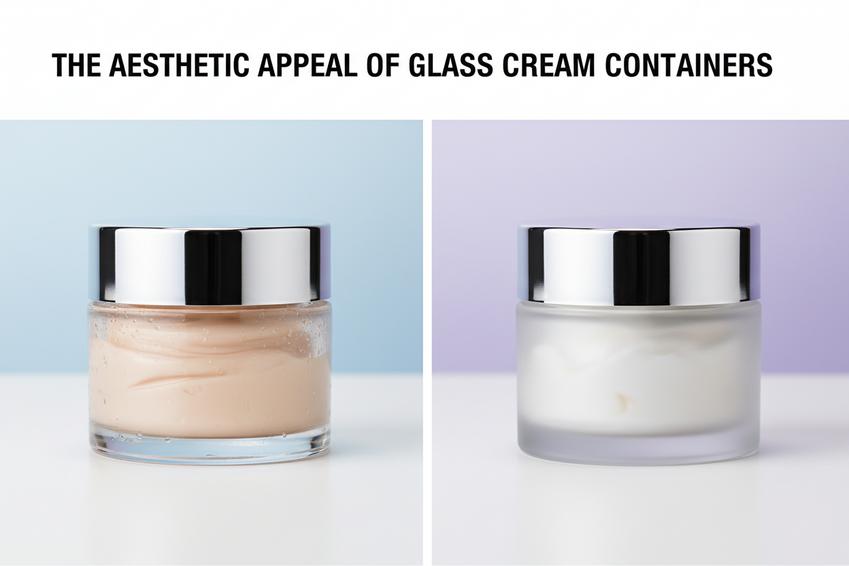
Clear Transparent Beauty: Enhancing Product Visibility
Let’s be real—being able to see what you’re buying makes a difference.
- A clear glass container lets customers check out the texture and natural tone of creams, which builds instant trust.
- Translucent jars often scream “clean beauty”—a visual cue that hooks ingredient-conscious shoppers.
- Brands using clear jars with minimal labeling subtly say, “We’ve got nothing to hide.”
- It’s also about shelf appeal—when lined up in stores or bathrooms, these containers look sleek and modern without trying too hard.
- Some even use UV-coated transparent glass to keep formulas stable while still showing off their goods.
This kind of visibility isn’t just pretty—it gives off a strong “we’re legit” energy.
Opaque White vs. Frosted Finish: Choosing the Right Look
Choosing between opaque white glass and a frosted finish? Each one tells its own design story.
• Opaque white glass:
- Feels premium and timeless
- Complements minimalist branding
- Blocks light for sensitive formulations
• Frosted finish:
- Adds subtle elegance with a soft matte touch
- Ideal for wellness or spa-inspired lines
- Diffuses internal product color slightly for mystery effect
• Considerations when choosing:
- Target audience preferences (clinical vs. luxury)
- Compatibility with metallic or matte lids
- Whether your cream formula needs full light protection or partial diffusion
According to Mintel’s 2024 Packaging Trends, skincare buyers increasingly associate sophisticated, minimalist finishes with high-end products, with “Quiet Sustainability” becoming a dominant theme where aesthetics must match efficacy. So yeah, your choice here really shapes perception.
Custom Pantone Colors: Elevating Brand Identity through Glass
Want your glass cream jar to stand out on crowded shelves? Here’s how custom cosmetic packaging colors do the trick:
1️⃣ Step One – Define Your Brand Mood
Choose a Pantone shade that reflects your vibe—soft sage green for calmness, midnight blue for depth, or blush pink for gentleness.
2️⃣ Step Two – Match Lid & Label Accents
Coordinate closures and labels with complementary tones so it all feels cohesive—not chaotic.
3️⃣ Step Three – Use Color Psychology Strategically
Colors like lavender suggest relaxation; bold reds scream energy. Tie it into your product promise.
4️⃣ Step Four – Test Under Lighting Conditions
Your perfect hue might look totally different under store lights versus natural daylight—so test before committing!
5️⃣ Step Five – Balance Uniqueness With Functionality
Make sure the color doesn’t interfere with identifying how much cream is left inside—or confuse users about what’s inside if you have multiple SKUs.
Custom-colored cream containers, especially when done in branded hues, don’t just catch eyes—they create emotional stickiness that keeps buyers coming back.
Glass Vs Plastic: The Best Cream Container Materials
Choosing the right material for your cream container isn’t just about looks—it’s about safety, longevity, and product freshness.
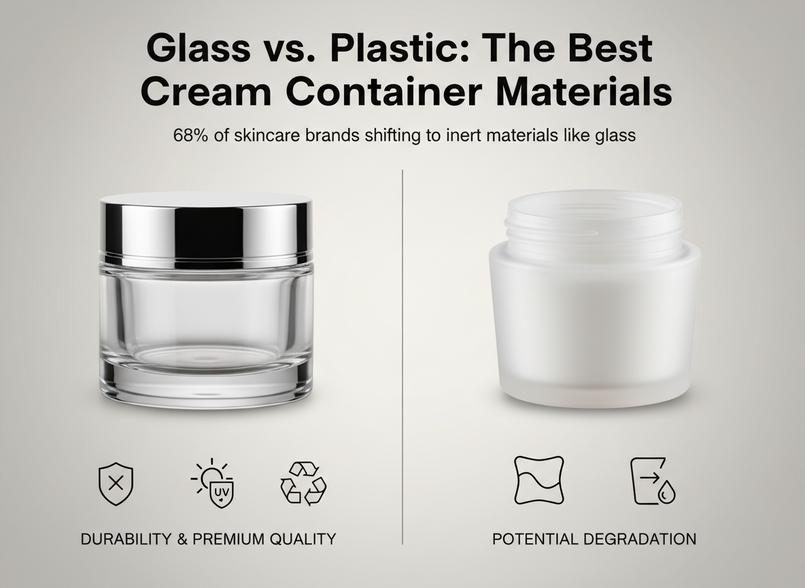
Glass vs. PET Plastic: Durability Comparison
When it comes to long-term use, glass jars dominate over PET plastic containers in several key ways:
- Scratch Resistance: Unlike plastic tubs that dull fast, glass keeps its shine without scuffing up easily.
- Structural Integrity: Glass doesn’t warp or dent under heat or pressure—PET can buckle if left in a hot car.
- UV Protection: Glass offers better shielding from light exposure, which helps preserve sensitive creams longer.
- Reusability Factor: You can reuse glass cream pots dozens of times without degradation; PET loses clarity and strength after a few washes.
- Aesthetic Value: Let’s be real—glass just looks classier on your vanity than a cloudy plastic jar.
So while PET might win on weight and cost, glass takes the crown when you’re aiming for premium quality and shelf appeal.
Soda-Lime Glass vs. Polypropylene Plastic: Safety Insights
Choosing between soda-lime glass containers and those made from polypropylene plastic jars? Here’s what matters:
- Soda-lime glass is chemically stable—it won’t react with active ingredients like retinol or vitamin C.
- Polypropylene can leach trace compounds over time, especially with oily or acidic formulations stored long-term.
- According to Euromonitor’s Packaging Trends, skincare brands are increasingly shifting toward inert materials like glass due to rising consumer concerns over microplastic contamination and product safety.
• In short bursts:
- Soda-lime = zero leaching risk
- Polypropylene = potential chemical migration
- Sensitive skin? Go with inert packaging
Topfeel’s new line of skincare jars uses high-purity soda-lime for exactly these reasons—safe storage without compromise.
By breaking down the pros and cons clearly, you’ll know which cream container material plays nice with your formula—and which one might mess it up later down the line.
Why Glass Cream Containers Are Safer For Preserved Health
Glass is more than just elegant—it’s a fortress against contamination. Here’s why it outshines plastic when it comes to keeping your skincare clean and safe.
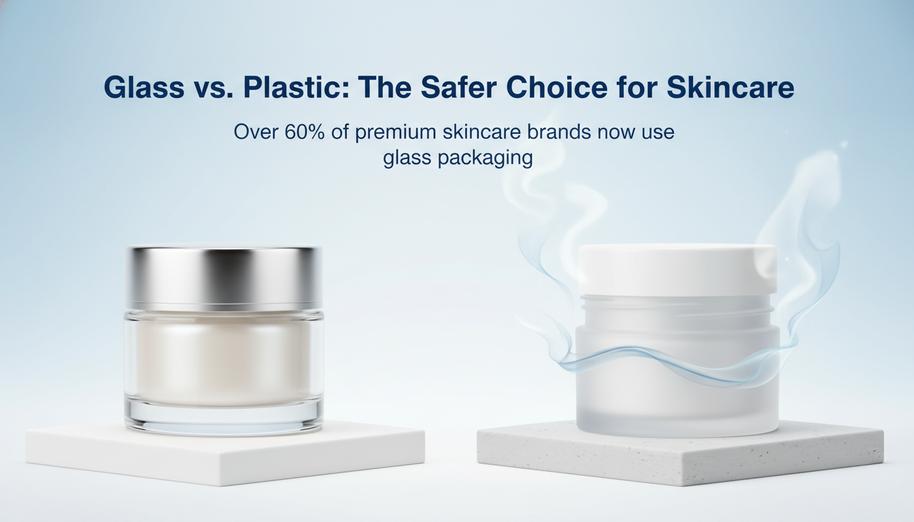
The Benefits of Glass: Chemical Stability and Safety
• Glass doesn’t interact with the contents inside—unlike plastic, which can leach chemicals over time. This makes glass ideal for preserving the original composition of your cream.
• It’s nonporous, so no sneaky air or moisture gets in to mess with your product’s texture or scent.
• Dermatologists often recommend glass because it minimizes exposure to harmful substances like BPA, phthalates, and parabens that sometimes hide in cheaper packaging materials.
A recent report on Market Trends notes that premium skincare brands continue to prioritize glass packaging due to its superior inertness and ability to maintain formulation stability.
Plastic Migration Risks: Understanding Material Interaction
Short reactions, long consequences:
– Heat can trigger chemical migration from plastic into creams—especially if left in a warm bathroom or car.
– Oils and acids found in many skincare formulas actually accelerate this process by breaking down weaker plastics faster.
– Even “BPA-free” plastics aren’t always safe; they might still contain BPS or other bisphenol substitutes that mimic estrogen activity in the body.
These risks are especially concerning for leave-on products like moisturizers, where absorption through skin is prolonged. That’s why opting for a stable material like glass isn’t just smart—it’s protective.
Airtight Sealing Solutions: Screw-On Lids vs. Pump Dispensers
Grouped comparisons make the difference clearer:
Screw-On Lids
- Offer tighter seals when paired with thick-rimmed glass jars
- Easier to clean and reuse
- Less prone to mechanical failure compared to pumps
Pump Dispensers
- Convenient but often made from mixed materials including metal springs and soft plastics
- Harder to recycle
- Can trap air inside after multiple uses—leading to oxidation of sensitive ingredients
In everyday use, screw-top glass containers hold up better under repeated opening and closing without compromising product freshness. This combo brings together both practicality and peace of mind for skincare lovers who don’t want their favorite cream turning sour too soon.
Five Reasons To Choose Glass For Your Cream Packaging Needs
Glass isn’t just pretty—it’s practical, reliable, and surprisingly eco-friendly for your skincare lineup.
Enhanced Shelf Life: Glass Versus Different Materials
When it comes to keeping creams fresh, glass is a game-changer.
- Unlike plastic, glass doesn’t absorb oils or leach chemicals.
- It’s non-reactive with sensitive ingredients like retinol or vitamin C.
- Compared to metal tins, glass won’t rust or oxidize over time.
- Many cosmetic labs prefer glass due to its low permeability rate—less air sneaks in.
- A sealed glass container blocks UV better than most plastics, slowing down degradation.
So yeah, if you want that cream to stay potent longer? Go with the clear winner—literally.
Sustainability Factor: Glass Recycling Benefits
Choosing glass means less guilt and more green points:
- ♻️ Fully recyclable without quality loss—over and over again.
- 🌍 Reduces landfill pressure since it doesn’t degrade into microplastics.
- 💡 Saves energy when recycled compared to producing new materials.
- 🏭 Less CO₂ emitted during reuse cycles than single-use plastics.
- 💪 Durable enough for refilling programs—a win for zero-waste fans.
If you’re trying to make your skincare routine more planet-friendly, this is an easy switch that actually makes a difference.
Heat Resistance: Glass in Diverse Environments
Glass holds up when things heat up—or cool way down:
Hot car? No warping.
Cold shelf? No cracking.
Microwave-safe? Often yes—unlike plastic jars.
This makes a cream container made of glass perfect for travel kits or hot studio bathrooms where temps can swing fast.
Premium Feel: Smooth Polished Surface vs. Glossy Coating
You know that satisfying weight of a high-end product in your hand? That’s the magic of polished glass.
Unlike synthetic glossy coatings that mimic luxury but peel off with time, real smooth-polished surfaces offer lasting elegance and tactile satisfaction. The shine isn’t sprayed on—it’s built into the material itself. That solid heft also gives consumers the feeling they’re holding something valuable, not disposable. For Pretty Makeup Packaging aiming to elevate their game without gimmicks, glass delivers both class and substance in one clean sweep.
Market Analysis: Growing Demand For Glass Cream Containers
As skincare gets cleaner, packaging’s following suit—glass is stealing the spotlight from plastic in the world of cream containers.
Trends in Natural Ingredients: Packaging Preferences
Clean beauty isn’t just about what’s inside the jar—it’s also about the jar itself. The rise of natural and organic creams has nudged consumers toward packaging that feels equally pure and honest.
• Glass jars are perceived as more premium, aligning with high-end botanical formulations.
• Eco-conscious buyers associate glass with health safety—no leaching, no weird smells.
• Transparent or frosted finishes help showcase product color and texture—key for shelf appeal.
Short-tail variations like “glass cream jars” or “cosmetic cream pots” are now being used interchangeably by shoppers looking for authenticity and sustainability bundled together.
The Shift Toward Eco-Friendly Packaging Solutions
- Consumer Pressure Is Real: People want brands that walk the green talk—not just slap a leaf on their label.
- Regulations Are Tightening: From Europe to California, legislation is pushing for recyclable materials.
- Glass Wins on Reusability: Unlike single-use plastics, a sturdy glass jar can live multiple lives on someone’s vanity.
- Aesthetic Value Counts Too: Let’s be real—glass looks better on Instagram than plastic ever will.
Brands like Topfeel have already tapped into this shift by offering sleek, recyclable glass options that don’t compromise style or function across their cream container lines.
The modern buyer doesn’t just want effective skincare—they want it housed in something that reflects their values. And if it looks good doing it? Even better.
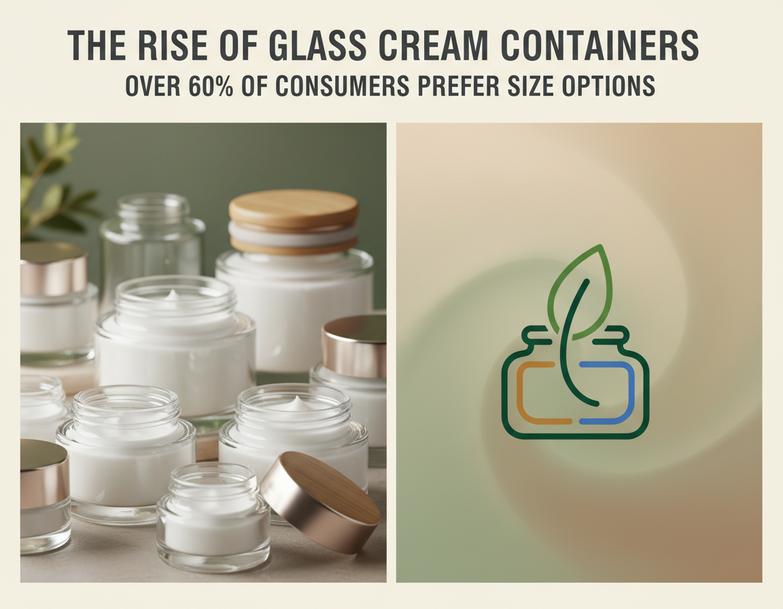
Market Demand: Why Size Matters in Cream Containers
✔️ Small sizes (15 ml–30 ml) dominate trial kits and travel packs; they’re easy to toss into bags and meet airline rules.
✔️ Mid-range sizes (50 ml–100 ml) are standard for daily face creams—enough product without feeling bulky.
✔️ Larger jars (150 ml–200 ml) work well for body butters or family-use moisturizers.
💡 Brands often launch multiple sizes of one product line to appeal across demographics—from minimalists to heavy users.
And here’s something cool: Euromonitor insights indicate that consumers increasingly prefer having size options when buying cream products, allowing them to match price points with their specific usage habits.
So yeah, size isn’t just about volume—it’s about versatility in how people live, shop, and slather on their favorite creams.
FAQs
What makes glass cream containers a safer choice for skincare products?
Glass doesn’t just sit there—it protects. Unlike plastic, which can leach chemicals into your creams over time, soda-lime glass stays inert and stable. It’s like a silent guardian: no reactions, no contamination. And when sealed with an airtight screw-on lid? Your product remains untouched by air or moisture longer than most alternatives could ever promise.
How do surface finishes influence how people feel about cream packaging?
Texture speaks louder than words on the shelf. A smooth polished jar feels luxurious in hand—cool, weighty, intentional—while frosted finishes whisper softness and calm to the senses. These tactile cues shape perception instantly:
- Polished surfaces suggest elegance and clarity.
- Frosted textures evoke purity and gentle care.That emotional connection often decides whether someone picks up your product—or walks right past it.
Which closure types actually keep creams fresh—and why does that matter so much?
The moment you open a jar of face cream is the moment freshness starts slipping away… unless you’ve chosen wisely:
- Screw-on lids lock out air tightly—ideal for preserving texture and scent.
- Pump dispensers offer clean application but may slowly let oxygen creep in after repeated use.
- Snap-on caps need inner seals to truly hold their ground against exposure.
Every twist or click matters because freshness isn’t just about performance—it’s also what keeps customers coming back.
Why are custom Pantone colors such a big deal in larger orders of cream containers?
Color isn’t decoration; it’s identity made visible at scale. When brands order thousands of jars, using precise Pantone shades ensures every container matches perfectly across batches—even years apart. This consistency builds trust without saying a word:
- Silk screen printing captures bold color directly on glass.
- Hot stamping adds metallic accents that shimmer under store lights.
In crowded aisles where everyone shouts “Pick me!”, exact color becomes your brand’s quiet signature—a visual handshake with every customer who passes by.
References
- Exploring the Pros and Cons of Plastic and Glass Beauty Packaging – techcenter.apcpackaging.com
- Glass vs Plastic in Skincare: A Clear Case for Purity – orgality.com
- Why More Brands Are Switching to Glass Bottles in 2025 – thebottledepot.co
- Global Beauty Packaging Trends – mintel.com
- The Sustainability of Glass Packaging in the Skincare Industry – europeanbusinessreview.com
- Beauty and Personal Care Packaging: Key Trends and Innovations – euromonitor.com
- Advantages and Disadvantages of Glass Packaging – plastekgroup.com
- Glass Packaging in Western Europe – euromonitor.com
- How to Choose Between Glass and Plastic for Cosmetics – containerandpackaging.com
- Benefits of Glass Packaging by Industry – paramountglobal.com
- Top Trends Shaping the Beauty and Personal Care Industry in 2024 – euromonitor.com

