 English
  Español de México
  Français
  Deutsch
  Português do Brasil
  Italiano
  한국어
한국어  ไทย
ไทย  Русский
  日本語
日本語  Polski
  Svenska
  Türkçe

How to Source Affordable Custom Lip Gloss Packaging for Startups?
July 27,2026
Scaling a beauty brand feels like juggling glitter and invoices—custom lip gloss packaging has to look luxe without draining cash, yet suppliers push high minimums, pricey molds, and shaky consistency that can stall momentum fast.
Smart material choices, standardized parts, and efficient production cut costs while keeping shelf appeal strong.
Glossy Quick Answers: custom lip gloss packagin Unlocked
➔ Material Match: Select PETG tubes for clarity or mix aluminum and PCR plastic for a sustainable, lightweight feel that endures.
➔ Cost Control: Prototype molds sparingly and optimize injection runs, then negotiate bulk printing to drive down per-unit expenses.
➔ Minimums Mastery: Consolidate SKUs with mono-material parts, opt for off-the-shelf tubes, and share tooling fees for lower order thresholds.
➔ Finish & Flair: Choose standard caps and wands, then add matte, metallic, or frosted finishes to keep luxury appeal without custom mold premiums.
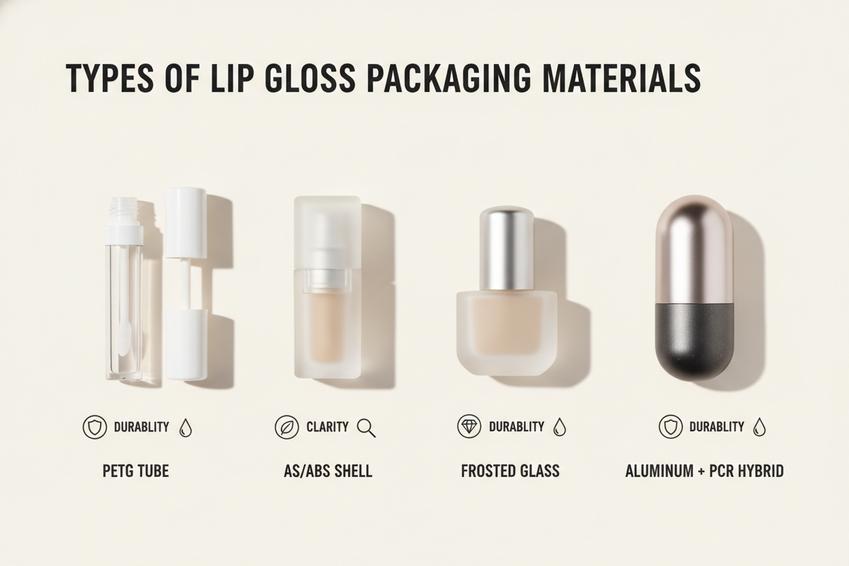 Types Of Lip Gloss Packaging Materials
Picking the right mix for custom lip gloss packaging isn’t just about looks—it shapes feel, cost, and shelf appeal. From clear tubes to eco hybrids, every material choice shifts how your lip gloss packaging performs in real life. If you’re building a custom lip gloss packaging line, this breakdown keeps things practical and brand-ready.
PETG Tubes for Durable, Lightweight Containers
-
Core perks of PETG, tubes, and containers
-
Transparency
- shows color payoff clearly with 90% optical transmittance
- boosts appeal in lip gloss tube displays
-
Durability
- resists cracks during shipping via high impact strength evaluated under ASTM D638 standards
- holds up in daily use
-
Lightweight build
- lowers logistics cost in a clear lip gloss packaging petg wand structure
-
-
Production flow
- extrusion or molding
- surface finishing
- branding (print or label)
A lot of brands selecting a clear cosmetic tube lip oil petg lean toward PETG because it hits that sweet spot—clean look without the weight.
PP Caps and Wands: Cost-Effective & Versatile
-
Why PP, caps, and wands stand out
- recyclable material meeting ISO 22716 compliance
- flexible design options
- strong compatibility with applicators
• Applicator pairing
• flocked tip → smooth glide
• silicone tip → precision
Short bursts that matter:
Affordable. Adaptable. Reliable.
This combo keeps lip gloss packaging scalable while still allowing custom lip gloss packaging tweaks like color-matched caps.
AS vs. ABS Shells: Balancing Strength and Clarity
-
Material comparison inside shells
-
AS
- high clarity
- better for transparent bodies
-
ABS
- higher strength
- ideal for opaque outer cases
-
Steps brands often follow:
- define visual goal
- test impact resistance under ISO 22715 quality guidelines
- match finish (matte, pearl, gloss)
“Packaging durability and visual differentiation are now top decision drivers in cosmetic material selection,” — McKinsey packaging research
That insight shows why mixing AS and ABS is common in custom dual lip gloss packaging strategies.
Glass Bottles with Metallic or Frosted Finishes
Long-form take: glass, bottles, and textured finishes instantly elevate perceived value. The weight signals quality, while frosted or metallic coatings soften harsh reflections and add a luxe touch. For premium custom lip gloss packaging, pairing a square clear lip gloss bottle with precise applicators and tight sealing systems creates a standout visual impact on store shelves.
Aluminum & PCR Plastic: Sustainable Hybrid Options
-
Hybrid structure using aluminum + PCR plastic
-
outer shell
- aluminum for durability
- brushed or matte finish
-
inner system
- PCR for eco compliance aligned with ISO 14021 environmental standards
-
Multiple quick hits:
Eco-forward. Lightweight. Refillable-ready.
Brands like Topfeelmakeup are already blending these materials into custom lip gloss packaging lines that feel modern without pushing costs too high.
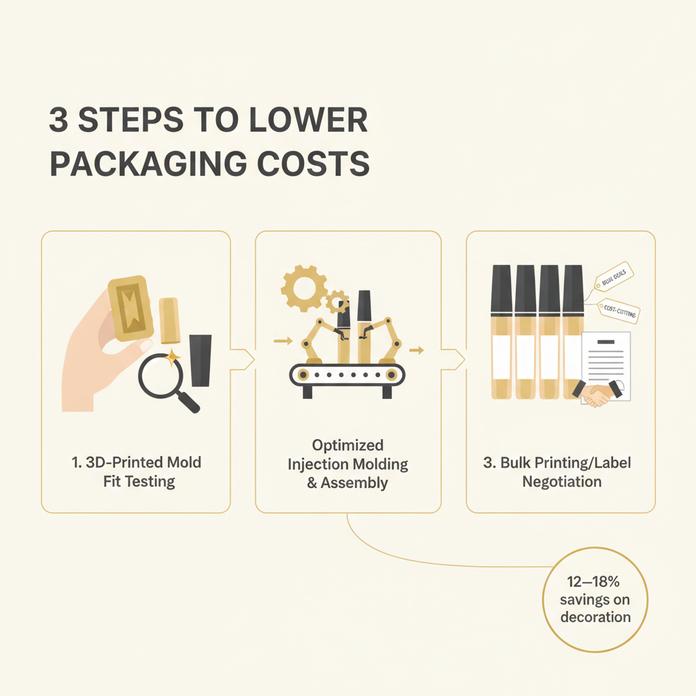 3 Steps To Source Affordable Packaging
Getting custom lip gloss packaging right without overspending comes down to smart design, tight production, and savvy deals. This walkthrough keeps it practical, so your lip gloss packaging choices actually scale.
Step 1: Prototyping Custom Molds for Optimal Fit
Dialing in custom lip gloss packaging starts with clean mold design and quick 3D printing passes. Instead of guessing, you move through tight loops:
- refine CAD modeling → print → check snap fit
- test material selection for flexibility vs. gloss
- run sample creation using a petg lip gloss tube brush applicator with wand + stopper together
- perform fit assessment (leak, torque, swipe feel)
- push design iteration until it feels right in hand
Small tweaks—like a slightly angled applicator or a mini window—can shift user feel a lot. Brands working with Topfeelmakeup often trim waste early because the mold already respects real fill levels and closure pressure. That’s how custom lip gloss packaging stops being trial-and-error and starts being controlled.
Step 2 Optimizing Injection Molding and Assembly
Once the mold is locked, cost lives in the molding process and how parts meet. Keep the flow tight:
- stabilize 15 to 120 second cycle times for better production efficiency
- add light automation solutions where repeat tasks drag
- build in-line checks for quality assurance
- simplify component assembly using a square lip gloss tube flocked wand layout (fewer snaps, cleaner threads)
- map a lean manufacturing workflow tied to supply chain integration
Short bursts of optimization beat big overhauls. Custom lip gloss packaging benefits when caps, tubes, and wands are tuned to the same tolerances—less rework, fewer rejects, smoother scaling. Topfeelmakeup typically aligns vendors so finishes and resins don’t fight each other mid-run.
Step 3 Negotiating Bulk Printing and Labeling Rates
Decoration is where margins quietly slip. Treat printing techniques and label materials like negotiables, not fixed costs:
- lock artwork specifications early under FDA cosmetics labeling standards to avoid plate changes
- compare decoration options (screen vs. hot stamp vs. label)
- bundle SKUs to strengthen supplier negotiation
- formalize terms in contract agreements
- keep graphic elements consistent to protect packaging aesthetics
“Cosmetic brands that consolidate print runs and standardize finishes can reduce unit decoration costs by 12–18% while improving consistency,” notes a McKinsey packaging research brief.
With custom lip gloss packaging, repeating finishes across lines cuts price without killing identity. Do it right and your custom lip gloss packaging looks premium while your per-unit cost drops—exactly the balance most indie lines chase in the growing market reported by Grand View Research reports.
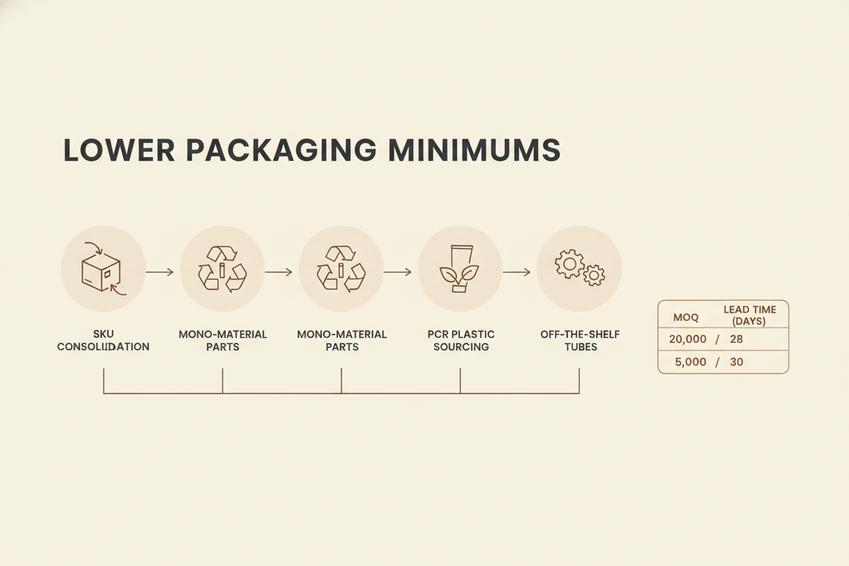 How To Lower Packaging Minimums?
Tight budgets meet big dreams here. Lowering minimums for custom lip gloss packaging isn’t magic—it’s smart design, flexible sourcing, and a few insider moves that keep lip gloss packaging custom costs under control.
Consolidate Skus with Mono-material Designs
- Start with SKU consolidation to reduce variants in your custom lip gloss packaging line.
- Use mono-material design so caps, tubes, and wands share the same base resin.
- This material uniformity boosts design efficiency and simplifies the manufacturing process for cosmetic packaging for small business startups.
- Audit shades and formats
- Merge similar SKUs into shared molds
- Align material selection across all lip gloss packaging units
Nested approach:
-
Core system
-
Tube family
- Same diameter, different finishes
-
Applicator family
- One wand, multiple formulas
-
Short note: fewer parts = fewer minimums. It also keeps custom lip gloss packaging easier to scale without waste.
Partner with PCR Plastic Suppliers for Flexibility
Working with PCR plastic vendors opens doors to smaller runs and greener stories in custom lip gloss packaging.
| Material Type | Recycled Content % | Min Order (units) | Lead Time (days) |
|---|---|---|---|
| Standard PP | 0% | 20,000 | 35 |
| PCR PP Blend | 30–50% | 8,000 | 28 |
| High PCR Mix | 70%+ | 5,000 | 30 |
- Build supplier collaboration early under Sedex SMETA audit standard audits
- Ask for varied material options complying with FDA MoCRA regulatory requirements
- Balance sustainable sourcing with cost
Nested flow:
-
Supplier layer
- Sampling
- Compatibility testing
- Volume negotiation
Brands like Topfeelmakeup often lean on eco-packaging options to unlock flexibility without inflating price.
Opt for Off-the-Shelf Tubes and Standard Wands
Quick wins for custom lip gloss packaging:
- off-the-shelf tubes reduce tooling
- standard wands (doe-foot, brush) speed sourcing for a wholesale lip gloss tube project
- stock components improve material availability
Sequence:
- Pick ready-made designs
- Customize color or finish only
- Lock specs fast
Nested detail:
-
Component sourcing
-
Tube
- Clear / frosted
-
Cap
- Matte / glossy
-
Short bursts:
Simple. Fast. Budget-friendly.
Perfect for early-stage lip gloss packaging custom launches.
Negotiate Shared Tooling Fees and Short-Run Runs
Custom doesn’t have to mean expensive in custom lip gloss packaging.
Nested negotiation path:
-
Cost structure
- tooling costs split via shared tooling
- Lower MOQs through short runs
-
Production
- mold sharing across brands
- Flexible batch production for the entire lip makeup packaging category
• Ask for pilot runs verified by SGS certified testing protocols
• Bundle SKUs to share molds
• Reuse existing cavities
“Smaller brands are driving demand for flexible batch production and shared tooling economics,” noted a McKinsey packaging research industry outlook.
Topfeelmakeup applies this playbook to keep lip gloss packaging custom accessible while maintaining quality.
End note: stack these tactics together and custom lip gloss packaging stops feeling like a big leap—it becomes a controlled, smart climb.
References
- SAMBOUND PETG Guide – https://sambound.com/blog/petg-cosmetics-packaging-practical-guide-material-properties-forming-processes-pitfall-prevention/
- ASTM International Standards – https://regional.astm.org/industry/polymers
- ISO 22716 Cosmetics Standard – https://www.iso.org/standard/60200.html
- East Color ISO 22715 Packaging Guide – https://eastcolor.com/ISO-22715-Cosmetic-Packaging-Standards-Everything-You-Need-to-Know-id41538785.html
- One Planet Network SPICE Guidelines – https://www.oneplanetnetwork.org/sites/default/files/spice_quantis_loreal_cosmetic_packagin_claims_guidelines_2020.pdf
- McKinsey Packaging Insights – https://www.mckinsey.com/industries/packaging-and-paper/our-insights/sustainable-packaging-2025-top-barriers-for-packaging-purchasers
- Haizol Injection Molding Analysis – https://www.haizol.com/blog/advantages-of-injection-molding
- Grand View Research Cosmetic Packaging Report – https://www.grandviewresearch.com/press-release/global-cosmetics-packaging-market
- Sedex SMETA Audit Standards – https://www.sedex.com/solutions/smeta-audit/

