 Norsk bokmål
  English
  العربية
  Deutsch
  Italiano
  Español de México
  Tiếng Việt
  ไทย
ไทย  Português do Brasil
  Français
  Български
  Čeština
  Dansk
Dansk  Ελληνικά
  Eesti
Eesti  Suomi
Suomi  Magyar
  Bahasa Indonesia
  Lietuvių kalba
  Latviešu valoda
  Nederlands (Formeel)
  Polski
  Română
  Русский
  Slovenčina
  Slovenščina
  Svenska
  Türkçe
  Українська
  简体中文
简体中文  日本語
日本語  한국어
한국어  繁體中文
繁體中文 
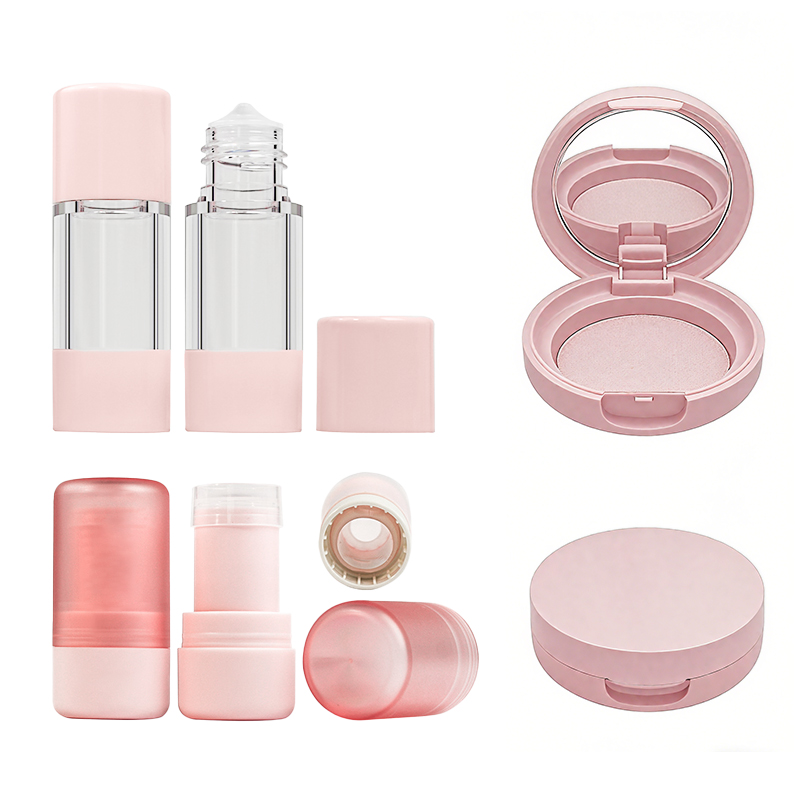
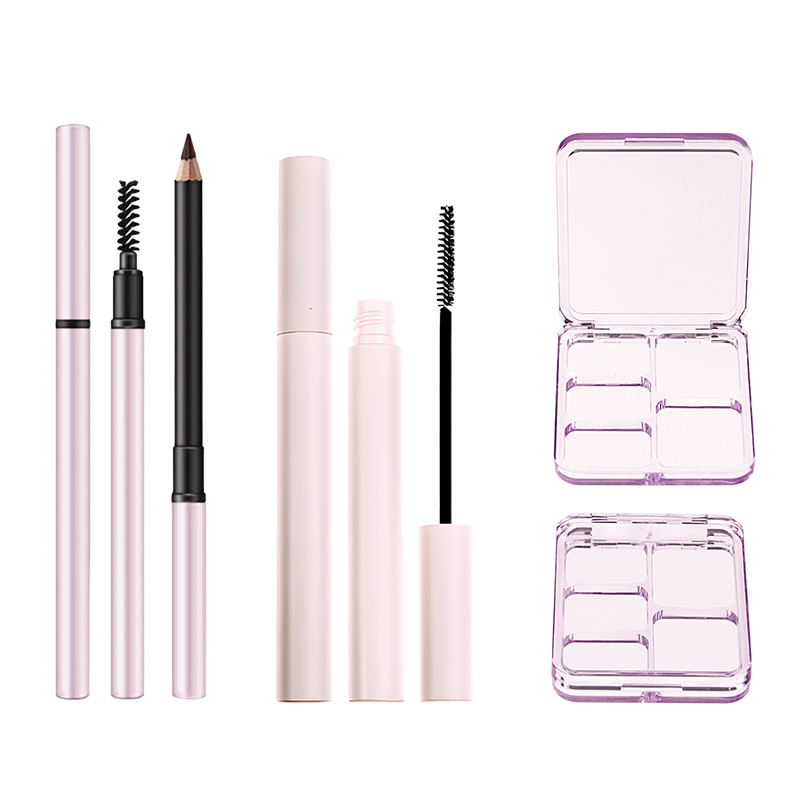
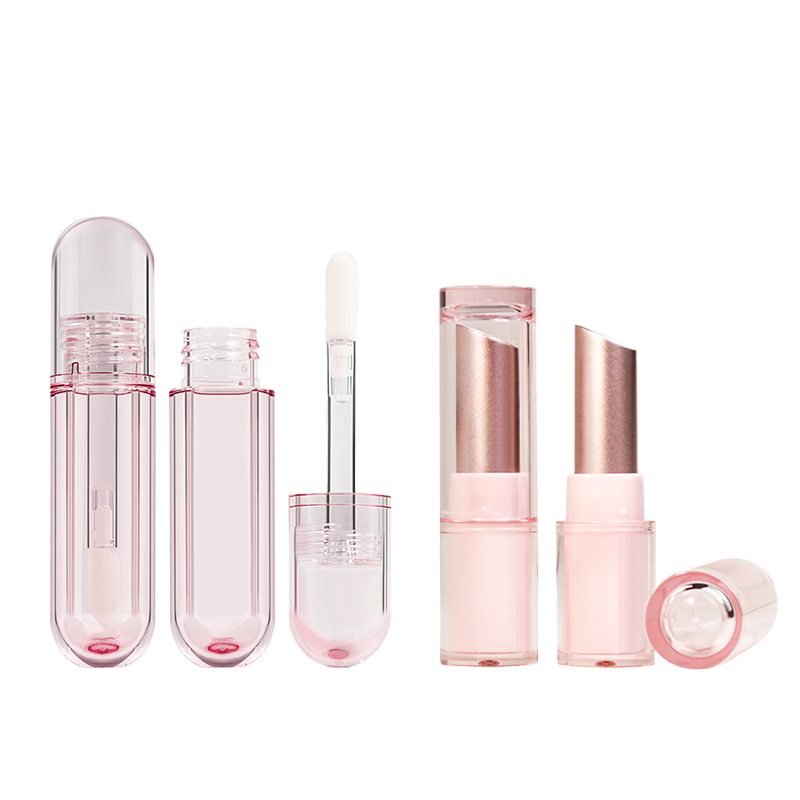

Latest Trends in Health and Beauty Packaging: What You Need to Know
22. januar 2026
You walk into a store, eyeing that shimmering face serum—or maybe it’s the recycled glass bottle catching your attention. That’s no accident. Health and beauty packaging has become the unsung hero of brand storytelling, turning heads with eco-smarts, bold shapes, and techy twists that whisper “luxury” before you even twist the cap.
Ifølge Nielsen IQ’s 2023 Global Beauty Report, 74% of consumers say sustainable packaging influences their purchase—up nearly 20% from just two years ago. “People don’t just want pretty,” says Laura McKenzie from Mintel Research. “They want purpose in every pump.”
It’s not just about looking good anymore—it’s about feeling right doing it. So if your packaging still screams 2015 while buyers crave refillables and QR codes? Buckle up—we’re unpacking what really sells in today’s beauty aisle.
Eco-Friendly Materials in Health and Beauty Packaging
Sustainable choices are reshaping how we think about health and beauty packaging—from compostable wraps to påfyllbare krukker, the future is looking greener.
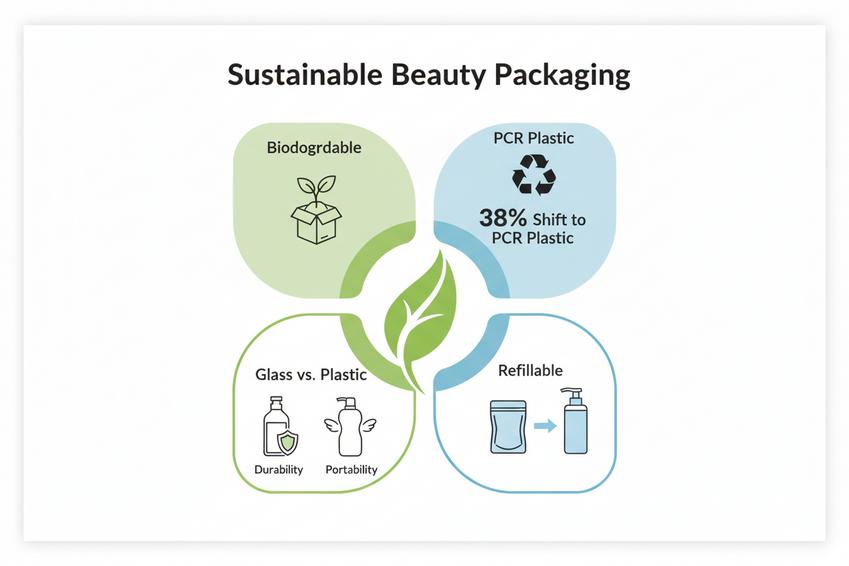
Biodegradable Options: Exploring the Future of Sustainable Packaging
• Bioplastics made from corn starch or sugarcane offer a cleaner breakdown process.
• Paperboard packaging is lightweight, printable, and fully compostable.
• Mushroom-based materials are emerging as unique alternatives for protective inserts.
A growing number of indie brands are ditching plastic altogether for plantebasert, biologisk nedbrytbar options that break down naturally without leaving toxins behind. These materials help reduce landfill bulk and align with the eco-conscious values of today’s buyers. Expect more mascara-tuber wrapped in recycled kraft paper and foundation sticks housed in bamboo shells.
Material Spotlight: PCR Plastic and Its Benefits for Brands
- Cuts down on landfill-bound waste by reusing existing plastic.
- Reduces dependency on fossil fuels used for making råplast.
- Enhances a brand’s sustainability story while keeping packaging costs reasonable.
Ifølge Euromonitor’s late-2024 report, over 38% of skincare brands have shifted at least half their product lines to PCR-plast, citing both environmental benefits and stronger consumer trust. It’s not just about saving the planet—it’s also smart business.
Glass vs. Plastic: Choosing the Best Eco-Friendly Container
Short-term durability? Go with glass—it doesn’t degrade like some plastics can over time. Prefer portability? Lightweight plast might win out there.
Glass er uendelig resirkulerbar, non-reactive, and gives products a luxe feel—but it’s heavier during shipping, which means more emissions if sourced globally. On the flip side, certain plastics today are made with high levels of recycled content or designed to be reused several times before disposal.
When choosing between them for your next serum bottle or powder jar, consider both material lifecycle and user habits.
The Rise of Refillable Packaging: A Trend Worth Following
▸ Kompakte esker that pop open for easy pan swaps keep your favorite blushes going strong without tossing the whole container every time.
▸ Shampoo bottles now come with reusable pumps; just screw on a pouch refill when you’re out.
▸ Airless bottles with cartridge systems let users replace only the product chamber inside—cutting down waste big time.
Refillables aren’t just clever—they’re becoming expected by shoppers who care about long-term impact. As this trend gains steam across all corners of health and beauty packaging, even luxury brands are jumping aboard with sleek designs that marry form and function beautifully.
5 Game-Changing Innovations in Packaging for Beauty Products
cURL Too many subrequests.
cURL Too many subrequests.
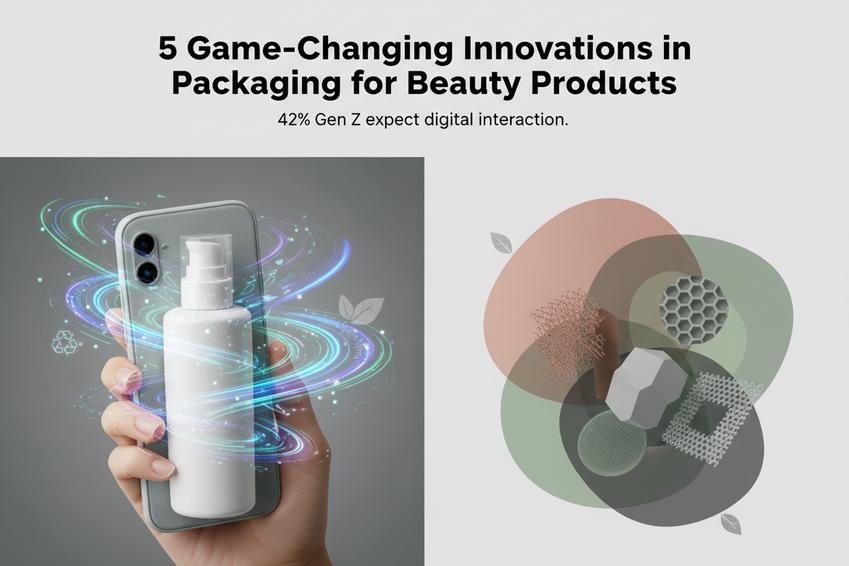
cURL Too many subrequests.
- cURL Too many subrequests. cURL Too many subrequests. cURL Too many subrequests.
- cURL Too many subrequests. QR-koder cURL Too many subrequests.
- cURL Too many subrequests. cURL Too many subrequests. cURL Too many subrequests.
Ifølge Mintels globale emballasjetrendrapport (2024)cURL Too many subrequests. cURL Too many subrequests. cURL Too many subrequests.
cURL Too many subrequests.
cURL Too many subrequests.
cURL Too many subrequests.
cURL Too many subrequests.
cURL Too many subrequests.
• Embossed logos & names – Personalized engraving adds a luxe feel to otherwise standard items.
Grouped by design approach:
– Bespoke designs offer targeted appeal for niche markets like K-beauty lovers or vegan skincare fans.
– Use of 3D printing opens doors for small-batch customization without ballooning costs.
– Branding cues like signature caps or textured surfaces strengthen overall brand identity, especially when shared across product lines.
In the world of health and beauty packaging, customization isn’t just aesthetic—it’s emotional branding done right.
Sustainable Closures: Innovations in Screw Caps and Flip Tops
Closures may seem small, but they’re making a big sustainability impact—without compromising on style or function.
• New-age flip tops made from bioplastics break down faster than traditional plastics while still keeping products sealed tight.
• Lightweight designs reduce transport emissions while staying sturdy enough for daily use—talk about smart engineering!
• Refillable systems paired with durable closures encourage reuse instead of toss-and-replace habits.
Some brands are going full throttle with mono-material solutions—think fully recyclable tubes paired with matching caps made entirely from one type of plastic. Others lean into tactile innovation by developing soft-touch yet durable caps from PCR-materialer, offering both eco cred and great hand-feel.
Topfeel has been ahead of the curve here, experimenting with sleek yet sustainable options like eco-friendly screw caps that click shut perfectly every time while cutting down on landfill waste.
By rethinking even the tiniest components, health and beauty packaging gets closer to being truly circular—one cap at a time.
Recyclable Vs. Non-Recyclable Materials: What Works Best?
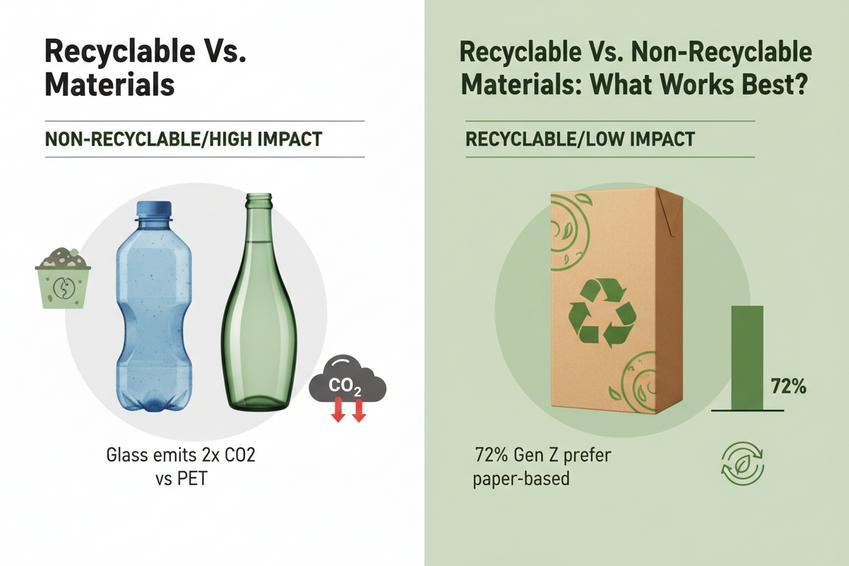
In the world of health and beauty packaging, materials matter. Let’s unpack how different options stack up in terms of eco-friendliness and future potential.
Comparing Plastic and Glass: Environmental Impact Analysis
- Plastemballasje is lightweight, cheap, and adaptable—but not all plastics are created equal.
- Some types have low recyclability rates, while others clog up landfills for centuries.
- På den annen side, glassemballasje is endlessly recyclable but guzzles energy during production.
💡 A lifecycle assessment from the European Environmental Bureau (2024) found that glass containers emit up to twice as much CO₂ per unit shipped compared to lightweight PET plastic—mainly due to transport weight.
Now toss in consumer habits. Most folks don’t clean out jars properly before tossing them into recycling bins—bad news for both materials.
✔️ Here’s what brands are juggling:
- Carbon emissions from manufacturing
- Long-term ressursforbruk
- Actual post-use recycling success
So, who wins? It’s not that simple. Glass scores high on recyclability but loses points on energy use. Plastic has a lower transport footprint but often ends up in oceans.
For brands like Topfeel tackling next-gen skincare bottles, the sweet spot might be hybrid solutions—think refillable glass paired with minimal plastic pumps—to balance sustainability with usability in modern skjønnhetsemballasje.
The Future of Paperboard vs. Traditional Materials in Beauty Packaging
Paperboard’s making big waves in the bærekraftig skjønnhet scene—and for good reason:
cURL Too many subrequests.
cURL Too many subrequests.
cURL Too many subrequests.
cURL Too many subrequests.
cURL Too many subrequests.
| Materialtype | Biologisk nedbrytbarhet | Fornybar kilde | Tilpasningsalternativer |
|---|---|---|---|
| Papp | Høy | Ja | Utmerket |
| cURL Too many subrequests. | cURL Too many subrequests. | Nei | Høy |
| Aluminium | Lav | Nei | Medium |
| Glass | Lav | Nei | Begrenset |
cURL Too many subrequests.
cURL Too many subrequests. health and beauty packaging rommet.
cURL Too many subrequests.
Vanlige spørsmål
cURL Too many subrequests.
cURL Too many subrequests.
- cURL Too many subrequests. cURL Too many subrequests.
- cURL Too many subrequests. cURL Too many subrequests. blush-kompaktcURL Too many subrequests.
- cURL Too many subrequests. cURL Too many subrequests.
2. How does PCR plastic redefine jars and bottles for eco-aware cosmetics brands?
PCR plastic—made from recycled sources—offers clarity close to virgin materials but whispers sustainability louder than marketing ever could.
| Form | Example Product | Fordel |
|---|---|---|
| Krukke | Face cream | Smooth surface with minimal carbon impact |
| Flaske | Toner or serum | Light weight yet durable |
Short note: incorporating silketrykk eller merking on these containers completes the story of renewal without losing sophistication.
3. What makes refillable design a favorite among lipstick and compact buyers?
Refillable systems shift emotion from ownership to ritual care; customers reuse what they love instead of discarding it.
1️⃣ Compact refills replace empty pans quickly without new waste.
2️⃣ Lipstick shells crafted in aluminum keep their gloss after countless swaps.
⭐ Result – beauty that feels personal, circular, alive.
4. Which decorative finishes truly attract shoppers in sustainable packaging lines?
A container tells its tale through touch and shine: hot stamping glints like confidence; embossing gives curves meaning; screen printing ties brand color stories together across transparent bottles or black jars.
- Custom metallic tones pair well with recyclable acrylic palettes or glass foundations.
- Small details under light remind users that ethics can sparkle too—a fine marriage between sustainability and allure in every pump, flip top, and screw cap closure chosen with intent.
Referanser
- Nielsen IQ. (2023). Trends in Sustainable Beauty 2023. Trender innen Bærekraftig Skjønnhet 2023 – nielseniq.com
- Euromonitor International. (2024). Beauty and Personal Care Packaging in the US. Skjønnhets- og personlig pleieemballasje i Norge – euromonitor.com
- Mintel. (2024). Global Packaging Trends 2024. Global Packaging Trends – mintel.com
- European Environmental Bureau (Cited Study). (2024). Replacing Plastics with Alternatives Is Worse for Greenhouse Gas Emissions in Most Cases. Replacing Plastics with Alternatives Is Worse for Greenhouse Gas Emissions in Most Cases – pubs.acs.org

