 Lietuvių kalba
  English
  English (UK)
  English (Australia)
  English (Canada)
  العربية
  Deutsch
  Italiano
  Español de México
  Tiếng Việt
  ไทย
ไทย  Português do Brasil
  Français
  Български
  Čeština
  Dansk
Dansk  Ελληνικά
  Eesti
Eesti  Suomi
Suomi  Magyar
  Bahasa Indonesia
  Latviešu valoda
  Norsk bokmål
  Nederlands (Formeel)
  Polski
  Română
  Русский
  Slovenčina
  Slovenščina
  Svenska
  Türkçe
  Українська
  简体中文
简体中文  日本語
日本語  한국어
한국어  繁體中文
繁體中文 
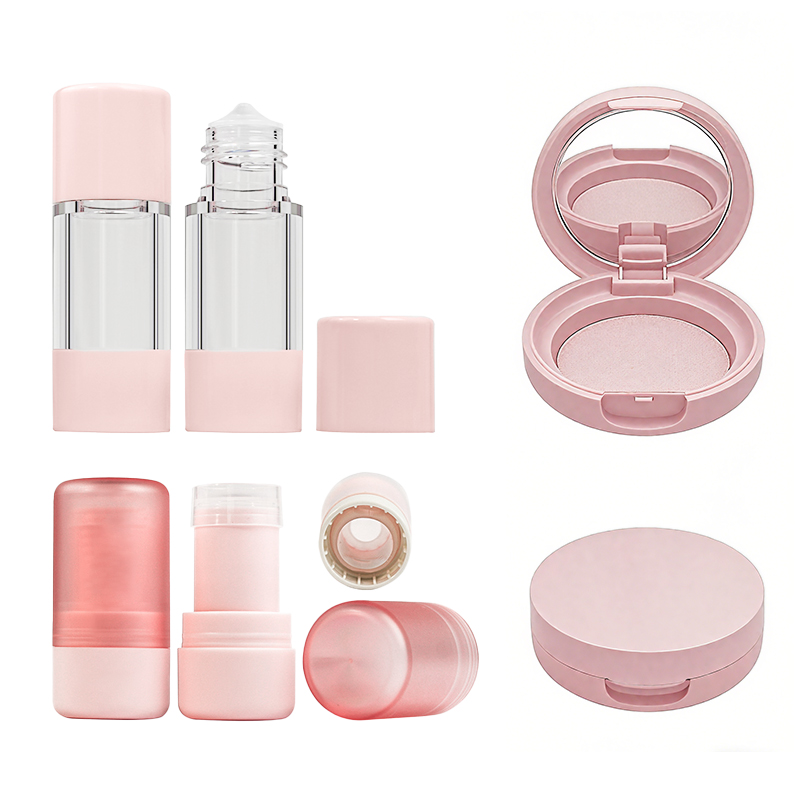
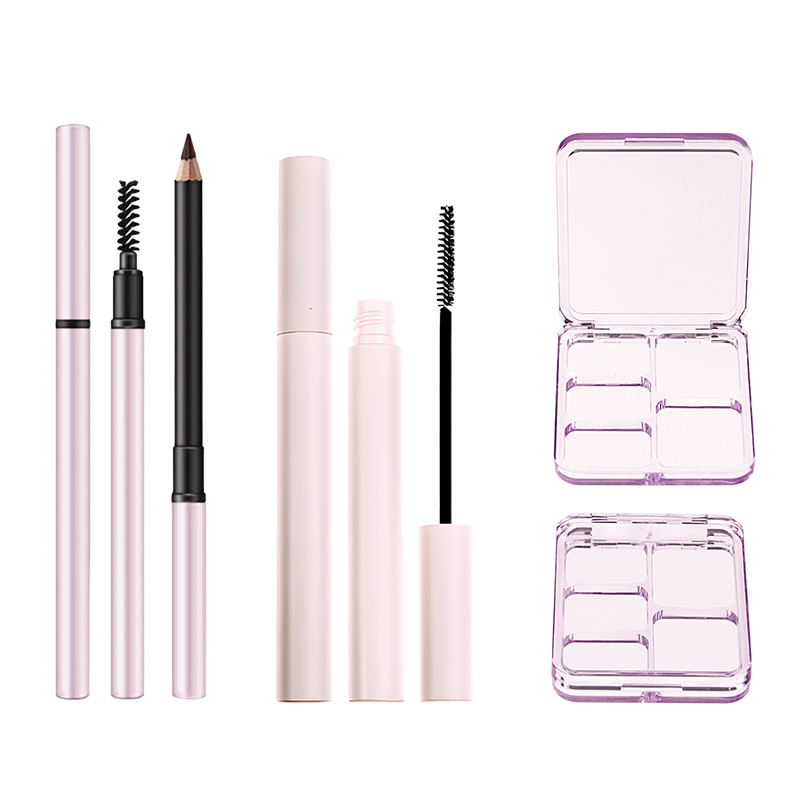
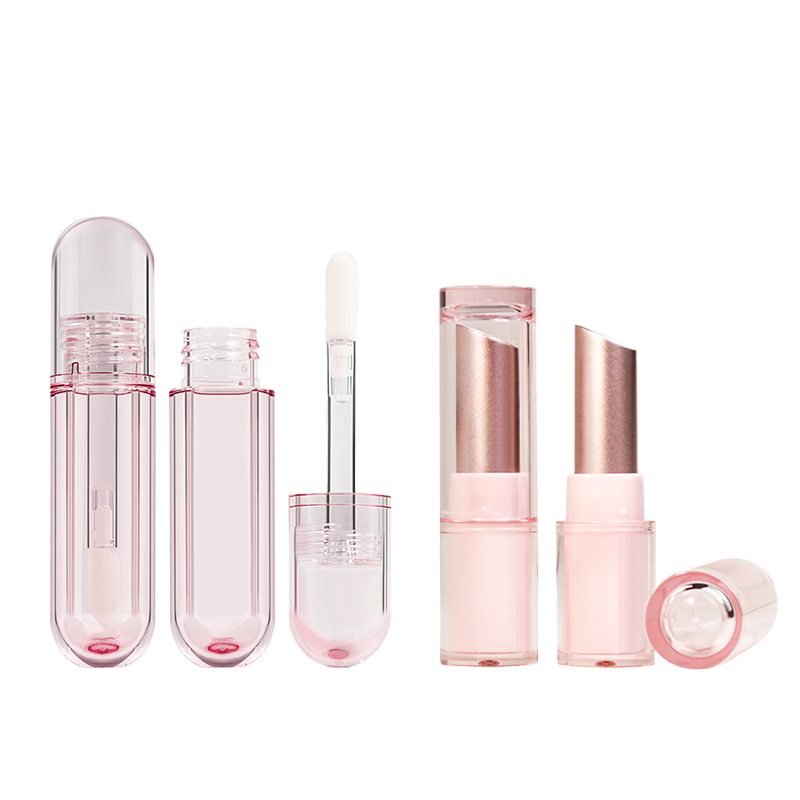

What materials are used for monoprinting in makeup packaging ?
Sausio 23, 2026
When it comes to eye-catching product design, the real secret sauce isn’t just the graphics—it’s what you print įjungta. “What materials are used for monoprinting?” is a question that keeps packaging pros up at night… and for good reason. You could have the Mona Lisa of lipstick logos, but slap it on a surface that flakes or fades? That’s brand sabotage. Pick wrong, and your luxe look turns into aisle 5 clearance-bin tragedy.
Truth is, not all plastics play nice with ink, and some metals have moods. Acrylic’s glossy charm makes colors pop like confetti cannons—while bamboo brings eco brownie points in an Instagram-driven market where 73% of Gen Z buyers rank sustainability as non-negotiable. Choosing the right material isn’t just about aesthetics—it’s strategy in disguise.
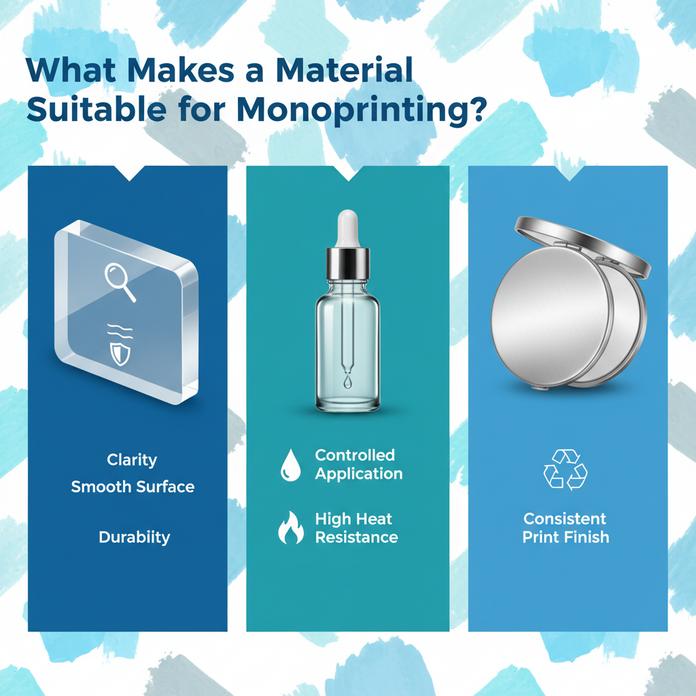
What Makes a Material Suitable for Monoprinting?
Choosing the right material can make or break your monoprinting game. Let’s break down what makes each type shine.
Characteristics of Acrylic Plastic Containers in Monoprinting
Acrylic plastics are go-to options when clarity and durability matter most. Here’s why:
- Skaidrumas: Crystal-clear visibility enhances design alignment during monoprinting.
- Smooth surface: Ensures even dažų sukibimas, which leads to crisp visuals.
- Cheminis atsparumas: Compatible with various ink types, including water-based and UV-curable formulas.
- Patvarumas: Withstands pressure from both manual and machine-based transfers.
- Perdirbimo galimybės: Many acrylics now come in eco-friendly, recyclable forms—great for brands going green.
When asking “what materials are used for monoprinting?”, acrylic checks nearly all the boxes.
Why Glass Bottles with Droppers Enhance Design Flexibility
Glass bottles aren’t just about aesthetics—they’re printing-friendly powerhouses too.
• Controlled application using droppers means less mess, more finesse.
• The non-porous nature of glass supports sharp, detailed designs.
• Smooth cylindrical surfaces optimize direct transfer techniques like gel plate or stencil work.
And because these containers resist heat and moisture, they’re perfect partners when experimenting with different monoprinting techniques on premium packaging.
The Benefits of Aluminum Compact Cases for Large Runs
Aluminum stands out when you’re running high-volume orders. Here’s a quick look at how it stacks up:
| Nekilnojamasis turtas | Performance Level | Impact on Monoprinting | Durability Score |
|---|---|---|---|
| Atsparumas karščiui | Aukštas | Prevents warping | ★★★★★ |
| Surface Energy | Vidutinio sunkumo | Good ink retention | ★★★★☆ |
| Texture Uniformity | Puikus | Consistent print finish | ★★★★★ |
| Perdirbimo galimybės | Aukštas | Ekologiškai sąmoningas prekės ženklas | ★★★★☆ |
If you’re wondering what materials are used for monoprinting that can handle scale without losing quality—aluminum is a solid bet.
What Shapes Optimize Monoprinting Quality?
Shape matters—a lot more than you’d think—for clean monoprints.
cURL Too many subrequests. tušo tūbelėcURL Too many subrequests. kompaktinė pudra cURL Too many subrequests.
cURL Too many subrequests.
cURL Too many subrequests.
cURL Too many subrequests. biodegraduojančios polimeraicURL Too many subrequests.
cURL Too many subrequests.
cURL Too many subrequests.
cURL Too many subrequests.
cURL Too many subrequests.
- cURL Too many subrequests.cURL Too many subrequests. cURL Too many subrequests..
- Biodegraduojama ir kompostuojamacURL Too many subrequests.
- Patvarumas susitinka su dizainucURL Too many subrequests.
cURL Too many subrequests.
cURL Too many subrequests.
cURL Too many subrequests.
- Cuts down landfill waste by reusing post-consumer paper.
- Uses less water and energy during manufacturing than virgin pulp.
- Supports circular economy goals through high perdirbamumas įkainiai.
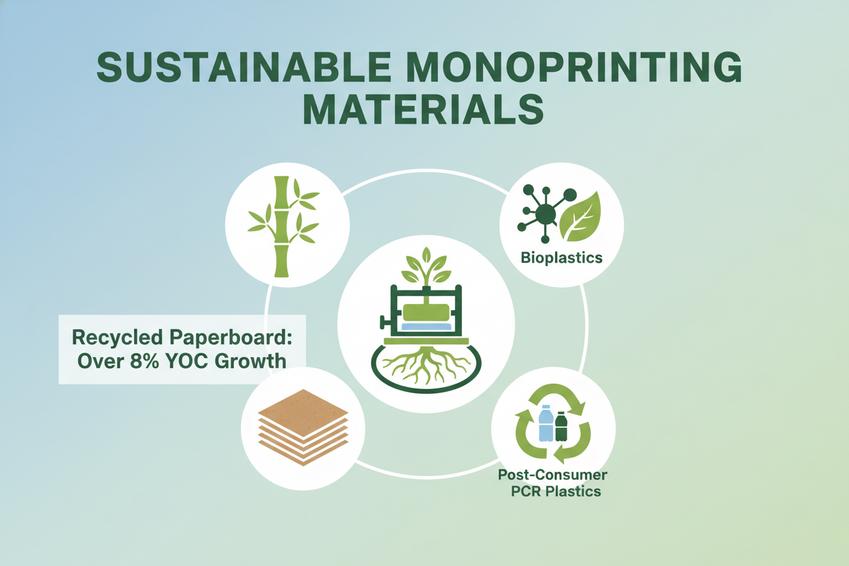
According to Future Market Insights’ April 2024 report, “Eco-packaging made from recycled paperboard has seen a year-over-year growth rate of over 8%, driven by consumer demand for low-waste beauty products”. This makes it a top pick when asking what materials are used for monoprinting sustainably.
Comparing Eco-Friendly Material Options: Bamboo vs. Recycled Paperboard
Let’s size up these two green giants side-by-side:
| Funkcija | Bambukas | Perdirbta popieriaus dėžutė |
|---|---|---|
| Šaltinis | Renewable grass | Post-consumer paper waste |
| Patvarumas | Aukštas | Vidutinio sunkumo |
| Biologinis skaidomumas | Puikus | Geras |
| Cost-efficiency | Vidutinis | Aukštas |
Both are solid choices depending on your packaging goals—whether you want premium feel with bambukas, or cost-effective mass production using perdirbtas kartonas. When choosing what materials are used for monoprinting, these two lead the eco-pack parade.
Benefits of Using Bioplastics in Monoprinted Packaging
Bioplastics aren’t science fiction anymore—they’re here and ready to clean up our act:
- Pagaminta iš atsinaujinančių šaltinių, tokių kaip kukurūzų krakmolas ar cukranendrių cukrus
- Lower carbon footprint than petroleum-based plastics
- Compatible with some forms of kompostuojamų medžiagų
Still wondering what materials are used for monoprinting that won’t haunt landfills? Bioplastics offer a transitional solution between traditional plastics and fully biodegradable options.
How Glass and Aluminum Support Circular Monoprinting Models
Glass and aluminum don’t just look classy—they’re champions of reuse:
• Glass can be endlessly recycled without losing clarity or quality.
• Aluminum boasts one of the highest recycling rates worldwide—over 75%.
While not always biodegradable, both fit perfectly into closed-loop systems where durability meets recyclability. These substrates answer part of the question around what materials are used for monoprinting when aiming to reduce long-term waste.
Using FSC-Certified Substrates for Ethical Sourcing in Monoprinting
Short bursts on why FSC-certified options matter:
They guarantee wood comes from responsibly managed forests. – Help brands meet ethical sourcing standards without greenwashing.
Boost trust among eco-conscious consumers looking at every detail—including substrate origin.
So if you’re still asking what materials are used for monoprinting responsibly—FSC-certified papers should be at the top of your list.
Compostable Materials That Break Down Without Harming Ecosystems
Here’s how compostables step up:
Step 1: Made from organic matter like cornstarch or bagasse
Step 2: Designed to decompose in industrial compost facilities within months
Step 3: Leave behind zero microplastics or toxins
They’re not perfect yet—but they’re getting better fast. For brands exploring what materials are used for monoprinting with minimal ecological impact, compostables add serious value.
PCR Plastics vs Virgin Plastics in Cosmetic Monoprinted Products
Grouped comparison shows clear winners:
PCR Plastics
- Derived from recycled plastic waste
- Reduces reliance on fossil fuels
- Often indistinguishable from virgin plastic in appearance
Virgin Plastics
- Derived from petroleum
- cURL Too many subrequests.
- cURL Too many subrequests.
cURL Too many subrequests.
cURL Too many subrequests.
cURL Too many subrequests.
cURL Too many subrequests.
cURL Too many subrequests. perdirbtas kartonascURL Too many subrequests.
cURL Too many subrequests.
cURL Too many subrequests.
cURL Too many subrequests.
cURL Too many subrequests.
cURL Too many subrequests. cURL Too many subrequests.cURL Too many subrequests.
cURL Too many subrequests. cURL Too many subrequests.cURL Too many subrequests.
cURL Too many subrequests. low VOC carriers to create truly clean prints on sustainable mediums like bamboo or bioplastic shells.
So next time someone asks you what materials are used for monoprinting that won’t mess with Mother Earth—you’ll know exactly where to point them!
The Role of Ink in Monoprinting Materials for Cosmetics
Choosing the right ink and protective finish is key to making cosmetic packaging pop and stay that way. Here’s how it all works out.
Pantone Matched Colors: Selecting the Right Ink Shades
- „Pantone“ spalvų derinimo guarantees uniformity across global packaging runs. That hot coral lipstick box? It looks the same in Tokyo as it does in LA.
- Brands often lock down specific printing inks using Pantone codes to avoid color drift over time or between batches.
- Consistency matters not just for aesthetics but also for legal claims—think SPF labels or shade numbers.
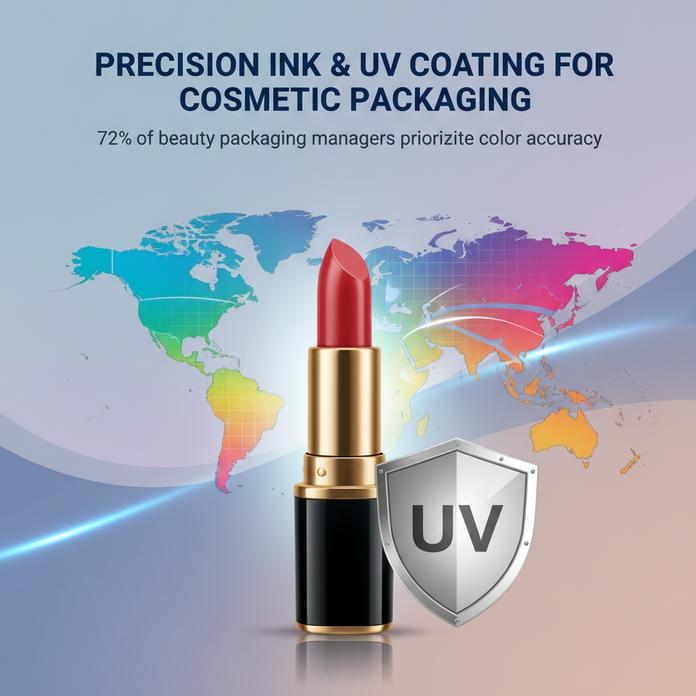
- “Color accuracy is now a top priority for 72% of beauty packaging managers,” notes a 2024 report from Mintel.
- Matching isn’t just visual—it’s emotional branding. A slightly off-pink can feel like betrayal to loyal customers.
| Pantone Code | Product Example | Medžiagos tipas | Rašalo tipas |
|---|---|---|---|
| 2035 C | Lip Tint Container with Precision Tip | Plastic materials | UV-curable ink |
| 7625 C | Raudonis Kompaktiškas pudros dėklas Lid | Metal components | Vandens pagrindo dažai |
| 2747 C | Blakstienų tušo tūbelė | Acrylic surfaces | Solvent-based ink |
| 7499 C | Foundation Carton | Kartonas | Cosmetic-grade ink |
This kind of color control ensures every monoprinted item feels like part of a larger, intentional collection—because it is.
The Benefits of UV Coating for Ink Protection
• When you’re dealing with heavy-duty handling—from warehouse to vanity bag—coated inks are your best bet.
• UV coating adds serious muscle to your prints, especially on glossy or slick packaging substrates like plastic tubes or glass jars.
• It’s not just about shine. This layer shields against scratches, moisture, and even chemical rub-off from oily hands or makeup residue.
• For brands using high-end finishes like metallic inks, UV coating helps preserve those luxe details without dulling them out over time.
• Think of it as sunscreen for your print work—it blocks fading caused by exposure to sunlight and heat during transit or shelf display.
• Inks on textured surfaces like embossed cartons also benefit; the coating fills micro-gaps that otherwise trap dirt or oils, keeping things clean longer.
So when someone asks, “What materials are used for monoprinting?”—don’t forget the unsung hero: coatings that keep those materials looking flawless day after day.
cURL Too many subrequests.
cURL Too many subrequests.
cURL Too many subrequests.
Klausiant „cURL Too many subrequests.cURL Too many subrequests.
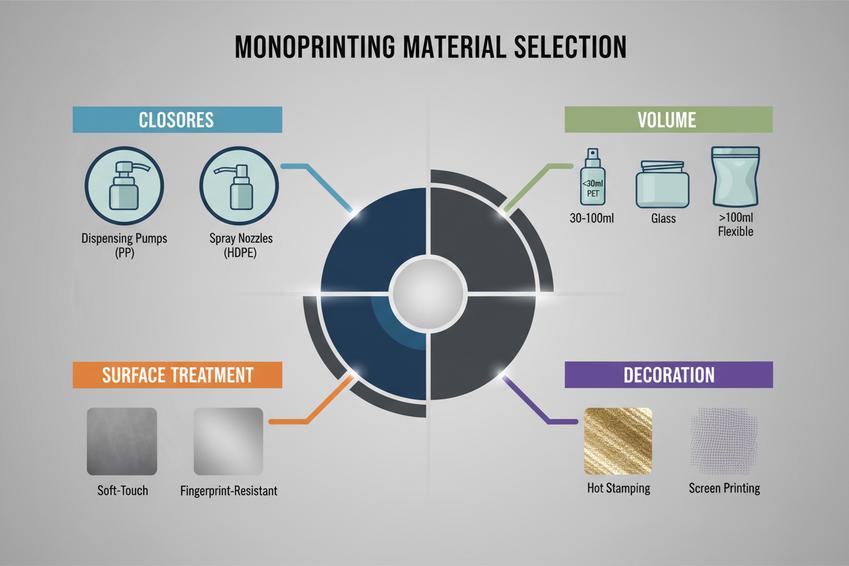
- cURL Too many subrequests. cURL Too many subrequests. cURL Too many subrequests.cURL Too many subrequests. cURL Too many subrequests. cURL Too many subrequests. UV spinduliais kietinami dažai. • Purškimo antgaliaicURL Too many subrequests. HDPE ar net metalinių komponentų cURL Too many subrequests.
cURL Too many subrequests.
cURL Too many subrequests.
cURL Too many subrequests.
- cURL Too many subrequests. PET plastikaicURL Too many subrequests.
- cURL Too many subrequests. stiklas or thicker PP, these offer better durability and broader print zones.
- Large formats (>100ml): Think body creams or toners—these often shift toward flexible packaging using multilayer flexible films, which demand high-performance inks like solvent-based inks that resist cracking during flex.
So if you’re still wondering “what materials are used for monoprinting,” remember—size always shapes that decision.
Importance of Surface Treatment: Soft Touch vs. Fingerprint Resistant
Surface treatments can make or break both visual appeal and practicality—and they’re a big deal when choosing substrates compatible with monoprinting techniques.
Soft-touch coatings give packaging that velvety feel everyone loves, especially on premium lines. They work best on rigid surfaces like coated paperboard or matte-finished plastics, but care must be taken—some soft-touch layers don’t bond well with certain inks unless pre-treated.
On the flip side, fingerprint-resistant coatings are clutch for high-handling items like kompaktinė pudras or lūpų dažų tūbelės. These typically go over glossy finishes on materials such as lacquered metal or polished glass, helping maintain clean visuals over time while still allowing sharp screen prints using durable pigments like metallic pigments.
Each finish needs its own prep game—so pick based on product usage first, then backtrack into compatible treatments.
Decoration Techniques: Hot Stamping Foil vs. Screen Printing
Two flashy ways to decorate—but totally different beasts when it comes to execution:
• Hot stamping foil:
Best suited for crisp logos and metallic accents
Requires heat-resistant substrates like thick-walled stiklas, anodized aluminum, or treated paperboard – Doesn’t always mix well with textured surfaces
• Screen printing:
Offers incredible detail across curved surfaces
Works beautifully with both rigid and flexible containers made from materials like smooth-finish PET and coated PP
Supports layering effects using specialty finishes such as pearlescent pigments
If you’re evaluating “what materials are used for monoprinting,” your chosen decoration method will dictate which substrates you can realistically work with—and vice versa.
Understanding the Role of Closure Types in User Experience
Closures might seem minor—but they’re often the first thing users interact with. And yeah—they influence how well your design holds up too!
Žingsnis po žingsnio suskirstymas:
- Identify closure functionality: Is it twist-off? Flip-top? Airless pump?
- Match closure material to product viscosity—for example, thick creams do better with airless systems using sturdy molded PP.
- Evaluate surface compatibility with your chosen ink system—most closures need either a primer coat or specially formulated inks like food-safe water-based options.
- Consider tactile feel—a soft matte finish may elevate luxury perception but could smudge easily without fingerprint resistance.
- Align closure color/material with main container aesthetics so your monoprinted design looks seamless across all components.
So yeah—the next time someone asks “what materials are used for monoprinting,” don’t forget those tiny caps matter way more than you’d think!
DUK
1. Which materials give the best print clarity and definition?
Smooth surfaces make all the difference—where ink meets precision.
- Acrylic plastic containers: crisp edges and high visibility for branding art.
- cURL Too many subrequests.
- cURL Too many subrequests.
cURL Too many subrequests.
cURL Too many subrequests.
cURL Too many subrequests.
cURL Too many subrequests.
cURL Too many subrequests.
cURL Too many subrequests.
cURL Too many subrequests.
cURL Too many subrequests.
cURL Too many subrequests.
cURL Too many subrequests.
cURL Too many subrequests.
| cURL Too many subrequests. | Vaizdinis efektas | cURL Too many subrequests. |
|---|---|---|
| cURL Too many subrequests. | cURL Too many subrequests. | cURL Too many subrequests. |
| cURL Too many subrequests. | Clean look even with use | Longevity & neatness |
5. Which eco-friendly materials support both beauty values and environmental care?
The movement toward sustainable refinement grows stronger each year—integrity with aesthetic purpose.
- Sustainable bamboo packaging: natural fiber warmth matching embossed logo detailing on oval palettes.
- Recycled paperboard palettes: lightweight yet sturdy, pairs beautifully with labeling adhesive stickers.
Those options prove monoprinting can feel heartfelt without sacrificing sophistication when spread across 30g cream jars or 200g powder compacts sealed under soft UV glimmer coats that speak responsibility as much as style itself.
Nuorodos
[1] Vartotojai rūpinasi tvarumu – ir tai patvirtina savo piniginėmis – McKinsey
[2] Paperboard Packaging Market Outlook (2024 to 2034) – Future Market Insights
[3] Mono-Material Packaging in the Beauty Industry – APC Packaging
[4] Benefits of FSC certification – Forest Stewardship Council
[5] Do PCR cosmetic containers affect product stability or quality? – APG Packaging

