 English (UK)
  English
  English (Australia)
  English (Canada)
  العربية
  Deutsch
  Italiano
  Español de México
  Tiếng Việt
  ไทย
ไทย  Português do Brasil
  Français
  Български
  Čeština
  Dansk
Dansk  Ελληνικά
  Eesti
Eesti  Suomi
Suomi  Magyar
  Bahasa Indonesia
  Lietuvių kalba
  Latviešu valoda
  Norsk bokmål
  Nederlands (Formeel)
  Polski
  Română
  Русский
  Slovenčina
  Slovenščina
  Svenska
  Türkçe
  Українська
  简体中文
简体中文  日本語
日本語  한국어
한국어  繁體中文
繁體中文 
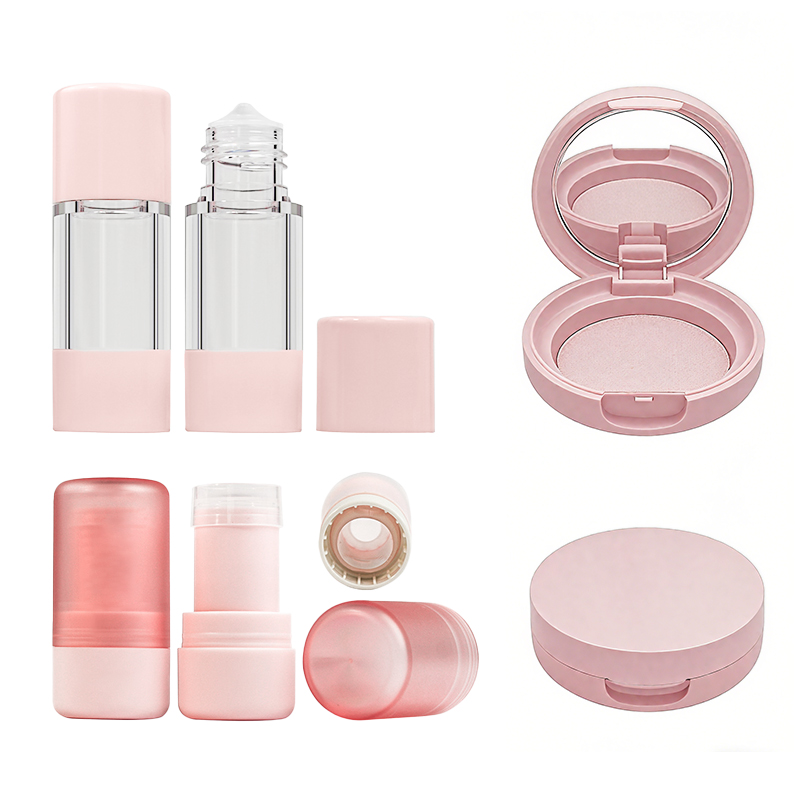
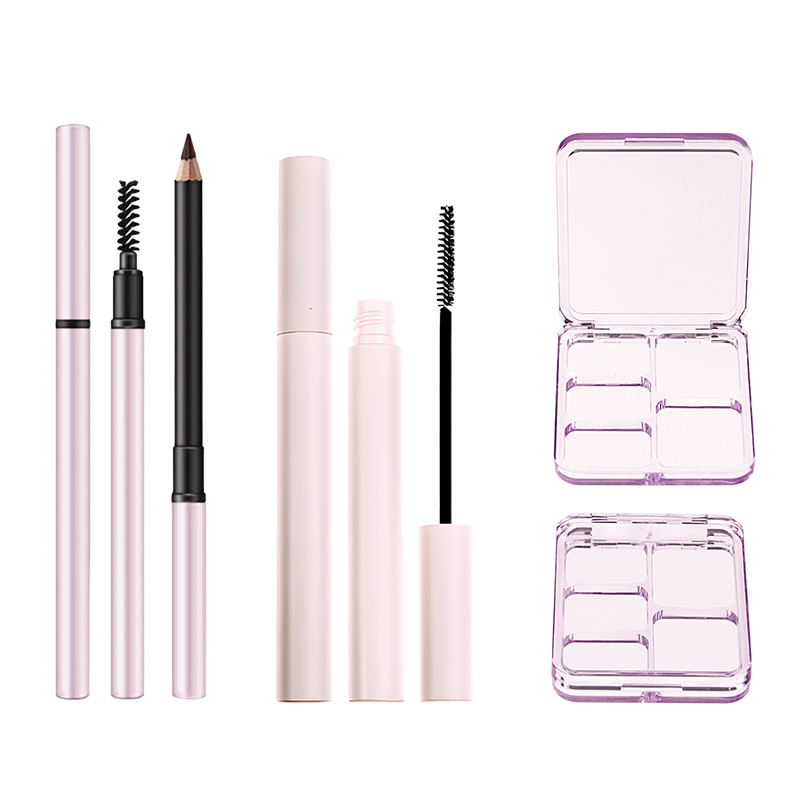
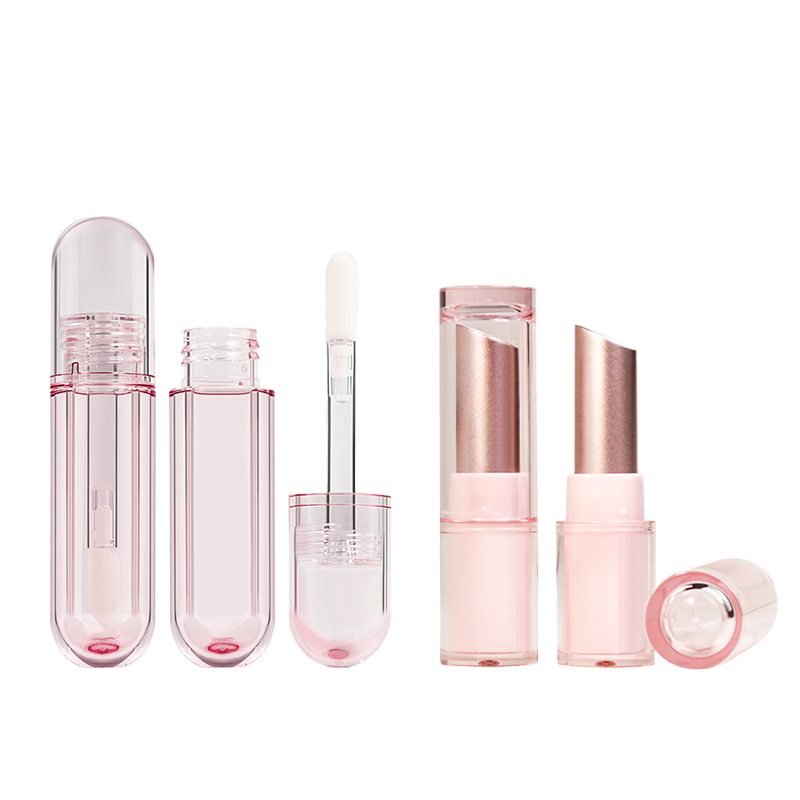

Tips for Designing Effective Sustainable Cosmetic Packaging
December 08,2025
You don’t have to be a tree-hugger to care about what your lipstick tube comes in. Sustainable cosmetic packaging has officially left the “hippie aisle” and walked straight into the boardroom—and it’s got receipts. With over 68% of Gen Z shoppers saying eco-friendly packaging makes or breaks their loyalty (NielsenIQ, Q1 2024), brands that ignore this shift are basically ghosting future revenue.
Still, for businesses trying to scale up without selling out, going green can feel like juggling flaming mascara wands in a wind tunnel—tricky and slightly terrifying. But get the design right, and you’re not just saving polar bears—you’re winning shelf space, customer trust, and long-term margins.
Key Points in the Evolution of Sustainable Cosmetic Packaging
- Top Eco Materials to Know: Recycled PET, biodegradable cardboard, refillable aluminum, ocean plastic alternatives, and mushroom packaging are redefining beauty packaging with innovation and responsibility.
- Why Consumers Care: Over two-thirds of Gen Z value sustainable cosmetic packaging—eco-labels, refillables, and minimalist designs directly influence their purchasing behavior.
- Biodegradability Done Right: Aligning materials with ASTM D6400 standards and collaborating with FSC-certified suppliers ensures compostable options meet environmental benchmarks.
- Design That Protects & Performs: Lightweight structures like mono-material airless pumps preserve product integrity while reducing shipping emissions for a greener footprint.
- Reuse & Loyalty Loops: Recyclable after use programs not only reduce waste but also foster deeper brand loyalty among eco-conscious shoppers looking beyond first purchase impact.
Top 5 Materials For Eco-Friendly Packaging
A quick peek at the top contenders making custom cosmetic packaging more planet-friendly and stylish than ever.
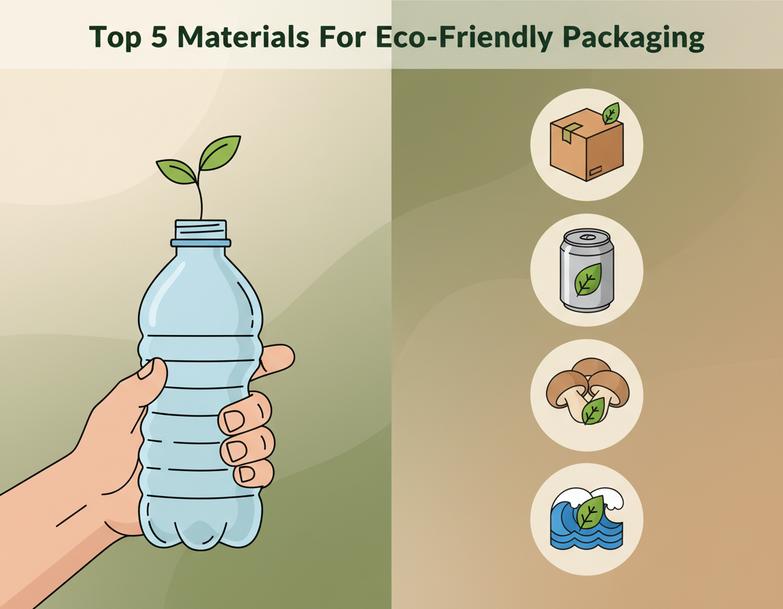
Recycled PET Plastic: The Versatile Choice for Sustainability
Recycled PET plastic hits that sweet spot between performance and responsibility. It’s lightweight, clear, durable—and gets reborn time and again.
- ♻️ Made from post-consumer waste like water bottles.
- 🌍 Reduces greenhouse emissions by up to 79% compared to virgin plastic.
- 🔁 Fully recyclable, supporting closed-loop systems in eco-packaging.
In fact, according to the Ellen MacArthur Foundation’s Circular Economy Report in early 2024, brands using recycled PET saw a measurable uptick in consumer trust—especially among Gen Z buyers who prioritize green packaging over aesthetic frills.
Biodegradable Cardboard: A Natural Alternative to Traditional Boxes
Cardboard’s glow-up is real. Especially when it’s biodegradable and FSC-certified—it screams eco without skimping on looks.
- Great for outer boxes in sustainable cosmetic packaging, especially gift sets.
- Breaks down naturally within weeks under composting conditions.
- Customizable with soy-based inks and water-based adhesives.
More than just tree pulp—it’s your brand’s handshake with Mother Nature.
Refillable Aluminum: Durable Yet Eco-Conscious Packaging Solution
Refillable aluminum containers are changing the game by combining style with circular thinking. Here’s how they stack up:
| Feature | Benefit | Environmental Impact |
|---|---|---|
| ISO14001 Certified | Meets global sustainability norms | Ensures minimal waste |
| High Durability | Withstands multiple refills | Cuts single-use reliance |
| Full Recyclability | Infinite reuse potential | Zero landfill contribution |
This material is perfect for high-end creams or serums where aesthetics meet ethics—because nothing says premium like polished metal that doesn’t pollute.
Compostable Mushroom Packaging: Innovations in Bio-Based Materials
Mushroom-based materials are sprouting up as unlikely heroes in eco-friendly beauty packaging—and they’re weirdly wonderful.
- Grown using agricultural waste + mycelium = zero synthetic input.
- Molded into shapes that cradle fragile items like glass jars.
- After use? Toss it into your garden—it breaks down completely within a month!
Topfeel uses this tech smartly for protective inserts inside their shipping kits—a move that’s both earthy and edgy.
Ocean Plastic Alternatives: Turning Waste into Beautiful Packaging
Ocean-bound plastics are being turned into sleek new containers—and not just as a marketing gimmick either.
- Sourced responsibly from coastal cleanup initiatives across Southeast Asia and Latin America
- Sterilized, reprocessed, then molded into jars and lip balm tubes for moisturizers & more
- Helps reduce marine pollution while giving consumers something tangible to feel good about
McKinsey’s April 2024 Beauty Sustainability Index noted that products using ocean plastic alternatives saw an average sales lift of nearly 12%, thanks to visible impact storytelling built right into the design of their cosmetic eco-packaging solutions.
The Role Of Consumer Behavior In Sustainable Packaging
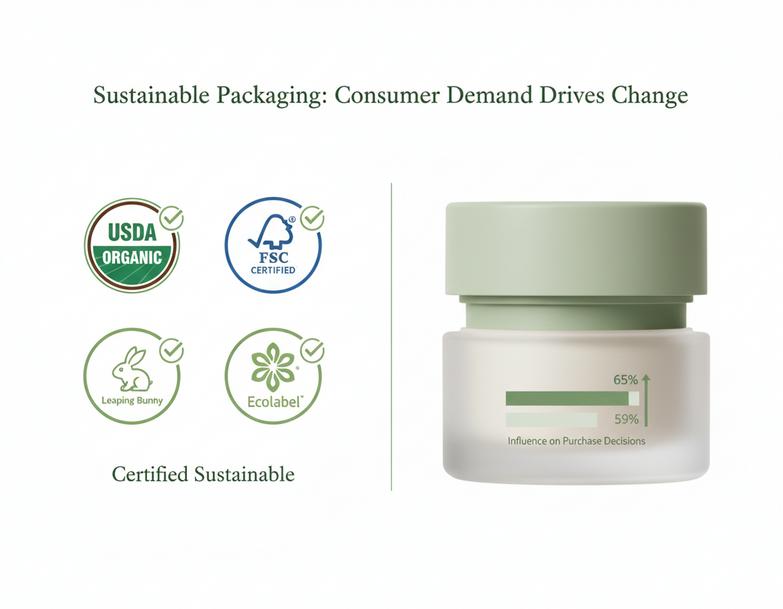
Consumer demand is rewriting the rules of sustainable cosmetic packaging. Let’s see how eco-labels, design, and refillables shape buying habits.
How Eco-Labels Influence Purchasing Decisions
- Eco-labels like USDA Organic or EU Ecolabel aren’t just pretty stickers—they’re trust signals.
- Gen Z and Millennials are especially drawn to them because they scream transparency.
- Shoppers often associate eco-certifications with product safety and ethical sourcing.
- Brands that display third-party verified labels tend to outperform those that don’t.
| Label Type | Recognition Rate (%) | Influence on Purchase (%) | Top Demographic |
|---|---|---|---|
| USDA Organic | 72 | 65 | Millennials |
| FSC Certified | 68 | 59 | Gen Z |
| Leaping Bunny | 61 | 55 | Women aged 25–34 |
| EU Ecolabel | 47 | 41 | EU Consumers |
The numbers prove it—eco-labels drive action, not just awareness.
Consumer Preferences: The Demand for Refillable and Compostable Options
- Refillable containers are no longer niche—they’re mainstream now.
- Compostable packaging is gaining traction, especially among urban dwellers tired of plastic guilt.
- People want to feel like they’re doing something good every time they toss a used product.
Grouped into three core categories:
- Refill Systems: Popular in skincare; consumers love customizable refills in sleek aluminum pods.
- Compostables: Bioplastics and mushroom-based trays appeal to zero-waste warriors.
- Hybrid Models: Some brands combine compostable outer shells with refillable inner cores—double win.
This shift isn’t hype—it’s a full-blown expectation in today’s beauty aisle.
The Impact of Minimalist Design on Attracting Eco-Conscious Shoppers
Let’s keep it real—nobody wants cluttered packaging anymore.
Short insights:
→ Clean fonts + soft earth tones = instant credibility with eco-conscious folks
→ Laser etching instead of ink? That screams low-impact luxury
→ No more plastic windows or shiny coatings—it’s all about matte finishes and recyclability
Minimalist design isn’t about being boring—it’s about showing you care without shouting it out loud. When paired with sustainable cosmetic packaging materials like glass or bamboo, the look becomes both modern and meaningful.
Steps To Achieve Biodegradable Packaging Solutions
Getting biodegradable packaging right isn’t just about being eco-friendly—it’s about making smart, stylish choices that work. Let’s break it down.
Assessing Material Options: Which Biodegradable Choices Fit Best?
When it comes to picking the best fit for biodegradable packaging, you’ve got options—and each one brings something different to the table:
- PLA-based bioplastics: Derived from corn starch or sugarcane, these are great for lightweight containers like powder compact cases or lip balm tubes.
- Molded pulp fiber: Think egg-carton texture but sleeker—perfect for protective inserts and trays.
- Paperboard with water-based coatings: Ideal for folding cartons that still need a bit of moisture resistance.
- Bamboo composites: Strong, durable, and totally compostable—great for reusable makeup compacts.
- Recycled paper pulp: A go-to choice when sourcing FSC-certified materials to support sustainable cosmetic packaging goals.
Each material balances aesthetics, performance, and environmental responsibility differently—so choosing depends on your brand vibe and product needs.
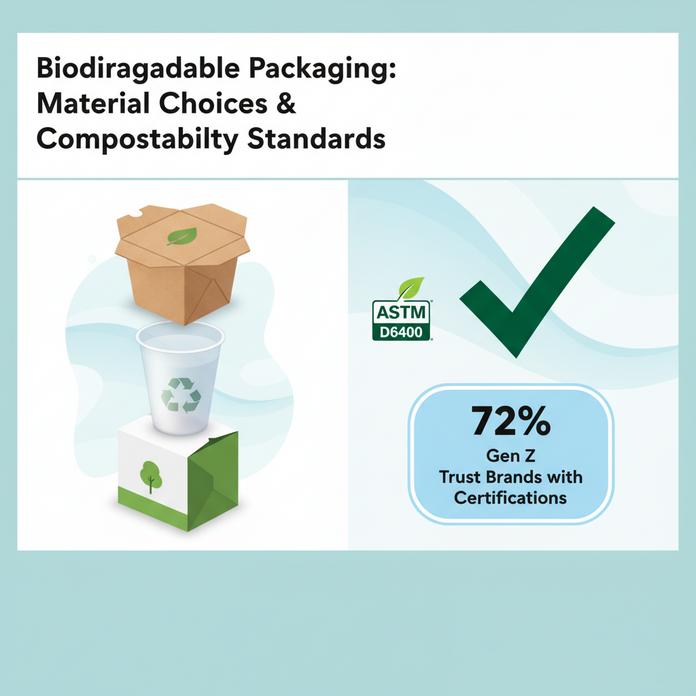
Aligning with ASTM D6400 Compostability Standards for Success
✓ Start by checking if your chosen materials meet the ASTM D6400 standard, which ensures full breakdown in industrial composting conditions within 180 days.
✓ Work closely with suppliers who already have certified inputs—it saves testing time and cost.
✓ Keep an eye out for updates. As of Q2 2024, new thresholds around heavy metal content have been added to certification criteria—a heads-up before finalizing production runs.
✦ Don’t forget consumer expectations. According to McKinsey’s April 2024 report on sustainable beauty trends, “72% of Gen Z consumers say they trust brands more when third-party certifications are clearly displayed.”
So yeah—getting that ASTM badge? It’s not just good science—it’s good business too.
Innovative Processes: Utilizing 3D Printing for Sustainable Prototyping
Quick tweaks. Faster feedback loops. Less waste. That’s what makes 3D printing a game changer in crafting prototypes for eco-packaging:
You can test different designs without committing to full-scale molds. Got an idea? Print it overnight and see how it feels in hand by morning.
It also lets you experiment with biodegradable filaments like PLA blends or even algae-based resins—ideal when testing new shapes or closures without using non-renewable plastics.
And hey, fewer failed molds = less landfill junk = better sustainability scores overall.
Collaborating with Suppliers on Sustainable Sourcing Practices
Building real relationships with your packaging suppliers is key when aiming for clean supply chains:
- ✅ Choose vendors who offer traceable materials like FSC-certified paperboard or PEFC bamboo.
- ✅ Ask about their own carbon footprint policies—they should walk the talk too.
- ✅ Insist on transparency around resin sourcing if using bioplastics; not all “bio” is created equal.
Topfeel has worked closely with its network of vetted suppliers to ensure every component—from inks to adhesives—is aligned with responsible sourcing principles supporting sustainable cosmetic packaging development across product lines.
You’re not just buying boxes—you’re building a greener brand story from scratch.
Why Recyclable After Use Programs Matter for Brand Loyalty
You know what keeps people coming back? A brand that makes it easy to do good.
- Customers appreciate when brands offer mail-back recycling programs.
- In-store drop-off bins provide convenience while boosting foot traffic.
- QR codes on packaging can link directly to instructions or rewards.
💡 According to Mintel’s late-2024 report on consumer behavior, nearly 68% of Gen Z shoppers say they’re more loyal to brands offering visible sustainability efforts—including post-use programs tied to sustainable cosmetic packaging solutions.
Multiple short takeaways:
- It builds trust when customers see where their empties go.
- It turns tossing into an action step toward environmental care.
- It reinforces a brand’s commitment beyond just marketing talk.
When done right, these programs aren’t just green—they’re golden for loyalty points too.
References
- Consumer Outlook 2024: The Fundamentals & Sustainability – NielsenIQ
- The Ellen MacArthur Foundation’s Impact Report Summary 2024 – Ellen MacArthur Foundation
- State of Beauty 2025: Solving a shifting growth puzzle – McKinsey
- What is ASTM D6400? – Nature-Pack
- Global Outlook on Sustainability: A Consumer Study 2024-25 – Mintel
FAQs
It’s not just about swapping plastic for paper. The magic lies in thoughtful choices:
- Recycled PET: Lightweight, recyclable, and already part of the waste stream.
- FSC-certified cardboard: Compostable and sourced from responsibly managed forests.
- Refillable aluminum: Sleek, durable, and endlessly reusable.
- Mushroom-based trays: Grown—not manufactured—and break down naturally.
Each material tells a story. A lipstick tube made from ocean-reclaimed plastic doesn’t just hold color—it holds purpose.
Minimalist design isn’t only an aesthetic; it’s a statement. By stripping away excess—no glittery foils or layered plastics—the product speaks directly to people who want their values reflected on their vanity shelf. Laser etching replaces ink-heavy labels. Transparent jars show off both formula and intention. It’s clean beauty in every sense.
Absolutely—but the savings aren’t just financial:
- Brands spend less on outer packaging by producing refills instead of full units each cycle.
- Consumers feel invested when they keep reusing that sleek compact or foundation bottle.
- Loyalty deepens through habit—refilling becomes ritual.
The result is a quieter kind of luxury that rewards consistency over consumption.
Because what happens after use matters as much as what happens during it. Biodegradable compacts crafted to meet compostability standards don’t linger in landfills—they return to the earth gracefully, like fallen leaves at season’s end. And yet these cases still protect pigments beautifully until the last swipe is gone.
Sustainability scales best with smart systems:
- Injection molding using post-consumer resin ensures uniformity while reducing virgin material use.
- Thermoforming works well for an empty makeup palette where precision meets efficiency.
- 3D printing lets designers test bold ideas before committing resources—a creative safety net that saves waste later on.
These methods don’t sacrifice performance—they refine it with care baked into every step.
Yes—and not because customers expect perfection but because they crave participation. When brands invite users to send back empties or drop them at partner stores, something changes: shoppers become collaborators in sustainability efforts rather than passive buyers. That shared responsibility builds trust—and trust brings them back again and again.

