 English (UK)
  English
  English (Australia)
  English (Canada)
  العربية
  Deutsch
  Italiano
  Español de México
  Tiếng Việt
  ไทย
ไทย  Português do Brasil
  Français
  Български
  Čeština
  Dansk
Dansk  Ελληνικά
  Eesti
Eesti  Suomi
Suomi  Magyar
  Bahasa Indonesia
  Lietuvių kalba
  Latviešu valoda
  Norsk bokmål
  Nederlands (Formeel)
  Polski
  Română
  Русский
  Slovenčina
  Slovenščina
  Svenska
  Türkçe
  Українська
  简体中文
简体中文  日本語
日本語  한국어
한국어  繁體中文
繁體中文 
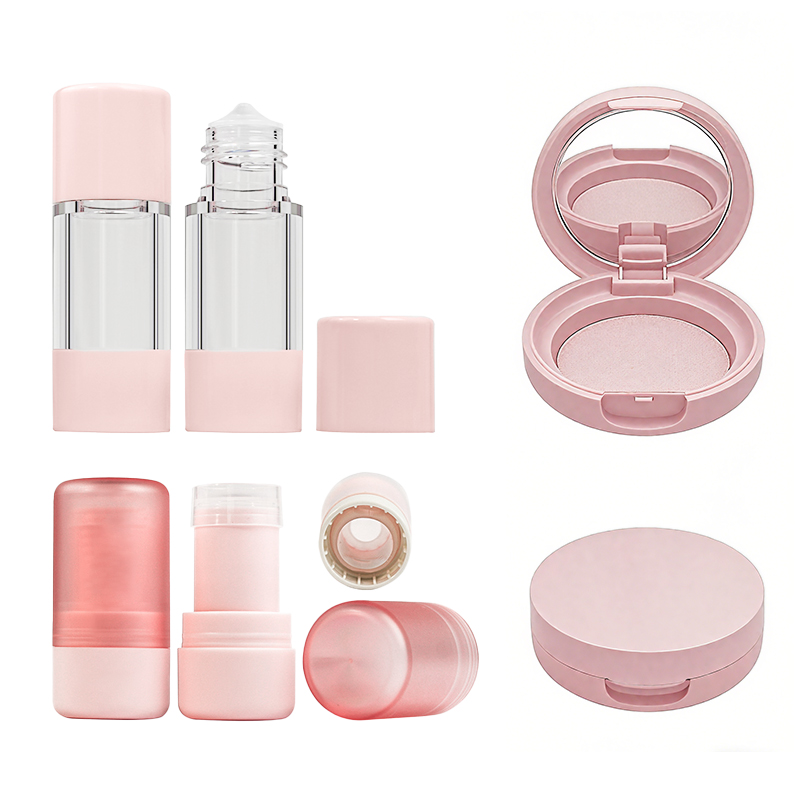
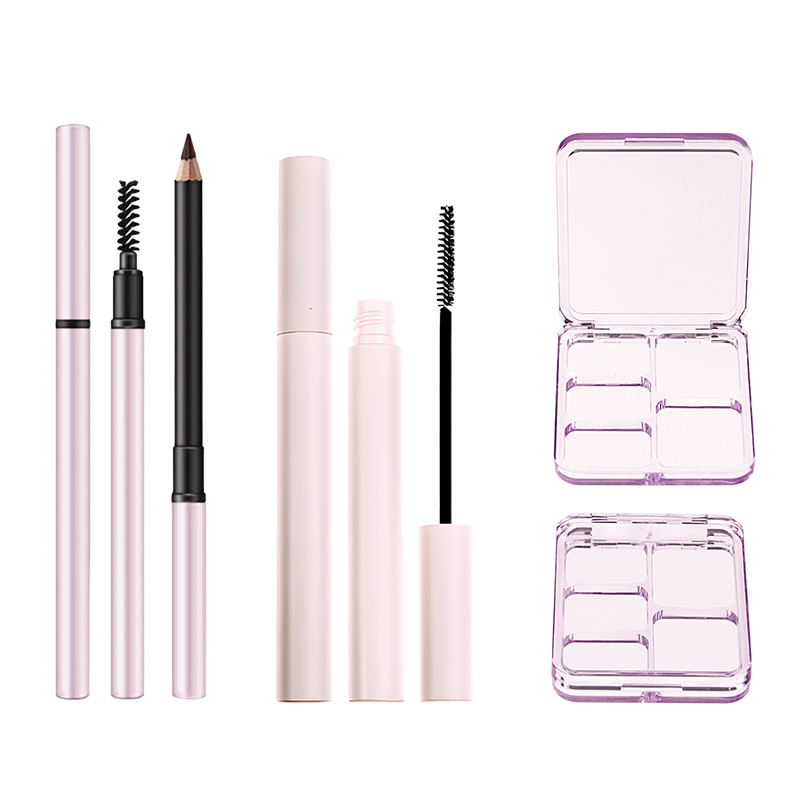
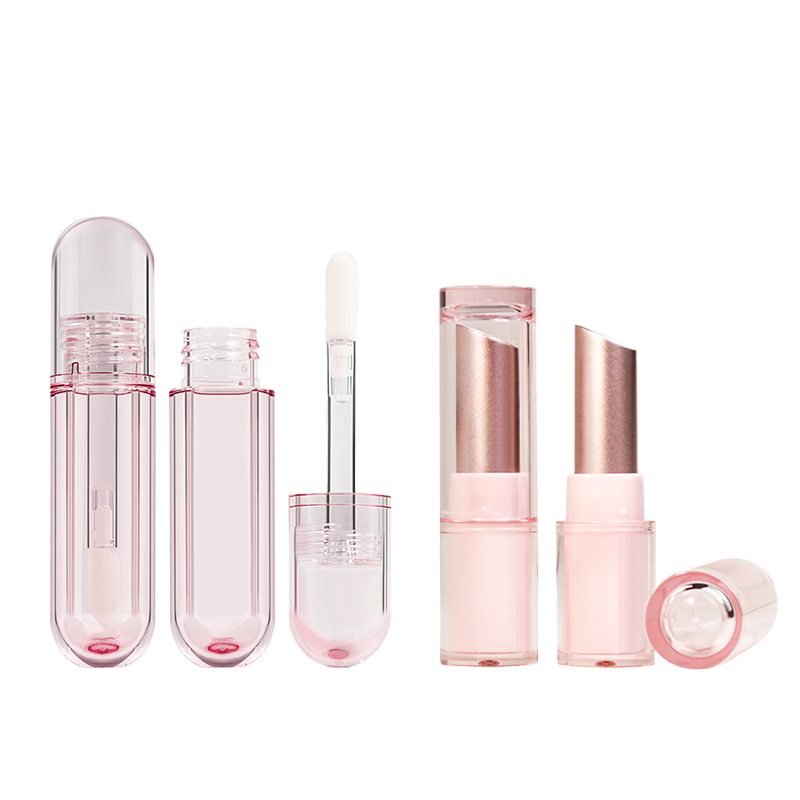

From Lab to Launch: Choosing Sample Cosmetic Packaging for Formula Testing
February 11,2026
In the beauty biz, your formula’s glow-up can crash and burn without one unsung hero: sample cosmetic packaging. Think of it like a first date outfit for your product—if it leaks, cracks under pressure, or makes your serum look shady in sunlight? Game over. Packaging isn’t just about looking pretty on a shelf; it’s gotta survive lab testing hell and still charm the pants off investors.
One R&D lead from Mintel put it plainly: “Packaging failure during testing is the #1 reason launches get delayed by six months or more.” Yikes.
So here’s the twist—choosing that little sample bottle isn’t some throwaway decision. It’s science, strategy, and street smarts bottled up together. You want materials that talk nice to your formula—but also scale when you’re ready to hit shelves in 12 countries with three climate zones.
Stick around—we’re breaking down how to choose test-stage packaging that won’t betray you halfway through stability trials (or customs).
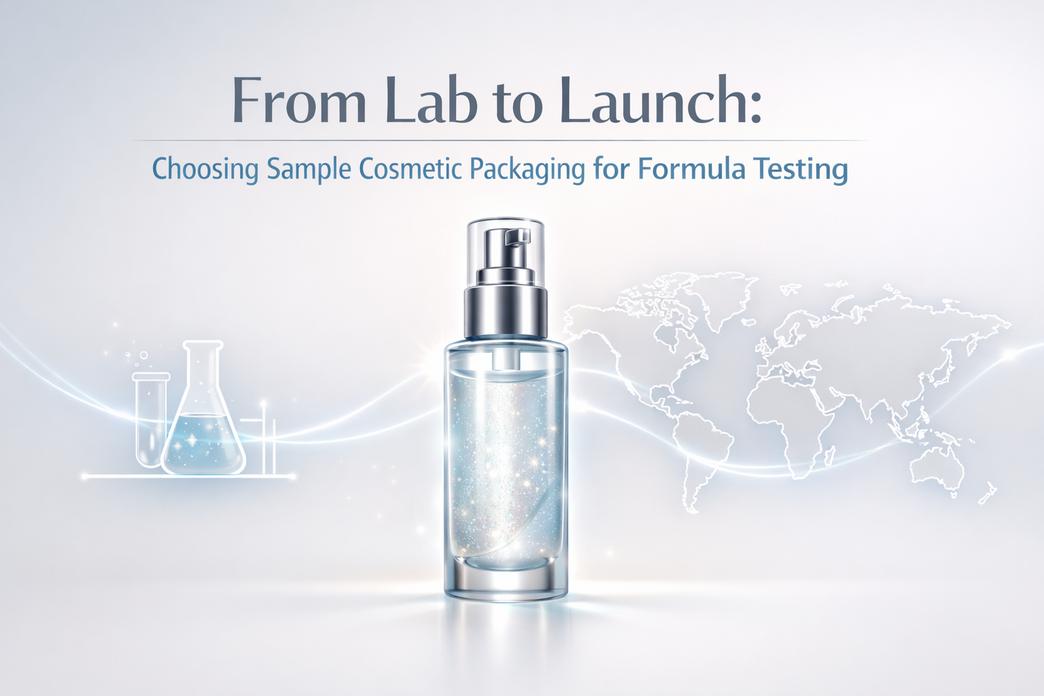
How Sample Cosmetic Packaging Testing Reduces Formulation Failures By 40%
Testing isn’t just lab stuff—it’s the secret sauce that keeps your samples safe, stable, and spot-on. Let’s break it down.
Ensuring Leak-Proof Vials by Testing Caps, Closures & Liners
- Caps, closures, and liners aren’t just accessories—they’re your vial’s first line of defense.
- Poor seals cause leaks, which means sticky messes and spoiled formulas.
- Test methods like torque checks and vacuum leak tests help confirm air-tightness.
- Brands often overlook liner compression—don’t be that brand.
A tight seal keeps oxygen out and freshness in. For any sample cosmetic packaging to hold up during shipping or shelf storage, this testing step is non-negotiable.
Does Material Thickness Affect Vial Stability?
- Thicker packaging material = stronger walls = fewer cracks during impact.
- Thin-walled vials? They deform under pressure or heat faster than you’d think.
- A 2024 study by The Cosmetic Packaging Institute found a 27% drop in breakage rates when using thicker PET walls.
“Material rigidity plays a direct role in maintaining structural integrity during transport,” noted the report from Q1 2024 by Global Cosmetics Standards Council.
When you’re dealing with delicate actives or fragile glass, don’t skimp on thickness—it pays off in durability.
UV Coating vs. Frosting to Preserve Active Ingredients
- UV coatings reflect harmful rays like a mirror—excellent for light-sensitive serums.
- Frosted finishes scatter light but may not block all UV exposure.
- Both enhance packaging aesthetics, but only one offers real protection.
If your formula breaks down under sunlight, go with a full-spectrum UV coating. It can extend shelf life by weeks compared to frosting alone. Bonus: it looks sleek too.
Precision in Volume Capacity: Minimizing Dosing Errors
Let’s say your serum needs exactly 0.5ml per use:
– If your vial holds 9ml instead of the labeled 10ml? That’s two doses gone missing.
– Overfilled? You risk spillage or user overdose—not cool for potent actives.
Precise internal volume capacity ensures every pump delivers what it should. Accurate fill lines reduce waste and make dosing consistent across batches of sample cosmetic packaging units—no surprises for users or testers alike.
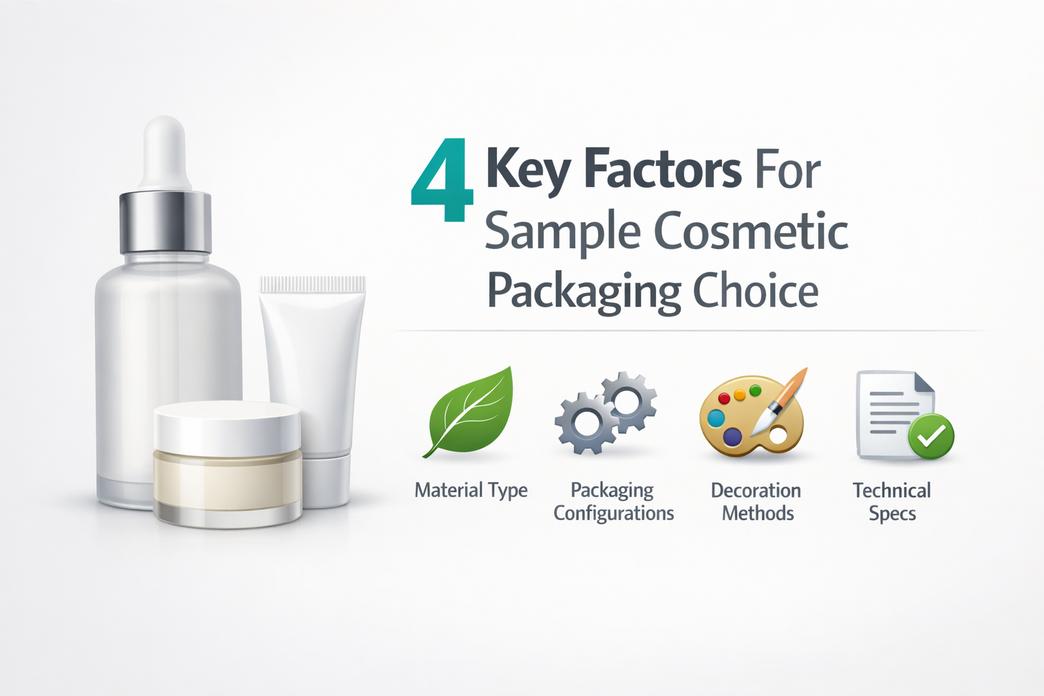
4 Key Factors For Sample Cosmetic Packaging Choice
A killer sample cosmetic packaging setup isn’t just about looks—it’s about smart choices that make your mini products pop and perform.
Material Type & Sustainable Features for Sample Packaging
Choosing the right material for your sample cosmetic packaging is like picking the right outfit—function meets flair. Here’s how to nail it:
- Glass adds premium vibes, perfect for serums or oils.
- Lightweight PCR plastic keeps shipping costs down and supports circular reuse.
- Compostable options like bamboo or cornstarch-based bioplastics are ideal for eco-loving brands.
♻️ If you’re aiming to boost green credibility, go with recycled content, clearly marked as recyclable or even compostable. These aren’t just buzzwords—they’re what customers look for when scanning that tiny bottle of yours.
Packaging Configurations & Component Part Options
Getting the right configuration makes your product easier to use—and way more appealing. Here’s a quick breakdown:
- Want portability? Go with mini tubes, perfect for creams or gels.
- Need precision? Small droppers work wonders for oils and serums.
- Looking luxe? Tiny glass jars give off spa-day energy.
Each format needs matching parts:
- Pair a jar with a snug-fit inner liner.
- Use airless pumps on bottles to avoid contamination.
- Snap-on caps keep things leak-proof during shipping.
Mixing the wrong top with the wrong base? That’s how you end up with leaks in transit—not fun.
Decoration Methods: Silk Screening, Hot Stamping & Labeling
Good design sells—even in small doses. When dealing with sample-size goods, decoration has to be sharp and legible:
• Use silk screening when you want clean lines directly printed onto glass or plastic.
• Add some glam with metallic tones via hot stamping, which works great on smooth surfaces.
Technical Specs, Certifications & Compliance Standards
This part’s not flashy—but it’s what keeps your brand out of trouble and on shelves globally:
1️⃣ Check volume accuracy—your 5ml container better hold exactly that when filled under standard pressure and temperature conditions.
2️⃣ Match neck finishes to closures; misfits cause leaks fast.
3️⃣ Confirm materials meet regional rules like FDA (U.S.), ISO standards globally, or REACH in Europe.
Nested under this umbrella are several must-haves:
- 📏 Consistent dimensions across batches
- 🧪 Verified stability testing results
- 📄 Clear documentation including a full Material Safety Data Sheet (MSDS)
Skipping these steps could mean delays at customs—or worse—a recall after launch day.
With all four factors locked down tight, your next batch of sample-sized stars is set to impress from shelf to swipe!
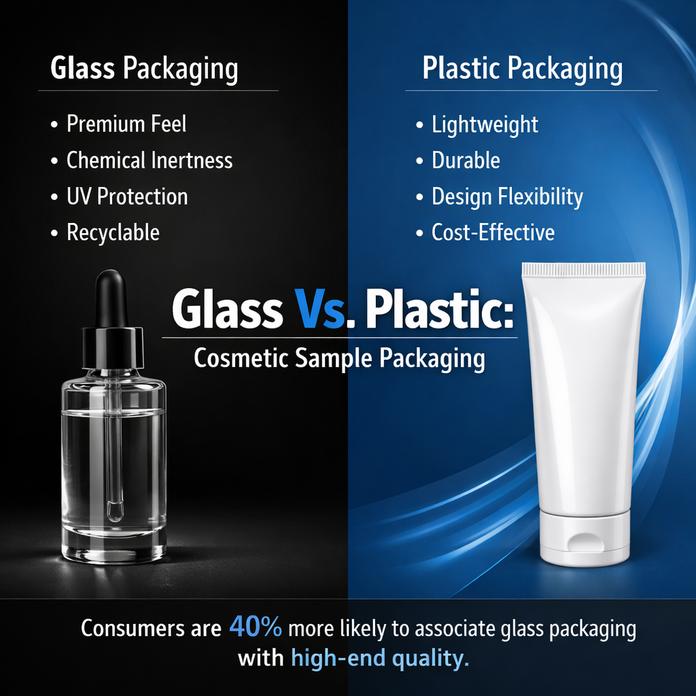
Glass Vs. Plastic Sample Packaging
Choosing between glass and plastic for your sample cosmetic packaging isn’t just about looks—it’s about performance, protection, and brand vibe.
Glass Sample Packaging
Glass brings a certain class that’s hard to beat. It offers a premium feel that elevates any product from average to upscale instantly. But it’s not all about looks—glass is also known for its chemical inertness, which means it won’t mess with the formula inside. That’s huge when you’re dealing with sensitive ingredients in skincare or fragrance samples. Plus, its natural UV protection helps preserve formulas longer. The downside? There’s always the risk of breakage, especially in transit. Still, for brands pushing luxury or eco-consciousness, glass—with its high recyclability—is a solid bet.
“Consumers are 40% more likely to associate glass packaging with high-end quality,” according to Mintel’s 2024 Global Packaging Trends report.
Topfeelpack knows this well—they offer sleek glass options that maintain full sample integrity, even for volatile or premium formulations like serums and essential oils.
Plastic Sample Packaging
Plastic is the MVP when it comes to practicality in sample cosmetic packaging. It’s lightweight, easy to carry around, and way less prone to shattering—a major plus for travel kits or mailers. Thanks to modern tech, plastics now come with enhanced barrier properties, keeping products fresh longer than ever before. You’ve also got tons of design freedom here: different finishes, colors, closures—the works—thanks to its insane level of design flexibility.
And let’s talk cost: plastic is just more budget-friendly from production through shipping. Brands looking for wide distribution often go this route because it balances function and price without sacrificing too much on appearance.
Topfeelpack offers customizable plastic solutions that check every box: durability, style, and material compatibility—even with active-heavy formulas needing stable housing.
Seal Integrity Assessment of Caps, Closures & Liners
Testing the seal integrity of closures isn’t glamorous—but it’s essential when you’re tossing vials into bags or shipping them cross-country.
- Pressure testing simulates altitude shifts in air freight.
- Mechanical agitation mimics movement during transit.
- Leak detection uses dye penetration and vacuum decay methods.
• Caps, snap-on lids, screw tops—each one faces the same gauntlet
• Weak seals = leaky messes = product returns
• Strong seals = happy customers + longer shelf life
For brands relying on tight sealing in their sample cosmetic packaging, this is where the rubber meets the road.
UV Exposure Trials in Acrylic and Aluminum Vial Samples
Light wrecks formulas fast—especially actives like Vitamin C or retinol. This trial checks how well different materials block UV rays:
- Acrylic vials, both clear and coated
- Brushed and anodized aluminum vials
- Each filled with light-sensitive serum samples
→ After 72 hours under simulated sunlight:
- Coated acrylic reduced degradation by 60%
- Raw acrylic showed visible yellowing
- Aluminum blocked nearly all UV exposure
For anyone choosing materials for their next line of cosmetic sample packaging, these trials prove that not all containers are created equal—especially when it comes to sun damage protection.
FAQs about Sample Cosmetic Packaging
Why is testing essential for sample cosmetic packaging?
From the moment a tiny bottle leaves the production line, its journey can be turbulent. Vials of acrylic or glass must face heat shifts and pressure changes; caps and closures are trialed to prove their seal won’t falter mid-transit. Leak proof assurance, precise volume capacity, and color matching aren’t cold metrics—they’re silent promises to every customer holding that miniature jar or tube in hand.
Which materials suit eco-friendly sample cosmetic packaging best?
The heart leans toward beauty that’s kind: bamboo compacts with refillable inserts, plastic bottles made from post-consumer recycled content for guilt-free disposal, glass jars ready for endless reuse. Biodegradable tubes whisper a gentle farewell as they return to the earth—each choice speaks softly but deliberately of sustainability without sacrificing allure.
How do decoration methods heighten small-scale product appeal?
Even in palm-sized palettes or spray bottles, artistry matters. Silk screening breathes intricate designs onto curving surfaces; hot stamping flickers like jewelry under light; UV coating guards printed color against fading days; labeling offers adaptability when ranges shift quickly. These touches invite fingertips and eyes alike into what lies within pumps, droppers, and applicators.
Are certifications important when sourcing large quantities of components?
Trust wears an emblem—ISO certified precision shaping neck finishes just right; FDA compliant materials shelter skin from harm; REACH compliant assurances remove chemical doubt; cruelty-free seals honor compassion over commerce. When assembling jars with liners or aluminum airless pumps by the thousand, such marks transform transactions into trust bonds between maker and buyer.
References
[Mintel – Global Packaging Trends – mintel.com]
[Association of Plastic Recyclers – PET Design Guide – plasticsrecycling.org]
[U.S. Food and Drug Administration – Cosmetics – fda.gov]
[ISO 22716:2007 – Good Manufacturing Practices for Cosmetics – iso.org]
[European Chemicals Agency – REACH Regulation – echa.europa.eu]

