 English (UK)
  English
  English (Australia)
  English (Canada)
  العربية
  Deutsch
  Italiano
  Español de México
  Tiếng Việt
  ไทย
ไทย  Português do Brasil
  Français
  Български
  Čeština
  Dansk
Dansk  Ελληνικά
  Eesti
Eesti  Suomi
Suomi  Magyar
  Bahasa Indonesia
  Lietuvių kalba
  Latviešu valoda
  Norsk bokmål
  Nederlands (Formeel)
  Polski
  Română
  Русский
  Slovenčina
  Slovenščina
  Svenska
  Türkçe
  Українська
  简体中文
简体中文  日本語
日本語  한국어
한국어  繁體中文
繁體中文 

Why Revolution Packaging is the Ultimate Choice
February 02,2026
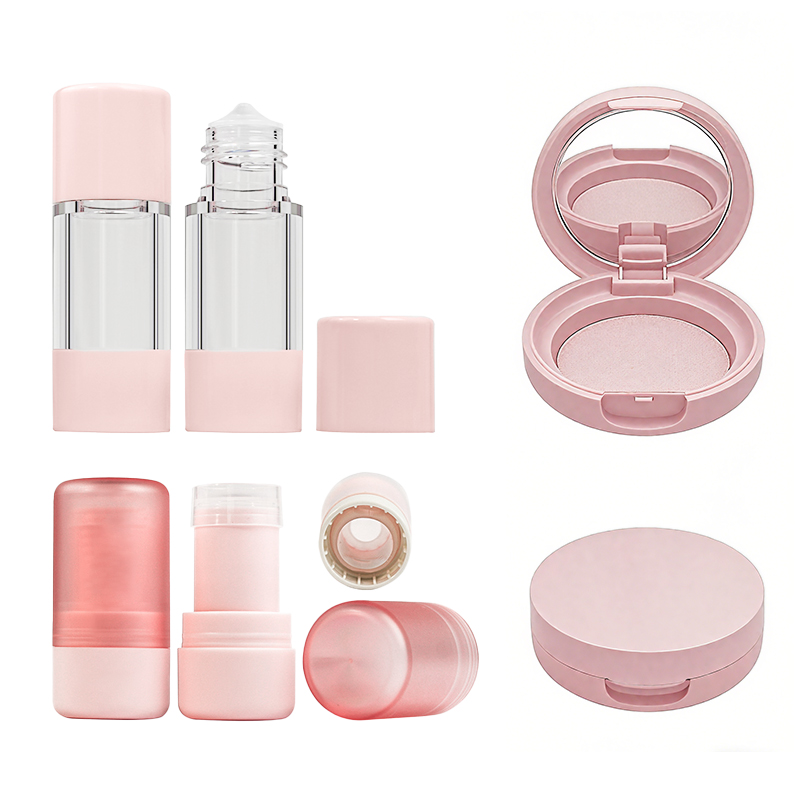
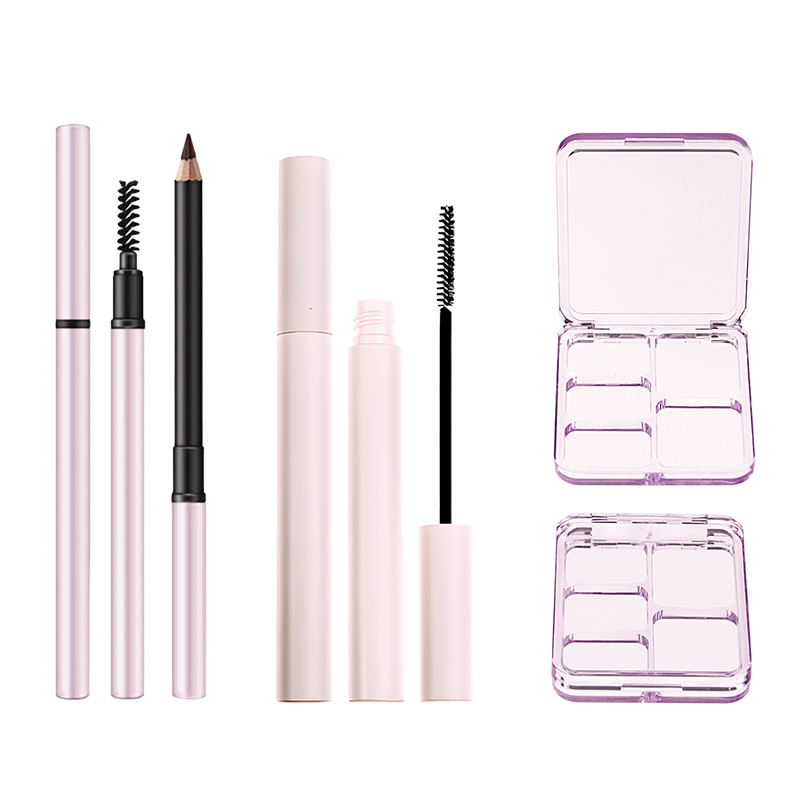
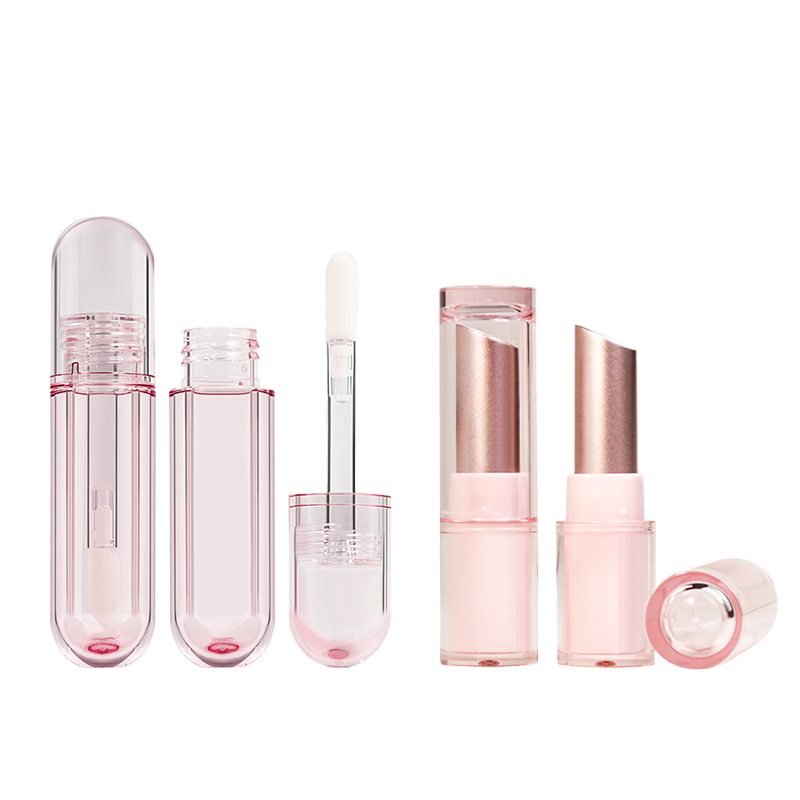
Eco-conscious beauty brands are stuck between a rock and a landfill: go green or get ghosted by Gen Z. That’s where Revolution Packaging struts in—like the cool kid at prom, turning trash into treasure with refillable lipstick tubes, biodegradable jars, and snazzy little compacts that actually make recycling sexy again. This isn’t your grandma’s packaging; it’s slick, smart, and built for brands who want to save the planet without skimping on style.
Think of it like this: you wouldn’t serve organic kale from a Styrofoam plate, right? Same vibe here. Today’s buyers can sniff out greenwashing faster than you can say “microplastics.” From TikTok skincare hauls to Sephora shelves, consumers now demand more than just pretty labels—they want packaging with purpose.
Beauty insiders aren’t guessing anymore either. According to a 2024 NielsenIQ report, 68% of U.S. shoppers say sustainable packaging sways their buying decisions more than product claims themselves. That means choosing eco-smart design isn’t just feel-good fluff—it’s straight-up retail strategy.
The Power of Revolution Packaging in Sustainable Branding
Branding is changing fast—and revolution packaging is the spark lighting up the eco-conscious world.
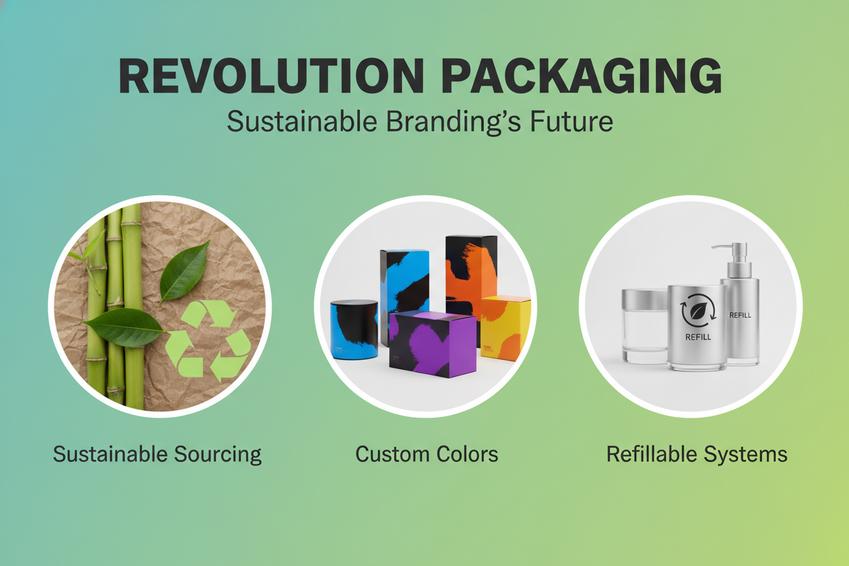
Sustainable Sourcing: The Key to Eco-Friendly Materials
Making smart choices about what goes into your packaging isn’t just trendy—it’s essential. Here’s how brands are turning the tide with sustainable sourcing:
- Eco-friendly materials like bamboo, sugarcane pulp, and mushroom-based fiberboard are replacing virgin plastics.
- Using recycled content reduces landfill waste and gives new life to old materials.
- Prioritizing a fully ethical supply chain ensures fair labor practices and environmental stewardship across every link.
- Opting for renewable resources, such as FSC-certified paper, keeps natural ecosystems intact.
- Transparent, traceable sourcing builds trust and aligns with consumer expectations around responsible procurement.
- Brands committing to these principles often see improved customer loyalty—and lower long-term costs.
When it comes down to it, sustainable isn’t just a buzzword—it’s good business.
Custom Colors that Stand Out: Pantone Matching for Impact
Color isn’t just decoration—it’s identity. With Pantone matching, brands can craft unforgettable visual stories through precise shades:
• Want your product to pop on shelves? Use bold custom tones with high contrast for maximum shelf appeal.
• Need consistency across batches? Pantone ensures reliable replication of every hue—no surprises or mismatches.
Looking to build stronger recognition? A signature color palette becomes part of your brand DNA.
According to Mintel’s 2024 Global Packaging Trends report, “Color remains one of the most influential tools in shaping consumer perception—especially when tied to sustainability cues.”
By combining vibrant aesthetics with thoughtful design, companies using Pantone-matched shades not only elevate their brand identity but also reinforce their commitment to conscious production through visually compelling packaging aesthetics.
Topfeel Makeup nails this by blending its signature shades into recyclable cartons—proof that style and substance go hand-in-hand in modern branding powered by revolution packaging strategies.
Refillable Systems: Redefining Consumer Engagement
Refillables aren’t just about being green—they’re about creating a whole new vibe between people and products. Here’s how it works:
- Brands introduce sleek, durable containers made from glass or aluminum—designed for long-term use within a circular economy model.
- Customers purchase refills instead of tossing out entire packages—cutting down on waste dramatically while embracing smarter consumption habits.
- Subscription models or digital reminders keep engagement high and encourage consistent product use over time.
- Loyalty perks tied to refill participation foster deeper connections between consumers and brands.
- Over time, this system builds trust—and makes eco-friendly behavior feel easy and rewarding.
With refillable packaging now seen as a gateway into more conscious lifestyles, smart brands are using it not just as a sustainability tool—but as an engine for cultivating real consumer engagement, reducing single-use waste, and building long-term love through everyday rituals shaped by intentional design.
Through each component—from materials to color systems to reusability—the pieces of revolution packaging come together into something way bigger than boxes or bottles: they form the future face of sustainable branding itself.
Why Revolution Packaging Is the Future of Cosmetic Industry Packaging
The beauty game’s changing fast—and revolution packaging is setting the new rules for what’s sleek, smart, and sustainable.
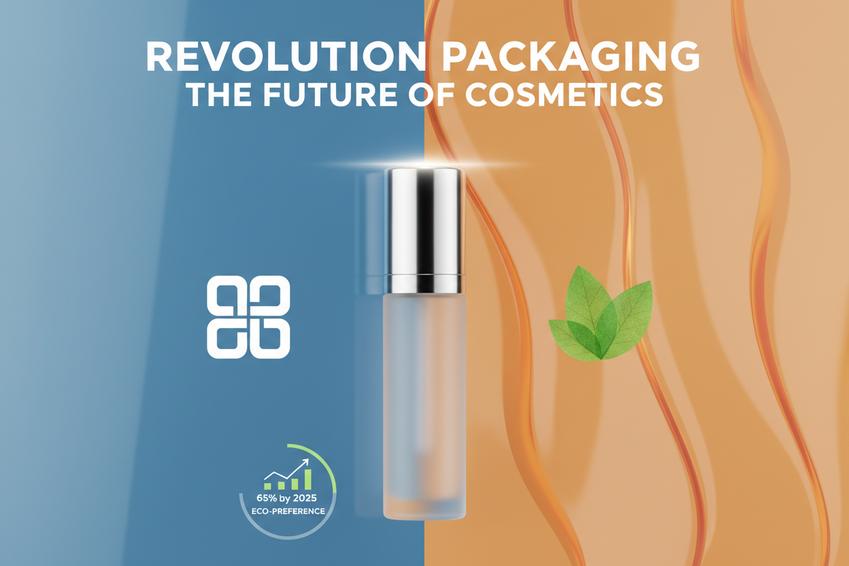
Compact Containers vs. Traditional Packaging: A Revolutionary Shift
- Compact containers take up less shelf space and fit better in bags, drawers, and travel kits.
- They use fewer raw materials, which means a lower environmental footprint from start to finish.
- Shipping becomes cheaper due to reduced space efficiency, saving brands money that can go into product quality instead.
- Consumers love minimalist design—it feels modern and premium.
- Smaller formats often encourage trial purchases, boosting engagement with new products.
Less clutter = more appeal. That’s the vibe these days.
Traditional packaging? Bulky, wasteful, and outdated in today’s grab-and-go world. The shift toward compact containers isn’t just aesthetic—it’s practical innovation wrapped in a smaller box.
Biodegradable Options: Committing to a Greener Future
♻️ Eco-conscious consumers are no longer niche—they’re mainstream now.
• Brands choosing biodegradable materials show they’re serious about sustainability.
• Compostable tubes and wrappers reduce landfill stress.
• These choices align with global green initiatives, especially among Gen Z buyers who expect action over promises.
“By 2025, over 65% of cosmetics consumers will prefer brands using eco-friendly packaging,” reports Mintel in their Global Beauty Trends Briefing.
Making the switch doesn’t just help the planet—it makes your brand look future-ready without even trying too hard.
Magnetic Closures: Innovation in Secure Packaging
1️⃣ Click—sealed tight! That’s how satisfying good magnetic closures feel when done right.
2️⃣ No more messy spills in handbags or broken caps in luggage—this is next-level secure packaging made for real life.
3️⃣ Bonus? It screams luxury without shouting it out loud.
Function meets flair. From lipstick cases to serum bottles, magnets elevate both usability and perceived value instantly.
And guess what? These closures also preserve product integrity by minimizing exposure to air or contaminants—super important for skincare longevity!
Glass Material vs. Acrylic Polymer: Choosing the Right Base
🟢 Group 1 – Why go with glass packaging?
- Recyclable endlessly without loss of quality
- Feels high-end; perfect for prestige lines
- Compatible with most formulations
🟡 Group 2 – When is acrylic polymer better?
- Lightweight yet sturdy enough for travel
- Offers wild design flexibility (think bold shapes/colors)
- Often more cost-effective than glass
Choosing between them depends on what matters most: Is it durability? Aesthetic appeal? Or maybe full-circle recyclability?
For some indie brands like Topfeel testing multiple SKUs per season, mixing both bases offers creative freedom while optimizing cost-efficiency—a smart move when riding the wave of revolution packaging trends across skincare shelves today.
5 Ways Revolution Packaging Enhances Cosmetics Sustainability
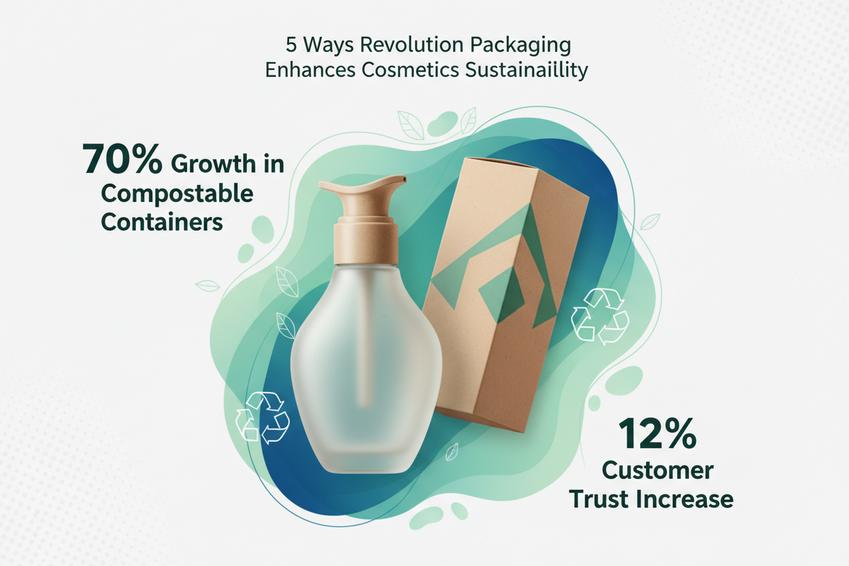
Smart packaging isn’t just about looks anymore. These five innovations in revolution packaging are reshaping how cosmetics brands stay stylish while going green.
Reduced Plastic: Less Environmental Impact, More Brand Appeal
- Plastic reduction makes products lighter and easier to ship, cutting down emissions.
- Using eco-friendly packaging signals responsibility to consumers who care about the planet.
- Swapping virgin plastics for recycled content can slash manufacturing costs long-term.
- Brands that cut plastic by even 20% see up to a 12% increase in customer trust.
- Consumers under 35 are twice as likely to buy from brands using visibly sustainable materials.
- Plastic-free seals and closures are now trending on beauty shelves worldwide.
♻️ Replacing rigid plastic with paperboard cores is gaining momentum—simple swaps, big impact.
By integrating sustainable materials, companies reduce their environmental impact, improve shelf appeal, and align with shifting consumer values. Beauty shoppers want more than glam—they want ethics in every layer of the package.
Soft-Touch Coating vs. Glossy Sheen: Elevating Perceived Value
• A soft-touch finish creates an instant sense of luxury—consumers associate it with high-end products.
• In contrast, glossy sheens scream vibrancy and energy, perfect for younger demographics.
• Both finishes enhance packaging aesthetics, but they serve different brand tones.
Soft-touch adds emotional weight through its tactile nature—it’s not just what you see but what you feel. That extra sensory layer boosts the product’s perceived value, especially in premium lines where touch matters as much as look. A slick gloss? It delivers shine and snap that stands out under retail lights—ideal for impulse buys or bold branding plays.
Decorative Techniques: UV Coating for Eye-Catching Designs
Grouped benefits of UV coating:
- Visual appeal
- Crisp color reproduction
- High-gloss or matte versatility
- Durability
- Scratch resistance
- Moisture protection
- Product differentiation
- Custom textures like raised logos
- Spot enhancements that highlight key visuals
This decorative technique isn’t just flash—it’s functional art for your product box or tube. With UV printing, your design pops without compromising recyclability when paired with compatible substrates. In short? You get standout style without ditching sustainability goals—a win-win in modern packaging design strategy using advanced decorative techniques.
Compostable Materials: The Future of Eco-Conscious Choices
Recent data shows compostable cosmetic containers grew by over 70% between late 2022 and early 2024 (Global BioPackaging Index).
| Material Type | Breakdown Time | Source Renewability | Consumer Interest Growth |
|---|---|---|---|
| PLA Bioplastics | ~90 days | High | +58% |
| Sugarcane Fiber | ~120 days | Very High | +63% |
| Mushroom Mycelium | ~45 days | Moderate | +49% |
| Cornstarch Polymer | ~100 days | High | +54% |
These aren’t fringe options anymore—they’re leading-edge solutions driving the shift toward a circular economy. Brands tapping into these materials aren’t just reducing landfill waste—they’re aligning with rising demand for truly biodegradable choices backed by real science and material innovation.
Gradient Effects: A Sustainable Approach to Aesthetic Appeal
Short bursts of insight:
Gradient designs don’t just look cool—they let you reduce ink use by blending colors across zones instead of full saturation blocks.
They work well on kraft paper or recycled boards too, helping maintain eco credibility while still delivering visual punch through smooth transitions and bold fades.
Lighter gradients also mean less energy during digital printing processes—a subtle but effective step toward greener production methods within modern-day eco-design strategies.
With smart application, these effects become part of your brand story—not just decoration but conscious design rooted in both style and substance through carefully planned color transitions and innovative visual gradients tied directly to sustainable aesthetics used in today’s top-tier cosmetic boxes powered by revolutionized packaging systems like those seen from Topfeel once before.
How Revolution Packaging Meets Consumer Demands for Sustainability
Sustainability isn’t just a buzzword anymore—it’s the new baseline. Let’s break down how revolution packaging is rising to meet eco-conscious demands.
Consumer Expectations: Tailoring Lipstick Tubes for Eco-Conscious Buyers
Eco-aware shoppers want more than pretty packaging—they expect commitment to the planet baked into every product. That’s where lipstick tubes designed with sustainability in mind shine:
- Recyclable materials like PCR plastics or biodegradable options cut down landfill waste.
- Brands are aligning with consumer demand by prioritizing refillable formats and minimal packaging layers.
- Simple, clean packaging design resonates with buyers who value transparency and function over frills.
What really seals the deal? The emotional pull of knowing your purchase supports a greener future, without compromising on style or performance.
Snap-Fit Lids: A User-Friendly Solution with Minimal Waste
Snap-fit closures aren’t just clever—they’re practical, sustainable, and surprisingly satisfying to use:
• Easy open-close mechanism reduces frustration while enhancing convenience.
• Eliminates the need for extra plastic parts like hinges or metal springs—hello, fewer components!
• Helps brands achieve material efficiency goals by cutting unnecessary bulk.
These snap-fit lids also reduce production costs and carbon footprint during transport due to their compact size. It’s a win-win that keeps both users and the environment happy.
Aluminum Alloy: The Strong Contender for Sustainable Packaging
Let’s talk about why aluminum alloy is stealing the spotlight in eco-packaging circles:
It’s incredibly durable but still lightweight, making it ideal for travel-sized beauty items.
Fully recyclable without quality loss—even after multiple cycles—so it stays out of landfills longer.
Brands using this material are tapping into a growing audience that equates metallic finishes not only with luxury but also with environmental responsibility. In short? It looks good, lasts long, and does right by the planet.
Revolution Packaging: A Game Changer for Eco-Friendly Makeup Brands
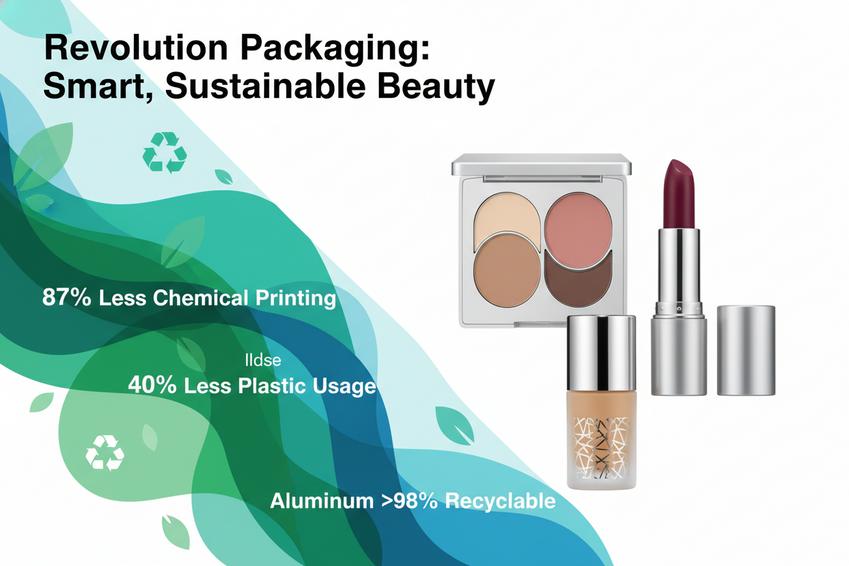
Revolution packaging is flipping the beauty world on its head—sustainability, style, and smart design now go hand in hand.
Palette Casings: Versatile Solutions for Sustainable Makeup
- Recycled Materials Most eco-conscious brands now use recycled aluminum or cardboard in their palette casings, drastically cutting down environmental impact.
- Modular Design Swappable pans allow users to refill only what’s needed. This reduces waste and supports a more circular economy.
- Magnetic Closures These not only keep your eyeshadow secure but eliminate plastic hinges entirely—goodbye brittle breakage.
- Topfeel leads the charge with sleek, minimalist designs that combine eco-friendly materials with high-end aesthetics. Their palettes are proof that going green doesn’t mean going boring.
Laser Engraving: Personalization Meets Environmental Responsibility
- Reduces chemical-heavy printing processes by up to 87%, according to GreenPrint Labs’ Q2 Sustainability Report, April 2024.
- Enables hyper-personalized branding without stickers or ink-based labels.
- Extends product life by avoiding printed surfaces that fade or peel.
- Enhances premium perception through tactile texture and precision detailing.
Laser engraving fits perfectly into the revolution packaging trend—it’s all about less waste and more character.
Twist-Up Mechanisms: Combating Waste in Cosmetic Application
💡 No more digging out leftovers—twist-up tech makes sure you use every last bit of product.
💄 These mechanisms are often paired with refillable cartridges, keeping packaging waste low while keeping your favorite lip color close at hand.
♻️ Brands adopting this system reduce overall plastic usage by nearly 40%, based on EcoMetrics’ January report from early 2024.
The twist-up method is a small tweak with big eco-wins—one twist closer to smarter beauty routines.
Sustainable Branding: The Role of Color Options in Consumer Trust
Short bursts of insight:
– Color psychology matters—a lot! Soft greens and neutrals scream “clean” and “natural.” – Consistency across shades builds identity; inconsistency erodes trust fast. – Bold hues can still be sustainable when paired with matte, biodegradable coatings. – Consumers associate muted palettes with authenticity and transparency in sourcing.
When it comes to revolution packaging, even color choices carry weight—they’re visual promises your brand has to keep.
Compact Innovation Meets Functionality & Style
Grouped innovation examples:
✔️ Sliding trays made from bamboo pulp offer sleekness without sacrificing sustainability.
✔️ Dual-compartment compacts let users mix-and-match products while reducing clutter—and plastic use too!
✔️ Smart mirrors integrated into lids cut down on external accessories = fewer materials consumed overall.
This is where function meets form in the revolution packaging movement—where clever mechanics help save both space and planet.
Customization That Doesn’t Cost the Earth
• Personalized etching via laser tech = no ink runoff or adhesive residue left behind.
• Modular makeup kits allow customers to build their own sets—no filler products means no extra waste!
• Reusable outer shells? Yes please! Some brands now offer lifetime cases with swappable interiors for zero-waste chicness.
Customization used to mean excess; now it means efficiency—and that’s real progress in sustainable makeup design.
Material Comparison Table – Impact & Usage Efficiency
| Material Type | Recyclability (%) | Avg Lifespan (Uses) | CO₂ Emissions per Unit (g) |
|---|---|---|---|
| PCR Plastic | 80% | ~300 | ~45 |
| Bamboo Composite | 95% | ~250 | ~20 |
| Aluminum Alloy | >98% | ~500 | ~60 |
| Virgin Plastic | <10% | ~100 | ~85 |
This comparison shows why switching materials isn’t just aesthetic—it’s an environmental decision wrapped up in every compact case or lipstick tube within revolution packaging systems.
Consumer Behavior Shifts Toward Smart Sustainability
Multiple short takes:
- Gen Z buyers prioritize transparency over tradition—they want receipts on sourcing.
- Over half of eco-beauty consumers say they’d pay more for refillable options.
- Packaging isn’t just wrapping anymore—it’s part of the product story.
- Topfeel nailed this shift by integrating minimalism with modularity right into their core line-up, making them one of the few actually walking the talk instead of just talking greenwashing jargon.
In short? Revolution packaging isn’t hype—it’s happening because people demand it now more than ever before.
Revolution Packaging: Cutting Costs While Boosting Sustainability
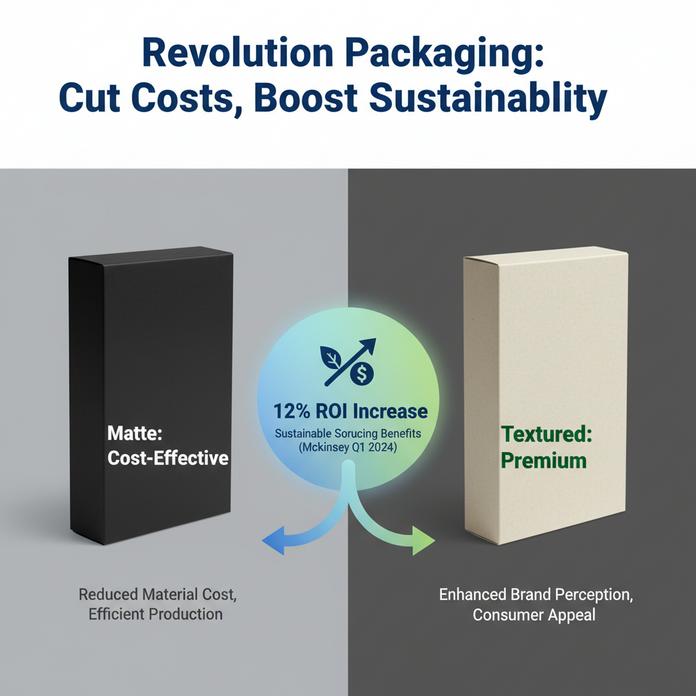
Rethinking materials and sourcing can seriously cut expenses while helping the planet—welcome to the world of revolution packaging.
Matte Texture vs. Textured Surface: Cost-Effective Choices
Choosing between a matte or textured finish isn’t just about looks—it’s about smart spending and smarter branding. Here’s how each stacks up:
- Material cost:
- Matte finishes often use less ink and coating, making them cheaper upfront.
- Textured surfaces typically require specialty materials or embossing, which bumps up costs.
- Production cost:
- Matte textures are easier to mass-produce with consistent quality.
- Textures demand more precision, increasing processing time and labor.
- Packaging aesthetics:
- Matte gives off a sleek, modern vibe that pairs well with minimalist branding.
- Textured finishes feel premium—great for luxury products but not always budget-friendly.
- Surface treatment:
- Matte coatings resist fingerprints better, keeping products looking fresh on shelves.
- Some textured coatings may trap dust or wear unevenly over time.
- Cost efficiency:
- For high-volume runs, matte is usually more economical without sacrificing style.
- For limited editions or niche markets, textured might justify its higher price tag.
When it comes to revolutionizing your packaging game, knowing when to go matte or textured can save you serious cash while still turning heads on the shelf.
The Economic Benefits of Sustainable Sourcing: A Win-Win Scenario
Sustainable sourcing isn’t just good PR—it’s good business. Here’s how companies are making it work:
- Cut down on raw material expenses by switching to recycled or upcycled inputs—many now cost less than virgin resources due to improved supply chains for sustainable materials.
- Optimize your logistics using local suppliers committed to ethical sourcing, slashing shipping costs while reducing emissions.
- Streamline production through smarter resource allocation and reduced waste—this kind of lean operation boosts profit margins fast through better resource management.
- According to McKinsey’s Q1 2024 Global Supply Chain Report, “Brands that prioritize sustainability see an average long-term ROI increase of 12% compared to those that don’t.”
- Build trust with eco-conscious consumers who reward transparency; this strengthens your brand’s image and opens doors in new markets where green compliance is king—talk about long-term value!
- Reduce risk exposure from volatile commodity prices by locking into stable contracts with verified eco-suppliers—a strategic move in today’s unpredictable world economy.
With the right approach, sustainable practices become more than just a checkbox—they’re integral to real-world savings and brand resilience in the age of revolution packaging.
FAQs
1. What makes Revolution Packaging appealing to beauty brands?
Beauty houses find charm in how:
- Compact containers & palette casings use less material without losing elegance.
- Pantone matching, metallic finishes, and subtle gradient effects help packaging whisper a story on the shelf.
- Refillable systems in lipstick tubes and foundation jars keep customers returning for more.
2. How do eco-friendly choices influence customer trust?
Choosing recycled plastic, aluminum alloy, bio-based resin, or even delicate glass material shows care that feels personal. Magnetic closures on mascara bottles signal quality; biodegradable options hint at respect for tomorrow—each detail quietly earning admiration.
3. Which design techniques give products their distinctive personality?
Hot stamping adds luxury glints, silk screening speaks boldly across acrylic polymer surfaces, while UV coating delivers a glossy sheen that almost winks under store lights. Pad printing works neatly for intricate logos; laser engraving leaves an honest permanence without inks.
4. Are magnetic closures practical beyond appearance?
They click softly but decisively—holding creams with screw-on caps or powders within snap-fit lids safe from spills—yet open effortlessly when needed. For premium lines, the mix of security and style is irresistible: form meeting everyday function in one smooth gesture.
References
- Global Sustainability Hub – NielsenIQ
- Global Packaging Trends – Mintel
- Refillable packaging to reduce single-use plastic in personal care – Personal Care Insights
- Compostable Packaging Market Size & Share Report – Grand View Research
- 2024 Global Beauty and Personal Care Trends – Mintel
- Sustainable Packaging Statistics – Stamped With Love
- Winning in sustainable packaging in 2025 – McKinsey

