 English (UK)
  English
  English (Australia)
  English (Canada)
  العربية
  Deutsch
  Italiano
  Español de México
  Tiếng Việt
  ไทย
ไทย  Português do Brasil
  Français
  Български
  Čeština
  Dansk
Dansk  Ελληνικά
  Eesti
Eesti  Suomi
Suomi  Magyar
  Bahasa Indonesia
  Lietuvių kalba
  Latviešu valoda
  Norsk bokmål
  Nederlands (Formeel)
  Polski
  Română
  Русский
  Slovenčina
  Slovenščina
  Svenska
  Türkçe
  Українська
  简体中文
简体中文  日本語
日本語  한국어
한국어  繁體中文
繁體中文 
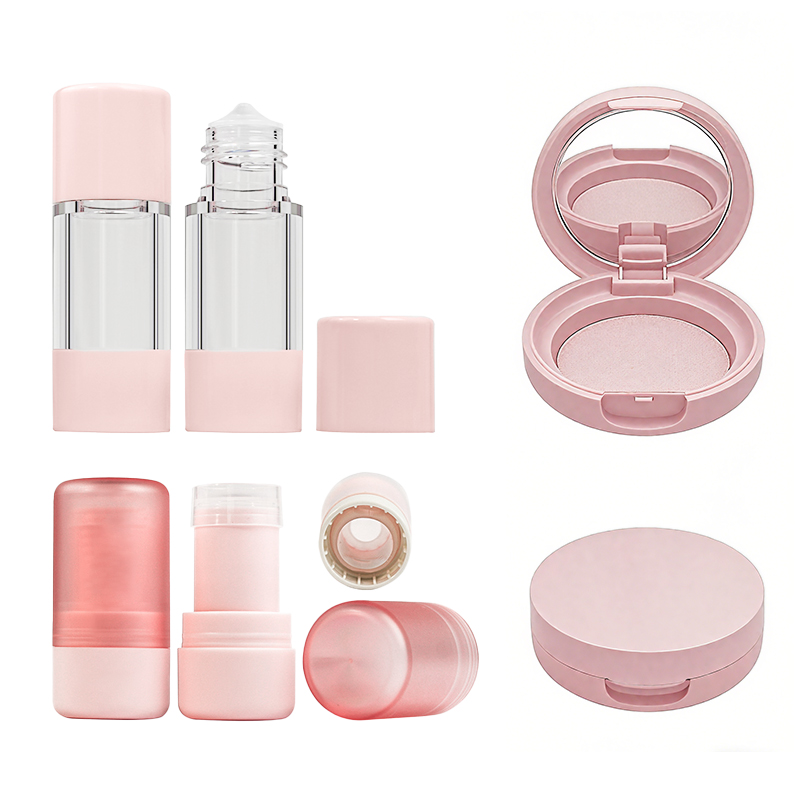
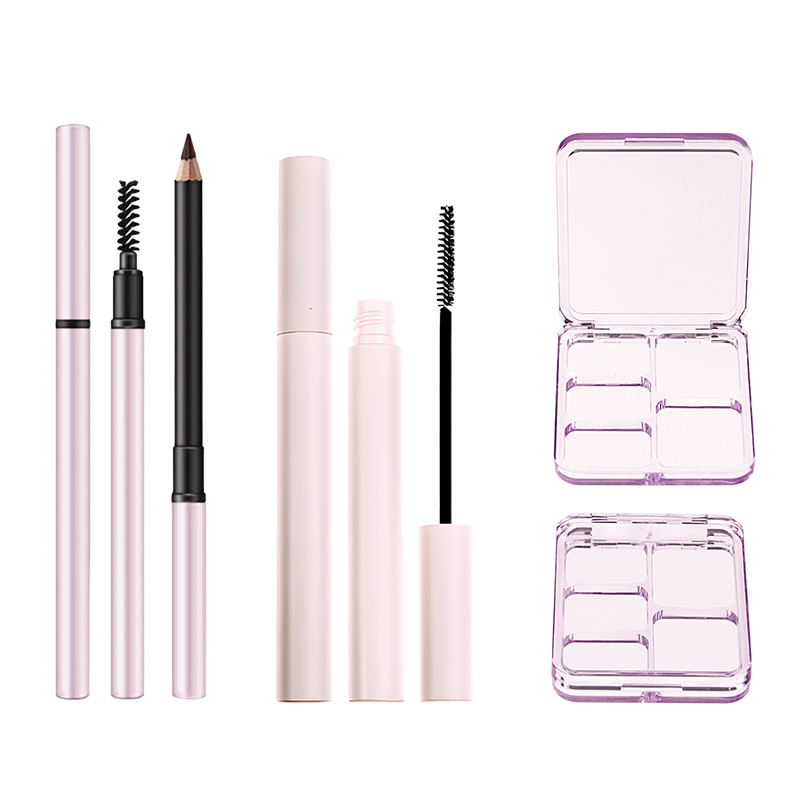
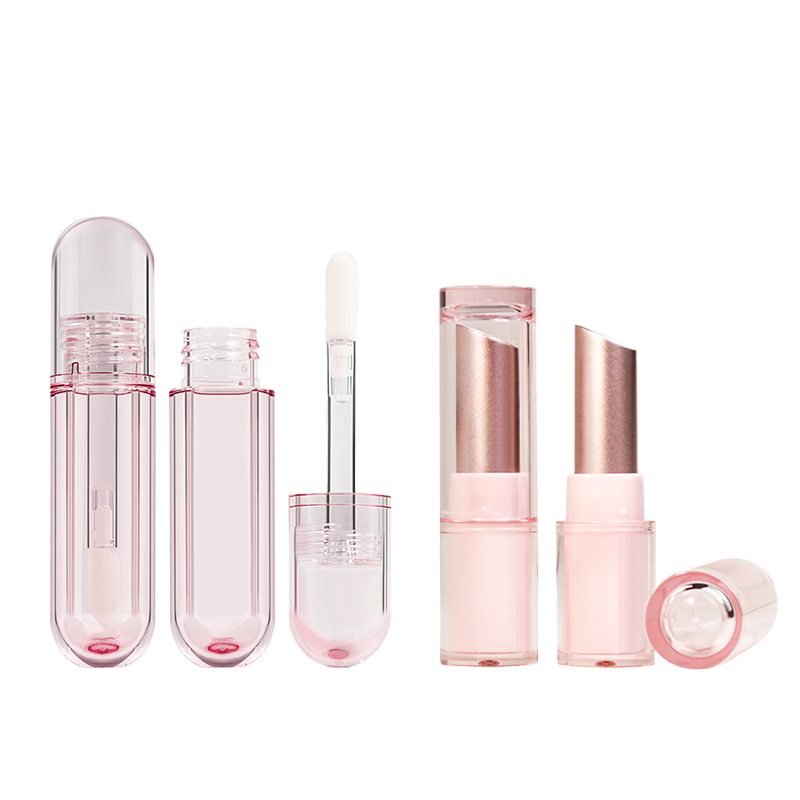

How Refillable Containers Revolutionize Eco-Friendly Packaging Solutions
January 22,2026
The beauty aisle’s been lookin’ a little greener lately—and no, we’re not talkin’ eyeshadow palettes. Refillable containers are flipping the script on how makeup gets dressed up before it hits your vanity. Think sleek compacts and clicky lipstick tubes that don’t head straight for the landfill after one use. Brands aren’t just hopping on a trend—they’re chasing loyalty, cutting long-term costs, and giving Mother Nature fewer reasons to side-eye them.
“Refill systems now account for over 38% of sustainable packaging initiatives in cosmetics,” says Topfeel’s senior design engineer Mei Zhang (2024 Packaging Trends Report). “It’s not just about reducing waste—it’s about building something customers want to keep in their hands.”
And if you’re sourcing packaging at scale? You already know disposables bleed money over time. Refills flip that loss into repeat purchases—same outer shell, fresh new fill. Smart move, right? Keep reading—you’re gonna want to see where this is headed.
Eco-Friendly Advantages of Refillable Containers
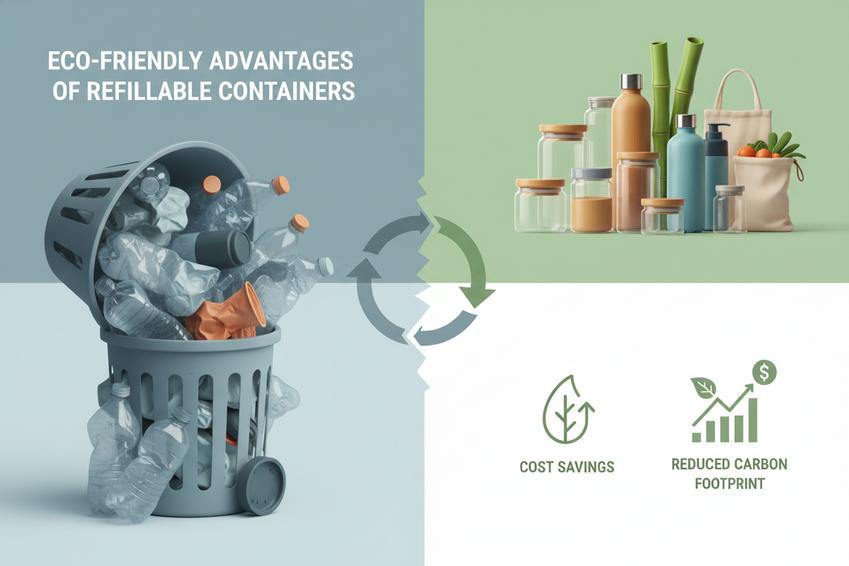
Refillable containers aren’t just trendy—they’re changing how we think about waste, cost, and sustainability in everyday beauty routines.
Reduced Plastic Waste: The Case for Refillable Solutions
• Refillable compact cases slash single-use packaging by replacing disposable plastic with sturdy, reusable shells.
• Lipstick tubes and mascara tubes with magnetic seals or screw caps reduce landfill contributions dramatically.
• These systems extend the lifespan of packaging materials, directly cutting down on plastic pollution and boosting long-term waste reduction efforts.
Sustainable Materials: Embracing Recycled Plastic and Bamboo
- Recycled plastics—like post-consumer PET—are reborn into sleek cosmetic containers without compromising aesthetics.
- Bamboo, a fast-growing renewable resource, offers biodegradable alternatives that still feel luxe in hand.
- Glass and aluminum alloy options enhance durability while offering premium finishes like matte or satin textures.
- All these choices support both resource conservation and better lifecycle outcomes.
Cost Efficiency: Long-Term Savings with Refillable Systems
A refillable eyeliner pen might cost more upfront—but it’s built to last through dozens of refills before needing replacement. Over time, users spend less on packaging and more on product quality itself. This shift supports smarter buying habits while improving overall cost savings, which also strengthens customer stickiness through perceived value gains.
Circular Economy: A Model for Sustainable Packaging
Short bursts of insight:
Durable jars and pump dispensers can be reused across multiple product cycles; no need to toss after each use.
Modular designs allow individual parts—like nozzles or sleeves—to be swapped out instead of the whole container.
This supports a true circular economy, where reuse isn’t just possible—it’s expected.
Lifecycle Assessment: Measuring Real Environmental Impact
Step 1: Assess raw material extraction—how much energy does it take to source bamboo vs virgin plastic?
Step 2: Evaluate manufacturing emissions—refillables often require fewer resources per unit over time.
Step 3: Consider end-of-life scenarios—can parts be recycled easily? Are they biodegradable? Each step contributes to a full-picture understanding of environmental impact using standard industry tools like lifecycle analysis reports tied to actual usage data.
Consumer Loyalty Through Sustainable Design
Grouped benefits consumers actually care about:
• Emotional connection – Customers appreciate brands that align with their eco-values, enhancing brand perception naturally.
• Practical value – Refills are often cheaper per use than buying new each time, reinforcing smart spending habits rooted in convenience.
• Social proof – Using cool refillable containers signals environmental awareness among peers, boosting social status subtly but effectively. These factors drive shifts in purchasing behavior, increasing retention via authentic alignment with lifestyle values.
Supply Chain Efficiency & Brand Wins
Grouped by operational impact:
→ Lower shipping weight from modular refills means reduced fuel costs across supply chains—a double win for profit margins and carbon offset goals tied to lower overall carbon footprint.
→ Standardized refill formats simplify inventory management across SKUs while reducing warehouse clutter—a critical improvement in modern logistics strategy focused on agility.
→ Brands adopting refill-first models report increased shelf appeal due to minimalistic design language that resonates with younger demographics tuned into sustainability trends—a hidden boost in market competitiveness rooted firmly in evolving consumer expectations around eco-consciousness.
Smart Packaging Meets Sustainability Goals
Natural blend of formats:
Smart dispensing systems improve user experience while minimizing waste from overdosing products like foundation or serum drops—less mess means higher efficiency per use case scenario.
Material innovations such as compostable inserts inside hard-shell refillable bottles are now being tested by forward-thinking brands looking to combine form with function at scale.
This intersection between tech-driven enhancements and sustainable packaging principles elevates both usability and environmental performance without compromise—a rare sweet spot where design meets purpose head-on using principles aligned closely with modern-day expectations around sustainability-driven innovation powered by advanced material science thinking woven into every layer of development strategy surrounding refillables today.
Three Key Benefits of Refillable Containers for Brands
Refillable containers aren’t just trendy—they’re reshaping how brands connect with people, cut waste, and stand out on the shelves.
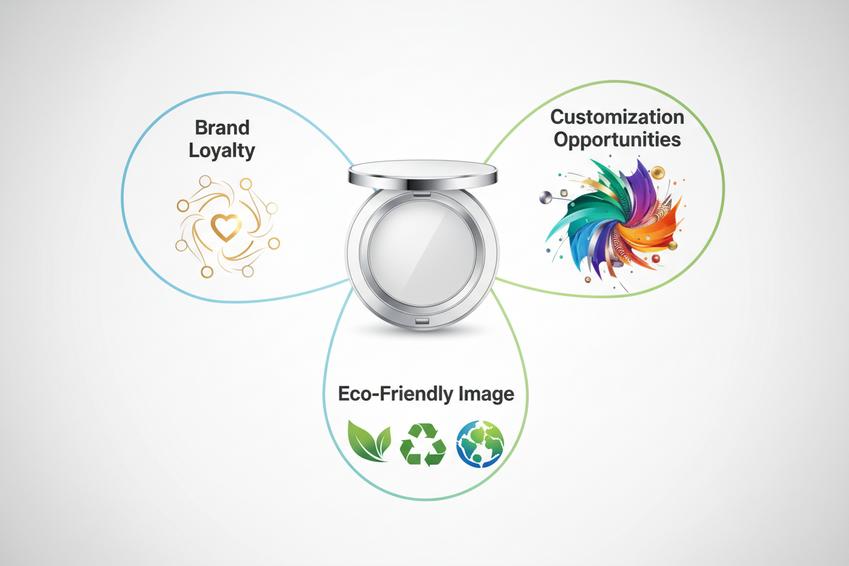
Brand Loyalty: Engaging Customers Through Refillable Practices
• Magnetic closures on refillable compacts create a tactile experience that keeps users coming back—like muscle memory for makeup.
• When packaging for cosmetics becomes part of someone’s routine, they’re less likely to switch brands.
• Refill incentives—discounts or loyalty points—nudge customers toward repeat purchases without feeling pushy.
- Familiarity builds trust: consumers associate their favorite refillable container design with quality and comfort.
- Programs like “bring-back” refills encourage interaction between brand and buyer long after checkout.
- Limited-edition refills (think seasonal shades) keep things fresh while keeping packaging consistent.
✦ Refilling isn’t just about saving—it’s about rituals, identity, and emotional connection with your go-to products.
A customer using the same lipstick case for months? That’s not just convenience—it’s attachment. With every refill click, you reinforce that bond and boost customer loyalty, all while staying in their daily routine.
Short-term perks like free refills or early product access can hook people fast; but long-term retention comes from making them feel part of something bigger—a community that values reuse over waste.
Refill stations at flagship stores or pop-ups turn routine into ritual—and give customers another reason to engage face-to-face with your team.
Grouped benefits:
- Emotional resonance: The feel of familiar packaging creates comfort.
- Habit reinforcement: Reusable formats build daily routines.
- Incentivized loyalty: Discounts and points systems reward sustainable behavior.
- Brand interaction: In-store refill events deepen engagement.
- Community building: Shared values around sustainability forge stronger bonds.
Customization Opportunities: Colors and Finishes That Stand Out
• Pantone-matched palettes let brands own their visual vibe across all refillable packaging formats—from foundation bottles to lipstick tubes.
• UV coatings add gloss or matte textures that elevate shelf appeal without adding bulk or weight.
• Metallic foils catch light (and eyes), helping products shine in crowded displays.
- Custom finishes = instant recognition in a sea of sameness.
- Silk screening enables intricate branding without compromising recyclability or durability.
♻️ A smooth soft-touch coating doesn’t just look good—it feels premium too, reinforcing brand differentiation every time someone picks it up.
Each custom detail tells a story—whether it’s an embossed logo on a powder compact case lid or a translucent tint revealing how much product is left inside your refill container system.
Segmented features:
- Visual identity boost through color precision (Pantone matching).
- Functional luxury via tactile finishes like soft-touch rubberized coatings.
- Shelf standout using reflective metallics or transparent windows.
- Eco-conscious style by combining aesthetics with recyclable materials.
- Seasonal flexibility through limited-run printed sleeves or foil stamping variations.
- Enhanced user experience thanks to ergonomic designs matched with refined textures.
- Subtle branding that still pops—like etched logos under clear resin layers.
Eco-Friendly Image: Attracting Conscious Consumers
| Feature Type | Environmental Impact | Consumer Appeal | Brand Benefit |
|---|---|---|---|
| Recycled Plastics | Lowers raw material use | Aligns with green values | Cuts production costs |
| Modular Refills | Reduces total waste | Easy to swap & reuse | Boosts operational efficiency |
| Transparent Tints | Shows what’s inside | Encourages mindful use | Builds consumer trust |
| Biodegradable Labels | Decomposes naturally | Signals sustainability | Enhances brand reputation |
Consumers are watching—and they care more than ever before about what happens after the product runs out. A reusable jar says “we care” louder than any marketing slogan ever could.
By integrating low-waste materials into core design—not just as an afterthought—you tap into shoppers’ desire for transparency and responsibility without sacrificing style or usability.
Grouped impact areas:
-
Waste reduction through refill-first models
- Less landfill clutter
- More circular material flow
- Longer lifecycle per unit sold
-
Carbon savings via local production/refill centers
- Lower transport emissions
- Smaller carbon footprint per purchase
- Better alignment with net-zero targets
-
Material innovation for eco-conscious appeal
- Compostable labels & inserts
- Clear glass alternatives for plastic-free options
- Plant-based polymers where possible
Conscious consumers aren’t passive—they actively seek out brands whose ethics match their own habits. With well-designed refill containers, you’re not only reducing plastic pollution but also creating lasting impressions among those who want beauty without guilt—even if it means carrying around the same sleek powder compact month after month.
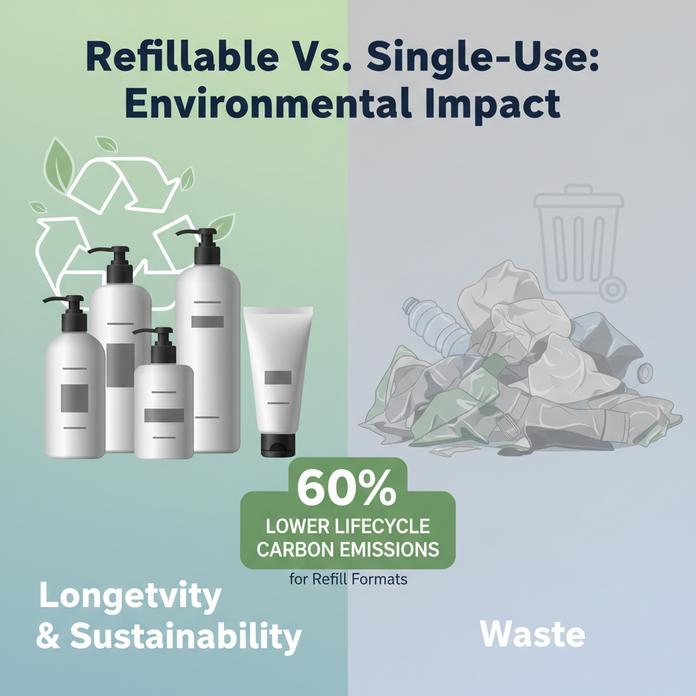
Refillable Containers Vs. Single-Use Packaging: The Environmental Impact
A quick look at how switching to refillable containers stacks up against toss-and-go packaging when it comes to the environment, resources, and emissions.
Refillable Containers
• Built with long-lasting materials like aluminum alloy or hard acrylic, refillable containers are made to be reused dozens—sometimes hundreds—of times.
• They’re typically split into two parts: a sturdy outer shell and a lightweight refill insert. This separation means less waste with every refill cycle.
- Brands often design these systems with snap-fit or magnetic closures for easy swapping without damaging the main case.
- Some refillables even use modular design features so consumers can mix and match shades or formulas.
♻️ These systems reduce plastic waste by minimizing the need for full-package replacements after each product use.
Durability plays a starring role here—because instead of throwing away everything, users keep the case while replacing only what’s necessary.
Quick swaps, sleek cases, and fewer trips to the bin—that’s what makes refill packaging feel both smart and sustainable.
Single-Use Packaging
• Made mostly from virgin plastic or mixed materials that are hard to recycle efficiently. • Often designed more for visual appeal (like fancy finishes) than sustainability or reuse potential.
- Each unit is fully discarded after product use—even if most of it could technically be reused.
- Decorative features like spray-painted surfaces or metallic accents make recycling trickier due to material contamination.
- High turnover creates mounting piles of plastic waste, especially in beauty markets where trends shift fast.
💥 Flashy but fleeting—single-use designs look good on shelves but leave behind environmental baggage once tossed.
They’re convenient upfront but costly long-term in terms of environmental harm and energy demands from constant manufacturing cycles.
Carbon Footprint: A Clear Comparison
• Manufacturing emissions drop significantly when fewer full units are produced over time via refillable containers.
• Using recycled plastic components further slashes carbon output during production stages.
• Standardized volumes across refills help streamline logistics, cutting transportation-related emissions too.
1️⃣ A report from McKinsey & Company (2024) noted that personal care companies adopting refill formats saw up to 60% lower lifecycle carbon emissions per unit sold compared to single-use formats.
2️⃣ When paired with local refill stations or mail-back programs, even distribution-related emissions shrink dramatically.
3️⃣ Less frequent production = less energy used = more sustainable outcomes over time.
🔁 Every reuse cycle extends the life of original materials while shrinking your carbon trail bit by bit—a win-win setup for both brands and planet-conscious shoppers alike.
Resource Efficiency: Examining Material Use
Grouped by function:
🧱 Structural Materials:
- Outer shells made from sustainable materials like anodized aluminum last years without warping or cracking.
- Inserts tend to use lighter plastics optimized for minimal resource input per unit volume filled.
🎨 Surface Finishes:
- Durable coatings replace disposable decorations; embossed logos outlast printed ones without extra ink layers.
- Smart surface tech resists wear, reducing need for replacement due to aesthetic degradation alone.
🛠️ Functional Design:
- Twist-off dispensers allow precise dosing while reducing product waste.
- Magnetic closures simplify refilling while maintaining tight seals for product safety and hygiene standards.
Instead of tossing an entire unit every few weeks, you keep the tough part—and just swap out what you finish using. That translates into smarter material allocation across both manufacturing and user experience touchpoints tied directly to resource consumption reduction strategies enabled by modern refill systems like those offered by Topfeel.
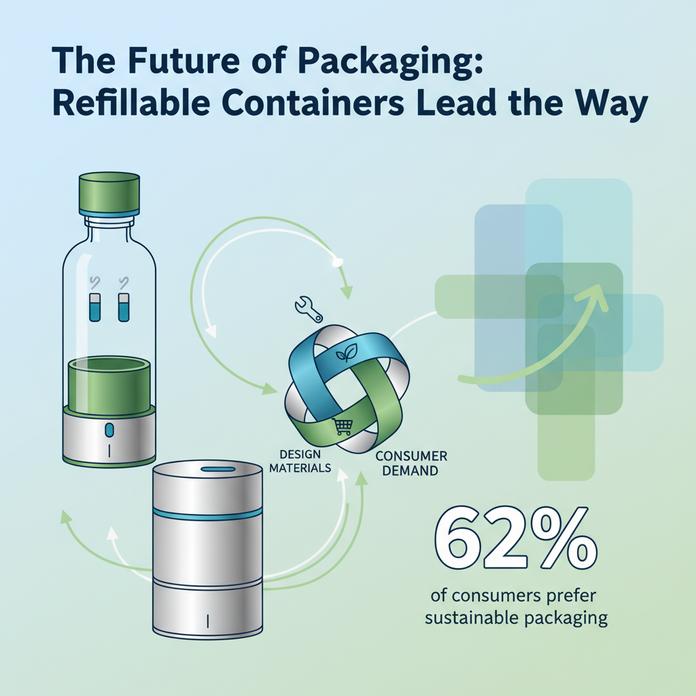
The Future of Packaging: Refillable Containers Lead the Way
Reusable packaging is shifting from niche to norm. Let’s break down the design, material, and behavior trends making refillable containers the next big thing.
Innovations in Design: The Rise of Compact Cases
Slick, stackable, and endlessly refillable—compact cases are doing more than saving space.
• Modular design is a game changer. Consumers can swap out pans for blush, powder, or highlighter without tossing the whole case.
• Magnetic closures? Yep, they’re not just cool—they’re functional and reduce wear on hinges.
• Textures matter too. Glossy finishes aren’t just aesthetic—they resist smudges and scratches better than matte ones.
Smart user-friendly mechanisms like click-locks and slide-outs add to the appeal while keeping things intuitive for daily use. These designs don’t just look good—they make refilling feel like part of your routine.
New Materials: Exploring Glass and Aluminum Alloy Options
The shift away from plastic isn’t just hype—it’s happening fast with smarter alternatives taking center stage.
✔️ Glass material delivers that luxe vibe while being endlessly recyclable—plus it doesn’t leach chemicals over time.
✔️ Aluminum alloy, especially with brushed or satin finishes, gives products a premium edge without sacrificing weight savings.
Grouped under durability and sustainability:
- Durable materials like tempered glass ensure longevity even with frequent refills.
- Metallization techniques enhance both visual appeal and corrosion resistance.
- Lightweighting innovations reduce shipping costs while keeping packaging sturdy.
These choices aren’t just cosmetic; they directly improve supply chain efficiency by reducing breakage rates during transit—win-win for brands and buyers alike.
Trends in Consumer Behavior: Preferences for Sustainable Choices
People aren’t just buying what looks good anymore—they want what feels right ethically too.
- Shoppers are leaning into refill culture hard—loose powder jars with twist-off tops or magnetic eyeliner pens are now seen as stylish staples.
- Customization matters more than ever; users want to pick shades or formulas tailored to them—not mass-market blends.
- The long-term value proposition resonates deeply with Gen Z and Millennials who prioritize both function and footprint.
A recent NielsenIQ report noted that “62% of consumers globally prefer brands that offer sustainable packaging options”—and this trend shows no signs of slowing down post-2024.
Refillable containers let people feel good about their purchase without compromising on convenience or aesthetics—a rare combo that’s turning casual buyers into loyal fans through consistent brand loyalty, reduced waste habits, and a stronger sustainability image overall.
Overcoming Barriers: Challenges in Adopting Refillable Containers
Making the switch to refillable containers sounds easy—but there’s a lot under the hood that makes or breaks success.
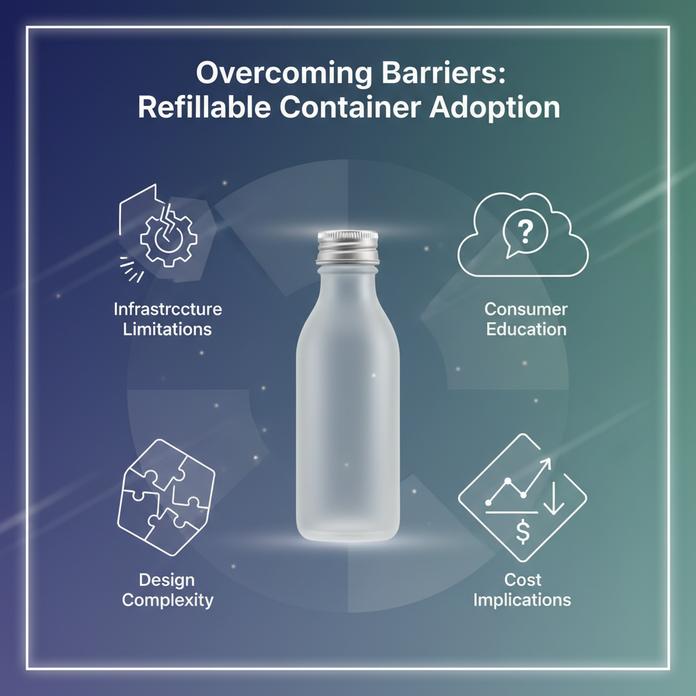
Infrastructure Limitations: Addressing Distribution Concerns
The backbone of any refillable container system is its logistical muscle. Without smart infrastructure, the whole thing falls apart.
- Supply chain gaps can disrupt availability at crucial points like in-store refill stations or online delivery hubs.
- Inconsistent standardization—think mismatched volumes like 15g vs. 100ml—makes it tough for retailers to stock and organize.
- Lack of widespread collection points means consumers often have no convenient way to return used packaging.
- Brands need to invest in reverse distribution networks that support both forward sales and backward returns.
- Efficient cleaning processes are essential, especially when dealing with skincare or food-grade refills.
Until these systems scale up properly, even the most beautifully designed refillable packaging might just sit on shelves unused.
Consumer Education: The Importance of Awareness Campaigns
Getting people on board with refilling isn’t just about offering a product—it’s about shifting mindsets.
• Clear instructions on how twist-up bases or snap closures work help reduce confusion at home.
• Visual guides and short videos explaining refill steps can boost confidence during first-time use.
• Emphasizing hygiene standards tackles common hygiene concerns, reassuring folks who worry about contamination.
When brands focus on strong education campaigns, they’re not just selling a product—they’re building trust, breaking old habits, and easing behavioral change.
Design Complexity: Balancing Functionality and Aesthetics
Refillables shouldn’t feel like a downgrade—and this is where design gets tricky:
- Designers must juggle practical features like locking mechanisms with sleek outer shells that match branding goals.
- Some materials make products feel premium but complicate internal refill mechanics.
- If users struggle with opening, closing, or inserting refills, they’ll abandon the format fast.
Balancing form with function isn’t optional—it’s essential if brands want repeat use from loyal customers who care about sustainability but won’t sacrifice convenience or style.
Cost Implications: Upfront Investment Vs. Long-term Benefits
Let’s be real—refill systems aren’t cheap out the gate. But long term? They pay off big time.
Short-term pain:
• Higher tooling costs due to custom molds and precision parts
• More expensive materials needed for durable outer shells
Long-term gain:
• Lower per-use cost once consumers start reusing containers regularly
• Reduced packaging waste aligns with eco-conscious buyers’ values
It’s not just about saving money—it’s about future-proofing your brand against rising waste disposal costs and shifting consumer expectations around sustainable packaging.
Refillable containers may require upfront hustle, but over time they build loyalty, cut waste, and redefine what modern packaging should look like.
FAQs about Refillable Containers
Why are refillable containers catching attention in beauty packaging?
- Compact Cases, Lipstick tubes, and Foundation bottles come alive again with every refill—no single-use guilt.
- Aluminum Alloy shells keep strength over countless uses; Glass Material offers elegance while Acrylic Plastic keeps things light.
- Sustainable Bamboo feels warm to the touch and whispers of nature’s patience.
Which design choices make a refill system irresistible to consumers?
- Magnetic Seals click shut like a promise kept; Screw Caps give certainty in travel bags.
- A Soft-Touch Coating or Satin Finish changes how hands linger on Mascara tubes and Eyeliner Pens.
- Transparent Tints hint at the color inside while Metallic Finishes bring glamour without excess waste.
Can customization still dazzle within an eco-conscious approach?
★ Hot Stamping adds brilliance; Silk Screening carries fine detail across Matte Surfaces or Glossy Textures.
★ Spray Painting soft gradients over recycled plastic bodies reflect mood shifts across seasons—matched perfectly via Pantone Matching or bold Opaque Colors.
How does a circular economy embrace refillable solutions?
Like branches feeding back into the trunk: recovered compact shells move through recycling flows, mascara tubes reappear after cleansing, foundation jars find fresh product with 50 Milliliter refills ready for snap closures—life extended, emissions subdued, beauty renewed in cycles unbroken.

